REVIEW · CYCLING TOURS
Rome: Early Morning eBike Tour
Book on GetYourGuide →Operated by Roma STARBIKE · Bookable on GetYourGuide
That first pedal of the day feels like a cheat code. This early Rome e-bike tour blends classic monuments with 3D visor reconstructions that show what time erased.
I love the way the route strings together both the famous hits and the quieter corners, so you get variety without feeling rushed. I also like the on-the-bike context: you stop, look, and your guide turns the scenery into a story you can actually place in your mind.
One thing to consider: it’s not for everyone, since the tour is not suitable for pregnant women and there’s a strict max rider weight of 120 kg / 265 lb. Also, very young kids may ride in a trailer setup depending on height/age.
In This Review
- Key highlights worth waking up for
- Dawn in Rome on an e-bike: what changes vs. walking
- StarBike gear check: helmets, holders, and easy control
- Colosseum in 3D: seeing the building as it once looked
- Arch of Constantine and Piazza Venezia: quick stops with big meanings
- Trajan Forum and the Pantheon: the rhythm of short, guided moments
- Piazza Navona and Campo de’ Fiori: Rome’s public squares by bike
- Trastevere: getting away from the main roads
- Circus Maximus in VR: a scale lesson you can feel
- Capitoline Hill: walking, and the emperors moment
- Value check: is $73.64 a good deal?
- Who this Rome e-bike tour fits best
- Tips to make your 3 hours smoother
- Should you book this early morning Rome e-bike tour?
- FAQ
- How long is the Rome early morning e-bike tour?
- Where do I meet for the tour?
- What’s included with the e-bike experience?
- Will I use the 3D viewers during the tour?
- How long are the stops?
- Is this tour suitable for kids?
- What are the weight limits?
- Is the tour suitable for pregnant women?
Key highlights worth waking up for
- 3D visor moments that bring back the Colosseum and Circus Maximus in reconstructed form
- Capitoline Hill walking time, tied to a scene of emperors from 2000+ years ago
- A route that mixes icons and neighborhoods, from Pantheon to Trastevere
- Off-car riding routes, which helps you avoid the most stressful parts of Rome traffic
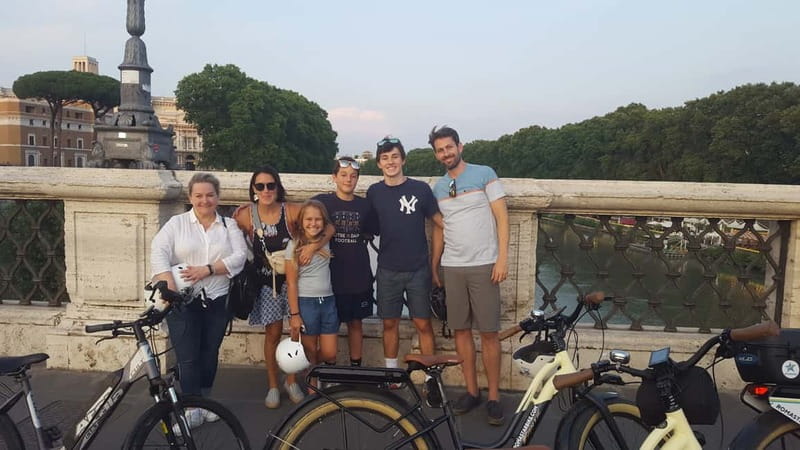
- E-bike ease, with helmets plus practical add-ons like a phone and handlebar holder
Dawn in Rome on an e-bike: what changes vs. walking
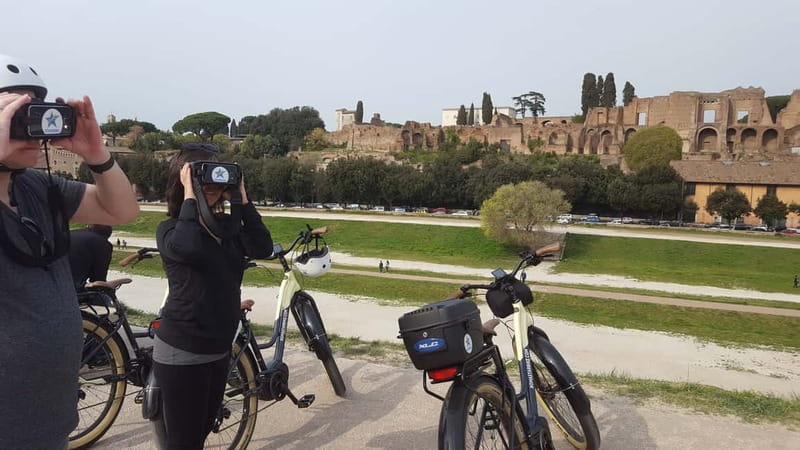
I’m a fan of early starts in Rome, and this tour leans into that advantage. When the city is waking up, you’re more likely to get cleaner sightlines at big monuments and calmer street conditions for riding. You still get the big-name Rome, but with less friction.
The best part is how the guide keeps you moving through short stops. You’re not stuck in one long, crowded area trying to see everything at once. Instead, you get a photo moment, a guided moment, then you’re rolling again.
And yes, the e-bike matters. Hills and distance aren’t the enemy here. You can focus on seeing, not on straining.
You can also read our reviews of more cycling tours in Rome

StarBike gear check: helmets, holders, and easy control
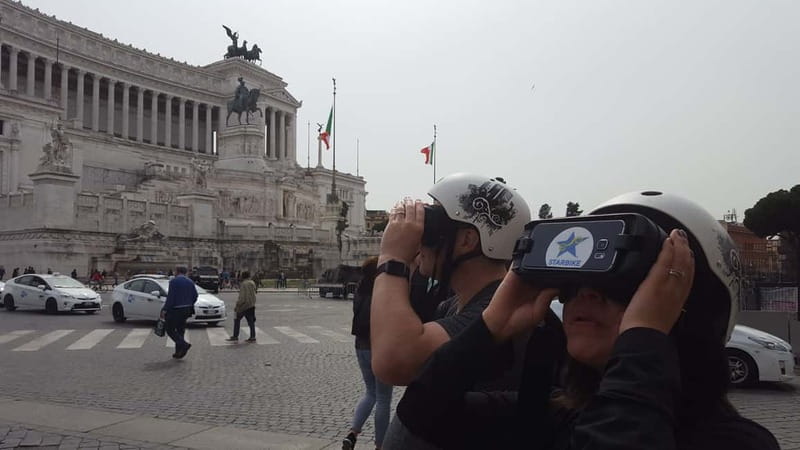
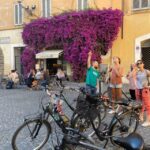
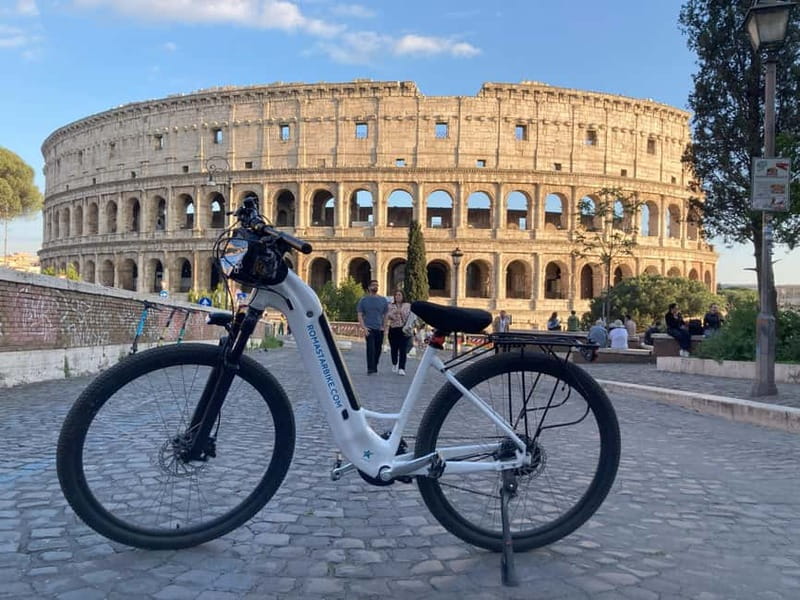
This is a proper e-bike setup, not a sketchy rental feel. You’ll get a high-quality e-bike along with a helmet, and the bike includes a mobile phone holder and handlebar holder. That may sound small, but it’s the difference between fumbling your phone and actually using it for maps or photos.
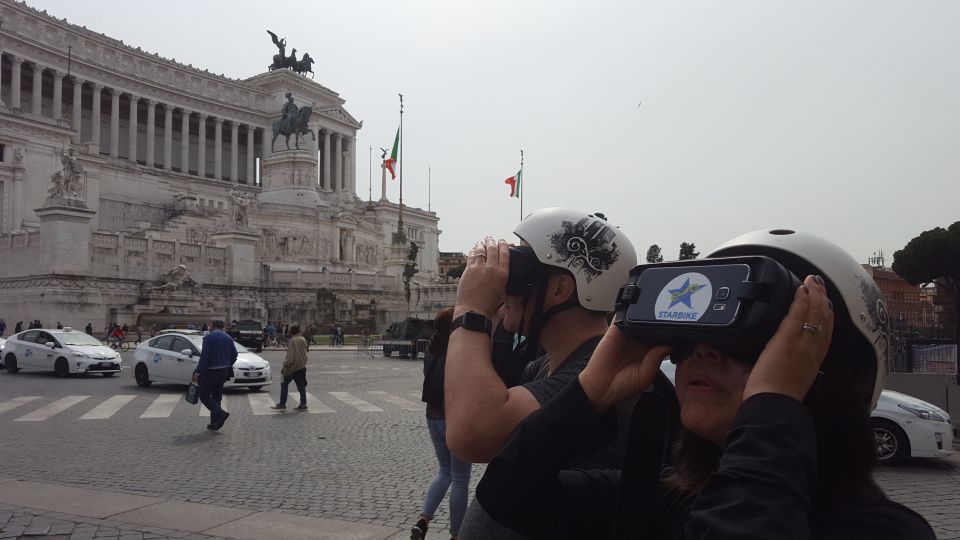
You also get 3D viewers as part of the experience. The tour teaches you how to use the visor during the ride, so you’re not left guessing in the middle of a stop. It’s a simple bit of prep that makes the reconstructions land better.
Comfort matters here. You’ll want comfortable shoes and comfortable clothes, because you’re walking a bit at stops and spending your morning on a bike seat. I’d also dress for cool-then-warm weather since early mornings can surprise you.
Colosseum in 3D: seeing the building as it once looked
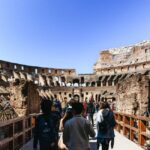
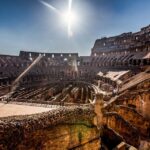
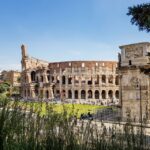
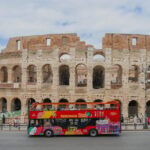
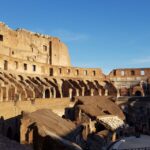
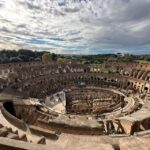
The Colosseum is the headline stop, and the tour gives it extra punch through 3D. You’ll have time for a photo and a guided look, plus a 3D Virtual Reality moment where the ancient structure is reconstructed for you through the visor.
Why this is valuable: today’s Colosseum is real, but it’s also missing its ancient context. The 3D view helps your brain connect the standing ruins to the full spectacle of what visitors once experienced. It’s not just a cool tech trick—it’s a way to understand scale and function fast.
Expect around twenty minutes focused on the Colosseum area, which is plenty for photos and key points. If you’re the type who likes to read every plaque, you might want a longer visit later on your own, since this is a tour format with motion and pacing.
Arch of Constantine and Piazza Venezia: quick stops with big meanings
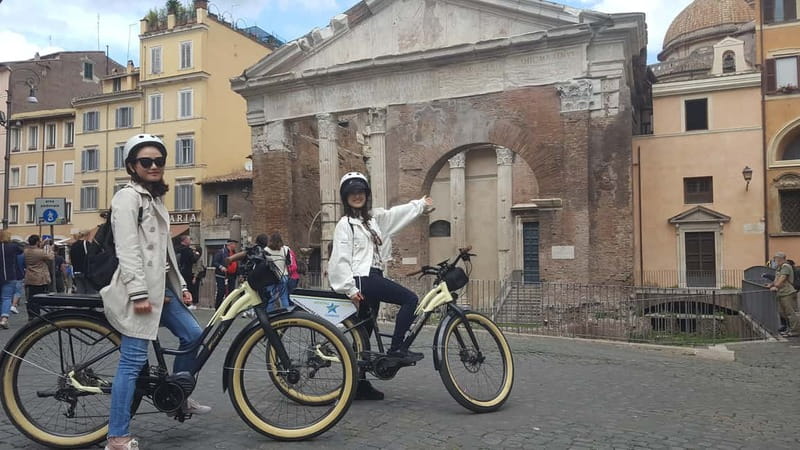
Right after the Colosseum, you’ll roll to the Arch of Constantine. The tour builds in a photo stop and guided explanation, giving the monument a place in the story of Rome’s power and propaganda.
From there, you reach Piazza Venezia, one of those Rome squares that feels like a stage. You’ll get another short guided stop here, then back on the bike. These “in-between” pauses are useful because they keep you from turning your day into a list of scattered landmarks.
A practical note: since this is early morning and you’re still riding between sights, your energy stays stable. You’re not burning it all up standing in heat or waiting in long lines.
Trajan Forum and the Pantheon: the rhythm of short, guided moments
Next comes Trajan’s Forum, another stop that helps you see Rome as a system—not just a set of postcards. You’ll have a photo stop plus guided time, and this is one of the places where the 3D concept (and general historical talk) can make the ruins feel more readable.
Then it’s on to the Pantheon, a favorite for many because it’s still so intact. The guided stop here includes time to take in the space and learn what you’re seeing. The Pantheon is the kind of monument where even a short visit can be satisfying if you understand what parts matter and why.
What I like about the pacing: around twenty minutes for the Pantheon means you get a real look, not a drive-by. You’ll also get back on the bike with momentum rather than feeling stuck.
Possible drawback: the stops are timed to keep the flow. If you’re a slow-motion photographer, you may wish you had more minutes at Pantheon-level attractions.
You can also read our reviews of more tours and experiences in Rome



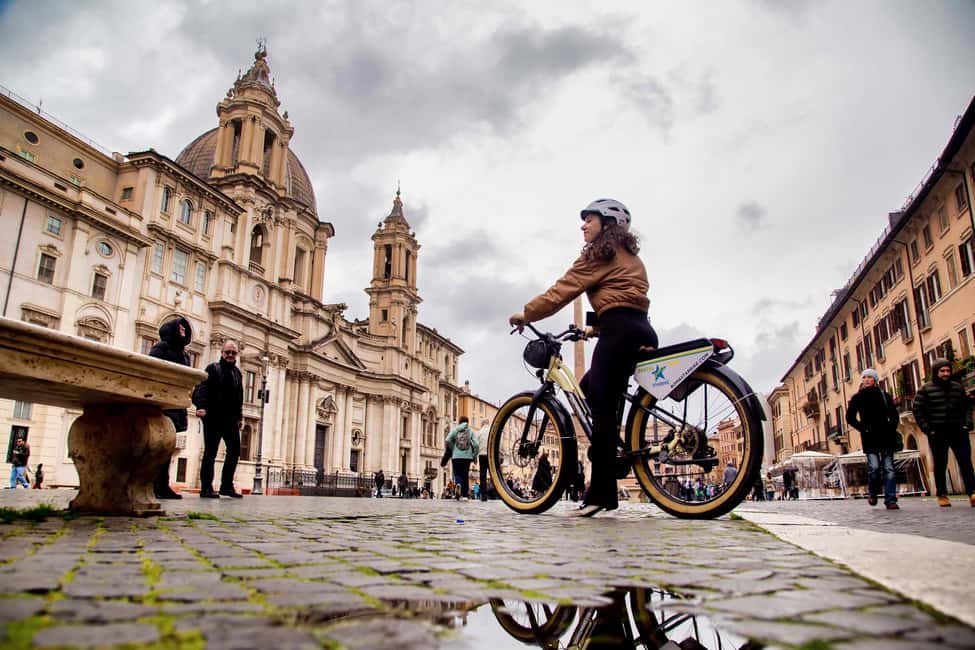
Piazza Navona and Campo de’ Fiori: Rome’s public squares by bike
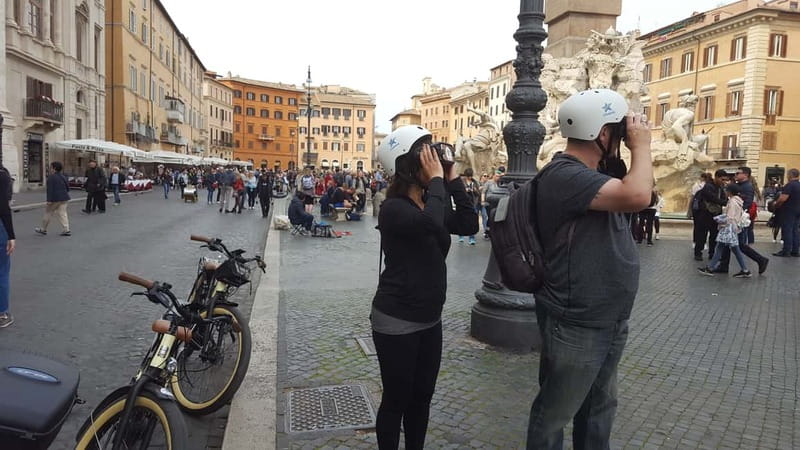
After the major monument blocks, the tour shifts into classic street-life Rome. Piazza Navona is one stop with guided time and bike time, which helps you understand why this square feels like theater. You get the visual first, then the explanation, then a chance to watch the square in real morning light.
Then comes Campo de’ Fiori, another great public space for people-watching and absorbing the “everyday Rome” vibe. You’ll get guided time here too, with the usual rhythm: look, listen, photo, move on.
This section is especially good if you’re trying to balance “I need the icons” with “I want the city.” Squares like these make Rome feel human. Sitting would be easier, but biking keeps you engaged and helps you cover more ground efficiently.
Trastevere: getting away from the main roads
Trastevere is where the tour can feel like you’re riding with a local, not just following a route. You’ll have a photo stop and guided time, then continue onward.
One of the smartest parts of the experience is the way the guide can direct you toward alleys and no-car zones. That doesn’t remove every challenge of Rome streets, but it can cut down the time you spend wrestling with traffic. You also tend to get better atmosphere in those smaller streets.
If you’re traveling with a family, this portion often works well because it’s visually varied and less intimidating than big traffic arteries. The tour is described as a moving, multi-sensory experience suitable for all ages, but the exact setup for kids depends on age and height.
Circus Maximus in VR: a scale lesson you can feel
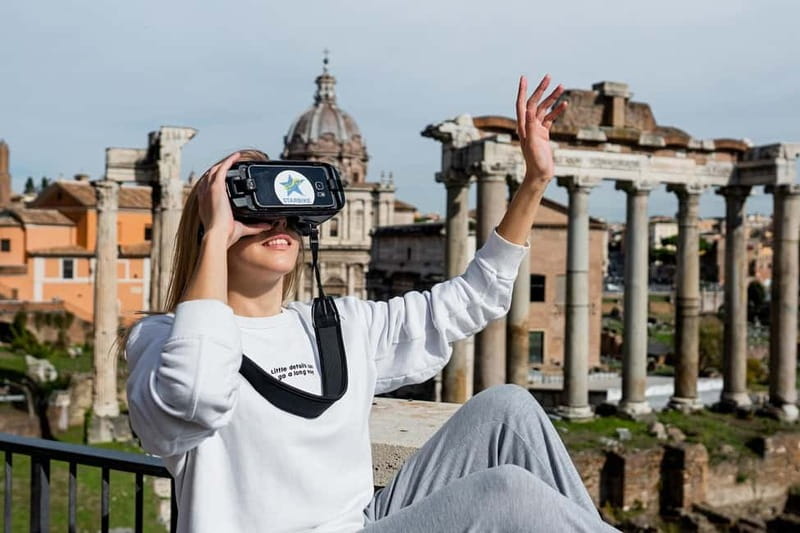
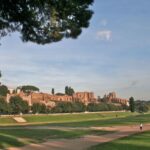
Then you hit Circus Maximus, and this is one of the most interesting “how did they do that?” moments on the tour. You’ll take a photo stop and get guided time, and the experience includes a 3D reconstruction focused on what the Circus would have looked like.
Why it hits: today, Circus Maximus is mostly an open stretch with reminders of what once stood there. A visor-based reconstruction gives you the missing piece—scale—so the site becomes meaningful instead of just a wide expanse.
Expect about twenty minutes here. That’s enough to grasp the big idea and take photos that actually help you remember later. If you’re a visual thinker, this is likely to be a top moment of the day.
Capitoline Hill: walking, and the emperors moment
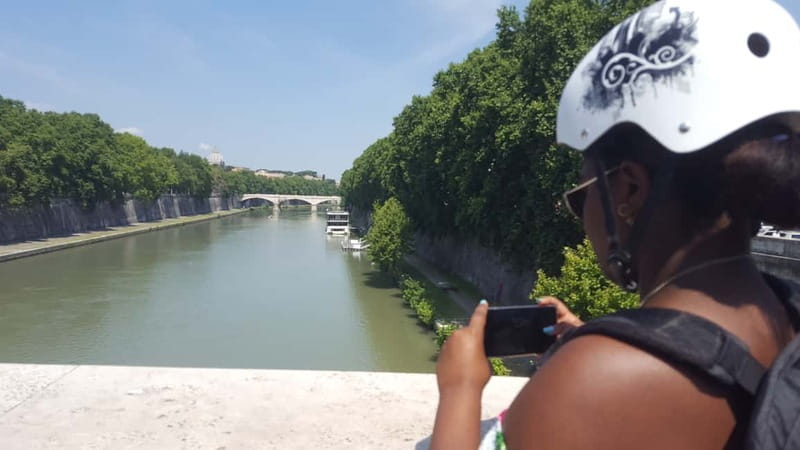
The final big stop is Capitoline Hill, where the highlight isn’t only the views—it’s the story. You’ll have guided time and photo time, and the experience includes a moment tied to emperors from 2000+ years ago. This is where the tour connects the physical location to the political theater of ancient Rome.
Capitoline Hill is also a “think with your eyes” place. From there, Rome reads like layers. You can see why power wanted elevation, visibility, and symbolism.
This stop includes time on foot, which is a good break from riding. Still, keep your comfortable shoes on; you’re walking during the tour, and you’ll want to feel steady.
Value check: is $73.64 a good deal?
At $73.64 per person for about 3 hours, the value depends on what you want most: a checklist photo tour, or a guided, interpretive experience.
Here’s why it can be worth it. You’re getting an e-bike with real equipment included (helmet and practical bike add-ons), plus 3D viewers and guided explanations in English and Italian (French/German on request). You’re not just seeing monuments—you’re learning how they worked, and you’re seeing reconstructions that most walking tours can’t provide.
Also, the timing matters. An early morning ride can save you from the worst congestion and heat, which makes the city feel more manageable. For many people, that comfort is the hidden value.
Downside: if you already know Rome extremely well and you mainly want long, quiet museum-style time at each site, you might find this tour’s stop lengths a bit short. It’s designed to move and teach, not to let you disappear into a single building for an hour.
Who this Rome e-bike tour fits best
This is a strong pick if you want a guided Rome day that balances famous stops with less obvious-feeling connections between them. It’s also a good fit for people who don’t want to work hard on hills but do want to see a lot.
It’s especially well-suited for families, with child support described as including child seats (up to 25 kg) and the possibility of a trailer bike for younger kids depending on age/height (noted for children under about 6–10 years old or under 4/7 feet tall). That can make the difference between skipping a tour and making it work.
It’s not for everyone. The tour is not suitable for pregnant women. It’s also restricted for weight over 120 kg / 265 lb, and you’ll want to factor that in early.
If you’re someone who likes off-the-beaten-path side streets, you’ll likely appreciate how guides such as Flavia are described as steering riders through no-car zones and small alleys. That kind of routing makes Rome feel less stressful on two wheels.
Tips to make your 3 hours smoother
First: arrive ready to ride. Comfortable clothes and shoes do real work here, because you’ll stop, walk a bit, and spend sustained time on the bike.
Second: treat the 3D visor moments like part of the sightseeing, not a bonus. When you’re wearing the visor, listen closely to what your guide points out, because those reconstructions are meant to explain what’s missing today.
Third: plan your phone use. The bike’s phone holder is there for a reason. Use it for quick photos and orientation, then keep your hands where they belong when you’re riding.
Fourth: pace your curiosity. Twenty minutes here, twenty minutes there—this is a morning sprint with meaning. If something really grabs you, mark it for a longer independent visit later.
Should you book this early morning Rome e-bike tour?
I’d book it if you want a guided, high-effort value experience that mixes the Colosseum, Pantheon, and Trastevere with 3D reconstructed views of the Colosseum and Circus Maximus. It’s a practical way to get context fast, and the e-bike keeps the day enjoyable instead of exhausting.
I’d skip it if you need long unbroken time in one place, or if you fall into the restrictions (pregnancy, or over the max rider weight). And if you don’t care about reconstructions, you may feel like the 3D portion isn’t giving you enough to justify the cost.
If you’re on the fence, go with your travel style: this tour rewards curiosity and a “see, learn, move” rhythm.
FAQ
How long is the Rome early morning e-bike tour?
The tour lasts 3 hours.
Where do I meet for the tour?
You meet at Roma STARBIKE, Via dei SS. Quattro 58, next to the Carrefour supermarket. It’s also about 0.03 mi from the Colosseo Metro station (Line B).
What’s included with the e-bike experience?
You get a high-quality e-bike, a helmet, 3D viewers, and holders for a mobile phone and handlebar. The tour also includes a live guide in English and Italian (French/German upon request).
Will I use the 3D viewers during the tour?
Yes. You’ll learn how to use the 3D visor and see reconstructed ancient scenes at key stops, including the Colosseum and Circus Maximus.
How long are the stops?
Stops are short and timed, with photo stops and guided time at each location. Many stops are around 10–20 minutes on the ground.
Is this tour suitable for kids?
It can be. The tour includes child seats (up to 25 kg) and uses a trailer bike for younger/smaller kids depending on age and height (noted for under about 6–10 years old or under 4/7 feet tall).
What are the weight limits?
The max weight is 120 kg (265 lb).
Is the tour suitable for pregnant women?
No, it’s listed as not suitable for pregnant women.