REVIEW · APPIAN WAY BIKE & E-BIKE TOURS
Rome: City Highlights Electric Bike Tour
Book on GetYourGuide →Operated by Bicycle Roma · Bookable on GetYourGuide
Four hours on an e-bike makes Rome make sense. This tour strings together the Eternal City’s biggest hits with quick photo stops and guide-led stories as you glide along the Tiber bike path and through calmer side streets. It’s a fast way to get your bearings without grinding through Rome on foot.
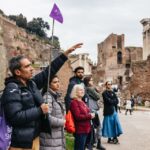
I love two things most. First, the ride setup makes long sightseeing feel doable: a real local guide, a quality bike, helmets, and even ponchos if weather turns. Second, guides such as Daniela and Georgio (plus others like Ricardo, Martina, and Fabio) focus on the sights you actually care about, sharing context without turning the whole morning into a lecture.
One thing to consider: this is a biking experience, and the operator requires a minimum cycling level plus a pre-departure test. If you don’t pass or your health makes riding unsafe, participation can be denied without a refund.
In This Review
- Quick hits before you ride
- Starting at Lungotevere: the calm way to begin in Rome
- Tiber Island to Circus Maximus: learning the city’s layout fast
- Colosseum photo stop: big payoff, short time in the middle
- Piazza Venezia, the Jewish Ghetto, and Campo de’ Fiori: history you can feel
- Piazza Navona to Castel Sant’Angelo: baroque scenery on a moving clock
- St. Peter’s Basilica and the Pantheon: icons with quick, usable context
- Trevi Fountain and Piazza di Spagna: where the short stops really work
- Piazza del Popolo and the ride back: finishing with a wide-angle view
- Safety and comfort: what the operator actually does to keep you steady
- E-bike vs mountain bike: why your choice changes the whole day
- What 4 hours of sightseeing feels like (and what it doesn’t)
- Price and value: is $80 actually a fair deal
- Private option: when exclusive guiding pays off
- Who should book this, and who should choose something else
- Should you book this Rome City Highlights Electric Bike Tour?
- FAQ
- How long is the Rome City Highlights Electric Bike Tour?
- What’s included with the tour price?
- Where does the tour start and end?
- What languages are the live guides?
- Can children ride?
- What happens in rain or if the minimum number of participants isn’t met?
Quick hits before you ride
- Tiber bike path + historic center routing: most of your time is on calmer corridors, not constant stop-and-go traffic.
- Photo-stop rhythm: you get short stops at the icons, so you see more without spending all day parked in one place.
- Small-group feel (max 8 guests per guide): easier pacing, more attention, less “everyone gets lost” energy.
- Guides who tailor on the fly: multiple guides are described as adapting to what people want to see.
- Rain gear included: ponchos are provided, and the tour keeps moving.
- Practical for mixed-age groups: it’s been a hit for families and for people whose legs need a break.
Starting at Lungotevere: the calm way to begin in Rome
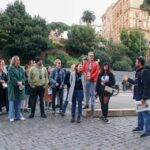
Rome can feel like a moving puzzle in your first hour. That’s why I like the way this tour kicks off along the river area. You meet near Lungotevere delle Armi (44), get fitted with your e-bike or mountain bike, and get a quick rundown before you head into the flow of the city.
From there, the vibe shifts from “getting oriented” to “rolling through Rome.” You take a short guided ride to Tiber Island. Even if you’ve already seen photos of the river, standing and moving around it gives you that real sense of scale. It also gives you a practical warm-up moment: you’ll feel the bike under you and learn how your guide handles turning, pacing, and group spacing.
If you’re new to e-bikes, don’t worry too much. Several reviews highlight that the bikes are easy to use and make the route feel less strenuous. Still, you should show up ready to ride. This isn’t a sit-and-tour-by-bus setup.
You can also read our reviews of more cycling tours in Rome
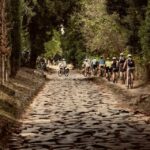
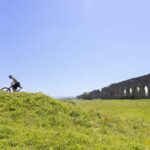
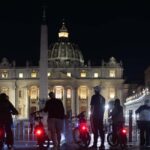
Tiber Island to Circus Maximus: learning the city’s layout fast
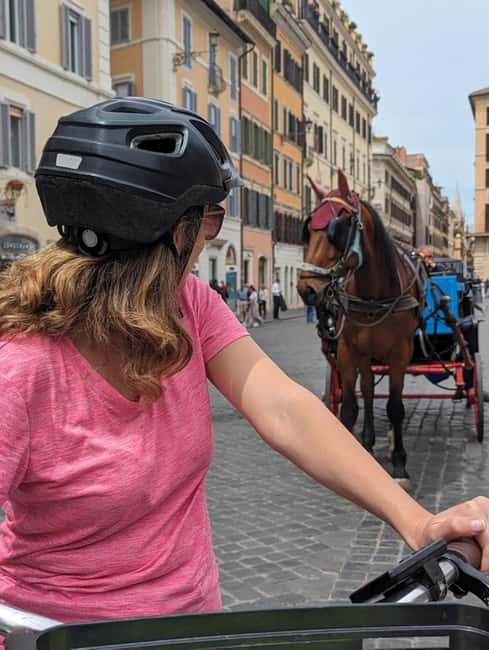
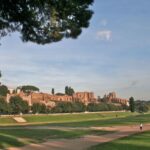
After the river comes one of Rome’s great “big footprint” landmarks: Circus Maximus. You’ll stop briefly for photos (about 10 minutes). The point here isn’t to linger like you’re on a museum clock. It’s to connect what you’ve seen in books and movies to what’s physically around you now.
This is where the e-bike format pays off. On foot, you’d be choosing between seeing landmarks and preserving energy for later. On bikes, you can keep the momentum. Your guide also tends to layer in small anecdotes as you move, so even short stops feel purposeful.
A practical note: Rome crowds are real, especially near famous sites. The tour design tries to keep you off the busiest paths as much as possible, but you can’t fully escape congestion in the most iconic zones.
Colosseum photo stop: big payoff, short time in the middle
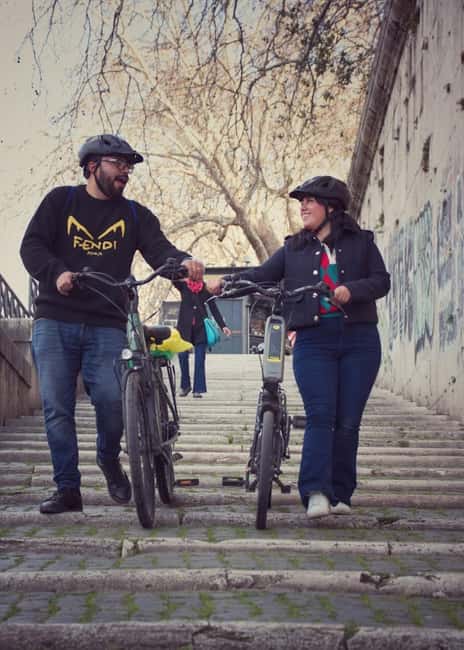
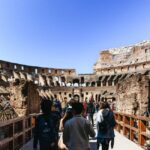
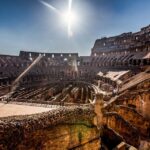
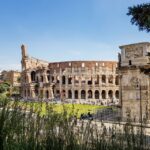
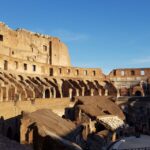
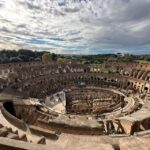
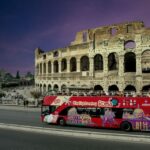
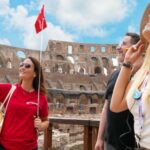
The most famous stop is the Colosseum, with a photo stop (about 15 minutes). This is the “yes, that’s actually there” moment. From the bike route, you get a quick, satisfying view without spending the day in a long line or wearing your feet down before you even reach the rest of the day.
You may also do a bit of walking when areas get crowded, since bikes can’t always move right up to every view point. That’s normal in Rome. The smart move is to plan for it mentally so you don’t feel like the tour broke a promise. The e-bike handles the long parts; you handle the short crowd pauses.
If you’re traveling with teens, mixed fitness levels, or anyone who gets sore on long walks, this is usually the stop that makes everyone relax. It’s “we’re here” without “we’re exhausted” yet.
Piazza Venezia, the Jewish Ghetto, and Campo de’ Fiori: history you can feel
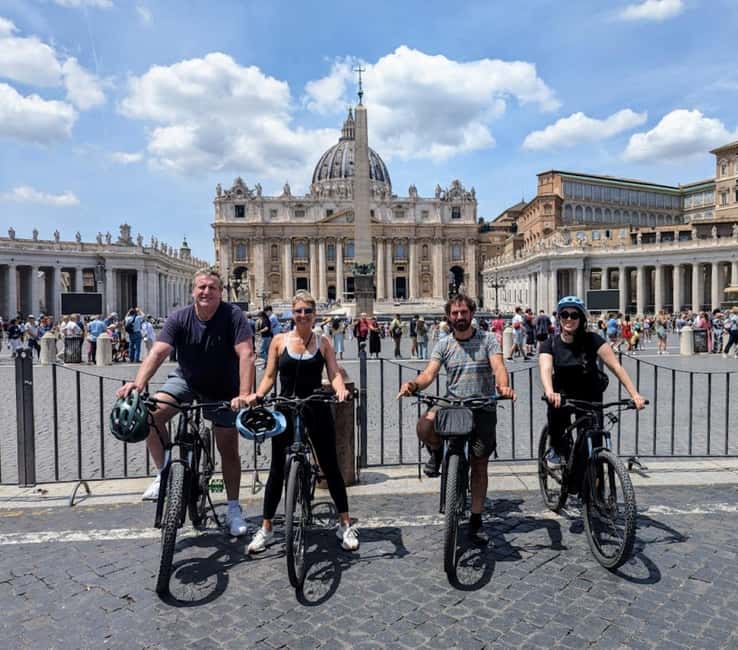
Next you ride toward Piazza Venezia (photo stop about 10 minutes). This square works well because it’s a visual hinge: you can read the city’s structure from here and understand why these monuments became meeting points.
Then comes the Jewish Ghetto (bike tour about 10 minutes). This is one of the tour’s chances to go beyond the postcard loop. You’re not just passing a famous monument; you’re moving through a neighborhood with a different rhythm than the big spectacle zones. The guide’s job is to give you the “why” behind what you see, using stories and curiosities along the route.
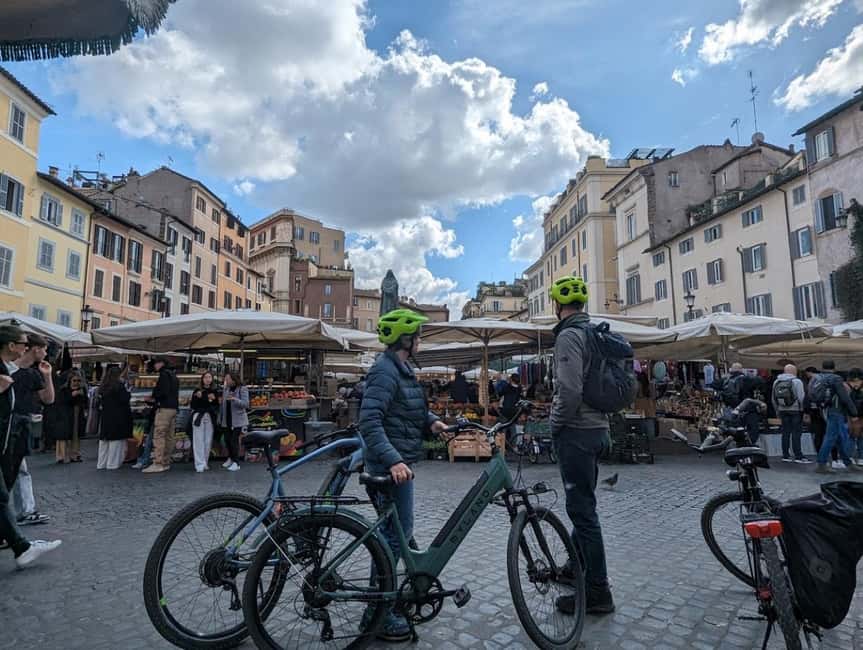
You finish this section around Campo de’ Fiori (photo stop about 10 minutes). Even if you only catch a slice of the area, the timing works. You’re fresh enough to notice street life, and your guide can point out what’s worth a closer look if you’re planning your solo time afterward.
Piazza Navona to Castel Sant’Angelo: baroque scenery on a moving clock
Piazza Navona is next (photo stop about 10 minutes). This square is made for photos, but it’s also fun in motion—seeing how the streets feed into it and how people flow around the fountains. The short stop is useful. It prevents the common Rome mistake: spending 45 minutes at one fountain while your legs and your schedule quietly revolt.
Then you head to Castel Sant’Angelo (photo stop about 10 minutes). The fortress and river views add a different flavor than the inland squares. This segment also helps you feel how Rome’s power centers are connected—by roads, bridges, and the way the river shapes movement.
If you want a tip for pictures: ask your guide to help with angles. Multiple guides in past tours are praised for strong photo skills—so if you want proof you were actually there, use that service rather than handing your phone to a random passerby.
You can also read our reviews of more city tours in Rome

St. Peter’s Basilica and the Pantheon: icons with quick, usable context
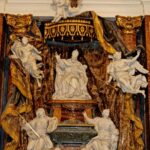
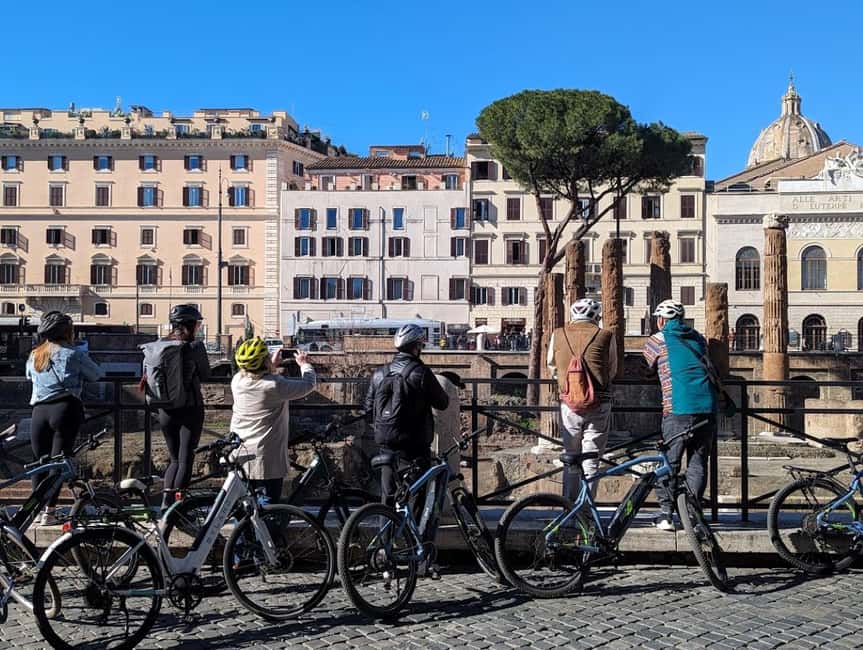
Two of the biggest “wow” stops come in the Vatican orbit: St. Peter’s Basilica (photo stop about 10 minutes) and then the Pantheon (photo stop about 10 minutes).
The format here is simple. You get a controlled amount of time at each site, plus guide explanations while you’re cycling and waiting. It’s not about absorbing every last detail. It’s about leaving with the key mental picture so your later independent sightseeing is sharper.
This also matters for logistics. Rome sites are crowded, and crowds can slow everything down. With a guide managing the group, you’re less likely to drift off schedule or get stuck wandering. Just remember: 10 minutes goes fast. If one of these stops is your top priority, tell your guide when you’re there so they’ll help you focus on the best photo and viewpoint opportunities.
Trevi Fountain and Piazza di Spagna: where the short stops really work
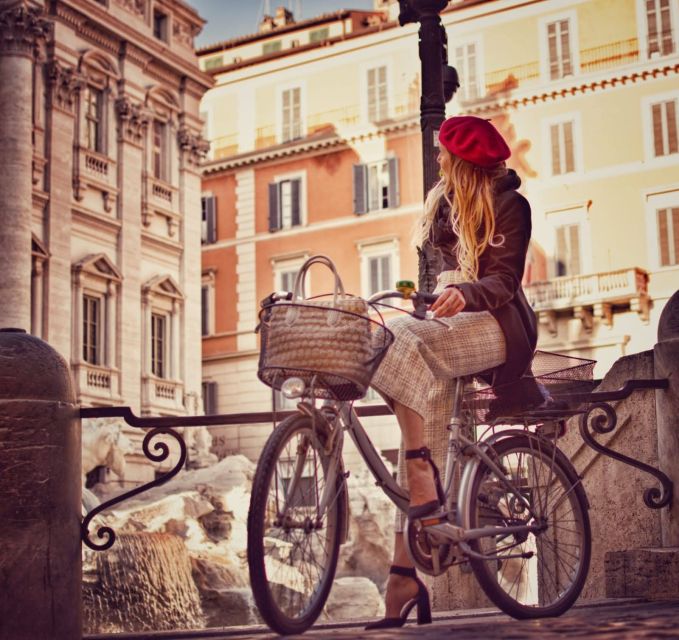
Then you hit Trevi Fountain (photo stop about 10 minutes). Trevi is famous for a reason, but it can also be chaotic. The e-bike tour’s strength is that it doesn’t try to make you fight for the perfect spot for an hour. You get in, get your shots, and keep moving, with context from your guide to make it feel more than just scenery.
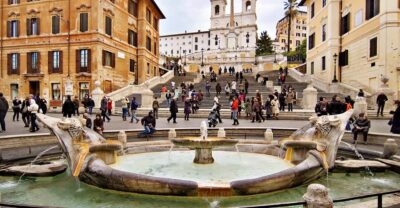
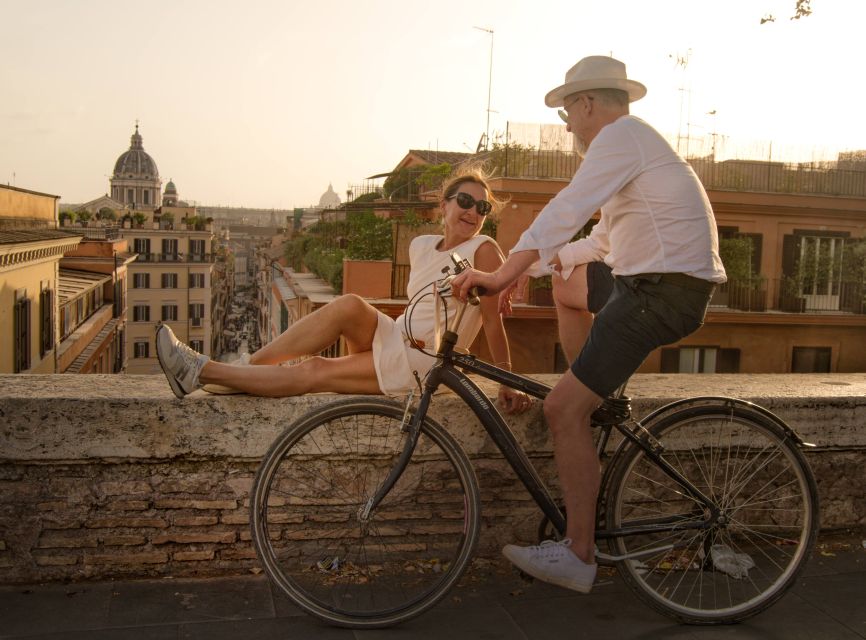
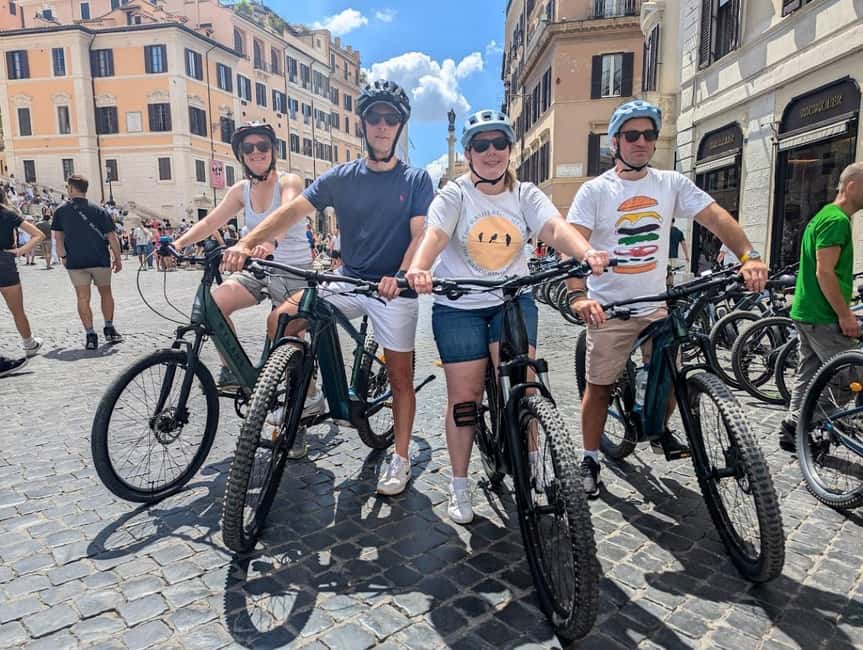
After that: Piazza di Spagna (photo stop about 10 minutes). The Spanish Steps area is all about atmosphere and perspective. Even in a brief stop, you can read the neighborhood’s energy and get the “postcard but real” effect.
One small practical thing from past tour experiences: some guides are thoughtful about logistics around Trevi, even providing change for the fountain. It’s not guaranteed, but it’s a reminder to show up with a little cash so you’re not scrambling.
Piazza del Popolo and the ride back: finishing with a wide-angle view
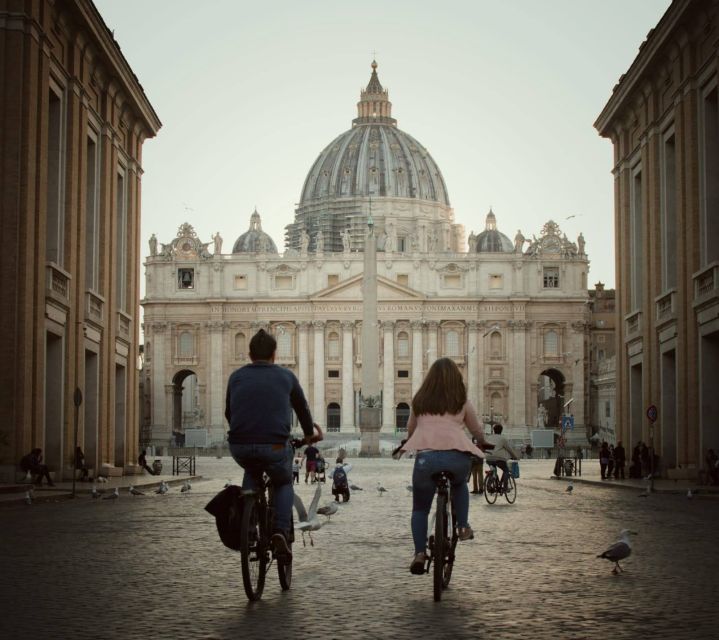
The final major named stop is Piazza del Popolo (bike tour about 10 minutes). This feels like a good closing note because it’s a wide, open space compared with the tighter alleys and courtyard-like feel of some earlier parts of the route.
From there, you cycle back and finish at Lungotevere delle Armi (44) again. That return matters. You start by getting your bike legs under you near the river, and you end by easing out of the busiest sightseeing density. It’s a nice rhythm for a 4-hour tour.
Safety and comfort: what the operator actually does to keep you steady
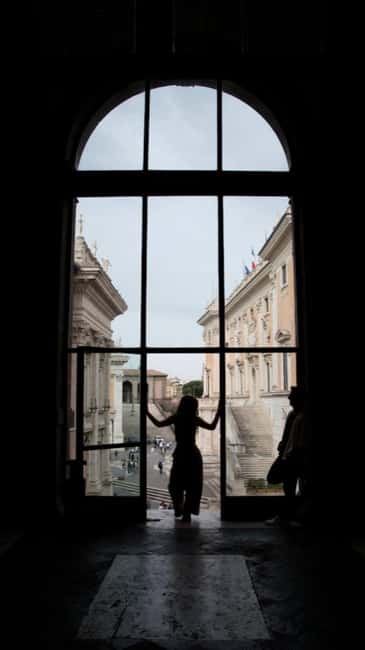
Rome is not a country of wide bike lanes and forgiving intersections. That’s why I pay attention to how tours handle safety.
This one aims for quiet roads with little traffic, and your guide stays with you the whole time. Your group also stays small—limited to 8 guests per guide—which makes traffic decisions and regrouping more manageable.
You’ll also get a helmet cover and a poncho if rain shows up. Those sound minor until you’re riding with wet hands and slippery shoes. Several guides are also described as careful about pacing and safety, including being patient when crossing busier streets.
One more safety piece: there’s a pre-departure test and a minimum cycling level is mandatory. If you can’t handle the bike comfortably or have health concerns, the guide may deny participation with no refund. That sounds strict, but it’s actually protective. You’ll be happier if you’re honest with yourself beforehand.
Also note the list of who should skip this tour: it’s not suitable for pregnant women, people with mobility impairments, wheelchair users, people with heart problems, people with vertigo, those who can’t ride a bike, and those over 220 lbs (100 kg). Pets aren’t allowed either.
E-bike vs mountain bike: why your choice changes the whole day
You can ride an e-bike or mountain bike depending on the option you select. The e-bike age requirement is 12+ to operate.
So here’s how I think about it: if you want Rome landmarks with minimal leg strain, the e-bike is the easiest path. Reviews repeatedly call out that the bikes are top quality and make the long sightseeing feel effortless. One reviewer even described the tour as a lifesaver when walking would hurt.
If you choose a mountain bike, you’ll still be cycling on a guided route, but your stamina matters more. Either way, you’ll cover a lot of ground in 4 hours—so treat the mandatory cycling level as real, not optional.
What 4 hours of sightseeing feels like (and what it doesn’t)
This tour is designed for a specific kind of traveler: you want a strong Rome overview without spending the whole day stuck in queues or wearing down your legs.
With the 4-hour length, the structure is “move, stop, photo, learn, move again.” The stops are short by design:
- quick moments at major sites like Colosseum
- brief photo stops at Pantheon, Trevi, and Piazza di Spagna
- neighborhood rides that give you a sense of how Rome changes block to block
You won’t get deep, slow museum time. If you want that, plan a separate visit later. Here, your win is rhythm and perspective: you walk away with a mental map you can use.
And if weather hits, don’t panic. Ponchos come out and the tour continues. One review also mentions stopping for coffee when rain got heavy, which tells me the guides know how to handle discomfort without turning the day into misery.
Price and value: is $80 actually a fair deal
At about $80 per person for a 4-hour guided e-bike experience, this isn’t “cheap,” but it also isn’t overpriced for what you get.
You’re paying for:
- a local guide
- the bike (e-bike or mountain bike)
- helmet cover
- poncho if rain
- child bike seat if needed
When you compare that to spending half a day on foot, you’re also buying back energy. That matters in Rome, where the “official sightseeing plan” often turns into “how fast can you recover later.”
The value also improves because the tour includes both famous landmarks and lesser-known stops in the same ride. You’re not forced to make two separate days for icons plus neighborhoods. In a city where time is usually your scarcest resource, that pairing is exactly what the price is for.
One practical note for tipping: one review suggests guides may not accept credit-card tips, so having some euros for gratitude is smart.
Private option: when exclusive guiding pays off
If you choose the private tour option, you get a local guide exclusively for your group. This is the best fit when:
- you have teens or older travelers who need a gentler pace
- you want to tailor stops around your interests
- you’d rather ask more questions without waiting for the group
Multiple guides are praised for tailoring to what people want to see. So if you’re the type who gets irritated when a tour forces a rigid checklist, private guiding is worth considering.
Who should book this, and who should choose something else
Book it if you want:
- a solid Rome highlights overview in one half-day
- the ability to cover major sights without wrecking your legs
- a guided ride that tries to avoid Rome’s busiest traffic lanes
- help with photos and stop-by-stop context
Skip it if you:
- can’t ride a bike or aren’t willing to meet the mandatory cycling level
- have mobility limitations, vertigo, or recent surgeries
- need a wheelchair-friendly plan or have other constraints listed as not suitable
- want slow, museum-style depth at one site for hours
If you’re coming in with limited time, this tour is often a great first or mid-trip anchor. It helps you come back later with better instincts about where you want to spend more time.
Should you book this Rome City Highlights Electric Bike Tour?
Yes—if your goal is a high-impact Rome day with less walking and more moving. The combination of short photo stops, a small group, and a guide who shares stories while you ride is a practical way to see a lot without burning out.
I’d think twice if you’re worried about biking comfort or if your cycling ability is uncertain. The pre-departure test is real, and health and riding limitations can’t be negotiated.
If you’re in the sweet spot—able to ride, wanting an overview, and ready to roll—this is a strong value at $80. You’ll finish the 4 hours with photos, a clearer mental map, and a better plan for the rest of your Rome time.
FAQ
How long is the Rome City Highlights Electric Bike Tour?
It lasts 4 hours.
What’s included with the tour price?
You get a local guide and the bike (e-bike or mountain bike depending on your option), plus a helmet cover and a poncho if it rains. A child bike seat is included if needed.
Where does the tour start and end?
Meeting point can vary depending on the option booked. One listed meeting and drop-off location is Lungotevere delle Armi 44.
What languages are the live guides?
The guide speaks Spanish, English, French, or Italian.
Can children ride?
Children under 139 cm must use a bike extension (tag-along/trailer). Infants up to 20 kg (44 lbs) ride free in a provided child seat. E-bikes require a minimum operating age of 12.
What happens in rain or if the minimum number of participants isn’t met?
You’ll receive a poncho in case of rain. The tour requires a minimum of 4 participants; if that minimum isn’t met, the operator offers an alternative date or a full refund.