REVIEW · ROMAN SQUARES & FOUNTAINS TOURS
Rome: Navona Square Underground Ticket with Audio Guide
Book on GetYourGuide →Operated by TOURISTATION · Bookable on GetYourGuide
A great Rome story sits 5 meters down. This ticket lets you visit the Stadium of Domitian ruins beneath Piazza Navona, using an audio guide plus visual panels and 3D reconstructions to make sense of what you’re seeing.
What I like most is the audio guide in multiple languages and the fact that you’re not just looking at stones—you’re learning how this arena worked and how the piazza changed over time. The one thing to consider: the underground space is smaller than many people expect, so it can feel short if you’re after a big, hours-long museum.
In This Review
- Key Highlights You’ll Actually Feel
- Why the Stadium of Domitian Beneath Piazza Navona Matters
- Getting In at Piazza Navona: Find the Tourist Point by the Fountain
- Your Audio Guide Path: 5 Meters Down, Station by Station
- What You’ll See Underground: Entrances, Materials, and Stadium Design
- The arena’s physical clues
- How the stadium could hold 30,000 spectators
- A smart photo moment
- Piazza Navona Today: How the Ruins Explain the Piazza Above
- Timing, Pace, and the Reality Check on Size
- Aperitif or Wine Tasting: A Nice View-Back Above the Ruins
- Price and Value: Is $18 Worth It?
- Who This Ticket Suits Best (and Who Might Skip It)
- A Few Smart Tips Before You Go
- Should You Book the Navona Underground Ticket?
- FAQ
- Where do I redeem my voucher for the Stadium of Domitian underground ticket?
- How long does the underground visit take?
- Is there an audio guide included?
- What languages are available on the audio guide?
- Is a guided tour included?
- What’s included if I choose the aperitif or wine tasting option?
- Is the site wheelchair accessible?
Key Highlights You’ll Actually Feel

- A rare look under Piazza Navona: you drop below street level to see how Roman sports life mapped onto today’s city block
- Audio guide + visuals: panels, photos, and 3D-style renderings help you connect the ruins to the original stadium
- Material details you can spot: travertine blocks, brickwork, and marble columns at main entrances
- Arena math that makes it real: learn how up to 30,000 spectators were organized
- Photo-friendly viewpoints: it’s a good spot for selfies once you’re oriented, without the typical Rome-monument crowd vibe
- Optional food and drink: add an aperitif (or wine tasting) right after you finish underground
Why the Stadium of Domitian Beneath Piazza Navona Matters
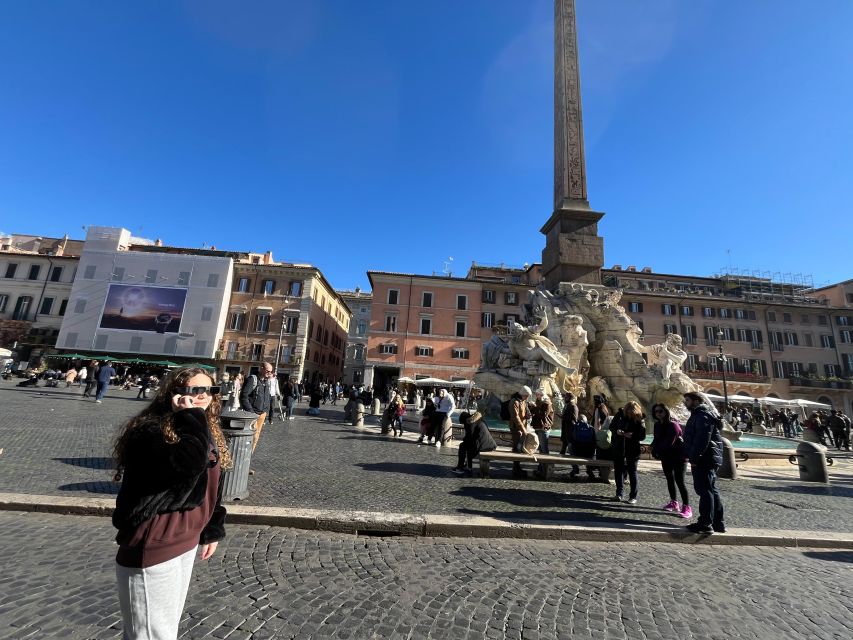
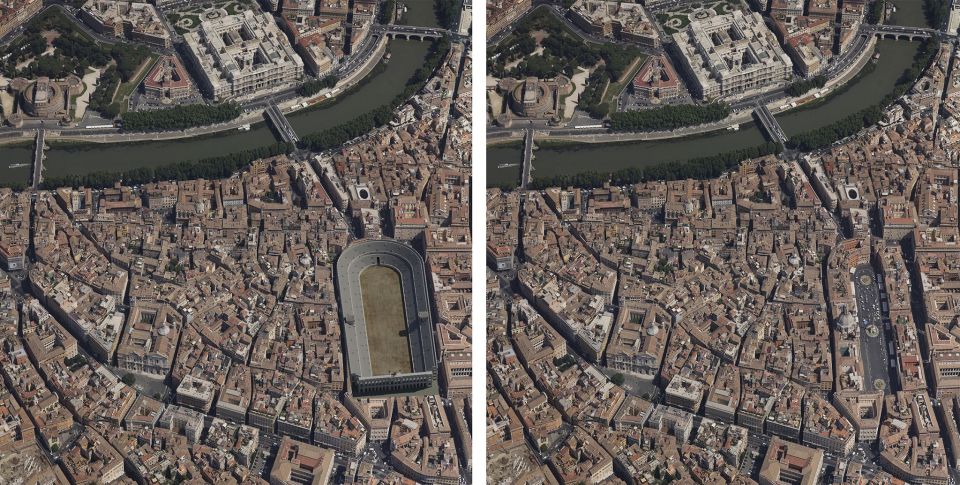
Piazza Navona looks like a classic Roman postcard from street level. The odd thing is that the piazza is also a historical layer-cake. Under your feet is part of a former sports venue: the Stadium of Domitian, the earliest stadium in Ancient Rome that was built from masonry rather than temporary structures.
That mix is what makes this ticket satisfying. You get to do a simple walk with clear stops, but the payoff is deeper than most “underground” exhibits. Instead of only showing fragments, the experience explains how the stadium functioned—entrances, materials, and spectator capacity—so the ruins don’t feel random.
And because this is centered in the middle of the city, it’s a smart way to see something different without adding transit time or trading your whole day for one monument.
You can also read our reviews of more tours and experiences in Rome


Getting In at Piazza Navona: Find the Tourist Point by the Fountain

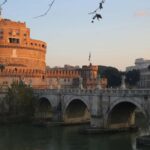
Redemption is straightforward, but it’s worth planning for one extra minute of attention. You redeem your voucher at the tourist point in front of the main fountain at Piazza Navona, 25.
A few practical notes based on what people run into:
- If you’re using a phone voucher, you may need a quick ticketing step before you enter the underground area.
- Give yourself a little buffer so you’re not rushing while trying to orient in a busy piazza.
Once you’re inside, you’re on a self-guided audio experience. That’s good news if you like moving at your own speed, pausing for photos, or replaying a segment when something clicks.
Your Audio Guide Path: 5 Meters Down, Station by Station
The core format is simple: you descend to the archaeological site, put on the audio, and follow numbered stations through the exhibits.
Here’s the real value of using an audio guide for this location: the ruins are spread out enough that you can easily miss the story if you just walk and look. The audio does the heavy lifting by:
- explaining what you’re standing in front of
- linking visible materials to what the stadium would have looked like
- giving context for why Piazza Navona looks the way it does today
Languages are solid and practical: Spanish, English, French, German, Italian, Russian, Portuguese. If you’re traveling as a mixed group, this matters because you won’t be stuck with a single-language experience.
One small caution: some audio tracks can feel a bit confusing if you get out of sequence. If you notice station numbers not lining up with what you’re seeing, slow down and re-check the numbered stop you’re on. The experience is short enough that staying oriented saves time.
What You’ll See Underground: Entrances, Materials, and Stadium Design

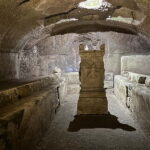
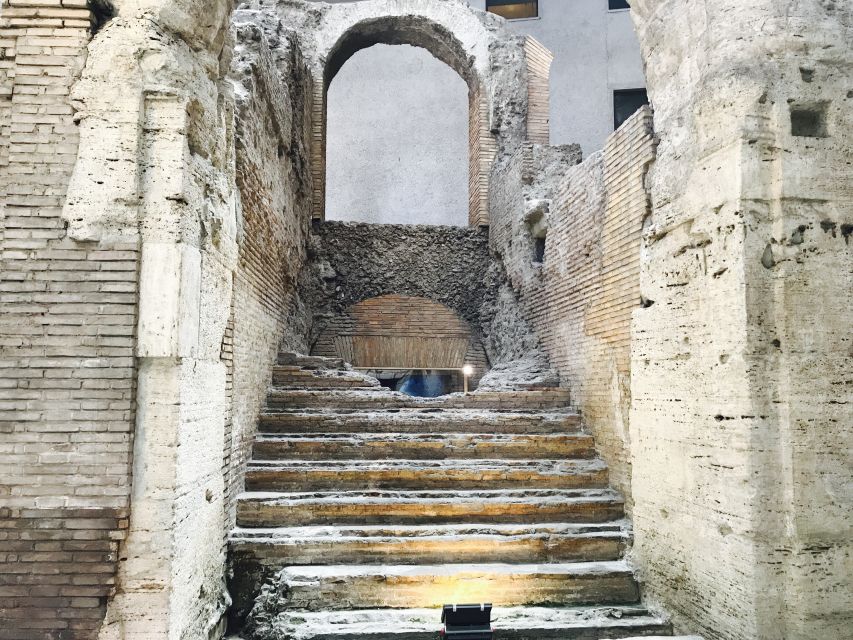
You’re going about 5 meters below street level, which changes how the space feels. It’s not a big cavern; it’s more like an excavated slice of the Roman world under a living plaza.
The arena’s physical clues
The exhibits focus on how the stadium was constructed. You’ll get details about:
- travertine blocks
- brickwork
- marble columns at the main entrances
That’s the kind of specificity that helps you look more closely while you’re there. Instead of thinking, That’s stone again, you start noticing the different building materials and what they were used for.
You can also read our reviews of more guided tours in Rome




How the stadium could hold 30,000 spectators
One standout lesson is the stadium’s scale in terms of people. The audio explains that the arena could host up to 30,000 spectators, and it covers how those crowds were divided at the arena. Even if you don’t remember all the geometry, you’ll walk away with a clearer sense that this was major infrastructure, not a small local venue.
A smart photo moment
Even with the audio running, you’ll likely spot angles for photos. It’s a compact space, and that makes “quick selfie pauses” easier than in huge, crowded sites. Just be mindful—if you arrive when it’s busy, move aside when someone is trying to listen.
Piazza Navona Today: How the Ruins Explain the Piazza Above
What surprised many people is that you can understand Piazza Navona better after seeing what’s beneath it. The experience connects:
- the development of Piazza Navona into the current piazza
- how Roman sports evolved over time
That’s a rare payoff in central Rome. A lot of sights are isolated: see a ruin, admire it, leave. Here, you get a cause-and-effect story. You learn that the plaza you know isn’t just a decoration—it’s built on layers, and those layers reflect changes in what Romans valued and how public life worked.
If you like city-reading—figuring out how one era reuses or covers another—this piece will feel especially worthwhile.
Timing, Pace, and the Reality Check on Size
The ticket is listed as a 1-day experience, but the visit itself is quick. Many visitors finish in about 45 minutes to around an hour, depending on how closely you listen and how much you stop for photos.
That short duration is both a plus and a drawback:
- Plus: it’s easy to fit into a Rome day already packed with major monuments.
- Drawback: if you expect a large, multi-hour underground museum, you may feel like you finished early.
Also, remember this is under a plaza. So you may notice street sounds while you’re underground. That doesn’t ruin the experience, but it does mean you’re not getting total quiet like you would in a deep, closed museum.
Pram note: it’s not pram-friendly, so families pushing strollers might want a plan that keeps things manageable.
Aperitif or Wine Tasting: A Nice View-Back Above the Ruins

If you add the optional food and drink, you get a smoother ending. The aperitif option includes 1 cocktail and snacks, served at a viewpoint in the heart of Rome. At the meeting point, staff reserve your table so you’re not left searching after you finish underground.
There’s also a wine tasting option: you’ll sample two wines paired with a traditional appetizer board.
This matters because it turns the visit into a “sequence,” not just an isolated stop. You go from 5 meters below—stadium reality—to a social, above-ground break. If you’re traveling solo, it’s also a low-pressure way to end with something pleasant without committing to a full dinner plan right away.
Price and Value: Is $18 Worth It?
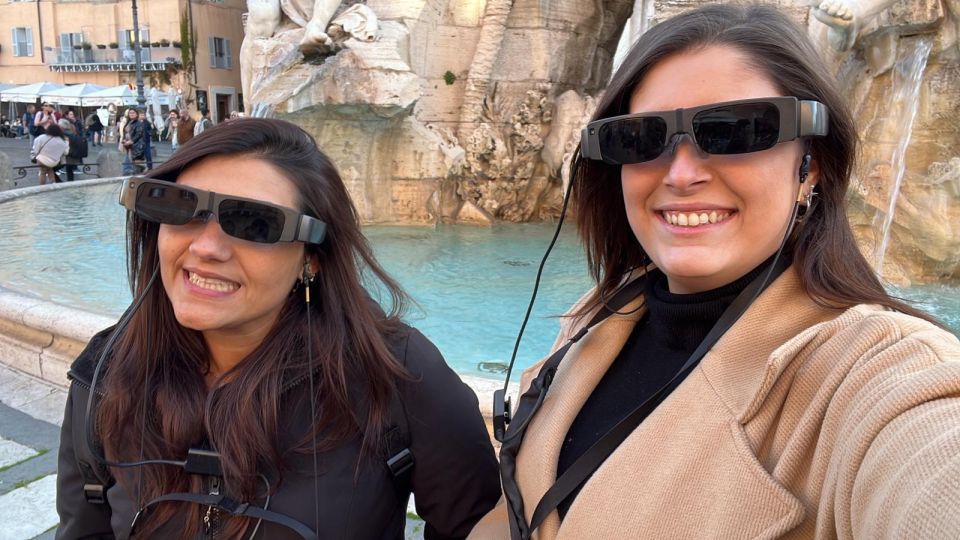
At $18 per person, this ticket sits in the budget-friendly zone compared with Rome’s big-name monuments. And value isn’t just about money—it’s about what the experience gives you relative to time.
Here’s why I think it’s good value for the right traveler:
- You’re getting a unique perspective: an archaeological stadium space under a famous piazza.
- The audio guide does real work: it explains materials and capacity, not just vague background.
- It’s easy to stack with your day. With a visit around 45–60 minutes, you’re not losing an entire chunk of your schedule.
When it might not feel like a slam dunk:
- If you’re expecting something on the scale of the Colosseum or the Vatican Museums, the underground area will feel small.
- If you prefer a live guide who can answer questions on the spot, note that a guided tour isn’t included.
So the value question is really: do you want a compact, focused Roman history stop, or do you want a long “big museum” day? Pick based on that, and the price usually feels fair.
Who This Ticket Suits Best (and Who Might Skip It)

This works especially well for you if:
- you love Roman sports and public entertainment and want the story behind how arenas operated
- you like experiences that are self-paced and quick to fit into a crowded itinerary
- you want something central and different from the usual “look, photo, move on” pattern
- you’re traveling with kids who can enjoy an audio format (there’s reportedly a children’s audio guide with a pen and map that one young visitor liked)
You might skip it if:
- you want a long underground attraction with lots of walking and multiple rooms
- you hate audio-only formats and strongly prefer face-to-face guidance
- you’re very stroller-dependent (it’s described as not pram-friendly)
A Few Smart Tips Before You Go
These are small habits that make the experience smoother:
- Bring your phone battery up. Even though the audio guide is the main tool, you’ll likely want photos afterward and maybe map help.
- Take a moment at the start to line up your station numbers with where you’re standing.
- If sound clarity seems spotty in one area, move a few steps within the exhibit and try again rather than giving up.
- Stop for photos only after you’re oriented. It’s easier to enjoy the story when you’re not constantly repositioning.
Should You Book the Navona Underground Ticket?
If you want a high-impact, low-time Rome stop that shows you something most people never see under Piazza Navona, I’d book it. The audio guide format, the clear explanations of the stadium’s design, and the chance to connect the underground remains to what you’re standing over today make it a strong choice.
But if you’re the type who needs big spaces and hours of exhibits, go in with that expectation. This is more like a tight, well-explained slice of Ancient Rome than a sprawling deep-dive.
For my money, the best match is: you’ve already seen the major monuments, you want one clever add-on, and you enjoy learning while you walk.
FAQ
Where do I redeem my voucher for the Stadium of Domitian underground ticket?
You redeem your voucher at the tourist point in front of the main fountain at Piazza Navona, 25.
How long does the underground visit take?
The experience is commonly completed in about 45 minutes to around an hour, depending on how closely you listen and explore.
Is there an audio guide included?
Yes. The ticket includes an audio guide.
What languages are available on the audio guide?
The audio guide is available in Spanish, English, French, German, Italian, Russian, and Portuguese.
Is a guided tour included?
No. A guided tour is not included.
What’s included if I choose the aperitif or wine tasting option?
The aperitif option includes 1 cocktail and snacks. The wine tasting option includes two wines paired with a traditional appetizer board.
Is the site wheelchair accessible?
Yes, the experience is wheelchair accessible.