REVIEW · CASTEL SANT'ANGELO TOURS & TICKETS
Rome: Castel Sant’Angelo Tour With Skip-the-line Access
Book on GetYourGuide →Operated by Doooing · Bookable on GetYourGuide
Castel Sant’Angelo feels like a time machine. With skip-the-line access and a guided walk through Hadrian’s mausoleum and the Papal spaces, you get the stories that make the stone make sense. I also love that the visit doesn’t stop at Roman ruins; you’ll be guided toward key art and symbolism tied to the castle’s name.
Your main consideration: this tour is not recommended for limited mobility and isn’t for wheelchair users. Add the fact that you must arrive on time (late arrivals can’t be accommodated), and you’ll want to plan your timing carefully—especially during busy Jubilee periods.
In This Review
- Key highlights to look for
- Skip-the-line start at St. Angelo Bridge
- Hadrian’s tomb: from emperor’s mausoleum to Castel Sant’Angelo
- Papal corridors and frescoed rooms you can actually interpret
- Angel art: Bernini, Raggi, and Morelli in the real rooms
- Terrace views over the Tiber and the castle’s defenses
- Why the guide makes Castel Sant’Angelo feel personal
- Practicalities that help you avoid Rome-style headaches
- Price and value: what $78.57 really buys
- Who should book this Castel Sant’Angelo tour?
- Final verdict: should you book?
- FAQ
- What is the duration of the Rome Castel Sant’Angelo tour?
- Do I need to buy tickets separately?
- Where does the tour start?
- What does the tour include besides entry?
- What languages are available for the live guide?
- What should I bring?
- What’s not allowed during the tour?
- Is this tour suitable for wheelchair users or limited mobility?
- What’s the cancellation policy?
Key highlights to look for
- Fast entry with skip-the-line access to help you start seeing rather than waiting
- Hadrian’s tomb plus the Papal corridors and apartments you might miss on your own
- Terrace views with a strong photo moment over the surrounding defenses
- Angel sculptures linked to major artists like Bernini, Raggi, and Morelli
- Expert guides in Spanish, Italian, or English, often bringing the castle’s legends to life
Skip-the-line start at St. Angelo Bridge
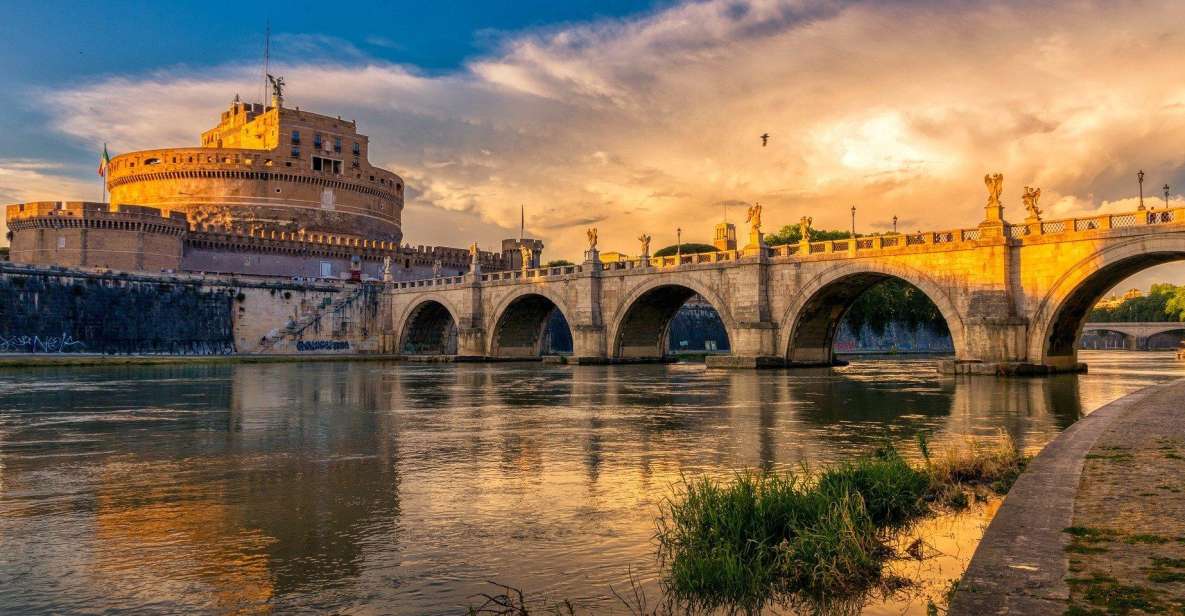
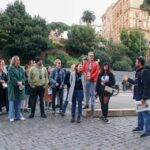
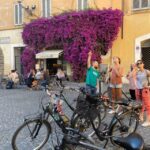
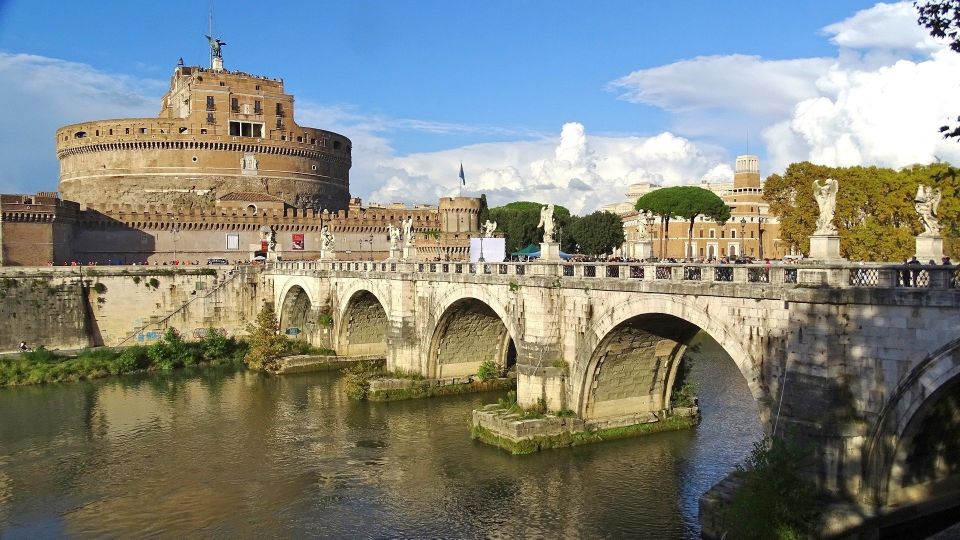
You begin near St. Angelo Bridge, at the starting area where your guide is easy to spot with a blue flag logo. That matters in Rome, where signage and crowds can blur together. Once you’re collected, you head into Castel Sant’Angelo with skip-the-line access, which is a big deal here because the castle is popular and lines can be slow-moving.
This tour is built around a small group experience. In practice, that usually means you can actually ask questions and hear the guide without competing with a crowd shouting over itself. You’ll also have headsets if required, which helps a lot inside a place like this where sound can bounce and walking routes can funnel people.
Time-wise, expect a couple of hours from start to finish, and plan to be ready right at your departure time. One small note that can make or break the day: if you arrive late, you won’t be able to join and tickets won’t be refunded. So I’d treat this as the kind of booking where being early is the best strategy.
You can also read our reviews of more tours and experiences in Rome


Hadrian’s tomb: from emperor’s mausoleum to Castel Sant’Angelo
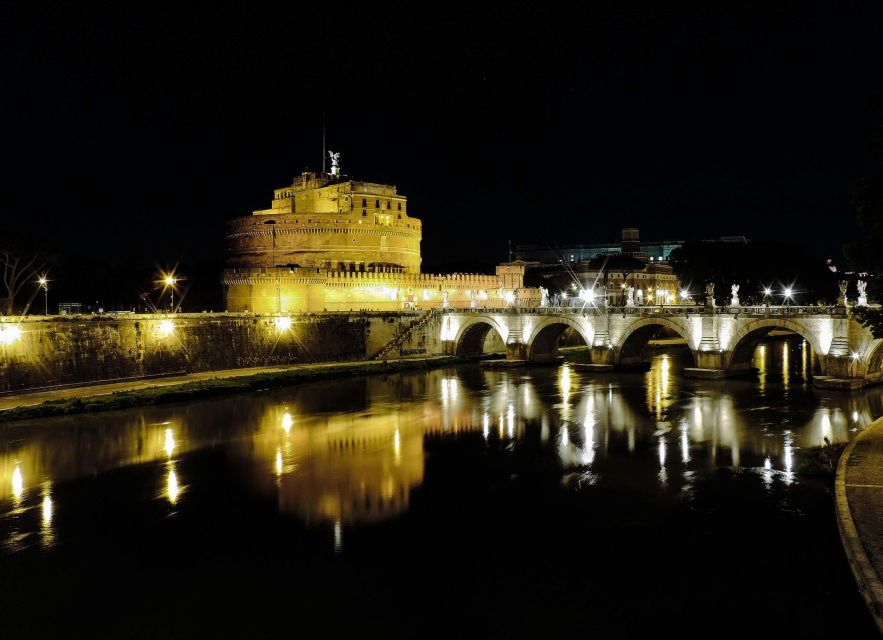
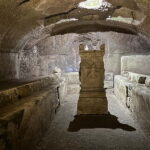
The centerpiece of your visit is the Mausoleum of Hadrian, the site that still anchors everything around it. The castle’s identity is layered: Roman imperial planning, later additions, and centuries of changing use. A guided visit helps you read those layers instead of just walking through rooms and corridors.
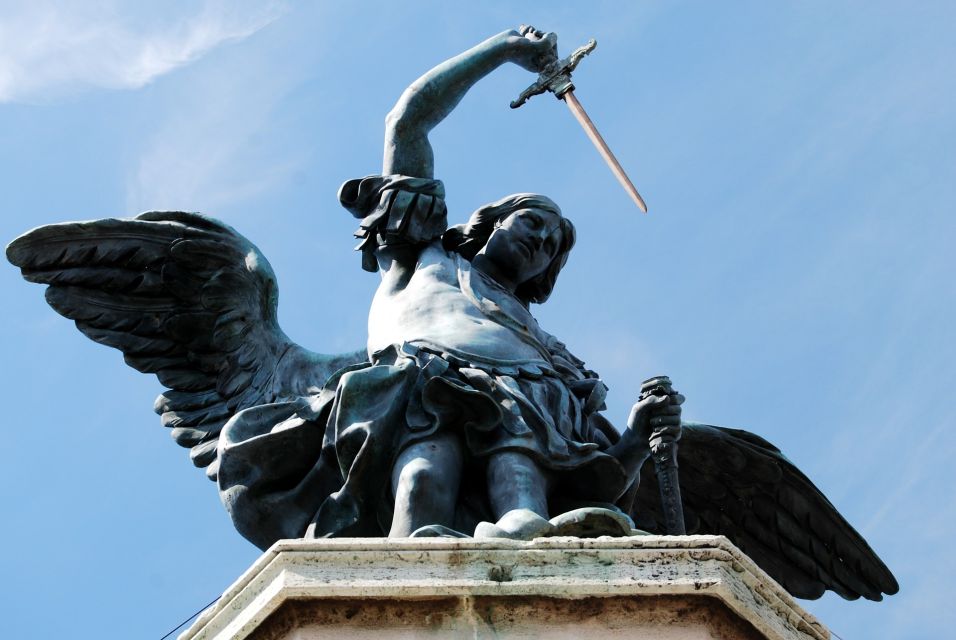
You’ll specifically focus on Hadrian’s tomb and the larger story behind why this place got its famous name. Rome is full of legends, but here the legend is tied to a dramatic, symbolic moment: Archangel Michael is said to have appeared atop the mausoleum, sheathing his sword and signaling the end of the plague in 590. That story is not just trivia—it becomes a lens for what you see, especially in the spiritual and artistic details tied to angels and protection.
If you like history, this is the sweet spot: you get both the Roman foundation and the later religious meaning. If you don’t usually get excited about emperors, the guide can shift the focus toward what the architecture was built to do—control space, protect the state, and then later serve ceremonial and spiritual purposes.
Papal corridors and frescoed rooms you can actually interpret
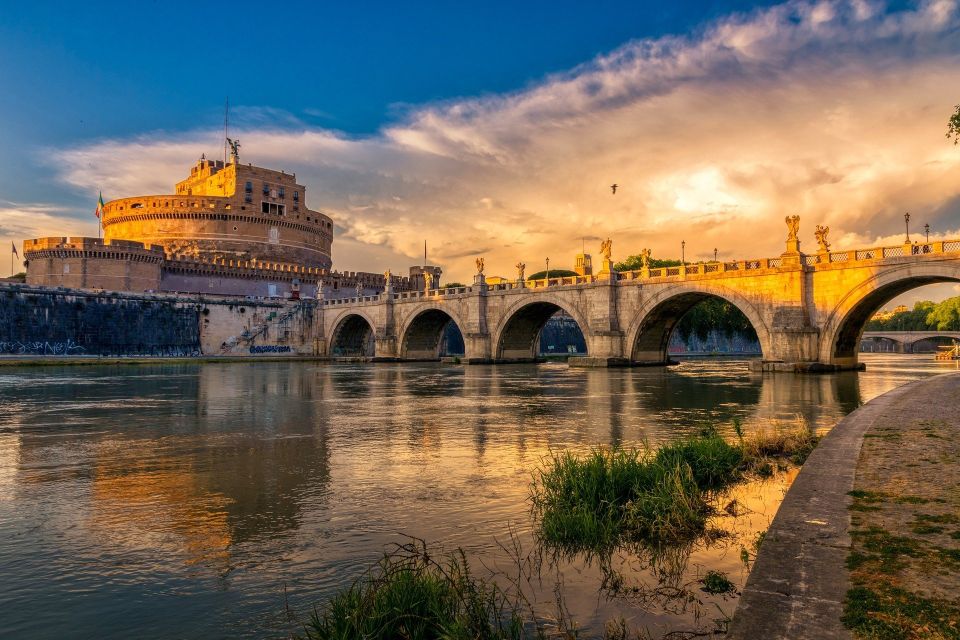
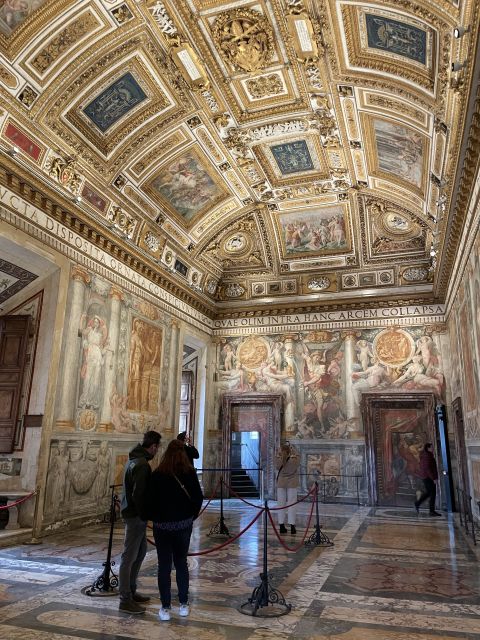
Castel Sant’Angelo is famous, but it can still feel overwhelming if you don’t know where to look. The tour’s structure takes you through the Papal corridors and Papal apartments, which is where the castle changes personality. The Roman mausoleum becomes part museum, part seat of power, part spiritual theater.
One of the best parts is the way the guide connects what you’re seeing with how the space was used. Papal spaces aren’t just pretty rooms; they’re a statement of authority and symbolism. You’ll also have a chance to see frescoes—and with a guide, those aren’t just paint on walls. You’ll understand the themes and why certain images were placed where they were.
There’s also a practical reason to do this with a guide: Castel Sant’Angelo is not a simple straight-line visit. Without context, it’s easy to miss the significance of transitions between corridors, apartments, and viewpoints. With a guide, you’ll get the meaning behind the route, not just the route itself.
Angel art: Bernini, Raggi, and Morelli in the real rooms
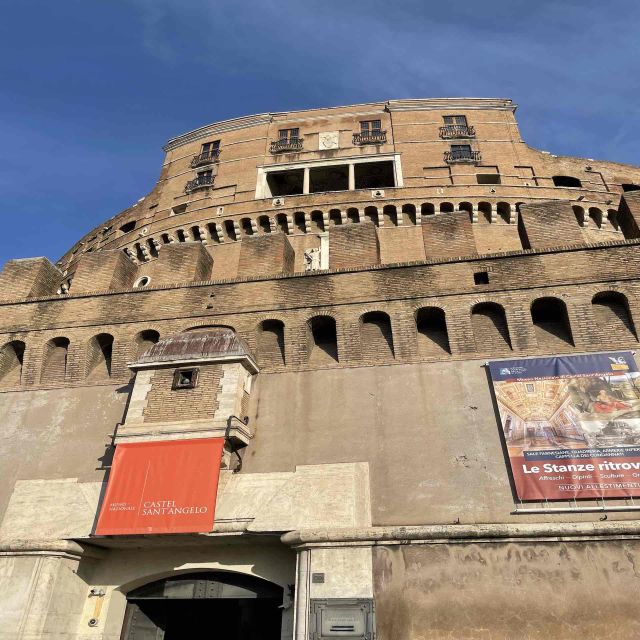
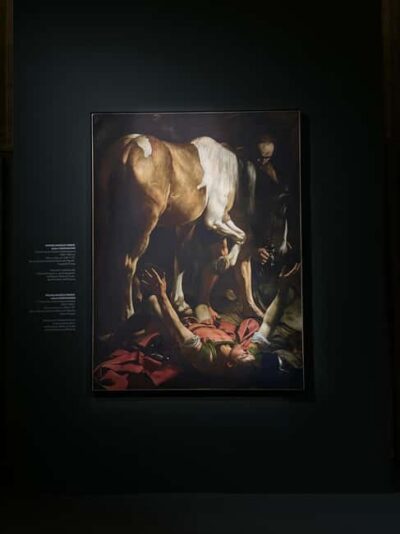
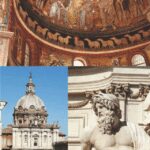
One of the standout promises here is the chance to see sculptures of angels by artists including Bernini, Raggi, and Morelli. If you’ve seen Baroque art in Rome before, you know it can be intense and theatrical—in the best way. The tour helps you spot the details that make this art more than decoration.
Angels in Christian art aren’t random. They often represent protection, guidance, victory over fear, and spiritual intervention. In Castel Sant’Angelo, that theme ties back to the Michael legend, giving the art extra weight. When the guide links the sculpture to the story of the castle’s naming, it clicks: you’re not just looking at figures—you’re reading a theme repeated across time.
This is also a great place for photos, but not in the generic way. Some guides actively take you to the spots that balance viewing angle and crowd flow. Based on what I’ve heard about past experiences, guides such as Alexandra and Alessandra have a real talent for steering people toward the best picture points while sharing stories as you go—so your photos end up feeling earned.
Terrace views over the Tiber and the castle’s defenses
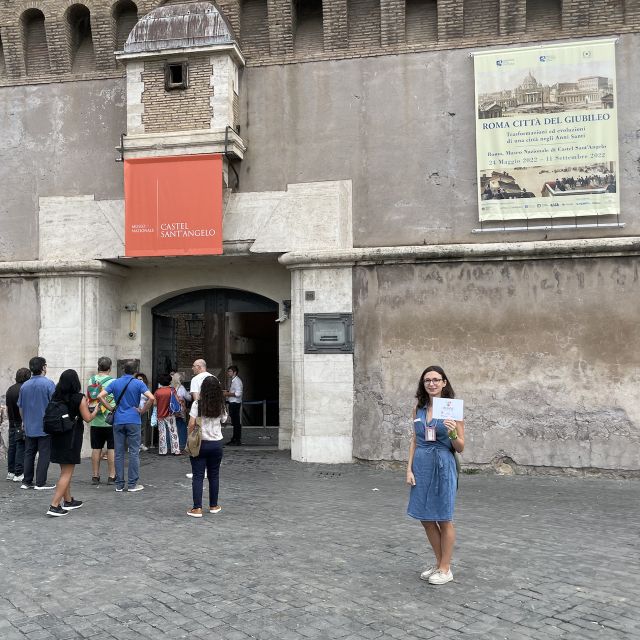
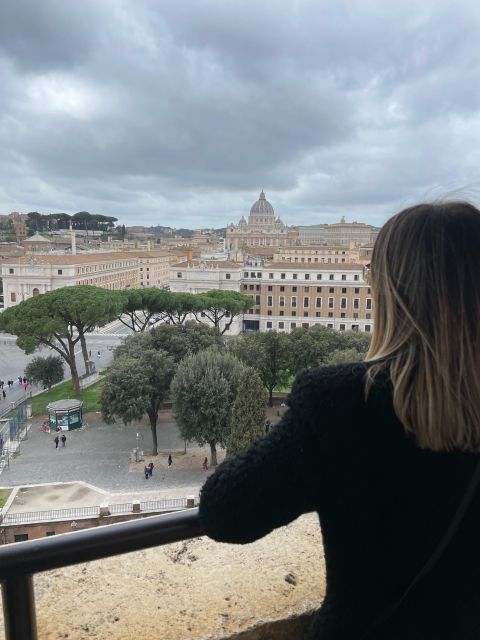
The terrace is where the castle flexes visually. You’ll get a stunning view from the terrace, plus a chance to admire the defensive wall from up top. This is your reward for walking through layers of history: the site becomes a strategic machine you can understand with your eyes.
From that height, you start to see how Castel Sant’Angelo relates to the city and why it was built where it was. It’s not just scenic; it’s informative. You can look at the defensive lines and imagine the purpose of the walls and elevated positions.
I’d also plan for photo time here. Many visitors go to castles hoping for one good view; you should aim for two—one wide shot from the terrace and one closer shot that catches the stone and defensive details. The guide can help you find those angles without wasting time or standing in the wrong place at the wrong moment.


Why the guide makes Castel Sant’Angelo feel personal
In a site like Castel Sant’Angelo, the difference between a quick look and a satisfying visit often comes down to the guide. The best part of this tour is that you’re not left to interpret everything on your own.
The guide quality shows up in the names people mention: Irene gets praised for being engaging and full of information; Marcello is described as magnificent; Silvia Conforti is noted as friendly and knowledgeable; Maria is called delightful; Andrada is singled out for being helpful and patient when someone had an ankle injury before the tour. Those aren’t random compliments—they point to a consistent theme: the guides explain, answer questions, and adjust when real people have real bodies and real needs.
Alexandra also stands out for pacing and photo-friendly guidance, while Alessandra earns credit for both facts and a practical knack for getting people to the best spots. Even when the group is small, a strong guide keeps the flow moving without making you feel rushed.
If you speak Spanish, Italian, or English, you’ll have a live guide in your language. That matters more than you might think, because humor, nuance, and story details land better when the guide can speak naturally.
Practicalities that help you avoid Rome-style headaches
Before you go, lock in the basics. You’ll want passport or an ID card, and comfortable shoes. The castle involves walking and uneven surfaces, plus you’ll be moving through corridors and changing levels.
Some things are not allowed: pets and luggage or large bags. That’s important because it affects what you can bring, especially if you’re traveling with day bags, shopping bags, or bigger carry-ons.
Also, keep an eye on access changes. The information notes that due to the Jubilee, some monuments may be under restoration and access routes may change. That’s one of those Rome realities: sometimes your planned route shifts. Your best move is to check your messages before you arrive so you don’t get surprised at the entrance.
Mobility note again, because it’s a deal-breaker for some people: this tour is not recommended for people with limited mobility and not suitable for wheelchair users. If that’s you, save yourself frustration and choose a different format.
Finally, expect the tour to end back at the meeting point. That makes it easier to plan your next move without complicated transfer logic.
Price and value: what $78.57 really buys
The listed price is $78.57 per group (up to 1). That wording can be confusing, but the value angle is clearer when you compare it to what’s included.
The tour includes skip-the-line entrance, a guide, and headsets if required. It also notes the official ticket price is 16€, which tells you that you’re not just paying for entry. You’re paying for the guide’s time and the reduced waiting hassle.
In Rome, time is money—especially when you’re trying to fit must-sees into a short visit. Skip-the-line access can shave off a chunk of waiting, and the guide’s explanations can turn a standard entry fee into an experience that feels like a guided museum tour plus a story-driven walk.
So for value, I’d think like this:
- If you want the art, symbolism, and room-to-room meaning, the guide is worth it.
- If you only need a quick look and you’re comfortable reading on your own, you might find it less necessary.
- If you’re on a schedule where delays are stressful, skip-the-line becomes a bigger part of the value.
Who should book this Castel Sant’Angelo tour?
Book this if you want a guided way to connect the dots—Roman emperor to Papal power to angel symbolism—and you’d rather spend time seeing than waiting in line.
It’s a good fit for:
- History and art fans who like explanations tied to what they see
- People who want terrace views with context, not just scenery
- Anyone who appreciates strong guiding styles, like the experiences associated with Irene, Marcello, Silvia Conforti, Alexandra, Maria, and Andrada
Skip it or rethink if:
- You need wheelchair access or have limited mobility (this one isn’t recommended)
- You think you might arrive late (late arrivals can’t join)
- You prefer fully independent pacing and interpretation
Final verdict: should you book?
If you’re aiming for the biggest payoff per hour at Castel Sant’Angelo, this is the kind of tour that delivers. You get skip-the-line access, a guide who connects Hadrian’s tomb, Papal corridors, frescoes, and angel art, and then you top it off with terrace views and defensive-wall sightlines.
Just be honest about your mobility needs and your arrival timing. If you can do that, you’re set up for a visit that feels smarter than a self-guided wander—without turning into a rushed checklist.
FAQ
What is the duration of the Rome Castel Sant’Angelo tour?
The activity duration is listed as 2 hours (you can check availability to see starting times).
Do I need to buy tickets separately?
The tour includes a skip-the-line entrance ticket. The official ticket price is 16€.
Where does the tour start?
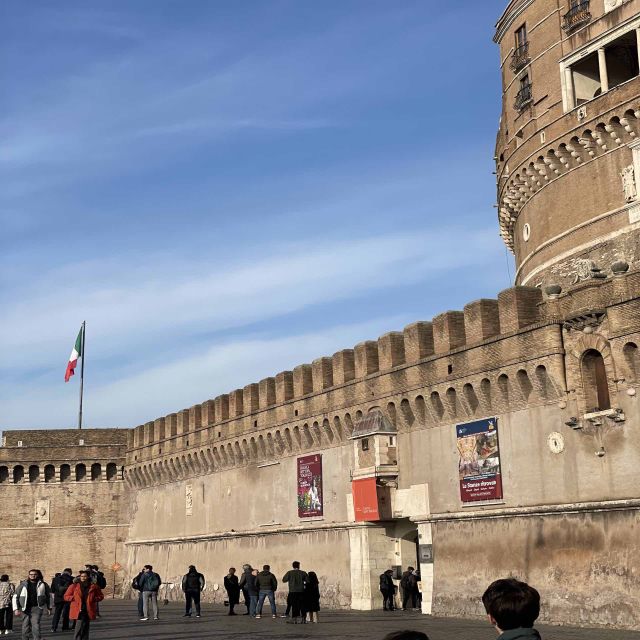
The tour starts at the meeting point in front of the main entrance of Castel Sant’Angelo, with your guide holding a blue flag with the Doooing Experience logo.
What does the tour include besides entry?
It includes a live guide and headsets if required.
What languages are available for the live guide?
The live tour guide is available in Spanish, Italian, and English.
What should I bring?
Bring a passport or ID card and wear comfortable shoes.
What’s not allowed during the tour?
Pets and luggage or large bags are not allowed.
Is this tour suitable for wheelchair users or limited mobility?
This tour is not recommended for people with limited mobility and is not suitable for wheelchair users.
What’s the cancellation policy?
Free cancellation is offered up to 24 hours in advance for a full refund.