REVIEW · CASTEL SANT'ANGELO TOURS & TICKETS
Rome: Castel Sant’Angelo Skip-the-Line Guided Tour
Book on GetYourGuide →Operated by Loving Rome · Bookable on GetYourGuide
Castel Sant’Angelo is Rome’s best surprise stop. You get skip-the-line access plus a guided route through areas most people never see, then finish with panoramic views that make the city feel instantly more navigable. It’s one of those sites where a guide turns stone walls into a whole storyline.
I really like two things about this tour. First, you’re led through exclusive areas such as the Olearie, the historical prisons, and the theater of Clemente VII, not just the usual highlight rooms. Second, the visit is built around art and details you’d miss alone, from the sculptures and paintings to stops like the treasury room and the pope’s apartment.
The main consideration is physical: you’ll climb a series of stairs to reach the panoramic terrace, and the tour isn’t suitable for wheelchair users. If stairs are a challenge, plan accordingly.
In This Review
- Key things I’d zero in on
- Castel Sant’Angelo in 90 Minutes: what the guided route delivers
- Skipping the line at Lungotevere Castello: how the start works
- Hadrian’s tomb turned fortress: the history thread you’ll hear
- The Olearie and the unusual rooms most people never get
- Prisons, executions, and the emotional weight of place
- Treasury room and papal apartment: power, art, and symbolism
- Terrace views: where Rome geography suddenly makes sense
- Price and value: is $66.05 a smart use of time?
- How long it lasts and what to bring (so you don’t slow down)
- Who this tour is for (and who might prefer another option)
- After the tour: a practical add-on aperitivo
- Should you book this skip-the-line Castel Sant’Angelo tour?
- FAQ
- How long is the Rome: Castel Sant’Angelo Skip-the-Line Guided Tour?
- Where do I meet the guide for the Castel Sant’Angelo tour?
- What does skip-the-line mean for this tour?
- Is the tour suitable for wheelchair users?
- What should I bring, and what is not allowed?
- Do I need to bring my passport or ID?
- Is the tour offered in English, and are headsets provided?
Key things I’d zero in on
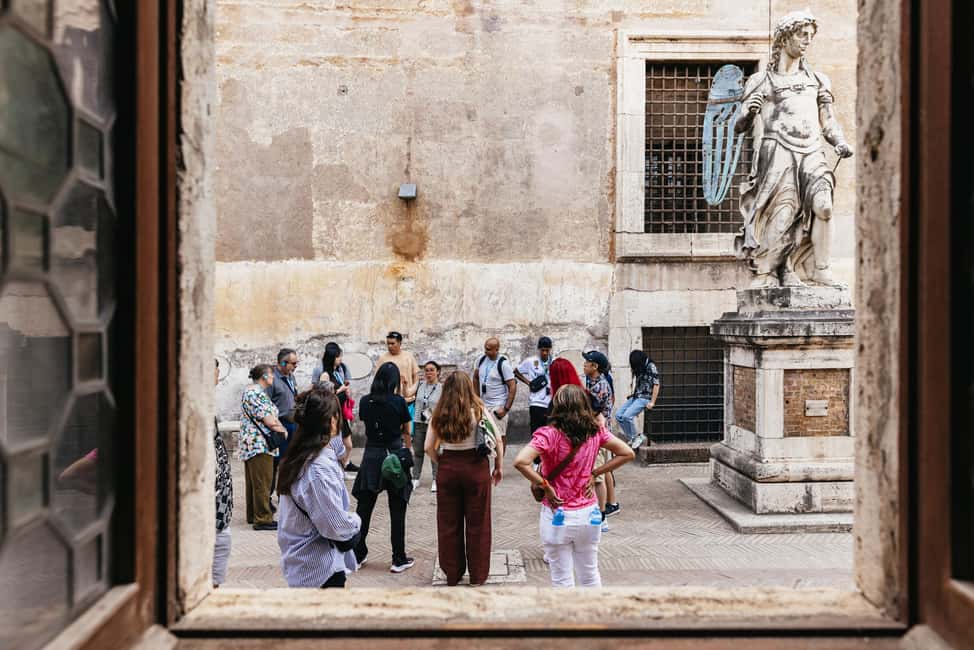
- Skip-the-line entry through a separate entrance so you lose less time to queues
- Rare access to areas like the Olearie and historical prisons
- Clear context for how Hadrian’s tomb became a papal fortress, treasury, and prison
- Clemente VII theater and other unusual corners that feel different from typical castle tours
- Top-of-castle terrace views that help Rome’s geography click into place
- Strong guide quality, with multiple praised guides such as Alec, Donatella, Alicia, Angnese, and Oleg
Castel Sant’Angelo in 90 Minutes: what the guided route delivers
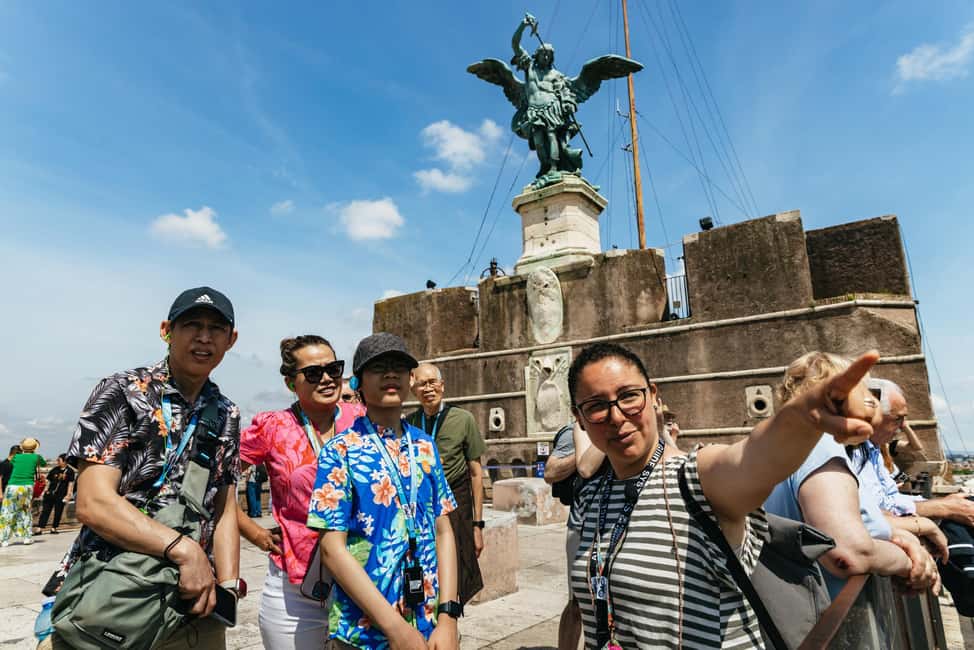
This tour is timed for real sightseeing, not wandering. In about 1 to 2 hours, you’ll get a guided, stop-by-stop walk through Castel Sant’Angelo’s key layers: the Roman origins, the medieval and Renaissance uses, and the darker chapters in between. The biggest difference from a self-guided visit is that the guide gives you the why behind each space—how the building’s purpose changed, and what that means when you’re standing in the room.
You start with the core pitch: Castel Sant’Angelo was built by the Roman emperor Hadrian as his tomb. Then it transformed over time—serving as a private residence for popes, acting as a state treasury, and later becoming a prison and even an execution site. That sequence can sound like trivia until you’re walking through the same walls and seeing how the layout supports each new function.
One practical win: because the route focuses on specific rooms, you’re not stuck playing guess-the-story. You’ll know what you’re looking at—before you take the photo.
You can also read our reviews of more guided tours in Rome


Skipping the line at Lungotevere Castello: how the start works
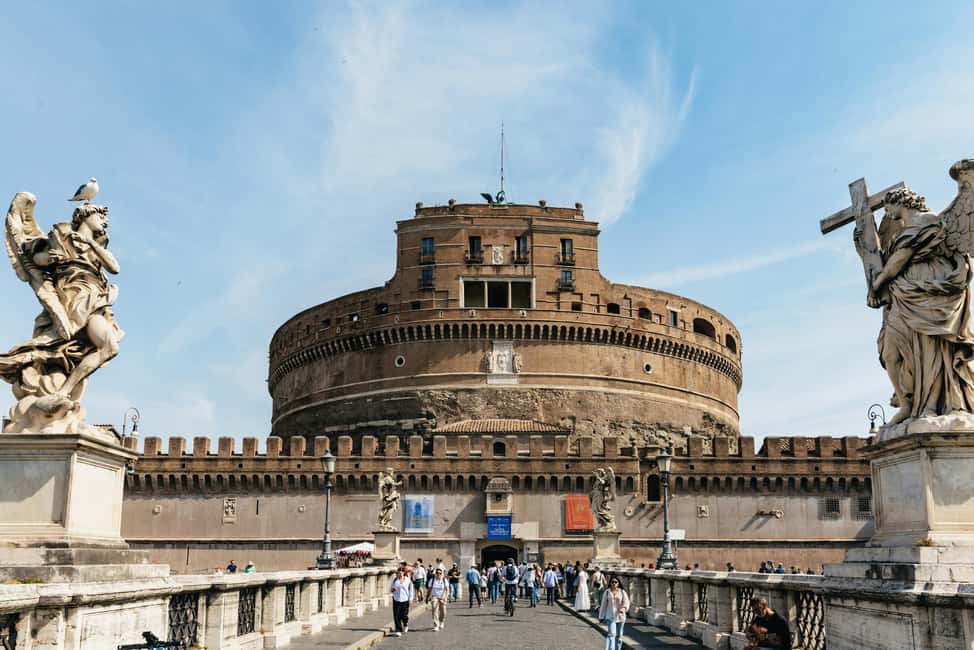
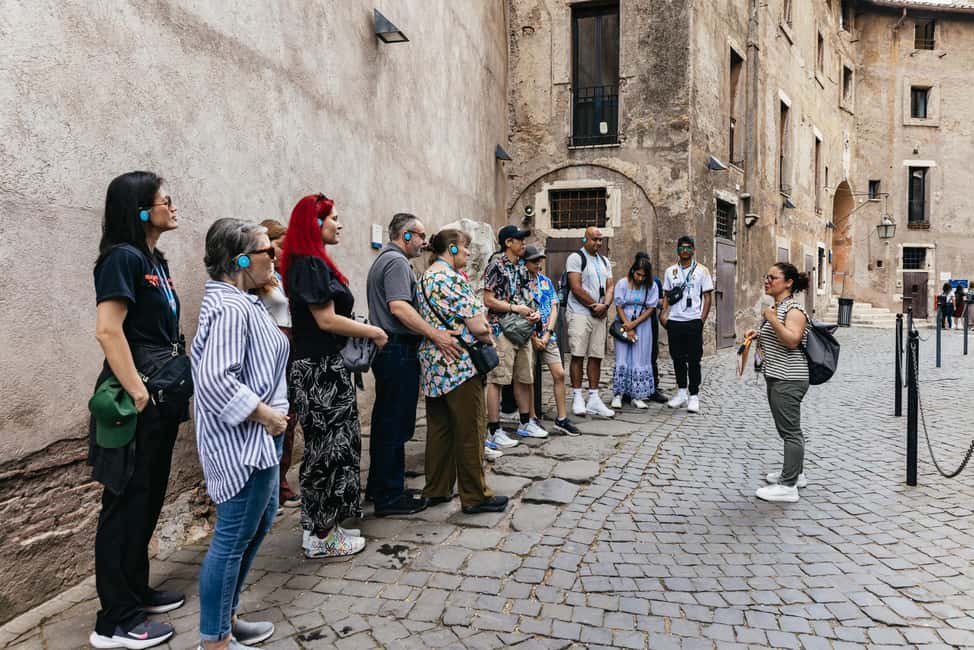
You meet in front of the main entrance to the Lungotevere Castello. The meeting point is easy to spot: look for a representative holding a Loving Rome flag. Then you move quickly toward entry using the tour’s separate entrance designed for skip-the-line access.
Why that matters: Castel Sant’Angelo can get busy, and the entrance area is the point where time can evaporate. When you arrive prepared and check in fast, the first part of the tour feels more relaxed. You’re not already tired before you’ve seen the important rooms.
Also, the tour includes headsets if needed. That’s a small detail with a big impact in museums and enclosed spaces—especially if your group is a mix of distances from the guide. Clear audio makes a history tour feel like a story you can follow, not a muffled lecture you have to guess at.
Hadrian’s tomb turned fortress: the history thread you’ll hear

If you’ve only seen Castel Sant’Angelo from the outside, this is where it clicks. The guide frames the whole site as a living timeline. You learn how Hadrian’s mausoleum started the project, then how later power players adapted the structure again and again.
The tour’s story lands on the building’s real talent: it can be one thing today and a different thing tomorrow. A tomb is about memory. A papal residence is about control and comfort. A treasury is about security and organization. A prison and execution site bring a brutal, human edge that’s hard to ignore once the guide points out what happened here and why the location was useful.
You’ll also hear specifics that help you orient as you move—what to watch for, where you are in the complex, and how each stop fits into the bigger picture. That’s the secret of a good castle tour: it isn’t just facts, it’s wayfinding.
The Olearie and the unusual rooms most people never get
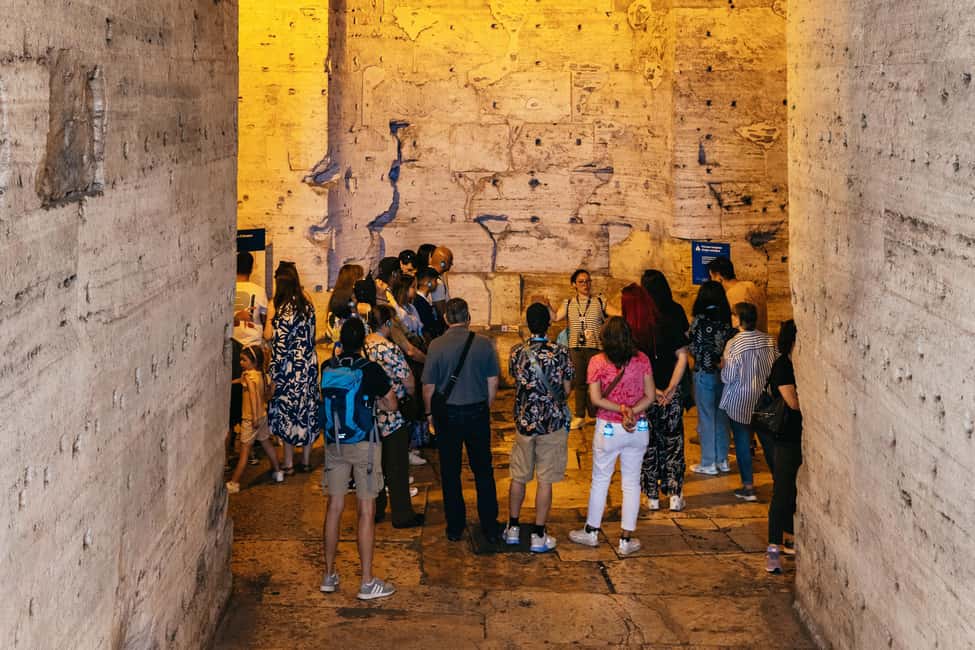
One of the standout promises here is access to areas that are generally closed to the public. The tour includes exclusive stops such as the Olearie (oil-related spaces), the historical prisons, and the theater of Clemente VII.
Here’s why I think those rooms are worth your time:
- Olearie: You get a sense of how practical and industrial the fortress could be, not only ceremonial. It’s the kind of detail that makes a building feel used and working, not just preserved for postcards.
- Historical prisons: This is where the tone shifts. You’re standing somewhere tied to confinement and punishment, and the guide helps you connect the architectural layout to those functions.
- Theater of Clemente VII: This is the curveball stop. A fortress with a theater changes how you imagine the space, and it shows how power can be both strict and theatrical.
These aren’t random rooms. They’re chosen because each one explains a different chapter of the fortress—how it supported leadership, logistics, and discipline across centuries.
And yes, groups love the guide factor here. Multiple praised guides—like Alec and Donatella—are specifically noted for storytelling that stays engaging while still packing in real details.
Prisons, executions, and the emotional weight of place
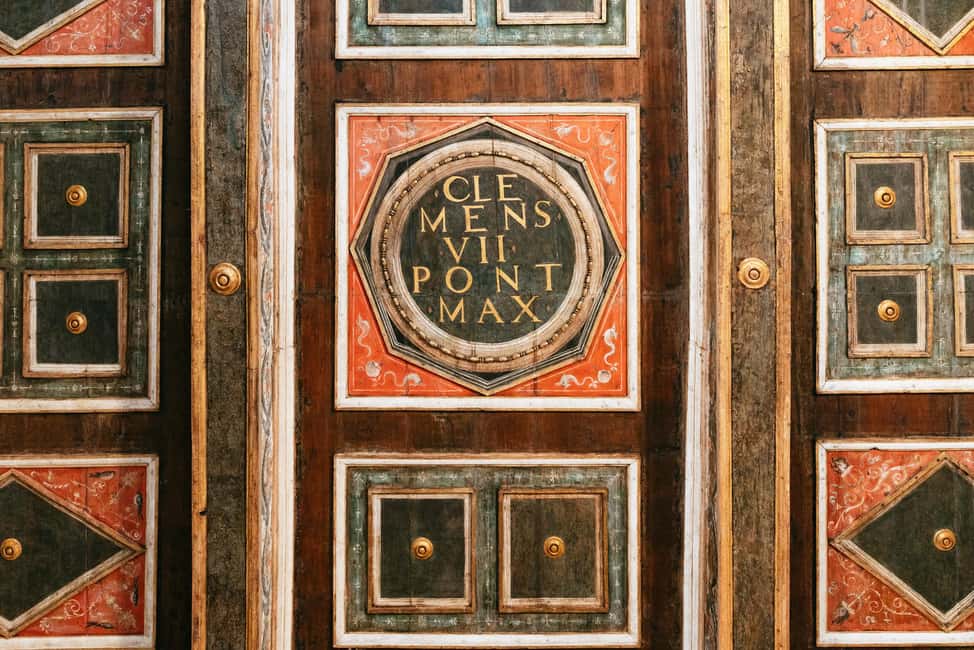
Castel Sant’Angelo has a history that doesn’t try to be pretty. The tour explains how it was used beyond comfort and ceremonies—at times serving as a prison and even a public execution site.
Even if you’re not into dark history, the practical value is this: once you understand why this fortress was positioned where it was and how it could be controlled, the whole castle stops feeling abstract. You see the logic in the stone.
The guide’s job is to keep the tone balanced—informative, not sensational. That’s where the headset helps too. You’ll hear the explanation clearly while you’re in a spot that naturally makes you slow down and look harder.
You can also read our reviews of more tours and experiences in Rome




Treasury room and papal apartment: power, art, and symbolism
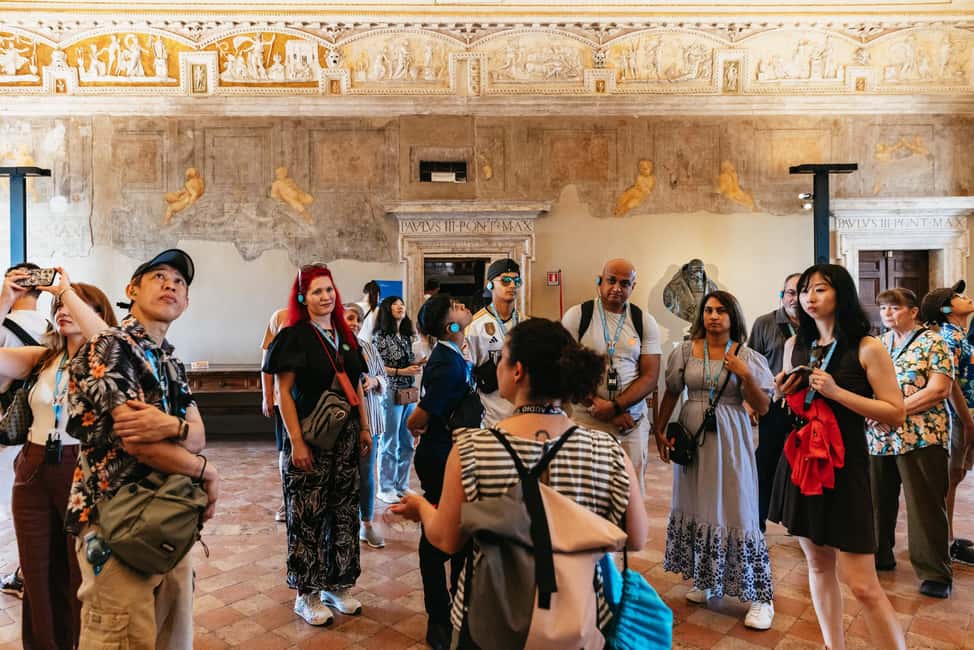
Another reason this tour stands out is the focus on rooms tied to authority and administration. You’ll see the treasury room, learn about the fortress’s role as a state storehouse, and then move into spaces that were connected to papal life.
You can expect a stop at the pope’s apartment, plus the burial place of the late emperor. These are big-ticket ideas, but the guide makes them legible by connecting what you’re seeing to the role the building played. Instead of just pointing at architecture, the explanation gives you the meaning of the space.
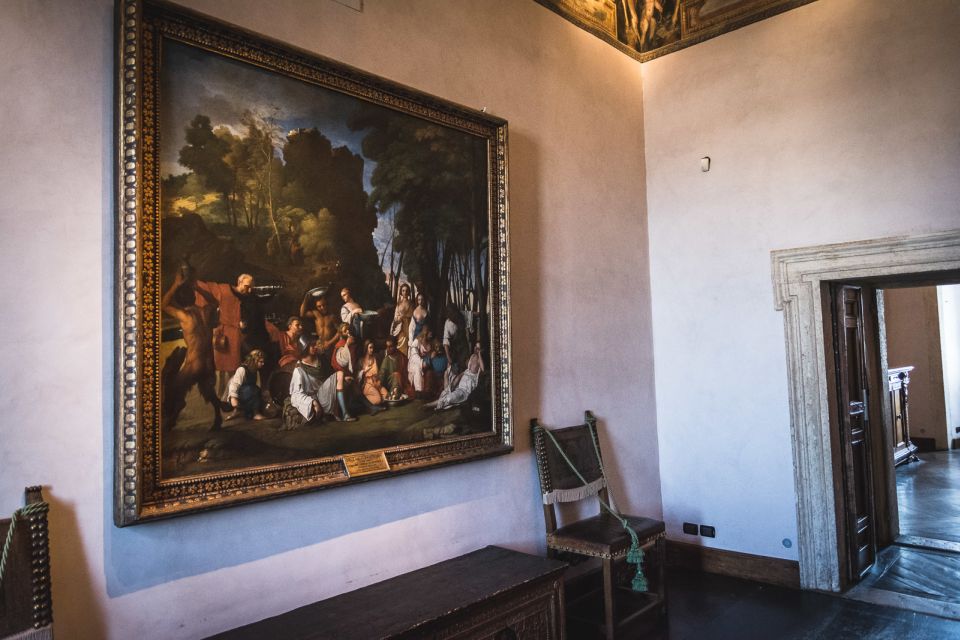
You’ll also admire sculptures and paintings around the castle. That matters because art in a historic site isn’t decoration—it often signals the values of whoever was in charge. With a guide, you’ll understand why a work is there and what it’s communicating, rather than just noting that it’s impressive.
Terrace views: where Rome geography suddenly makes sense
The finale is the panoramic terrace view. You’ll see Rome from above, and the guide’s explanations help you connect what you’re looking at to where things sit across the city.
This is also the part you should plan for in a simple, practical way:
- Bring your phone for photos.
- Give yourself a moment to just look before you snap.
- Stay patient if your group gathers close to the best angles—this terrace is photo-friendly, but it also gets busy.
There’s a reason people talk about the views here. From this height, the city stops being a list of sights and becomes a layout. You’ll walk away with stronger mental maps for the next days in Rome.
Just remember the trade-off: reaching the terrace requires climbing stairs, and the tour is not suitable for wheelchair users.
Price and value: is $66.05 a smart use of time?
At $66.05 per person, this isn’t a budget add-on. But it also isn’t a generic guided tour with the same stops you could find on your own.
Here’s what you’re paying for in concrete terms:
- Skip-the-line entry through a separate entrance
- A live guide in English
- Access to areas that are generally closed (like the Olearie and historical prisons)
- A guided narrative that links building functions across centuries
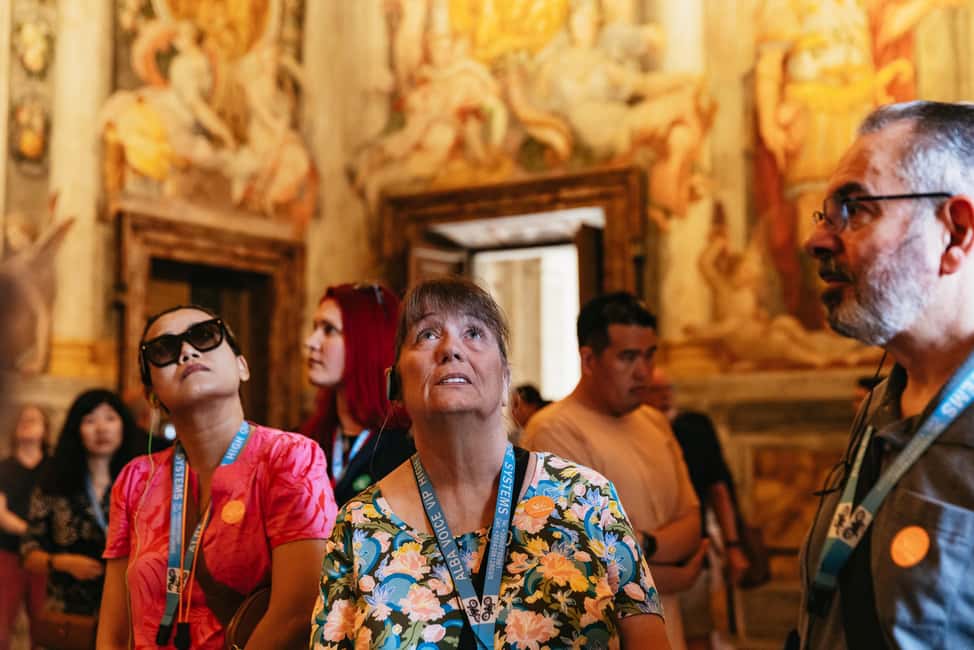
- Headsets if needed to keep explanations clear
If you’ve got limited time in Rome, skip-the-line is value. If you like history but get bored when it’s just a lecture, the inclusion of specific rooms and visual stops makes it more rewarding. If you want the terrace view but also want the story behind the stones, this tour tends to pay off.
And the guide quality seems to be a real strength. Names like Alec, Donatella, Alicia, Angnese, and Oleg come up in standout ratings, including praise for keeping pace right and sharing details that make the visit feel richer.
How long it lasts and what to bring (so you don’t slow down)
The tour runs 1 to 2 hours, depending on the time slot. Plan your day with enough buffer afterward, because the experience is tight and focused—you’ll want a little breathing room at the end.
What to bring:
- Comfortable shoes (you’ll walk and climb)
What not to bring:
- Food and drinks
- Luggage or large bags
A key Rome practical: you’ll need your passport or valid ID on the day of the visit. When booking, you must provide full participant names exactly as they appear on your passport or ID, so double-check spelling.
One small comfort note from reviews: the headsets are often clearer than you’d expect, so you can follow the guide even in busier moments.
Who this tour is for (and who might prefer another option)
This tour is a good fit if you:
- Want more than the basics at Castel Sant’Angelo
- Like structure and storytelling in a history setting
- Care about panoramic views but also want context for what you’re seeing
- Appreciate access to spaces that are usually out of reach
It’s less ideal if you:
- Rely on step-free access, since the tour is not suitable for wheelchair users and includes stairs to reach the terrace
- Need to carry lots of luggage (large bags aren’t allowed)
If you like small-group energy, there’s a chance it can feel intimate. One review described a situation where only a small number of people ended up with the guide, which can make the pace feel friendlier.
After the tour: a practical add-on aperitivo
If you want to keep the Rome rhythm going, you can add a traditional aperitivo in a bar nearby after the tour. It’s an easy way to turn the castle finale into a relaxed end to your day—especially if you’re pairing this with other central sights along the river.
Should you book this skip-the-line Castel Sant’Angelo tour?
I’d book it if you want two things at once: rare access and a clear story, ending with a view that helps you understand Rome’s layout. The skip-the-line piece matters, but the real value is the guided route through rooms like the Olearie, the historical prisons, and the theater of Clemente VII, plus the terrace payoff.
I’d skip it or choose a different option if stairs are a dealbreaker for you. Otherwise, this is the kind of tour that turns Castel Sant’Angelo from a pretty monument into a place with meaning.
FAQ
How long is the Rome: Castel Sant’Angelo Skip-the-Line Guided Tour?
The tour lasts 1 to 2 hours. Exact starting times vary, so check availability for the slot you want.
Where do I meet the guide for the Castel Sant’Angelo tour?
Meet in front of the main entrance to the Lungotevere Castello. Look for a representative holding a Loving Rome flag.
What does skip-the-line mean for this tour?
You get skip-the-line entrance to Castel Sant’Angelo through a separate entrance, so you avoid the main entry queue.
Is the tour suitable for wheelchair users?
No. This activity is not suitable for wheelchair users.
What should I bring, and what is not allowed?
Bring comfortable shoes. Food and drinks are not allowed, and luggage or large bags are not allowed.
Do I need to bring my passport or ID?
Yes. You’ll need your passport or valid ID for verification, and you must provide participant names exactly as they appear on the document when booking.
Is the tour offered in English, and are headsets provided?
Yes. The live tour guide is English. Headsets are included if needed, and there is also an optional audio guide in English.