REVIEW · POMPEII & AMALFI COAST DAY TRIPS
From Rome: Pompeii & Amalfi Coast Full-Day Trip
Book on GetYourGuide →Operated by Romaetravel · Bookable on GetYourGuide
One day, two worlds. You’ll trade Rome’s bustle for Pompeii ruins and the Amalfi Coast’s dramatic cliff views. I especially like the pacing: you get real guided time in Pompeii, then you’re free to roam Positano and Amalfi at your own speed. The main thing to consider is that this is a long day, and the schedule is built around travel time as much as sightseeing.
Also, Pompeii walks are real walks. Expect uneven ground, crowds, and plenty of standing. Wear comfy shoes, and plan for a day that starts early and ends late, even with convenient hotel pickup within the Aurelian walls.
In This Review
- Key things that make this trip work
- Rome to Pompeii and the Amalfi Coast: the 12-hour rhythm
- Pompeii with an official guide: what you’ll actually see
- Positano and Amalfi free time: where to spend it wisely
- Tour size, pickup, and skip-the-ticket line: less hassle, more seeing
- Price and value: is $396.50 per person a smart use of time?
- What to bring and how to pace your day
- Should you book this Rome-to-Pompeii-and-Amalfi day trip?
- FAQ
- How long is the tour from Rome to Pompeii and the Amalfi Coast?
- Do I get hotel pickup and drop-off in Rome?
- Is lunch included?
- Is Pompeii guided, or is it self-guided?
- What languages are available for the tour?
- Is the tour wheelchair accessible?
Key things that make this trip work
- Small group size (max 14) keeps the day from feeling like cattle-herding, especially when you’re moving between towns.
- Hotel pickup and drop-off inside the Aurelian walls makes the trip simpler than trying to stitch together trains and buses.
- Skip the ticket line at Pompeii so you spend more time seeing and less time waiting.
- An official Pompeii guide plus your live tour guide means you get both big-picture flow and on-the-ground interpretation.
- Free time in Positano and Amalfi lets you choose your pace, not just follow a script.
Rome to Pompeii and the Amalfi Coast: the 12-hour rhythm
This is a 12-hour full-day tour, and it’s designed for one thing: maximizing what you can see without spending the night in Naples or on the coast. You start with pickup from your hotel within the Aurelian walls, then you head out of Rome toward the bay of Naples.
The drive is part of the experience. As you leave the city, you’ll get road views that make Campania feel different from central Italy’s flat, familiar stretches. It’s not just getting there. The coastal scenery helps set the mood before you hit the contrast of Pompeii’s buried streets.
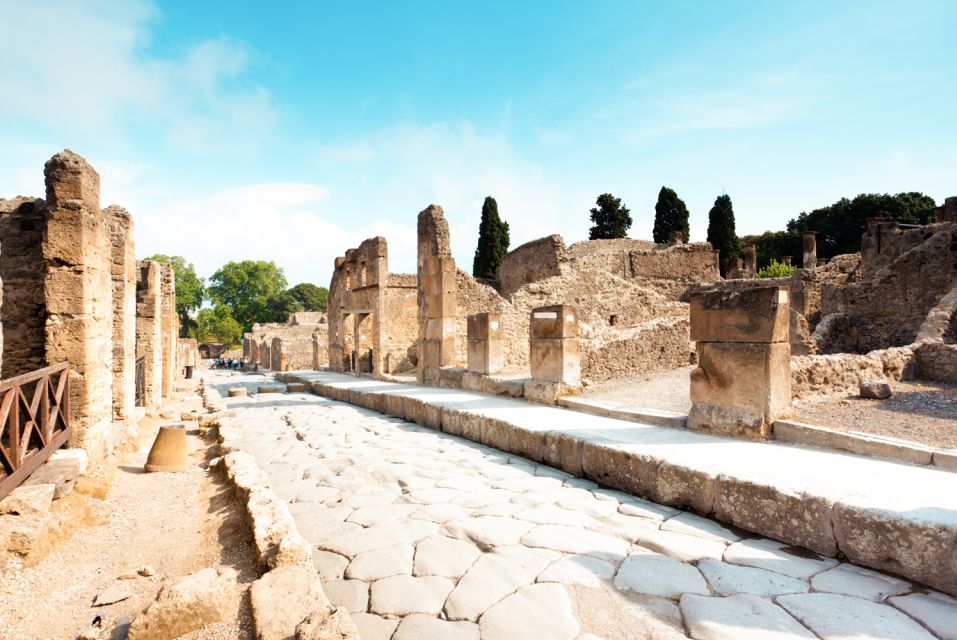
Once you arrive at Pompeii, the focus shifts hard. You’re on guided time inside the archaeological site, which matters because Pompeii is one of those places where a guide turns a pile of stones into daily life. After Pompeii, the schedule opens up again with time in Positano and Amalfi, where you’re mostly doing your own wandering.
One trade-off: because this is built around seeing a lot in one day, you won’t have the slow, relaxed pace you’d get if you stayed overnight on the coast. If you hate tight timing, choose a multi-day plan instead. If you want one strong hit of history plus views, this format is efficient.
You can also read our reviews of more tours and experiences in Rome


Pompeii with an official guide: what you’ll actually see

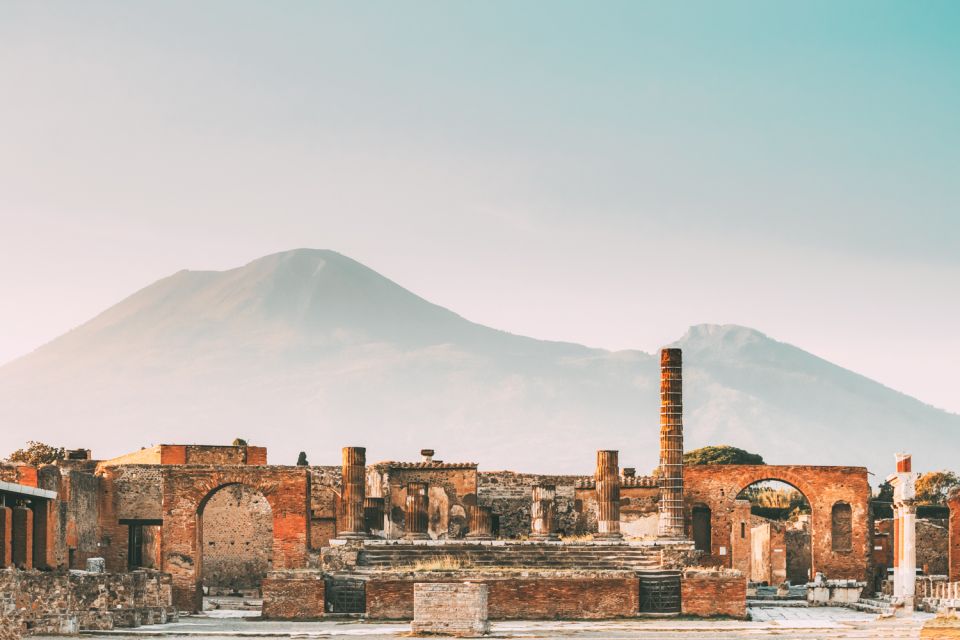
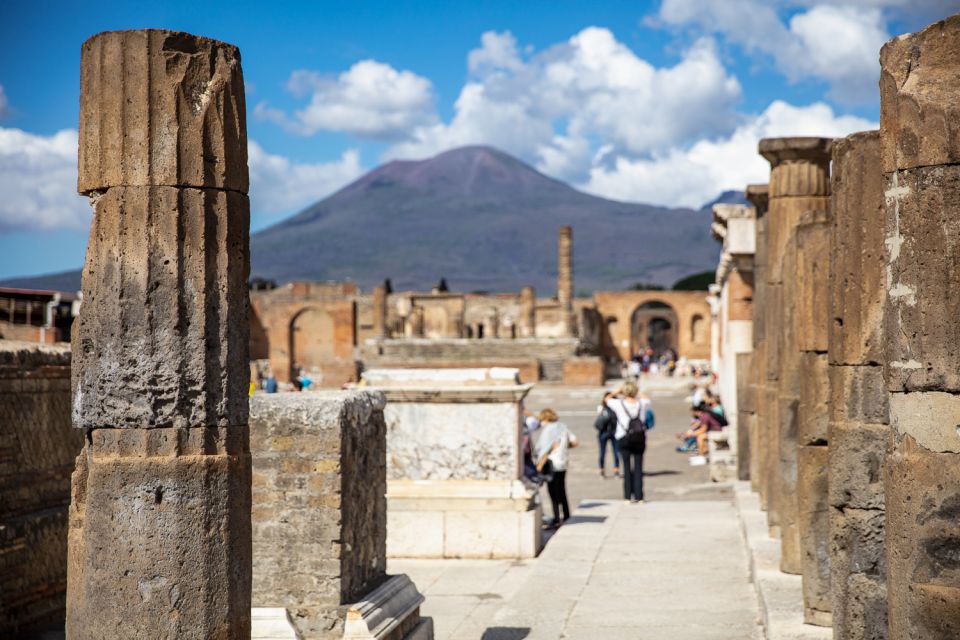
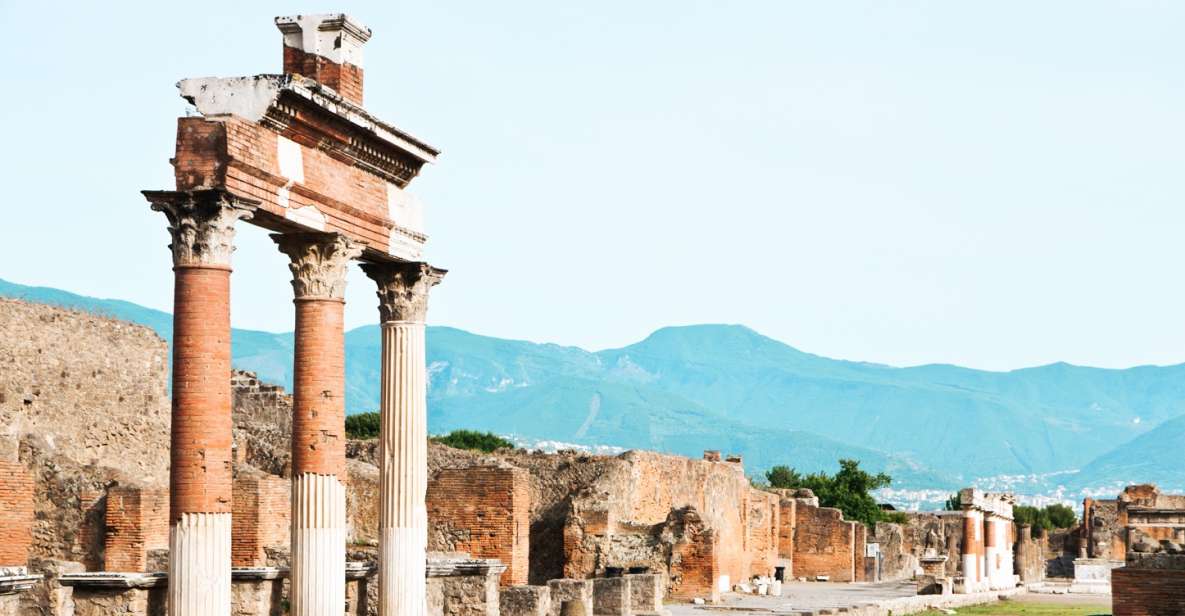
Pompeii is the anchor of the day. The tour includes entrance to Pompeii and an official guide at the site, which is a big deal. An official guide tends to keep the storytelling grounded in the real architecture and layout, not just general facts.
The guided portion takes you through main areas that help you understand the city as a working Roman town. You’ll see highlights like:
- the food market area, which sets the scene for everyday commerce
- the thermal bath area, which shows how public life and leisure overlapped
- residences of wealthy citizens, so you can compare social status through homes, space, and design
The key value here is how the guide frames what you’re looking at. Pompeii isn’t only about the eruption. The best tours help you connect the ruins to routines: where people shopped, how they washed, and how elite families lived behind walls and columns.
Also, your day won’t be guide-chaos. You have a live tour guide (English and Italian) managing the overall flow from pickup to returns. Then you have the site specialists at Pompeii. In real terms, that means fewer lost minutes and fewer moments of guessing what matters most.
A couple names have popped up in past experiences. Some groups have been looked after by guides such as Mr Anestis (praised for being friendly and punctual, with strong history storytelling) and by a Pompeii guide named Hector, described as exceptional. Your guide lineup can vary, but the theme is consistent: the guides tend to be professional and quick to get you oriented.
What can feel like a drawback is the way Pompeii concentrates attention fast. You’ll want to slow down for photos, but the guided route keeps momentum. If you like taking a long time at each spot, you may feel slightly rushed during the guided portion. The upside is that you’ll come away with a clearer map of the city and what each area meant.
Positano and Amalfi free time: where to spend it wisely
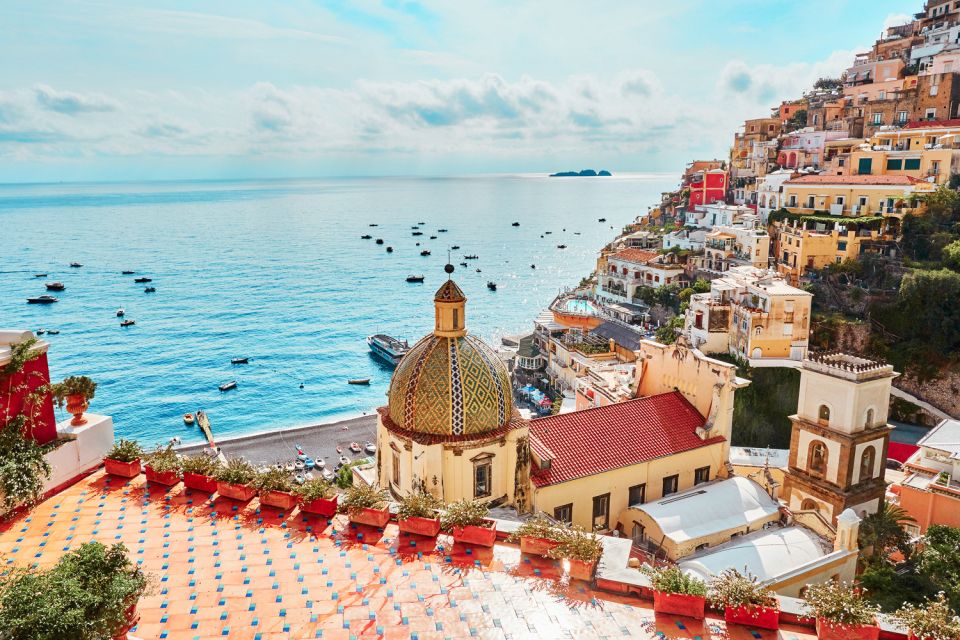
After Pompeii, the day shifts from history to views. You travel from Pompeii to Positano and Amalfi, and you get free time to explore both.
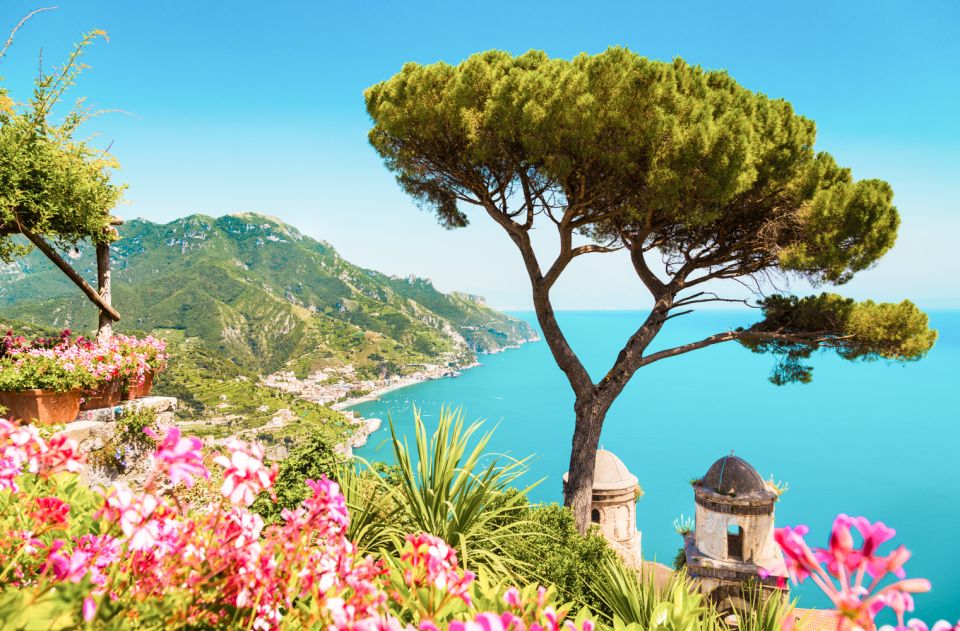
This is where you’ll feel the Amalfi Coast’s famous drama up close: cliffs dropping to the sea, stairways that lead you somewhere interesting even when your plan starts as a vague idea. Positano is the kind of town where you’ll naturally wander from street to street, then pause when the view makes you stop.
Amalfi is different. It has its own feel—more grounded, with a historic center vibe and classic coastal charm. This pair is valuable because you get variety without having to plan two separate excursions.
Here’s how I’d use your free time to get better value:
- Start with one main viewpoint early, when you still have energy for uphill walks.
- Then pick one “local” goal: a small café stop, a church area to cool down, or a souvenir browse.
- Keep time in reserve for a slower street-level wander. That’s often where the best photos and best people-watching happen.
One practical bonus: guides and drivers sometimes help with small personal goals. In at least one experience, the guide helped someone fit in a limoncello tasting during the day. If you want something like that, ask when you’re there, and build it into your free-time choices rather than waiting until the last minute.
Also, you’re not eating included. Lunch isn’t provided, so treat lunch as part of your planning. If you’re the type who gets hangry when there’s no clear plan, bring snacks (if your tour allows) or do an early lunch decision once you arrive in town.
Tour size, pickup, and skip-the-ticket line: less hassle, more seeing
There’s a real difference between a day trip that’s choreographed and one that’s improvisation. This one leans toward choreographed convenience.
You get:
- pickup and drop-off at your hotel within the Aurelian walls
- small group transfer with a limit of 14 participants
- skip the ticket line at Pompeii
That “skip the ticket line” piece is worth respect. Pompeii draws huge crowds, and waiting can eat your best energy. Instead of losing time standing around, you can get moving toward the guided route.
The small group size also changes the day. With fewer people, it’s easier for your guide to keep everyone together without rushing in a panic. In addition, questions are more likely to get a real answer rather than a quick, generic reply.
Drivers get credit too. Some reports praised drivers such as Leonardo and Caprizio for smooth, professional handling of narrow roads and efficient timing. That matters on the Amalfi Coast because the roads can be tight and winding. You’ll feel safer when someone is confident behind the wheel.
Language is covered. The live tour guide runs in English and Italian. If you’re traveling with a companion who prefers one of those languages, this helps the day stay comfortable.
There’s also a “fit” note. The tour isn’t suitable for wheelchair users. Pompeii terrain and town walking make that understandable.
Price and value: is $396.50 per person a smart use of time?
At $396.50 per person, this isn’t a cheap day trip. But it may still be a good value depending on what you’re optimizing for.
Here’s what that price is paying for:
- hotel pickup and drop-off in central Rome
- comfortable, air-conditioned vehicle
- live tour guide for the overall trip
- entrance fee to Pompeii
- an official guide at Pompeii
- small group size (max 14)
- skip-the-ticket line
Where the value can feel strongest is when you’re short on time. If you’re in Rome and you want Pompeii plus the Amalfi Coast without organizing transfers, tickets, and timing yourself, this bundling saves mental effort. You’re also buying structure, which matters at Pompeii.
Where the price might feel heavy is lunch not included and the fact that you only get limited time in each coastal town. If you want deep exploration of either Positano or Amalfi, or you want more unhurried hours on the coast, this price might feel like it buys convenience more than a relaxed vacation.
One review flagged the price as possibly higher than expected by about $75 USD, but the same people still felt the day was worth it for the views, information, and driving. That’s a fair way to think about it: you’re paying for a one-day package that compresses a lot.
My rule of thumb: if you value time and want both Pompeii and coastline in a single day, this is a reasonable splurge. If budget is tight or you hate long days, you might get better value with an overnight plan.
Also note the tour starts with a minimum of 3 participants, so it’s typically operating when you book. Past experiences have rated it well, with an overall 4.5 score from 24 reviews.
You can also read our reviews of more tours and experiences in Rome






What to bring and how to pace your day
This tour is practical about what you need, and you should take it seriously because the wrong shoes will ruin Pompeii faster than bad weather ever could.
Bring:
- comfortable shoes for walking on uneven ground
- water (especially in summer)
- umbrella if you’re traveling in cooler months or when rain is possible
- comfortable clothes suited for warm or shifting conditions
- cash (useful for small purchases since lunch is on your own)
Then pace yourself. Think of the day in two modes:
1) guided history mode at Pompeii
2) wander mode in Positano and Amalfi
Don’t try to sprint through wander mode. You’re going to want breaks—sitting, shade, and snack stops. The Amalfi Coast can be physically demanding even when it looks relaxed.
Also keep expectations realistic. You’ll be in motion for most of the day, and you won’t see every corner of Pompeii. This is about the best-known and most meaningful sections, plus enough time to make sense of what you’re seeing.
Should you book this Rome-to-Pompeii-and-Amalfi day trip?
I’d book this if you match the sweet spot: you’re staying in Rome, you have limited time, and you want Pompeii plus the Amalfi Coast in one day with the convenience of hotel pickup and a small group.
I’d hesitate if you:
- want a slow coast day with lots of time to swim, hike, or linger
- dislike long travel blocks
- need wheelchair accessibility
If you do book, treat it like a strategic day. Do your photo planning in your head, but keep your feet ready for walking. And remember that the real payoff isn’t only seeing the ruins or the postcard towns. It’s understanding how the city worked in Pompeii, then switching gears to experience coastal life and views right afterward.
FAQ
How long is the tour from Rome to Pompeii and the Amalfi Coast?
The duration is 12 hours, and starting times vary by availability.
Do I get hotel pickup and drop-off in Rome?
Yes. Pickup and drop-off are included for hotels within the Aurelian walls.
Is lunch included?
No. Lunch is not included, so you’ll need to plan food on your own.
Is Pompeii guided, or is it self-guided?
It includes an official guide at Pompeii, plus a live tour guide for the overall experience.
What languages are available for the tour?
The live tour guide is available in English and Italian.
Is the tour wheelchair accessible?
No. It is not suitable for wheelchair users.