REVIEW · COOKING CLASSES
Rome: Cooking Class of fresh Pasta and Tiramisu Cake
Book on GetYourGuide →Operated by Pink Umbrella Tours · Bookable on GetYourGuide
Fresh pasta starts before the oven. In this Rome class, I love the chance to learn hand-made fresh pasta and I love the goal of mastering tiramisu you can repeat at home. You work with an English-speaking chef in an authentic Roman osteria during a 2.5-hour, hands-on session.
You’ll actively knead, roll, and cut your pasta dough, then whip and mix everything needed for a creamy tiramisù. At the end, you eat your self-made Roman meal with a glass of fine wine. The setting is casual and local, not a museum-style demo.
One consideration: this experience isn’t suitable for vegans, and it also isn’t planned for gluten intolerance or lactose intolerance.
In This Review
- Key highlights you’ll actually care about
- Fresh pasta and tiramisù in a real Roman osteria
- What you’ll make: a full Roman meal, not a snack
- Starting at Osteria San Giorgio and settling into the rhythm
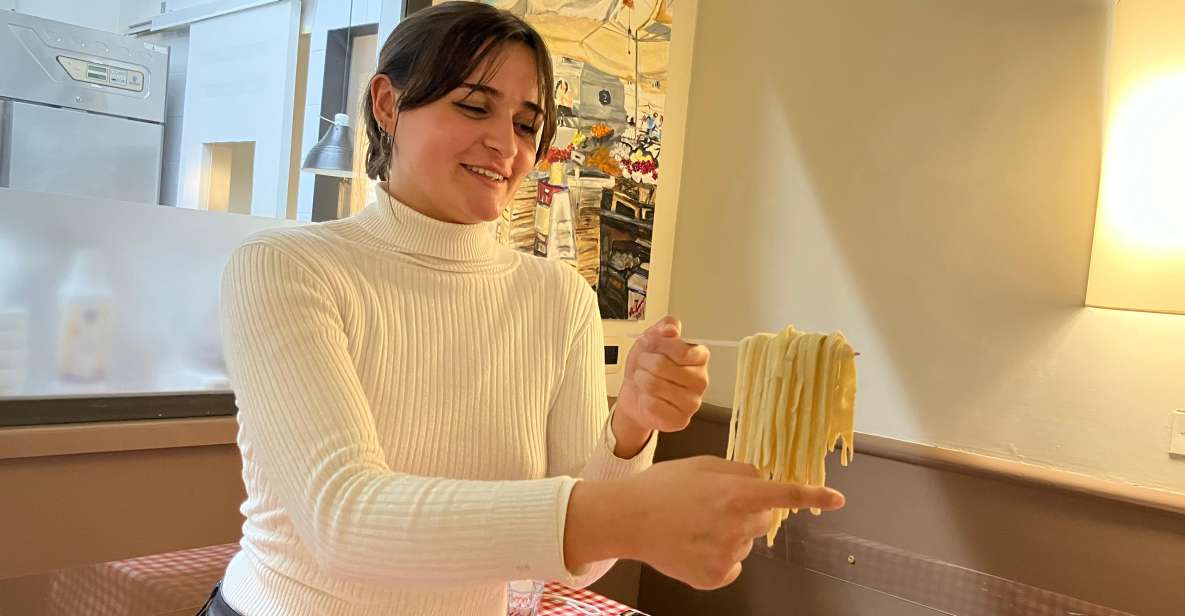
- The pasta lesson: knead, roll, cut with confidence
- A small practical tip for the dough
- Tiramisu practice: whip, mix, and build a creamy base
- What to keep in mind about ingredients
- Learning Italian food culture while you cook
- Eating what you make, with a glass of wine
- Price and value: is $58 worth it in Rome?
- Who should book this cooking class
- Quick decision: should you book it?
- FAQ
- Where does the class meet in Rome?
- How long is the cooking class?
- Is the instructor teaching in English?
- What’s included in the price?
- Do I get to eat what I cook?
- What dishes will I learn to make?
- Is it suitable for vegans, gluten-free, or lactose-free diets?
- Is there free cancellation?
Key highlights you’ll actually care about
- Hands-on pasta skills: knead, roll, cut fresh dough step-by-step
- Real tiramisù-making: whip, mix, and build a creamy dessert
- English instruction: chef guidance in English throughout the class
- You eat your finished meal: plus a glass of fine wine
- Authentic Roman osteria setting: class happens at Osteria San Giorgio
- Repeatable recipes: you’ll be able to recreate the dishes at home
Fresh pasta and tiramisù in a real Roman osteria
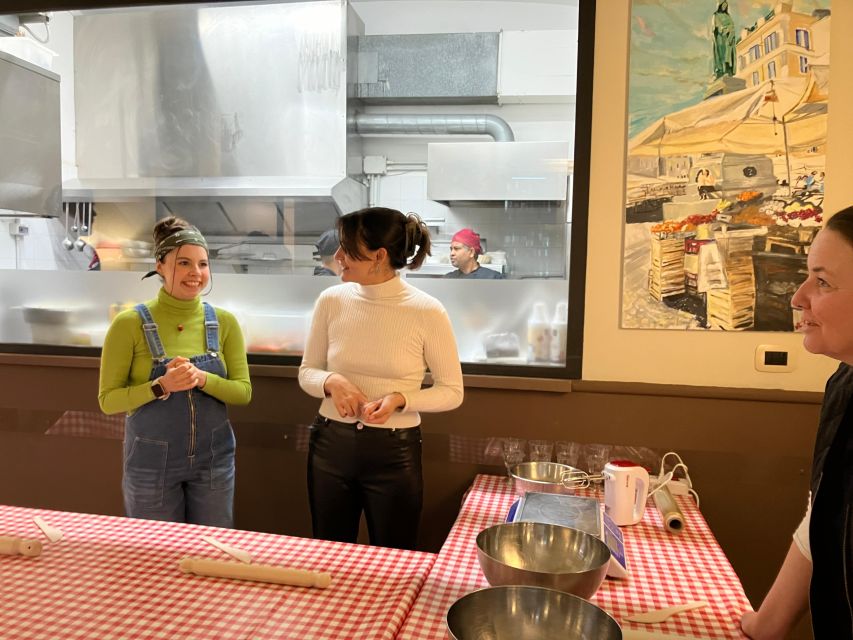
If you’ve ever watched people twirl pasta dough and thought, I could never do that, this class is built to prove you wrong. The focus is simple and satisfying: you learn how to make fresh pasta by hand and you learn how to create a classic tiramisù cake. No mystery. No shortcut. Just technique you can practice again later.
The class takes place in an authentic Roman osteria, with Osteria San Giorgio as the meeting point. That matters more than it sounds. A cooking class in a proper neighborhood restaurant feels like part of local life, not like you’re renting a kitchen for a show.
The language is English, so you won’t spend your energy guessing what you’re supposed to do. And the chef doesn’t just hand you instructions; the session includes sharing about Italian food culture while you work.
You can also read our reviews of more cooking classes in Rome

What you’ll make: a full Roman meal, not a snack
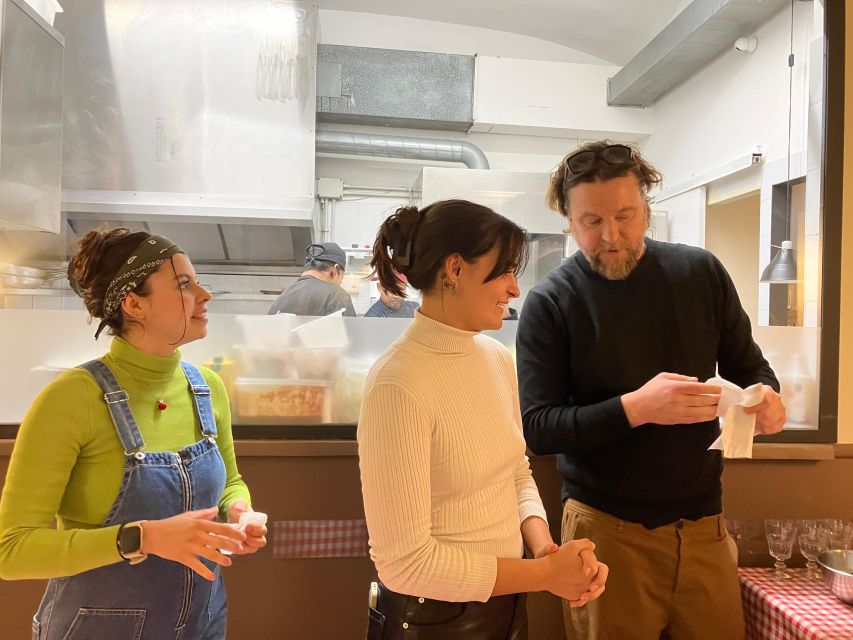
This isn’t a “small taste” class. You’re building a Roman-style meal from scratch, with two headline dishes: fresh hand-made pasta and tiramisù cake. That’s a big deal for value because you’re not just collecting a couple of bites; you’re learning how to create the core elements of a proper Italian plate.
Here’s what you can expect to practice during the session:
You’ll knead, roll, and cut the pasta dough yourself. That’s the part that turns fresh pasta from intimidating to doable. You’ll also make tiramisù by whipping, mixing, and creating the creamy base that gives the dessert its classic texture.
By the end, you get to enjoy the meal you made, plus a glass of fine wine. In other words, it stays connected to the point of cooking in the first place: eating well with people.
Starting at Osteria San Giorgio and settling into the rhythm
Your time begins at Osteria San Giorgio, where the class gets underway in a comfortable Roman osteria setting. From a practical point of view, this is ideal because you’re not juggling transport to a far-out cooking studio. You’re already in the kind of place you’d likely want to return to for dinner anyway.
The overall timing is 2.5 hours, which is long enough to feel like you did something real but short enough to fit into a day of sightseeing. I like classes with this length because they don’t drag, and you still get proper hands-on time.
Another plus: the instructor is English-speaking, and multiple recent instructors were praised for being friendly and easy to work with. Names that came up include Kris/Kristian, Luca, and Elisabeth. That kind of variety usually means you’re in safe hands even if one instructor’s style differs from another.
The pasta lesson: knead, roll, cut with confidence
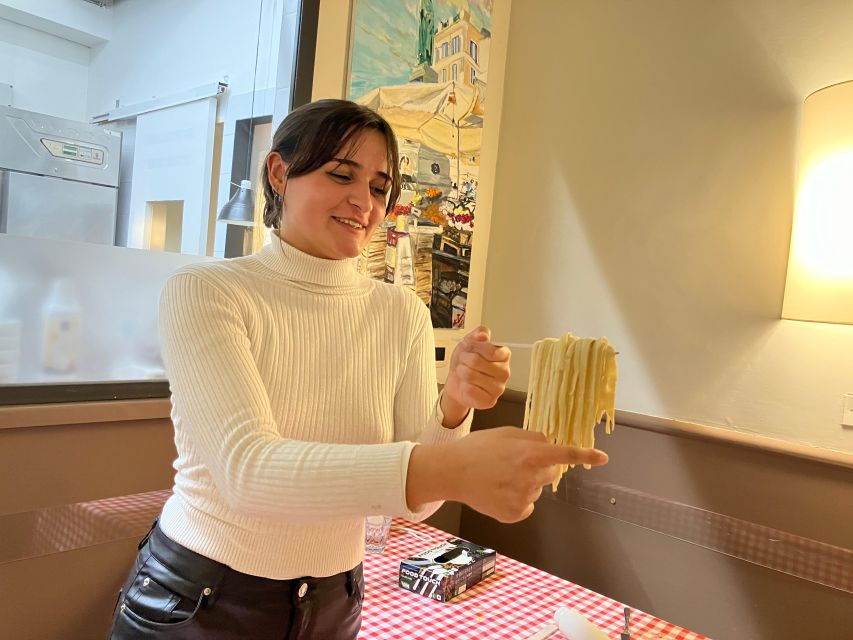
The pasta part is the heart of the class. You’re not just learning a recipe list—you’re learning technique, the kind that changes how the dough behaves. Kneading, rolling, and cutting are three different skill sets, and doing them in sequence helps you understand the “why” behind the steps.
During the hands-on portion, you’ll actively work at the station, so you can feel when the dough is coming together. This is one of the most praised parts of the experience because it’s practical. You’ll walk away knowing the physical cues that help pasta dough become workable rather than sticky or stubborn.
Roll and cut are where many people get nervous. The class gives you enough guidance to tackle those steps with confidence, and you’ll be able to replicate the method at home. For anyone who loves Italian food but struggles with cooking projects, this is the best kind of training: short, focused, and repeatable.
A small practical tip for the dough
Fresh pasta is more about feel than perfection. When you’re working with dough, it helps to stay patient with your hands. If you rush, you’ll fight the dough. If you go step-by-step, it becomes much easier to manage.
You can also read our reviews of more tours and experiences in Rome
Tiramisu practice: whip, mix, and build a creamy base
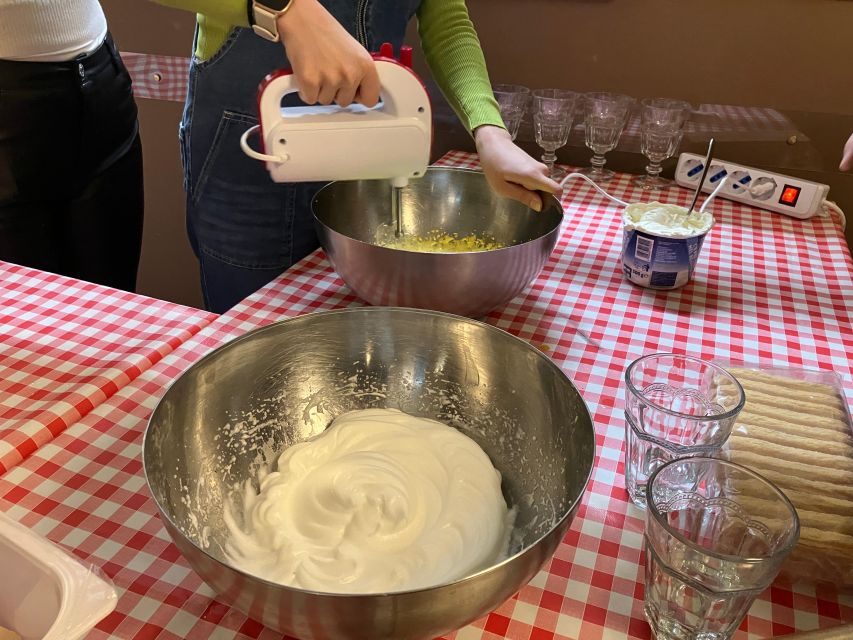
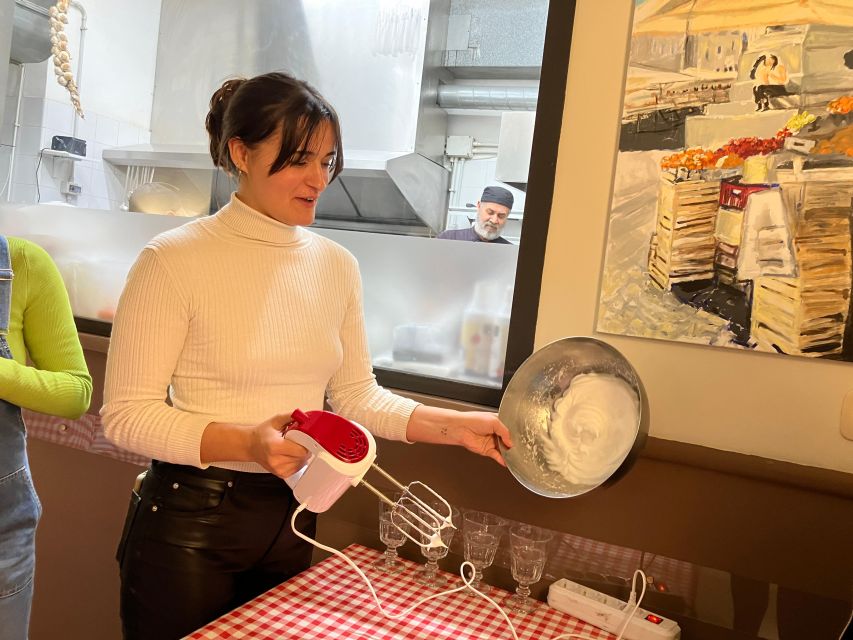
The tiramisù cake section is where the class shifts from savory to sweet, but the mindset stays the same: hands-on technique. You’ll whip and mix components to build the creamy texture that makes tiramisù what it is.
The class approach focuses on doing the steps yourself, not watching from a distance. That’s why this part tends to stick with people. Once you’ve seen the texture you’re aiming for—how creamy, how smooth, how it holds—you’re more likely to recreate it correctly later.
This dessert is also a great “home success” lesson. After a trip, you often crave something that tastes like Italy without requiring a restaurant. A classic tiramisù cake is exactly that. And because the class teaches you the process, not just the final slice, you’ll feel more confident making it again.
What to keep in mind about ingredients
This experience isn’t set up for vegans, and it’s also not suitable for lactose intolerance. Since tiramisù traditionally relies on dairy-based ingredients, that makes sense. If those dietary needs apply to you, you’ll likely want to skip this specific class and look for a different workshop designed for your requirements.
Learning Italian food culture while you cook
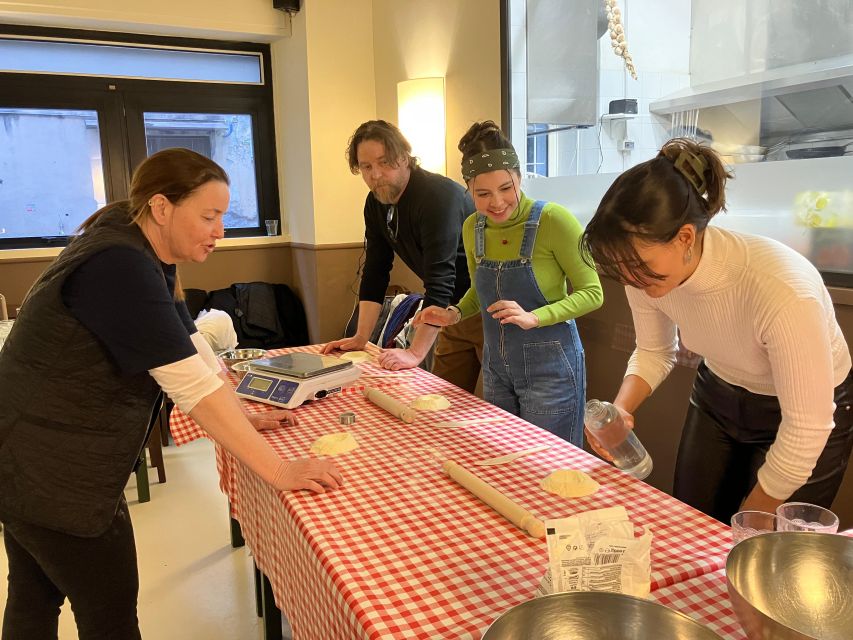
One of the quieter strengths of the class is the way it ties technique to culture. You’ll spend time with the chef sharing information about Italian food culture while you’re cooking, so it doesn’t feel like the lesson is only about recipes.
This is useful because Italian cooking isn’t just about instructions. It’s also about habits: how food is treated, how people talk about ingredients, and how meals are paced. Even if you don’t remember every detail, you’ll come away with a better sense of what “a Roman meal” means in daily life.
I also like that the class includes a meal at the end. It keeps the culture part connected to the table instead of turning everything into a lecture.
Eating what you make, with a glass of wine
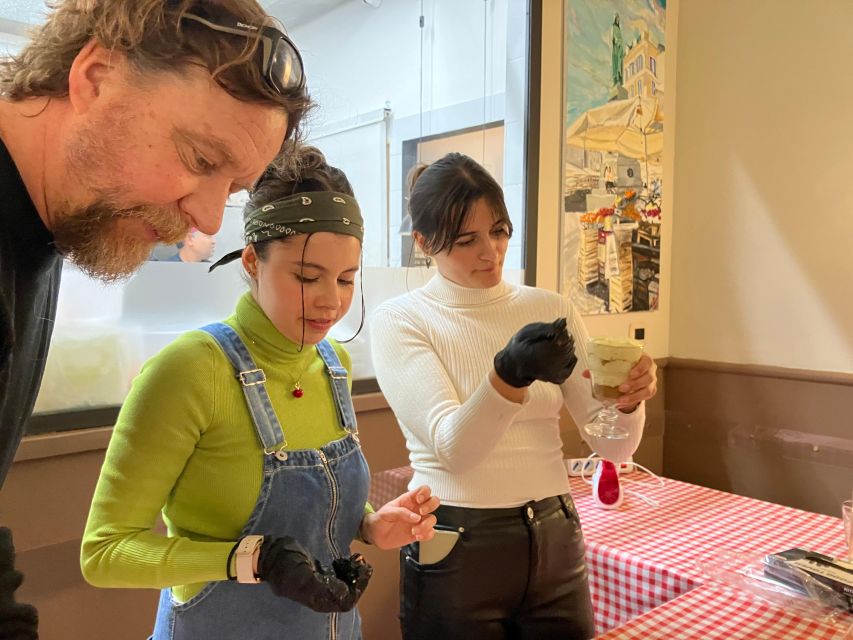
The payoff is built in. After the cooking work, you enjoy the meal you made along with a glass of fine wine. That turns the class into something more than a cooking lesson. It becomes a full experience: learning, doing, then eating.
From a value standpoint, wine matters here because it’s included, not an extra add-on you have to decide on later. And from a personal standpoint, it helps the whole experience feel “complete.” You don’t leave hungry or rush out before you can enjoy the results.
Price and value: is $58 worth it in Rome?
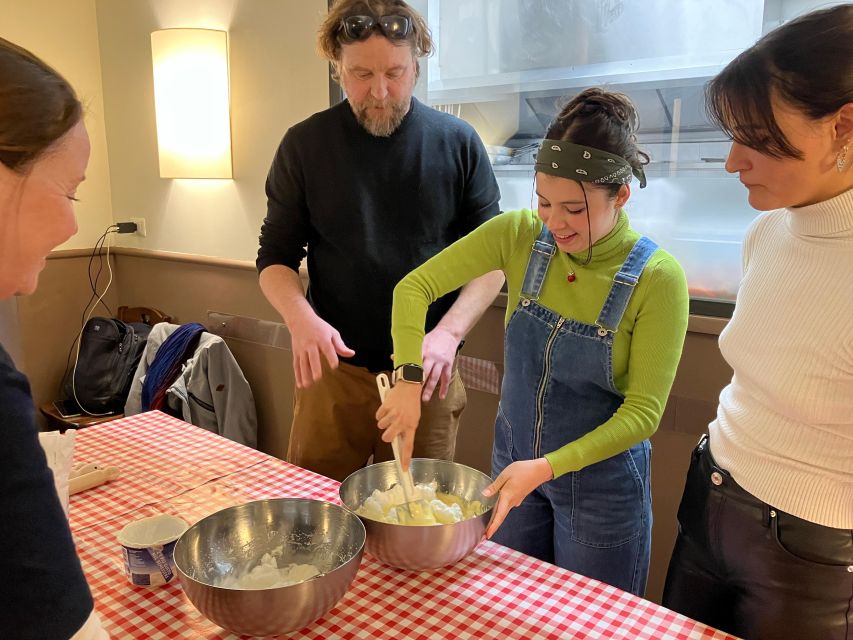
At $58 per person for a 2.5-hour class, this sits in the mid-range for Rome cooking experiences. The real question is what’s included, and here the list is practical: professional expert instruction, all ingredients, all utensils, food, and wine.
That inclusion changes the math. If you tried to recreate this at home without help, you’d need ingredients, tools, and the learning time to get technique right. Paying for the lesson compresses that learning curve. You also get a guided path through pasta and tiramisù in one sitting, which is efficient if you’re short on time.
This is best value for people who want skills, not just a meal. If you’re the type who cooks at home and enjoys repeating successful recipes, this price starts to look reasonable fast. If you don’t cook much at home, you might still enjoy the food and the fun, but the “repeatability” piece won’t matter as much.
Who should book this cooking class
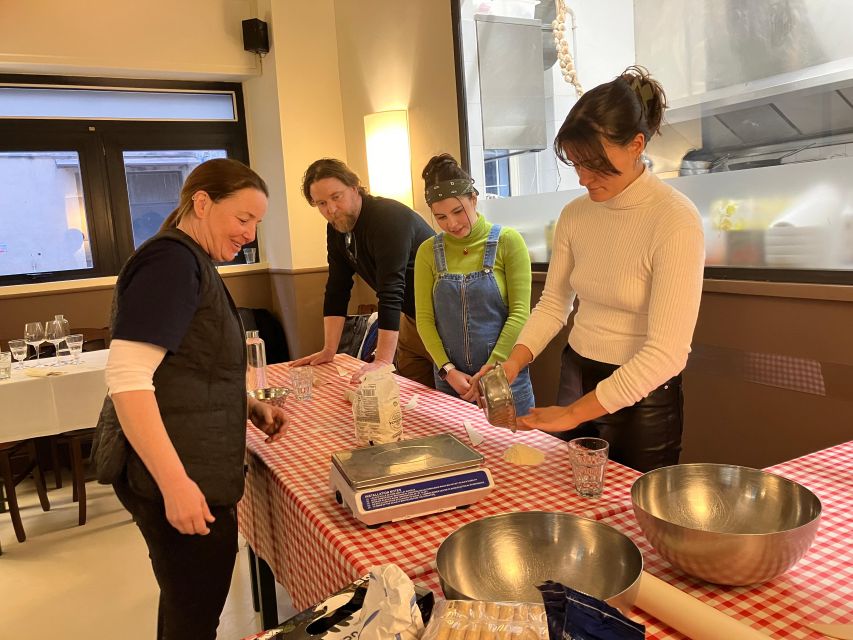
This class is a strong fit if you want hands-on Italian cooking with an English-speaking guide. It’s also a good match for families, since recent feedback specifically praised how a child-friendly experience can work when the instructor is patient and lets kids do the tasks.
You’ll especially enjoy it if you:
- want fresh pasta skills you can repeat at home
- like classic Italian desserts and want to learn the creamy tiramisù process
- enjoy sitting down after cooking and eating your own work with wine
You might want to skip it if you:
- need vegan options, gluten-free support, or lactose intolerance accommodations
- prefer a longer, multi-course cooking experience with more variety beyond pasta and tiramisù
Quick decision: should you book it?
Book it if you want an efficient, skill-building Rome food experience in an authentic setting. The combination of hand-made pasta technique, creamy tiramisù practice, and a full moment at the table with wine makes it feel like more than a souvenir. At $58 for 2.5 hours with ingredients, utensils, and instruction included, the value is strongest for people who like cooking enough to use what they learn.
Skip it if your dietary needs don’t match the class format. And if you’re only interested in tasting, not learning, you may find better options elsewhere.
In short: if you want to leave Rome able to make a Roman-style meal at home, this class is an easy yes.
FAQ
Where does the class meet in Rome?
The meeting point is Osteria San Giorgio.
How long is the cooking class?
The duration is 2.5 hours.
Is the instructor teaching in English?
Yes. The instructor provides instruction in English.
What’s included in the price?
The price includes a professional expert, all ingredients, all utensils, food, and wine.
Do I get to eat what I cook?
Yes. At the end of the class, you enjoy the meal you made along with a glass of fine wine.
What dishes will I learn to make?
You’ll learn to make fresh hand-made pasta and tiramisu cake.
Is it suitable for vegans, gluten-free, or lactose-free diets?
No. It is not suitable for vegans, people with gluten intolerance, or people with lactose intolerance.
Is there free cancellation?
Yes. Free cancellation is available up to 24 hours in advance for a full refund.