REVIEW · COOKING CLASSES
Fettuccine & Tiramisu Masterclass: Pasta & Dessert
Book on GetYourGuide →Operated by Master pasta makers srl · Bookable on GetYourGuide
In This Review
- A sweet way to learn pasta in Rome
- Key highlights you’ll feel immediately
- Fresh fettuccine and tiramisu in Rome: what you’re really signing up for
- Meeting at Restaurant Gusto on Via Giuseppe Zanardelli
- Rolling, cutting, and cooking your fettuccine
- Sauce choices: tomato & basil, amatriciana, or cacio e pepe
- Building tiramisu: espresso, mascarpone, and ladyfingers
- Eating your pasta and dessert with wine and limoncello
- Price and value: is $66 a fair deal in Rome?
- Who will love this class the most
- Tips to make the most of your 3-hour session
- Should you book the Fettuccine & Tiramisu Masterclass?
- FAQ
- What dishes do I make in the class?
- How long is the Fettuccine & Tiramisu Masterclass?
- What sauces can I choose for my fettuccine?
- Do I eat the food I make?
- What drinks are included?
- Is the class taught in English?
- Where is the meeting point?
- Is the experience refundable if I cancel?
A sweet way to learn pasta in Rome
There’s something satisfying about making food you can taste right away, and this fettuccine and tiramisu masterclass hits that sweet spot fast. I especially like the hands-on pasta work (rolling and cutting fresh fettuccine) and the classic dessert payoff with layered tiramisu you get to eat. One thing to keep in mind: you choose from sauce options, but some sauce prep may happen in the kitchen rather than fully at your station.
You’ll spend about three hours in a real cooking flow: fresh pasta prep, cooking and pairing it with your chosen sauce, then dessert construction with espresso, mascarpone, and ladyfingers. Afterward comes the fun part—sitting down with a glass of wine (or non-alcoholic drink), plus limoncello or coffee.
Key highlights you’ll feel immediately
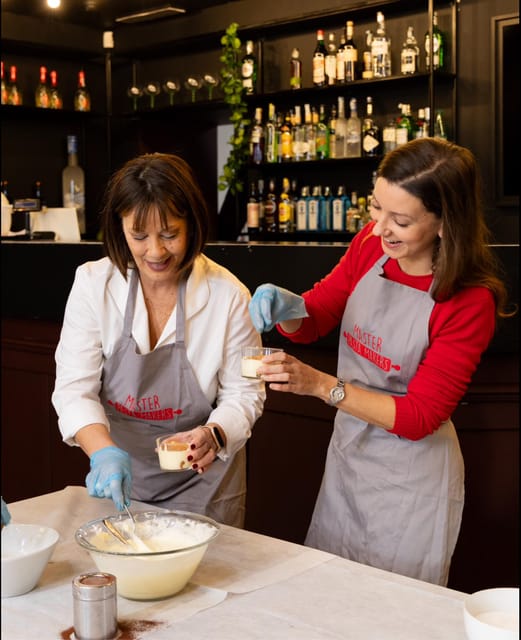
- Fresh fettuccine from scratch: roll, cut, and learn the mechanics of the dough
- Classic tiramisu building: espresso + mascarpone layers you can actually assemble yourself
- Sauce choices included: tomato & basil, amatriciana, or cacio e pepe
- You eat what you make: pasta and tiramisu aren’t just demonstrations
- Wine and after-dinner drinks: wine or non-alcoholic beverage, then limoncello or coffee
You can also read our reviews of more cooking classes in Rome

Fresh fettuccine and tiramisu in Rome: what you’re really signing up for
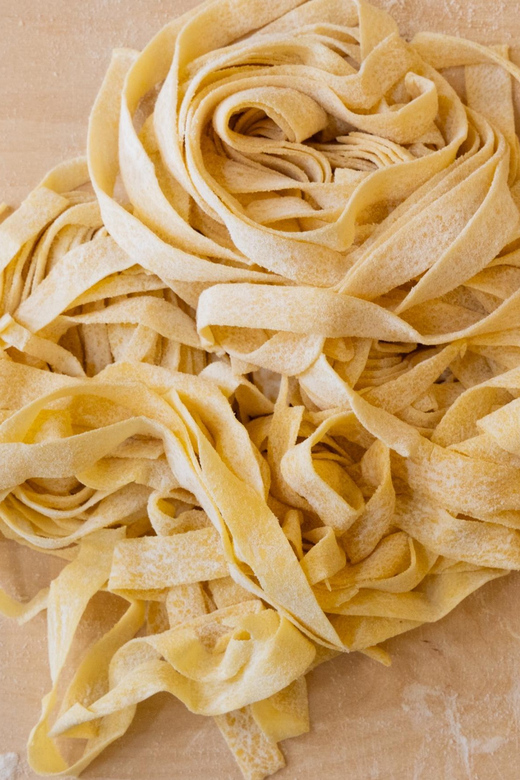
This isn’t a passive food tour. It’s a practical cooking session that ends with you eating your own work—pasta you cut with your own hands and tiramisu you layered yourself. That matters, because Rome has no shortage of great meals. This class adds a skill you take home, plus the satisfaction of doing it well enough to sit down and enjoy it.
The format is also traveler-friendly. English instruction means you’re not stuck guessing what to do next. And the meal is built into the experience, not tacked on as an optional add-on. You’re paying for instruction and ingredients, not just a restaurant dinner with a chef hovering nearby.
The one caution I’d give is about expectations for sauce instruction. The class includes a choice of sauces for your fettuccine, but at least some of the sauce handling appears to happen away from the stations. If you’re dreaming of learning every inch of sauce-making step by step, you may find your hands focus more on pasta and tiramisu than on sauce craft.
Meeting at Restaurant Gusto on Via Giuseppe Zanardelli
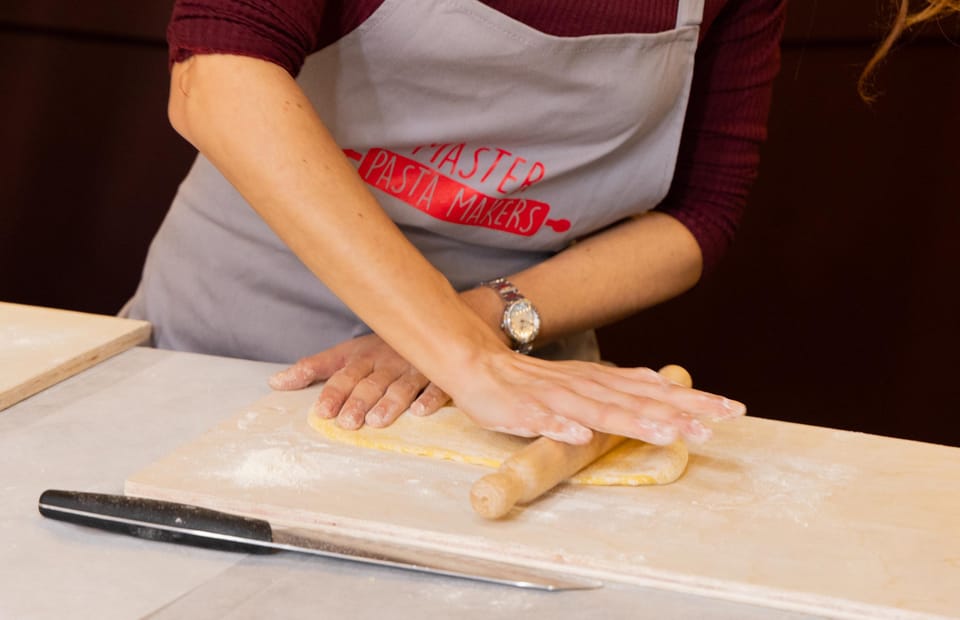
You’ll meet at Restaurant Gusto, Via Giuseppe Zanardelli 14. The location is central enough to feel integrated with Rome rather than isolated. That’s helpful if you plan to pair this with other sightseeing before or after.
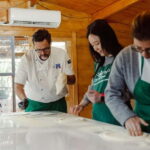
Once you arrive, the day usually makes sense quickly: you’re given the plan for the three-hour flow, then you move into pasta prep. From there, it’s mostly hands-on time—kneading, rolling, cutting, and later assembling tiramisu layers. Because this is an instructor-led class, you’re not just following recipes. You’re getting guidance while you work, which is exactly what you want if you’re new to fresh pasta.
Also, it’s set up for practical comfort. The experience is wheelchair accessible, and the instruction is available in English. That combination is a big deal for a city where many cooking experiences are built around normal busy-street movement and tight spaces.
Rolling, cutting, and cooking your fettuccine
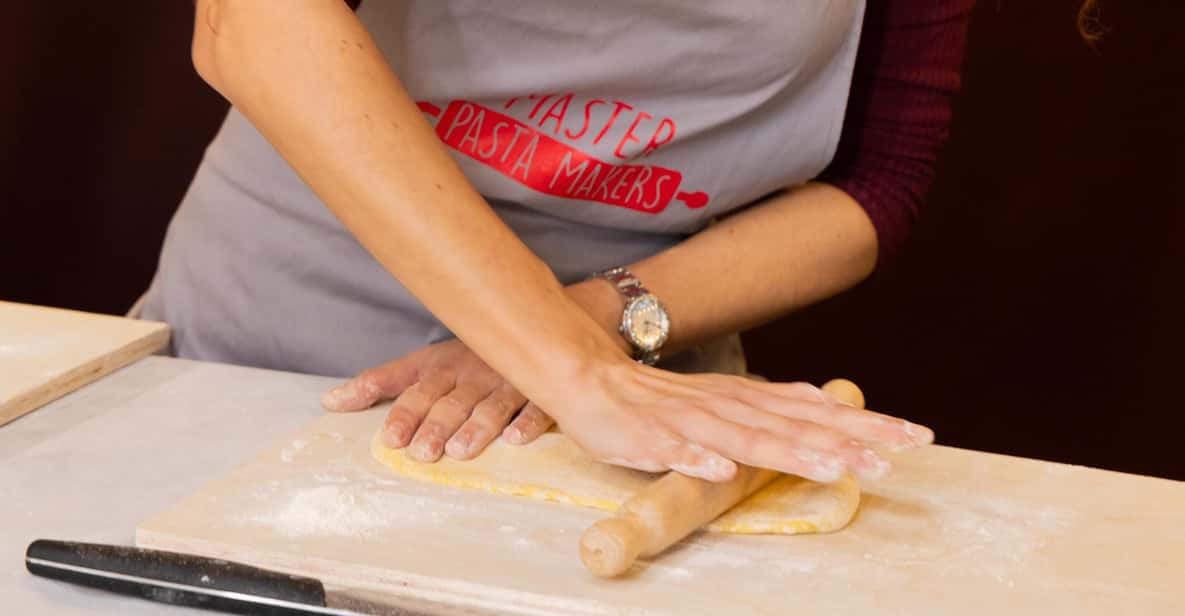
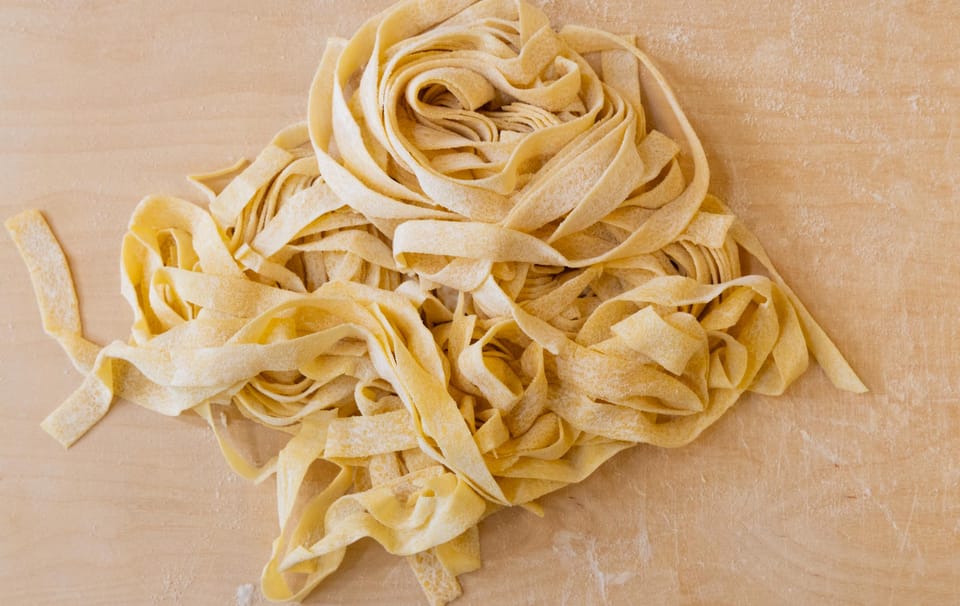
The main event starts with fresh fettuccine. You begin with pasta made from scratch—then the learning shifts to texture and technique: rolling the dough thin enough for good noodles and cutting it into proper fettuccine strips. This is where most people feel the most “I’m doing this!” excitement. You’ll look at your hands differently after this.
Why that’s valuable: dried pasta is consistent, but fresh pasta is different. Fresh dough behaves more like a live material—so you learn how the sheet should feel and how the strands should come out. Even if your first cuts aren’t museum-perfect, you’ll get a real sense of what makes fettuccine work.
Then comes the transition from making to eating. The pasta gets cooked and paired with the sauce you chose. One review detail is especially useful: some sauces may be prepared in the kitchen while you work, and then your pasta is finished and brought back to you. That’s not a deal-breaker—just know that your hands-on instruction is concentrated on pasta shaping, not necessarily sauce simmering.
Practical tip: keep your expectations simple. Aim to learn how fresh pasta behaves rather than chasing perfection. Your goal is to come out confident enough to make something similar later at home.
Sauce choices: tomato & basil, amatriciana, or cacio e pepe
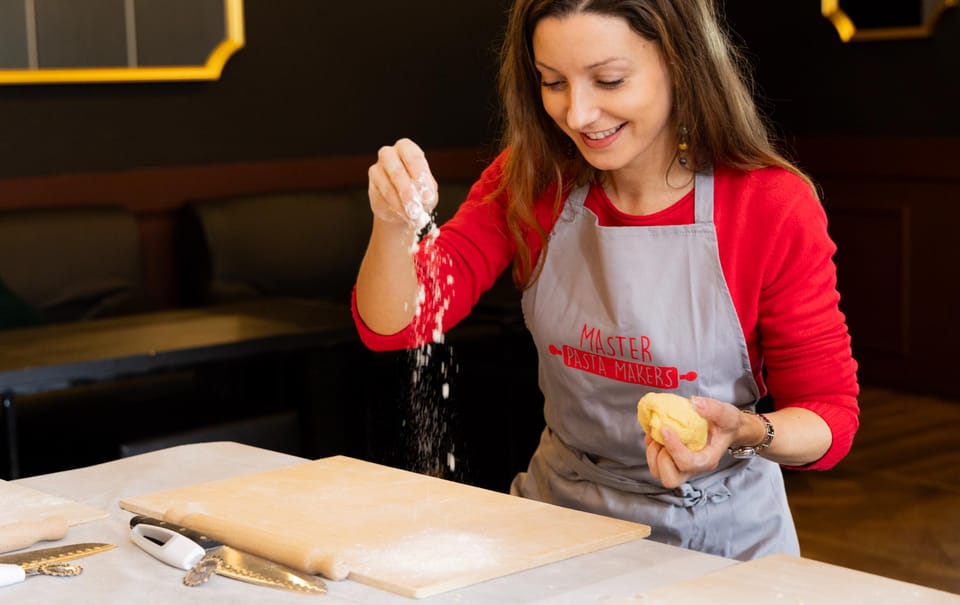
Your pasta comes with a choice of three sauces:
- Tomato & Basil
- Amatriciana
- Cacio e Pepe
This part is great because it lets you tailor your meal to your taste without adding extra cost. If you want something lighter, go for tomato & basil. If you want bold and savory, amatriciana is the go-to. If you like something simple and pepper-forward, cacio e pepe fits the bill.
The key thing to understand is how the class seems to handle sauces in practice. At least one experience description suggests the pasta may be cooked and then brought out with the sauce, with sauce preparation happening back in the kitchen. That means you’ll likely spend your hands-on time with dough and dessert, not with sauce pots.
Even so, this is still a meaningful learning experience. You’ll taste how fresh fettuccine holds up with different flavors, and you’ll leave with a clearer idea of what works when you make your own pasta at home. Fresh noodles aren’t “one sauce only.” They can handle a range—from bright tomato to rich cheese-and-pepper comfort.
You can also read our reviews of more tours and experiences in Rome


Building tiramisu: espresso, mascarpone, and ladyfingers
After pasta, you shift gears to tiramisu—and this is where the class feels extra rewarding. You’re not just making a dessert. You’re layering it. That turns tiramisu from a restaurant mystery into something you can actually assemble.
The core components you’ll work with include:
- Mascarpone
- Espresso
- Ladyfingers
Layering is the skill. You’ll learn how the textures work together: the cream needs to be spread smoothly, the espresso interacts with ladyfingers to add flavor and moisture, and the final structure has to look layered, not mixed into chaos. Don’t worry if it’s not Instagram-level on your first try. The main win is understanding the method.
Also, this dessert portion usually becomes the morale boost of the class. Pasta-making can be hands-on and slightly physical. Tiramisu is more meditative. You get a different pace and a clear end point: the dessert you build is the dessert you eat.
If you’re a beginner, tiramisu is a smart choice because it doesn’t require baking. It’s about balance, layering, and timing—not oven math.
Eating your pasta and dessert with wine and limoncello
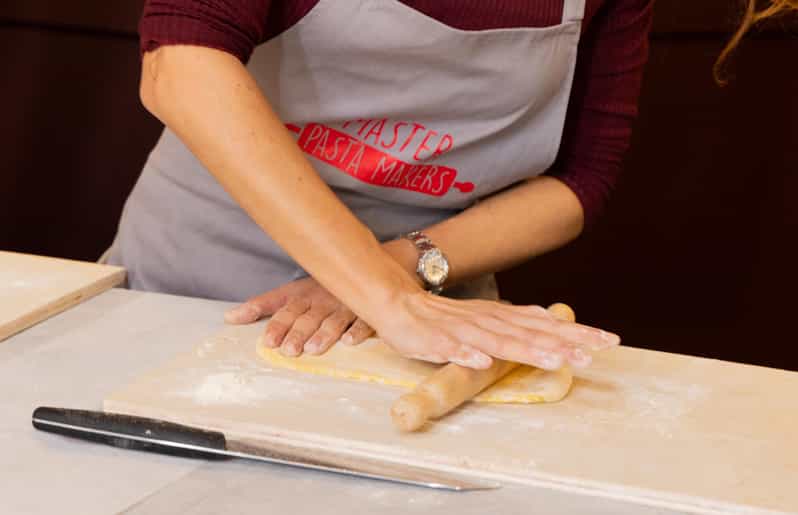
After cooking, you sit down and enjoy what you made. The meal includes:
- Your fettuccine with your chosen sauce
- Your homemade tiramisu
- A glass of wine or non-alcoholic beverage
- Water included
- A finish with limoncello or coffee
This is where the experience turns from “class” into a real evening meal. You aren’t racing to finish and then disappearing. You get to slow down, taste, and compare. That’s helpful because it turns technique into understanding.
The limoncello or coffee finish is a nice match for the dessert. Espresso is already part of the tiramisu flavor profile, so coffee feels coherent. If you choose limoncello, you get a bright, citrusy contrast after the creamy sweetness. Either way, it gives the experience a clean ending rather than letting it fade out.
One practical note: since this is a meal-included experience, try to plan your day so you’re hungry enough to enjoy it fully. Three hours goes quickly, but you’ll likely want your appetite switched on when it’s time to taste.
Price and value: is $66 a fair deal in Rome?
At $66 per person for about three hours, the value hinges on what’s included. Here, you’re getting much more than a recipe lesson.
You’re paying for:
- Chef-guided, hands-on instruction for fresh pasta and tiramisu
- Ingredients used to make both dishes
- Your fettuccine lunch/dinner pairing with a sauce choice
- Wine (or non-alcoholic drink) plus water
- A finishing drink: limoncello or coffee
In Rome, you can certainly eat well for less. But the comparison changes when you factor in the chef time and the fact that you take home skills you can repeat. The class is built around doing, not just watching. That’s why it feels worth it for people who like cooking, food craft, or just learning something memorable beyond a photo.
If you’re purely hunting for the cheapest meal, skip it. If you want an experience that adds a real, repeatable skill, $66 starts to look more reasonable. It’s basically a cooking workshop plus a full included meal.
Who will love this class the most
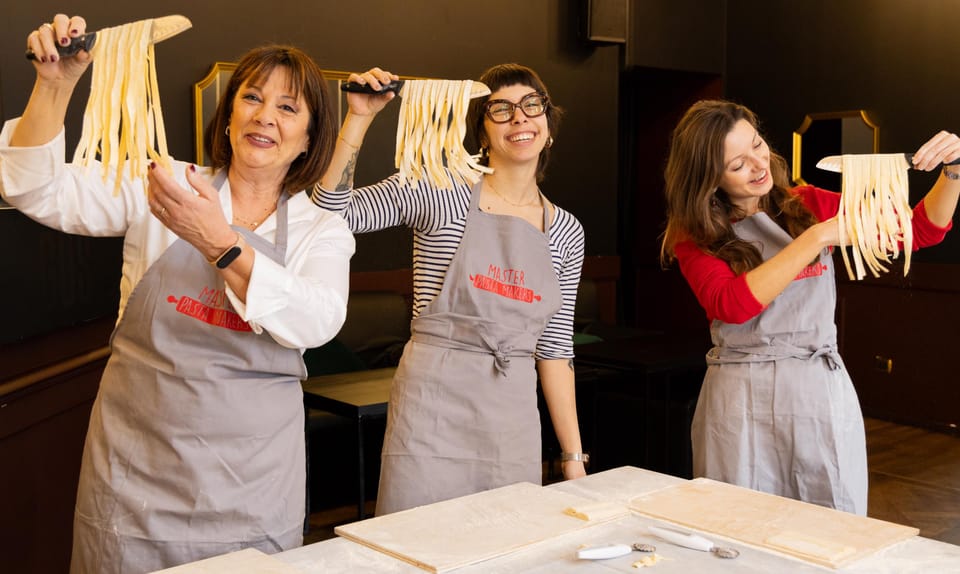
I think this experience fits best if you:
- Enjoy hands-on activities more than museum-style viewing
- Want an authentic Italian food skill without needing advanced technique
- Like a structured food experience where you know what you’ll make and eat
- Travel with a friend or small group vibe and want a shared activity
It’s also a good option for food-focused travelers who don’t want to spend the whole day searching for the perfect restaurant. Instead, you get a planned meal, plus the fun of building it yourself.
If you’re strict about learning every sauce step from scratch, temper your expectations. Sauce selection is included, but your hands-on instruction appears to focus more on the pasta shaping and tiramisu layering.
Tips to make the most of your 3-hour session
Here are a few practical things that will help you enjoy the class more, regardless of cooking level.
First, watch your pacing. Fresh pasta teaches you timing—roll too thick, and it’s tough to cut; roll too thin, and it can get finicky. The class setting is forgiving, but your attention matters.
Second, take notes on what feels right. You might not write a full recipe, but jot down the feel of the dough and the approach to layering tiramisu. Those sensory memories are the part you actually use later.
Third, come ready for a meal. You’ll be eating your creations with included drinks. Plan your schedule so you’re not forcing yourself to finish or rushing off to the next stop.
Finally, be social. Cooking classes in Rome are often better when you talk with others at the work stations. You’ll learn faster when you share what you’re doing and ask questions in plain language.
Should you book the Fettuccine & Tiramisu Masterclass?
If you want a hands-on Rome cooking experience that ends with a proper meal, I’d say book it. The combination of fresh fettuccine, classic tiramisu layering, and the included wine plus limoncello or coffee makes it feel complete rather than half-structured.
Skip it only if your main goal is learning sauce-making in full detail. The format seems to prioritize pasta and dessert craft, with sauce choice included and likely finished from the kitchen. If that matches what you want, you’ll probably come away happy—and with a story you can repeat at home every time you make pasta.
FAQ
What dishes do I make in the class?
You make fresh fettuccine and tiramisu during the masterclass.
How long is the Fettuccine & Tiramisu Masterclass?
The experience lasts 3 hours.
What sauces can I choose for my fettuccine?
You can choose from Tomato & Basil, Amatriciana, or Cacio e Pepe.
Do I eat the food I make?
Yes. After cooking, you sit down and enjoy your fettuccine with your chosen sauce and your homemade tiramisu.
What drinks are included?
You get a glass of wine or a non-alcoholic beverage, plus water. The experience also includes a finish with limoncello or coffee.
Is the class taught in English?
Yes. The instructor provides instruction in English.
Where is the meeting point?
You meet at Restaurant Gusto, Via Giuseppe Zanardelli 14.
Is the experience refundable if I cancel?
Yes. It offers free cancellation up to 24 hours in advance for a full refund.