REVIEW · GOLF CART TOURS
Rome: 6 hoursDaily Private Golf Cart Tour with typical lunch
Book on GetYourGuide →Operated by RomeByCart · Bookable on GetYourGuide
Rome is a lot easier on your body from a golf cart. In 6 hours, you get a private route, a dedicated guide, and plenty of Rome highlights without trying to power-walk your way through chaos. RomeByCart makes it feel more like a plan than a scramble.
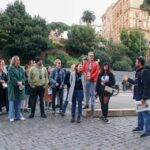
Two things I really like: you can customize your itinerary to match what you care about, and you’ll eat a Roman-food style lunch at selected local eateries. If you’re traveling with parents or someone recovering from knee issues, the guided pace matters. In past feedback, guides like Fabio have been called out for being polite and helpful, and Felipe has been highlighted as a strong fit for older visitors.
One thing to consider: this is not a sit-and-watch tour. You’ll do some walking and there are steps at stops, plus entrance fees aren’t included—so you’ll want to budget a little extra if you plan to go inside ticketed sights.
In This Review
- Quick hits before you go
- Why a 6-Hour Private Golf Cart Works in Rome
- Picking Your Route: Tailor Stops Without Getting Lost
- Piazza di Spagna, Spanish Steps, and Piazza del Popolo
- Pantheon and Piazza Navona: Two Icons, One Easy Flow
- St. Peter’s Basilica and Janiculum Hill Views
- Fontana dell’Acqua Paola and Santa Cecilia’s Quiet Power
- Roman Forum and Colosseum in 20-Minute Chunks
- Circus Maximus, San Pietro in Vincoli, and Castel Sant’Angelo
- Sant’Ignazio di Loyola: A Church Stop That Feels Like Storytelling
- Lunch and Roman Flavors: Why the Food Stop Matters
- Practical Tips That Make the Day Easier
- Who Should Book This Tour (and Who Might Want a Different Plan)
- Should You Book RomeByCart’s Private Golf Cart Tour?
- FAQ
- How long is the Rome golf cart tour?
- Is this a private tour?
- What stops are included?
- Is lunch included?
- Are entrance fees included?
- What languages are the guides?
- Is the tour wheelchair accessible?
- What should I bring?
Quick hits before you go
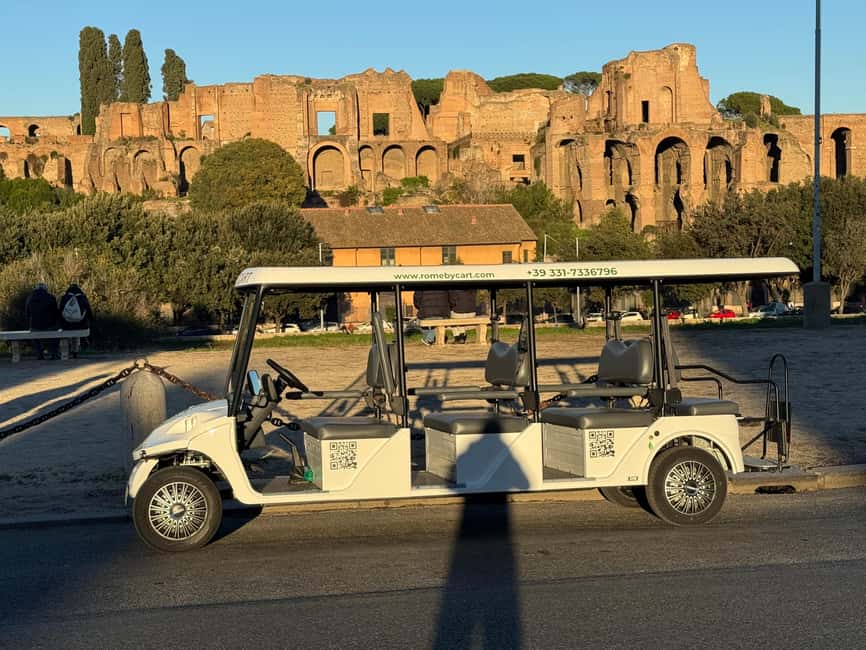
- Private 6-hour golf cart tour with a dedicated guide in English, Italian, or Spanish
- Route customization so the day fits your interests, not a fixed script
- Lunch included at selected local places for a real Roman-food break
- Big-ticket Rome stops grouped in a smart order, from the Pantheon to the Colosseum
- Some walking required, so comfortable shoes are not optional
Why a 6-Hour Private Golf Cart Works in Rome
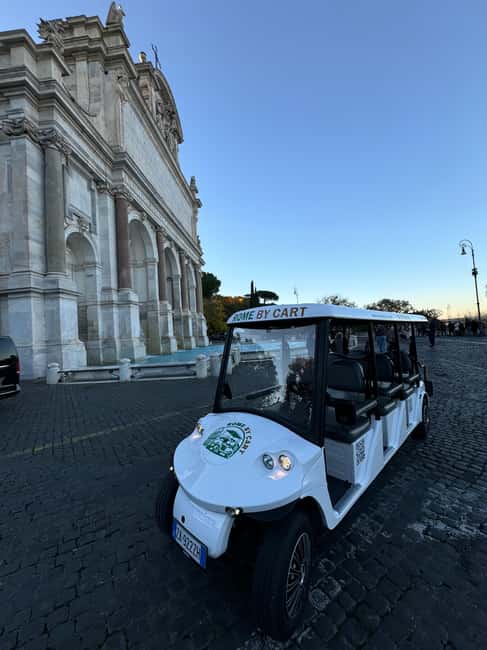
Rome is gorgeous, but it can be exhausting. A golf cart tour changes the math fast: you cover major sights while keeping your legs fresher for the moments that actually matter. In 6 hours you’ll hit iconic areas like Piazza di Spagna, the Pantheon, St. Peter’s Basilica, the Roman Forum, and the Colosseum, without feeling like you spent the whole day climbing stairs.
This format is also a good match for real-life travel. If you’re the type who wants photos without arriving soaked in sweat, the cart buys you breathing room. And because it’s private, your guide can manage the tempo and the turns in a way group tours often can’t.
The price is $225.44 per person, which sounds high until you think about what you’re getting. You’re paying for a dedicated guide, private transportation, and a day-long route that strings together Rome’s most important visual landmarks plus extra churches and viewpoints. If you would otherwise spend time hiring separate taxis or stitching together several tours, this can start looking like solid value.
You can also read our reviews of more private tours in Rome
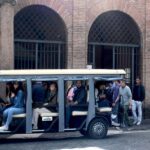
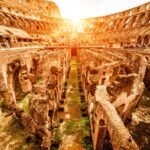
Picking Your Route: Tailor Stops Without Getting Lost
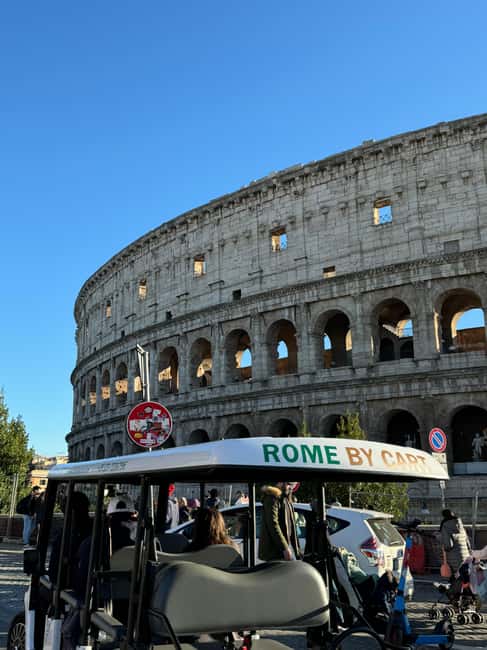
The big advantage here is flexibility. The tour is built for you to create a route that fits your interests, and you can start from where you prefer and be returned to your starting point at the end. That matters because Rome’s “best” day changes by person: art lovers may prioritize churches and masterpieces, while first-timers often want the classics lined up.
The guide is more than a human GPS. You’ll get stories that connect the dots between ancient Romans, papal legends, and the customs of everyday Roman life. The tour also specifically mentions art and major names like Michelangelo, Bernini, Borromini, and Caravaggio—so expect the day to feel like a thread, not a list.
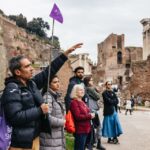
Practical note: you’ll still do some short guided walks at each stop. The time at sights ranges from around 10 minutes up to 25 minutes. That’s long enough to understand what you’re looking at, but short enough to keep the day moving.
Piazza di Spagna, Spanish Steps, and Piazza del Popolo
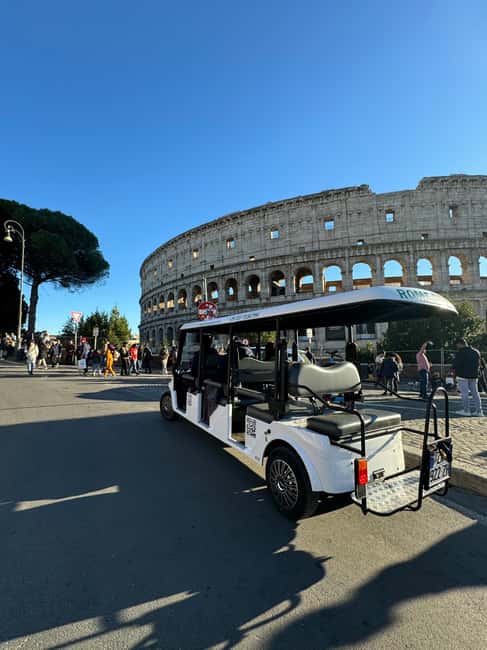
You start your day in Rome and then roll into some of the most instantly recognizable views. Piazza di Spagna and the Spanish Steps are the kind of places where you’ll want to pause, look around, and understand the geometry. Even if you’ve seen photos, being there lets you read the space: the flow of people, the angles of buildings, and why the steps became such a Rome symbol.
Next comes Piazza del Popolo, another classic square with dramatic sightlines. This stop is a good early-day anchor because it helps you orient yourself visually. You get a guided visit that’s long enough to hear the story and short enough that you don’t lose momentum.
One consideration: both areas can be busy in real life. The golf cart helps you position easily, but you’ll still want to be ready for crowds in the most famous Rome nodes.
Pantheon and Piazza Navona: Two Icons, One Easy Flow
After the Spanish Steps and Popolo, the tour moves you toward the Pantheon, one of Rome’s best-preserved ancient landmarks. You’re there for about 20 minutes with a guided visit, which is ideal for first-timers. You get the chance to focus on what makes it so special—its historic importance and the way the structure still feels powerful today.
Then comes Piazza Navona, a square that always feels like it’s staged for a postcard. The guided stop is about 20 minutes, long enough for you to notice the details and short enough to avoid turning your whole trip into “standing and waiting.” It’s also a nice contrast after the Pantheon: one is ancient grandeur, the other is more lively, street-level Rome.
If you’re thinking about timing, this is the right kind of itinerary pacing. You see Rome’s big icons back-to-back, but you get guided context at each stop so the day doesn’t feel random.
St. Peter’s Basilica and Janiculum Hill Views
From the center of Rome, the route heads toward St. Peter’s Basilica for a guided visit of about 25 minutes. This stop tends to be where people’s expectations meet reality. The building’s scale and visual impact are hard to describe unless you’re inside and paying attention to what you’re looking at.
Then you shift to a viewpoint: Janiculum Hill for about 10 minutes. This is a smart move in a 6-hour tour because it adds the “wow” factor that you often miss when you only do churches and ruins. From there, you get a wider sense of Rome’s layout—what’s close, what’s far, and how the city stretches.
The drawback to know: viewpoints and basilicas can both involve stairs and uneven areas. The tour description points out that comfortable shoes matter, and that’s especially true around areas like Janiculum.
You can also read our reviews of more tours and experiences in Rome


Fontana dell’Acqua Paola and Santa Cecilia’s Quiet Power
Next up is Fontana dell’Acqua Paola, a stop of about 15 minutes. Water features can sound like a break from the big history, but in Rome they usually connect to something deeper: how the city functioned, how it grew, and how the popes managed the landscape. Even if you’re not a “fountain person,” this is the kind of stop that can make Rome feel less like a museum and more like a living city.
Then the tour includes Church of Santa Cecilia for about 20 minutes. Churches are where Rome’s art storytelling gets very real. You’re guided through what you’re seeing, with the broader tour mentioning paintings, sculptures, temples, frescoes, and mosaics across eras. It’s a reminder that Rome’s art history isn’t stuck in books—it’s built into everyday spaces.
If you want value from this stop, slow down for a few moments. Don’t just treat it as a checkbox.
Roman Forum and Colosseum in 20-Minute Chunks
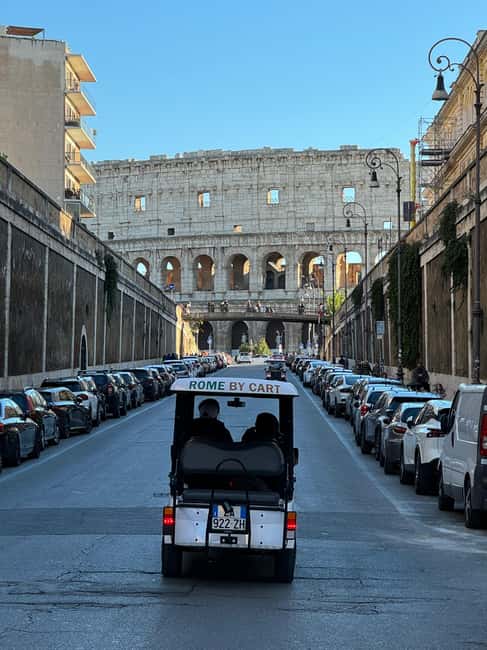
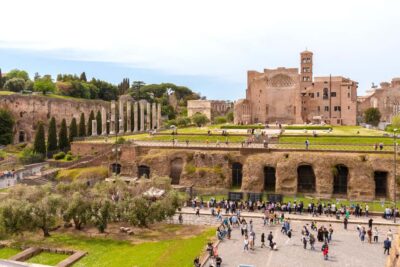
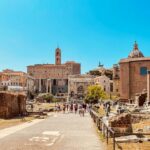
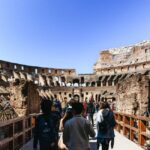
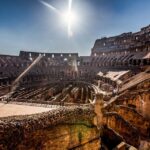
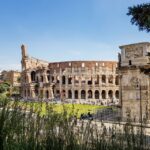
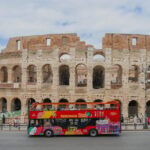
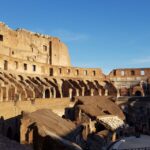
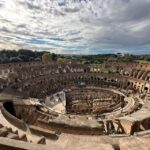
Now you hit the historic core: the Roman Forum (about 20 minutes) and then the Colosseum (about 20 minutes). The timing works because it prevents the classic mistake: spending so long at one site that the rest of the day falls apart.
The Forum stop is your “context” moment. It helps you understand what you’re looking at—how these areas fit together—so the Colosseum lands with more meaning. And the Colosseum stop gives you that iconic emotional hit, but with guidance so it’s not just “big oval building, wow.”
The guide also ties in legends and the stories that make Rome feel like more than stone. In past feedback style notes for this kind of tour, the best part tends to be hearing how myths, power, and everyday Roman life connect through time. That’s exactly the vibe this itinerary is designed for.
Heads-up: even with a cart, the ground around ruins can be uneven and the crowds can be tight. Plan to keep your pace steady and your camera ready, but don’t expect a totally effortless walking day.
Circus Maximus, San Pietro in Vincoli, and Castel Sant’Angelo
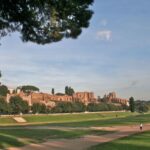
From the Forum and Colosseum, the route continues to Circus Maximus (about 20 minutes). It’s one of those locations where your brain needs help to imagine the scale. A guided stop is the best way to make it click, because you’re not just looking at ruins—you’re learning how Romans used this space.
Then you move to San Pietro in Vincoli for about 25 minutes. This is a standout stop because it’s tied to major art history names mentioned in the tour description. Even when you don’t know the full background, the guide’s explanation usually turns a church stop into a story you remember.
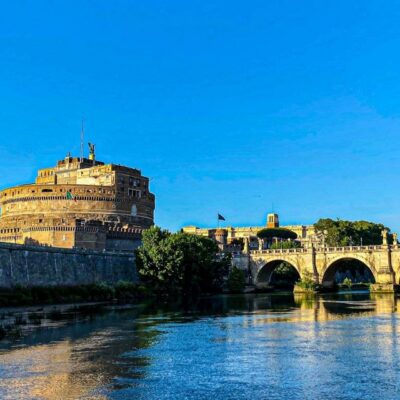
After that, the tour heads to Castel Sant’Angelo (about 20 minutes). It’s a strong finish point for the ancient-to-modern feel of Rome. The building’s presence near the river helps you feel the city’s geography, not just its history.
By this part of the day, you’ll probably appreciate the cart again. The itinerary is packed, and the cart is what keeps it from turning into a marathon.
Sant’Ignazio di Loyola: A Church Stop That Feels Like Storytelling
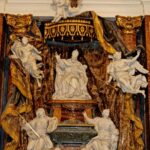
The final church stop is Sant’Ignazio di Loyola for about 20 minutes. If you like religious art and architectural storytelling, this is the kind of place where you’ll notice how carefully the visual experience is designed. The tour description highlights how you’ll see works of art across different eras, and church visits are where those eras tend to show up most clearly.
This stop also helps bring the tour full circle. Early on you saw ancient Rome’s icons. Now you’re in the world of popes, myths, and religious art, with guides explaining the legends and customs behind the scenes.
If you’re short on stamina, this is a great time to use your “20-minute rule.” Give the guide your attention, look for the main features they point out, then step back for a quick photo and let the story settle.
Lunch and Roman Flavors: Why the Food Stop Matters
This tour includes lunch through a tasting of authentic Roman flavors at selected local eateries. That’s one of the most practical inclusions you can get on a sightseeing tour. Rome’s food is a big part of the experience, but first-timers often miss it because they’re focused on landmarks or trapped in places that cater to tourist traffic.
A guided food stop also helps you avoid common pitfalls. You’re not guessing what to order or where to go. Instead, you can focus on what the guide is suggesting as a real slice of Roman culinary culture.
One note: the tour says meals and drinks aren’t included unless specified. So the lunch is part of the deal, but if you want drinks, you should expect to pay extra unless the specific place has something included.
Practical Tips That Make the Day Easier
This is a comfortable format, but your body still needs basic support.
Bring comfortable shoes and be ready for some walking and steps at stops. Bring water, plus a hat and sunscreen, since Rome’s sun can feel intense even when your day starts cool. And keep your camera handy because the itinerary hits classic photo angles fast, including both squares and viewpoints.
Weather matters too. The tour notes to check the forecast and be prepared. In Rome, an unexpected shower can make cobblestones slick, so plan your grip and keep extra care near crowds.
Finally, use your guide. If you care about art, say so. If you want more photo time, ask for it. This tour is built for customization, not for you to sit quietly and hope the day matches your interests.
Who Should Book This Tour (and Who Might Want a Different Plan)
I’d put this in the “best for variety and comfort” category.
It’s a smart fit if you:
- Want to see a lot of Rome in one day without long, exhausting walks
- Travel with older relatives, or anyone managing knee or mobility limits
- Like a guided explanation with art history names like Michelangelo and Bernini in the mix
- Want a mix of iconic sites and smaller church stops for balance
It’s not the best fit if you:
- Need a wheelchair-accessible tour (this one isn’t suitable for wheelchair users)
- Want a fully hands-off day with zero walking
- Are only interested in one or two major sites and nothing else
If you love Rome but hate the “crowd and commute” part, this is the kind of tour that saves your energy for actually enjoying the city.
Should You Book RomeByCart’s Private Golf Cart Tour?
If your goal is a guided, flexible Rome day that covers huge highlights like the Pantheon, Roman Forum, and Colosseum while also feeding you with lunch included, I think this is a strong choice. At $225.44 per person, the best value shows up when you compare it to the cost and hassle of piecing together private transport plus guided time plus food.
I’d book it if you want structure without stiffness, and if you appreciate that the day includes both big monuments and churches where the art stories connect. Just go in knowing there’s still some walking and stairs, and plan your comfort items like water, hat, and sunscreen.
FAQ
How long is the Rome golf cart tour?
The tour duration is 6 hours.
Is this a private tour?
Yes, it’s a private group tour with a dedicated guide.
What stops are included?
The tour includes guided visits at major Rome sights such as Piazza di Spagna, the Pantheon, Piazza Navona, St. Peter’s Basilica, the Roman Forum, the Colosseum, and others, with a return to your starting point in Rome.
Is lunch included?
Yes. The tour includes a tasting of authentic Roman flavors, with lunch included.
Are entrance fees included?
No. Entrance fees to attractions are not included.
What languages are the guides?
The live tour guide is available in English, Italian, and Spanish.
Is the tour wheelchair accessible?
No, it is not suitable for wheelchair users.
What should I bring?
Bring comfortable shoes, a hat, a camera, sunscreen, and water.