REVIEW · APPIAN WAY BIKE & E-BIKE TOURS
Rome: Appian Way Underground Catacombs Bike Tour with Lunch
Book on GetYourGuide →Operated by Roma STARBIKE · Bookable on GetYourGuide
Want Rome without the traffic stress? This e-bike tour trades gridlock for wide-open stretches on the Appian Way and an unforgettable visit to San Callisto Catacombs. You’ll also ride through gate-to-park scenery that feels like you turned a page in the Roman storybook.
Two things I really like about this experience: the e-bike makes hills and long routes manageable, and the catacombs section is guided with real context, not just names on walls. Guides such as Alex and Sergio are repeatedly praised for being friendly, animated, and careful with the group, which matters when you’re mixing bikes with ancient sites.
One possible drawback: the lunch (for morning tours) isn’t always seen as a standout. At least one guest called it ordinary and a little dry, so if you’re picky about food, come hungry but don’t expect a Michelin moment.
In This Review
- Key highlights to know before you go
- From Porta San Sebastiano to the Appian Way: why this tour feels different
- E-bikes that actually make sense in Rome traffic
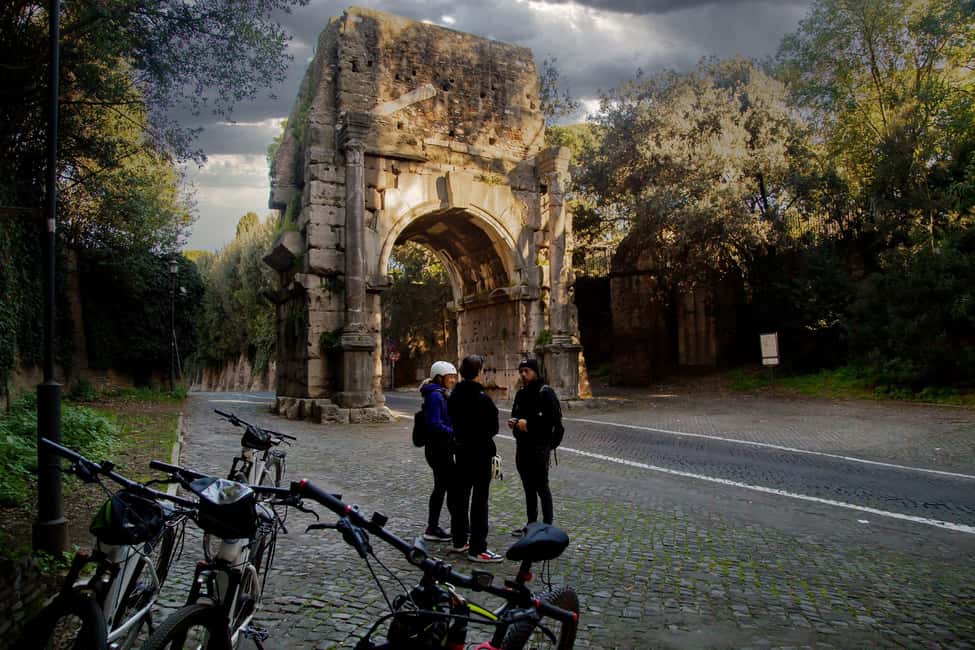
- The gate at Porta San Sebastiano and the Aurelian Walls start strong
- Ninfeo di Egeria: the quick stop that adds atmosphere
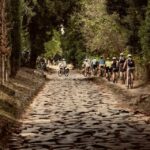
- Appian Way Regional Park: the ride is part of the lesson
- Tomb of Cecilia Metella: postcard views with a purpose
- San Callisto Catacombs: early Christian burial art and structure
- The underground bike moment: quarry vibes, big wow factor
- Lunch (or aperitif) in the middle: what it does for the whole day
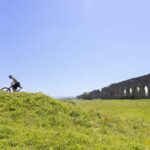
- After the meal: aqueducts, parks, and the countryside edge of Rome
- Price and value: why $105 can feel fair
- Who should book this tour, and who might not
- What to bring so the day stays pleasant
- Should you book the Rome Appian Way Underground Catacombs bike tour?
- FAQ
- How long is the Rome Appian Way Underground Catacombs Bike Tour with Lunch?
- Where does the tour start?
- What’s included in the tour?
- Do I need prior experience riding a bike?
- What languages are the tours offered in?
- What is the weight limit for the tour?
Key highlights to know before you go
- Small group of up to 10 means more attention and smoother pacing around the sites
- E-bike assistance levels help you bike comfortably, even if you’re not a road cyclist
- Porta San Sebastiano and the Aurelian Walls set the tone fast, right from the start
- San Callisto Catacombs connect art, history, and early Christian burial practices in one place
- Underground/quarry-style riding is a surprise favorite for many people
- Lunch or aperitif gives you a proper reset before the second half of the ride
From Porta San Sebastiano to the Appian Way: why this tour feels different
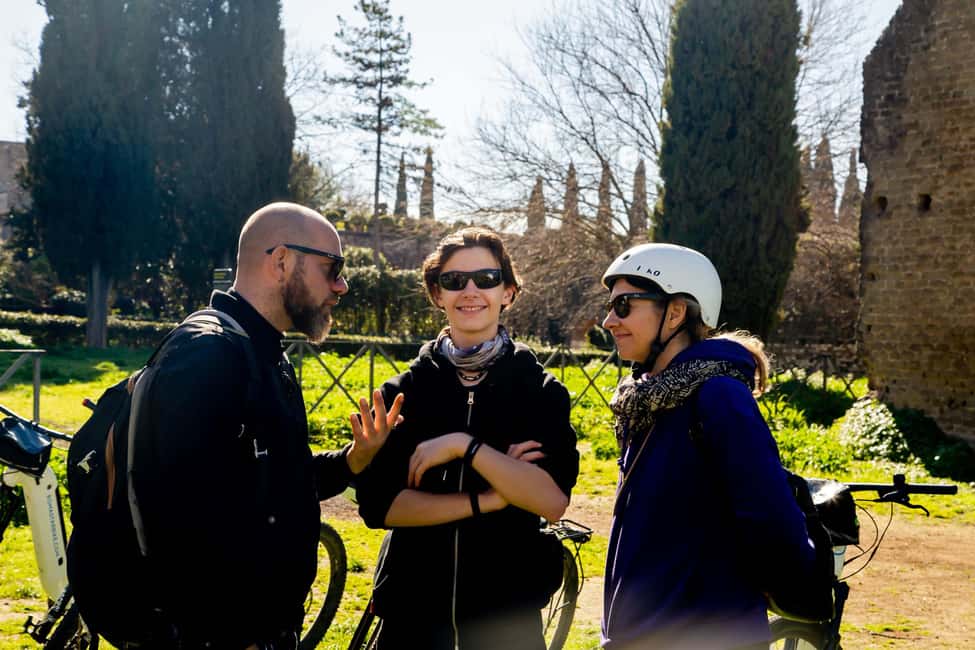
Rome is famous for crowds. This route gives you a practical escape valve. You start at Via dei SS. Quattro, right by Porta San Sebastiano, then roll out toward the Appian Way area where the city’s noise fades and the scenery opens up.
The big win is that you get two “Rome sides” in the same day. First, the iconic built landscape outside the center: walls, gates, tombs, and park paths. Second, the underworld: San Callisto Catacombs, part of a larger burial complex known as the Callistian area (about 30 hectares).
And because you’re on an e-bike, you’re not spending the whole day either pushing your pace or stopping every five minutes. That matters on a tour that lasts about 5 hours.
You can also read our reviews of more cycling tours in Rome

E-bikes that actually make sense in Rome traffic
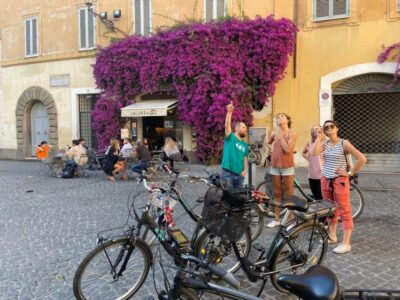
E-bikes sound like a shortcut until you use one on a real route. Here, the setup is the whole point: you’re given a high-quality e-bike plus a helmet, and the guide helps manage the riding so the group stays together.
From guest comments, the assistance level can be adjusted so you can pedal a little on flatter sections or take the edge off hills. That’s useful because the route includes park paths and changes in terrain, and not every visitor is used to biking.
Also, this is Rome. Traffic can be intense, so the route planning and guide presence make a difference. More than once, guests highlighted how much safer and calmer the ride felt thanks to the guide’s care and steady control of the group.
The gate at Porta San Sebastiano and the Aurelian Walls start strong
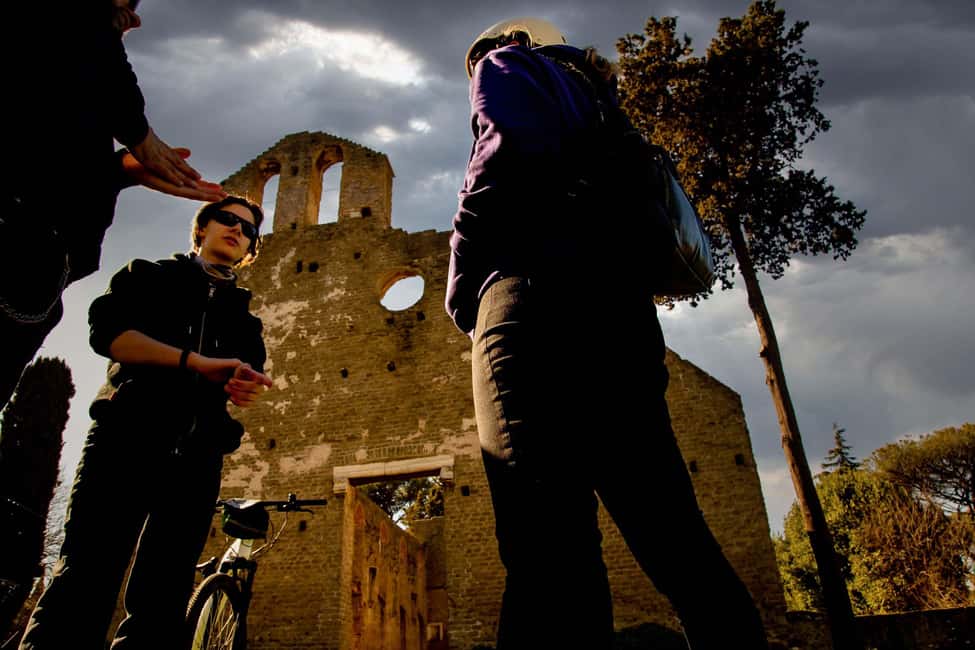
You begin with a short guided stop at Porta San Sebastiano (about 15 minutes). This isn’t just a photo moment. It’s a quick way to understand how the city’s defensive system framed movement in and out of Rome.
The practical payoff: right away, you’re not only seeing ruins. You’re learning what they were for—walls and gates that controlled access to the city. It’s a good “orientation chapter” before you get into the long ride and the deeper history below ground.
If you like structure in a tour (and not getting lost in explanations), this start style works well. You’ll have a clearer sense of why the next stops line up where they do.
Ninfeo di Egeria: the quick stop that adds atmosphere
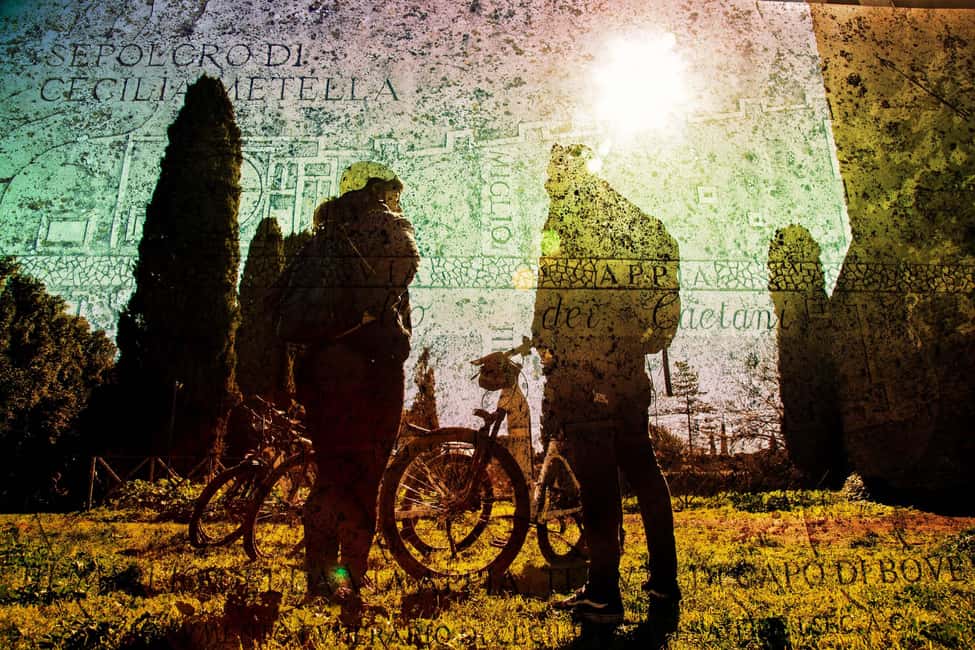
Next comes Ninfeo di Egeria, guided for about 15 minutes. Even if you only catch it briefly, it works as a tonal change from walls and major monuments. It’s a reminder that Roman sites weren’t only about power and death—they also made room for myth, water, and landscape.
This stop is short on purpose. It keeps momentum so you don’t burn time before the bigger historical hits.
If you’re the type who likes details, listen closely here. A lot of value comes from what the guide connects this place to, rather than the stop itself taking over the day.
Appian Way Regional Park: the ride is part of the lesson
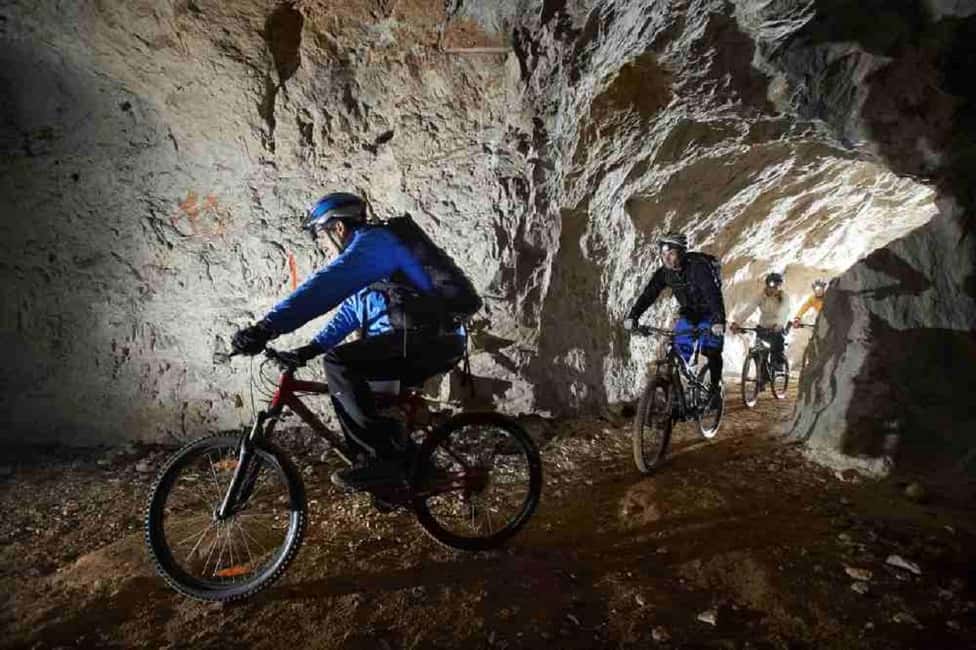
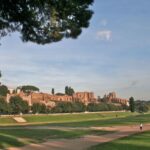
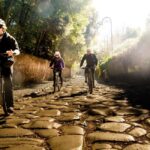
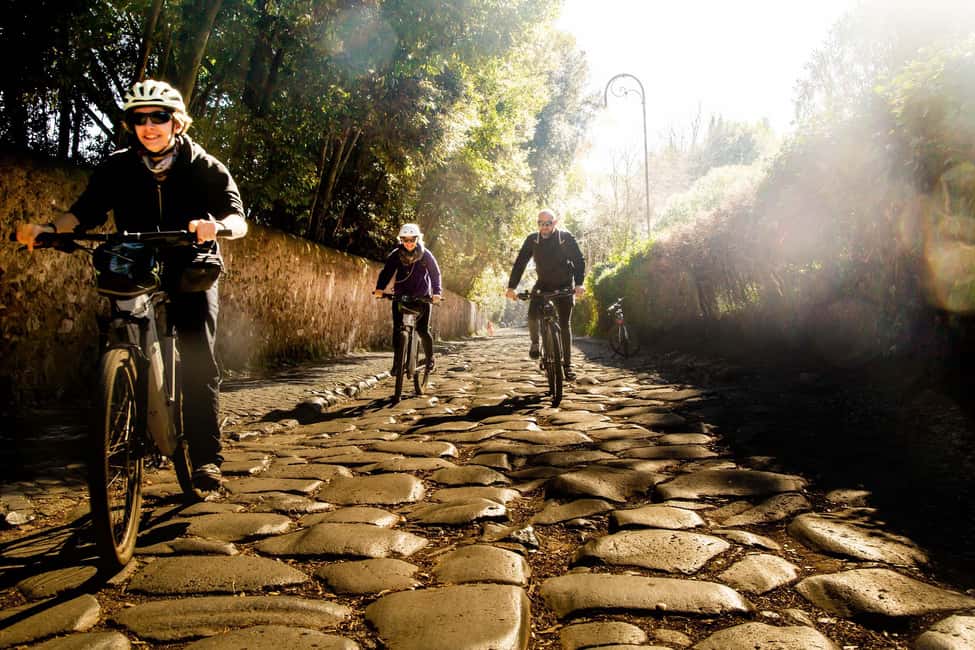
Once you’re out on the Appian Way Regional Park, the tour shifts from “sightseeing” to “traveling.” There’s a guided stretch on the Appian Way area (about 30 minutes) that’s meant for moving through space, not just standing still.
This is where you feel why bikes belong on this route. You get to experience the park’s open-air rhythm—fields, archaeological traces, and that unmistakable sense of being near historic Rome without being stuck in it.
Two practical notes:
- The ride helps you cover distance without wearing yourself out before the underground portion.
- The pacing is designed so you can still enjoy the scenery while hearing the stories tied to the route.
If you’ve never biked in Rome, this is also a confidence-builder. E-bike assistance plus guided group riding makes it less scary than you might expect.
You can also read our reviews of more tours and experiences in Rome

Tomb of Cecilia Metella: postcard views with a purpose
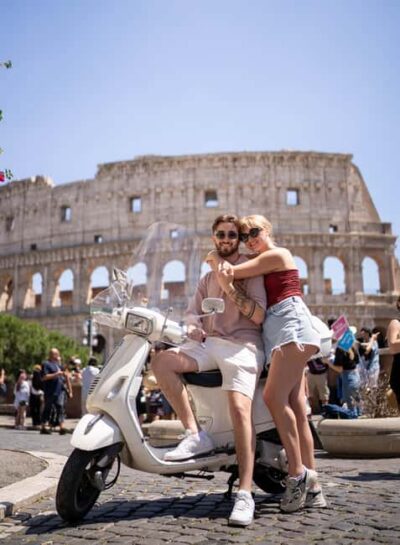
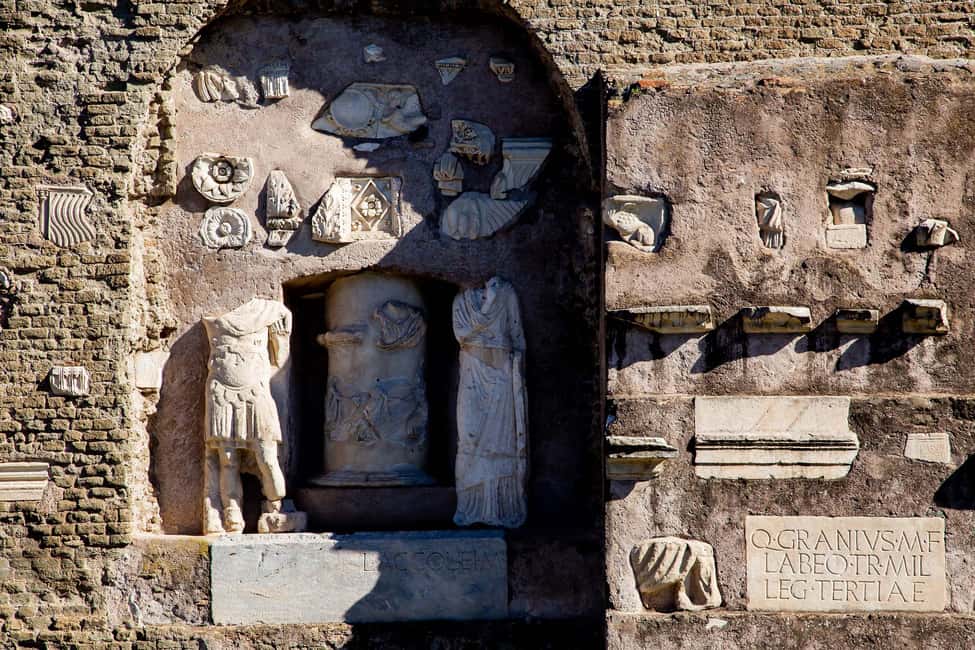
You’ll stop at the Tomb of Cecilia Metella (about 15 minutes, guided). This monument is famous for a reason: it’s dramatic, visible from far away, and it shows how Roman elites used monumental scale to mark status and presence.
Why this stop matters on this specific tour: you’re not visiting it alone as an isolated ruin. It sits in the chain of the route’s story—walls to road to park to major funerary architecture. The guide’s job here is to connect the dots quickly so you don’t end the day thinking only about one photo.
This is also a nice moment for the group to reset. You’ll have a clear landmark in front of you, which makes it easier to absorb the history as you ride away again.
San Callisto Catacombs: early Christian burial art and structure
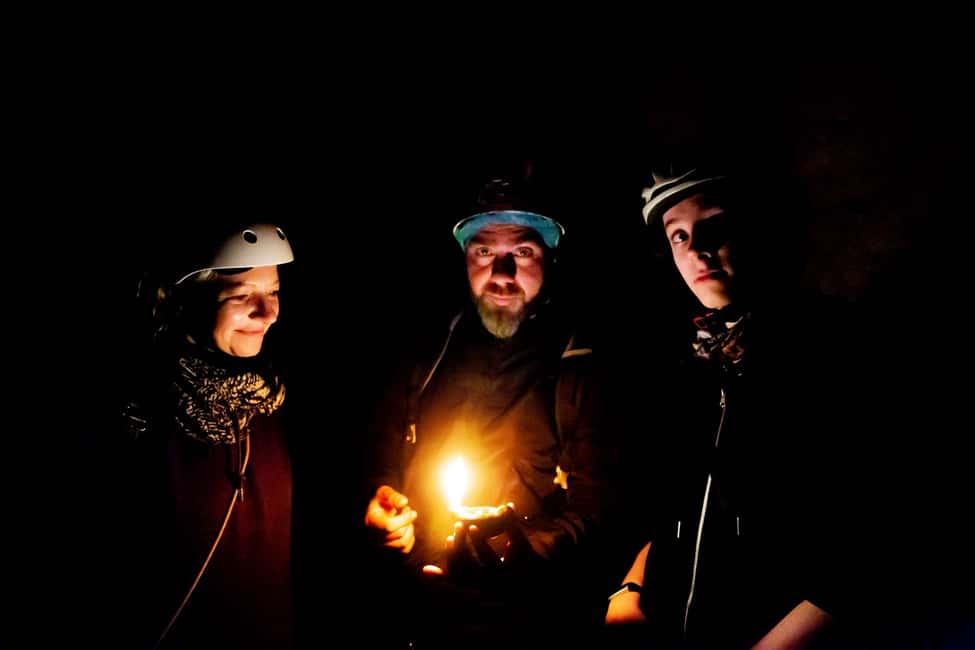
The headliner is San Callisto Catacombs, and you’ll visit them with guided time set aside twice (including a catacombs visit plus another guided time with a photo stop). In total, the catacombs portion is long enough to feel substantial, not rushed.
Here’s the historical backbone the guide will give you: San Callisto is part of the Callistian complex, which developed toward the end of the 2nd century. The wider area includes funerary spaces and catacombs, plus private Christian underground burial areas (hypogea). Over time, it became a key cemetery under the Church.
The name comes from Callisto I, a deacon appointed by Pope Zephyrinus to administer the cemetery. When Callisto later became pope, the funerary complex grew and became the official one of the Church. That little chain of events is the kind of detail that makes you look differently once you’re underground.
What to expect in the catacombs setting:
- You’ll be in a guided group, with time for listening and then looking.
- You’ll hear how art and burial practice connect here, rather than just being shown corridors.
One more thing: some guides are especially good at linking eras. At least one guide was praised for bringing the story back toward earlier pagan times, which can make the site feel like a long continuum, not a single isolated chapter.
The underground bike moment: quarry vibes, big wow factor
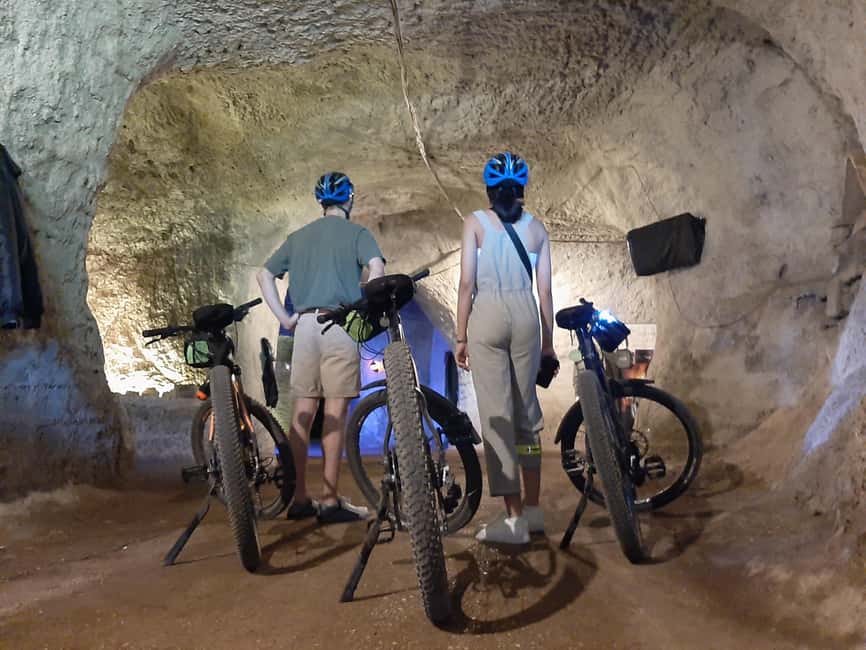
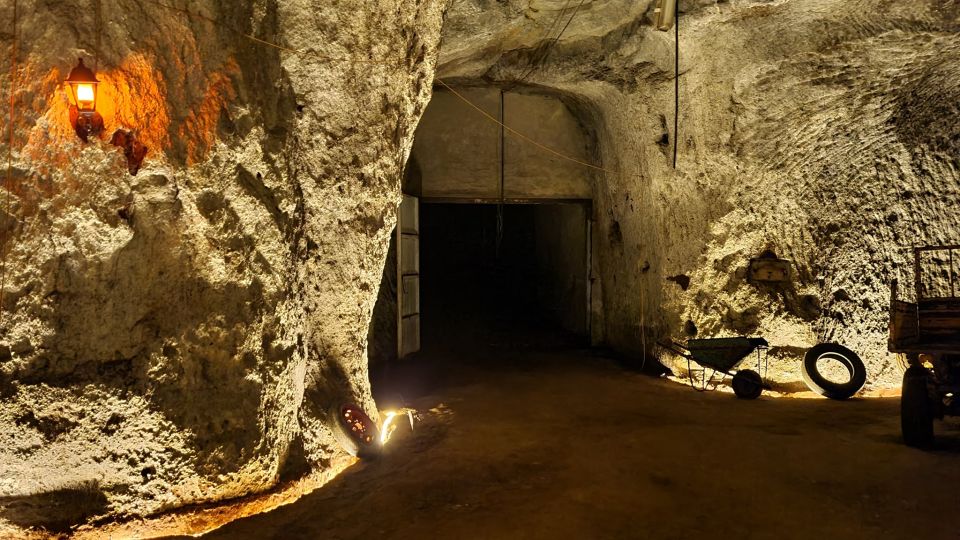
The tour is described as underground, and the experience matches that. Guests have called out the ride through an underground quarry/mine setting as a highlight—often even beating the catacombs for sheer “only-in-Rome” novelty.
That matters for your expectations. The best part isn’t only that you walk into an ancient space. It’s that you move through a historical environment on a bike, with the guide keeping things organized.
If you’re nervous about biking underground, focus on this: you’re not going solo. It’s guided, and the group stays together. Also, you’ll be wearing a helmet and using a bike designed for this kind of practical touring.
Lunch (or aperitif) in the middle: what it does for the whole day
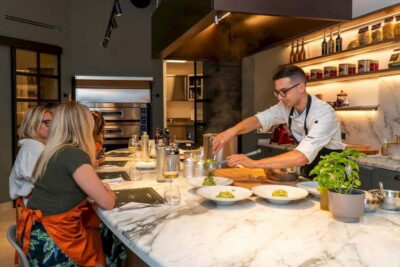
Halfway through, you stop for a Roman lunch on the morning tour, or an aperitif on the afternoon option. Either way, this break is strategic: it gives you a reset before the second half of the route and helps you avoid the fatigue that can mess up your catacombs visit.
How good is the food? Most of the structure is there: it’s included, and it’s timed so you can refresh without ending the tour early. Still, the lunch quality seems to vary. One guest specifically said the lunch was ordinary and a bit dry, so if you’re the type who rates food highly, keep your expectations honest and plan to enjoy the history first.
A practical tip: use the break like a traveler, not a tourist. Hydrate, ask your guide what’s coming next, and mentally switch gears from bikes to underground.
After the meal: aqueducts, parks, and the countryside edge of Rome
Once you’re fed, the tour continues toward Roman aqueducts, parks, nature, and more archaeological stops. This is where the day rounds out: after the underworld and tombs, you return to big-sky Rome.
Aqueducts do something special in this setting. They’re usually viewed as standalone monuments, but here they’re part of a moving route. The guide’s commentary turns them into infrastructure—how water supported life and cities at scale.
Also, it’s a nice balance. Your morning includes gates, park riding, funerary landmarks, and underground spaces. Your afternoon (if you take the later slot) leans into the “wow” of aqueducts against open surroundings.
Price and value: why $105 can feel fair
At $105 per person for about 5 hours, this isn’t a bargain-bike rental. You’re paying for:
- A guided catacombs visit
- An e-bike, helmet, and riding support
- A structured route through major Appian Way area sights
- The included lunch/aperitif
- A small group size, capped at 10
If you tried to build this yourself, the cost would quickly climb once you add catacombs entry, a local guide (especially for the underground parts), and transport. The e-bike also changes the math: it lets you cover ground that would be slow or unpleasant by foot.
So the value is strongest if you want history plus motion. If you’d rather do museums at your own pace, this might feel too organized. But if you like a guided day that moves, it’s priced in a way that feels sensible.
Who should book this tour, and who might not
This tour is a strong fit for people who:
- Want to see both above-ground Rome and underground San Callisto in one trip
- Like being active but don’t want to grind uphill for hours (the e-bike helps a lot)
- Enjoy guides who keep the tone friendly and the stories connected to what you’re seeing
It may not be the best choice if:
- You’re not comfortable riding a bike. You need bike riding experience to join.
- You’re above the max weight limit. The tour specifies a limit of 120 KG / 265 lb.
- You want a purely walking-only experience. This is built around biking.
For families: there are child seats and a trailer bike for children aged 6–10 (and a trailer weight/size guideline is provided). If your kids can sit safely and you want them to burn energy while learning, this can work well.
What to bring so the day stays pleasant
Keep it simple:
- Wear comfortable clothes. You’ll be riding for a chunk of the day.
- Bring a basic water plan. Since this is a 5-hour outing with a meal break mid-day, you’ll likely want water before and after.
- Expect you’ll spend time in underground spaces, so dress for cooler conditions in your comfort zone.
On the bike side, you’ll have key equipment covered: helmet and bike setup are included, and the tour provides a handlebar holder for convenience.
Should you book the Rome Appian Way Underground Catacombs bike tour?
If you want Rome that feels more like a ride through history than a checklist of ruins, I’d say yes. The combination of e-bike touring, the Appian Way Regional Park feel, and the San Callisto Catacombs guided visit hits a sweet spot.
Book it if:
- You’re happy biking (and you know how)
- You want a small-group day with guides who keep things engaging
- You’d enjoy the surprise factor of the underground/quarry biking portion
Skip it if:
- You’re food-focused and expect lunch to be a guaranteed highlight
- You don’t want any cycling element at all
- You fall outside the bike skill or weight limits listed by the operator
FAQ
How long is the Rome Appian Way Underground Catacombs Bike Tour with Lunch?
The tour duration is 5 hours.
Where does the tour start?
The meeting point is Via dei SS. Quattro, 58, 00184 Roma RM, Italy.
What’s included in the tour?
You get a catacombs visit and lunch (morning tour) or an aperitif (afternoon tour), plus a high-quality e-bike, helmet, and a handlebar holder. The tour also includes a guide in English and Italian, with French or German upon request.
Do I need prior experience riding a bike?
Yes. You must know how to ride a bike to take part in the tour.
What languages are the tours offered in?
The tour guide speaks English and Italian. French or German may be available upon request.
What is the weight limit for the tour?
The maximum weight is 120 kg (265 lb). People over 120 kg are not suitable for the tour.