REVIEW · FOOD & WINE TOURS
Rome – Cooking Experience in a Roman family in Trastevere
Book on GetYourGuide →Operated by Ilaria Sparla · Bookable on GetYourGuide
Cooking in a Roman home beats restaurant nights. This is a small-group pasta class in Trastevere hosted by Ilaria Sparla, with her husband Samuel and their children, set in a house surrounded by greenery. I love how warmly you’re folded into the family rhythm from the first minutes, not treated like you’re watching from the outside.
One thing to consider: the menu and sauces can shift with what’s available seasonally from the local market, so the exact red/white pairings may vary.
The big draw for me is the hands-on focus: you make multiple pastas from scratch—fettuccine with cacio e pepe, ravioli with fresh tomato sauce, and orecchiette with Norma-style sauce—then finish with homemade tiramisù. You also get practical teaching you can use at home, not just a meal plus photos, and it’s all paired with included wine, water, and espresso.
In This Review
- Key Highlights at a Glance
- Trastevere Pasta Making in Ilaria Sparla’s Home Kitchen
- Getting Oriented: Where You Meet and How It Fits Your Day
- Aperitivo Time: The Pre-Dough Meal That Makes You Stay for Seconds
- Making Fettuccine with Cacio e Pepe: Technique You Can Copy at Home
- Ravioli with Fresh Tomato Sauce: The “From Scratch” Step That Feels Magic
- Orecchiette and Norma Sauce: A Roman-Style Pasta Lesson With Personality
- Lunch-Dinner Rhythm: Sitting Down With Ilaria’s Family
- Homemade Tiramisù: The Sweet Finish You Help Make Partway Through
- What Makes This Class Great Value for $134.81
- The Menu Might Vary With the Season (And That’s a Feature)
- Dietary Needs and the Vegetarian Option Request
- Who Should Book This Cooking Class
- Should You Book Ilaria’s Rome Pasta Workshop?
- FAQ
- How long is the cooking experience in Trastevere?
- What’s the meeting point in Rome?
- How many people are in the group?
- What pasta dishes will I make?
- What’s included in the aperitivo?
- Is wine included?
- What languages does Ilaria speak during the class?
- Can the class accommodate dietary restrictions?
- Is the menu the same every time?
- Is there a vegetarian option?
- What is the cancellation policy?
- Is there an option to pay later?
Key Highlights at a Glance
- A family-run cooking class in central Trastevere with Ilaria, Samuel, and their children in the same home kitchen
- Three pasta types from scratch: fettuccine, ravioli, and orecchiette, plus handmade tiramisù
- Aperitivo first with mozzarella, dry tomatoes, panzanella, bruschette, and homemade fried vegetables
- Season-aware menu where sauces can be red or white depending on local ingredients
- Take-home cooking tricks on flours, matching pasta to sauce, and substitutions
- Maximum 8 participants, taught in Italian and English for an attentive experience
Trastevere Pasta Making in Ilaria Sparla’s Home Kitchen
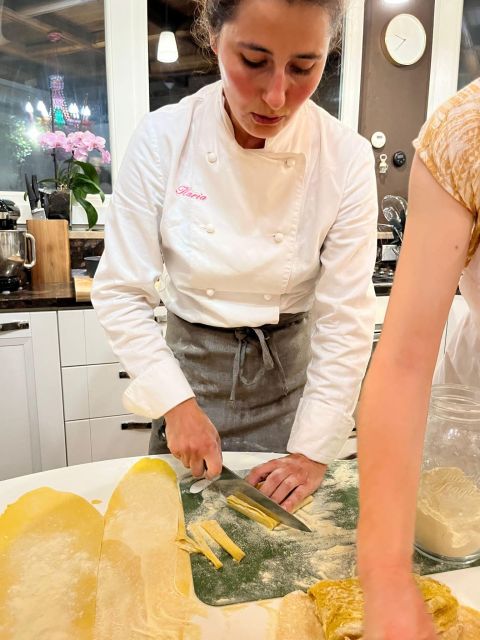
If you’re trying to understand Rome through food, this is one of the most direct paths. You’re not in a showroom. You’re in a working home kitchen where Ilaria Sparla teaches cooking the way it’s passed down in her family—trained formally, but grounded in the habits of her mother and grandmother, who started her on the craft when she was 15.
The setting matters too. The experience takes place in the heart of Rome in Trastevere, and the home has that “garden close by” feeling—green around you while you cook. It keeps the class from feeling like a rushed demo. It’s more like a weekend dinner where you get to do the prep work.
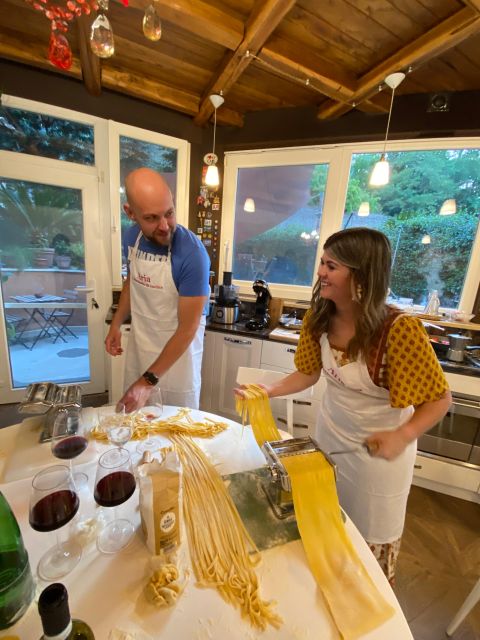
Group size also changes the whole vibe. With up to 8 people, the pace stays human. You get questions answered, and you’re actually doing the mixing, kneading, rolling, and shaping—not just standing near your station while someone else runs the kitchen.
You can also read our reviews of more tours and experiences in Rome.

Getting Oriented: Where You Meet and How It Fits Your Day
You meet at Via Garibaldi 39, in front of a green door. When you arrive, ring the intercom labeled Sparla.
This location is handy if you’re already sightseeing near Campo de’ Fiori. It’s about a 10-minute walk from there, so you can build the class into an afternoon or evening without needing a complicated transit plan. If you’re planning the rest of your day, think of the class as a “Rome anchor.” Once you’re fed and taught like family, the rest of your evening is usually easier.
Also note the tone: it starts from the meeting point and ends back there. That keeps the rhythm simple. You’re not trekking across town after you’ve worked up an appetite and some pasta dough on your hands.
Aperitivo Time: The Pre-Dough Meal That Makes You Stay for Seconds
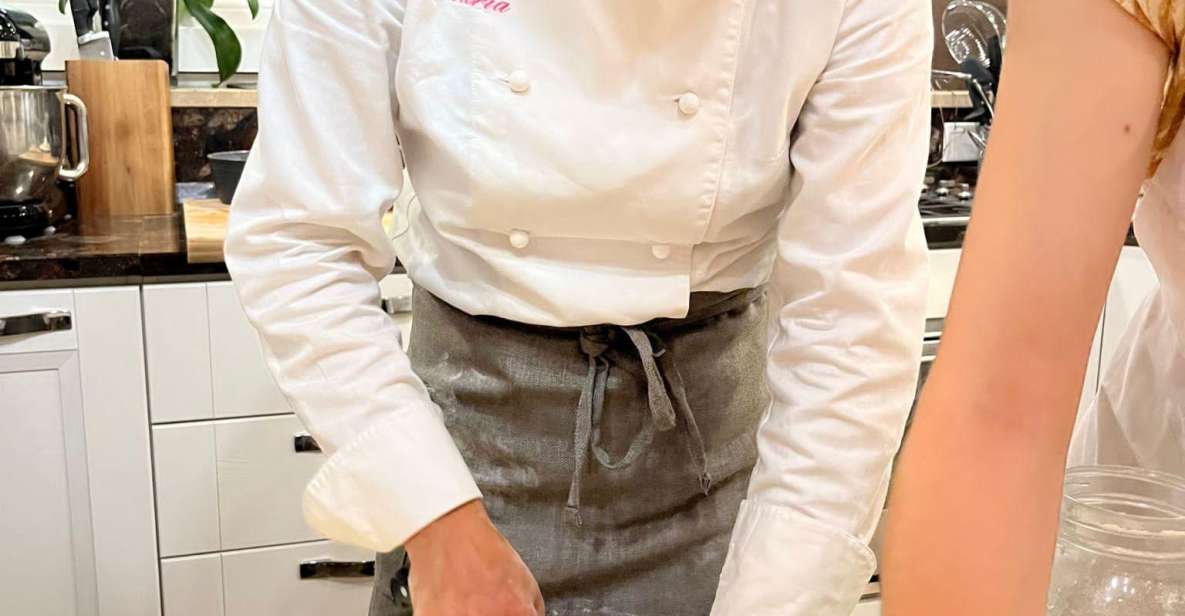
Before anyone rolls out dough, you’ll start with an aperitivo. It’s not a token snack either. Included favorites include mozzarella, dry tomatoes, panzanella, bruschette, and homemade fried vegetables.
Why I like this part so much: it sets your palate before the pasta lessons. The class isn’t just about technique. It’s about flavor balance. You’re tasting salty, tangy, and crunchy Italian bites right away, and it makes the sauces you’ll make feel more connected to real eating, not just a checklist of recipes.
Wine is part of the aperitivo setup too—local pairing is included—along with water and espresso during the experience. The goal feels practical: help you enjoy the cooking while it’s happening, then sit down and eat what you made without feeling like you need to find dinner afterward.
Making Fettuccine with Cacio e Pepe: Technique You Can Copy at Home
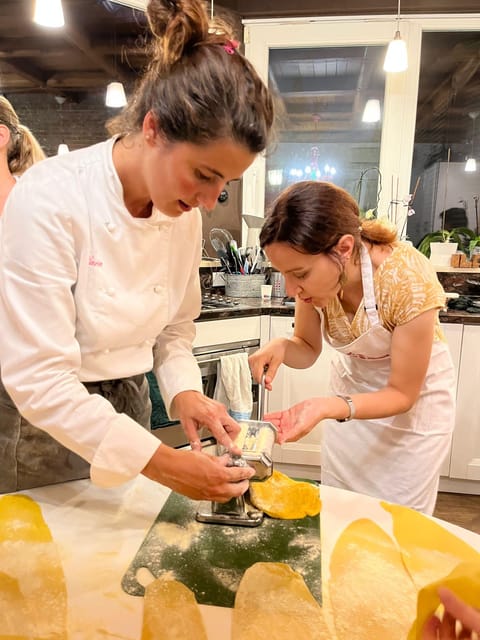
Then you get to the work. Once introductions are done, you’ll learn how to make pasta dough and shape it into fettuccine, then sauce it with cacio e pepe.
This is one of the most useful dishes to learn if you want to cook in your own kitchen later. Cacio e pepe is all about control—getting the sauce to cling properly and not turn into a gritty mess. The teaching approach here is step-by-step, and the class is hands-on from mixing ingredients to kneading the dough.
You’ll also hear take-home guidance about flour choices and how they affect texture. The class is explicit about teaching not just recipes, but the reasons behind the steps—how to pair pasta with sauce, and what substitutions work when you can’t source the exact ingredients at home.
No previous experience is required, and that shows in the way the class is structured for different levels. If you’re a beginner, you’ll still be doing the dough work. If you’re more experienced, you’ll likely appreciate the clarity and timing.
Ravioli with Fresh Tomato Sauce: The “From Scratch” Step That Feels Magic
Next comes ravioli, paired with fresh cherry tomato sauce. This part of the class is where your focus sharpens. Ravioli demands patience and precision: portioning, filling, sealing—then cooking.
The impressive part is that you do it yourself. I love lessons like this because they don’t hide the hard parts. You’ll be shown the process, and then you’ll practice the hand skills until it makes sense.
The tomato component is a smart choice for an at-home skill-building goal, too. Fresh tomato sauce is approachable compared to some more finicky Roman specialties. It helps you learn how flavor changes when you use fresh ingredients and how to build sauce character without overcomplicating it.
Because the class adapts to seasonality, you might find subtle differences in sauce direction depending on what the market has. The teaching stays consistent: you learn the method, not just an end result.



Orecchiette and Norma Sauce: A Roman-Style Pasta Lesson With Personality
Finally, you’ll make orecchiette and cook it with Norma sauce. This is the “character pasta” of the menu. Orecchiette has that distinctive shape, and it holds onto sauce in a way that feels made for rustic, bold flavors.
With a dish like Norma, the important lesson isn’t just how to cook pasta. It’s how to think about sauce texture and pairing. The class explicitly covers how to match pasta to sauce, and that theme continues throughout: you learn what to pay attention to while cooking, so your results improve later.
The best part is that you’re not just tasting. You’re building the whole meal yourself—dough to shaping to sauce. By the time you reach orecchiette, you’ll feel less like you’re learning and more like you’re contributing.
Lunch-Dinner Rhythm: Sitting Down With Ilaria’s Family
Once the cooking is done, you’ll gather around the table with Ilaria and her family to enjoy what you made—pasta, aperitivo extras you sampled at the start, and local wine.
This is where the experience often feels most memorable. It turns into an actual dinner, not a finish-line photo moment. In the home setting, you’ll chat with Ilaria and her family members, and you’ll feel the pride that comes with cooking taught inside a household, not just inside a classroom.
A few practical notes based on what you may encounter in a family home: the experience includes Ilaria’s family presence and, in some cases, you might notice pets around the house. It’s part of the home environment, not a distraction meant for show.
Homemade Tiramisù: The Sweet Finish You Help Make Partway Through
Dessert is homemade tiramisù, served as a final highlight after the pasta experience. Tiramisù is a classic end-of-meal choice for a reason: it’s rewarding, forgiving compared to many delicate desserts, and it matches the “stay at the table” spirit of the evening.
You’ll learn through the process and then enjoy it at the end, with the included wine and espresso supporting the finish. If you’re the kind of person who saves the best part for last, this is it.
What Makes This Class Great Value for $134.81
Pricing in Rome can be wild, especially for “food experiences.” What I like here is that the cost lines up with what you actually get.
For about 3.5 hours, you receive:
- Multiple pasta workshops (fettuccine, ravioli, orecchiette), not just one
- Sauce work tied to each pasta
- Aperitivo with several items
- Wine pairing included, plus water and espresso
- Homemade tiramisù
- Step-by-step instruction, with take-home tricks and recipes
If you compare that to the price of a good meal plus a cooking class add-on, the math gets easier. You’re paying for time, teaching, ingredients, and the whole family-table dinner setup. The small group size also adds real value—you’re not paying for a mass-production atmosphere.
Also, I appreciate that it’s fresh and local, using ingredients from the farmers market. That matters because it changes flavor, and it changes how much you learn. When ingredients are good, your technique looks better and your final dish teaches you more.
The Menu Might Vary With the Season (And That’s a Feature)
The class makes it clear that the menu may vary based on ingredient availability and seasonality. So you might see different sauce timing or variations in what you’re taught for the day, especially with the red and white sauce direction.
This is one of those travel truths: Rome cooking stays rooted in the market. Here, that doesn’t feel like uncertainty—it feels like authenticity. You learn how to respond to what’s fresh rather than trying to force a recipe from a notebook in a vacuum.
If you’re picky about one exact sauce version, don’t plan your whole expectation around one outcome. Plan around the method: dough handling, pasta making, and sauce-pairing logic.
Dietary Needs and the Vegetarian Option Request
The experience notes that it can satisfy dietary needs and restrictions. If you want the vegetarian option, the information you provided includes a clear request: write in after reservation for vegetarian.
My practical advice: message early once you book, and be specific about what vegetarian means for you (for example, whether dairy and eggs are okay). That helps the kitchen plan smoothly, especially in a class built around fresh ingredients and seasonality.
Who Should Book This Cooking Class
This works best if you want a real Roman food experience without gimmicks.
You’ll probably love it if:
- You want hands-on cooking, not a sit-and-watch demo
- You like learning technique (flours, sauce matching, substitutions)
- You’re traveling with one friend or a small group and want a shared table experience
- You’d rather eat what you made than hunt for dinner afterward
It may be less ideal if:
- You want a super formal, impersonal setting (this is a home kitchen)
- You prefer only one pasta dish and want a shorter, lighter class
- You’re sensitive to the natural messiness of making fresh dough (because you will handle dough)
Should You Book Ilaria’s Rome Pasta Workshop?
Yes, if your idea of a great Rome day includes rolling up sleeves, learning real technique, and eating with a family in Trastevere. This class hits a rare balance: it’s relaxed and warm, but it’s also structured enough that you’ll leave with skills you can repeat.
Book it especially if you care about value, because $134.81 buys a lot of food, multiple pasta types, included wine, and actual instruction in how to cook—plus recipes and take-home tricks. If you’re excited to try fettuccine cacio e pepe, ravioli with fresh tomato sauce, and orecchiette with Norma sauce, this is one of the most direct routes to eating like a Roman cook.
FAQ
How long is the cooking experience in Trastevere?
It lasts about 3.5 hours.
What’s the meeting point in Rome?
You meet at Via Garibaldi 39, in front of a green door. Ring the intercom for Sparla.
How many people are in the group?
The group is limited to a maximum of 8 participants.
What pasta dishes will I make?
You’ll make fettuccine, ravioli, and orecchiette, plus you’ll end with homemade tiramisù.
What’s included in the aperitivo?
The aperitivo includes mozzarella, dry tomatoes, panzanella, bruschette, and homemade fried vegetables.
Is wine included?
Yes. Wine, water, and espresso are included.
What languages does Ilaria speak during the class?
The instruction is available in Italian and English.
Can the class accommodate dietary restrictions?
Yes. The experience notes it can satisfy dietary needs and restrictions.
Is the menu the same every time?
The menu may vary based on the availability and seasonality of ingredients.
Is there a vegetarian option?
Yes. The note you provided asks you to write after reservation for a vegetarian option.
What is the cancellation policy?
Free cancellation is available up to 24 hours in advance for a full refund.
Is there an option to pay later?
Yes. You can reserve now & pay later, keeping your travel plans flexible.