REVIEW · COLOSSEUM, FORUM & PALATINE TOURS
Rome: Colosseum, Roman Forum, and Palatine Hill Tour
Book on GetYourGuide →Operated by GuidedTour · Bookable on GetYourGuide
If you want ancient Rome in one clean sweep, this tour is it. You’ll get skip-the-line, reserved access plus an expert guide who explains what you’re looking at as you move, from arena drama to the Forum’s temple ruins. It’s made for getting oriented quickly and still leaving time to actually notice details.
What I like most is the pacing and the way the guide brings the sites to life. I especially appreciate the headset setup, so you can focus on the story instead of craning your neck for every sentence. And the guide staffing can be a real highlight too—names like Oleg and Aleksandra pop up in standout experiences.
One thing to consider: the meetup can feel a little chaotic at first. In at least one case, people were routed around multiple operators before the correct guide was identified, and audio can be harder depending on where you stand.
In This Review
- Key highlights at a glance
- Skip the line, then use your 90 minutes wisely
- Who this suits best
- Finding the tour: Metro B, Café Roma, and a calm start
- Small practical tip
- Roman Forum: temples, power, and how the story fits together
- What you’ll focus on
- Palatine Hill: viewpoints and the sense of scale
- Why this stop matters
- The Colosseum: gladiators, sea battles, and 100-day energy
- What reserved access really buys you
- A note on audio
- The guide experience: stories you can actually use
- What’s included (and why it changes the value)
- Pace check: 30-minute blocks can be great or rushed
- Practical rules you’ll want to know before you go
- So, should you book this Colosseum, Forum, and Palatine Hill tour?
- FAQ
- How long is the Rome Colosseum, Roman Forum, and Palatine Hill tour?
- Where do we meet for the tour?
- What sites are included in the tour?
- Does the tour include skip-the-line or reserved access?
- What’s included besides the guide?
- What languages are the live guides available in?
- What do I need to bring?
- Are bags or backpacks allowed?
Key highlights at a glance
- Skip-the-ticket-line reserved time that saves you waiting at the busiest entrances
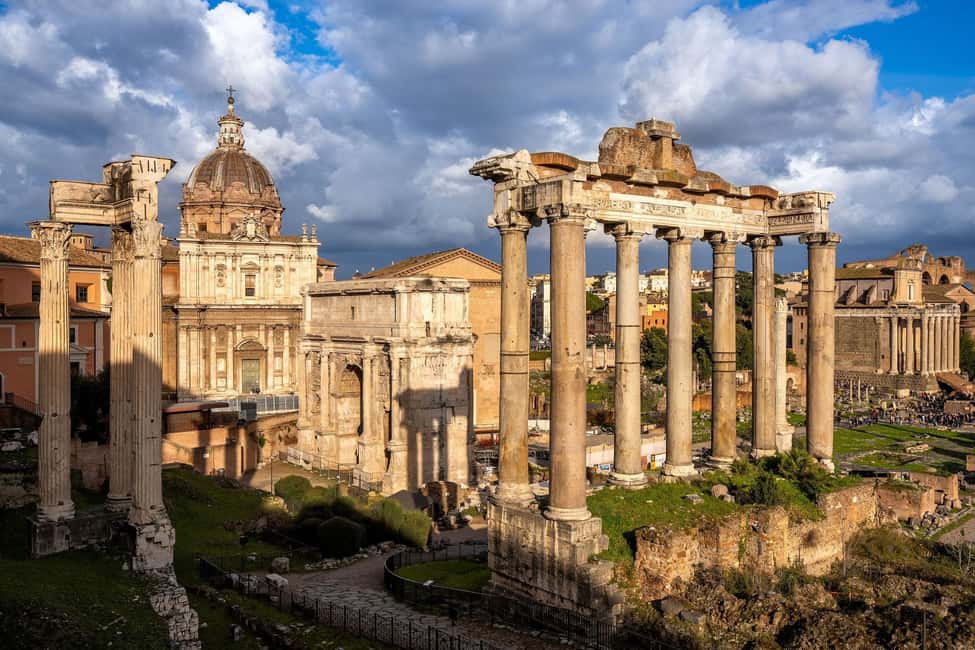
- Roman Forum walk with a guide focused on what’s left of major temples and ceremonial space
- Palatine Hill visit for big viewpoints over the ancient core of the city
- Colosseum guided tour with entry included so you’re not juggling separate tickets
- Headsets provided to keep the commentary clear during walking sections
- Guides who handle questions well, with timing that keeps the tour moving
Skip the line, then use your 90 minutes wisely
This is a “big sites, tight time” kind of tour. The whole experience runs about 1.5 hours, and the stops are split into three guided blocks, roughly 30 minutes each for Roman Forum, Palatine Hill, and the Colosseum. That matters because Rome’s ruins are huge—and if you show up without a plan, you can burn your best energy just figuring out where to go next.
The reserved access is the practical win. It means you’re not relying on luck or long lines to get inside the Colosseum circuit. You also get a guide who stays with the group, which turns the sites from a random collection of stone into a sequence you can follow.
You can also read our reviews of more tours and experiences in Rome.
Who this suits best
If you’re short on time, this works well. It’s also a good fit if you want to avoid the “head down, read signage later” approach. With a guide, you get context as you go—especially helpful in a place like the Forum, where the layout can feel confusing at first.
Finding the tour: Metro B, Café Roma, and a calm start
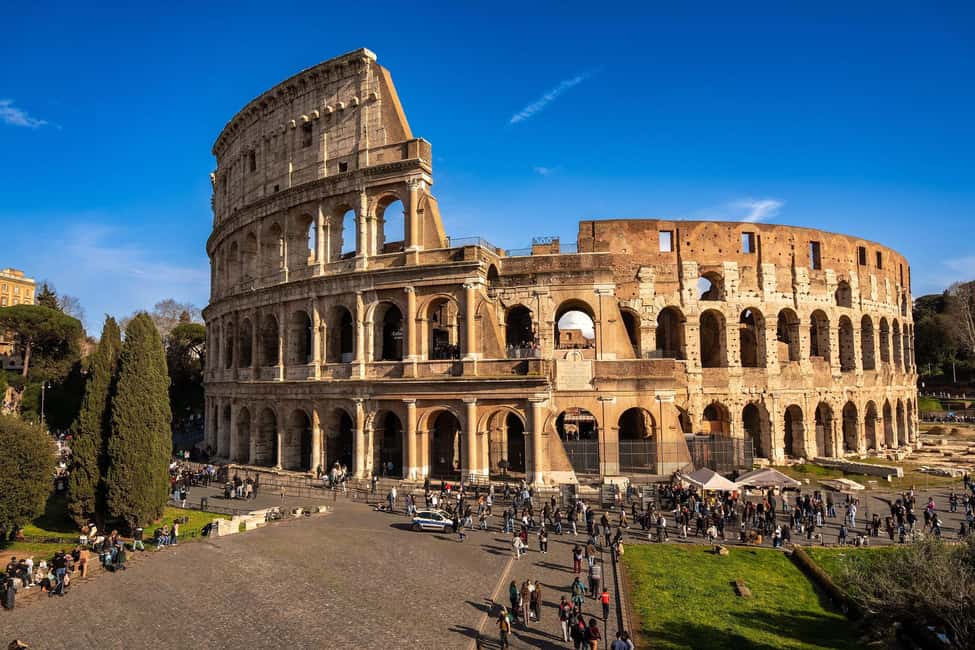
The meetup point is clearly defined, which you’ll appreciate on arrival. You meet on the second level of Metro B at Colosseo station, at the front of Café Roma. The activity ends back at the same meeting point, so you don’t have to solve transport logistics mid-tour.
That said, I’d plan for the first five minutes to be a little awkward. One experience described the start as chaotic, with people being moved between operators. If that happens to you, don’t panic—just keep checking you’re heading to the correct guide and tour group. If you’re early, great. If you’re right on time, still fine, but arrive with a little patience.
Small practical tip
Bring your passport or ID card. You’ll need it, and having it ready avoids that last-minute scramble that can throw off your first impression of the day.
Roman Forum: temples, power, and how the story fits together
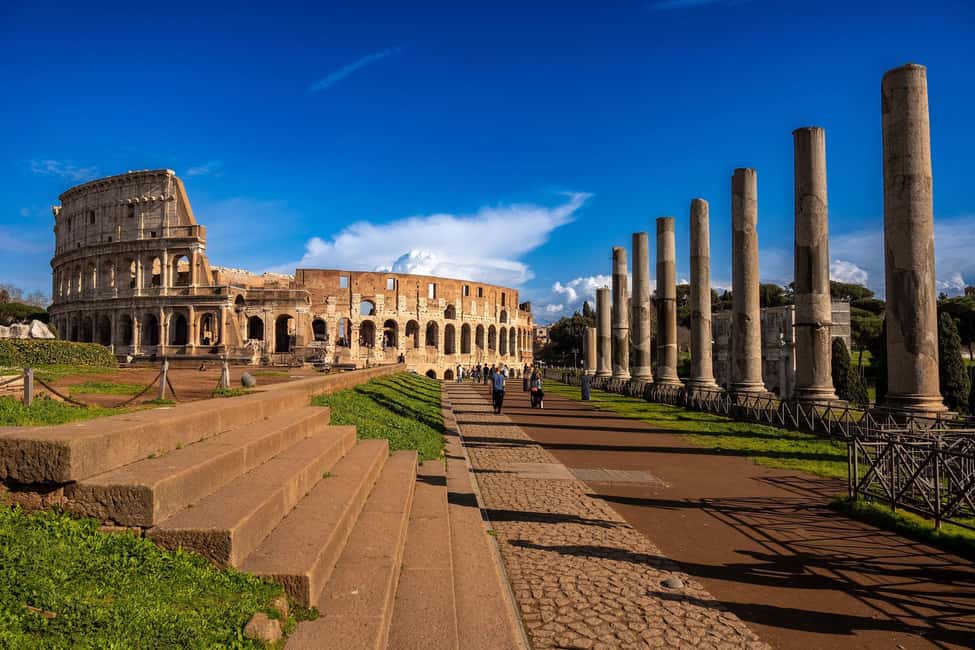
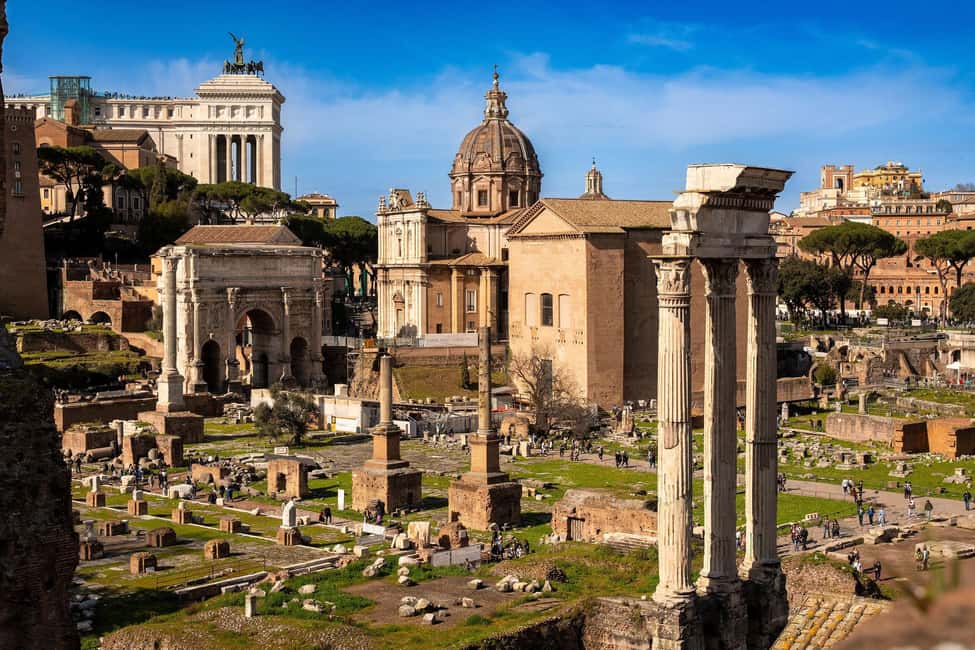
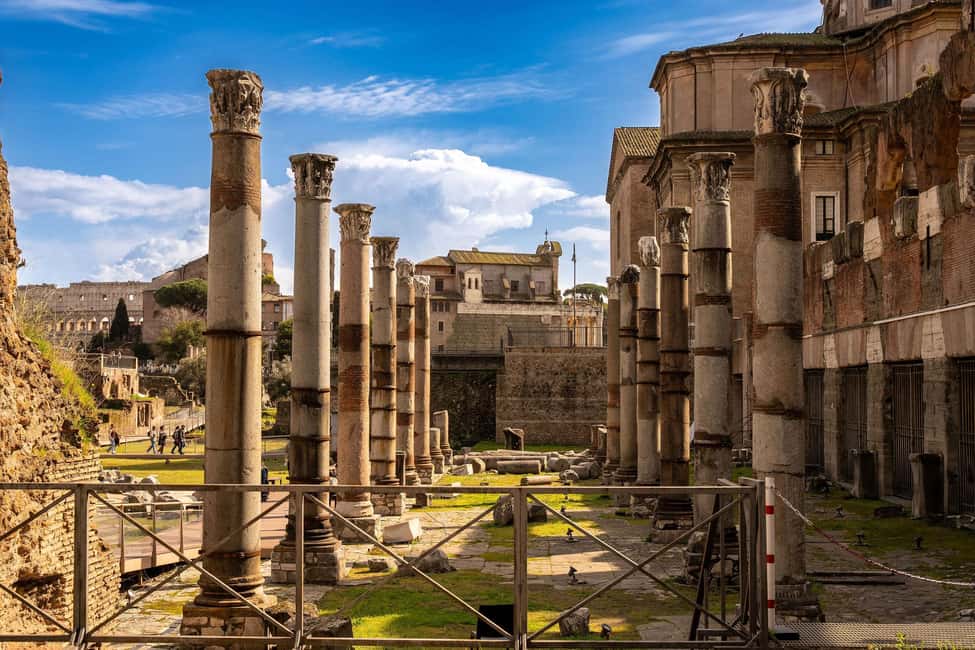
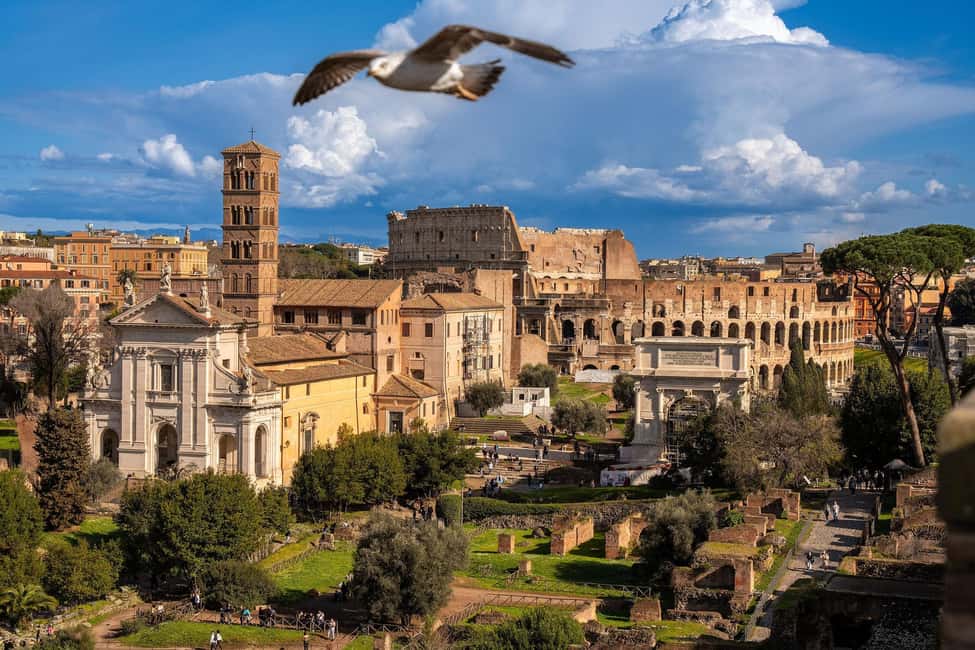
Your tour starts with a Roman Forum stop where you’ll walk with the guide for about 30 minutes. This is where the atmosphere shifts from “arena wonder” to “political and ceremonial stage.” You’ll see the remains of major temples and the spaces that shaped public life in ancient Rome.
I like this order—Forum first—because it gives you an anchor before you hit the Colosseum. The guide’s job here is to help you understand what you’re looking at and why it mattered: stone fragments that were once part of a public display of power, religion, and civic identity. Even if you’re not a total history person, you’ll likely start to connect the dots faster when a guide points out what’s significant.

What you’ll focus on
The tour messaging emphasizes the remains of temples in the Roman Forum. So expect commentary aimed at explaining those structures and their place in ancient Rome’s worldview. Instead of wandering, you’ll move as the story moves.
Palatine Hill: viewpoints and the sense of scale
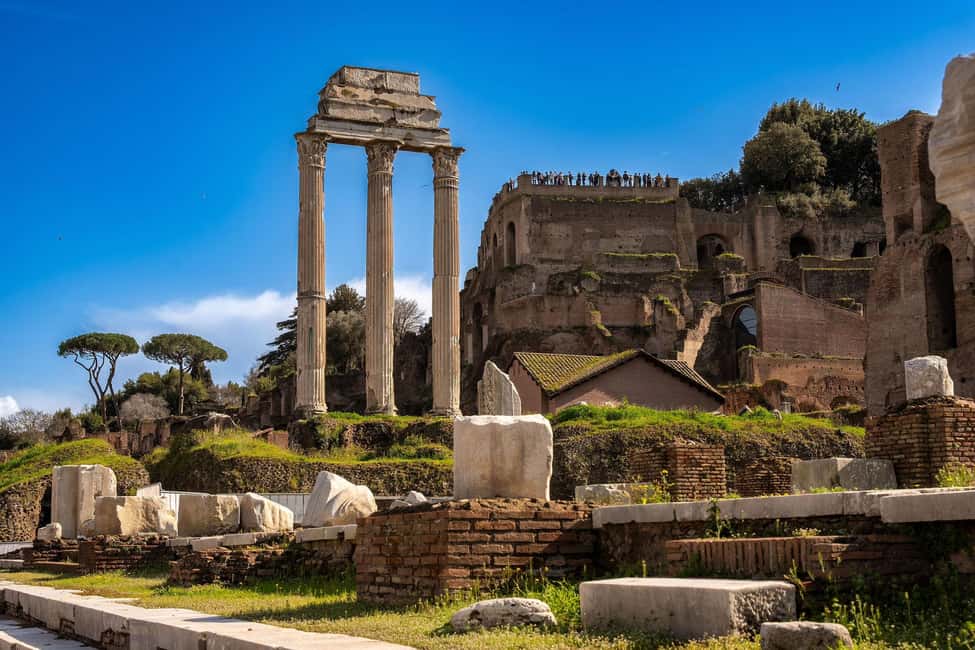
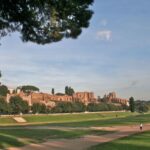
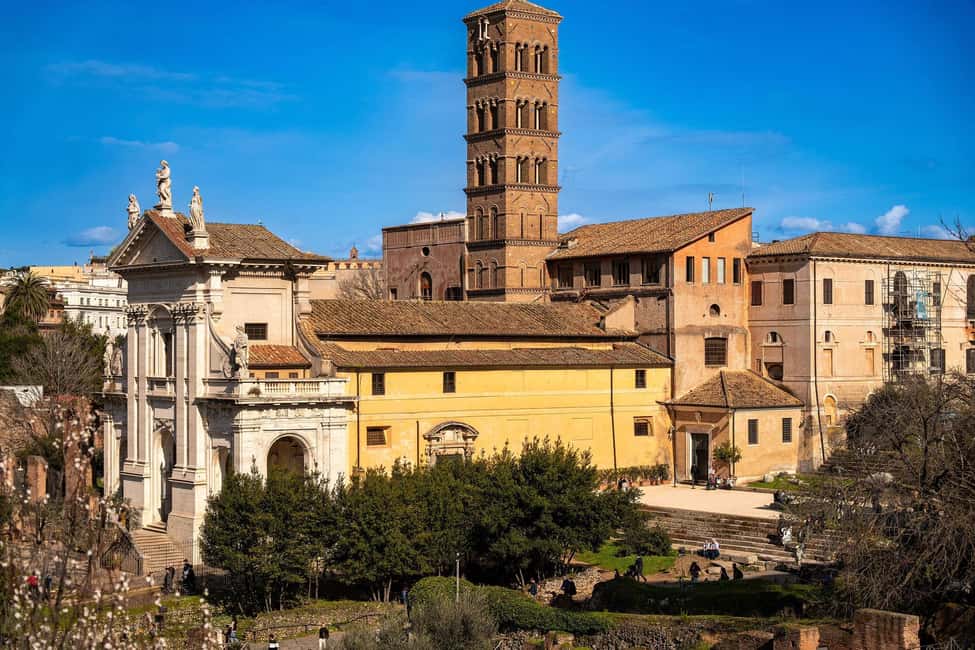
Next comes Palatine Hill, another guided block of about 30 minutes. This is one of those places where the ruins feel more dramatic because you’re high enough to see how the city’s core spreads out.
The tour overview specifically calls out breathtaking views, so it’s worth showing up ready to look. You’ll get a change of perspective here—less “street-level fragments” and more “how this whole ancient system sat in the landscape.”
Why this stop matters
Even with a short timeline, Palatine Hill helps you understand why people cared about this neighborhood. It’s not just another pile of stones; it’s part of the same ancient Rome engine you’ll see in the Forum and then in the Colosseum. If you’re trying to build a mental map fast, this stop is doing real work.
The Colosseum: gladiators, sea battles, and 100-day energy
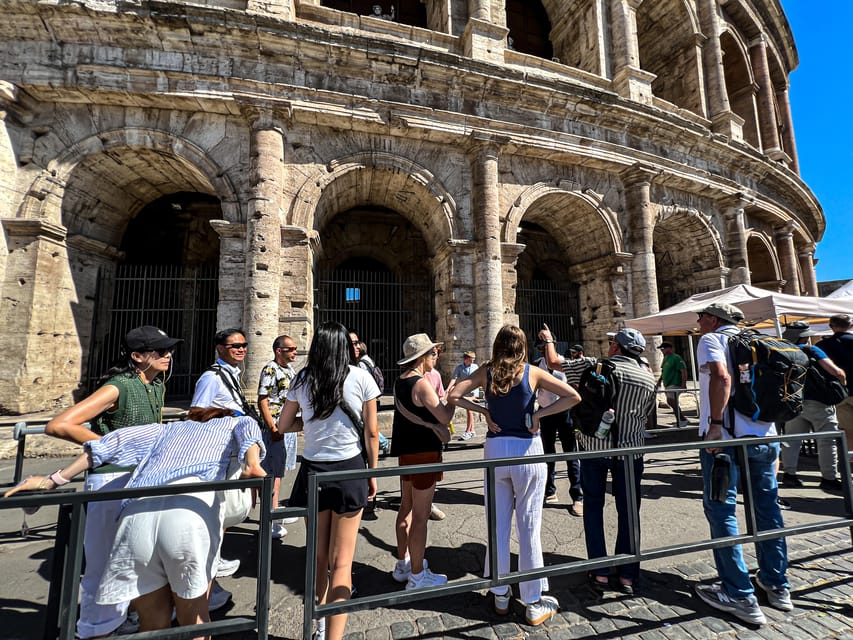
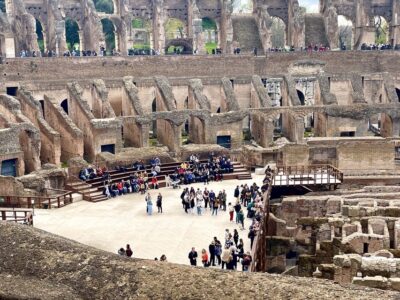
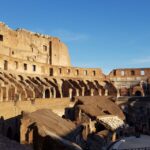
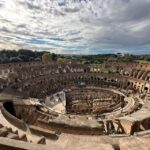
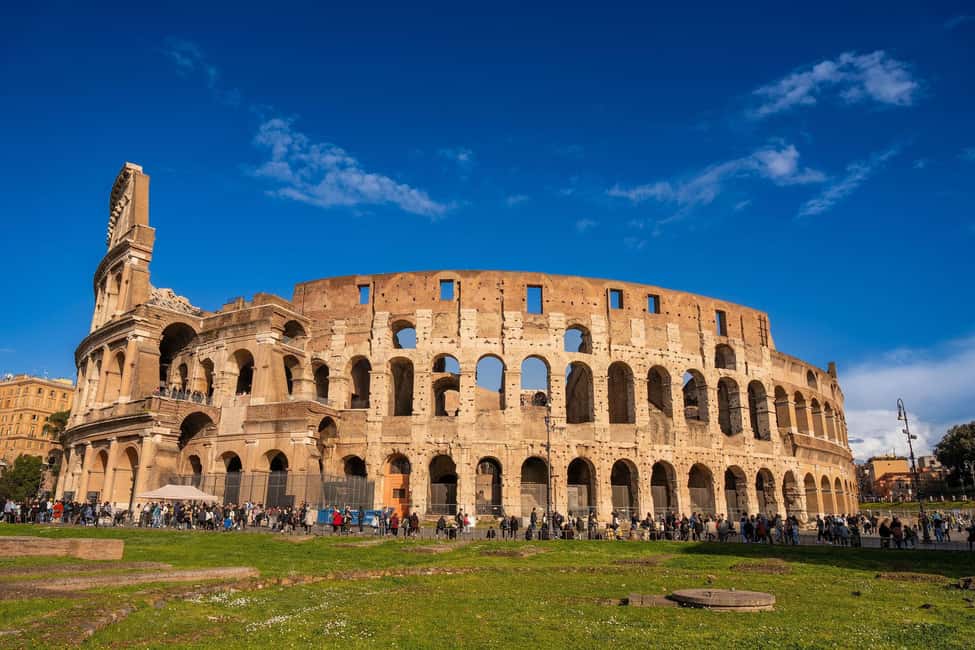
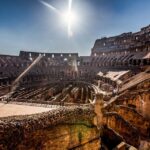
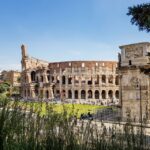
Finally, you reach the main event: the Colosseum guided tour, also around 30 minutes, with entry included and reserved time access.
Here’s what I think makes this experience hit: the guide doesn’t treat the Colosseum like a photo backdrop. Instead, you get the kind of context that makes the arena feel active, not fossilized. You’ll hear about the gladiator combats, sea battles, and wild animal hunts, along with the idea that some events could last up to 100 days. That’s the scale of it—Rome’s entertainment machinery ran like a serious operation.
What reserved access really buys you
At the Colosseum, waiting can eat your attention. Reserved access keeps you in control of the experience. Instead of spending your time watching crowds shuffle, you’re inside and listening to a guide translate engineering and spectacle into something you can actually imagine.
The highlights mention the Colosseum as one of the most impressive structures of the Roman Empire, and the tour is built around that idea. You’re not just looking at walls; you’re being shown why Roman engineering could produce a venue this ambitious—and why it became an icon that still pulls people in.
A note on audio
Because the tour includes headsets, hearing the guide is usually straightforward. Still, if you notice audio slipping, it can be because of your position in the group. If that’s a concern for you, just try to stay where you can clearly face the guide without awkward angles.
The guide experience: stories you can actually use
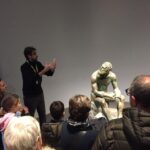
One of the biggest takeaways from the provided tour feedback is how consistently the guides deliver. Standout names like Oleg and Aleksandra show up in top-rated experiences, and the recurring themes are hard to fake: clear explanations, good timing, and a willingness to answer questions.
That’s exactly what you want on a short tour. With only about an hour and a half total, you need a guide who can compress a lot of information without turning it into a lecture. In the best moments described, guides were entertaining while still giving the background you need to make the ruins mean something.
There’s also a “real customer service” element in some of the stronger comments—like the group being taken care of even when someone was running late. That kind of organization isn’t just nice; it protects the experience you paid for.
What’s included (and why it changes the value)
You’re paying for a bundle that matters in Rome:
- Colosseum reserved time access with a guided tour
- Colosseum entry ticket
- Entry to the Roman Forum and Palatine Hill
- Live guide
- Headset
That package is where the value lives. At $64.43 per person (as listed), the cost isn’t just “a tour price.” You’re also getting timed entry help, paid admission included for multiple sites, and audio support so you can follow along while walking.
If you tried to DIY this in the same order, you’d likely spend extra time lining up or buying separate tickets. The tour’s main advantage is not only convenience—it’s time saved and context delivered while your attention is still fresh.
Pace check: 30-minute blocks can be great or rushed
Each major stop is about 30 minutes with guided time. This is a sweet spot for many people because you get orientation at each place without drowning in details. But there’s a tradeoff: if you’re the type who wants long lingering sessions—reading every sign, tracing every corridor, taking multiple passes—this format might feel fast.
Think of it as a guided highlight reel with real substance, not a slow wandering day. If you want both, this tour can be a great first step, then you can return later on your own when you know what you’re looking at.
Practical rules you’ll want to know before you go
Before you head out, keep these constraints in mind. They affect how you pack and how smooth the day feels:
- Bring passport or ID card
- No drones
- No bikes
- No backpacks
- No alcohol and drugs
- No bags
If you’re used to carrying a daypack, this is the one thing that can catch you off guard. Traveling light makes the whole process easier at security points and keeps the group moving.
So, should you book this Colosseum, Forum, and Palatine Hill tour?
I’d book it if you want an efficient, guided way to see Rome’s core ancient landmarks without losing hours to lines or confusion. The combination of reserved Colosseum access, Forum + Palatine Hill entries, and a guide with consistently strong performance (including named standouts like Oleg and Aleksandra) makes it a strong value for a short visit.
I’d think twice only if you prefer long, self-paced exploring and you hate structured time. Also, if you know you get stressed by crowded meetups, plan to arrive a few minutes early so you can settle before the group forms.
If you’re building a first Rome itinerary, this tour gives you the “big picture” quickly—and that makes every later stroll through the ruins more rewarding.
FAQ
How long is the Rome Colosseum, Roman Forum, and Palatine Hill tour?
The tour duration is 1.5 hours.
Where do we meet for the tour?
Meet at the second level of Metro B at Colosseo station, at the front of Café Roma.
What sites are included in the tour?
You’ll visit the Roman Forum, Palatine Hill, and the Colosseum.
Does the tour include skip-the-line or reserved access?
Yes. It includes reserved time access for the Colosseum and helps you skip the ticket line.
What’s included besides the guide?
The tour includes the Colosseum entry ticket, entry to the Roman Forum and Palatine Hill, and headset for listening.
What languages are the live guides available in?
The tour guide is available in English and Russian.
What do I need to bring?
Bring your passport or ID card.
Are bags or backpacks allowed?
No. Backpacks and bags are not allowed.