REVIEW · COLOSSEUM, FORUM & PALATINE TOURS
Rome: Pasta, Ravioli & Tiramisu Cooking Class by Colosseum
Book on GetYourGuide →Operated by EnjoyCooking.com · Bookable on GetYourGuide
Flour will be on your hands fast. This hands-on Rome pasta and tiramisu class turns a famous city moment into dinner you build yourself. I like that you’re not just watching, you’re working the dough, filling ravioli, and assembling tiramisu with step-by-step guidance.
I also love the small-group feel and the friendly chef energy. In the past, instructors such as Marco, Max, and Alex have led the class, and the vibe tends to stay relaxed while you learn real technique. One possible drawback: it’s not set up for everyone’s dietary needs, and it’s not suitable for people with nut allergies.
If you can handle a bit of flour chaos and you’re ready to taste what you make, this is a fun, very “Rome” activity. Just plan to arrive on time, because late arrivals aren’t guaranteed a spot in the class.
In This Review
- Key Highlights Worth Paying Attention To
- A 3-Hour Rome Dinner You Cook Yourself
- Where You’ll Meet and How to Plan Your Evening
- Handmade Pasta: Dough, Rolling, Filling, and Saucing
- Tiramisu From Scratch: Building the Layers the Right Way
- The Chef Experience: English Instruction and a Real Teaching Pace
- Wine, Food, and the Small-Group Rhythm
- What You’ll Eat at the End (and Why That’s the Point)
- Recipe Book Take-Home Value: Cooking Beyond the Class
- Price and Value: Is $112.15 Worth It in Rome?
- Who This Class Fits Best (and Who Should Think Twice)
- Practical Tips That Make the Class Feel Easier
- Should You Book This Rome Pasta, Ravioli, and Tiramisu Class?
- FAQ
- How long is the Rome pasta and tiramisu cooking class?
- What exactly will I learn to cook?
- Is wine included?
- How big is the group?
- Is the class taught in English?
- Do I need to arrange transportation?
- Where is the meeting point?
- Will the class run in bad weather?
- Is it suitable for nut allergies?
- Can I cancel for a refund?
Key Highlights Worth Paying Attention To
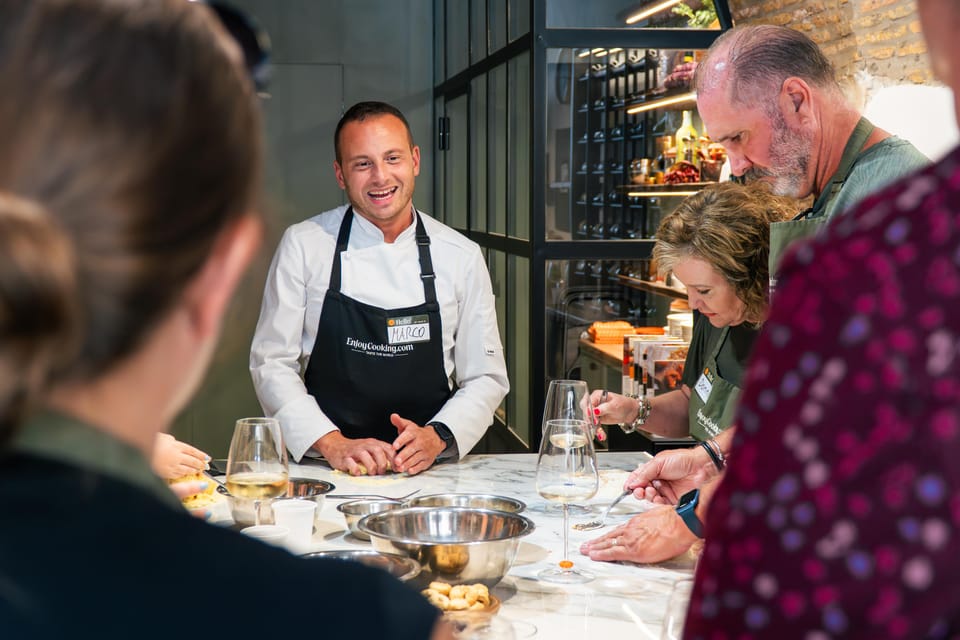
- Small group (max 10) means you get real personal attention, not a rushed demo.
- Two handmade pastas from scratch (one is ravioli-style) plus tiramisu from scratch.
- Free-flowing Italian wine during the class, and you may pour your own.
- English instruction with an instructor who keeps things clear and practical.
- You leave with a recipe book so you can repeat the dishes at home.
A 3-Hour Rome Dinner You Cook Yourself
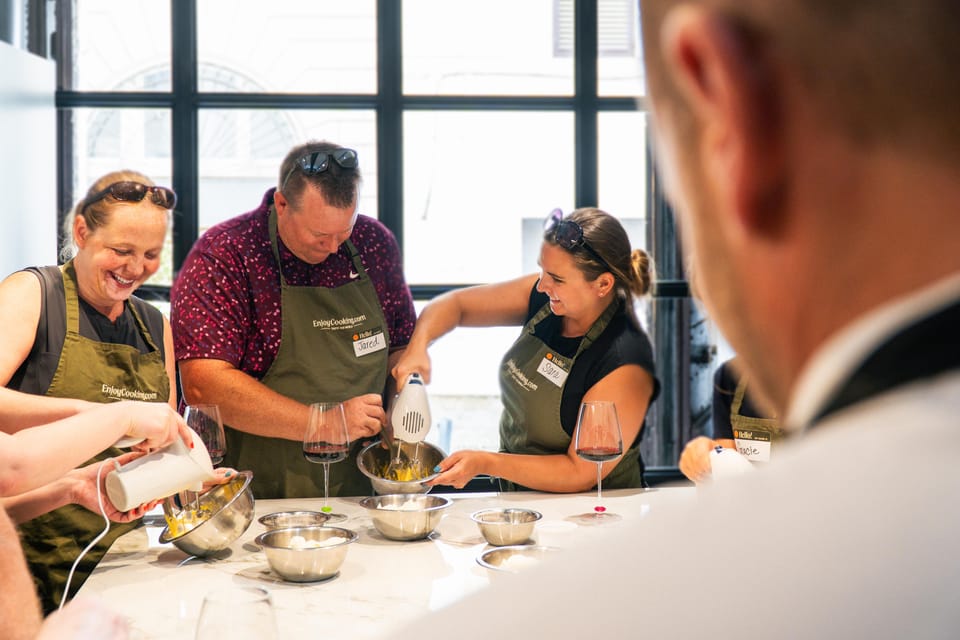
This is a 3-hour cooking class that basically gives you a full “work, eat, repeat” plan for an evening in Rome. You’ll make two types of handmade pasta from scratch, then finish with tiramisu, and you’ll sit down to eat what you created.
The reason I think this format works is simple: pasta and tiramisu aren’t the kind of foods you can truly learn from a quick tasting. You need time to mix, roll, shape, cook, assemble, and taste. In a single session, you go from raw ingredients to a plate you can actually recreate.
And because the class is limited to 10 people, you’re not lost in the back row. The chefs can correct your dough texture, remind you how to handle fillings, and talk through sauce decisions while you’re still in the process.
You can also read our reviews of more cooking classes in Rome

Where You’ll Meet and How to Plan Your Evening
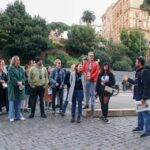
The meeting point can vary depending on the option you book, and you’ll return to that same meeting point at the end. Transportation isn’t included, so you’ll want to plan your route before you go.
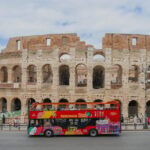
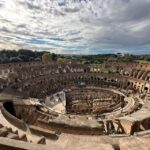
Since it’s called a Colosseum-area experience, it’s a good fit if you’re already planning an evening around that part of town. One practical approach: build this class into a night when you don’t need a second complicated reservation right after.
Also note the timing reality. The class includes a fixed schedule (you’ll see starting times when you check availability), and late arrivals aren’t guaranteed participation. If you’re the type who likes buffer time, you’ll feel calmer showing up early with time to settle in.
Handmade Pasta: Dough, Rolling, Filling, and Saucing
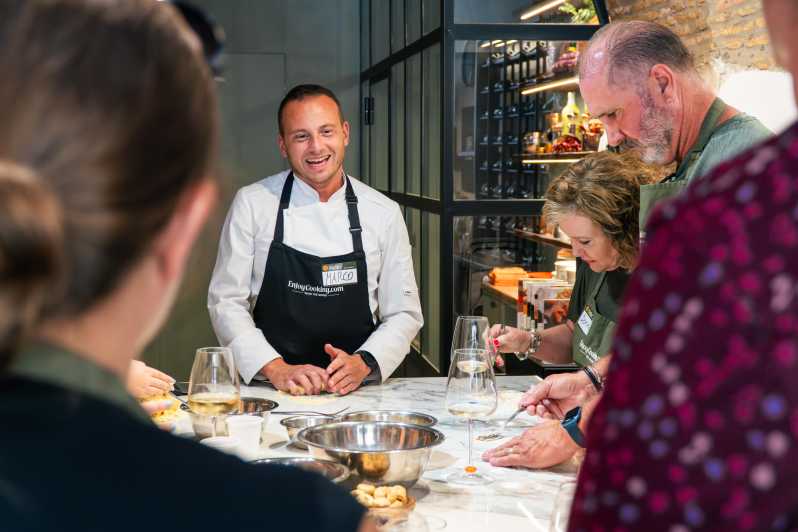
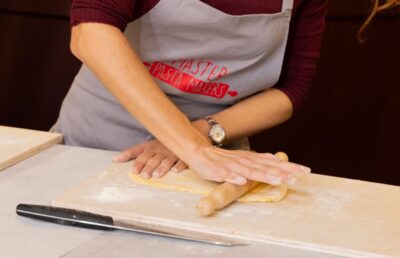
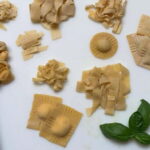
The pasta portion is the heart of this Rome cooking class. You start by making handmade pasta dough from scratch, then you learn how to roll it out and work with it so it’s workable for shaping.
From there, you’ll focus on creating ravioli by making a filling, portioning it, and shaping the pasta so it seals properly. You’ll also finish the dish with a sauce that matches what you made, so you’re not leaving the class with only technique and no final flavor plan.
What I like about this structure is that you learn the logic, not just the steps. Dough texture matters. Too dry and it cracks. Too wet and it sticks. Filling and sealing matter because ravioli either holds together or it doesn’t. And sauce matters because it’s how Italian cooking turns a simple base into something deeply satisfying.
You’ll also make a second type of handmade pasta (the class description keeps it general as two traditional pasta dishes). Either way, you’ll come away with the muscle memory for dough and shaping, not just a vague sense of how it’s done.
Tiramisu From Scratch: Building the Layers the Right Way
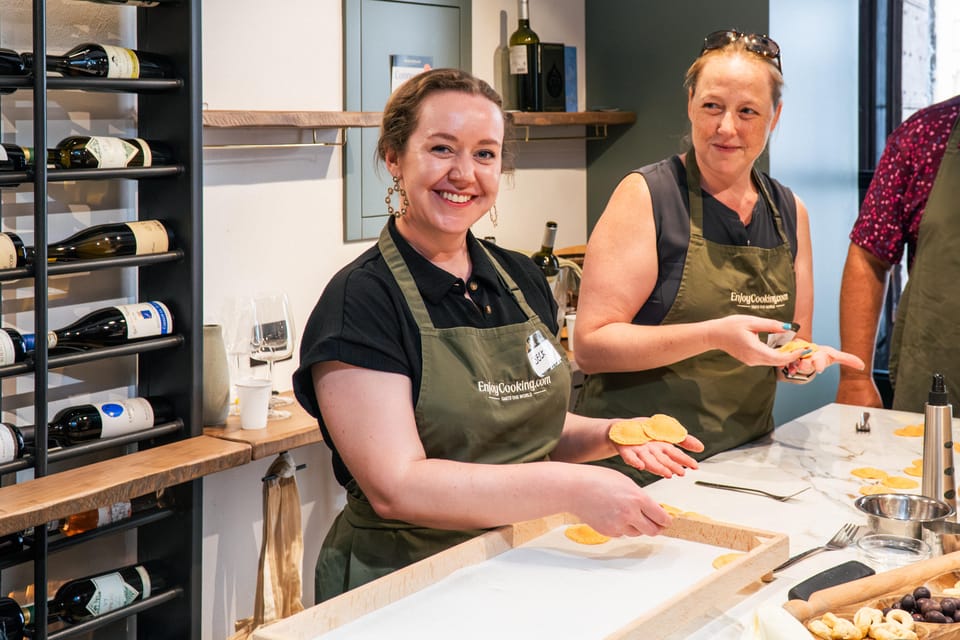
After pasta, the class shifts to dessert. You’ll learn to make tiramisu from scratch, with guidance on creating each creamy layer rather than relying on shortcuts.
Tiramisu sounds easy until you actually assemble it. The class timing matters here: you’ll mix components, learn how the layers come together, and then build the final structure so it sets properly enough to be eaten during the session.
This is also where the chef explanations tend to be most useful. You want to understand what the ingredients do (creaminess, balance, flavor) so you can adjust in your own kitchen later. A recipe you can repeat is the real prize.
And because the class ends with eating what you made, you get immediate feedback. You’ll taste your tiramisu and know what worked, which is far more helpful than reading instructions later.
The Chef Experience: English Instruction and a Real Teaching Pace
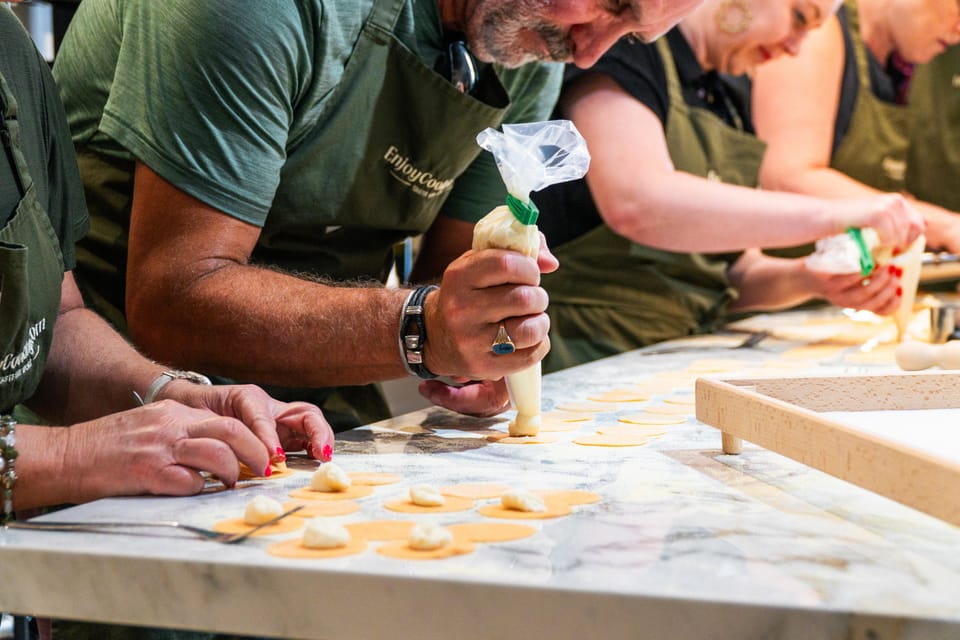
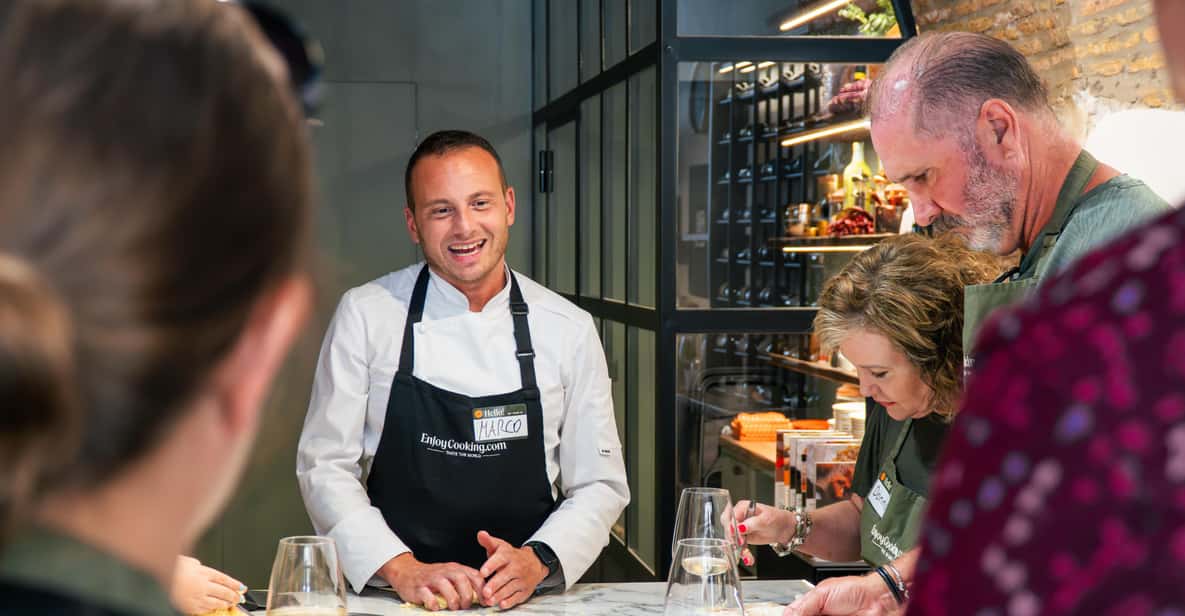
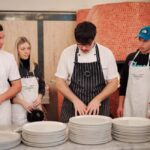
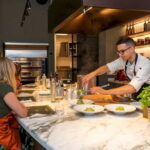
This cooking class is led by local chefs and taught in English. The teaching style is hands-on, so you aren’t passively watching a professional do everything. You’re doing the work while the chef helps you avoid the common mistakes.
The energy in the classroom often comes down to the instructor. From the experience stories tied to this class, names like Marco, Max, and Alex show up as the people leading sessions. The common thread is that the chefs keep things upbeat and make the techniques feel learnable, even if you’ve never made pasta before.
You also get a small-group advantage: if you’re confused about the dough or worried you’ve shaped something wrong, you’re more likely to get a quick fix while it still matters. That’s a big deal when you’re making ravioli and dessert layers that depend on timing.
You can also read our reviews of more tours and experiences in Rome

Wine, Food, and the Small-Group Rhythm
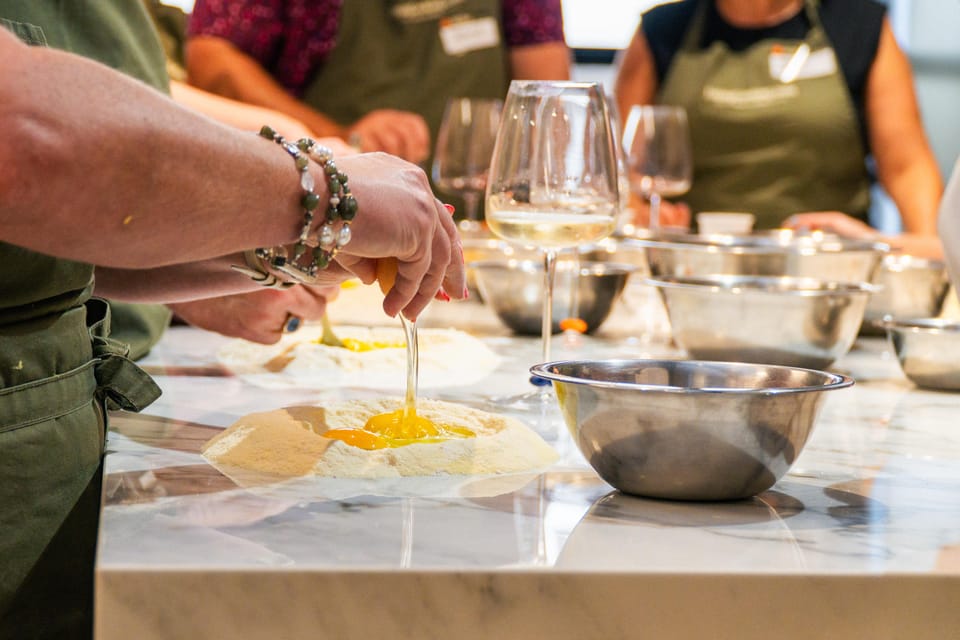
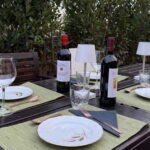
Italian wine is part of the package. The class includes free-flowing Italian wine, and some past sessions described wine being poured during the middle of the table setup and that you might pour yourself.
That detail matters because it changes the feel of the meal. Instead of wine being treated like a tiny add-on, it becomes part of the pacing—enough to loosen you up while you learn, without turning the class into a party that ignores technique.
If you want a more focused experience, just keep an eye on your pace. You’ll still be mixing and shaping food, and the best classes are the ones where you stay present.
Also, because the group is capped at 10, the table dynamics stay comfortable. You’re not shouting to be heard, and you can talk with the chefs and with each other while you wait for the next step.
What You’ll Eat at the End (and Why That’s the Point)
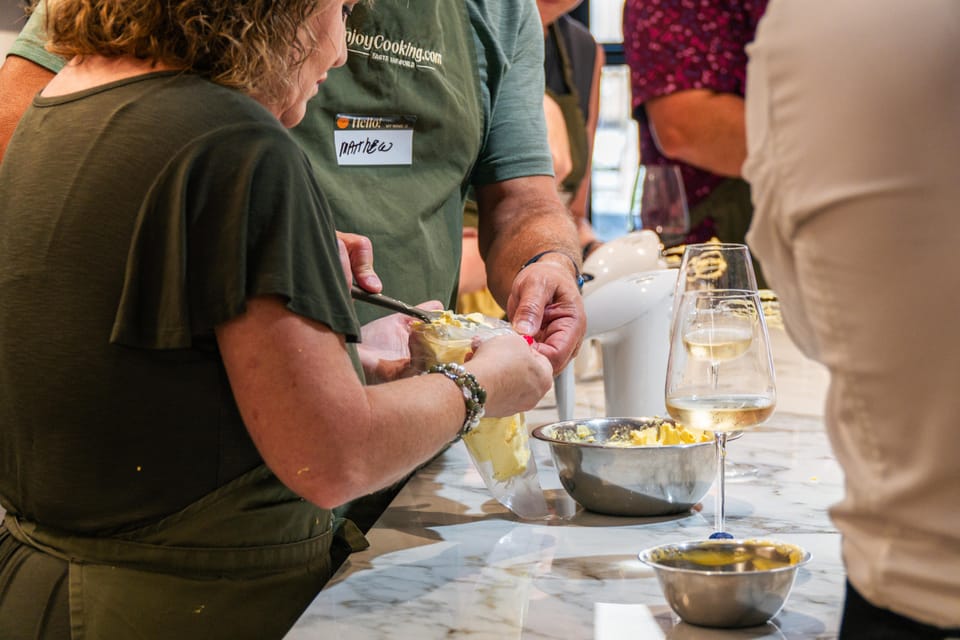
This class ends with eating the dishes you made. That sounds obvious, but it’s actually the difference between a cooking show and a cooking lesson.
When you taste your own pasta and your own tiramisu, the techniques click. You can connect dough thickness to how the ravioli holds up. You can connect sauce choice to how the dish finishes. You can connect tiramisu assembly to how the layers feel when you bite in.
And for many people, this is the highlight meal of the trip. You don’t have to chase a perfect restaurant reservation or wonder whether the food will match expectations. You know what you made, because you did it.
Recipe Book Take-Home Value: Cooking Beyond the Class
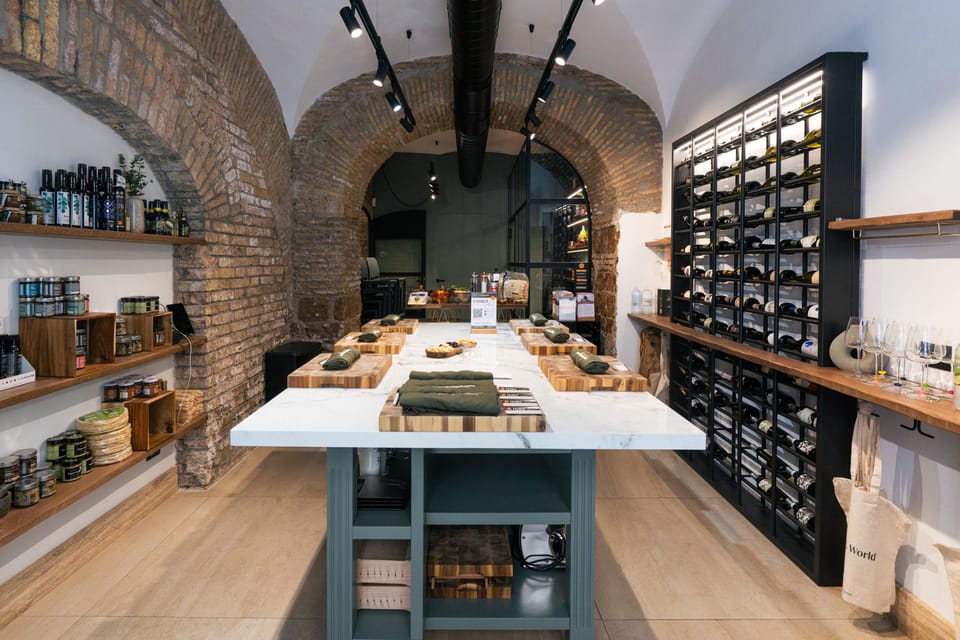
You get a recipe book to take home. That’s not a small perk. In cooking classes, the difference between a fun evening and real value is what you can repeat afterward.
The recipe book gives you a path to rebuild the dishes when you’re back in your own kitchen. Pasta making is technical, and tiramisu is detail-heavy. Having the same steps and ingredient direction again makes it much easier to practice without guessing.
If you’re the kind of person who wants to bring a skill home, this is a strong match. Even if you only make the sauce or one part again, you’ll still be able to “perform” an Italian meal with your own twist.
Price and Value: Is $112.15 Worth It in Rome?
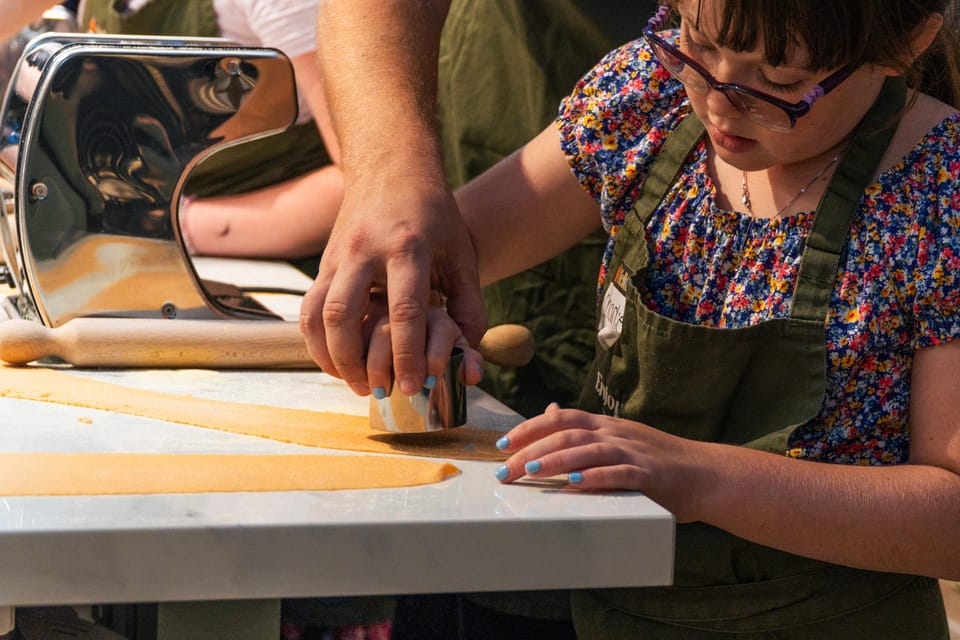
At $112.15 per person, this isn’t the cheapest way to eat in Rome. But it’s also not just a meal. You’re paying for a chef-led, small-group, ingredient-included workshop that ends with you eating what you made, plus free-flowing wine and a recipe book.
Here’s how I judge value for a class like this:
- You’re paying for expert guidance while you work hands-on, not just a demo.
- You’re paying for ingredients for two handmade pastas and tiramisu.
- You’re paying for time—three hours of real teaching.
- You’re paying for a small group, which reduces crowding and increases attention.
If your goal is to eat well and also learn a repeatable technique, it can feel like good value compared with paying for multiple meals and still lacking the skill.
If your main goal is simply to eat Italian food with wine, you might prefer a restaurant. But if you want a hands-on Rome memory tied to something you can reproduce at home, this price starts to make sense fast.
Who This Class Fits Best (and Who Should Think Twice)
This class is a strong option if you’re traveling solo, as well as couples or small groups. The small size helps you interact, and the format stays fun rather than stiff.
It also fits beginners who want to learn from step-by-step instruction. The teaching pace is designed for you to build the skills as you go, including rolling, cutting, filling, and finishing.
More experienced home cooks may enjoy it too, especially for technique checks—dough texture, filling consistency, and how the sauce ties it together.
One important caution: it’s not suitable for people with nut allergies, and you should report allergies or dietary restrictions immediately after booking. Even with requests, some restrictions like severe nut allergies and gluten-free diets may not be possible due to trace ingredients.
Practical Tips That Make the Class Feel Easier
A few common-sense moves will help you enjoy it more:
- Wear clothing appropriate for cooking. That usually means comfortable clothes you don’t mind getting a little flour on.
- Plan to arrive early so you don’t risk losing your spot.
- If you have allergies or dietary restrictions, send them right after booking so the team can review what’s feasible.
- Expect the class to run regardless of weather. So bring something appropriate for the season anyway.
Since the class is taught by English-speaking instructors, you’ll be able to ask questions without guessing what the chef means. That matters when you’re learning something physical like sealing ravioli or assembling tiramisu layers.
Should You Book This Rome Pasta, Ravioli, and Tiramisu Class?
Book it if you want a memorable Rome evening that blends real technique with good food and wine. If you like hands-on learning, or you’ve been craving a class where you leave with something you can make again at home, this is a great choice.
I’d think twice if you have nut allergies or need strict dietary accommodations that may be hard to manage in a shared kitchen. Also, if you dislike wine entirely, the free-flowing setup might not match your preferences, since wine is part of the class experience.
If you’re on the fence, use this test: would you rather spend three hours learning to make pasta and tiramisu, or spend the same time trying to find the perfect meal? If your answer is the first one, you’ll probably be glad you booked.
FAQ
How long is the Rome pasta and tiramisu cooking class?
The class lasts 3 hours.
What exactly will I learn to cook?
You’ll make two types of handmade pasta from scratch and a tiramisu (all with recipes included).
Is wine included?
Yes. The class includes free-flowing Italian wine.
How big is the group?
It’s a small group with a maximum of 10 participants.
Is the class taught in English?
Yes, instruction is in English.
Do I need to arrange transportation?
Transportation is not included, and the class ends back at the meeting point.
Where is the meeting point?
The meeting point can vary depending on the option you booked.
Will the class run in bad weather?
Yes. The activity proceeds regardless of weather conditions.
Is it suitable for nut allergies?
No. It’s not suitable for people with nut allergies. You should also inform the provider about any allergies or dietary restrictions right after booking, as some restrictions may not be possible.
Can I cancel for a refund?
Yes. You can cancel up to 24 hours in advance for a full refund.