REVIEW · COOKING CLASSES
Rome: Pizza and Tiramisu Cooking Class in Piazza Navona
Book on GetYourGuide →Operated by IPM COETUS SRL · Bookable on GetYourGuide
Pizza and tiramisu class in Rome feels like a cheat code. You trade museum lines for a real working kitchen right by Piazza Navona.
I especially like the hands-on flow: you roll out and top your own pizza, then bake it. And the tiramisu part is genuinely from scratch, not just assembly.
One thing to weigh: this class is not set up for everyone. No gluten-free or lactose-free options are available, and it’s not suitable for vegans or people with gluten intolerance or lactose intolerance. The room also can feel warm during cooking time, since at least one area may lack air conditioning.
In This Review
- Key Things That Make This Cooking Class Worth Your Time
- Pizza and Tiramisu Right by Piazza Navona’s Rhythm
- How the 2.5 Hours Unfold (And What You’ll Do During Each Part)
- Pizza first: dough prep lessons, then topping and baking
- Then tiramisu: build it from scratch
- Final sit-down: eat your creations with a drink
- Dough Reality Check: What You Knead vs What You Bake
- Pizza in Rome: Rolling, Topping, and Timing in a Real Oven
- Tiramisu Built Like a Skill, Not a Dessert Trick
- The Restaurant Experience: Small Group Energy and a Real Meal
- Price and Value: Is $68.33 a Good Deal?
- Who Should Book This Class (And Who Should Skip It)
- Booking Tips and Timing That Make the Class Go Smoothly
- Should You Book This Piazza Navona Cooking Class?
- FAQ
- Where does the class meet?
- How long is the pizza and tiramisu cooking class?
- Is the class in English?
- Is it a small group?
- Is wine or beer included?
- Are gluten-free or lactose-free options available?
- Is the class suitable for vegans?
- Are kids allowed?
Key Things That Make This Cooking Class Worth Your Time
- Prime location on Corsia Agonale near Piazza Navona, so you can stack it with sightseeing.
- Small group up to 10, which usually means you get more direct coaching while you’re working dough.
- Your own pizza at the end: roll, choose toppings, and slide into the oven.
- Tiramisu from scratch with step-by-step guidance so you leave with a new skill.
- A glass of wine or beer is included when you sit down to eat.
- Diet limits are real, including no gluten-free/lactose-free and not vegan-friendly.
Pizza and Tiramisu Right by Piazza Navona’s Rhythm
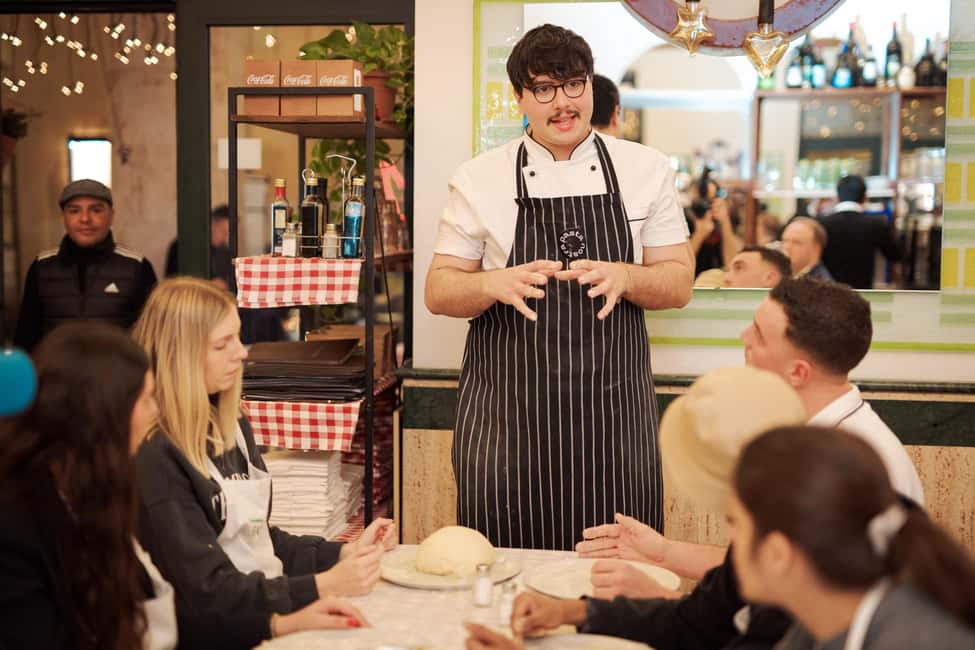
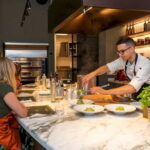
Rome’s best food moments often happen when you’re close to the action. This class is staged in a traditional restaurant on Corsia Agonale, right by Piazza Navona, so the timing fits naturally with an afternoon or evening of walking. You’re not commuting across town or hunting for a far-off neighborhood bus stop. You’re already in the historic center, and then you step into a kitchen.
The setting is also part of the appeal. The class takes place in one of the restaurant’s standout spaces, and the overall vibe stays social without turning into a loud show. You’ll meet other cooking people—some couples, some families (as long as everyone fits the age guidance), and plenty of solo travelers who want to do something practical instead of just ordering another plate.
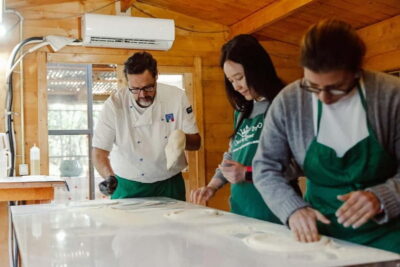
I like that the experience is built around doing, not watching. You’ll be standing at the counter, getting your hands messy, and learning what matters in pizza and tiramisu. If you’re the type who wants a souvenir you can actually use later, this is the kind of activity that gives you one.
You can also read our reviews of more cooking classes in Rome

How the 2.5 Hours Unfold (And What You’ll Do During Each Part)
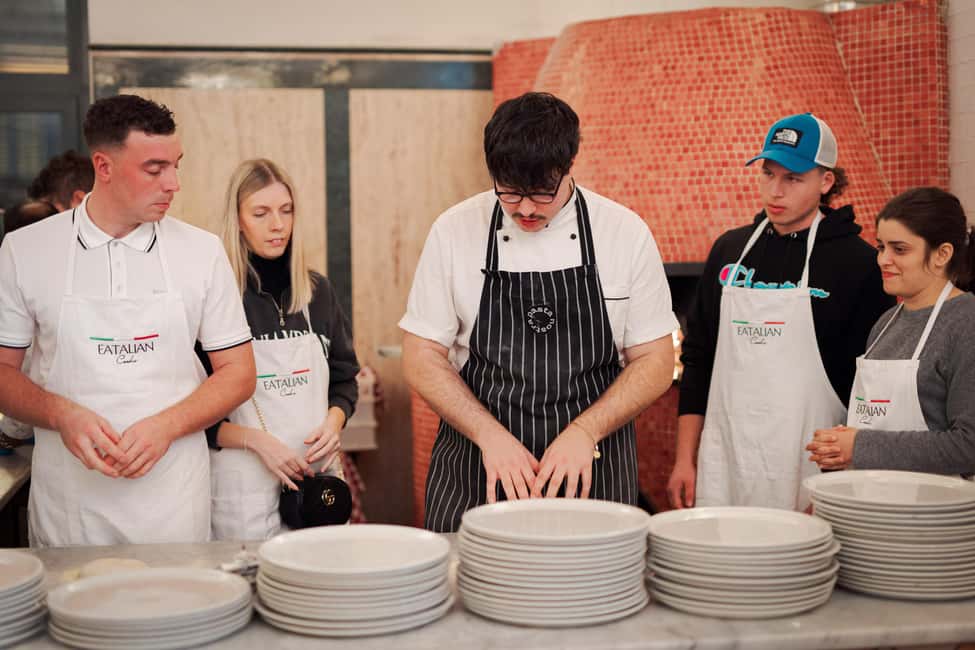
The class runs about 2.5 hours, and the structure keeps momentum. You’ll start with the pizza portion, then transition into tiramisu, and finish by eating what you made—served at the table like a real meal.
Here’s what you can expect at a practical level:
Pizza first: dough prep lessons, then topping and baking
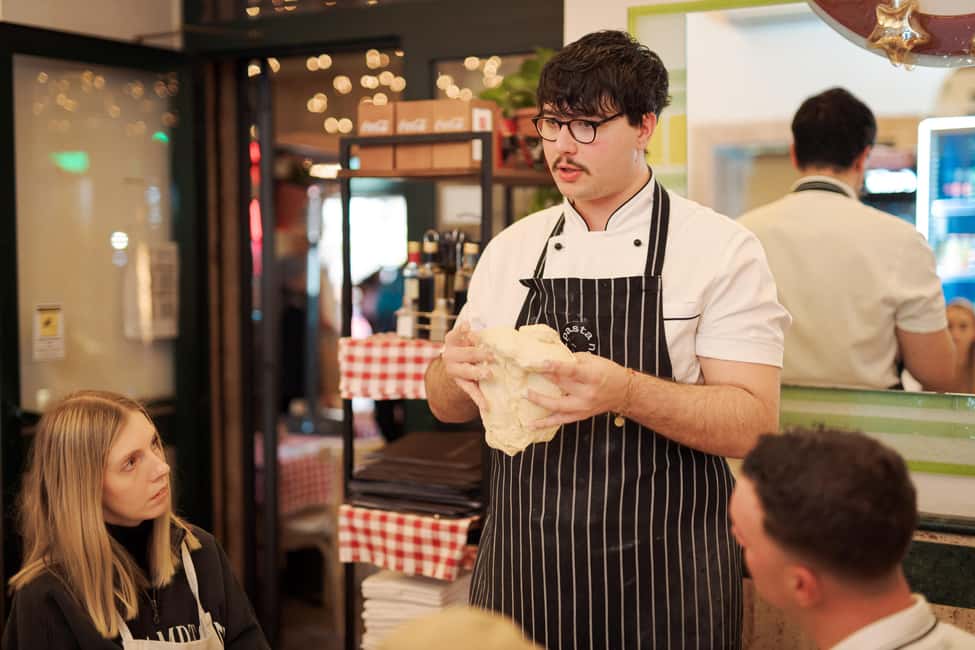
You’ll learn how pizza dough works from a professional perspective. You’ll also be involved in dough-making steps, but with an important twist: the dough you shape in class won’t be the exact dough used for your pizza. That’s because good pizza dough needs a long resting time, so the restaurant uses dough that’s already been rested properly.
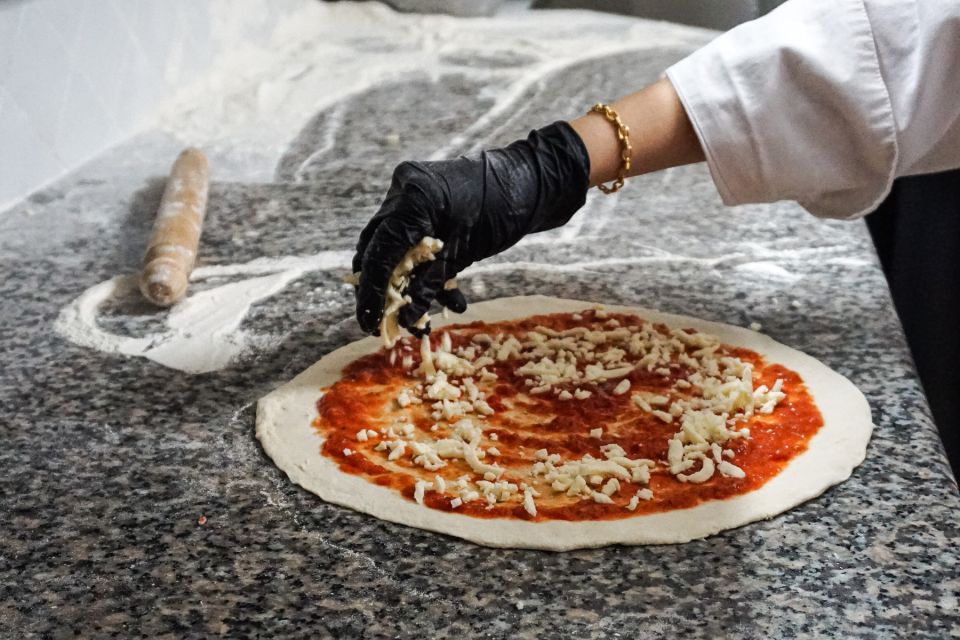
Still, you’re not left out of the fun. You’ll roll out the dough you’ll use, pick toppings, and then cook it in the oven. That sequence is key: it teaches you the feel of the dough and the decisions that affect the final result.
Then tiramisu: build it from scratch
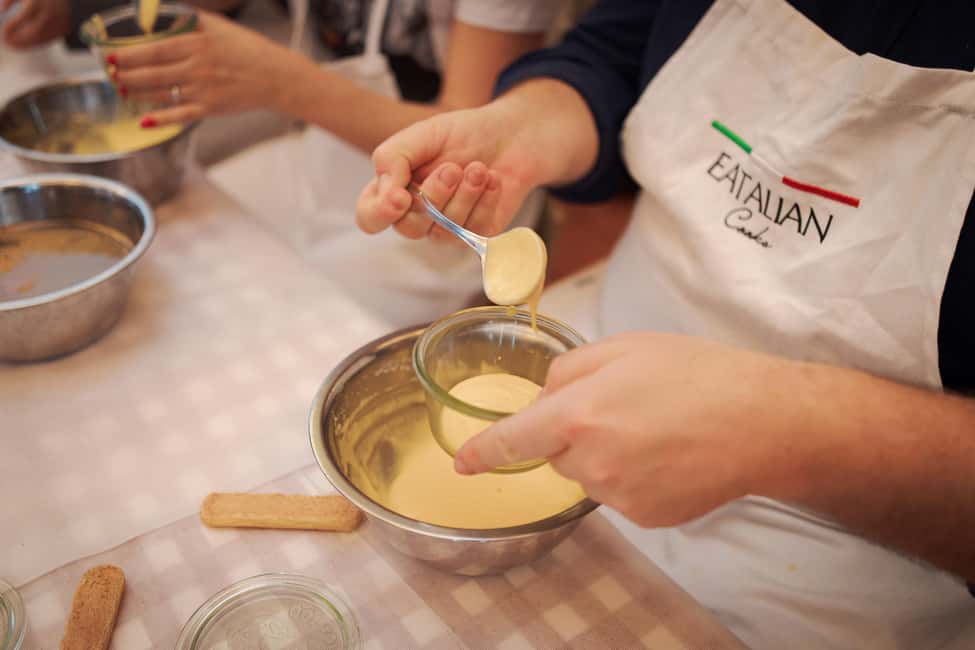
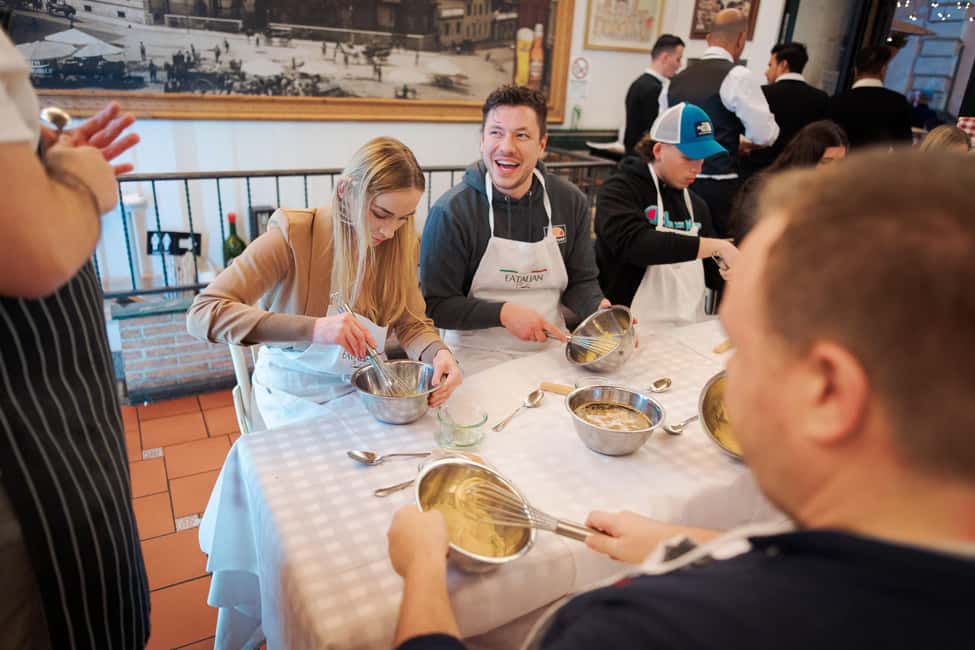
While the pizza dough is handled, the class shifts to tiramisu from scratch. You’ll work through the components and layering process rather than just receiving a pre-made dessert. It’s the kind of lesson that makes more sense when you see the timing in motion—when things should be mixed, when they should be handled lightly, and how the layers come together.
Final sit-down: eat your creations with a drink
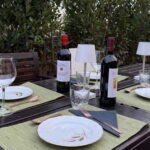
Once everything is ready, you sit down and eat. Waiters serve your dishes, and your meal includes a glass of wine or beer. It’s not a tiny tasting either. You’re leaving fed, with food that’s genuinely your work.
You can also read our reviews of more tours and experiences in Rome

Dough Reality Check: What You Knead vs What You Bake
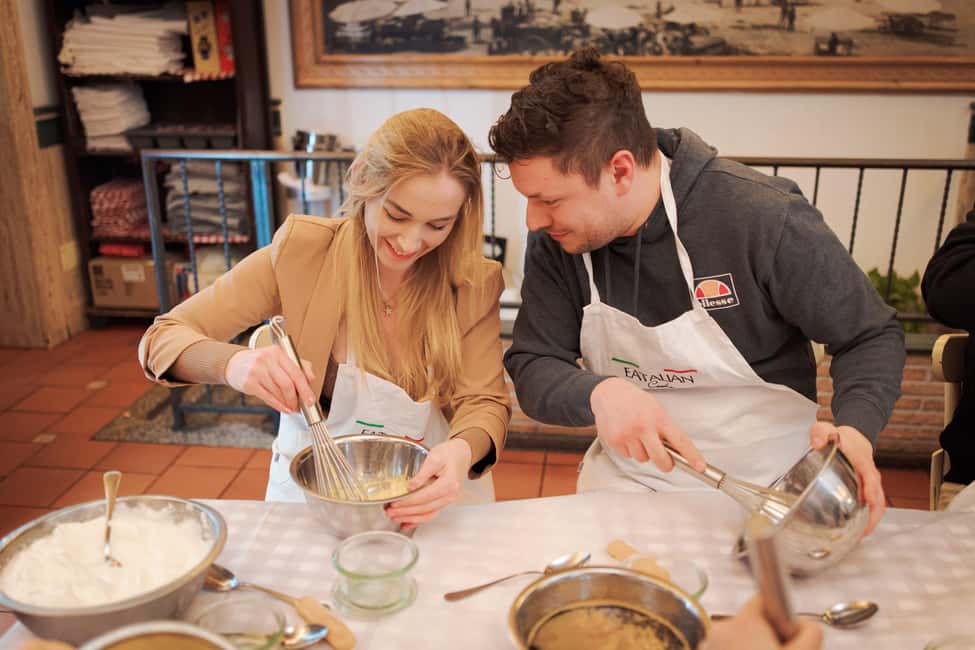
This class tells you something important up front: the best dough needs time. In most professional setups, dough rests so the gluten develops and the fermentation improves flavor and texture. The restaurant follows that reality, which means your class dough lesson is about technique, not about instantly baking the exact dough you mixed.
So what do you actually get out of the dough segment?
- You practice the movements and feel that matter—how dough responds to handling.
- You learn the logic behind why resting is not optional.
- You still get the payoff: you roll out and bake the pizza dough that’s been rested for the right texture.
I like this approach because it avoids a common cooking-class trick. Some classes pretend they taught you dough while quietly using prepared dough the whole time. Here, you still get to work dough with real guidance, then you get the full pizza result at the end.
Pizza in Rome: Rolling, Topping, and Timing in a Real Oven
Pizza classes can go one of two ways: you either do a little assembly and leave, or you learn what creates a good pizza. This one pushes you toward the second option.
You’ll choose toppings, roll out the dough, and then cook it. That matters because pizza is mostly about execution details:
- dough thickness and shape
- topping choices and distribution
- oven timing
Even if you’ve never stretched dough before, the coaching style helps. Many instructors are described as patient and funny, which is useful in a hands-on class—because dough forgives you less than you might hope. If you mess up a fold or stretch, you’ll still learn how to correct it, rather than watching someone else do it perfectly.
In the instructor lineup you might encounter, you may see names like Luca, Simone, Daniel, Mirko, Bea, Pea, Mary Ann, and Liza tied to different sessions. Chefs and hosts vary, but the common thread in the experience is clear: you get direct attention and step-by-step guidance.
Tiramisu Built Like a Skill, Not a Dessert Trick
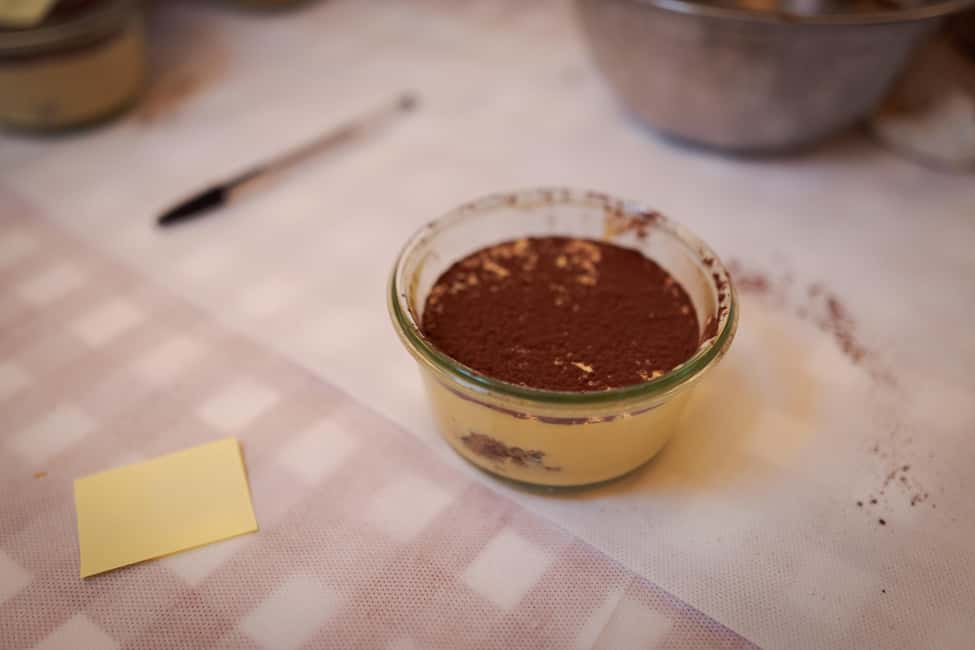
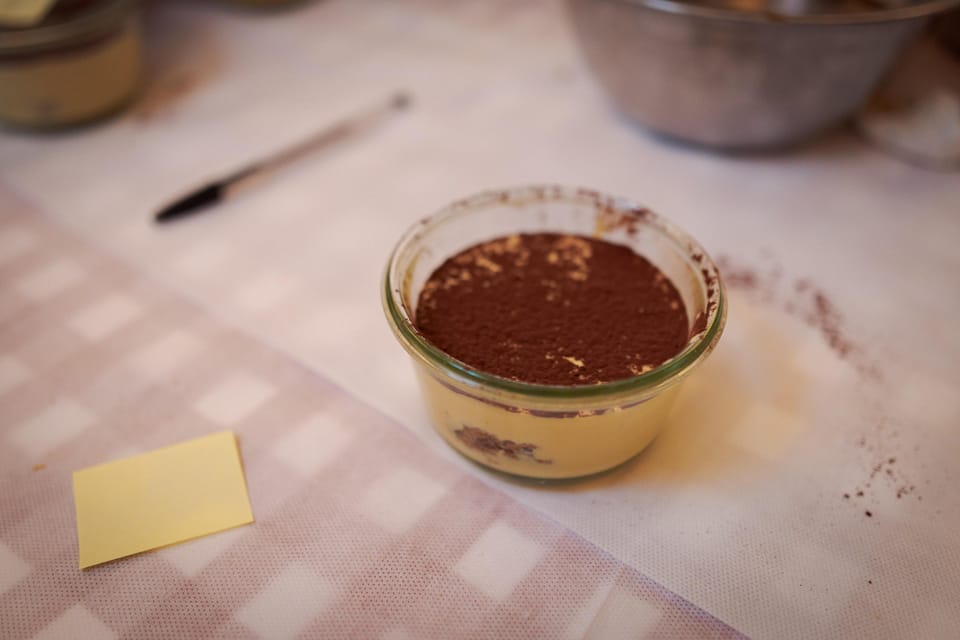
Tiramisu is one of those desserts that feels familiar until you try making it. The difference between good and great often comes down to technique and timing. That’s why a scratch-from-start class is so satisfying.
You’ll move through the process of making tiramisu rather than using a shortcut. The lesson is especially valuable if you’re the kind of person who likes to reproduce results later—because you’ll understand what changes texture, what affects the cream, and how the layers should be built.
Tiramisu tends to be a crowd-pleaser, and this class delivers that payoff at the end with your own creation. You’ll likely recognize it as one of the best parts of the meal once you sit down, especially if you’ve been eating gelato and coffee but never did the real thing.
The Restaurant Experience: Small Group Energy and a Real Meal
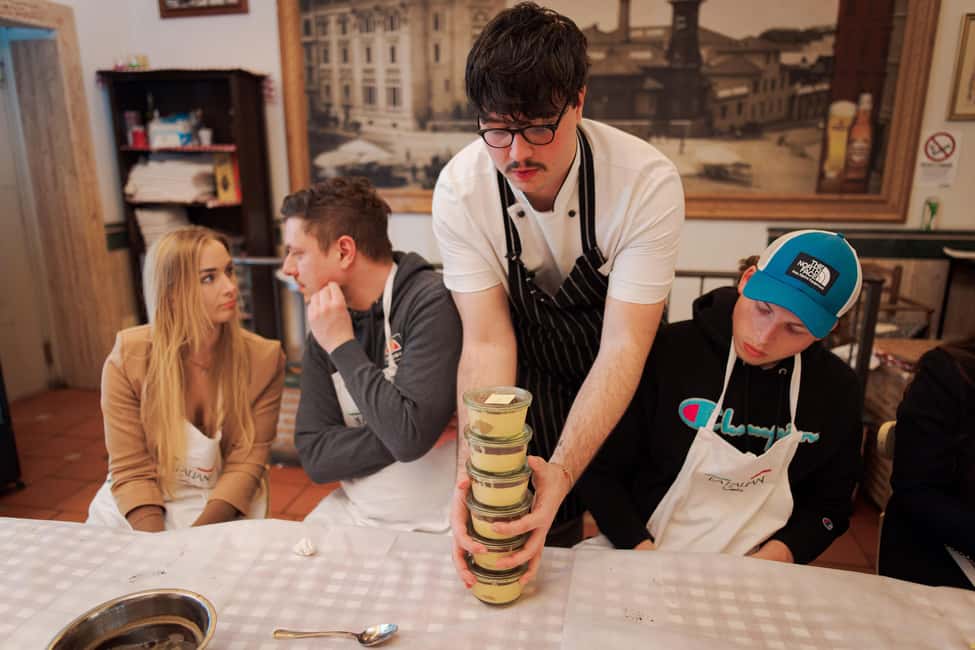
A small group makes this kind of class feel personal. With a limit around 10 participants, you’re not fighting for counter space or waiting too long for instructions. That’s where the class value shows up: the chef/host can correct your technique while you’re still in the middle of it.
It also helps that the setting is right on the main action near Piazza Navona. You can arrive, follow the flow, and then return to walking with a full stomach. Many people book a class like this as a change of pace from the typical Roman schedule of churches and lines. It’s a hands-on break that still feels like an authentic local experience.
And yes, the included drink helps. A glass of wine or beer at the table turns the end of class into a meal, not a food lab that you rush through.
Price and Value: Is $68.33 a Good Deal?
At around $68.33 per person for a roughly 2.5-hour class, you’re paying for three things:
1) a chef-led instruction format
2) hands-on pizza and dessert making (with an oven and real ingredients)
3) the fact that you eat what you make, with a drink included
For central Rome, that price isn’t random. If you were to do the equivalent as a guided experience—private lesson, ingredients, oven time, and then still sit down to a finished meal—it would usually cost more. Here, you’re getting a structured, guided outcome and a sit-down payoff.
Where the math gets even better is when you consider location. Being near Piazza Navona saves time and hassle. In Rome, time is money. Fewer logistics costs can make the class feel like better value even if the base price is not the cheapest dinner option.
The main “cost” isn’t money—it’s fit. If you need gluten-free or lactose-free, or you can’t eat ingredients used in tiramisu, you’ll want to skip this one since the operator lists no gluten-free/lactose-free options.
Who Should Book This Class (And Who Should Skip It)
This cooking class is a strong match if you want:
- a fun, interactive break from sightseeing
- a practical skill you can repeat later (pizza + tiramisu)
- a small group experience with direct coaching
- a convenient add-on near Piazza Navona
It’s also a good fit for families with kids old enough to participate comfortably. The operator lists it as not suitable for children under 7 years, so if your group includes younger kids, plan differently.
Skip it if you:
- need gluten-free or lactose-free alternatives (not available)
- need a vegan menu (not suitable)
- have dietary restrictions around diabetes (listed as not suitable)
- have mobility concerns, since it’s listed as not suitable for people with mobility impairments
Also note the comfort factor. One review mention pointed out there’s no air conditioning in part of the lesson area, so if you’re sensitive to heat, bring light layers and plan to sit where it’s cooler when you’re offered the meal area.
Booking Tips and Timing That Make the Class Go Smoothly
A few small moves will improve your experience:
- Arrive about 10 minutes early at Antica Trattoria Agonale and ask staff to guide you to the right spot.
- Wear shoes you can stand in for a short lesson. Cooking classes are practical, and you’ll be working at a counter.
- If you’re planning the rest of your Rome day, schedule it as a break between big sights. People often like this as a decompression stop because it turns the trip into something active and social.
If you’re traveling with a tight itinerary, the central location is a win. You’ll spend less time moving around and more time doing the activity.
Should You Book This Piazza Navona Cooking Class?
I’d book it if you want a hands-on Rome moment that’s not just food you order. The combination is persuasive: pizza you top and bake, tiramisu made from scratch, and a real sit-down meal with wine or beer included—all in the heart of the historic center.
Don’t book it if your group needs gluten-free or lactose-free food, or if you’re looking for vegan options. And if heat bothers you easily, plan for it since at least part of the lesson space may be warm.
If you fit the basic dietary and mobility limits, this is the kind of class that gives you a memorable evening and a skill you can actually carry home.
FAQ
Where does the class meet?
It starts at Antica Trattoria Agonale. When you arrive, ask the restaurant staff to guide you.
How long is the pizza and tiramisu cooking class?
The duration is 2.5 hours.
Is the class in English?
Yes, the instructor works in English.
Is it a small group?
Yes. The class is limited to 10 participants.
Is wine or beer included?
Yes. You get a complimentary glass of wine or beer with your meal.
Are gluten-free or lactose-free options available?
No. Gluten-free and lactose-free options are not available.
Is the class suitable for vegans?
No. It’s listed as not suitable for vegans.
Are kids allowed?
It’s not suitable for children under 7 years.