REVIEW · HISTORICAL TOURS
Historical and Spiritual Jorney in Papal Basilicas
Book on GetYourGuide →Operated by Mykhailo Hevko · Bookable on GetYourGuide
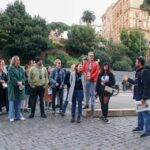
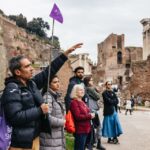
Papal basilicas, paced for real attention. With a small group of 2 to 6 and a guide like Mykhailo Hevko, you get clear explanations that connect theology, art, and the real-world history of Rome. It is the kind of day that helps faith feel specific, not vague.
I particularly like the individual pace—you are not pushed along with a crowd—and the guide answers questions as you go, not in a fog of generalities. One thing to keep in mind: this tour does not include skip-the-line access for St. Peter’s Basilica, so your timing can stretch if crowds are heavy.
You’ll walk in good-but-steady chunks, ride a bus between major points, and dress to enter sacred spaces: shoulders and knees covered, plus comfortable shoes. If you want a Jubilee-style Holy Doors feeling or a focused Roman-culture day with genuine spiritual context, this route is set up for it.
In This Review
- Key points worth knowing
- Why this papal basilicas day feels different in Rome
- The morning start at Via Ostiense: where your day really begins
- Stop 1: St. Paul Outside the Walls—calm setting, turbulent backstory
- The bus transfer: how the tour keeps momentum without chaos
- Stop 2: San Giovanni in Laterano—papal heart, political weight
- Scala Santa: the Holy Steps feeling, built into the day
- The walk to Santa Maria Maggiore: Italy by foot, Rome at street level
- Stop 3: Santa Maria Maggiore—Marian meaning meets major masterpieces
- The metro hop and the Vatican build-up
- St. Peter’s Square: orientation, then reverence
- Vatican Grottoes: a quieter chapter before the grand church
- St. Peter’s Basilica: the main event, with honest expectations
- What to wear so you do not lose time
- What you get for your money: is $90.63 a good deal?
- The most praised part: the guide’s speed and clarity
- Practical considerations that make or break the day
- Who should book this tour
- Should you book this papal basilicas pilgrimage?
- FAQ
- Which basilicas and sites are included?
- Can I skip the line for St. Peter’s Basilica?
- How long does the tour take?
- What is the group size?
- Where do we meet, and where does the tour end?
- What time does the tour start?
- What should I wear?
- Is Vatican Museums or the Sistine Chapel included?
- What languages is the guide available in?
Key points worth knowing
- Small group size (2 to 6): more conversation, less rushing, and easier questions as they come up
- Four major stops in one day: St. Paul Outside the Walls, Lateran, Santa Maria Maggiore, and St. Peter’s
- Scala Santa is included: a major spiritual site, built into the route rather than left optional
- Art and theology connect: Michelangelo, Bernini, Giotto are referenced in context while you see what you came for
- No skip-the-line for St. Peter’s: plan for waiting, especially at peak times
- You get guided Vatican Grottoes: plus a structured visit to St. Peter’s Square before entering
Why this papal basilicas day feels different in Rome
Rome can be two things at once: overwhelming and intimate. This tour tries to solve the overwhelmed part by controlling the group size and the rhythm. When you cap the party at 6, you can actually hear the guide, ask follow-ups, and notice details you would normally miss while orbiting a big tour bus crowd.
The second advantage is how the day is framed. You are not just looking at buildings. You’re stepping into a storyline: Christianity’s spread, papal authority, the way Rome collected power over centuries, and the spiritual ideas that survived through political chaos. You’ll also get a smart mix of historical, cultural, and theological context, so the art is not floating on its own wall.
The tradeoff is reality. You still have to deal with crowds at St. Peter’s, and this tour explicitly does not let you skip the line. If you hate waiting, bring patience—or be ready to treat the line as part of the experience, not a failure of planning.
You can also read our reviews of more historical tours in Rome

The morning start at Via Ostiense: where your day really begins
The meeting point is via Ostiense, 333, near the exit of the metro station Basilica San Paolo (Metro B). Practically speaking, this is good news if you are staying anywhere near the south-central side of Rome or if you prefer metro access over taxis.
Starting at 9:00 matters. You’ll be early enough to start St. Paul Outside the Walls before the day turns into peak sightseeing traffic. That early timing helps because the itinerary includes both moving parts (bus and metro) and a sacred-space flow (multiple guided entries).
Also note: the tour ends back at the meeting point. That makes your planning simpler for lunch afterward or an evening appointment.
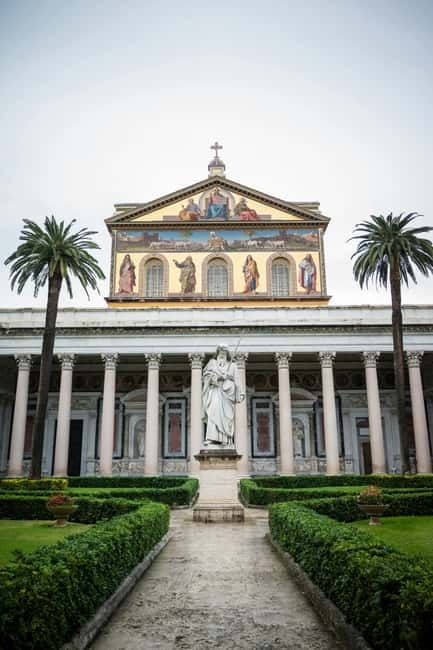
Stop 1: St. Paul Outside the Walls—calm setting, turbulent backstory
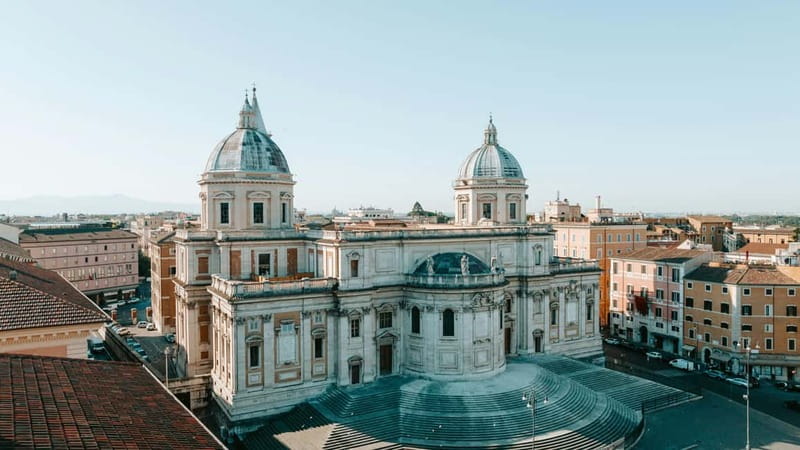
You begin at Basilica of St. Paul Outside the Walls. On the surface, it’s a quiet, meditative place to start. You are not sprinting in. You are settling your mind first.
But here is what the guide framework adds. St. Paul Outside the Walls has a history that is anything but calm—its story includes damage, rebuilding, and how faith endured through hard periods. The contrast is useful. It sets you up to see later sites with a sharper sense of continuity: what changed, what stayed, and why it mattered to the church community.
This stop also gives you the first taste of why “small group” matters. In a larger crowd, you get a quick glance. In a 2–6 person group, the guide can point out meaningful details and tie them to the bigger theme: how Roman religious power evolved without erasing earlier layers.
The bus transfer: how the tour keeps momentum without chaos
Between St. Paul and the next core site, you take a 30-minute bus/coach ride. This is not just logistics. It’s time that helps you avoid turning the day into an endurance test.
You also won’t be switching constantly between locations on foot. That matters when the itinerary later includes walking through Via Merulana and standing in key Vatican areas. In short: the pacing is built so you can keep attention, not just energy.
Stop 2: San Giovanni in Laterano—papal heart, political weight
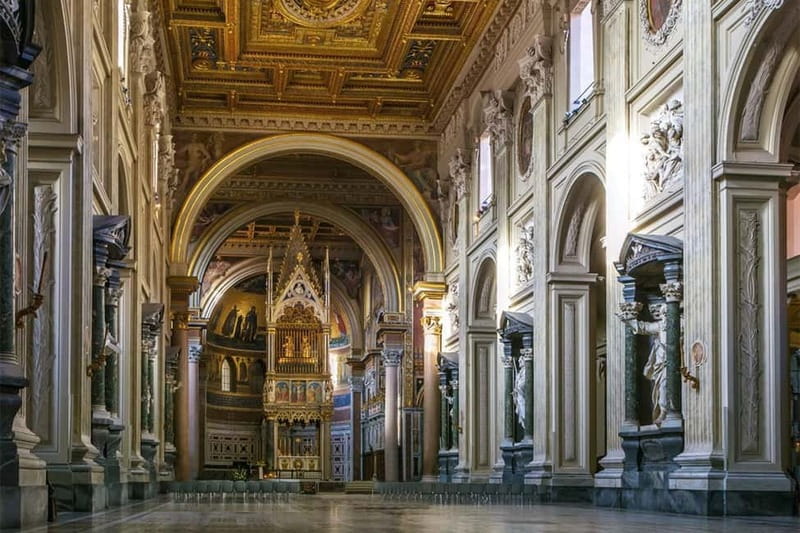
Next comes Basilica di San Giovanni in Laterano, guided for about 30 minutes. In terms of meaning, Lateran is often called the Catholic Church’s cathedral of sorts, tied to papal identity and the long arc of church leadership.
The practical value here is that the guide can connect your morning’s Rome-wide story to a specific power center. It also sets up what comes next, because right by Lateran is the Scala Santa.

Scala Santa: the Holy Steps feeling, built into the day
The Scala Santa sanctuary is included. This is one of those experiences where you get more out of it if you have context first—why people treat it as sacred, and how devotion works at the level of place and tradition, not just symbolism.
If your goal is Jubilee-style pilgrimage energy, Scala Santa is a strong anchor. It’s also a reminder that this day isn’t only about art and architecture. It has a spiritual practice component built in, and you can feel that shift in tempo after you leave Lateran.
The walk to Santa Maria Maggiore: Italy by foot, Rome at street level
After Lateran and Scala Santa, you walk roughly 20 minutes on foot through Via Merulana to reach Santa Maria Maggiore. This segment matters because it slows your perspective. You’re not only inside monuments. You’re moving through the city that made these monuments possible.
Stop 3: Santa Maria Maggiore—Marian meaning meets major masterpieces
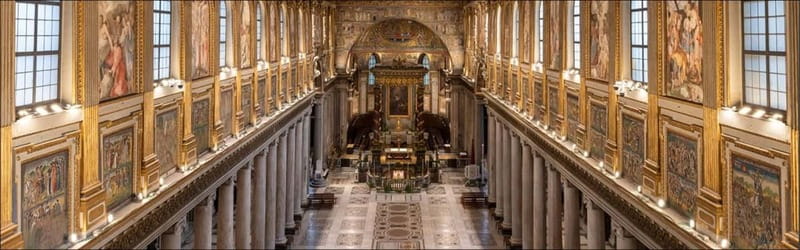
At Santa Maria Maggiore, you’ll get a guided visit. This is one of the oldest Marian churches in Rome, and the spiritual and cultural significance comes through in layers: devotion, community memory, and the way art supports prayer.
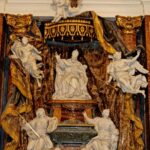
You’ll also encounter the artistic thread the tour promises—references and context for masterpieces associated with major figures like Michelangelo, Bernini, and Giotto. Even if you already know the names, you’ll likely appreciate how the guide connects those artists to the church’s goals and the era’s ideas.
One heads-up: certain nearby attractions and areas associated with basilicas may require separate tickets and could extend your time. The core visit is structured; extra add-ons are not automatically part of your plan.
If you want a breather, this is where many people enjoy lunch or snacks. The route explicitly allows time before you head into the Vatican zone again.
The metro hop and the Vatican build-up
After Santa Maria Maggiore, you take the metro/subway for about 20 minutes. Then you reach St. Peter’s Square for a guided visit of about 30 minutes.
This pacing is smart. Before you step into the basilica, you get oriented. You see the space first, then you enter. That order helps you understand why the Vatican is not just a building. It’s a designed experience meant to guide your perception and your sense of scale.
St. Peter’s Square: orientation, then reverence
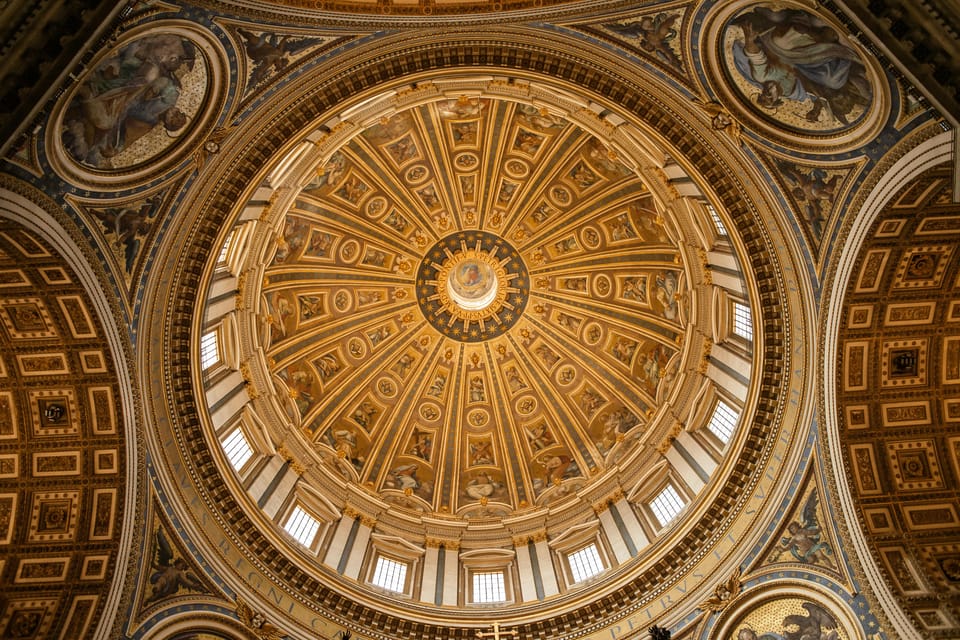
At St. Peter’s Square, your guide explains what you’re looking at and why it was shaped the way it was. This is where you can start spotting the artistry and the messaging—the geometry, the symbolism, and the way the square acts as a gathering point for spiritual life.
It also helps with timing. If you walk into the basilica with no orientation, the scale can feel disorienting. In this structure, you’re already grounded before the big entry.
Vatican Grottoes: a quieter chapter before the grand church
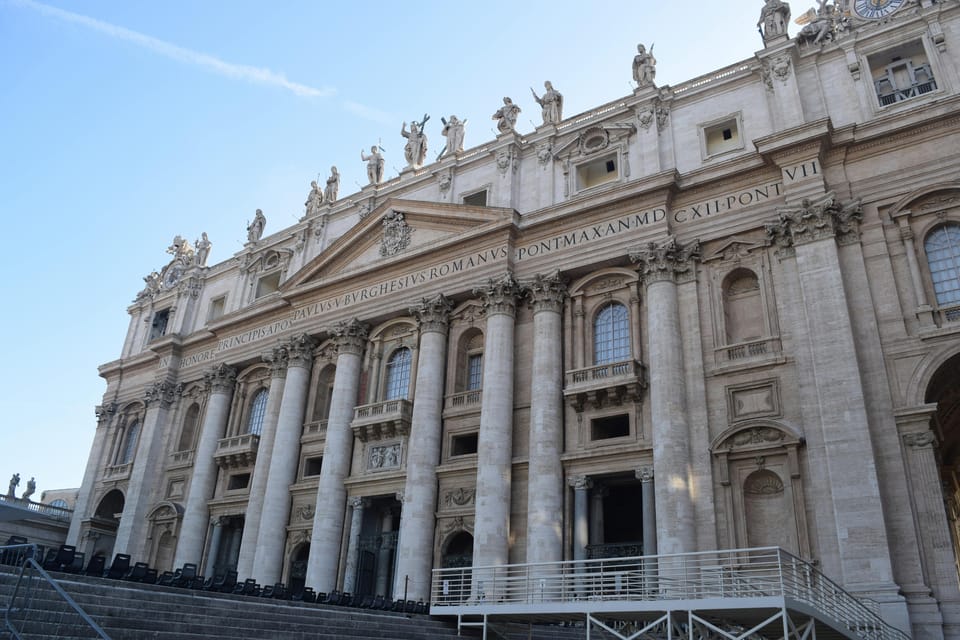
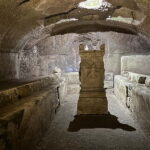
Next you visit the Vatican Grottoes with a guided stop of about 20 minutes. This is a calmer, more reflective segment. It’s a different kind of awe—less about height and decoration, more about sacred memory and how the church holds onto its identity over time.
From a travel-value standpoint, Grottoes are a strong inclusion because they deepen your understanding of the site beyond the main spectacle. If you are the type who wants the story under the story, this stop delivers.
St. Peter’s Basilica: the main event, with honest expectations
Finally, you enter St. Peter’s Basilica for about 40 minutes with a guide. This is the big one, and the structure of the visit matters. You’re not thrown in and told to figure it out. You get guided context while you’re inside.
The caution is simple and important: this tour does not offer skip-the-line entry. That means your total day length can be longer if waiting time rises. The duration is listed as 4–5 hours, and it can extend with long lines or if you add small optional stops for snacks.
What to wear so you do not lose time
Plan for the dress code: shoulders and knees must be covered. Wear comfortable shoes. You will walk enough that fashion-forward footwear can become a regret by midday. If you come from a humid morning, bring a layer you can keep on without overheating.
What you get for your money: is $90.63 a good deal?
At $90.63 per person, you are paying for three things:
- expert guidance across multiple sites (not just one)
- transportation between key points (bus tickets included)
- access to the set spiritual components on the route (including Scala Santa)
This price is easiest to justify if you like your Rome days structured and explained. If you are a solo traveler who enjoys self-guided wandering, you might feel you could spend less. But if you want the connections—how theology, art, and Roman power interact—this tour avoids the common problem of seeing great churches without understanding why they look the way they do.
Also, the small group size is part of the value. A 2–6 person format often means you get more attention per minute. In a large group, you might get facts. In a small group, you get answers.
The most praised part: the guide’s speed and clarity
The consistent high point here is the guide’s ability to handle questions and keep information flowing. Mykhailo Hevko is highlighted for being prompt to answer history questions and for having deep knowledge of Rome, with a style that feels enthusiastic rather than rehearsed.
That matters for you because the basilicas are dense. When you can ask why a detail matters and get a clear response, the whole day clicks. Even if you start the morning with only a basic sense of what you want to see, the guide’s approach helps you build a mental map fast.
Practical considerations that make or break the day
A few things can affect your experience more than the brochure version:
- Expect walking plus sacred-space rules. Comfortable shoes are not optional.
- Lines are part of Vatican reality. Since there is no skip-the-line, build in patience.
- Extra museums are not included. Some adjacent areas near basilicas may require separate tickets. If you add them, the tour likely runs longer.
- Food is on you. Costs for eating and drinking are not included, though you can take lunch/snack time during the day.
Who should book this tour
This tour is a great fit if you:
- want a single-day route that hits the major papal basilicas
- care about how art, faith, and history connect
- prefer small-group attention and two-way conversation
- enjoy guided time in both big spectacle spaces and quieter sacred sites like the grottoes
It might not be your best choice if you:
- strongly dislike waiting in queues (St. Peter’s can be crowded)
- want a long free-roam day with minimal structure
- are hoping for Vatican Museums and the Sistine Chapel as part of the base plan (they are not included)
Should you book this papal basilicas pilgrimage?
If your ideal Rome day has a spiritual tone and a historical backbone, book it. The route is efficient, the group size keeps things human, and the guide focus on questions makes the experience feel personal. You are also getting a thoughtful mix: St. Paul to start with reflection, Lateran and Scala Santa for devotion, Santa Maria Maggiore for Marian meaning, and the Vatican for the final crescendo.
Just go in with one clear expectation: St. Peter’s is first-class crowds, and you will not magically bypass them. If you can handle waiting without stress, this is a high-value way to see some of Rome’s most significant religious landmarks in one pass.
FAQ
Which basilicas and sites are included?
You’ll visit three Pontifical Basilicas, plus the Scala Santa sanctuary and a guided stop in Vatican Grottoes. Lateran Baptistery is listed as optional.
Can I skip the line for St. Peter’s Basilica?
No. This tour does not provide skip-the-line entrance for St. Peter’s Basilica or any other site.
How long does the tour take?
The duration is listed as 4–5 hours, including transportation and waiting time for entry into St. Peter’s Basilica. It can be longer if the line is long or if you add snack breaks.
What is the group size?
It’s a small group limited to 6 participants, with a range described as taking 2 to 6 people.
Where do we meet, and where does the tour end?
You meet at via Ostiense, 333 near the exit of Basilica San Paolo metro station (Metro B). The tour ends back at the meeting point.
What time does the tour start?
The start time is 9:00.
What should I wear?
Wear comfortable shoes and clothes that cover your shoulders and knees.
Is Vatican Museums or the Sistine Chapel included?
No. Vatican Museums and the Sistine Chapel are not included.
What languages is the guide available in?
The live guide is available in English, Italian, and Ukrainian.