REVIEW · HISTORICAL TOURS
Highlights of Rome: Historical Center Walking Tour
Book on GetYourGuide →Operated by Tour in the City - Travel Agency Rome - · Bookable on GetYourGuide
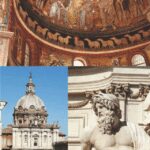
Rome hits different when it’s walked, not driven. This private 3-hour route strings together Baroque and Renaissance squares and fountains, from the Spanish Steps area all the way through major stops like Trevi Fountain and the Pantheon, plus the kind of side connections that help Rome make sense on foot.
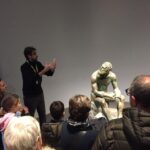
I like two things most. First, the guide style is sharp and story-led, with explanations that feel specific (and the guide is typically punctual). Second, you get a pace that works for mixed groups, including families, because it’s designed as a walking conversation rather than a sprint between photo stops. One thing to consider: you should be ready for a moderate amount of walking on city streets, so comfortable shoes matter.
In This Review
- Key highlights worth your time
- Baroque-and-Renaissance Rome, with a guide who brings it to life
- Start in the heart of the action: Piazza della Trinità dei Monti
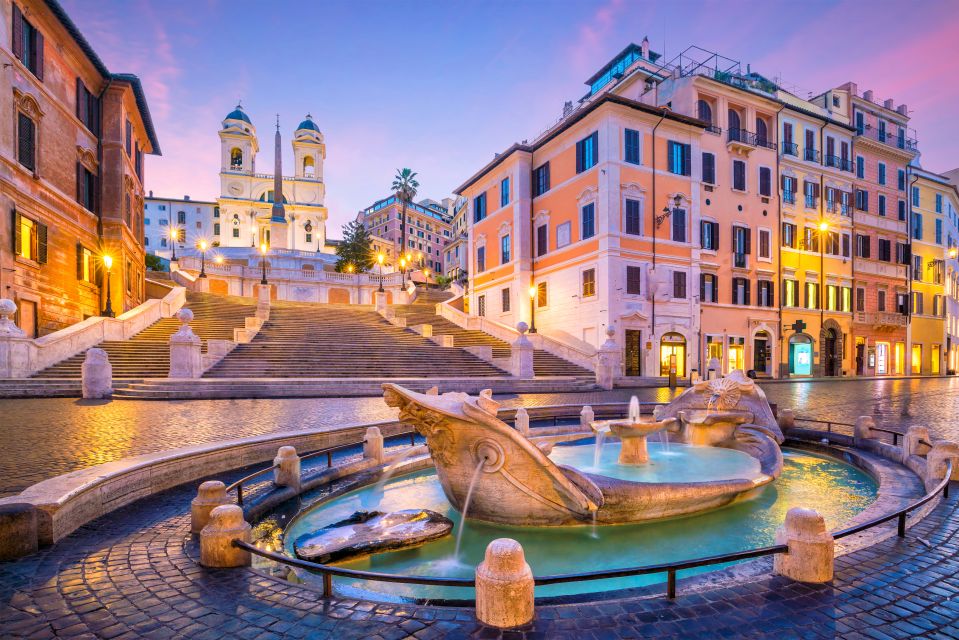
- Spanish Steps and the Barcaccia Fountain: the classic entrance to the story
- Trevi Fountain: famous, yes, but more rewarding with the why
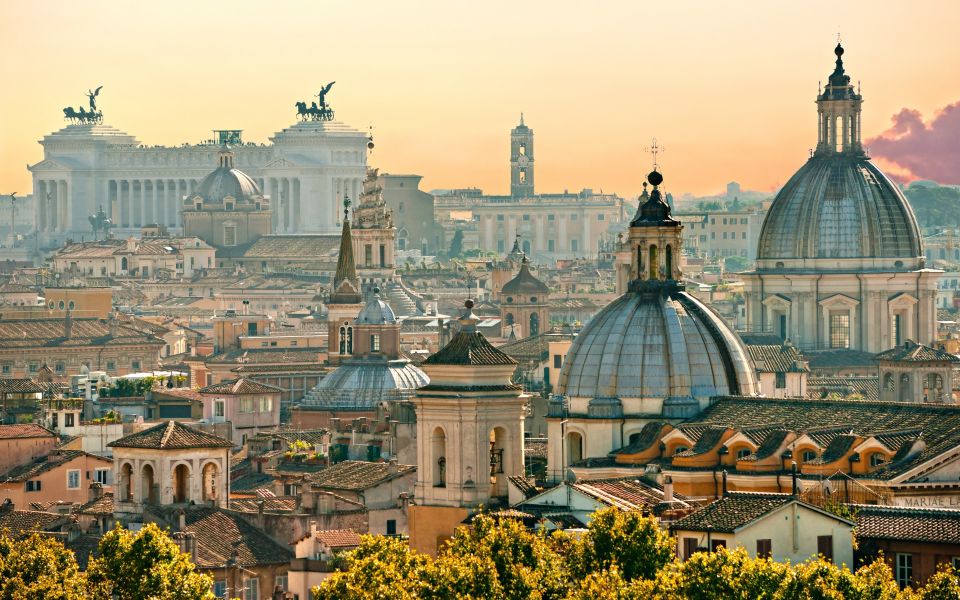
- Piazza Colonna and the Temple of Hadrian: Roman greatness outside the selfie lane
- The Pantheon: when you see the dome, you’ll feel why people still talk about it
- Piazza Navona and the Fountain of the Four Rivers: Baroque theater at street level
- Campo de’ Fiori: the market square vibe, even if you’re not shopping
- Julius Caesar’s assassination area: Area Sacra di Largo di Torre Argentina
- Tiber-side scenery: Ponte Sant’Angelo and Castel Sant’Angelo
- St. Peter’s Basilica area: what’s included, and what to not expect
- Vittoriano and the unification theme: a different kind of Rome
- Price and value: what $141.61 gets you in a private 3-hour walk
- Practical tips that make the day smoother
- Who should book this tour
- Should you book this Highlights of Rome Historical Center Walking Tour?
- FAQ
- How long is the Highlights of Rome Historical Center Walking Tour?
- Where do I meet the guide?
- Is this a private tour?
- Are entrance fees included?
- Is skip-the-line entrance included?
- What parts of St. Peter’s are included, and what is not?
Key highlights worth your time
- Private pacing: a true walking tour where you can keep up without feeling rushed.
- Clear, well-told explanations: you’ll get focused stories and specific details rather than generic facts.
- Big-name sights with context: Spanish Steps, Trevi Fountain, Pantheon, and Piazza Navona are explained in a way that sticks.
- Worth-the-effort stops: you also hit places like Piazza Colonna and the Temple of Hadrian that many people skip.
- Audio support in St. Peter’s Basilica area: you’re provided a multi-language audio guide plus a paper map.
- Entrance fees are handled: this helps the tour feel smoother and more predictable price-wise.
Baroque-and-Renaissance Rome, with a guide who brings it to life
This tour is built around one simple idea: Rome’s best-known sights are way more enjoyable when you understand what you’re looking at. You’re not just collecting landmarks. You’re walking from one visual “chapter” to the next, watching how styles and ideas shift across centuries.
The walk is described as covering Baroque and Renaissance squares and fountains, but what you’ll feel on the ground is more practical than academic. A Baroque square isn’t just pretty. It’s made to direct your eyes. A fountain isn’t just a postcard. It’s part of a bigger story about power, religion, and city identity. With a guide, you also learn where to stand for the best angle and what details to notice while everyone else is only snapping quick photos.
Because it’s private, you also get a human rhythm to the day. If your group includes kids, older adults, or anyone who likes to pause, this tour is set up to handle that. You’re still walking on sidewalks and across plazas, but the goal is to keep the group comfortable and moving at a pace that doesn’t turn it into a chore.
You can also read our reviews of more walking tours in Rome
Start in the heart of the action: Piazza della Trinità dei Monti
You begin at Piazza della Trinità dei Monti, next to the obelisk in the middle of the square. That’s a smart start point because it puts you close to the Spanish Steps atmosphere, without forcing you into the busiest congestion immediately from the first minute.
From there, the route works in photo-friendly segments and short guided stops. One of the early touches is the Santissima Trinità dei Monti area, where you get scenic views along the way. It’s the kind of opening that helps you get your bearings fast and mentally map where everything will be later.
Practical tip: in Rome, streets and sidewalks can feel slightly chaotic, even when you’re doing the “right” thing. Starting at a clear landmark with a signboard helps a lot, especially if your group is arriving from different directions.
Spanish Steps and the Barcaccia Fountain: the classic entrance to the story
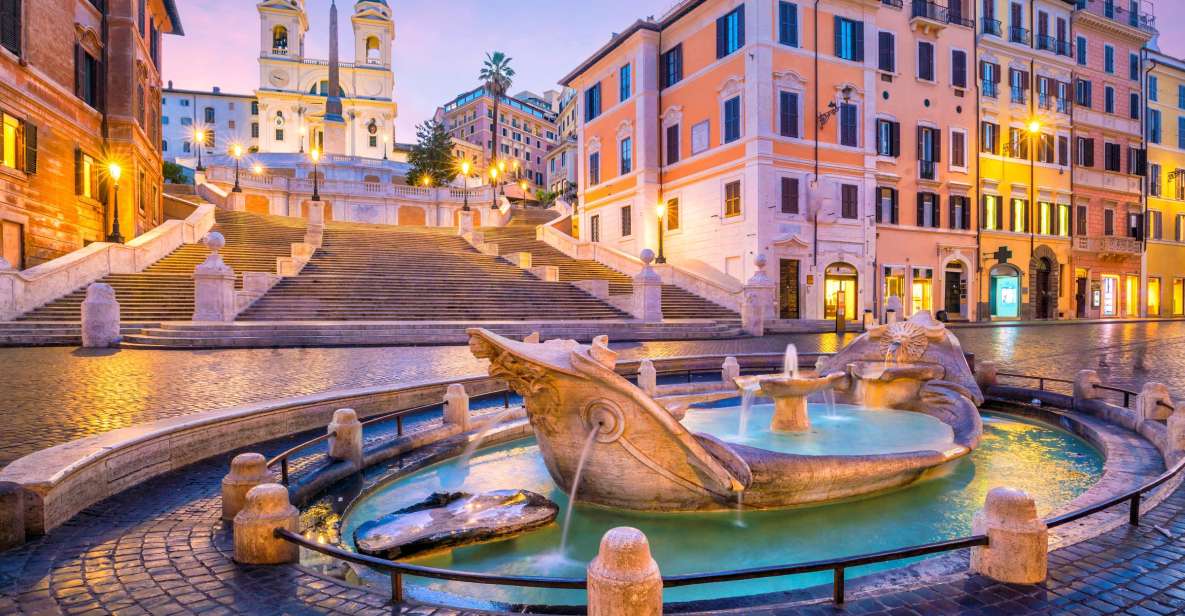
The Spanish Steps are a must for any first visit, but the value here is that you’re not only looking. You’re learning what makes this whole staircase-and-plaza setting work visually.
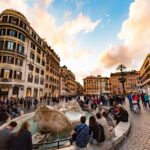
The tour begins specifically next to the Barcaccia Fountain in the middle of the square. That positioning matters. It frames the Spanish Steps as part of a designed scene, not just a monument. You’ll also have time for photo stops and guided sightseeing as you move through the area, so you don’t feel like you’re rushing just to say you were there.
Drawback to plan for: this area can get crowded. Even with a guide, you’ll feel the pulse of Rome in the middle of the day. If your group is sensitive to tight spaces, consider wearing clothes you don’t mind adjusting and bringing your best patience for peak foot traffic.
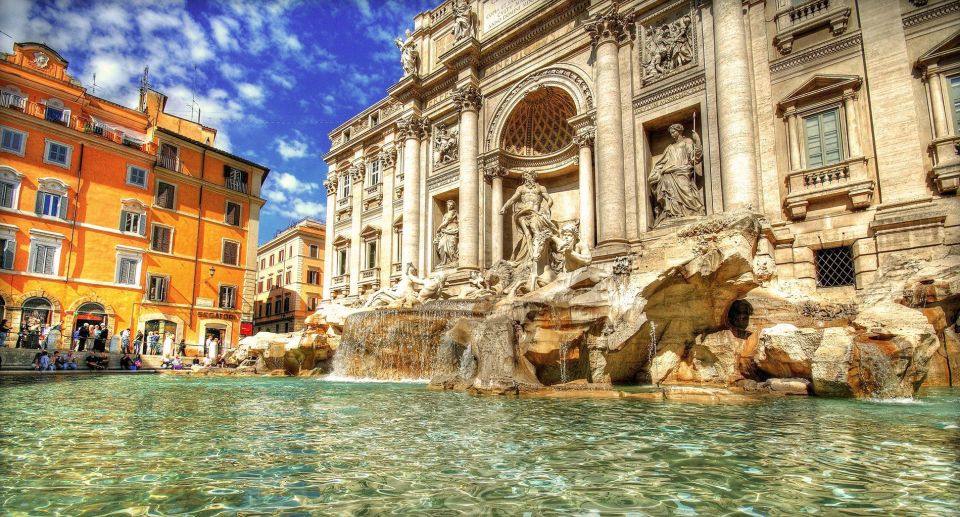
Trevi Fountain: famous, yes, but more rewarding with the why
Trevi Fountain is the kind of place people know already from photos. So the risk is that it becomes a quick stop, done in minutes and forgotten. The way this tour is structured fights that problem.
You’ll spend time at Trevi and get guided context beyond the obvious beauty. You’ll hear what’s behind the fountain and why it’s regarded as one of the most stunning in the world. The guide also helps you interpret details, so the fountain reads like art you can “understand,” not just something you stood in front of.
Photo tip that actually helps: don’t only aim for the postcard shot from one spot. The guide will point out where you’ll see more of the whole composition and where your eyes will naturally land on the main elements.
Piazza Colonna and the Temple of Hadrian: Roman greatness outside the selfie lane
A strong tour doesn’t only chase the loudest names. This one adds stops that reward people who like architecture and city layers.
You’ll visit Piazza Colonna and the Temple of Hadrian. These are excellent “breather” moments because they give you variety. Instead of being trapped in a fountain-and-crowd loop, you get an opportunity to slow down and look at structure and form.
The Temple of Hadrian in particular is a great example of why a guided walk is worth it. Roman ruins and classical remnants can feel mysterious when you’re guessing what you’re looking at. With a guide’s explanation, you start recognizing design choices that connect the modern street scene to Rome’s older urban life.
You can also read our reviews of more historical tours in Rome



The Pantheon: when you see the dome, you’ll feel why people still talk about it
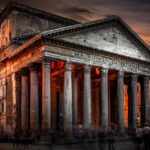
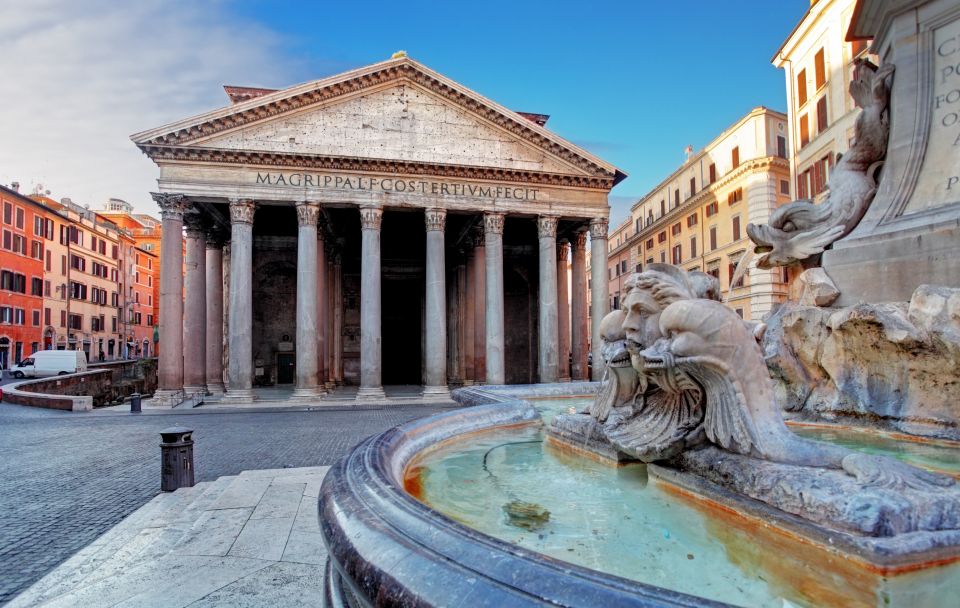
The Pantheon is a hard stop to do poorly. Even if you’ve only seen it from a distance, the sheer scale is visible fast. This tour sets you up to appreciate it beyond the wow-factor.
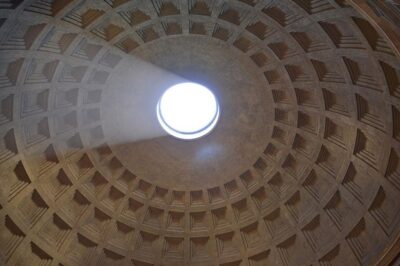
You’ll spend time at the Pantheon, and the guide explains its significance as a temple to all the gods of Olympus. You’ll also learn about the dome and that it’s the largest in the world, built in ancient times. That detail turns a big visual into a real engineering story.
One consideration: the Pantheon area can be busy. Entrance is handled because entrance fees are included, but the space itself can still mean waiting or slow movement. If you’re traveling with kids or someone with limited endurance, build in the idea that you might need short pauses and patient spacing around other groups.
Piazza Navona and the Fountain of the Four Rivers: Baroque theater at street level
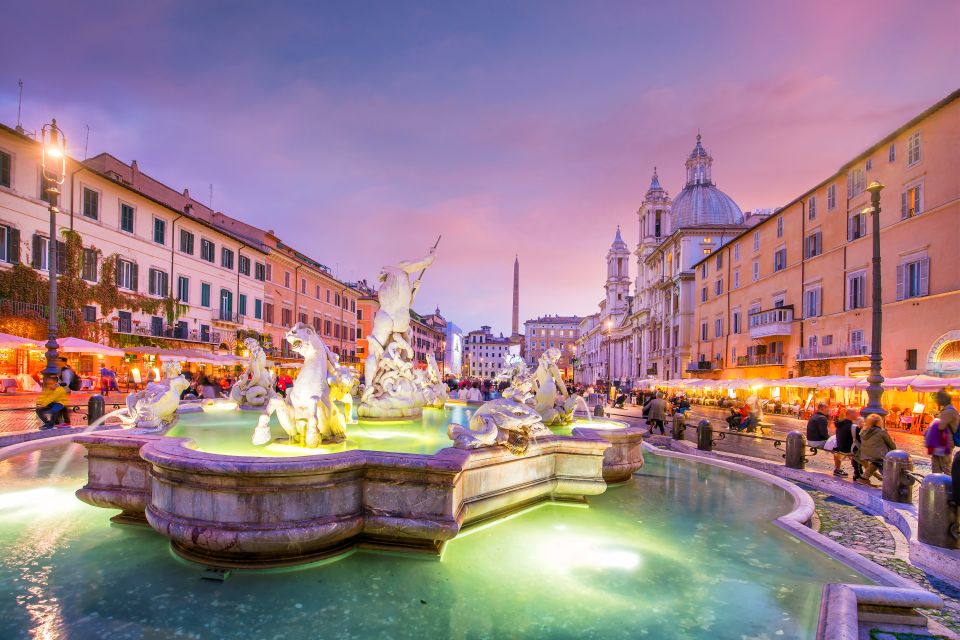
Piazza Navona is where Baroque Rome feels like theater. The layout and the fountains aren’t just decorative. They guide your attention and create a sense of motion in a space that feels designed rather than accidental.
Here’s what makes this stop especially strong: you’re guided through major artistic names associated with the area, including Bernini, Borromini, Rainaldi, and da Cortona. You’ll also connect those names to specific works you can point at, like the Fountain of the 4 Rivers, which is where your eyes should go first.
This is also a good place to enjoy the contrast. Earlier in the walk, you saw Roman and ancient greatness. Now you’re in a space where the city turns drama into architecture. You’ll have time for photo stops and guided sightseeing, and the guide will help you spot the key elements instead of letting you only glance at the biggest fountain.
Campo de’ Fiori: the market square vibe, even if you’re not shopping
The tour route includes Campo de’ Fiori, described as a colorful local market since 1869. Even if you don’t plan to buy anything, market squares are one of the best ways to understand daily life between the major monuments.
This stop tends to work well as a reset. You can take in the energy, watch people moving through the stalls, and feel the “Rome that exists now,” not only the Rome preserved in stone.
If you’re aiming to photograph without constant background chaos, you might find moments of calm between peak browsing. The guide can also help you decide when to pause for a clean shot.
Julius Caesar’s assassination area: Area Sacra di Largo di Torre Argentina
One of the more distinctive elements in the tour description is a stop connected to Julius Caesar’s assassination at Area Sacra di Largo di Torre Argentina. This is the kind of moment that turns history into a place you can actually stand on.
Even if you’re not a deep Roman-history person, a guide can make this stop click. You’re not just hearing a headline. You’re linking a dramatic event to a specific urban location, and that makes the city feel less like a museum and more like a living timeline.
Practical note: if you’re traveling with people who love major sights only, this may be the stop that feels more quiet. But it’s also often where the tour becomes memorable, because it’s different from the standard checklist.
Tiber-side scenery: Ponte Sant’Angelo and Castel Sant’Angelo
The itinerary includes time around Ponte Sant’Angelo and Castel Sant’Angelo, which is a great shift in scenery. You get closer to the river feel, with views that often make photos look more “travel” and less “monument.”
This part also helps break up the walking. After multiple dense plaza stops, getting those open sightlines can feel refreshing, and it’s easier for groups with mixed energy levels to enjoy.
Plan for crowded bridges and narrow walking areas, because river connections in central Rome are popular. Still, a guide’s timing and route choices usually help you keep moving without feeling stressed.
St. Peter’s Basilica area: what’s included, and what to not expect
St. Peter’s Basilica appears as a final stop in the itinerary, with scenic views on the way. You’re also provided a St. Peter’s Basilica audio guide in Italian, English, Spanish, and French, plus a paper map of St. Peter’s Basilica.
That combination is valuable because it gives you control. You can follow the guide’s key points and then switch to the audio guide when you want more detail at your own pace. It’s especially helpful if your group has different interests.
Important expectation setting: the tour information says entrance to the Dome is not included, and entrance to the Necropolis and the Treasury Museum is not included. So plan to enjoy the basilica area itself, but don’t count on seeing those extra sections through this tour.
Vittoriano and the unification theme: a different kind of Rome
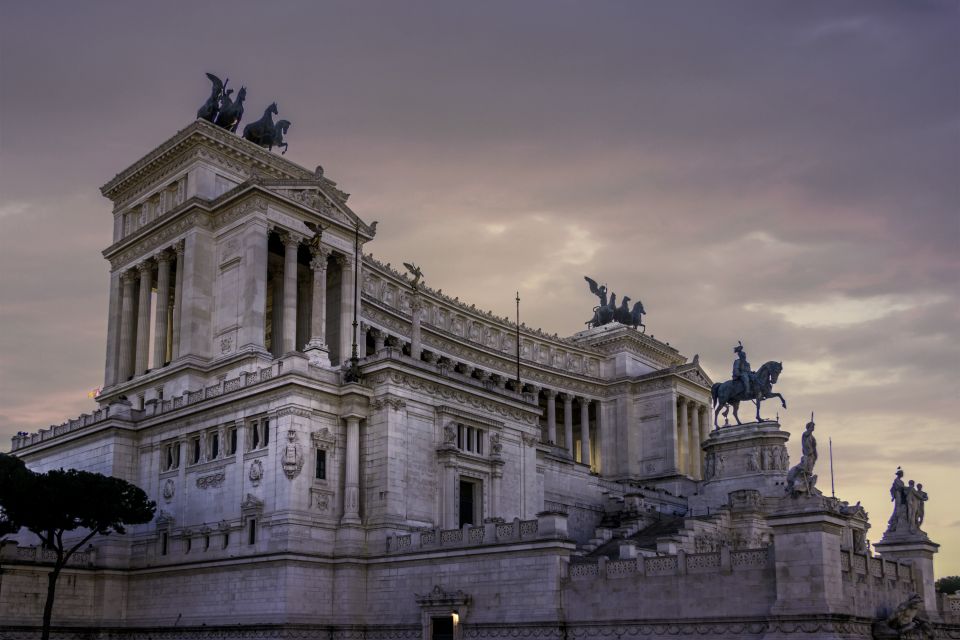
The tour description also mentions the Vittoriano, commemorating the unification of Italy. Work began in 1885 and it was inaugurated in 1911 in honor of Victor Emmanuel II of Savoy, the first king of Italy.
This stop adds a modern layer to the day. Rome isn’t only ancient and medieval. It also has a 19th-century identity shaped by unification politics and national symbolism. The Vittoriano can feel like a contrast after older streets, and that contrast is part of why the walk works.
Because the overall walk is designed as a loop that returns you back to the meeting point, you can treat the Vittoriano portion as a later chapter, not the end of the story.
Price and value: what $141.61 gets you in a private 3-hour walk
At $141.61 per person for a 3-hour private guided walk, you’re paying for three things that matter in Rome: time with a professional guide, an efficient route through major sights, and included basics that reduce surprise costs.
Entrance fees are included, which is a big deal. Some tours price low and then ask you to pay on site. Here, you avoid that extra friction. You also get headsets for groups larger than 8, which helps your group hear the guide without crowding close.
What’s not included is also clear: food and drinks, transportation to/from attractions, and gratuities. Also, skip-the-line entrance is not included, so if you’re hoping for the easiest possible entry process, keep expectations realistic.
My take: this is solid value if you want a private experience and you care about understanding what you’re seeing, not only checking boxes. If you’re the kind of traveler who enjoys reading on your own and already has a Rome plan mapped out, it might feel pricey. But for most people, the guide context plus the bundled entries make the math work.
Practical tips that make the day smoother
Here’s how I’d set you up for an easier walk.
Wear comfortable shoes. This tour is moderate walking on city surfaces, and you’ll be hopping between squares and landmark zones.
The tour is wheelchair accessible, and the rules say not to bring pets or walking frames. If you have mobility needs, it’s still smart to think ahead about the pace and curb cuts on Rome’s streets.
If you care about language comfort: the guide can be in English, Spanish, Italian, French, or Russian. That flexibility matters when you want the explanation to land.
Finally, a small mindset shift helps: this is a conversation tour. Even at the most famous spots, you’ll enjoy it more when you pause for the guide’s prompts rather than treating every stop as a race to the next photo.
Who should book this tour
You’ll likely love this if you want:
- A private, guided walking format instead of a general group bus tour
- Context at the biggest sights like Trevi Fountain and the Pantheon
- A family-friendly pace that still hits the highlights
- A route that includes both major names and less expected stops like Piazza Colonna and the Temple of Hadrian
You might want to compare alternatives if:
- You have zero interest in guided storytelling and prefer self-guided walking only
- You’re hoping for dome access at St. Peter’s or special entry areas not included here
- Your group needs minimal walking time and minimal crowd exposure
Should you book this Highlights of Rome Historical Center Walking Tour?
If you’re planning your first serious Rome day and you want your landmarks explained in a way that feels useful, this is a strong pick. You’re not just seeing major squares and fountains. You’re getting a clear route, entrance fees handled, and practical audio support near St. Peter’s Basilica.
My decision rule: book it if you want the value of a professional guide making the city’s art, architecture, and historical references easier to understand. Skip it only if you’d rather spend that money on extra meals, taxis, or a different kind of Rome experience (like a longer museum day or a focused food tour).
FAQ
How long is the Highlights of Rome Historical Center Walking Tour?
It lasts 3 hours.
Where do I meet the guide?
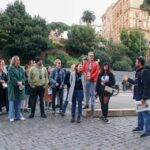
Meet at Piazza della Trinità dei Monti, next to the obelisk in the middle of the square. The guide will have a signboard reading Tour in the City.
Is this a private tour?
Yes. It’s a private group tour with a minimum of 2 persons per booking.
Are entrance fees included?
Yes, entrance fees are included.
Is skip-the-line entrance included?
No. Skip-the-line entrance is not included.
What parts of St. Peter’s are included, and what is not?
An audio guide for St. Peter’s Basilica is included, along with a paper map of St. Peter’s Basilica. Entrance to the Dome, and entrance to the Necropolis and the Treasury Museum are not included.