REVIEW · FOOD & WINE TOURS
Exploring Rome’s Rich Heritage: Pantheon and Jewish Ghetto
Book on GetYourGuide →Operated by CheckandGo Tours · Bookable on GetYourGuide
Rome’s Pantheon still surprises you, especially with a guide—this tour pairs the Pantheon with a walk through the Jewish Ghetto, tying architecture to art, religion, and power. I especially like how the guide brings the Pantheon’s domed form and oculus light to life, and how you keep momentum by connecting it to the older layers around Julius Caesar’s assassination site and the Portico of Octavia. One thing to consider: you’ll be moving through several stops in just two hours, and the Pantheon has dress rules and can shift due to events.
The experience also feels smoother than a solo plan because you get skip-the-line entry plus headsets for clear guide audio, even when streets and crowds get noisy. If you’re choosing between DIY and a guided combo, this is a strong pick for first-time visitors who want the city’s big stories in a tight package.
In This Review
- Key highlights I’d circle on your Rome plan
- A 2-hour combo tour that links ancient power and faith
- Pantheon time: oculus light, domed scale, and why it still works
- Piazza della Minerva: Bernini’s Elephant and Obelisk in the real street scene
- Largo di Torre Argentina: Caesar’s assassination site, explained on foot
- Piazza Mattei and the Jewish Ghetto: learning what you’re walking through
- Portico of Octavia: a heavy, fitting ending
- Price and value: $42.59 for a guided combo that saves time
- Practical tips that can make or break your visit
- Should you book this Pantheon and Jewish Ghetto tour?
- FAQ
- How long is the Pantheon and Jewish Ghetto guided tour?
- What is included in the ticket price?
- Where does the tour start?
- What language options are offered for the live guide?
- What clothing is required to enter the Pantheon area?
- Is the tour wheelchair accessible?
Key highlights I’d circle on your Rome plan
- Skip-the-line Pantheon entry via a separate entrance, so you spend time seeing, not waiting.
- Pantheon oculus lighting in a 45-minute guided visit, with time to understand what you’re looking at.
- Bernini’s Elephant and Obelisk in Piazza della Minerva, right where you’ll slow down for photos.
- Largo di Torre Argentina as the archaeological area tied to Julius Caesar’s assassination.
- Jewish Ghetto street walk around Piazza Mattei and Via del Portico d’Ottavia, with a guide to frame what you see.
- Portico of Octavia as the closing anchor point, a strong finish for the tour’s themes.
A 2-hour combo tour that links ancient power and faith
This is a two-hour guided loop that starts at Piazza della Rotonda and uses the area around the Pantheon as your entry point. From there, the tour threads through a sequence of places where Rome’s religion, politics, and art keep changing hands over time.
I like this format because you’re not just checking boxes. You’re watching one city idea—power expressed through buildings—show up again and again in different centuries, from the Pantheon to the Jewish Ghetto streets and the Portico of Octavia.
The pacing is tight, though. If you like long hangs at each site, you may wish you had a fuller day plan. Still, the guide structure helps you get the main meaning fast.
You can also read our reviews of more historical tours in Rome


Pantheon time: oculus light, domed scale, and why it still works
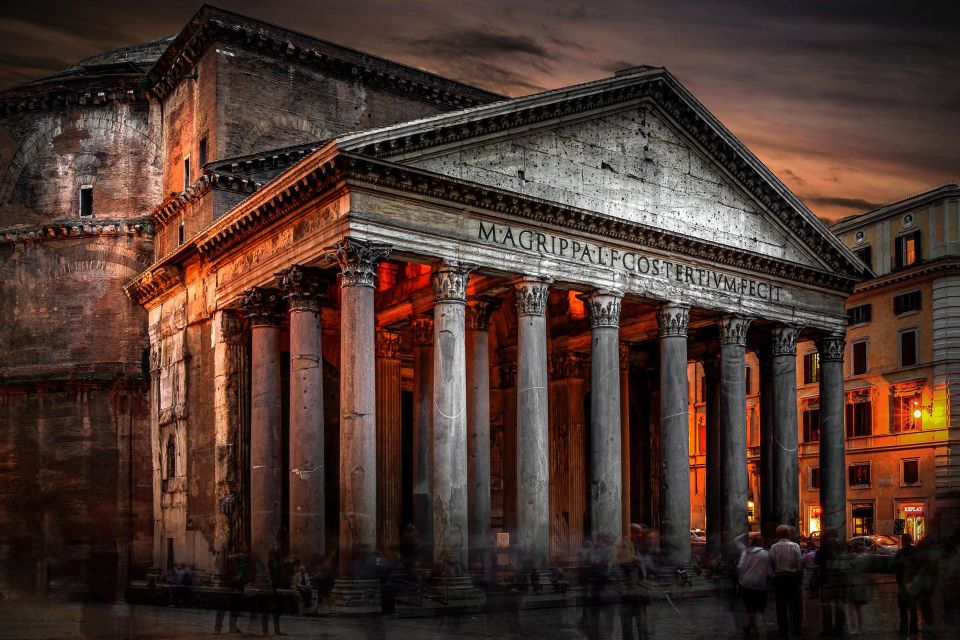
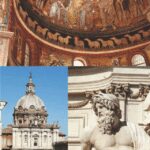
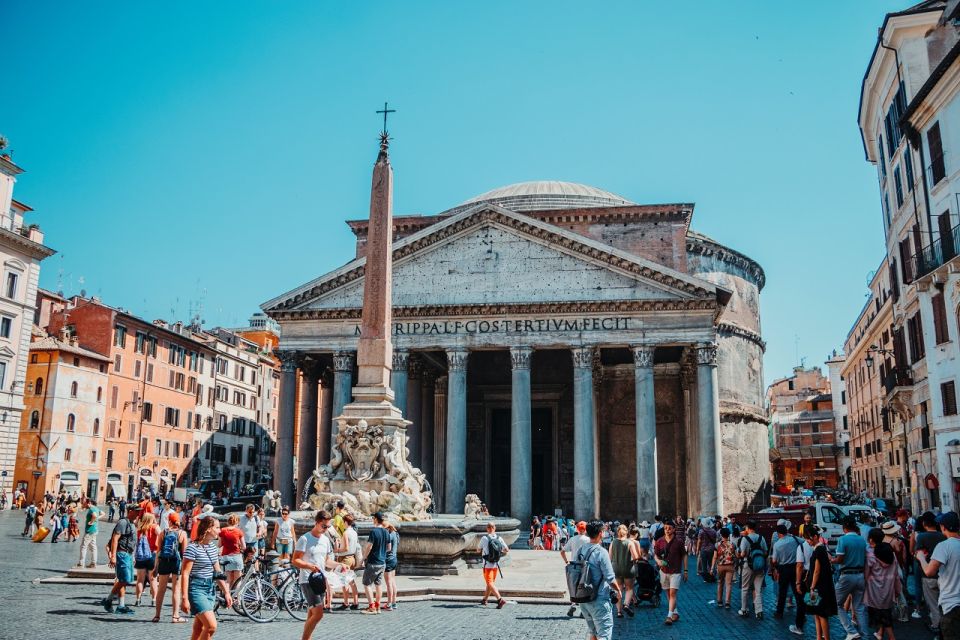
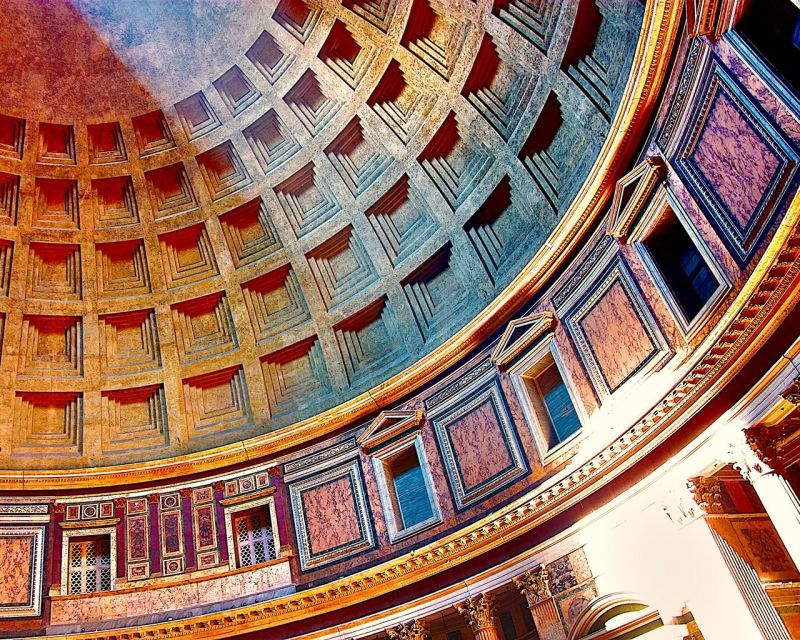
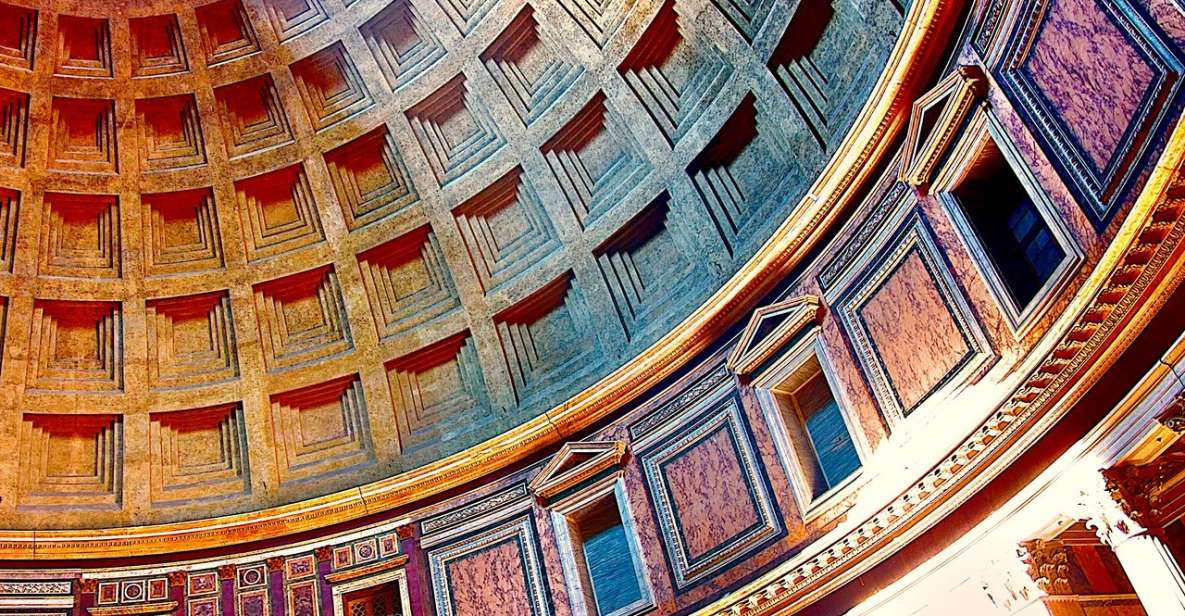
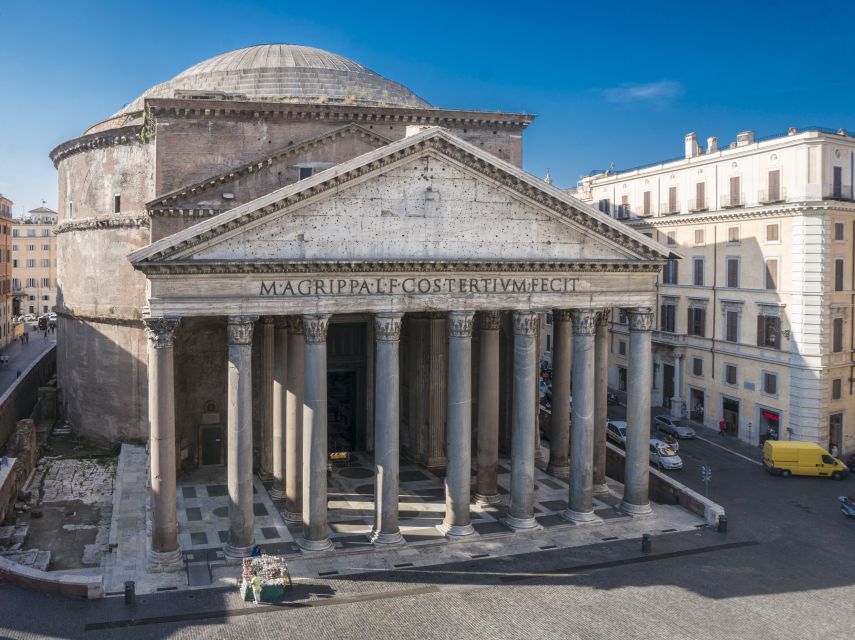
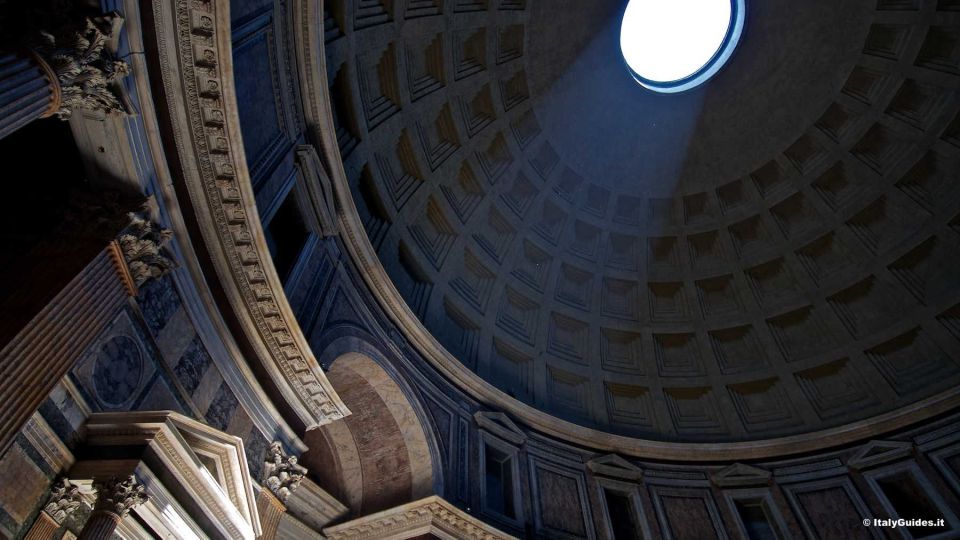
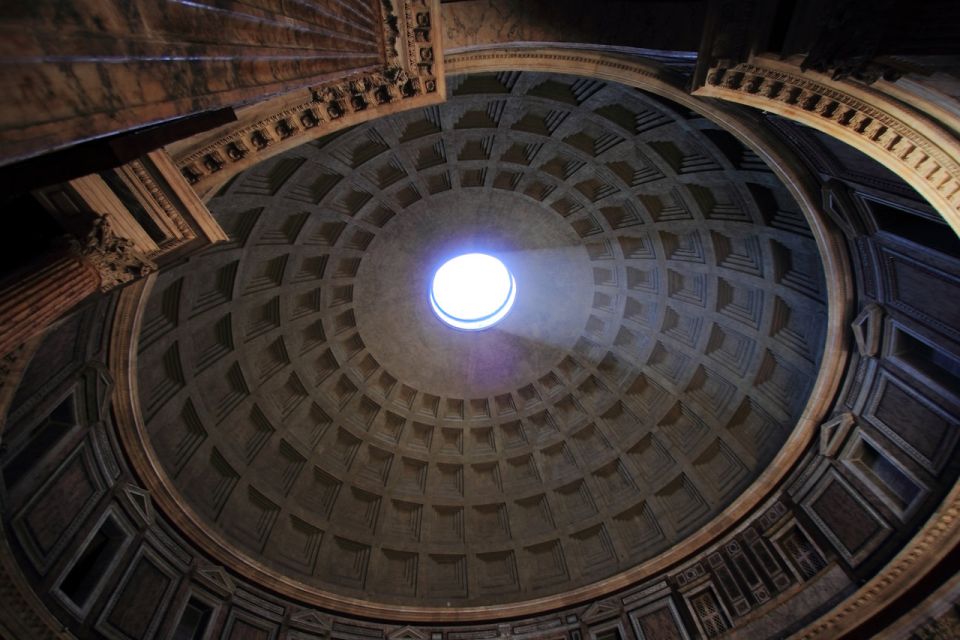
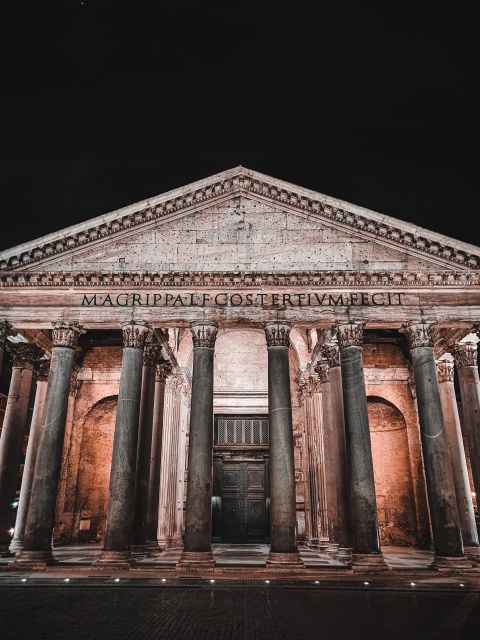
The tour begins at Piazza della Rotonda, 2 and then moves into a guided Pantheon visit that lasts about 45 minutes. The big draw is the Pantheon itself: one of the best-preserved ancient Roman monuments, with a massive domed ceiling and an oculus in the center that brings in natural light.
That oculus is more than a neat feature. It changes the way the interior feels as daylight shifts, and it helps you understand why ancient designers cared so much about atmosphere, not just engineering. With a guide in your ear, you’re more likely to notice the geometry and the way the space is laid out for effect.
One more reason I think this stop is worth paying for: the Pantheon isn’t frozen in time as a ruin museum. It now serves as a final resting place for notable figures, including Renaissance artist Raphael and the kings of Italy. You’re seeing an ancient sacred space that later gained new roles—an ongoing identity rather than a single chapter.
A practical note: the Pantheon can have anticipated closures, postponed openings, masses, concerts, or other events that may vary service time. So if your day is very schedule-tight, keep a little flex.
Piazza della Minerva: Bernini’s Elephant and Obelisk in the real street scene
After the Pantheon, the tour heads to Piazza della Minerva for a guided stop. This is where you’ll look at Bernini’s iconic Elephant and Obelisk sculpture.
I like this stop because it gives your brain a break from marble-domes and ancient structures. It’s still tied to Rome’s power and religion through monumental art, but it’s presented at street level, in a way that’s easy to experience without needing to interpret every architectural detail.
You’ll likely slow down here for photos, but the guided component matters because it helps you place the sculpture inside the wider story of how Rome keeps reusing symbols. Even a short stop can feel meaningful when someone explains what the object represents and why it sits where it does.
Largo di Torre Argentina: Caesar’s assassination site, explained on foot
Next comes Largo di Torre Argentina, an archaeological site tied to Julius Caesar’s assassination. You’ll get a guided walk through the area, with the guide connecting what you see to that turning-point event.
This is one of those places where the site itself may feel like less of a single monument and more of a complex of layers. That’s exactly why a guide helps. Without context, you might just register stone and ruins. With context, you start to understand why this space is politically loaded.
A good way to think about this stop: the tour is showing you how Roman history doesn’t live only in books. It’s embedded in the physical city, and the guide’s job is to help you connect the story to the geography.
If you’re the type who likes dates and causality, this is likely to be one of your favorite moments. If you prefer mood and atmosphere, you’ll still get value, since the explanation frames why the location matters.
Piazza Mattei and the Jewish Ghetto: learning what you’re walking through
Then the itinerary shifts into the Jewish Ghetto area, with guided time around Piazza Mattei and Via del Portico d’Ottavia, which is described as the heart of the community in Rome. This isn’t just a sightseeing stroll. The tour is built to connect religion and politics through what happened, what changed, and what remains visible in street patterns and landmarks.
I like this part because it forces the tour themes to become real. In the Pantheon, you’re seeing Roman and later Christian layers in a grand indoor space. In the Ghetto streets, history is closer, more human-scale, and the guide’s framing helps you understand the meaning behind the route.
You may notice that the tour description promises a professional guided approach that connects the sites to art, religion, and politics. That connection is especially important here, because the streets can look like any old neighborhood if you don’t know what to watch for.
Also, language can make a difference in this section. One guide highlighted in the experience is Maria, praised for telling Pantheon history in a simple but complete way, and also for making the Ghetto walk interesting while speaking perfect Italian. Even if you’re not getting that exact guide, the point stands: you’ll want a guide who can translate the place into clear, grounded meaning, not just facts.

Portico of Octavia: a heavy, fitting ending
The tour concludes in front of the Portico of Octavia. This is presented as an imposing symbol of the past and the cultural heritage of the Jewish community in Rome.
I think this ending works well because it brings you back to a single anchored structure after hours of street walking and scene shifts. It’s a reminder that Rome’s cultural history isn’t only about events—it’s about spaces that keep being remembered and repurposed.
If you finish feeling slightly emotional, that’s normal. The Portico of Octavia is the sort of place that doesn’t need theatrics. It just sits there, holding weight, and your guide’s context helps you notice what that weight means.
Price and value: $42.59 for a guided combo that saves time
At $42.59 per person for a two-hour experience, this isn’t a budget-only tour. But it’s also not priced like a private luxury outing. The value comes from bundling two major areas that are easy to underestimate if you go solo.
Here’s what you’re paying for, in practical terms:
- Skip-the-line tickets to the Pantheon, plus a guided visit there
- Headsets so you can hear the guide clearly
- Guided time for both the Pantheon area and the Jewish Ghetto
If you tried to do this alone, you’d either spend time figuring out where to stand and what to connect, or you’d pay for separate guides or tickets and still miss the thematic linking. This tour is designed to keep you moving through key stops with context attached.
That said, the two-hour duration does mean you’ll see the highlights rather than linger. If your travel style is slow and deep at each location, consider whether you want a longer standalone Pantheon visit plus a separate, longer Ghetto walk. If you want big stories fast, this price-to-time ratio can feel fair.
Practical tips that can make or break your visit
This tour includes live guidance in Spanish and English, and it’s wheelchair accessible in the activity details—yet there’s also a note that it’s not suitable for wheelchair users and not suitable for people with mobility impairments. Because of that mismatch, it’s smart to confirm the real-world route conditions with the provider before you go.
Dress code matters a lot for the Pantheon. Shorts aren’t allowed, short skirts aren’t allowed, and sleeveless shirts aren’t allowed. The guidance also says hems must not be above the knees, and vests are not part of the acceptable attire for both men and women. If you show up outside these rules, you might not be able to enter.
Bring your passport or ID card, including for children, since it’s required by the activity info. Also, pets aren’t allowed, and weapons or sharp objects aren’t allowed—pretty standard, but worth noting.
Finally, plan around potential Pantheon timing changes due to closures, postponed openings, masses, concerts, or other events. That doesn’t mean you’ll lose everything, but it does mean your day might need a little flexibility.
Should you book this Pantheon and Jewish Ghetto tour?
Yes, I think you should book it if you want:
- a guided Pantheon visit that explains the domed structure and oculus, not just a quick walk-by
- a single morning or afternoon plan that connects ancient Rome to later layers of art, religion, and politics
- a smooth listening setup with headsets and skip-the-line entry
I’d hesitate if:
- you need a very slow pace with lots of free time at each stop
- you know your schedule can’t handle possible Pantheon timing changes
- you’re traveling with mobility needs and want clear certainty about accessibility on the ground
If your goal is to leave Rome with a clearer mental map and a stronger understanding of what you saw, this is one of those tours that earns its place in your itinerary.
FAQ
How long is the Pantheon and Jewish Ghetto guided tour?
The total duration is 2 hours, with a guided Pantheon visit listed at about 45 minutes.
What is included in the ticket price?
You get skip-the-line tickets to the Pantheon, headsets to hear the guide clearly, a guided tour of the Pantheon, and a guided tour of the Jewish Ghetto.
Where does the tour start?
The starting point is Piazza della Rotonda, 2. You’ll be told the guide’s name and contact details one day before the tour.
What language options are offered for the live guide?
The live tour guide is available in Spanish and English.
What clothing is required to enter the Pantheon area?
Access requires suitable attire: no hemline above the knees, no shorts, no short skirts, no vests, and no sleeveless tops for both men and women.
Is the tour wheelchair accessible?
The activity info says wheelchair accessible, but it also states it is not suitable for wheelchair users and not suitable for people with mobility impairments. You should confirm route details with the provider before booking.