REVIEW · CITY TOURS
Rome: City Highlights E-Tuk Tuk Tour
Book on GetYourGuide →Operated by Luxurbe · Bookable on GetYourGuide
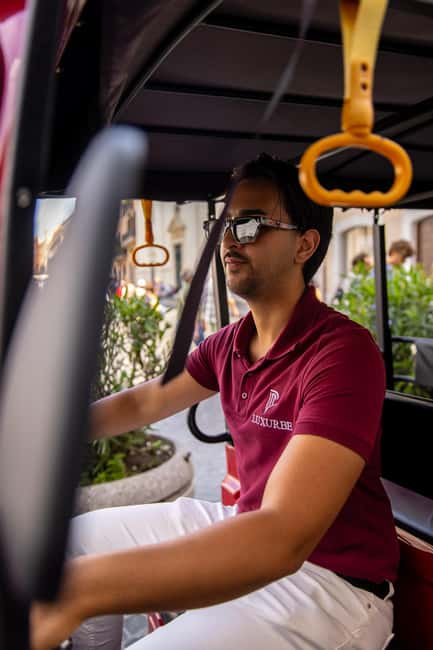
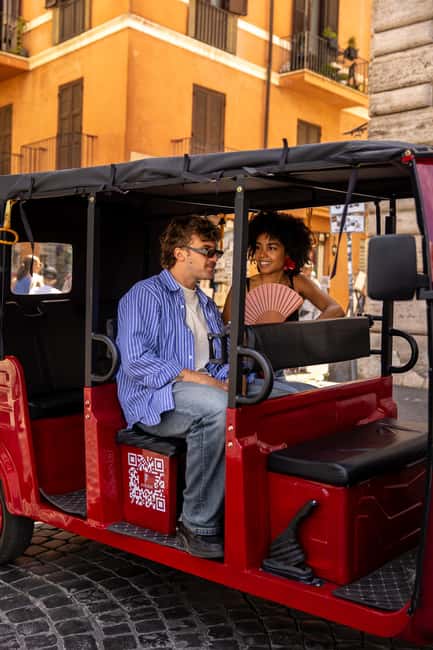
Rome by electric tuk-tuk feels fast and easy. This electric E-Tuk tour is designed to help you hit the big-name sights without turning your day into a stair-and-blister contest, with guided photo stops built in so you actually get time to look. I like the street-friendly pacing through narrow historic lanes and lively piazzas, and how guides—often the sort of folks you hear named like Lorenzo—keep the route understandable instead of just scenic.
One thing to plan for: sound and attention can vary depending on where you sit. The tour includes commentary, but if you’re toward the back, you might catch less of what the driver/guide is saying, so it’s smart to request the front or sit where you can hear.
In This Review
- Key highlights at a glance
- The big idea: Rome in 3 hours with minimal walking
- Where the tour starts: Piazza del Popolo and the easiest first step
- Piazza Venezia: the classic Rome introduction in 15 minutes
- Pantheon and the photo moment you’ll actually remember
- The Jewish Ghetto: atmosphere, not just scenery
- Toward Vatican City: exterior views with less hassle
- Trevi Fountain and Piazza Navona: the “wow” corridor
- Colosseum and Circus Maximus: big-scale Rome without the marathon
- Finishing at Trinità dei Monti: the panoramic landing
- Price and value: why $47 can work well (and when it won’t)
- How the guide and audio guides shape your experience
- Comfort, rules, and what to pack for a smooth ride
- Who this tour suits best
- Should you book this Rome City Highlights E-Tuk Tuk Tour?
- FAQ
- How long is the Rome City Highlights E-Tuk Tuk Tour?
- What does the tour cost?
- Where do I meet the tour?
- Is hotel pickup available?
- What languages are offered for the guide and audio?
- Are entrance tickets to monuments included?
- Does the tour run in bad weather?
- Can I bring a stroller or use a wheelchair?
- Is free cancellation available?
Key highlights at a glance
- Quiet, eco-friendly transport on a street-friendly electric E-Tuk
- Guided, timed stops that keep the sightseeing moving without long walks
- Iconic exteriors and photo hits across central Rome and toward Vatican City
- Neighborhood atmosphere stops like the Jewish Ghetto (with guided context)
- Big-view momentum from places like Circus Maximus and Trevi Fountain
- Seat choice matters if you want the narration clearly
The big idea: Rome in 3 hours with minimal walking
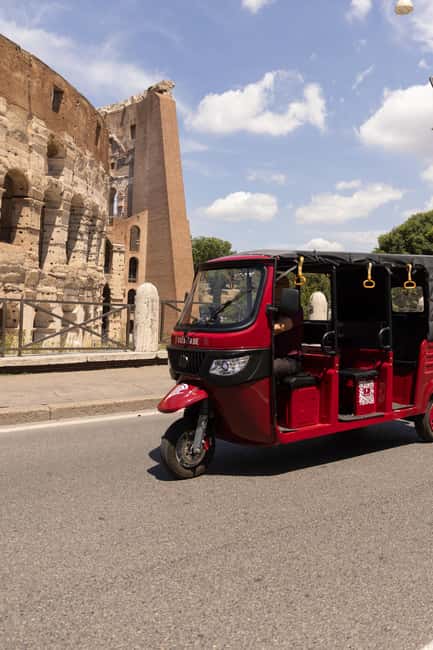
If Rome is on your list and you’re picturing cobblestones, crowded sidewalks, and the slow churn of getting from one landmark to the next, this is a clever fix. The whole point is comfort: a 3-hour guided electric E-Tuk route that strings together major sights with short, guided moments and photo opportunities—so you spend your energy looking instead of grinding through long distances on foot.
At $47 per person, you’re paying for three things at once: local guidance, transport through tight streets, and a route that’s designed to hit the classics efficiently. That can make the cost feel fair—especially compared with paying for admissions on top of your time—because you’re getting a structured overview of what to prioritize later.
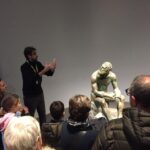
This is also a nice option if your day includes heat, sore feet, or a “we need orientation fast” plan. Several guides are noted for keeping things upbeat and understandable, and one even uses a tablet with drawings of Rome’s changing architecture, which helps you connect the buildings you’re seeing to what came before.
You can also read our reviews of more city tours in Rome
Where the tour starts: Piazza del Popolo and the easiest first step

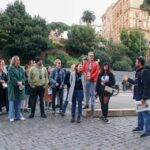
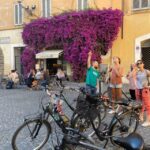
The meeting point is Piazza del Popolo 11, in front of the Leonardo da Vinci Museum. You’ll wait outside the entrance; don’t walk inside. There’s also an important detail: there’s no Luxurbe sign, and the driver arrives with the E-Tuk and is supposed to be easy to recognize. Allow up to 10 minutes of waiting time.
If you’re doing pickup at your hotel (optional), you’ll wait outside at street level. The driver arrives at the scheduled pickup time or within that same 10-minute window.
Here’s my practical advice: show up a little early, stand where you can be spotted, and don’t assume the exact vehicle will look like the generic idea of a tuk-tuk. In real Rome, details like this save time and stress.
Piazza Venezia: the classic Rome introduction in 15 minutes
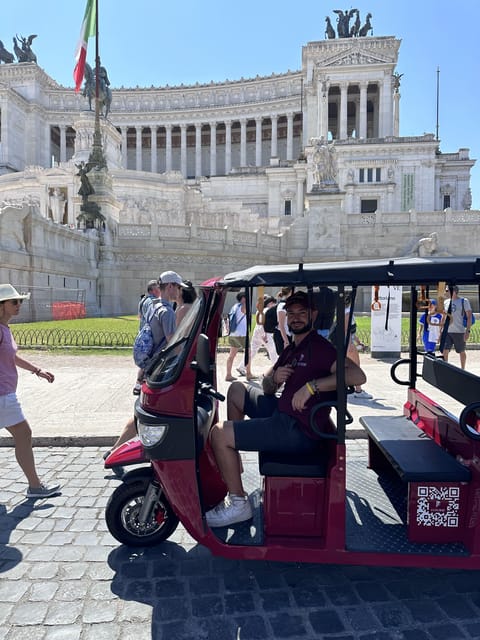
Your first guided stop is Piazza Venezia (about 15 minutes). This square is a strong “start here” location because it instantly anchors you in the central spine of Rome. Expect a quick orientation that helps you understand where key sights sit relative to each other.
What you’re likely to get here is more than a view. The guide typically uses this opening moment to frame what you’ll see next—so when you later spot big landmarks (or their domes and facades), you’ll know why they matter in the city’s layout, not just that they look famous.
A drawback? Short stops are short. You’re not getting a deep lecture, and if your goal is heavy history nonstop, you may want to pair this tour with at least one ticketed museum or a longer guided walk.
Pantheon and the photo moment you’ll actually remember
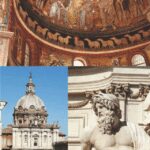
Next up is the Pantheon area (again, about 15 minutes). Even if you’ve seen photos, the Pantheon hits differently in person. The tour format helps because you can focus on a quick “connect the dots” moment: proportions, the scale of the space, and the location within the surrounding streets.
The biggest value of this stop in a low-walk tour is timing. You get enough minutes to take photos without feeling rushed through a crowd, and you can still move on before fatigue sets in.
If you love architecture, this is one of the moments where a guided explanation can make the images “stick.” When your guide talks while you’re looking at the building, it turns into real memory instead of phone-camera noise.
The Jewish Ghetto: atmosphere, not just scenery

Then you swing toward the Jewish Ghetto (guided stop around 15 minutes). This isn’t just another postcard stop. The tour approach gives the neighborhood time to feel like a place, not a quick drive-by. You’ll also pass by Teatro di Marcello and the Foro Piscario area along the way, which helps break up the major-sight rhythm with something more lived-in.
What I like about including a neighborhood stop like this: it makes your Rome feel less like a checklist. You get reminders that the city isn’t only monuments; it’s also streets where history layered into real daily life.
This is also a good point for asking your guide a question if something piques your interest. The time window is short, but guides are often happy to tailor what they emphasize depending on what you’ve already seen.

Toward Vatican City: exterior views with less hassle

After the ghetto, the route continues toward Vatican City with guided context and exterior viewpoints (about 15 minutes at the Vatican stop). You’re not touring inside here based on the information provided—this is an outside-looking-in kind of segment.
Even so, it’s a smart placement in the tour. You’re already close to central Rome’s core landmarks, so you’re not wasting half a day commuting just to see the city’s most famous religious center from the street.
One note for your expectations: this tour gives you the sense of place more than it gives you indoor access. If you want the inside of Vatican museums or St. Peter’s Basilica, you’ll likely need to add ticketed time separately.
Trevi Fountain and Piazza Navona: the “wow” corridor
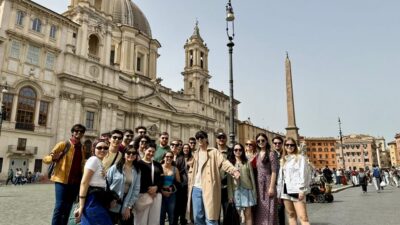
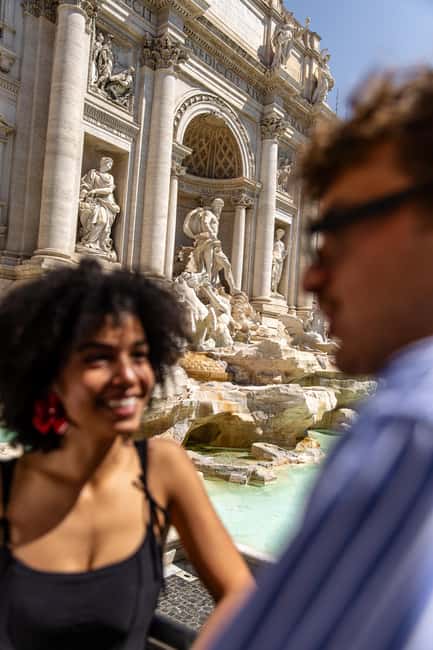
Then comes Trevi Fountain (15 minutes) and Piazza Navona (15 minutes). These are two of Rome’s most photogenic public spaces, and placing them together makes sense. They’re both about people, street life, and the way the city funnels you from view to view.
The guided stop + photo stop format can be a big win here. Rome crowds can turn a short visit into constant shuffling, so having planned time reduces the frantic feeling. You can concentrate on the fountain itself, then reset your eyes at Navona’s open square.
If you care about photos: take a breath first, then shoot. With a short stop, it’s easy to start clicking immediately and miss the moment where the lighting and angles make the scene look real.
Colosseum and Circus Maximus: big-scale Rome without the marathon
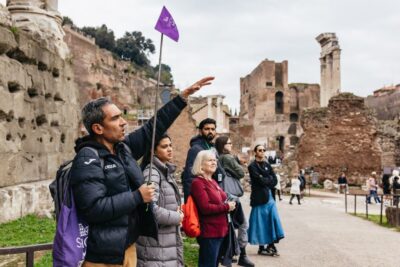
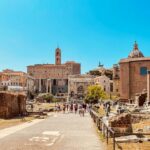
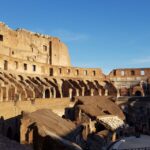
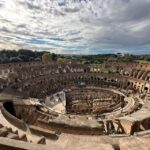
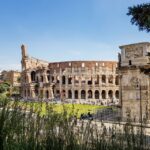
This is where the tour starts leaning into huge names: Colosseum (guided stop around 15 minutes) and Circus Maximus (guided stop around 15 minutes). The route also includes exterior views connected to the Imperial Fora area.
What’s useful about covering these with E-Tuk transport is simple—you’re getting the “sense of scale” without spending hours walking between points. Colosseum is the kind of sight you feel even before you read any signage, and a guided explanation can help you translate that gut reaction into something you can talk about later.
Also, don’t underestimate Circus Maximus. It doesn’t always get the same Instagram attention, but the open feel and the history behind it make it a great contrast stop: you’re moving from tight classic ruins vibes into a long, airy Roman idea of public space.
A small practical tip: if you want the narration, try to position yourself where you can hear the driver/guide. One complaint in the available feedback is that people sitting in the back couldn’t hear commentary well. Seat choice is not a minor detail when the tour is partly about guided storytelling.
Finishing at Trinità dei Monti: the panoramic landing

The tour wraps near Santissima Trinità dei Monti, with a guided stop (around 15 minutes). This ending makes sense: you get a classic “look back at the city” payoff, and the tour concludes near Piazza del Popolo 11.
I like endings like this because they give you a mental map. After seeing Rome’s highlights across the center—Pantheon area, ghetto lanes, fountain squares, and the big ruin zone—you can finally step back and understand how the parts connect.
Price and value: why $47 can work well (and when it won’t)
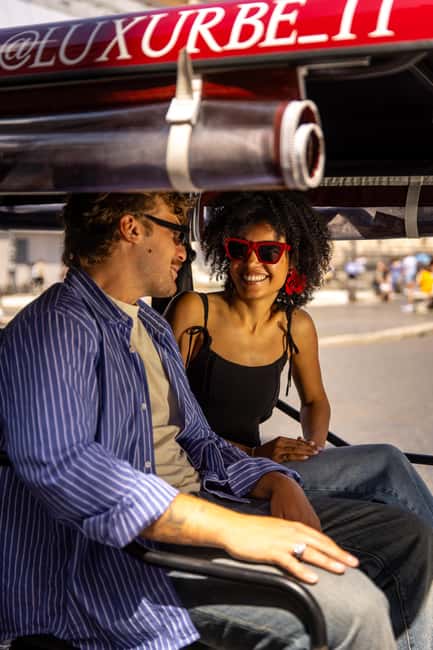
Is $47 per person a deal? For this format, it often is, because you’re paying for a ready-made route and guided interpretation over a set time window.
Here’s the value logic I’d use:
- If you’re short on time, you’re buying efficiency.
- If you hate transit stress between sights, you’re buying comfort.
- If you want an overview to help you decide what to do next, you’re buying guidance.
But it’s not automatically the best deal for everyone. If your top priority is deep history and lots of time inside monuments, this tour’s structure may feel a bit light. Short guided stops can mean less depth at each site—and if you already know you want long museum visits, you might prefer other options that include more ticketed access.
Also, entrance tickets aren’t included. That means you should treat this as orientation and exterior sightseeing, not a replacement for major museum or monument admissions.
How the guide and audio guides shape your experience
You’ll have a live tour guide (English and Italian). Audio guides are provided upon request if available, and the audio languages listed include English, Italian, and Spanish.
In practice, this means you can get the story in two ways: spoken commentary during the ride and audio support if you prefer that format. The most effective setup is to listen while you look—especially at stops like Pantheon, where your brain needs visual cues more than it needs a long explanation.
One caution: sound can vary by seating position. If clear narration matters to you, aim for the seats where the driver/guide’s voice carries best.
And if you’re the type who likes to personalize the day, you’ll probably enjoy the way many guides are described as friendly, flexible, and up for tailoring. A few guides are noted for being able to adjust timing if you want to see something specific, or even offering practical add-ons like restaurant suggestions after the tour.
Comfort, rules, and what to pack for a smooth ride
This tour is designed for comfortable sightseeing, but you still need to be practical.
Bring:
- Comfortable shoes
- Weather-appropriate clothing
It operates even in light rain, so don’t rely on sunshine to plan what you wear.
Know the limits:
- Pets aren’t allowed
- Weapons or sharp objects aren’t allowed
- Luggage or large bags aren’t allowed
- Unaccompanied minors aren’t allowed
- Baby strollers are listed under not allowed, but the rules also say strollers and wheelchairs are allowed if notified at booking
That last part is worth double-checking before you go. Because the information includes both “not allowed” and “allowed if notified,” message the operator during booking and confirm what’s possible for your specific situation.
Wheelchair notes are also mixed: the activity is marked wheelchair accessible, but it also says it’s not suitable for wheelchair users. If you use a wheelchair, don’t assume. Confirm directly so you don’t reach the meeting point and find out it doesn’t work as expected.
Who this tour suits best
This is a strong fit if:
- You want Rome highlights without a full-day walking grind
- You’re traveling with someone who prefers a relaxed pace (including elderly family members)
- You want orientation so you can plan the next days
- You’re visiting during hot weather and want to keep time in the sun under control
It may be less ideal if:
- You want long, ticketed monument time
- You’re hoping for heavy, site-by-site history depth at each stop
- You’re sensitive to audio quality and plan to sit wherever there’s space
Should you book this Rome City Highlights E-Tuk Tuk Tour?
I’d book it if you want a fast, comfortable way to get your bearings and see the big names in one clean sweep—especially at the start of a trip or during a day when you’d rather conserve energy than sprint around cobblestones.
Skip it (or pair it carefully) if you’re expecting long museum-quality explanations at every site or you need ticketed access to monuments inside. Also, if you rely on hearing the guide clearly, try to pick your seat early.
If your goal is simple—see Rome’s icons, get a guided overview, and spend less time walking—this electric E-Tuk highlights tour is exactly the kind of “smart time use” that makes a Rome trip smoother.
FAQ
How long is the Rome City Highlights E-Tuk Tuk Tour?
The tour runs for 3 hours.
What does the tour cost?
The price is $47 per person.
Where do I meet the tour?
Meet at Piazza del Popolo 11, in front of the Leonardo da Vinci Museum. Wait outside the entrance and do not enter.
Is hotel pickup available?
Hotel pickup and drop-off are optional if selected. If you use pickup, wait outside the main entrance of your hotel or accommodation at street level.
What languages are offered for the guide and audio?
The live guide is available in English and Italian. Audio guides (if available and provided upon request) include English, Italian, and Spanish.
Are entrance tickets to monuments included?
No. Entrance tickets are not included.
Does the tour run in bad weather?
It operates even in light rain.
Can I bring a stroller or use a wheelchair?
The information is mixed: baby strollers are listed under not allowed, but it also states strollers and wheelchairs are allowed if notified at booking. If this applies to you, confirm with the operator before you go.
Is free cancellation available?
Yes. You can cancel up to 24 hours in advance for a full refund.