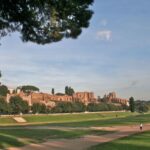
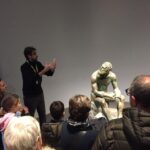
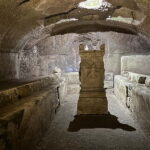
Rome has layers you only notice on foot. This 2.5-hour walk through central Rome uses a story thread about power—families, scandals, propaganda, and survival—to connect the big sights to the quieter places you’d miss on your own. I love how the guide keeps you oriented while moving between Trajan-era Rome, Renaissance and Baroque landmarks, and the symbols that still shape the city today. I also love that the route includes off-limits access like a secret stop and entry to Papal private gardens, not just photo ops.
One thing to consider: this is a pay-what-you-want style tour with humor that’s described as dark and politically incorrect, so it’s best if you enjoy edgy jokes and are ready to tip thoughtfully (usual tips range from 10€ to 50$).
Key reasons this tour works
- Family dynasties as your map: You’ll connect ruins and churches to the people who funded, hid, fought over, or exploited them.
- Iconic sights, but interpreted: Trevi Fountain, the Pantheon, and Piazza Navona get political and human context—not just descriptions.
- Off-the-radar stops: A secret stop plus a monastery stretch add variety without turning it into a long detour.
- Papal gardens included: You get entry to a private garden space that most first-timers never see.
- Stop-and-explain pacing: Photo stops are brief, then the guide turns your attention to what actually matters in each place.
- Guides with strong storytelling: Iris, Jacopo, Simone, and Jacopo-style guides are praised for humor, energy, and answering questions.
In This Review
- Meeting at Trajan’s Forum: start where Rome flexes
- Trajan’s Column: propaganda in motion
- Piazza Venezia and the Egyptian obelisk: power symbols in plain sight
- The secret stop: why brief detours can change the whole walk
- Monastery stop and Papal private gardens: calmer air, bigger meaning
- Trevi Fountain break: politics of water, not just postcards
- Sant’Ignazio di Loyola: ceiling art you can’t stop staring at
- Pantheon in five minutes: how to read the building fast
- Piazza Navona finish: where stories meet street life
- Pay-what-you-want price reality: what the 3.77 actually means
- Should you book this Alternative Rome walk?
- FAQ
- FAQ
- Where does the tour start?
- How long is the walking tour?
- What languages are offered?
- Is this tour free to book, and how does tipping work?
- What major sites are included?
- What is the cancellation policy?
Meeting at Trajan’s Forum: start where Rome flexes
You begin at the steps of Chiesa del Santissimo Nome di Maria al Foro Traiano, right by Trajan’s Column and Trajan Forum. That location isn’t random. It plants you in the Roman “everything is about power” mindset from the first minutes.
From the start, the guide frames Rome as a city built by institutions and families that competed for control—politically, spiritually, and financially. You’re not just learning names; you’re learning how Rome worked as it grew from settlement to empire and then re-shaped itself again under popes and patrons.
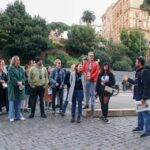
Practical note: arriving a few minutes early helps. This is a narrow, central meet-up point, and the guide holds a tour sign with the tour name.
Trajan’s Column: propaganda in motion
The first major stop is Trajan’s Column. You’ll get a photo stop, then a guided look that’s designed to make you read the space instead of just admire it. The key is how the story is told: the guide links the column to the broader idea of public messaging—how rulers used monuments to rewrite events, justify violence, and claim legitimacy.
If you like history that doesn’t feel like a textbook, this part often lands well because the “why” is the headline. You start seeing how Rome’s most famous stones weren’t made for quiet contemplation. They were made to persuade.
One possible drawback here: if you’re expecting a long, slow deep visit, the timing is brisk (the column segment is short). The trade-off is that you get momentum for the rest of the route.
You can also read our reviews of more walking tours in Rome

Piazza Venezia and the Egyptian obelisk: power symbols in plain sight
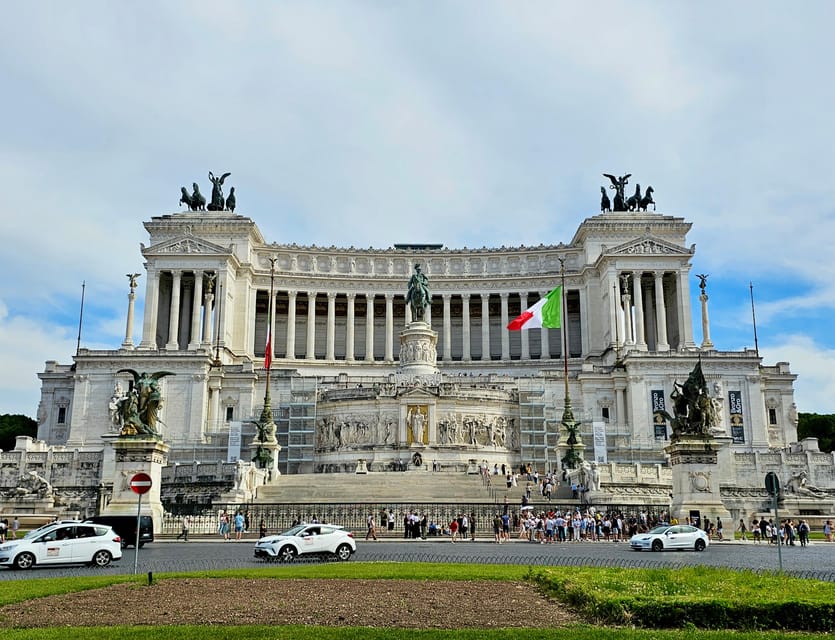
Next you hit Piazza Venezia for a quick photo stop. Even in a short window, the guide’s focus helps you notice details people skip. One big reason this square matters is the presence of an Egyptian obelisk—a reminder that Rome’s reach wasn’t limited to Italy. Rome collected objects, relocated prestige, and displayed it as proof of dominance.
This is where you start building your “Rome map in layers.” You’ll likely hear how objects were repurposed across centuries, and how the city’s rulers used spectacle to claim authority. It’s also a good stop for first-timers who want the big open-space feeling without losing time.
The secret stop: why brief detours can change the whole walk
Then comes a secret stop, lasting only about five minutes, but built for impact. That’s the whole trick: you’re given one short “off-limits” pause to break up the rhythm of famous monuments and reset your eyes.
What makes these moments valuable is the way the guide explains them. Instead of treating the secret stop like a random side quest, you get the connections: what it signaled at the time, who cared about it, and how it fits into the broader story of Rome’s power struggles.
If you’re the type who gets restless with small walking tours, don’t worry—the schedule stays tight. The value is in interpretation, not extra distance.
Monastery stop and Papal private gardens: calmer air, bigger meaning
After the secret stop, you move to a monastery area with a longer visit (around 25 minutes). This is where the walking tone often shifts. You’re not just chasing sights; you’re stepping into a quieter pocket that helps Rome feel lived-in rather than staged.
This segment also includes Papal private gardens admission. The data doesn’t spell out which exact stop inside the monastery stretch corresponds to the gardens entry, but the inclusion is clear: you’re paying for access, not just walking past walls.
Why this is a smart inclusion: Rome’s most famous churches and fountains can turn into crowds-with-backdrops. A garden space gives you contrast—light, perspective, and a break where you can absorb how many layers the city carries at once.
Tip for your comfort: wear shoes that handle uneven pavement and slow stone stairs. You’ll be on your feet for the full 2.5 hours.
Trevi Fountain break: politics of water, not just postcards
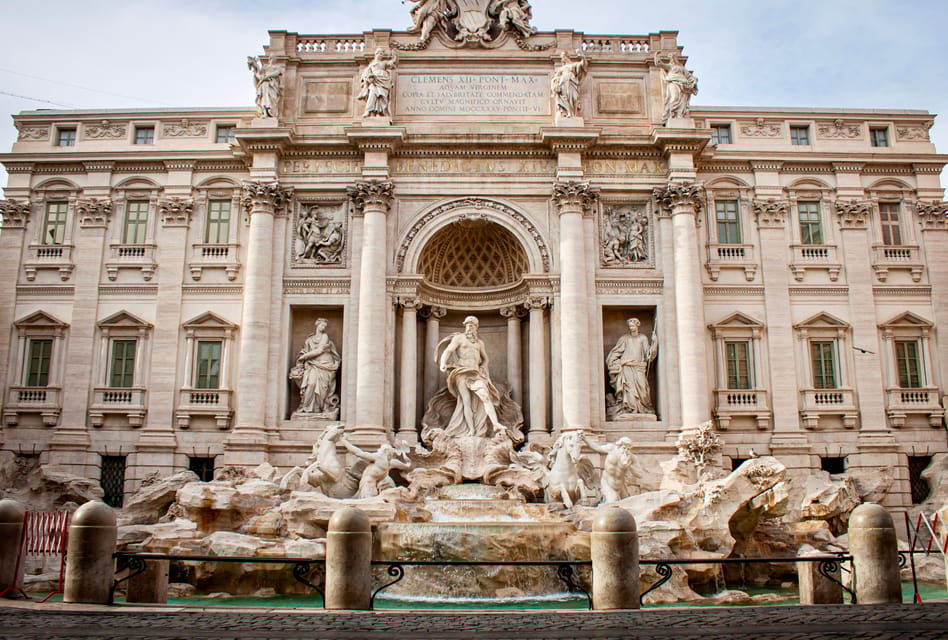
Trevi Fountain is next, and the tour gives it a real rhythm: photo stop, guided tour, then free time plus a short break. You’ll see it in classic postcard form, but the guide’s angle is different from most standard stop-and-stare tours.
Instead of treating Trevi as a single work of art, you’ll get the story of fountains as symbols—tools of propaganda, power display, and civic identity. That framing helps you understand why Rome has so many churches and public works. Rulers didn’t only govern. They performed.
A small drawback: Trevi is Trevi. It can be crowded even when the guide controls the flow. Use the free time to step back, look up at architectural details, and don’t spend all your energy on photos if you want to feel the place.
You can also read our reviews of more city tours in Rome





Sant’Ignazio di Loyola: ceiling art you can’t stop staring at
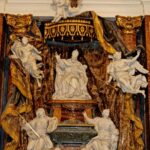
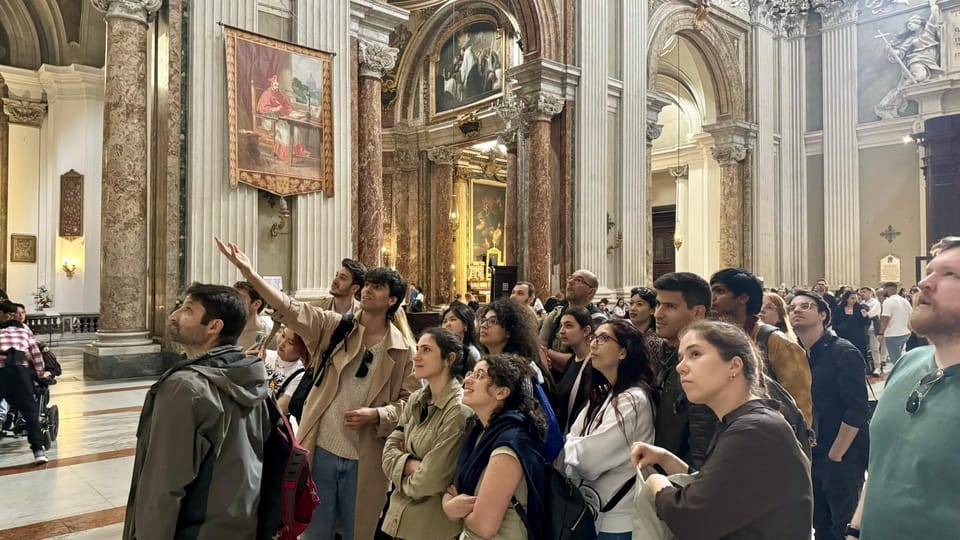
After Trevi, the walk turns toward Church of Sant’Ignazio di Loyola. You get a photo stop and a guided visit of about 10 minutes. This is one of the stops where the guide’s storytelling style can really pay off because the church’s visual focus is immediate.
The best part is that you don’t just learn facts. You learn what to notice—how the ceiling and religious messaging work together. One review specifically called out the church’s breathtaking ceiling fresco, which matches why this stop often becomes a highlight for people who usually rush churches.
If you have limited time in Rome and want at least one “wow” moment that isn’t a ruin, this is a strong choice.
Pantheon in five minutes: how to read the building fast
Then you reach the Pantheon. The visit is short (about five minutes), which sounds rushed until you realize the purpose: it’s a quick guided “read” of a landmark you’ll want to revisit later anyway.
You’ll likely spend that time learning how the Pantheon’s design signals authority and engineering confidence. Even in a brief stop, the guide can point you toward the most important features so you don’t leave thinking you saw it but didn’t understand it.
If you’re picky about time (for example, you want 30–45 minutes inside), you may feel you’re skimming. But for a story-centered 2.5-hour walk, it’s a smart allocation.
Piazza Navona finish: where stories meet street life
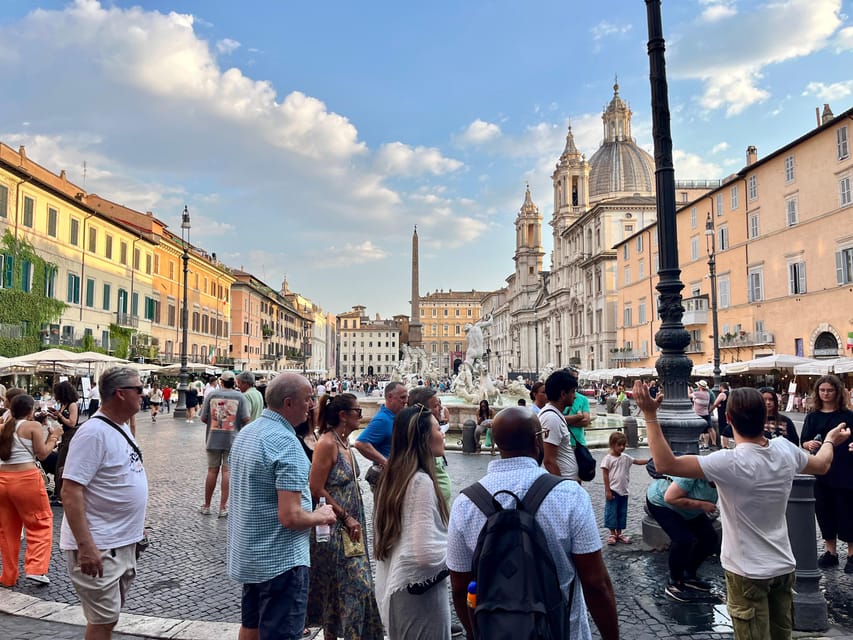
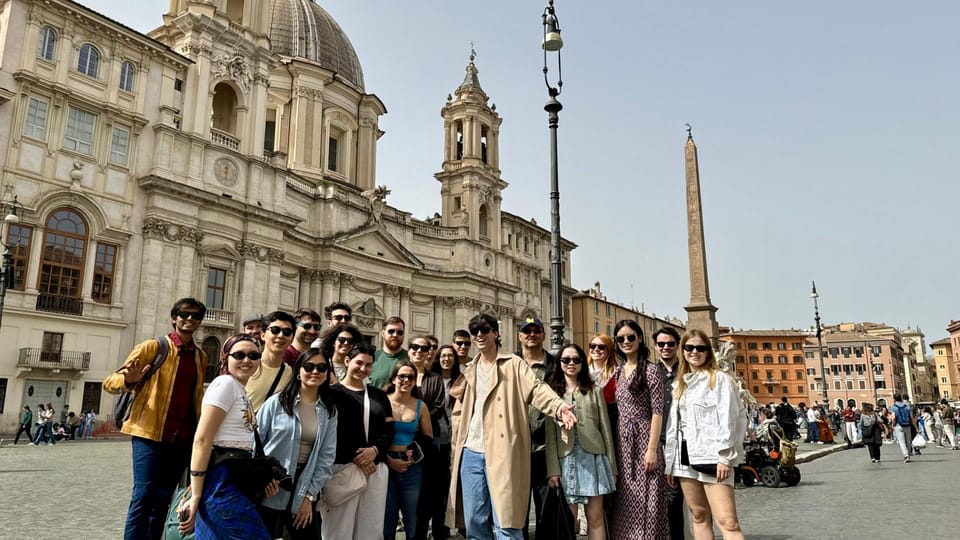
You end at Piazza Navona, including time for a guided visit plus a photo stop and walk-through of about 15 minutes. This is a good finish because the square is built for people-watching. It’s a place where the guide’s “power through public space” theme comes full circle.
You’ll get the context that makes the buildings feel less like a museum set and more like outcomes of family fortunes, political favors, and cultural rivalry. And once you’re done, you’ll already have a mental map for what to look for next.
If you’re staying nearby, this finish location is also convenient. You can keep wandering without changing neighborhoods.
Pay-what-you-want price reality: what the 3.77 actually means
The listed price is very low (shown as $3.77 per person), but this tour is tip-based. Guides are said to work on a pay-what-you-want model, meaning your guide’s earnings come from your tips alone. The data suggests typical tips land between 10€ and 50$.
Here’s how I’d think about value before booking:
- You’re paying mostly for interpretation and access. The low base price doesn’t replace the experience you’re buying.
- You’re also buying entry to places like Papal private gardens, which alone can be a deciding factor if you’re the type who hates spending vacation time behind locked doors.
- The guide style matters on this tour—humor and storytelling are part of the package, so you’ll get the best value if you like a conversational guide who answers questions.
If you’re on a strict budget, plan your tip early. It’s the difference between a “cheap tour” and a truly fair one.
Should you book this Alternative Rome walk?
Book it if you want more than the usual hits and you like understanding why monuments exist where they do. This tour is especially good for first-time visitors who feel overwhelmed by Rome’s scale, and for repeat visitors who want a fresh angle on familiar landmarks like Trevi Fountain, the Pantheon, and Piazza Navona.
Skip it if you dislike dark, edgy jokes or you only want formal, lecture-style history. Also, if you’re expecting long stops inside major sites, the pace is built for coverage and connections, not deep museum time.
FAQ
FAQ
Where does the tour start?
The meeting point is on the steps of Chiesa del Santissimo Nome di Maria al Foro Traiano, right by Trajan’s Column and Trajan Forum. The guide will hold a tour sign with the name of the tour.
How long is the walking tour?
The duration is about 2.5 hours.
What languages are offered?
The live tour guide speaks Spanish and English.
Is this tour free to book, and how does tipping work?
It’s a tip-based tour using a pay-what-you-want model. You can give the guide what you think the tour was worth, and the typical tip mentioned is between 10€ and 50$.
What major sites are included?
You’ll see stops at Trevi Fountain, the Pantheon, and Piazza Navona, plus additional central Rome locations along the way such as Trajan’s Column and Piazza Venezia.
What is the cancellation policy?
There’s free cancellation up to 24 hours in advance for a full refund.