REVIEW · COLOSSEUM, FORUM & PALATINE TOURS
Rome: Colosseum and Ancient Rome Small Group Guided Tour
Book on GetYourGuide →Operated by The Ultimate Italy · Bookable on GetYourGuide
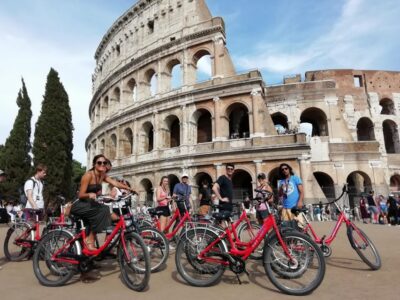
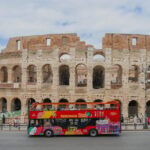
Rome’s roar is still here. This small-group guided tour gets you into the Colosseum and then keeps going into the heart of Ancient Rome, the Roman Forum and Palatine Hill, with an expert guide doing the storytelling. You’ll get a clear sense of what Roman games were really for: spectacle, politics, and control all mixed together.
What I like most is the way the guide connects details you can see (construction, spaces, and sightlines) to what it meant in 1st-century Rome. I also love that you’re not just standing around the Colosseum exterior—your time includes the interior experience plus a full hour in the Forum/Palatine Hill area, where you can picture daily life, power, and religion in the same landscape.
One drawback to plan around: the security checks can take time, and the tour has strict timing. If you don’t arrive early for check-in at the meeting point, you may lose your spot.
In This Review
- Key highlights you’ll actually feel
- A 2.5-hour plan that makes the Colosseum make sense
- Meeting at Via del Colosseo 31: easy to find, but go early
- Getting through Colosseum security without losing your day
- Entering the Colosseum: gladiators, animals, and propaganda
- Why the propaganda piece matters
- Colosseum timing and photo moments (so you actually get them)
- Roman Forum and Palatine Hill: Rome’s power center in one guided hour
- What small-group means here: pacing, questions, and headsets
- Price ($55.51) and value: what you’re really paying for
- Who this tour suits best
- Practical checklist before you go
- Should you book this Colosseum and Ancient Rome small-group tour?
- FAQ
- Where does the tour meet?
- When does the tour end?
- How long is the tour?
- Is the tour guided?
- What languages are available?
- Do I need a ticket in advance?
- What do I need to bring for entry?
- Is the tour affected by weather?
- What’s included besides the guide?
- Is it suitable for wheelchair users or limited mobility?
- Are luggage, backpacks, or pets allowed?
Key highlights you’ll actually feel
- Headsets included so you can hear your guide clearly even when the crowd thickens
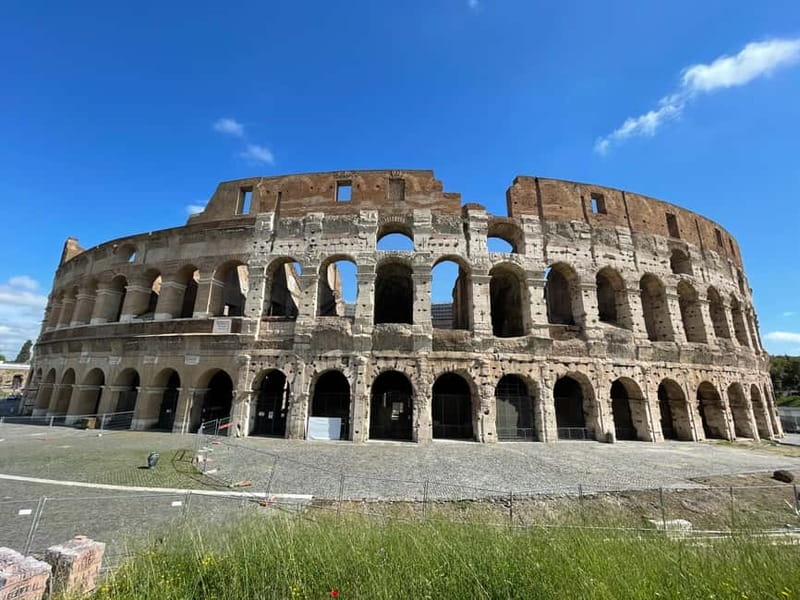
- Colosseum entry plus expert context about gladiators, animal fights, construction, and Roman propaganda
- Roman Forum + Palatine Hill for one guided hour so you don’t miss the power-center feeling
- Small-group format that makes it easier to ask questions and keep up without getting swept away
- UNESCO World Heritage site experience, grounded in the Colosseum’s date (built starting around 72 A.D.)
- Rain or shine approach so you still get the history, unless safety forces a closure
A 2.5-hour plan that makes the Colosseum make sense
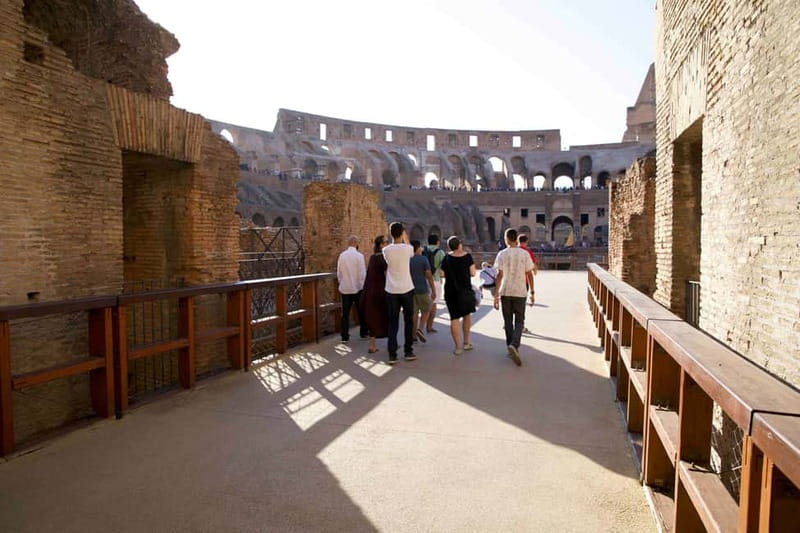
This tour is built for people who want the big-name sites without drowning in logistics. In about 2.5 hours, you’ll cover the Colosseum with a guided walk, then shift your focus to the Roman Forum and Palatine Hill for a guided hour. It’s a tight schedule, but that’s the point: you get enough structure to understand what you’re looking at right now, not just admire it in silence.
The small-group feel also helps. When you’re in a monument this famous, the hardest part isn’t finding it—it’s sorting out what’s important from what’s just dramatic. A guide gives you that filter quickly, especially for a place like the Colosseum where story and architecture are inseparable.
You’ll also spend real time inside and in the key archaeological zones, not only at viewpoints. That matters, because so much of the experience here comes from moving through spaces where events actually happened.
You can also read our reviews of more guided tours in Rome

Meeting at Via del Colosseo 31: easy to find, but go early
Your tour starts at Via del Colosseo 31, and you’ll look for coordinators wearing The Ultimate Italy t-shirts. The meeting point is above the second floor of the Colosseum metro stop (blue line), behind Caffe Roma.
This is one of those tours where being early isn’t just polite—it’s necessary. You’re required to arrive for check-in at least 30 minutes before your departure time. The tour has strict timing, and if you’re late, you won’t be able to join the group unless you reschedule.
Practical tip: give yourself extra slack before you even start the walk. Around the Colosseum, pedestrian flow gets chaotic fast, and it’s not hard to lose 10–15 minutes just from crowd timing and figuring out the exact meeting spot from street level.
Getting through Colosseum security without losing your day
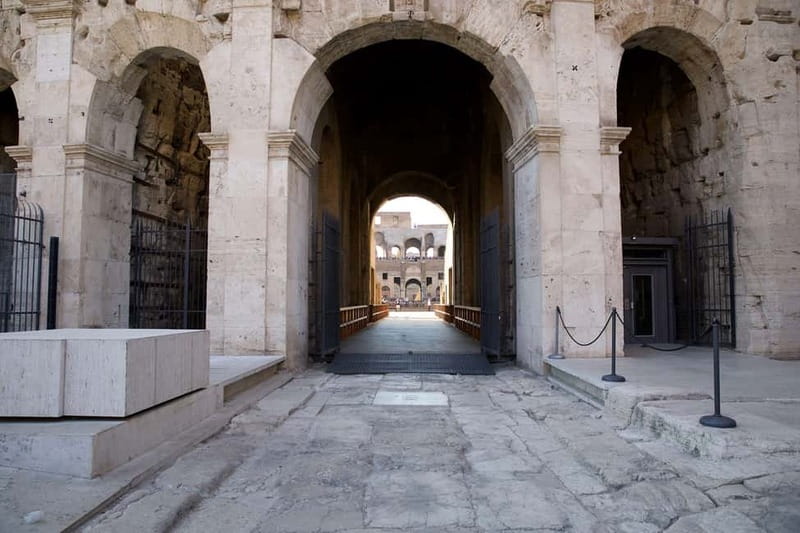
You’ll go through mandatory security checks at the sites. The key detail: the waiting time for security can be considerable during peak times and has nothing to do with the ticket line. In other words, don’t assume the ticket check means you’re safe from delays.
Because this is a guided, time-sensitive tour, your best move is to treat security like a scheduled appointment. Arrive early, have your ID ready, and keep your bag situation simple.
Also note what is required for entry: an official ID is required for every participant when entering the monument. The name you use during booking must match the ID you bring.
If you’re tempted to bring extra items “just in case,” don’t. Pets aren’t allowed, and luggage or large bags, including backpacks, aren’t allowed either. That restriction can shape what you bring from the start.
Entering the Colosseum: gladiators, animals, and propaganda
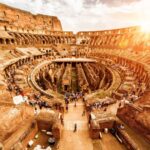
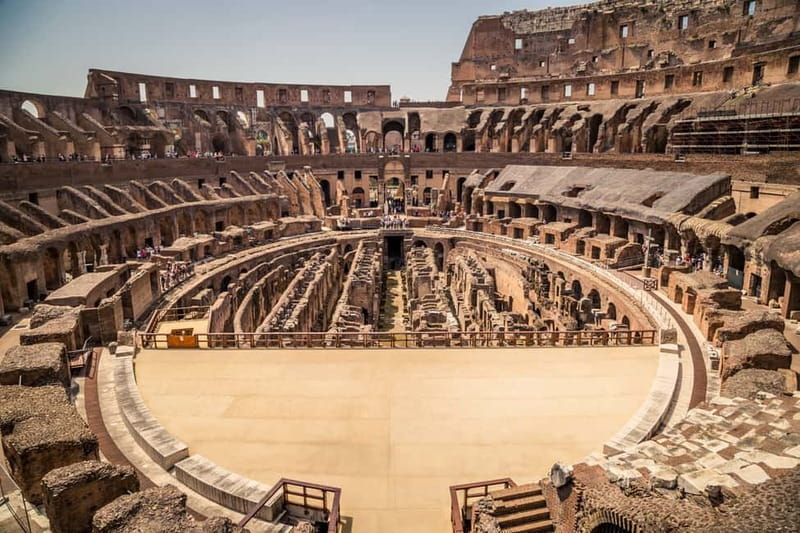
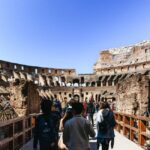
Inside the Colosseum, the guide’s job is to turn stone into a story. You’ll get a guided tour for about 1 hour, with headsets so you can hear comfortably even when you’re surrounded by lots of voices.
One of the most valuable parts of this experience is how the guide explains the construction techniques the Ancient Romans invented and used. This helps you understand the building as a piece of engineering, not just a shell of arches. When you see how the Colosseum was put together, you start to grasp how Romans pulled off large crowds and large spectacles in the same space.
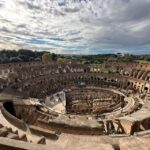
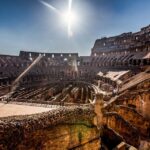
Then comes the human side: you’ll learn about the gladiators and the kind of deadly games that happened here, including bloody battles and violent exotic animal fights. The guide also points you toward areas tied to preparation and viewing. You’ll see the rooms where gladiators prepared for battle, and you’ll stand in the kind of seating area where spectators watched the games.
That shift—from what you might assume (fighters show up, fight, done) to what the guide explains (training, staging, crowd psychology)—is what makes this tour feel more than just sightseeing.
Why the propaganda piece matters
The guide doesn’t just tell you that the games were dramatic. You’ll also hear about political propaganda tied to the events and the Emperor’s desire for glory. This is a big deal because it changes how you interpret everything.
It’s easy to think of Roman games as entertainment. But when you understand that rulers used spectacle to shape public feeling, you start noticing details differently: the scale, the emotion in the crowd, and the way power could feel close and personal because it was performed in a place everyone could access.

Colosseum timing and photo moments (so you actually get them)
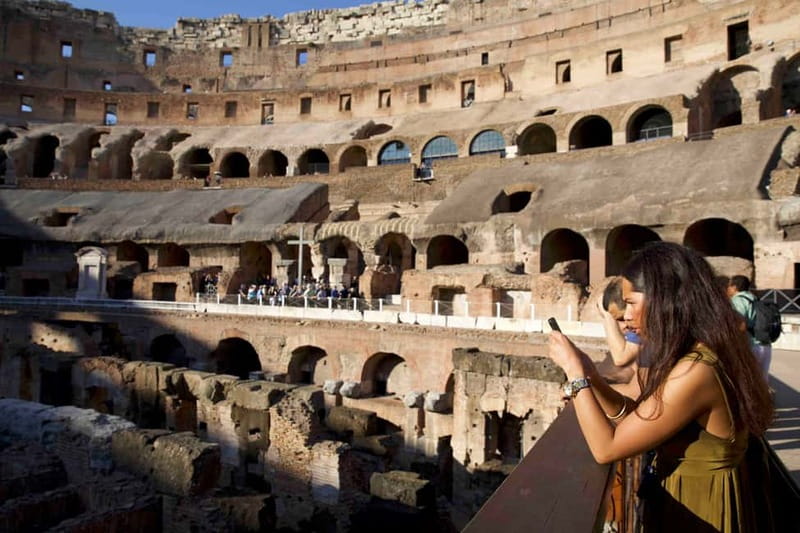
This tour includes time to look around as you go, but it’s not a “wander and hope” schedule. The group moves with the guide, and the timing is strict. That’s good for comprehension, but it does mean you should think about photos proactively.
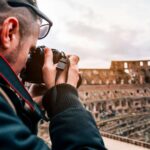
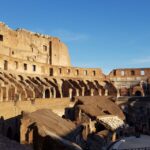
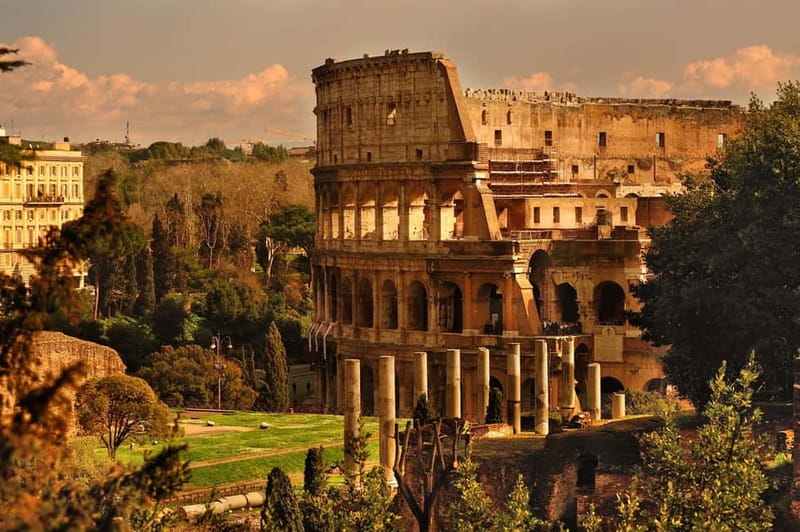
A helpful approach: as you arrive, do quick mental bookmarks. Where is the view that connects the building to the city? Where are the angles that show the structure? You’ll also be guided to best places to capture that perfect picture during the walk, so you’re not stuck guessing.
If photography is a priority, plan for a few fast moments rather than one long session. The value here is learning what you’re photographing while you’re still standing in the right spot.
Roman Forum and Palatine Hill: Rome’s power center in one guided hour
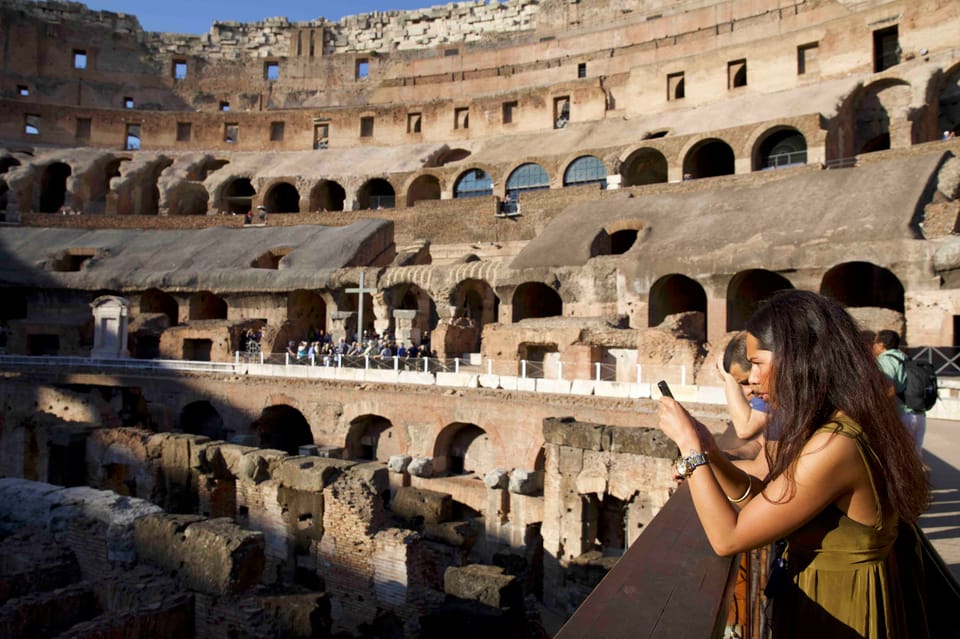
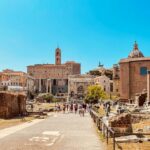
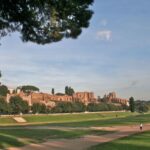
After the Colosseum, the tour shifts into a different mood—less roar, more policy. You’ll spend about 1 hour through the Roman Forum and Palatine Hill, guided.
The Roman Forum is often described as the downtown of ancient Rome, and your guide uses that idea to make sense of the place. It wasn’t only a market area. It was the political, economical, and religious center. That means when you walk through it, you’re walking through the “why” behind a lot of Roman life.
You’ll learn about Roman daily life and what Romans enjoyed most, but you’ll also see how the Forum connected to power. The tour also includes stops or stories tied to the imperial world—like the imperial palace and the best view over the city that helps you understand how officials could be seen and felt.
Palatine Hill is especially good for this kind of context because it reinforces how rulers claimed space and meaning. Even if you’ve read about Rome online, it’s the on-the-ground orientation that makes it stick: where decisions were made, where crowds gathered, and how status played out in built form.
And here’s the extra reason this hour feels worthwhile: you’re not only learning about the Forum as history. You’re learning it as a functioning setting, a place people walked through and lived around. That makes the Colosseum stories click too, because the games weren’t floating in a vacuum. They were part of the same political culture.
What small-group means here: pacing, questions, and headsets
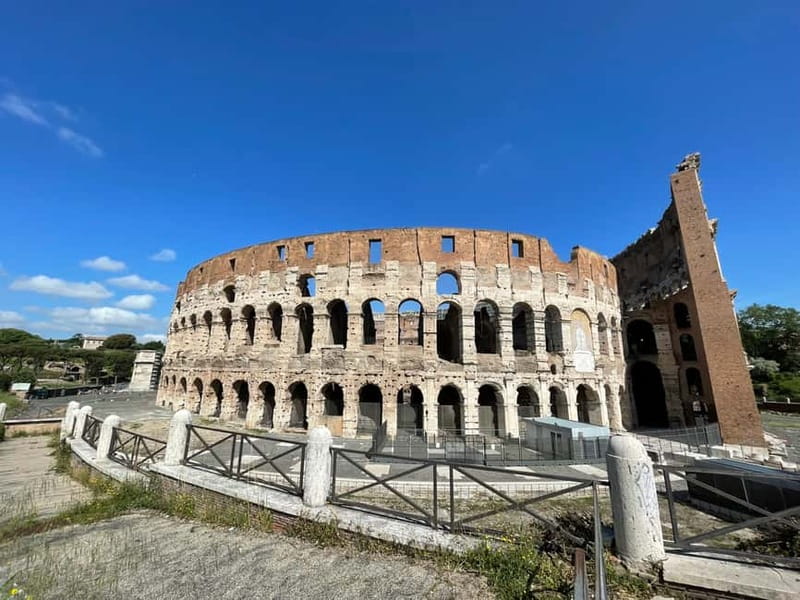
Small group tours live or die by pacing. Here, the pacing is controlled by design: a guided hour inside the Colosseum, then an hour in the Forum/Palatine Hill zone, with short walking segments between. That prevents the most common problem with large self-guided visits—seeing everything and learning almost nothing.
You’ll also have headsets, which is a surprisingly big quality-of-life upgrade. In Rome, monuments come with noise and crowd chatter. The headset keeps the guide’s explanations from turning into background. You’re more likely to absorb key points like dates, roles, and why certain architecture exists.
If you like asking questions or getting quick clarifications without feeling rushed, a smaller group helps. Even if you don’t talk much, you benefit from how the guide can slow down when someone needs a moment.
Price ($55.51) and value: what you’re really paying for
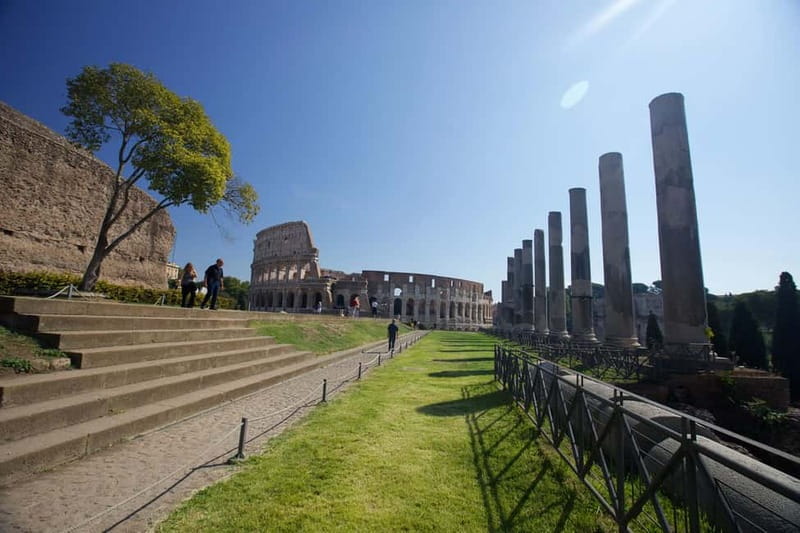
At around $55.51 per person, this tour is priced for the experience you’re getting: guided interpretation plus the ticket you need for admission. You’re not paying extra for random extras—you’re paying for three core things:
- A professional guide who can translate complex sites into stories you understand quickly
- Headsets so the guidance stays clear during the busy parts
- Admission tickets included, meaning you’re not juggling separate purchases and entry timing
You still need to handle your own food and drinks, and there’s no pickup or drop-off, so you’ll start and end at the meeting point. If you’re already planning to be in the Colosseum area, that’s fine. It keeps the price focused on the tour value rather than transport.
Is it the cheapest way to see the Colosseum? Probably not. But cheap can be expensive in Rome if you end up losing time in confusion or missing what makes a site meaningful. For me, the value here is the guide-led “meaning,” not just access to famous stone.
Who this tour suits best
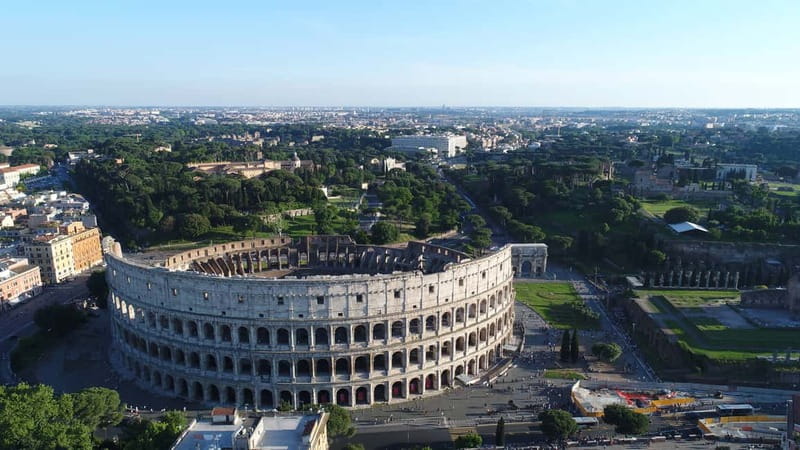
This tour fits best if you want structure and context and you don’t want to spend your trip switching between apps, maps, and guesswork.
You’ll likely enjoy it if you:
- Care about understanding what you see in the Colosseum beyond the postcard view
- Want an organized visit through the Roman Forum and Palatine Hill
- Prefer small-group pacing with headsets to keep explanations clear
- Are comfortable walking and standing for the duration (the tour is not suitable for people with mobility impairments and not suitable for wheelchair users)
If you’re someone who wants to linger for long periods in one spot, this might feel a bit tight. The schedule is built around guided coverage, not extended independent time.
Practical checklist before you go
A few details can make the day smoother:
- Bring passport or ID card (required for entry)
- Wear comfortable shoes; you’ll be walking and standing
- Travel light: no luggage or large bags, and backpacks aren’t allowed
- Pets aren’t allowed
- Expect rain or shine operation unless officials close the monument for safety
- Arrive early for check-in and security flow to protect your place on the tour
Should you book this Colosseum and Ancient Rome small-group tour?
I’d book this tour if you want the Colosseum experience to come with real context and you value a guided path through the Forum and Palatine Hill rather than bouncing between landmarks on your own.
You should skip it (or consider a different format) if you need maximum mobility support, because it’s not suitable for wheelchair users. And if you hate time-structured activities, remember that the tour has strict timing and security checks can slow things down—so you’ll need to show up prepared and early.
Overall, this is a solid choice for people who want the big hitters of Rome, but also want to understand what made them powerful in their own time. If that’s your style, you’ll get a lot out of the 2.5 hours you spend here.
FAQ
Where does the tour meet?
The tour meets at Via del Colosseo 31. Look for coordinators wearing The Ultimate Italy t-shirts, above the second floor of the Colosseum metro stop (blue line), behind Caffe Roma.
When does the tour end?
The activity ends back at the meeting point.
How long is the tour?
The duration is 2.5 hours, with starting times depending on availability.
Is the tour guided?
Yes. You get a professional live guide during the visit.
What languages are available?
The live tour guide is available in French, English, and Spanish.
Do I need a ticket in advance?
A ticket for admission to the locations is included in the tour package.
What do I need to bring for entry?
You must bring passport or ID card. Official ID is required for every participant when entering the monument.
Is the tour affected by weather?
The tour runs rain or shine, unless the monument is closed by officials for safety reasons.
What’s included besides the guide?
Included items are headsets to hear the guide clearly, plus all taxes and fees.
Is it suitable for wheelchair users or limited mobility?
No. The tour is not suitable for people with mobility impairments and not suitable for wheelchair users.
Are luggage, backpacks, or pets allowed?
Pets are not allowed, and you also can’t bring luggage or large bags, including backpacks.