REVIEW · CASTEL GANDOLFO
Borgo Laudato Si’ – Gardens of Villa Barberini
Book on GetYourGuide →Operated by Borgo Laudato Si' - Giardini di Villa Barberini · Bookable on GetYourGuide
Castel Gandolfo, but calmer. Step into the Villa Barberini Gardens for a focused 1-hour ride that pairs Roman history with careful greenery, all through Borgo Laudato Si’. You’ll move along avenues and see the setting of the popes’ summer residence, while the experience is framed around integral ecology.
What I like most is how the route is built for the space: you pass through ruins tied to Roman Emperor Domitian and then flow into garden paths and majestic fountains, without turning your day into a long slog. I also like that you get a multilingual audioguide, which helps you connect the sights to what you’re actually looking at. The only real consideration: the visit is not suitable for wheelchair users, so plan on standard mobility.
Key Points at a Glance
- Eco-friendly vehicle route that follows the garden layout instead of forcing a long walk
- Domitian’s villa ruins mixed into garden strolls and sightlines
- 300 plant species across 35 hectares of gardens and 20 hectares of agricultural areas
- Multilingual audioguide that keeps the pace thoughtful for a quiet kind of visit
- Summer residence of the popes as part of the larger Papal Villas setting
- Strict rules on flowers and archaeological finds, so the gardens stay exactly as they should
In This Review
- Villa Barberini Gardens: a rare mix of Rome, popes, and plants
- The 1-hour eco-vehicle loop: how the pace actually works
- Via Massimo D’Azeglio and the Barberini Gardens: stop-by-stop highlights
- Stop 1: Starting location, Via Massimo D’Azeglio
- Stop 2: Barberini Gardens (1 hour of sightseeing)
- Return: back to Via Massimo D’Azeglio
- Domitian ruins, fountains, and the 300-species garden you’ll actually notice
- Integral ecology at Borgo Laudato Si’: what the story adds
- Price, included items, and what you should plan to do elsewhere
- Who should book this eco-vehicle garden tour
- Quick practical notes before you go
- Should you book Borgo Laudato Si’ – Gardens of Villa Barberini?
- FAQ
- How long is the Borgo Laudato Si’ – Gardens of Villa Barberini tour?
- Where does the tour start and end?
- What does the ticket include?
- Does this tour include the Papal Palace?
- What languages are available for the audioguide?
- Is the tour suitable for wheelchair users?
Villa Barberini Gardens: a rare mix of Rome, popes, and plants
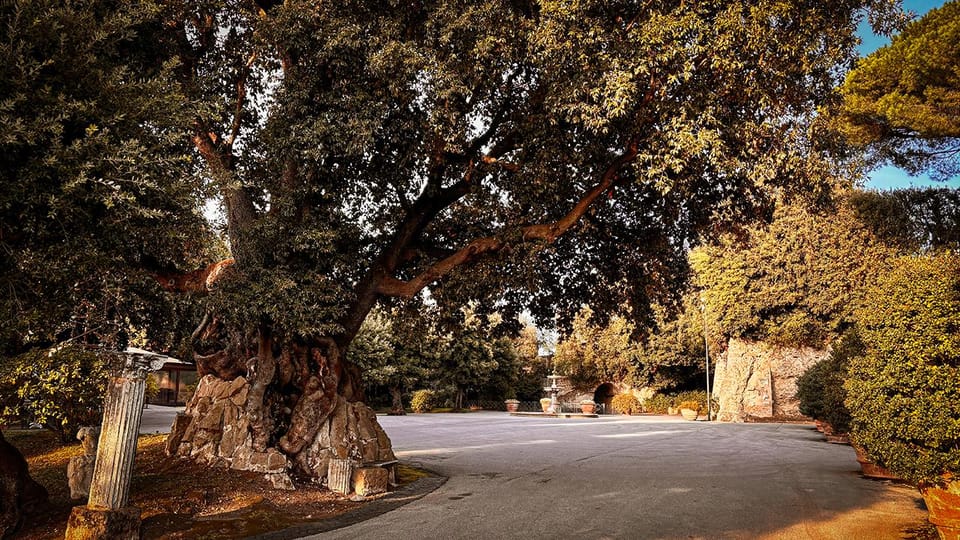
Castel Gandolfo is famous for its papal connection, but Borgo Laudato Si’ adds a different angle. You’re visiting the Gardens of the Papal Villas, specifically the Villa Barberini Gardens, in an area treated like both a botanical treasure and a historical site.
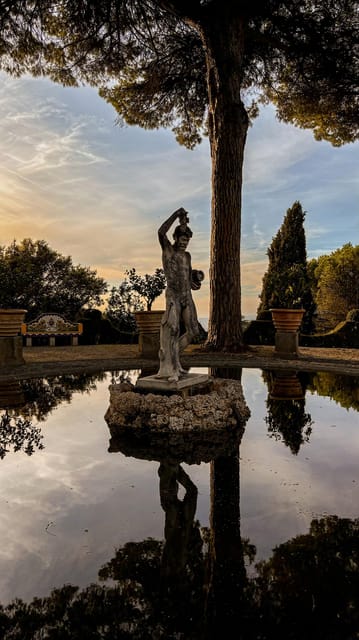
This isn’t just pretty-for-a-photo greenery. The grounds cover 35 hectares of gardens plus 20 hectares of agricultural area, home to more than 3,000 plants and trees from 300 different species. That matters because it explains why this experience is paced the way it is: the route guides you through variety—trees, plantings, water features—and it also threads in archaeological remains from the Roman Emperor Domitian’s villa.
And because Borgo Laudato Si’ runs training in integral ecology, the garden isn’t only decoration. You’ll hear how history, nature, and daily choices connect—without turning it into a lecture marathon. One of the strongest benefits here is the quiet focus: the audioguide does a lot of the work, so you can actually take in details like fountain placement, garden perspective, and the sense of layered time.
The 1-hour eco-vehicle loop: how the pace actually works
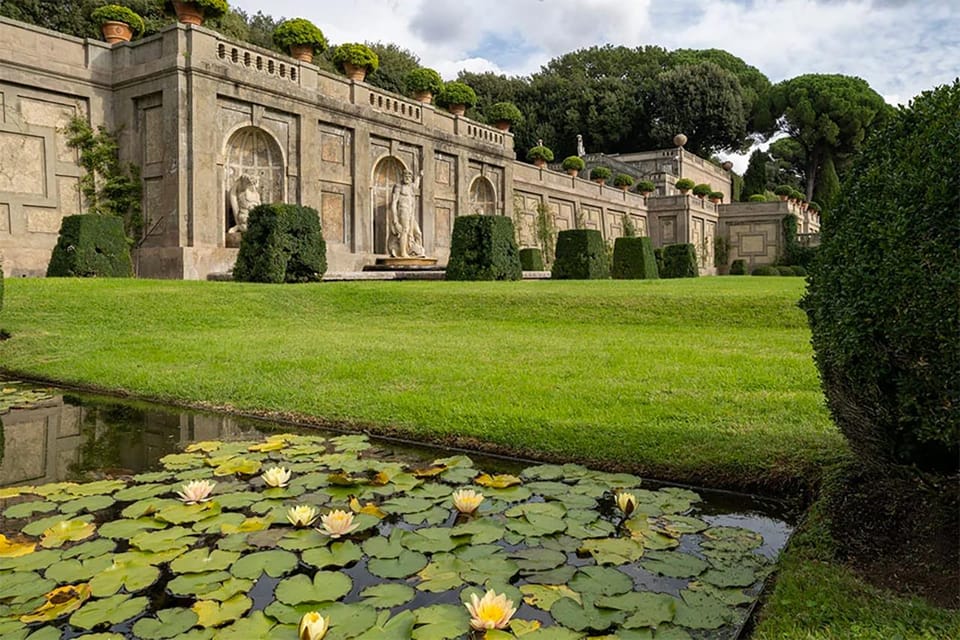
You’re not doing this as a long self-guided hike. The visit runs for about 1 hour, and you’ll ride aboard an eco-friendly vehicle along the route. That vehicle is more than a nice-to-have; it changes the feel of the gardens.
Instead of constantly stopping, starting, and navigating uneven historical terrain on foot, you get a guided flow through the site. The route winds through the ruins of Domitian’s villa and then continues along garden avenues lined with beautiful garden areas and majestic fountains. In practical terms, it helps you see the best sightlines without burning your energy.
Another practical detail: the driver is Italian and English, and you’ll also have a multilingual audioguide. That combination works well if your group includes different language comfort levels. You’ll be listening while moving, which keeps the experience from turning into long idle time.
If you’re the type who likes gardens but hates wasting half a day on logistics, this setup is a strong match. It also helps you keep the rest of your Castel Gandolfo day realistic, since the total time is short.
You can also read our reviews of more tours and experiences in Castel Gandolfo.


Via Massimo D’Azeglio and the Barberini Gardens: stop-by-stop highlights
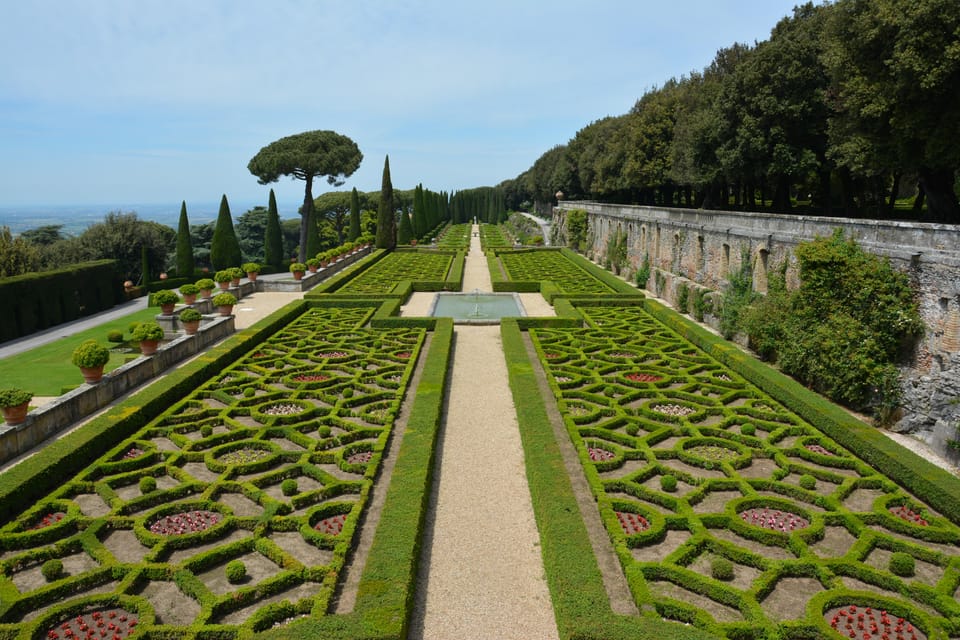
Your visit starts at Via Massimo D’Azeglio, and the plan is simple: you ride to the Barberini Gardens, spend the sightseeing time there, and then return to the starting point.
Stop 1: Starting location, Via Massimo D’Azeglio
The start matters because this is a site visit with a structured route. Plan to arrive with enough time to gather your group and get settled before the vehicle begins moving. There’s no checkroom service for this type of visit, and the site doesn’t have an internal parking lot, so traveling light is smart.
Stop 2: Barberini Gardens (1 hour of sightseeing)
This is where the experience becomes more than a “garden walk.” You’re moving through an environment built from several layers:
- Archaeological remains from Domitian’s villa, which gives the place a Roman gravity
- Garden avenues that guide your sightlines and pacing
- Majestic fountains, which add drama without needing you to chase viewpoints
- A huge variety of plant life: more than 3,000 plants and trees across 300 species
One thing I really appreciate about a visit like this is that you don’t have to guess what’s important. The setting is curated by design, and the audioguide helps you notice things you might miss if you were just strolling: how ruins and garden paths relate, how water features sit within the overall layout, and how the story of the site evolved over time.
Return: back to Via Massimo D’Azeglio
Because you return to the original location, it’s easy to plan your next move. You can line up lunch or another Castel Gandolfo stop without worrying about travel time across the area.
Domitian ruins, fountains, and the 300-species garden you’ll actually notice
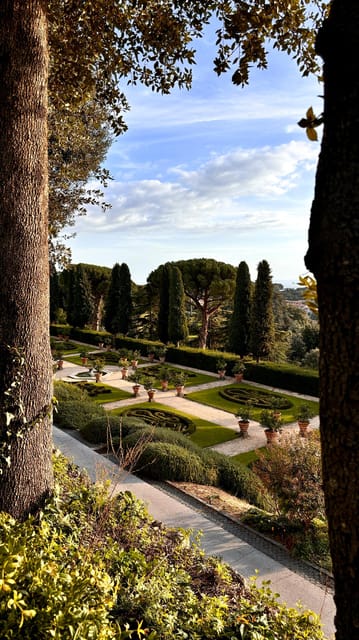
It’s tempting to think “gardens tour” means mostly greenery. Here, the best part is that you get a double education: nature and ancient history sit side by side.
You’ll spend time along the route where the ruins of Emperor Domitian’s villa appear in the landscape. Even if you’re not a Roman-history specialist, you can still read the site visually: these are physical remains embedded in a garden setting, which makes the historical layer feel less abstract. It also gives your visit a built-in sense of place. You’re not just seeing a park; you’re moving through an environment with earlier chapters written into the ground.
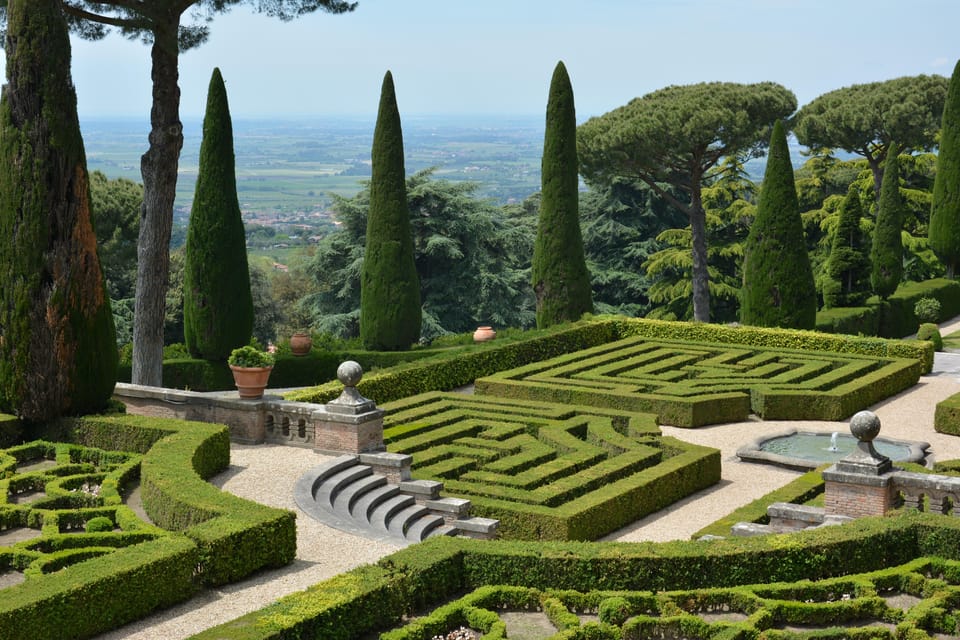
Then come the fountains. The route includes avenues flanked by gardens and majestic fountains, so water becomes part of the composition. This is where the “quiet focus” vibe matters: when the pacing is controlled and you’re listening through the audioguide, the fountains and garden perspectives are easier to take in instead of feeling like passing scenery.
And yes, you should care about the plant numbers. When a site has 300 species, it usually means the garden isn’t random. You’re more likely to notice differences—texture, leaf shape, plant arrangement, and how the green changes across areas. The experience is designed so you don’t have to be a botanist to appreciate what’s going on.
Integral ecology at Borgo Laudato Si’: what the story adds
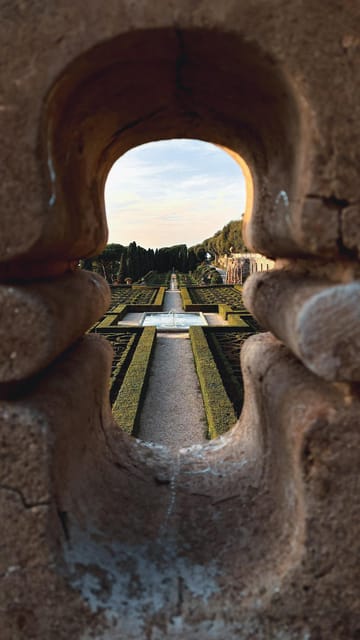
The gardens here are part of a training space for integral ecology, open to all people of good will. That phrase can sound abstract, but in practice it frames the visit around relationships rather than just facts.
Instead of treating plants as background, you’ll be guided to see them as part of a living system—something shaped by history, agriculture, and careful land stewardship. The presence of 20 hectares of agricultural area reinforces that idea. You’re not only in decorative landscaping; you’re in a place that includes cultivation and learning.
You also get the popes’ connection without needing extra ticket steps. The gardens are tied to the summer residence of the popes within the larger Papal Villas setting. That helps you understand why the grounds have both beauty and protection over time.
If you like travel that makes you slow down and think, this fits. If you’re only chasing big-ticket sights, you may find it quieter than a museum sprint—but that’s also why it works.
Price, included items, and what you should plan to do elsewhere
The price is listed at $17 per person, for a visit that lasts about 1 hour. For the combination you get—entrance ticket, eco-friendly vehicle, and a multilingual audioguide—it’s solid value, especially if you’d otherwise spend time figuring out the site layout on your own.
What’s included:
- Entrance ticket
- Eco-friendly vehicle
- Multilingual audioguide
- Skip the ticket line
What’s not included:
- Entrance to the Papal Palace
That last point is important for planning. You can absolutely pair this gardens experience with a palace visit later, but don’t assume this ticket covers it. Treat it as a gardens-focused experience within the wider Castel Gandolfo papal area.
Also note a couple of “small but real” rules:
- Smoking is not allowed
- Food and drinks are not allowed in the vehicle
- You’re forbidden to pick flowers, plants, herbs, and archaeological finds
These rules keep the gardens protected and help preserve that cared-for feel many people love about the site.
Who should book this eco-vehicle garden tour
This tour makes the most sense if you want:
- A short, structured experience at Castel Gandolfo (around 1 hour)
- Gardens plus history, without a long walking-only format
- A calm visit supported by a multilingual audioguide
- A setting tied to the popes’ summer residence, with Domitian-era ruins in the same circuit
You should probably skip it (or adjust expectations) if you rely on a wheelchair, since the visit is not suitable for wheelchair users. And if you need a self-directed museum-style pace where you control every stop, the set route may feel limiting—but the short duration is usually a plus here.
If you’re traveling with mixed interests (one person wants nature, another wants history), this format is a good compromise. You don’t have to choose.
Quick practical notes before you go
A few details will help your day run smoother:
- Start point is Via Massimo D’Azeglio
- The route includes ruins and garden paths, so wear comfortable shoes even though you’re riding much of the time
- There’s no internal parking lot and no checkroom service, so travel light
- Plan around the audioguide listening time; the experience works best when you don’t rush it
One more helpful mindset: treat the visit like a guided “see and connect” loop, not like a checklist. The best outcomes come from paying attention to both the water features and the historical remains as you move through the spaces.
Should you book Borgo Laudato Si’ – Gardens of Villa Barberini?
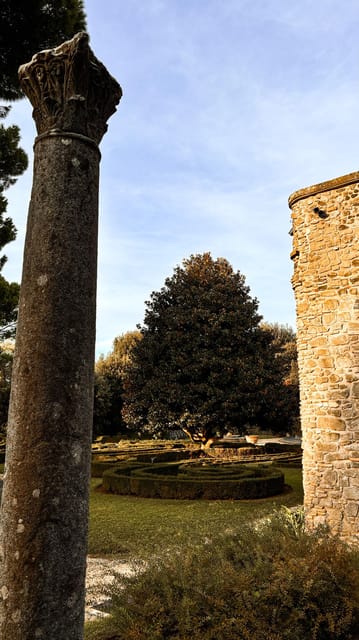
I’d book it if you want a short, well-supported Castel Gandolfo experience that blends papal context, Roman ruins, and a serious plant collection. The $17 price feels fair because you get more than scenery—you get a structured route, vehicle transport, and a multilingual audioguide that helps the place make sense.
I would not book it only if wheelchair access is required, if you need the Papal Palace included, or if you’re looking for a long, free-roaming walk. Otherwise, this is a thoughtful way to see why this part of Lazio is more than a stop on the way to something bigger.
FAQ
How long is the Borgo Laudato Si’ – Gardens of Villa Barberini tour?
The tour lasts about 1 hour. Starting times depend on availability, so check before you book.
Where does the tour start and end?
The tour starts and returns to Via Massimo D’ Azeglio.
What does the ticket include?
Your ticket includes an entrance ticket, an eco-friendly vehicle ride, and a multilingual audioguide. It also includes skipping the ticket line.
Does this tour include the Papal Palace?
No. Entrance to the Papal Palace is not included.
What languages are available for the audioguide?
The languages listed are Italian and English.
Is the tour suitable for wheelchair users?
No. The visit is not suitable for wheelchair users.