REVIEW · CASTEL GANDOLFO
Castel Gandolfo: Vatican Observatory experience
Book on GetYourGuide →Operated by TOURISTATION · Bookable on GetYourGuide
The views hit fast, then the science gets real. This Castel Gandolfo Papal Palace visit mixes sweeping lake panoramas with rare access to the Vatican Observatory’s working domes—exactly the kind of pairing that makes a day feel special without wasting your time.
I especially like the chance to see two different observatories up close, and I love climbing the spiral staircase for that high terrace perspective over the water.
One thing to consider: it’s a tight 1-hour stop. If you’re expecting a full deep-dive astronomy lecture, you might feel the content runs quickly for the price. Still, for most people, the combination of access + scenery is the point—and it delivers.
In This Review
- Key highlights you’ll remember
- Why Castel Gandolfo feels like more than a side trip
- The Papal Palace terrace: the best payoff of the stair climb
- Entering the Vatican Observatory: Jesuits, instruments, and 1930s logic
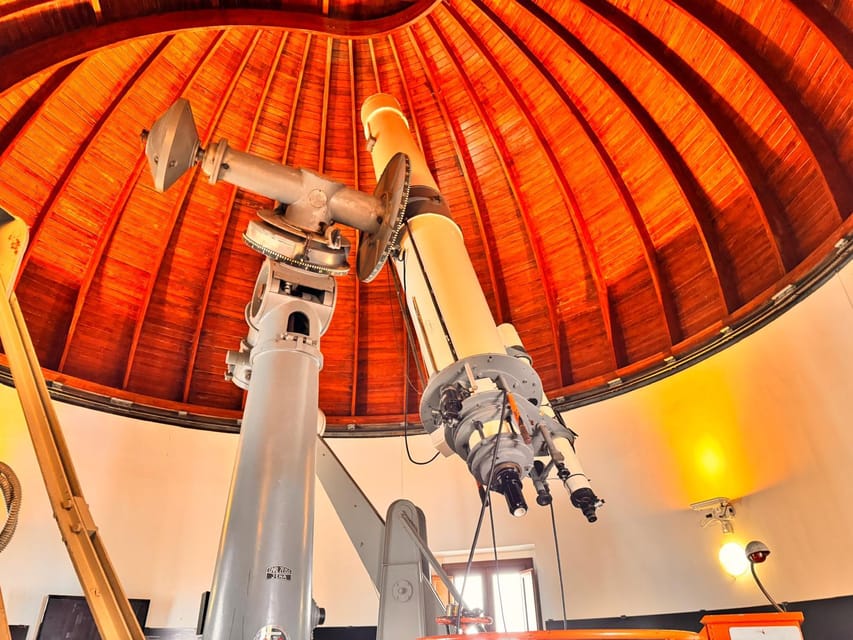
- Major dome (8.5 m) and minor dome (8 m): what the two instruments do
- Major dome: visual work with the 8.5-meter Visual Telescope
- Minor dome: the 8-meter Double Astrograph for sky surveys
- How the 1-hour format keeps things focused (and where it may feel short)
- Price and value: when $17 feels fair, and when it doesn’t
- Practical tips so the visit stays comfortable
- Wear and bring the right stuff
- Know the limits before you book
- Show up with a bit of breathing room
- Who should book this observatory experience?
- Should you book Castel Gandolfo’s Vatican Observatory visit?
- FAQ
- Where is the meeting point for the Castel Gandolfo Vatican Observatory experience?
- How long does the experience last?
- What’s included in the ticket?
- Is there a guided tour or audioguide?
- Can children attend?
- Is it wheelchair accessible, and is it safe if you have vertigo?
- What should I bring with me?
Key highlights you’ll remember
- Two functioning observatories inside the Papal Palace grounds, with access to both domes
- Major dome (8.5 m) with a Visual Telescope for stars and planets
- Minor dome (8 m) with the Double Astrograph for photographic sky surveys and star positions
- A steep spiral staircase payoff: the third floor terrace view over Lake Albano
- Jesuit-run observatory story tied to the shift away from light pollution in central Rome
Why Castel Gandolfo feels like more than a side trip
Castel Gandolfo sits about 24 kilometers from Rome, close enough for a practical day plan, far enough to feel like you’ve changed settings. You’re in Lazio, up on the hill where the Pope’s summer residence has long been a place for quiet, distance, and big-sky sightlines.
That matters because the experience is built around contrasts. On one side, you have a formal palace setting. On the other, you have instruments meant for the night sky. Even in daylight, you can feel the purpose of the site: clear geometry, strong lines, and a location chosen for viewing the world beyond your immediate surroundings.
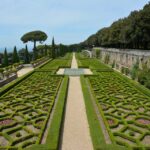
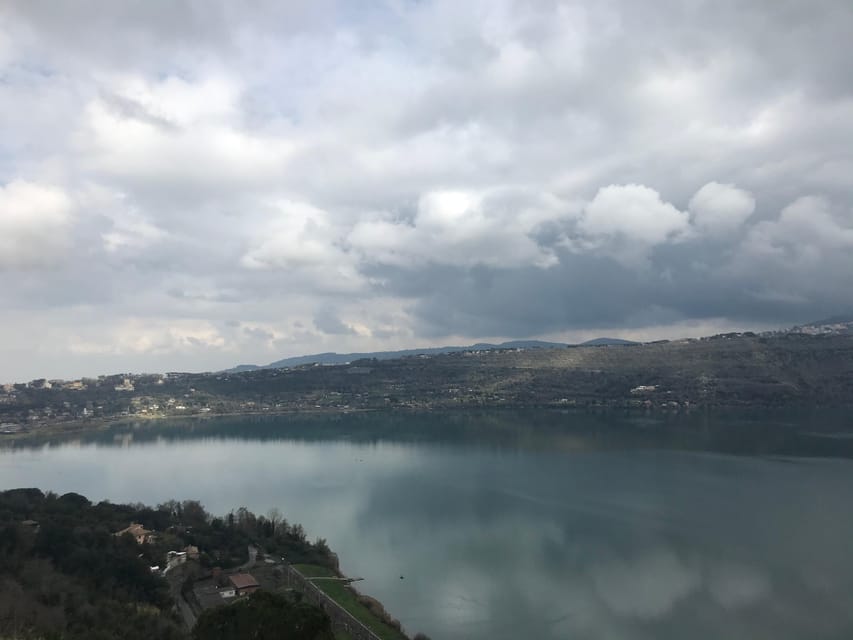
And yes, there’s the lake. Lake Albano is the visual reward that keeps the visit from feeling purely technical. You get to look outward at the same place the palace overlooks, instead of only looking at museum-style objects.
You can also read our reviews of more tours and experiences in Castel Gandolfo.
The Papal Palace terrace: the best payoff of the stair climb
You’ll start at the main entrance of the Papal Palace and make your way through the palace area before heading up. The standout physical moment is the spiral staircase to the third floor, which brings you to the highest point of the panoramic terrace.
This isn’t just “nice views.” It’s a real change in perspective. From ground level, Lake Albano looks like a backdrop. From the terrace, it looks like a plan—horizon, water, and the surrounding slopes aligned in a way that makes Castel Gandolfo feel designed for looking far.
Bring your camera here. A camera helps most because the terrace viewpoint is the one part you can repeat visually, even if the astronomy portion happens quickly. If you’re the type who likes documenting angles and light conditions, this is your moment.
One more practical note: since you’re going higher and outside for views, warm clothing helps even when Rome feels mild. The palace sits in an elevated position, and you’ll appreciate staying comfortable while you pause to take it in.
Entering the Vatican Observatory: Jesuits, instruments, and 1930s logic
The observatory portion is where the tour becomes more than sightseeing. The Vatican Observatory at Castel Gandolfo is tied to a specific moment in time: the transfer and refounding of the site.
In 1935, Pope Pius XI inaugurated the new observatory headquarters at Castel Gandolfo. The reason wasn’t romantic—it was practical. Moving there became necessary because light pollution from the city made observations harder. The observatory was refounded and entrusted to the Jesuits, and they equipped it with new telescopes and an astrophysical laboratory for spectrochemical analysis.
That history gives context for what you’re seeing. These aren’t generic domes on a hill. They’re purpose-built structures for astronomical work, redesigned for clearer skies and better data. And while the palace setting might suggest a slow, ceremonial pace, the observatory story is very modern in spirit: improve conditions, add instruments, run real research.
It also helps explain why this access feels special. The visit includes a rare look into the astronomical domes—and the description emphasizes that, for the first time in almost ninety years since their construction, the domes are opening their doors to visitors. That’s a big deal for anyone who likes seeing places that are still functioning, not just staged.
Major dome (8.5 m) and minor dome (8 m): what the two instruments do
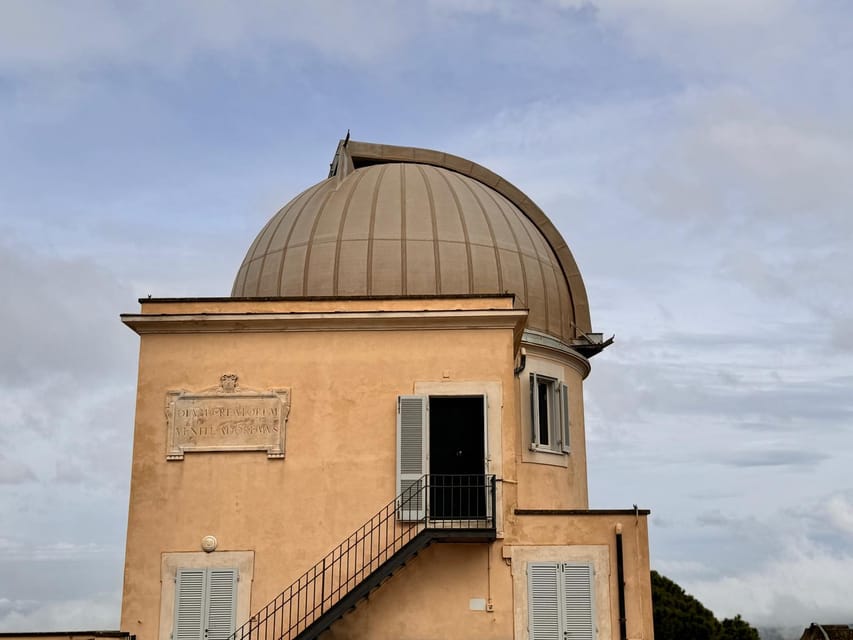
You’re given access to both astronomical observatories, which is better than seeing just one dome and moving on. Each dome has a distinct role, and the tour experience is designed so you can appreciate that separation.
Major dome: visual work with the 8.5-meter Visual Telescope
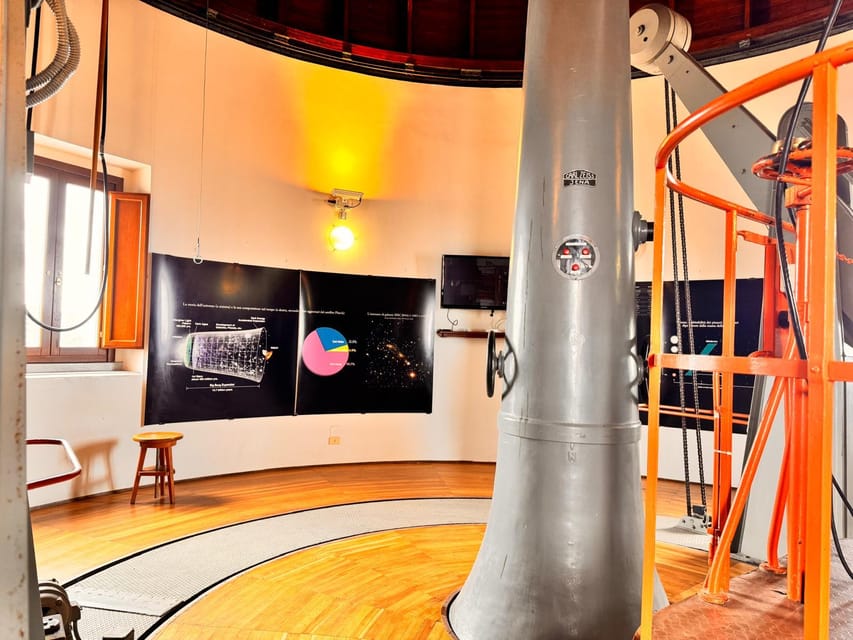
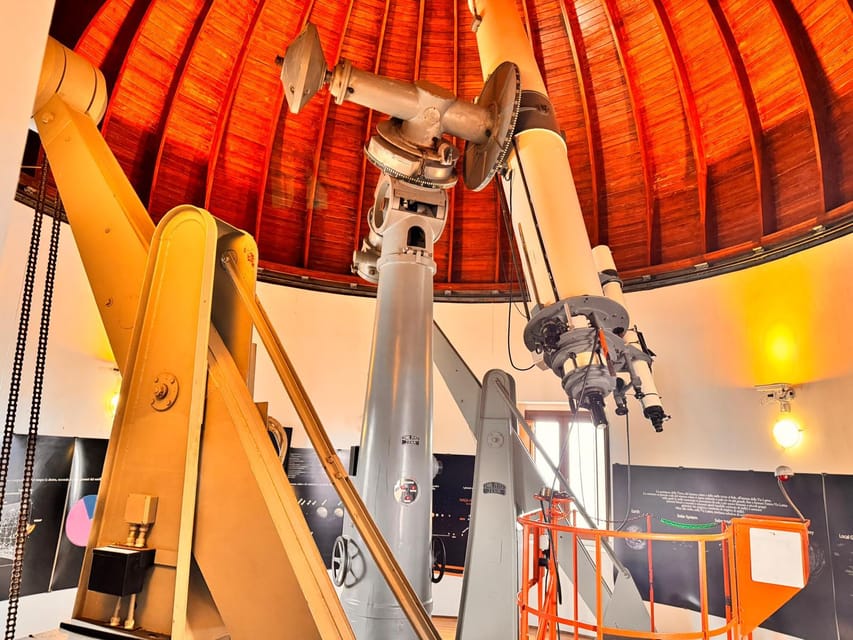
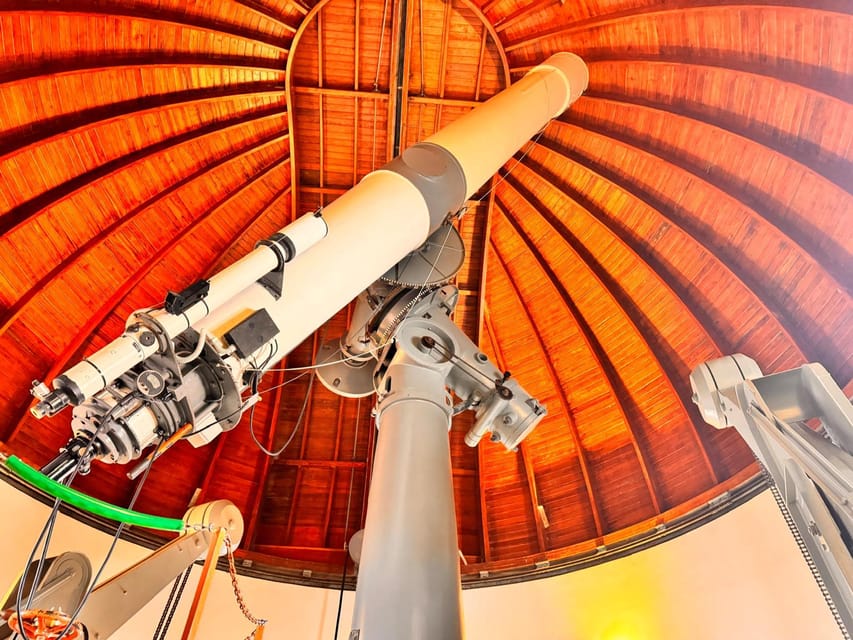
The major dome has a diameter of 8.5 meters and houses a Visual Telescope. This is the instrument category you’d expect for looking at stars and planets—observations where you’re focused on what you can see and how objects appear through optics.
Even if you’re not an astronomy person, you’ll likely find this easiest to grasp. Visual observing is straightforward in concept: you’re using the telescope to look at the sky’s objects rather than building data solely through photography or long survey programs.
Minor dome: the 8-meter Double Astrograph for sky surveys
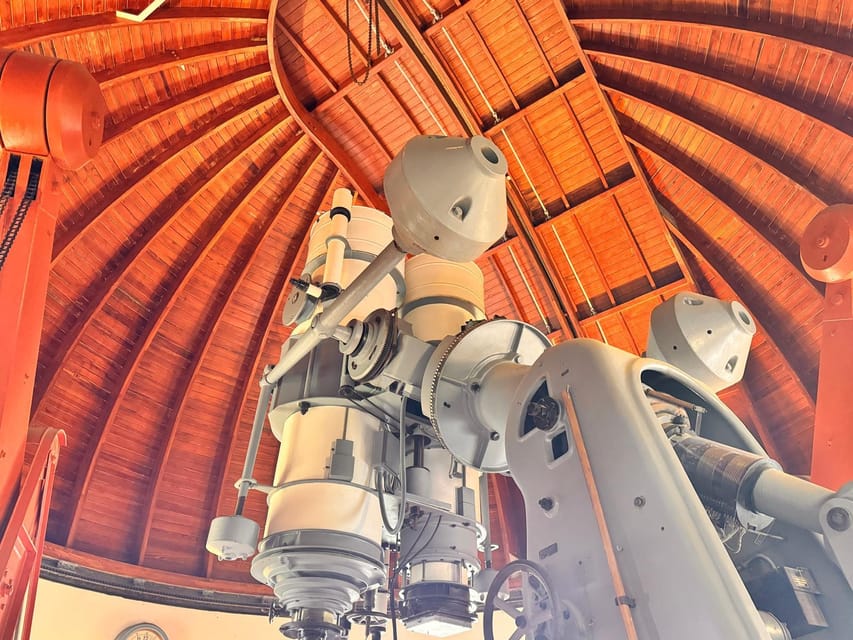
The minor dome has a diameter of 8 meters and contains the Double Astrograph. Its job is different. It’s used for photographic surveys of the sky and for measuring the position of stars.
This is the piece that makes the visit feel like it belongs to the real world of astronomy research. Photography-based surveying is about collecting consistent images and turning them into usable positional information. If you’ve ever wondered how astronomers build maps of the sky beyond what you can see with the naked eye, this is the concept hinted at here—without needing an engineering degree.
So, what’s the practical takeaway for you? You’re not just walking past two domes. You’re seeing two approaches to the same big question: what’s up in the sky, and how do you document it well?
How the 1-hour format keeps things focused (and where it may feel short)
The experience is listed as about 1 hour, so you’ll want to treat it like a concentrated visit rather than a long, wander-at-will day.
A typical flow works like this: you enter the Papal Palace area, get directed toward the observatory spaces, then you come up for the terrace view from the third floor. The stairs are part of the design, and you’ll feel it in the pacing. It’s not a “sit and watch” kind of time slot.
One detail worth planning around: the description notes that there’s access to the domes and the third floor terrace, but it’s not built as a long guided museum tour. The host or greeter is available in multiple languages (English, French, Spanish, Italian, German), and you should expect some explanations. But if your dream is a long astronomy lecture with lots of technical background, the hour may feel compact.
That same tight timing can also cut two ways. It makes the visit easy to fit into a Rome day, but it can create a mismatch if you measure value by minutes. There’s at least a chance you’ll feel the clock while you’re there, especially if you’re hoping for more time inside the domes.
Still, for many people, the hour is a feature, not a bug. You’re seeing rare access to working domes and getting terrace panoramas without burning half a day.
Price and value: when $17 feels fair, and when it doesn’t
The price is $17 per person for a roughly 1-hour experience that includes:
- access to the major and minor astronomical domes
- access to the third floor of the Papal Palace
- the panoramic terrace view over Lake Albano
At first glance, it can seem like you’re paying for a small window of time. But the value isn’t only the time. It’s the access. The description highlights that the domes are opening to visitors for the first time in almost ninety years since their construction. That kind of access isn’t common, and it changes what you’re actually getting.
Where you might hesitate is if you’re expecting a broader package. The visit does not include a guided tour or an audioguide in the way many major tours do. So you may want to bring your curiosity and let the on-site explanations carry the experience.
Bottom line: it’s good value if you want a clear, focused hit of palace architecture + high views + genuine observatory access. It’s less convincing if you want a long, structured astronomy program.
Practical tips so the visit stays comfortable
This is the part that helps you enjoy the dome areas and the terrace instead of tolerating them.
Wear and bring the right stuff
- Comfortable shoes: the staircase is real, and the terrace area is part of the route
- Warm clothing: especially if you’re sensitive to cooler air at elevation
- Camera: the terrace viewpoint is where you’ll want photos
Know the limits before you book
This experience is not permitted for children under 7 due to safety reasons. It’s also not suitable for wheelchair users and people with vertigo, since there’s staircase access and elevated viewpoints.
If any of those apply to you, it’s worth skipping or finding a different Rome-area activity that doesn’t involve climbing to the third floor.
Show up with a bit of breathing room
You’ll meet at Castel Gandolfo at the main entrance of the Papal Palace. The guidance says to show your reservation voucher to reception staff 20 minutes before your scheduled time. That’s enough buffer to get checked in without stress.
Also, the description notes you can skip the ticket line, which helps keep the tight timing from feeling tighter.
Who should book this observatory experience?
This visit is a strong match if you enjoy at least one of these:
- Architecture and palace settings, but you don’t want only rooms and paintings
- Astronomy as a concept, even if you’re not into technical details
- The thrill of seeing a place that still functions as an observatory space, not only a historic exhibit
- A short Rome-area day plan with a big viewpoint payoff
It’s also ideal for people who like learning in bite-size pieces. The experience includes explanations through a host/greeter, and it’s likely to feel welcoming even if you’re not an astrophysics person.
On the other hand, it may not be the best choice if:
- you need wheelchair accessibility
- you deal with vertigo
- you want a long guided deep-lecture format
- you dislike stair-based attractions
Should you book Castel Gandolfo’s Vatican Observatory visit?
I think it’s worth booking if you want a different angle on the Rome region: palace views plus real observatory access, delivered in a manageable 1-hour window. The rare-opening dome element gives it real weight, and the terrace over Lake Albano is the kind of payoff you’ll remember on your way back down.
If you’re on the fence because of the hour length, just set expectations. You’re buying access and a viewpoint, not a marathon of astronomy education. Once you accept that, the experience makes a lot of sense for a Roman holiday.
FAQ
Where is the meeting point for the Castel Gandolfo Vatican Observatory experience?
You meet in Castel Gandolfo at the main entrance of the Papal Palace.
How long does the experience last?
The duration is listed as 1 hour.
What’s included in the ticket?
The ticket includes access to the major and minor astronomical domes, the third floor of the Papal Palace, and the panoramic view from the terrace.
Is there a guided tour or audioguide?
A guided tour is not included, and there is no audioguide included. You will have a host or greeter with languages including English, French, Spanish, Italian, and German.
Can children attend?
No. The experience is not permitted for children under 7 years old for safety reasons.
Is it wheelchair accessible, and is it safe if you have vertigo?
No. It is not suitable for wheelchair users, and it is also not suitable for people with vertigo.
What should I bring with me?
Bring comfortable shoes, warm clothing, and a camera.