REVIEW · CATACOMBS & CRYPTS TOURS
Rome: Appian Catacombs tour with transfere
Book on GetYourGuide →Operated by My city Tours · Bookable on GetYourGuide
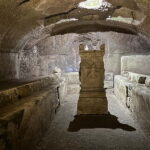
The ground literally tells Rome’s story. In two hours, you’ll ride out with your driver and step into the Appian Catacombs, carved in tufa. These underground burial spaces connect you to the early Christians who had to bury their dead outside the city walls.
I like having a local guide who frames the Appian catacombs as more than dark tunnels—this was an organized cemetery for the Church of the city. I also like the transfer, because it trims the day’s stress and lets you use your limited time on site.
One consideration: openings can change by date, and if the catacombs are closed you can lose a full day’s plans—so double-check timing for your exact travel day.
In This Review
- Key highlights at a glance
- Appian Catacombs in Two Hours: What You’re Actually Buying
- Why the Appian Way Produced Roman Underground Cemeteries
- Inside the Catacombs: What the Guided Walk Feels Like
- Transfer Logistics That Actually Save Your Day
- Price and Value: Is $89 a Fair Deal for 2 Hours?
- When This Tour Fits Best (and When It Doesn’t)
- Should You Book the Appian Catacombs Tour with Transfer?
- FAQ
- How long is the Appian Catacombs tour with transfer?
- What’s included in the price?
- Is hotel pickup or drop-off included?
- Are photographs allowed inside the catacombs?
- What dress code do I need for entry?
- What if I have claustrophobia?
Key highlights at a glance
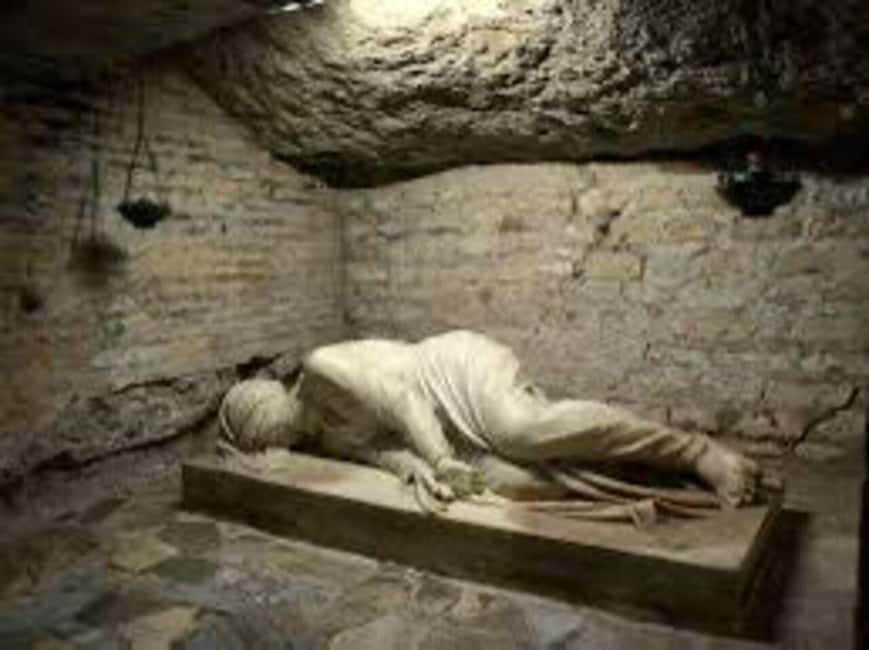
- A guided group visit inside the Appian Catacombs, the only way to access the site’s underground spaces
- Driver transfer that gets you there without turning your trip into a transportation puzzle
- Early Christian context tied to the Appian Way, a major consular road to the south
- Tufa-carved architecture that’s typical of central Italy and shaped how the catacombs were excavated
- No photography rules that keep the experience quiet and respectful
- Strict dress code and no sleeveless tops, shorts, short skirts, or bare shoulders
Appian Catacombs in Two Hours: What You’re Actually Buying
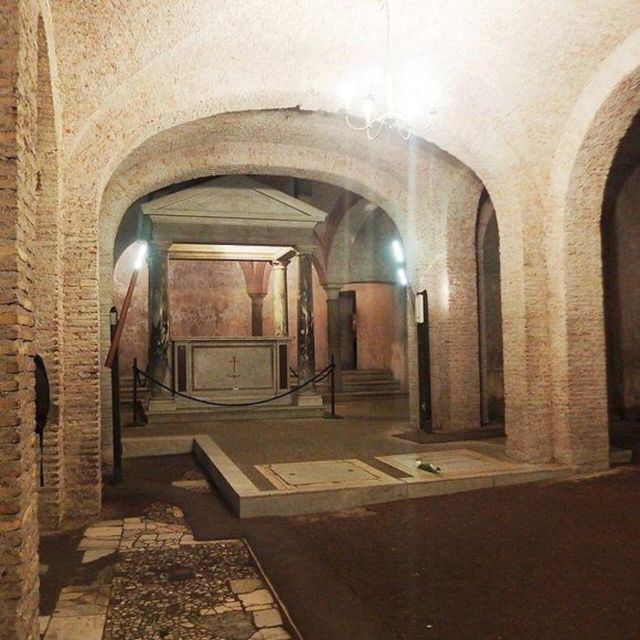
This isn’t a long day trip. It’s a tight, focused 2-hour guided experience that gets you into the Catacombs of the Appian Way and gives you context fast. For many people, that’s exactly what they want in Rome: fewer hours commuting, more hours learning something real.
Here’s the deal. You’re not just looking at old stone. The Appian catacombs were the underground graveyards of the first Christians in Rome—built because burial inside the city walls was forbidden even as early as the 5th century BC. Over time, these spaces became so important that they served as the official cemetery of the Church of the city. That story matters once you’re down there.
You’ll also notice the tour is designed to work as a group: the guide keeps things moving through the parts of the catacombs that are open to visitors. Not all sections can be visited, and access is only via guided tours. So your time on site is “guided by design,” not something you can wander through freely.
One more practical note: the rules inside are strict—photographs aren’t permitted. This may feel limiting on day one, but it also means the experience stays respectful and quieter than you’d expect for a famous site.
You can also read our reviews of more tours and experiences in Rome.



Why the Appian Way Produced Roman Underground Cemeteries

The Appian Catacombs are tied to one of Rome’s most important roads: the Appian Way. This wasn’t a scenic walking path. It was a major consular road connecting Rome with the south. That made the area popular for burials, because people (and families) needed a place for the dead outside city limits.
Here’s the key historical chain. Burials inside the city walls were forbidden early on, and that pushed tomb-building to the outskirts. As the road that led outward, the Appian Way became a corridor of funerary life. The result was a landscape of tombs that gradually extended underground.
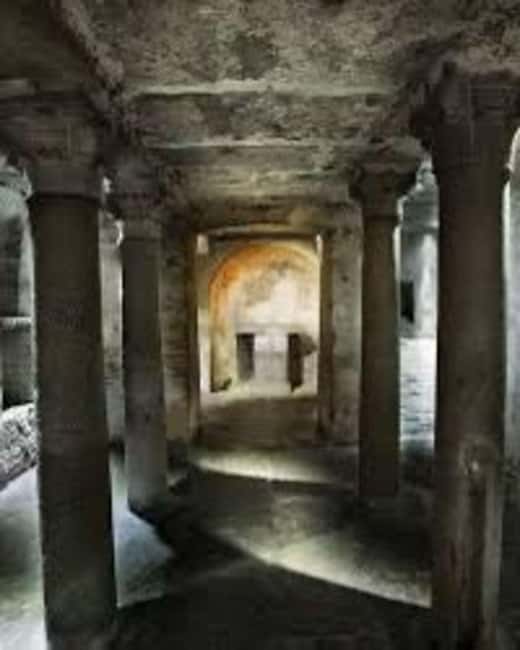
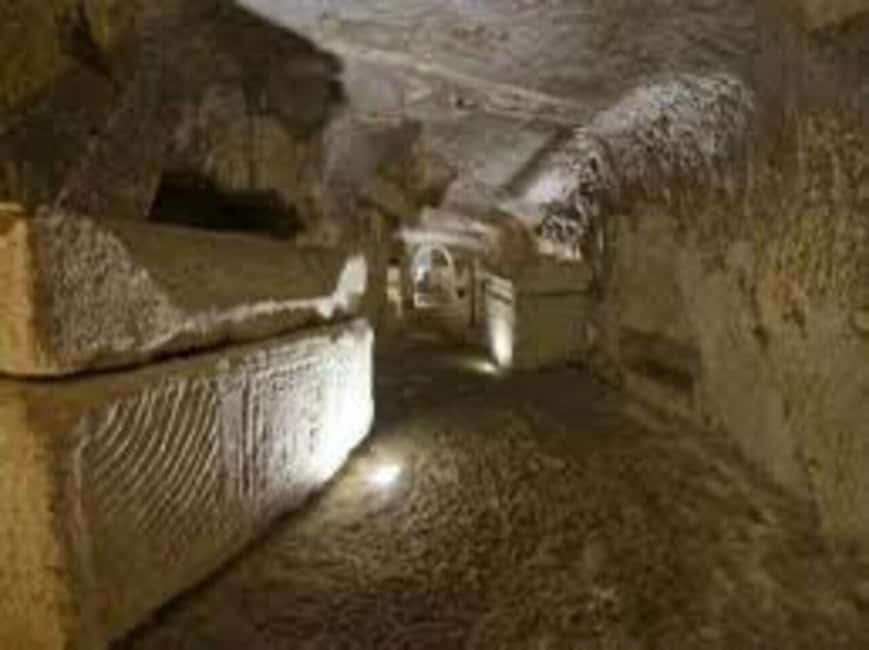
The catacombs themselves were carved in tufa, a type of stone typical of central Italy. The geology matters because it helps explain why the spaces take the shape they do and why excavation techniques could create long, underground networks rather than isolated rooms.
Another timeline twist you’ll hear on the tour: the catacombs were abandoned in the Middle Ages and later rediscovered in the Renaissance. That rediscovery changed how later generations understood what was underground. It’s also a reminder that what feels timeless in Rome often had periods of forgetting, then return.
When you walk through the accessible sections, try to picture the logic of the system. You’re seeing a cemetery built to serve people over time—not a one-off monument. That’s why your guide’s storytelling is the whole point.
Inside the Catacombs: What the Guided Walk Feels Like
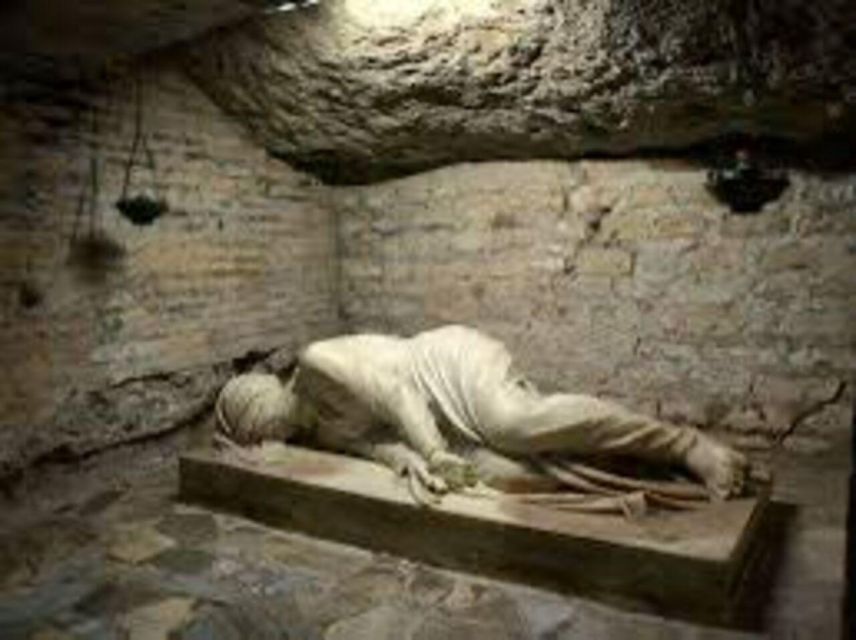
Once you arrive, the tour turns into a guided walk through the underground burial spaces that are open to visitors. You’ll follow the guide’s lead through the corridors and viewing areas that the site provides. Since only some parts can be visited, you’re seeing a curated slice of a much bigger underground world.
It’s also worth understanding what the experience means on a sensory level. These are underground spaces, and that’s not just poetic language. If you suffer from severe claustrophobia, this tour is explicitly not recommended. Even if you’re generally fine in small rooms, catacombs have a way of closing in. Take that seriously.
You’ll also want to respect the behavior rules:
- No photography inside the catacombs
- No pets
- Proper dress for places of worship rules (even though you’re underground)
Dress rules aren’t just bureaucratic. They affect whether you can enter smoothly and avoid getting turned away. For men and women: no shorts, no sleeveless shirts, no short skirts. For women, shoulders must be covered and skirts or trousers should be below knee-level.
One more thing I like about the “guided only” approach: it prevents the usual chaos of people wandering off, staying silent, then realizing they missed the context. With a local guide, you get the story tied to what you’re looking at right now, not later in a museum label.
Transfer Logistics That Actually Save Your Day
This tour includes a transfer to the catacombs. That sounds basic, but in Rome it’s often the difference between a relaxing plan and a stressful one. The catacombs are outside the central core, and you don’t want your energy spent hunting connections.
You’ll be escorted by your driver, and the tour is built so you don’t have to figure out the transport puzzle on your own. Hotel pickup and drop-off are not included, so you’ll need to arrange your own way to the meeting/starting point. But once you’re in the ride, the tour handles the getting-you-there part.
A neat detail from real-world experience: if you speak Italian, you may get more commentary from the driver along the route. If you don’t, you might just get the drive and not much extra talk. Either way, the main value is simple: you arrive ready for the guided portion instead of arriving hungry, late, or flustered.
For many visitors, especially those who hate running on tight schedules, that transfer component is what makes the tour feel “worth it” even before you step underground.
Price and Value: Is $89 a Fair Deal for 2 Hours?
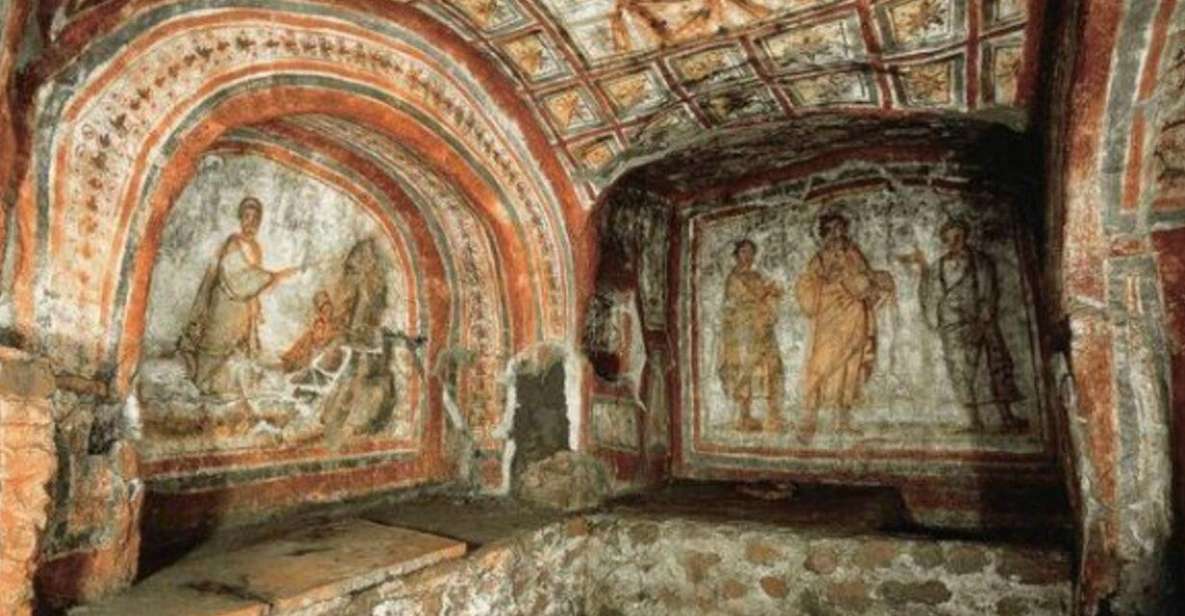
At $89 per person for a 2-hour experience, the price lands in the middle of what you might expect for guided small experiences in Rome. What makes it feel reasonable is the package logic:
- You’re paying for a local guide
- You’re getting the transfer to the site
- You’re getting access to a site that is guided-only and not something you can replicate easily on your own
The key question isn’t whether $89 sounds good. It’s whether the experience solves the problems that usually waste time in Rome: transportation, waiting, and losing context.
This tour includes skip-the-ticket-line, which helps you spend your time where it counts. And because the catacombs’ accessible portions require guided tours, the guide component isn’t optional flavor—it’s part of how you can experience the site at all.
What’s not included matters too. Food and drinks aren’t part of the ticket, so plan a meal before or after. And since hotel pickup/drop-off isn’t included, you’ll need to organize your own start/end logistics. If you already have that covered, the $89 feels like you’re paying for a clean, simple “catacombs experience block.”
If you’re the type who likes to wander and read everything slowly, you may want more time in general. But if you want a guided story with transport handled, two hours is a realistic amount of time to get meaningful value without turning the day into a marathon.





When This Tour Fits Best (and When It Doesn’t)
This tour is a strong match for people who want:
- A clear, guided introduction to the Appian Catacombs
- A quick Rome add-on that doesn’t devour your whole day
- A structured visit where you’re not guessing what you’re looking at
It’s also a good option for mixed-language groups because the tour can run in English, Spanish, German, and Italian. A host/greeter is listed, so you’re not totally on your own at the start.
Where it may not fit:
- If you have severe claustrophobia, skip it. The rules are already telling you this isn’t a safe-feeling choice for everyone.
- If you dislike strict dress rules, you’ll need to plan ahead. This site’s entry requirements are clear: no sleeveless tops, no shorts, no short skirts.
- If you’re traveling with kids, the data doesn’t specify any child policy. In practice, you’ll need to consider whether they can handle an underground, guided environment with strict rules.
Also, one more real-world caution: opening days can be affected by holidays. I’ve seen at least one case where a booking was canceled shortly before the scheduled day because the catacombs were closed for New Year’s Day. That doesn’t mean this happens constantly, but it does mean you should confirm you’re booking a day when the catacombs are open, especially around major holidays.
Should You Book the Appian Catacombs Tour with Transfer?
I’d book it if you want a structured, guided entry into one of Rome’s most important early Christian burial sites, with transport handled through a driver transfer. The big wins here are the local guide’s context, the skip-the-line advantage, and the fact that you’re accessing underground spaces that require guided access anyway.
You should think twice if you’re heading to Rome around holidays with unpredictable openings, or if you might be sensitive to enclosed spaces. Also check your clothing plan before you go. The entry rules for sleeveless tops, shorts, and knee-length requirements are real, and it’s easier to comply from the start.
If you’re aiming for value, this tour works best when you treat it as a focused block: show up ready for a guided visit, keep your expectations aligned with the 2-hour duration, and you’ll come away understanding why the Appian catacombs matter.
FAQ
How long is the Appian Catacombs tour with transfer?
The duration is 2 hours.
What’s included in the price?
It includes a local guide, transfer to the catacombs, and a group tour of the catacombs.
Is hotel pickup or drop-off included?
No, hotel pick up and drop off are not included.
Are photographs allowed inside the catacombs?
No, photography is not permitted in the catacombs.
What dress code do I need for entry?
You must follow the proper dress requirements for places of worship. No shorts, no short skirts, and no sleeveless shirts. For women, shoulders must be covered and skirts or trousers must be below knee level.
What if I have claustrophobia?
The catacomb tour is not recommended if you suffer from severe claustrophobia.