REVIEW · FOOD
Eat Like a Roman – Traditional Food, Local Market & History
Book on GetYourGuide →Operated by Roma Eat · Bookable on GetYourGuide
Rome tastes different when you follow locals. This Eat Like a Roman tour (Romea Eat, 3 hours) mixes the biggest market in Italy with VIP access to the oldest pasta shop in Rome, all wrapped in street-level stories. I love the sheer number of tastings, and I love how the guide connects what you eat to what you see in the city. One heads-up: it is not vegan-friendly, and the menu leans heavy on cheese and cured meats.
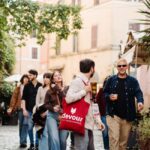
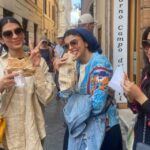
My favorite part is the human touch. With English-speaking guide Greta, the pacing stays relaxed, and you can ask questions without feeling rushed. That helps the history feel like it belongs to the food, not like a lecture you’re stuck listening to.
By day’s end, you get a view that’s almost unfair for something so food-focused: a 360° rooftop panorama of Rome plus gelato that a Pope picked as a favorite. The only consideration is simple: you’ll be walking, and this runs rain or shine.
In This Review
- Key moments that make this tour worth your time
- Eat Like a Roman in Lazio: why this is more than just eating
- Coffee and homemade cornetti at a family bar
- Inside the biggest farmers market in Italy: mozzarella, prosciutto, and supplì
- Organic olive oil tasting with a world-recognized pick
- A pizza stop in an old bakery opened in 1915
- VIP access to the oldest pasta shop in Rome
- Apulian street food and local wine: a flavorful sidestep
- Pope-favorite gelato in a tiny place
- A 360° rooftop view and off-the-beaten-path walking in the Vatican district
- Price and value: is $79.30 per person fair for 3 hours?
- Practical tips so you enjoy it fully
- Who should book this Rome food tour (and who might not)
- Should you book Eat Like a Roman with Roma Eat?
- FAQ
- How long is the Eat Like a Roman tour?
- Where does the tour take place?
- What is the price per person?
- Does the price include food and drinks?
- Are you able to visit the biggest farmers market in Italy?
- Is the tour suitable for vegans?
- What language is the guide?
- Is transport from and to your hotel included?
- Does the tour run in rain?
- Is the tour wheelchair accessible?
Key moments that make this tour worth your time
- 20+ food and wine tastings, built around how Romans actually snack
- VIP access inside the oldest pasta shop in Rome
- The biggest farmers market in Italy, with family-owned stall partners
- Olive oil tasting tied to an award-winning product (2018 best in the world)
- Gelato voted the Pope’s favorite, served in a tiny spot
- A 360° rooftop view to slow everything down at the end
Eat Like a Roman in Lazio: why this is more than just eating
This isn’t a “stand in line and sample tiny portions” situation. The value comes from volume—more than 20 tastings—and from the fact that you’re guided through places locals care about. You also get the fun of learning the city’s food logic as you go, from coffee habits to what people fry for street food.
If you like food tours that feel grounded, you’ll probably enjoy the pace. You’re not stuck with one bland snack and a swirl of small talk. Instead, you get repeated moments to compare flavors: cheese vs. cured meat vs. fried bites vs. olive oil vs. baked goods vs. pasta vs. gelato.
The other strength is context. The guide’s storytelling is tied to what you’re seeing in Rome—its layout and archaeological secrets—so the day connects the dots. It makes you walk away understanding not just what you ate, but why it shows up again and again.
You can also read our reviews of more food & drink experiences in Rome


Coffee and homemade cornetti at a family bar
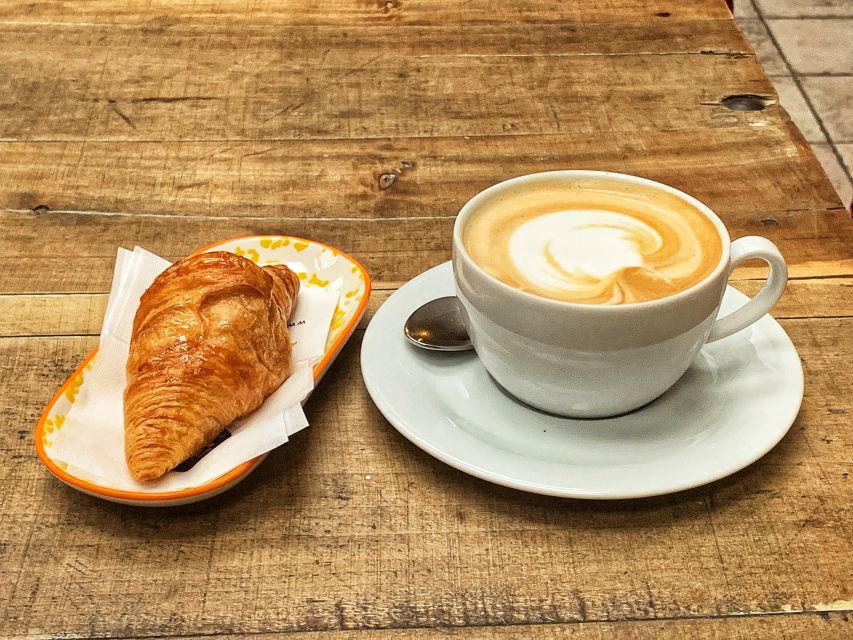
The tour starts in a local coffee bar, where you’ll learn to order like the neighborhood. The big detail here is the cornetti: homemade with care by a 70-year-old nonna. It’s the kind of small fact that changes how you taste something—suddenly you’re not just grabbing a pastry, you’re recognizing the work behind it.
This first stop is also a smart move for your energy. You get a proper foundation before the market and the heavier bites show up later. If you’ve ever tried to eat your way through Rome on an empty stomach, you’ll appreciate how sensible the start feels.
One practical tip: plan to dress comfortably. Even early in the day, you’ll be moving through Rome’s streets and transitioning between shops and market stalls.
Inside the biggest farmers market in Italy: mozzarella, prosciutto, and supplì
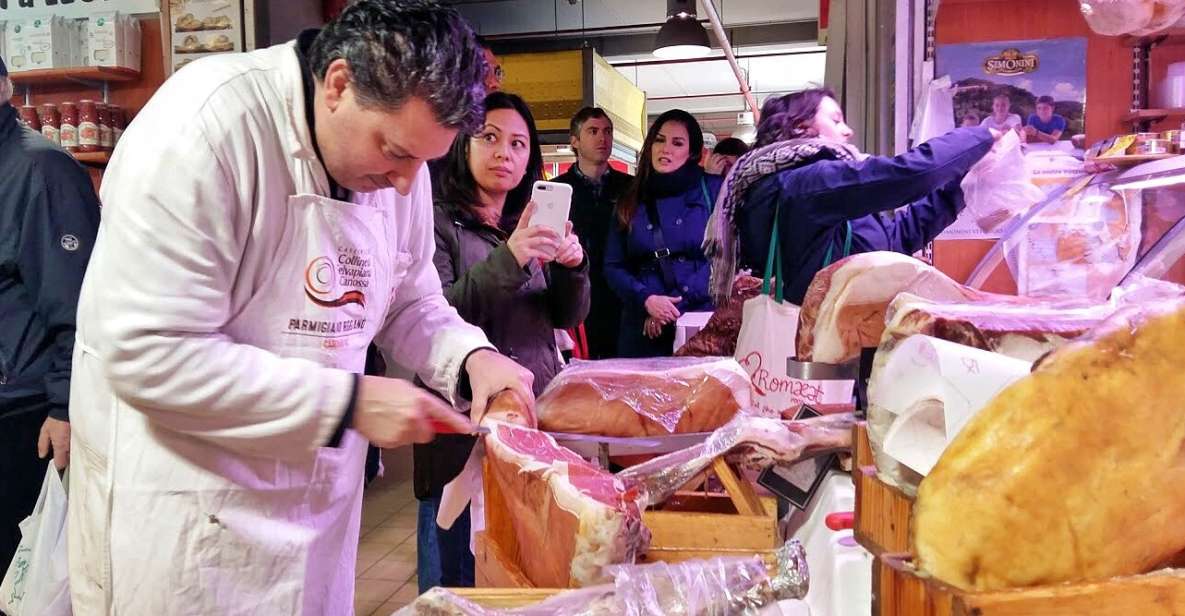
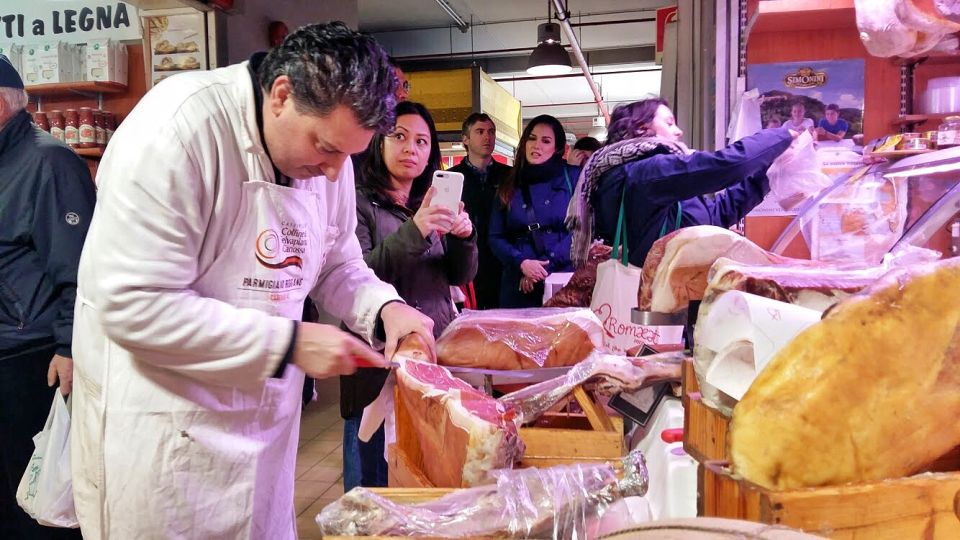
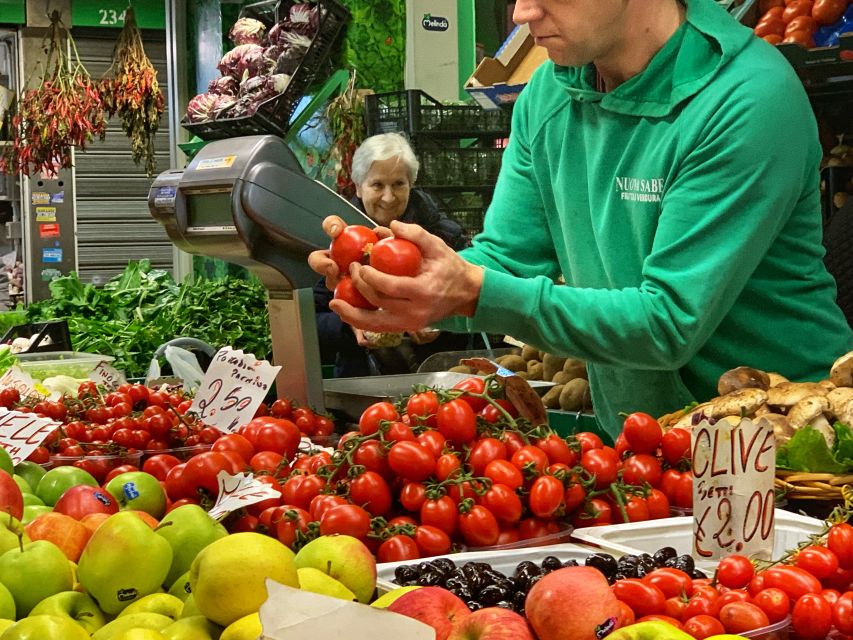
Next comes the heart of the experience: the biggest local market in Italy. This is where the tour shifts from “snacks” to “Roman food culture.” You’ll visit stall partners owned by families who have kept these shops running for generations, which makes the tastings feel personal instead of commercial.
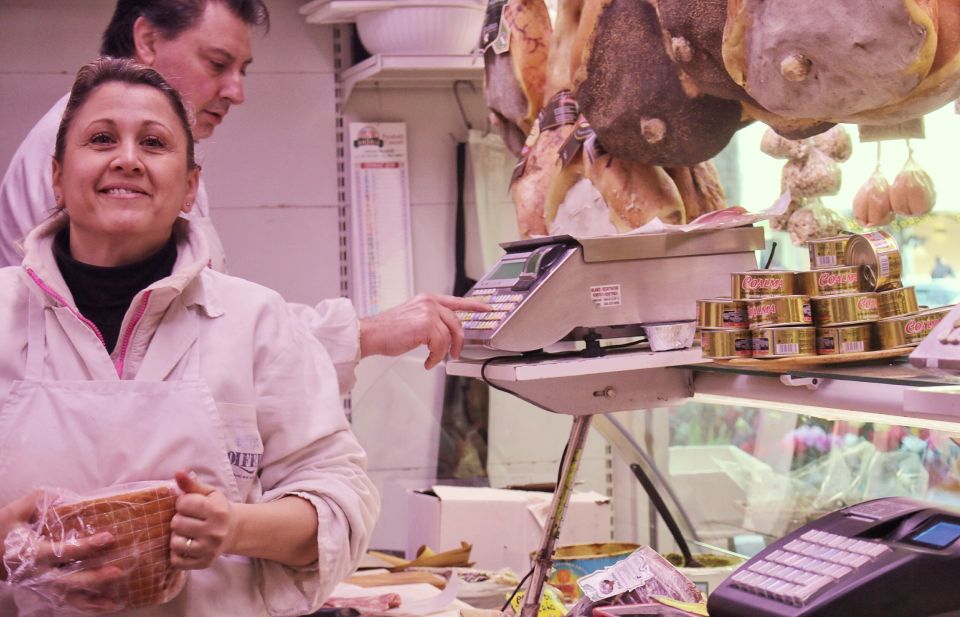
You’ll taste classic Roman staples in real-life form—mozzarella, prosciutto, and aged cheeses—so you can actually understand the spectrum. Then there’s supplì, the king of Roman street food fried at the moment for you. It’s crunchy outside, hot inside, and that contrast is the point: Roman comfort food that hits fast and rewards you instantly.
Why this stop matters: market food is where Rome’s ingredients meet everyday habits. You can take that knowledge and use it later, even after the tour ends, when you’re choosing what to order in a regular restaurant.
If you’re sensitive to dairy, know this is not the tour to “test the waters.” The focus is traditional and meat-and-cheese friendly, and the tastings build on that style.
Organic olive oil tasting with a world-recognized pick
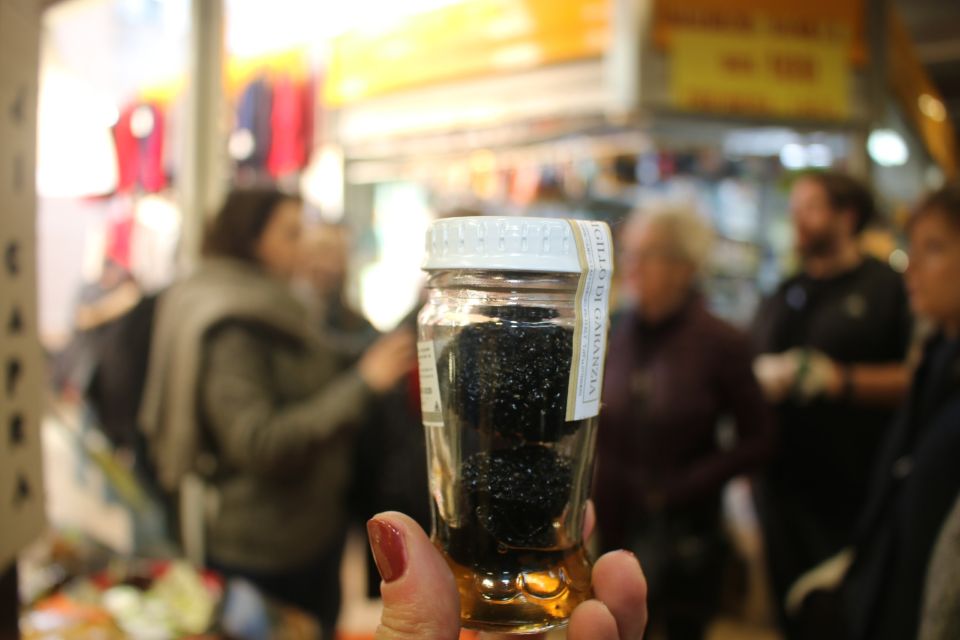
Between the market bites and the next round of bakery and pasta stops, you’ll pause for an organic olive oil tasting. The product highlighted here was awarded as the best in the world in 2018. Even if you don’t go home thinking you’re an olive oil judge, you’ll notice the difference—freshness, aroma, and that clean, peppery finish people chase.
This is one of those tastings that makes the rest of the day easier. You start tasting with more structure: acidity vs. body, salt vs. richness, and how oil can lift bread and cheese flavors. It also gives you something to ask about later when you’re shopping in Italy.
A pizza stop in an old bakery opened in 1915
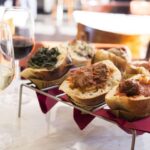
Then you get the fun of an older-school Rome bite: a crunchy pizza from the oldest bakery in the area, opened in 1915. This is the kind of detail that matters when you’re traveling—places that survive for generations usually understand what locals want on an ordinary day.
You’ll taste the pizza as a street-level snack, not a fancy sit-down course. The point is texture and rhythm: something you can eat while you’re walking, chatting, and moving to the next stop.
If you’re the type who worries about food tours being too repetitive, this stop helps. You’ve had cheese and fried street food; now you get a baked, crispy crunch that resets your palate.
You can also read our reviews of more tours and experiences in Rome

VIP access to the oldest pasta shop in Rome

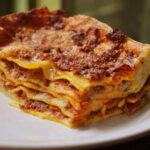
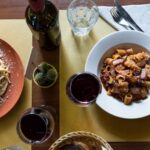
One of the standout highlights is exclusive VIP access inside the first pasta shop opened in Rome. You don’t just glance at pasta behind a counter here—you learn how they make pasta that’s been done for more than one century.
That “more than one century” detail is why this stop feels special. Pasta in Italy isn’t only a dish; it’s a craft and a routine. Seeing the process makes you taste pasta differently afterward, even if your pasta experience back home is in a different style and with different ingredients.
This is also a moment where the guide’s pacing shines. It’s not a rushed look-and-go. You get time for explanation, plus enough breathing room to keep moving without feeling drained.
Apulian street food and local wine: a flavorful sidestep
After pasta, the tour makes a smart regional detour with a stop in an Apulian street food shop. You’ll also drink local wine here. This matters because it keeps the day from turning into only one narrow lane of Roman specialties, even while you stay within the spirit of Italian street eating.
The wine choice doesn’t overtake the food; it supports the flavors. And the setting helps too—street-style food is all about directness: you get the taste quickly and you keep going.
If you don’t drink alcohol, you’ll still enjoy the food portion, but the experience is built around wine being part of the rhythm.
Pope-favorite gelato in a tiny place
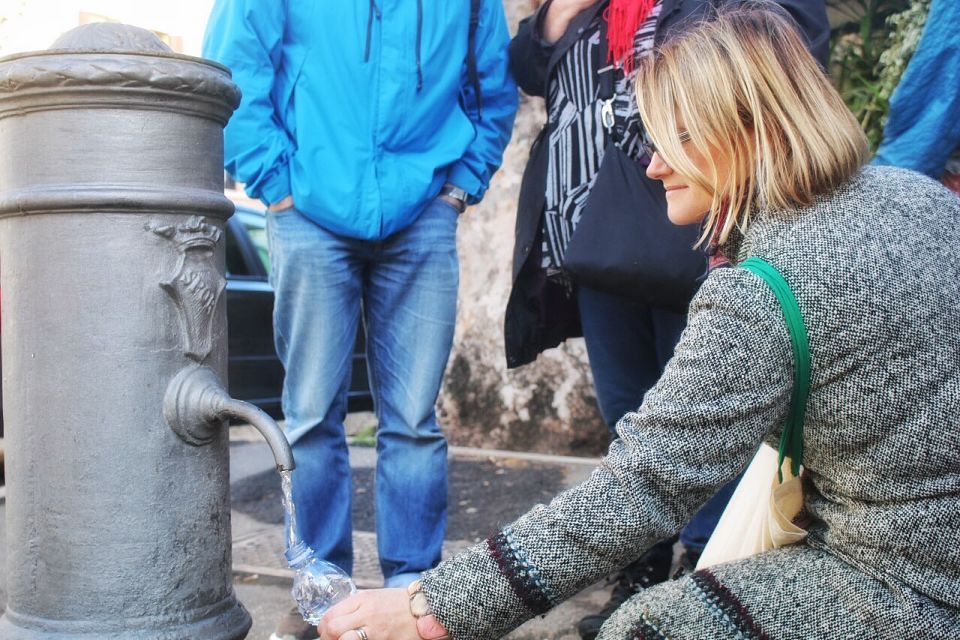
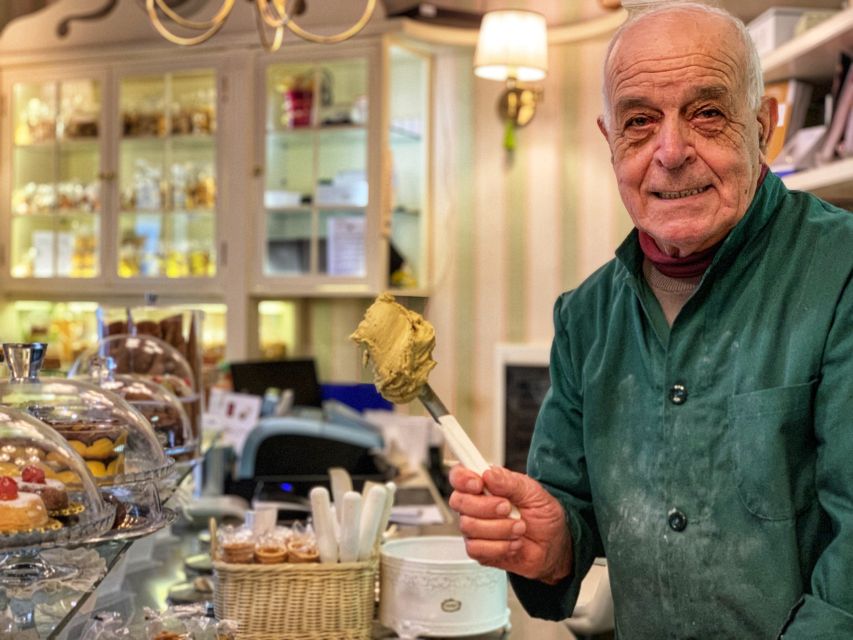
No Rome food day feels complete without gelato. Here, you’ll get an amazing real gelato from a tiny hidden place, elected by the Pope as his favorite gelateria. That’s a headline claim, sure, but the real value is how the tour places it: after savory tastings, so the sweetness lands at the right time.
Gelato is also an easy way to compare quality. In Italy, the best ones tend to have clean flavors and a texture that feels soft but not watery. If you’ve had store-bought gelato before, you’ll notice the difference fast.
If you’re picky about sweetness, start slow and share if that’s allowed on your day. Gelato is often the last big flavor moment, so you don’t want to blow your palate early.
A 360° rooftop view and off-the-beaten-path walking in the Vatican district
The day doesn’t end with food. You relax with a stunning 360° view of Rome from a rooftop. This is where your brain finally gets a breather and your eyes get the reward for hours of tasting and walking.
The route also includes a walk in the Vatican district but off the beaten paths. That combination is key: you still get the sense of where you are in Rome, without feeling like you’re trapped inside the usual photo loops.
This kind of viewpoint stop is practical travel logic. Food tours can blur details. A good view gives you orientation and memory anchors—suddenly streets and landmarks make sense as a connected map.
Price and value: is $79.30 per person fair for 3 hours?
At $79.30 per person for about 3 hours, you’re paying for three things: access, guidance, and volume. Most casual food experiences give you a few tastings. This one delivers more than 20, plus wine, plus a VIP pasta shop moment.
The VIP element is where the value calculation gets real. Access inside Rome’s oldest pasta shop is not something you casually replicate on your own while fitting everything else into a half-day. Add the biggest farmers market stop and the guided storytelling, and the day becomes a planned circuit rather than a stressful self-made checklist.
Also consider what’s included. You get all the food and wine tastings, plus an entertaining English-speaking Roman guide, plus an organic cotton tote bag. Transport isn’t included, so you’ll want to budget for getting to the start point and back on your own.
If you’re already paying for taxis or longer transit, that matters. But if you’re the kind of traveler who hates wasting time figuring out what’s worth it, this tour often feels like a shortcut with real value.
Practical tips so you enjoy it fully
A few things make a big difference on a day like this:
- Wear shoes suitable for walking and plan on comfortable clothing. The tour runs rain or shine, so “flexible weather” is part of the deal.
- Come hungry and be ready for variety. The day is intentionally built around multiple stops and multiple textures.
- This isn’t vegan-friendly. The focus is traditional Roman foods, including mozzarella, prosciutto, aged cheeses, and fried street food.
- You’ll get the guide’s English commentary throughout. The guide’s style matters here, and the day benefits from Greta’s patient pacing and willingness to answer questions.
And if you like to ask questions as you eat, you’re in the right place. The format clearly supports dialogue, not just listening.
Who should book this Rome food tour (and who might not)
You’ll probably love this if you want a food tour that feels like a Rome education you can eat. It’s especially good for first-time visitors who want to understand Roman staples fast—market food, street food, classic pasta craft, and gelato.
It also suits travelers who enjoy history in small, practical doses. Instead of only museum-style facts, you’ll get stories that tie to what you’re holding in your hand or tasting in your mouth.
I’d consider skipping it if:
- you’re vegan (the tour is not vegan-friendly)
- you don’t like meat-and-cheese heavy tastings
- you struggle with walking for a few hours, since comfortable shoes are strongly recommended
If you’re in a wheelchair, the tour is listed as wheelchair accessible, which is a major plus for inclusive planning.
Should you book Eat Like a Roman with Roma Eat?
If you want a structured, high-taste day with real access—market time, VIP pasta access, and a rooftop 360° payoff—this is an easy yes. The price feels reasonable once you factor in the number of tastings and the special in-shop access.
Book it if you’re hungry for traditional Roman flavors and you like learning with your feet and your fork. Skip it if your diet is vegan or you want only light, vegetable-forward sampling.
Overall, this is the kind of Rome experience that leaves you with memories you can actually taste, plus a clearer mental map of the city—one that makes later meals easier to plan.
FAQ
How long is the Eat Like a Roman tour?
It lasts 3 hours.
Where does the tour take place?
The tour is in Lazio, Italy, with experiences around Rome.
What is the price per person?
The price is $79.30 per person.
Does the price include food and drinks?
Yes. All the food and wine tastings are included.
Are you able to visit the biggest farmers market in Italy?
Yes. The tour includes a visit to the biggest Farmers Market in Italy.
Is the tour suitable for vegans?
No. It is not suitable for vegans.
What language is the guide?
The tour guide speaks English.
Is transport from and to your hotel included?
No. Transport to and from your hotel is not included.
Does the tour run in rain?
Yes. It takes place rain or shine.
Is the tour wheelchair accessible?
Yes. It is listed as wheelchair accessible.