REVIEW · COOKING CLASSES
Rome Cooking Class: Handmade Tonnarelli Pasta & Tiramisu
Book on GetYourGuide →Operated by Food Raphael Tours and Events · Bookable on GetYourGuide
Fresh pasta lessons feel like Rome in miniature. You’ll learn to shape traditional tonnarelli dough and build classic tiramisu at an osteria wine bar, with friendly English-speaking instructors such as Kristian, Jamila, or Luca who keep beginners relaxed.
I love the hands-on feel: rolling, mixing, cutting, and whipping are real parts of the work, not just watching. I also love that you finish by eating what you made, with a glass of wine, so the class doesn’t feel like a detour from Rome. One possible drawback: for safety, you won’t go into the actual kitchen where the pasta gets cooked and seasoned.
You meet at Osteria San Giorgio, so the start is simple and the setting is genuinely Italian rather than a detached cooking studio. The $64 price works out well because it includes ingredients, equipment, your meal, and wine—plus the recipes and techniques you can use later.
One more consideration: this isn’t built for everyone. The class isn’t suitable for vegans, and it’s not designed for gluten-free or lactose intolerance, and it’s also listed as not suitable for visually impaired participants, even though it is wheelchair accessible.
In This Review
- Key things that make this class worth your time
- Entering the experience: what happens before you start mixing
- Handmade tonnarelli cacio e pepe: the real Roman skill test
- Tiramisu: whipping, layering, and not panicking
- Your meal, wine, and the best part: eating together
- Price and value: why $64 for this class can make sense
- Who should book this class (and who shouldn’t)
- Practical tips to get the most from your 2.5 hours
- Should you book Rome Cooking Class: Handmade Tonnarelli Pasta & Tiramisu?
- FAQ
- What dishes will I make in the class?
- How long is the cooking class?
- How much does it cost?
- Where do I meet the group?
- Is lunch or dinner provided after cooking?
- Is wine included?
- Are vegan, gluten-free, or lactose-free options available?
- Will I enter the kitchen during cooking?
Key things that make this class worth your time
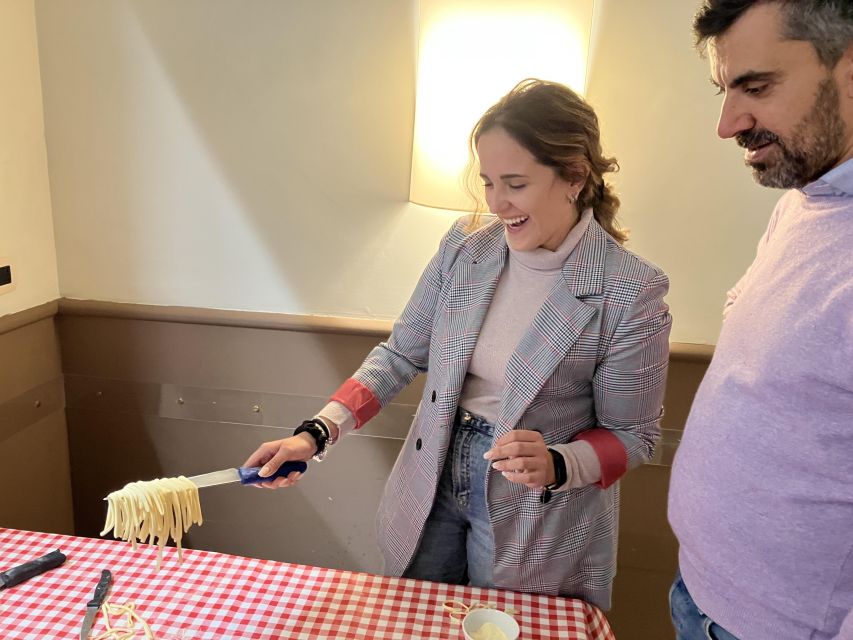
- Tonnarelli cacio e pepe, from scratch: you’ll make the pasta dough, shape it, and cut it yourself.
- Tiramisu technique, not just assembly: you’ll whip and layer so it sets with the right texture.
- Work inside a real osteria setting: you cook and then sit down together to eat at Osteria San Giorgio.
- Wine included with your meal: you get a glass to go with what you made.
- Take-home recipes: you leave with enough know-how to recreate it after your trip.
- A clear limit on kitchen access: you won’t enter the actual kitchen where the pasta is cooked/seasoned.
Entering the experience: what happens before you start mixing

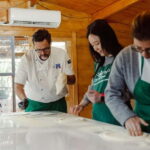
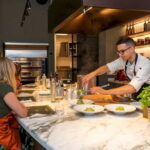
This workshop is built around a straightforward idea: you’ll do the practical steps that make Italian home cooking click. You start at Osteria San Giorgio (right out front), then you’re guided through pasta and dessert prep with an English-speaking instructor.
Before you get your hands dusty, there’s an important safety note. You won’t enter the actual kitchen area where the pasta is cooked and seasoned. In other words, you’ll still work closely with the process—rolling, shaping, mixing, cutting—but the final cooking/seasoning happens in the kitchen area that guests don’t access.
In a good class, that limitation doesn’t feel like a downgrade. Instead, it helps keep things orderly and fast, so you can finish in the planned 2.5 hours. It also explains why the workshop feels structured: there’s prep time for your hands, then the host side handles the heat.
You can also read our reviews of more cooking classes in Rome

Handmade tonnarelli cacio e pepe: the real Roman skill test
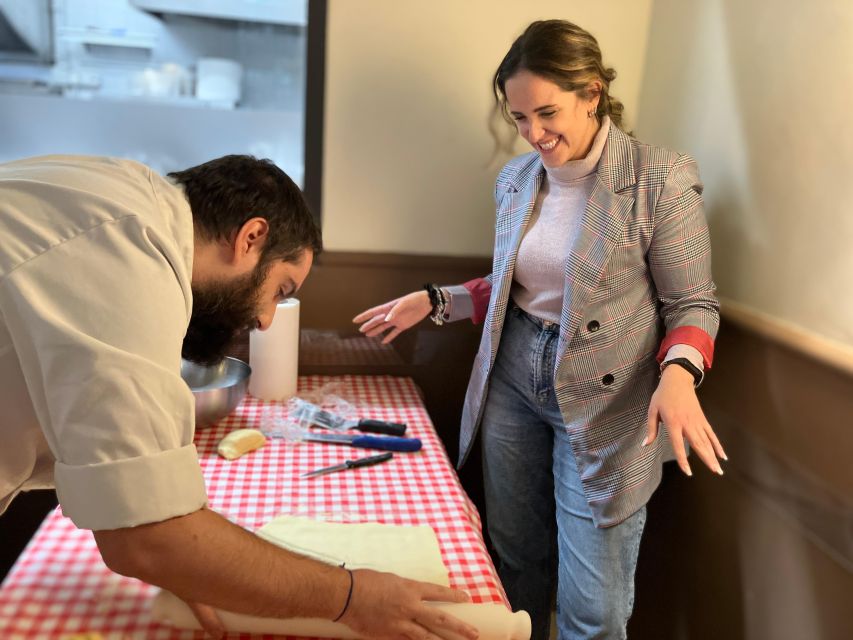
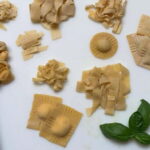
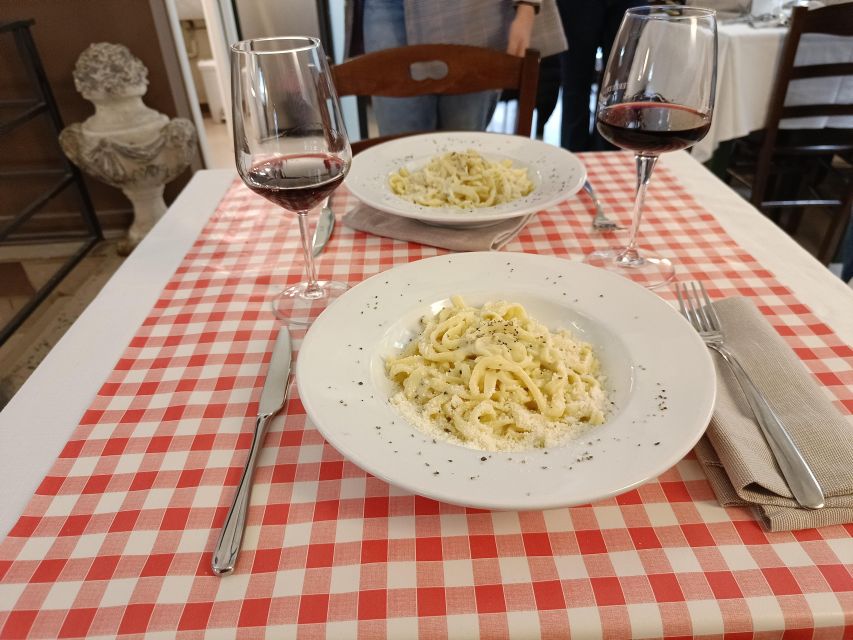
The star lesson is tonnarelli, the traditional Roman handmade spaghetti-like pasta. You’re not just shaping dough for a photo. You’re learning the mechanics: how it should feel, how it rolls, and how it holds up when you cut it.
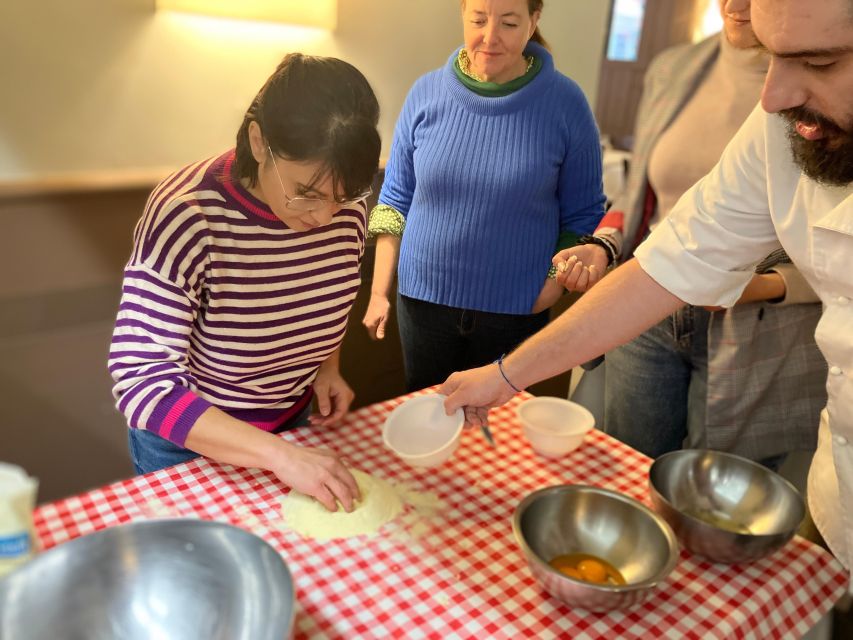
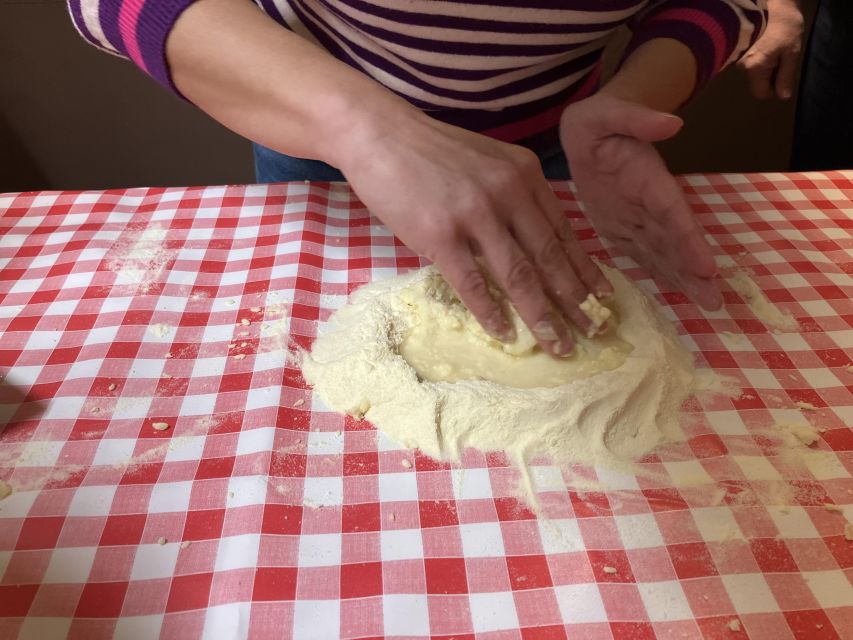
You’ll begin by preparing the dough from scratch under your instructor’s guidance. Expect the classic hands-on rhythm—mixing, kneading, and then rolling it out. For many people, this is where the class surprises you: making pasta is more tactile than technical. Once you understand the feel of the dough, the next steps come faster.
Then comes the shaping and cutting. Tonnarelli isn’t “any pasta.” It has a specific look and thickness, and the class trains you to get close without overthinking it. The payoff is huge because cacio e pepe is simple in ingredients but not simple in results. Fresh pasta changes the whole dish.
Cacio e pepe is often described as minimalist, but the cooking matters. The session is designed so you learn your part—making the pasta correctly—while the cooking and seasoning are handled safely in the kitchen area you don’t enter. After that, you get to enjoy the meal you helped create, rather than leaving with a raw block of dough and no closure.
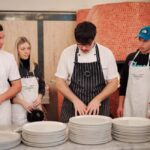
One detail I really like for beginners: instructors often pace you so you can feel competent by the end. Names like Kristian, Christian/Kristiano, and Elisabetha show up repeatedly in past sessions, and the consistent theme is patience and clear step-by-step guidance.
Tiramisu: whipping, layering, and not panicking

The second half of the class is tiramisu, the coffee-soaked creamy dessert that can be either perfect—or a mess—depending on technique. The goal here is to teach you the texture and timing so the dessert actually works when you eat it.
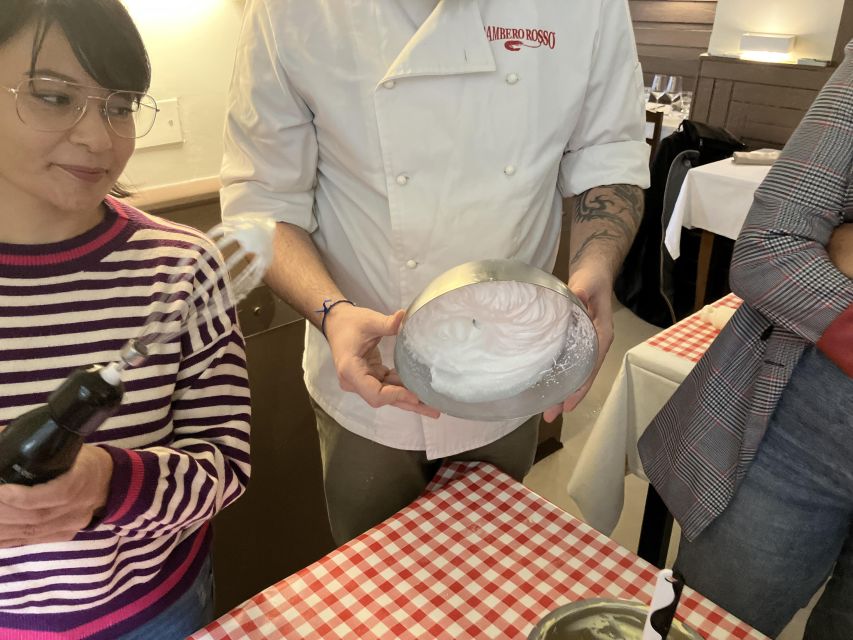
You’ll be hands-on: whipping, mixing, and building the layers. That matters, because tiramisu isn’t just about combining ingredients. It’s about how they come together—how light the cream is after whipping, and how the coffee-soaked component behaves when it meets the cream.
In a lot of restaurants, you see tiramisù as a finished product. In this workshop, you get the behind-the-scenes logic. Even if you’ve never made it before, you’ll leave understanding what makes the layers stable and what to watch for next time.
And because the class is timed (2.5 hours), you’ll learn the practical side: how to keep moving at a pace that still lets you finish nicely. People often walk away saying they can make tiramisu like a pro after learning the steps in one concentrated session. That comes from getting coached on technique, not from being thrown into a kitchen chaos.
Your meal, wine, and the best part: eating together
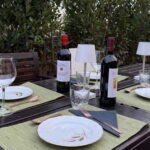
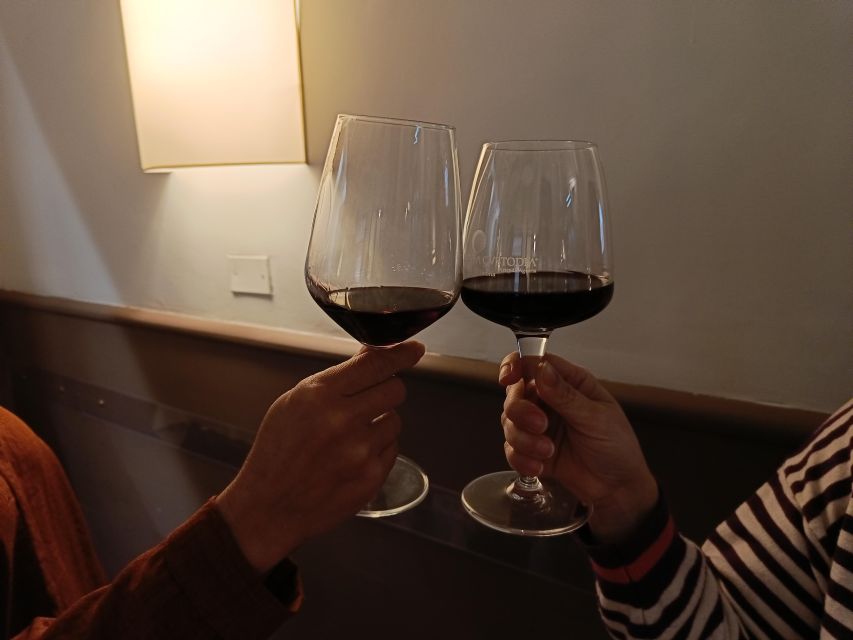
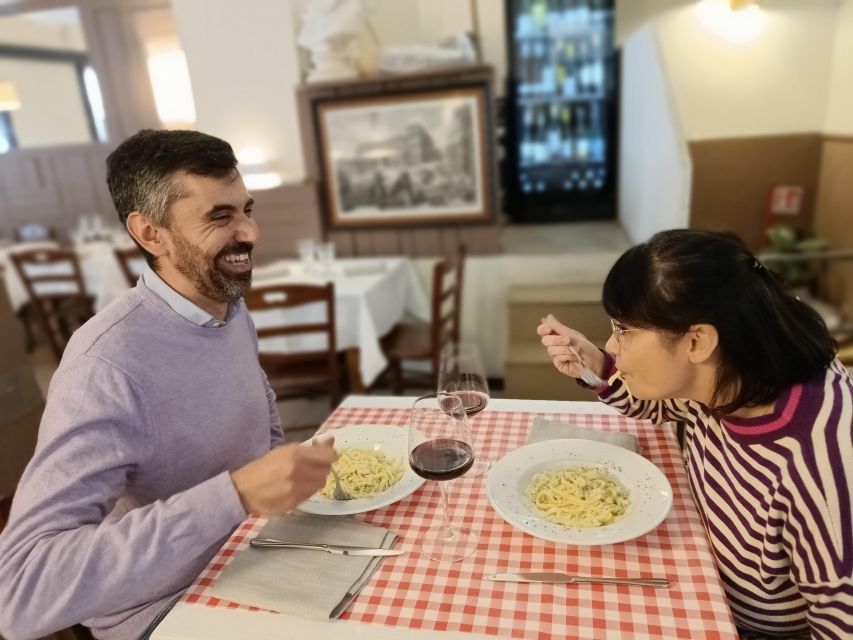
This is not a drop-in tasting. After the pasta and dessert prep, you sit down and enjoy your homemade meal. The class includes the meal and a glass of wine, which is a big part of why it feels like an osteria night rather than a cooking demo.
You’ll have your meal with a simple sauce that’s prepared for you. That detail helps you focus on the parts you’re learning. Instead of worrying about every variable, you get a finished dish that matches what Roman home cooking is aiming for.
The social piece also matters more than you might think. Cooking classes can be awkward if you’re stuck waiting while others work. Here, you’re doing the hands-on work, then you eat together, so the group energy stays friendly and useful.
If you’re the type who likes to talk food while you eat, you’ll probably enjoy it. Past sessions repeatedly mention instructors sharing tips and chatting in a lively way, and that’s the kind of context that makes the whole thing feel tied to Rome rather than generic Italian food theater.
Price and value: why $64 for this class can make sense
At $64 per person for about 2.5 hours, the obvious comparison is a typical dinner. But this isn’t dinner-by-default. It’s instruction plus ingredients plus equipment, and you leave with recipes you can repeat at home.
Here’s what you’re paying for, practically:
- Ingredient and equipment costs (fresh dough and dessert supplies add up fast)
- An instructor who guides you step-by-step in English
- Your finished meal, not just what you cook
- A glass of wine
For a city like Rome, where a good cooking workshop can sometimes feel expensive, this price is more defensible because the class is structured like a real lesson. You’re not just sampling. You’re producing pasta and dessert and then eating them.
The value is especially strong if you’re the kind of traveler who wants skills, not just photos. If your trip goal is to learn how Roman food is built—dough texture, cutting technique, whipped cream and layering—this gives you a clear skill outcome.
You can also read our reviews of more tours and experiences in Rome

Who should book this class (and who shouldn’t)
This workshop is a good fit if you:
- Want hands-on Roman cooking rather than a generic pasta-making show
- Are comfortable with wheat-based pasta and dairy ingredients
- Like structured classes where the timing keeps everything moving
- Prefer learning from an English-speaking instructor in a friendly setting
It’s not suitable if you:
- Need vegan options (the class is not listed as vegan-friendly)
- Have gluten intolerance
- Have lactose intolerance
- Require accommodations for visual impairment, since it’s listed as not suitable
On the other hand, wheelchair access is listed as available, which is a real plus for mobility-focused planning.
If you’re traveling with friends, couples, or solo, you’ll likely be fine. Many classes like this end up feeling small and personal because everyone has to work at the same pace. In past sessions, people also noted that the group format can be relaxed, even when you’re a total beginner.
Practical tips to get the most from your 2.5 hours
If you want this class to feel like a highlight—not just an activity—do a little planning with it.
Pick a start time that matches your appetite. The class runs 2.5 hours, so a morning slot can work nicely if you want to eat what you made by lunchtime. If you’re flexible, choose a time that fits your day so you don’t feel rushed afterward.
Ask questions while you work. Instructors are often funny and chatty, and they tend to share Rome-focused food advice alongside technique. You’ll get more value if you use that time to ask what to order in Roman restaurants and what to look for in markets.
Watch the dough feel, not just the steps. Pasta success comes from the texture. Even with the same recipe, dough can behave differently depending on humidity and flour. Listening to your instructor’s cues about how the dough should move and roll will do more than memorizing a list.
Take the recipes seriously when you leave. The workshop includes recipes and techniques you can recreate. If you actually want to use them, write down any notes you notice during the class—especially about dough thickness, cutting width, and tiramisu cream consistency.
Should you book Rome Cooking Class: Handmade Tonnarelli Pasta & Tiramisu?
If you want a Rome experience that’s more than sightseeing, I’d book it. The combination is the sweet spot: a hands-on lesson (tonnarelli) plus a high-reward skill (tiramisu), served in the end as a real meal with a glass of wine.
It’s also a smart choice for beginners. The class format is designed to make you comfortable as you go, and the instructors are consistently described as patient and organized. Even if you’ve never kneaded pasta dough before, you’re guided through the steps in a way that keeps things from turning stressful.
Skip it if your dietary needs don’t fit. This one is not set up for vegan, gluten-free, or lactose-free requirements, and it’s not listed as suitable for visually impaired participants. Also remember the safety limitation: you won’t enter the kitchen area where pasta is cooked and seasoned, though you’ll still do the hands-on prep and shaping.
FAQ
What dishes will I make in the class?
You’ll make handmade tonnarelli pasta (cacio e pepe-style) and tiramisu from scratch.
How long is the cooking class?
The class lasts 2.5 hours.
How much does it cost?
The price is $64 per person.
Where do I meet the group?
Meet in front of the Osteria San Giorgio.
Is lunch or dinner provided after cooking?
Yes. You’ll have a meal after the class.
Is wine included?
Yes. You get a glass of wine with your meal.
Are vegan, gluten-free, or lactose-free options available?
No. The class is listed as not suitable for vegans, and it’s also not suitable for people with gluten intolerance or lactose intolerance.
Will I enter the kitchen during cooking?
No. For safety reasons, clients will not enter the actual kitchen where the pasta is cooked and seasoned.