REVIEW · ROME
Via Roma: A Journey Through Time
Book on GetYourGuide →Operated by REAL BARCELONA TOURS, S.L · Bookable on GetYourGuide
Rome looks different after dark. This evening tour links the city’s biggest landmarks with some smarter stops that you’d usually miss, all lit up for the night.
I especially love how it strings together iconic Rome by night (Pantheon, Trevi Fountain, Colosseum) with lighter, more playful moments like Piazza Navona’s fountains and the Trevi coin toss. The other big win is the guide vibe: if you get Sara, expect an engaging, energetic walkthrough that makes the stones feel alive.
One drawback: this is a walking tour with lots of pavement and stairs, and it’s not suitable for wheelchair users or people with mobility impairments.
In This Review
- Key things you’ll notice on Via Roma
- Why this night route works so well in Rome
- Starting in Piazza di S. Agostino and setting the tone
- Piazza Navona’s fountains: Baroque drama in evening light
- Standing under the Pantheon’s dome and oculus
- St. Ignazio di Loyola: the trompe-l’œil stop
- Galleria Sciarra: an Art Nouveau pause between giants
- Vicus Caprarius: seeing the City of Water ruins
- Trevi Fountain: toss the coin, then slow down for the atmosphere
- Heading toward Piazza Venezia and the Vittoriano views
- Palazzo Bonaparte and the long walk along Via dei Fori Imperiali
- Colosseum at night: the finale that actually sticks
- Price and what $32 buys you in real terms
- Who should book Via Roma: A Journey Through Time
- Tips to make the most of it (without ruining your photos)
- Should you book this night tour?
- FAQ
- How long is the Via Roma evening tour?
- What languages is the live guide available in?
- What main sights does the tour include?
- Are entrance fees and food included?
- Is flash photography allowed?
- Is this tour suitable for wheelchair users or limited mobility?
Key things you’ll notice on Via Roma
- Piazza di S. Agostino starts you off in a quieter pocket of Rome before the crowds hit
- Piazza Navona at night turns Baroque fountains into a real photo moment
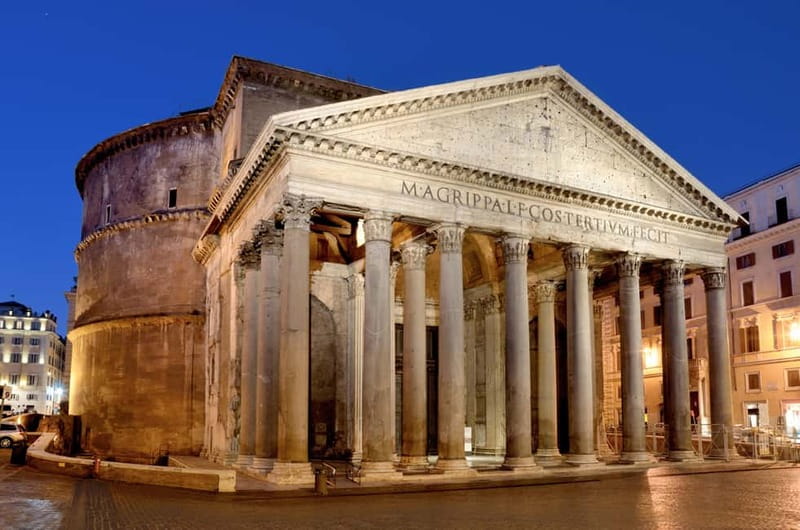
- Pantheon and the oculus feel almost unreal once the sky goes dark
- St. Ignazio di Loyola Church is the trompe-l’œil stop everyone asks about later
- Galleria Sciarra and Vicus Caprarius add texture beyond the usual postcard route
- Colosseum as the finale gives you a strong, dramatic ending point
Why this night route works so well in Rome
A lot of Rome tours do the same loop in daylight. This one takes the pressure off. When you’re walking after sunset, you see fewer people and you get the monuments in softer light, which makes everything easier to enjoy and photograph without rushing from one “must-see” to the next.
It also helps that the pacing is built around major stops in Rome’s historic core. You start near Piazza di S. Agostino, then work your way through the Baroque center, move into famous religious architecture, and end at the Colosseum after passing the monumental stretch of Via dei Fori Imperiali. It’s a logical arc, and it makes the city feel connected instead of like a checklist.
Plan on comfy walking shoes and a camera. Bring water, too. It’s a 2-hour tour on paper, but in the real world you’ll likely spend a bit longer when the guide slows down for stories and viewpoints.
You can also read our reviews of more tours and experiences in Rome.
Starting in Piazza di S. Agostino and setting the tone
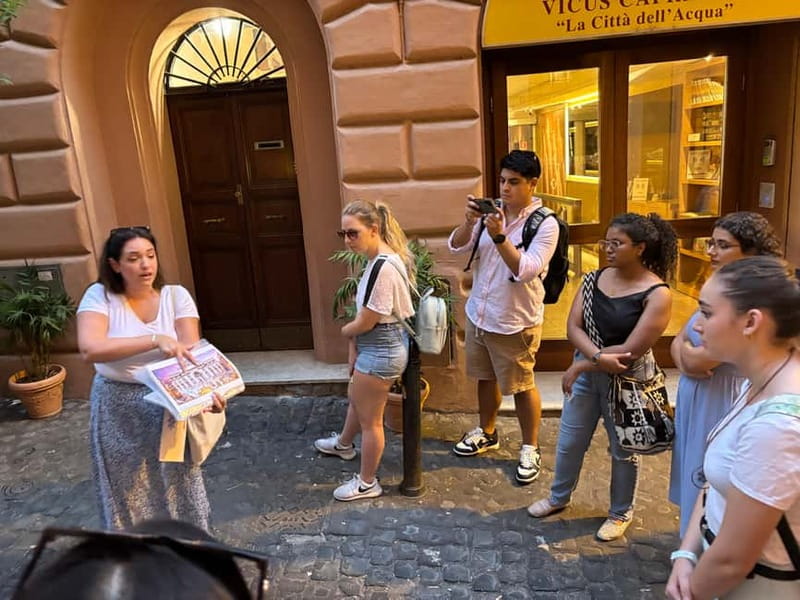
The tour begins at Piazza di S. Agostino, and that matters more than you might think. Instead of starting right in the busiest tourist magnet, you get a calmer opening surrounded by the feel of Renaissance-era Rome. It’s a good place to get your bearings fast and settle into the night rhythm.
Since the meeting point can vary depending on the option booked, don’t wait until the last minute to locate it. Once you’re with your group, you’re ready for the first big shift: from quieter streets into the luminous center where the fountains and churches start to steal the show.
Piazza Navona’s fountains: Baroque drama in evening light
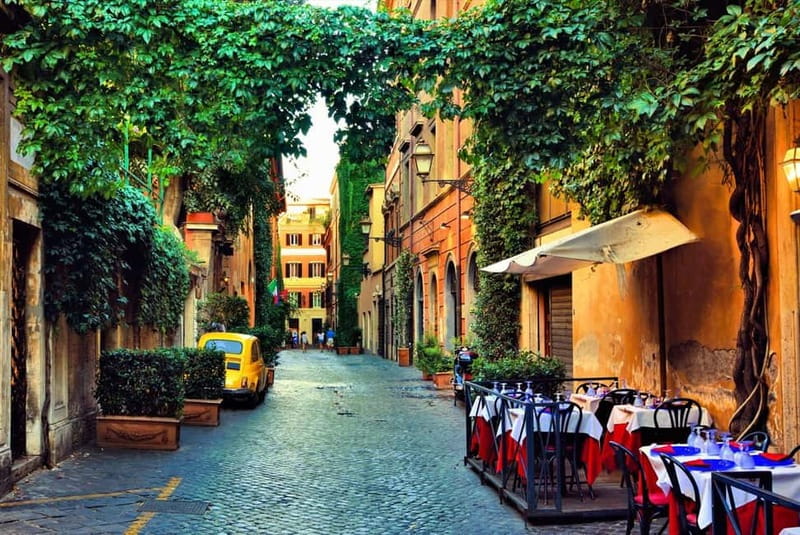
Next you reach Piazza Navona, where the Baroque fountains take over the square. In daylight, this place can feel like a busy stage. At night, it turns into something more theatrical. You’ll see the fountains framed by the dark sky and warm lighting, which gives you that instant wow-factor without needing any special effects.
This stop is also useful for practical reasons. You get a chance to pause, regroup, and get photos that look more cinematic than typical street snapshots. If you like architecture and people-watching, this is the kind of moment you’ll remember.
Standing under the Pantheon’s dome and oculus
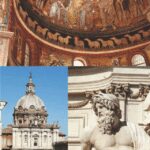
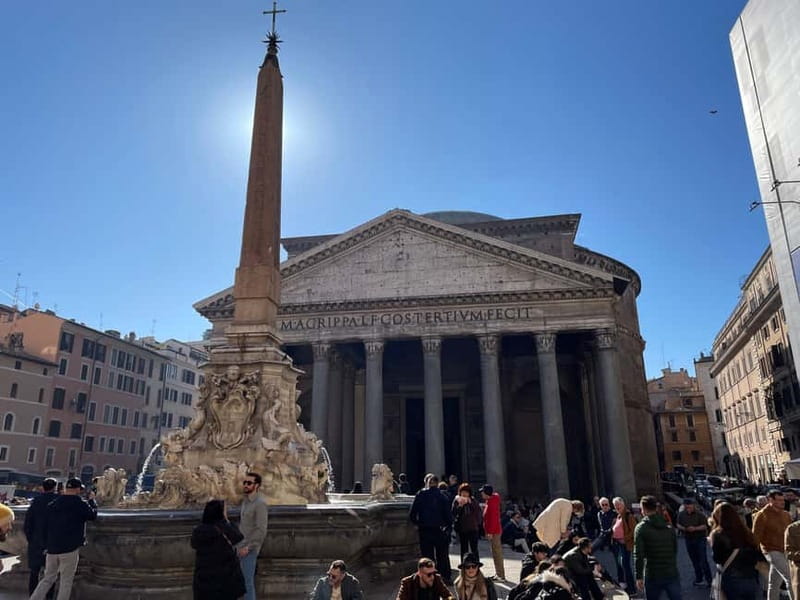
Then comes the Pantheon, and yes, it really is that big in person. The tour focuses on what you notice most: the massive dome and the central oculus. In the evening, the oculus can feel like a window into the night sky, and that effect makes the building feel less like a monument and more like a machine for light.
One thing to keep in mind: entrance policies vary by site and time. Entrance fees to attractions aren’t included, so if you want to go in and spend extra time, budget for any required ticket on your own. Even without extra time inside, the Pantheon is still worth the stop for sheer scale.
St. Ignazio di Loyola: the trompe-l’œil stop
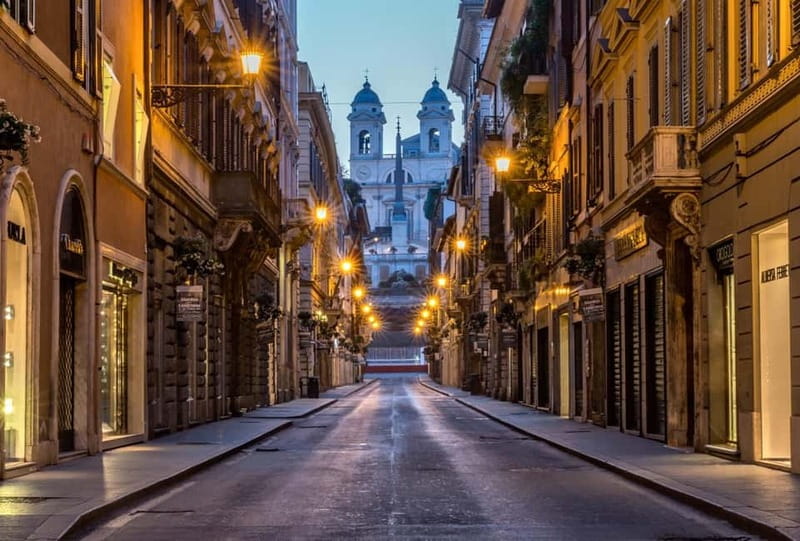
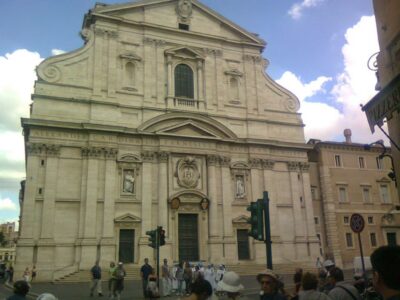
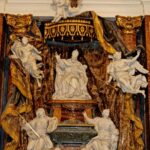
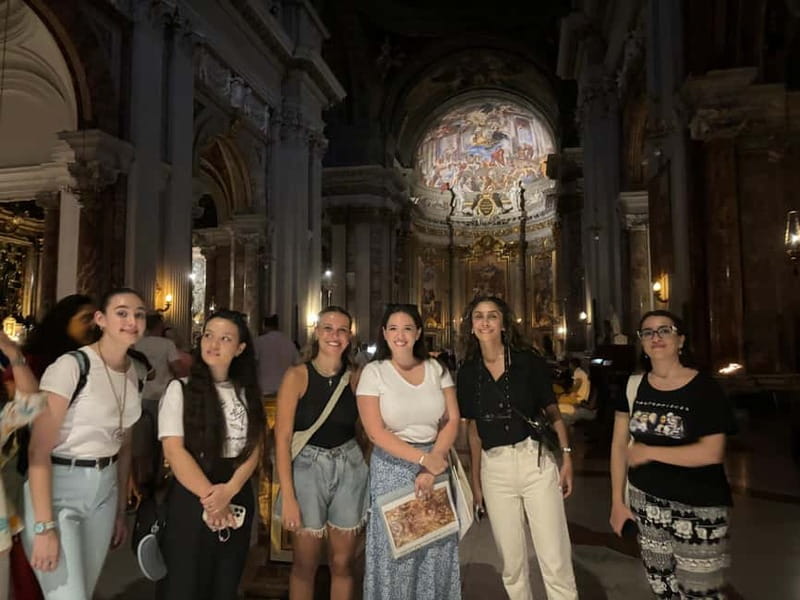
This is the “Instagram Roman Church” moment for a reason. St. Ignazio di Loyola Church is famous for its trompe-l’œil ceiling, an optical-illusion effect that plays with perspective. The tour treats it like a true highlight, not just a quick photo stop, so you can actually look up and understand what you’re seeing.
Your best advantage here is timing. After you’ve been walking through open squares and large monuments, stepping into a church interior resets your eyes. The lighting and quiet change the mood instantly, and it’s a nice break from the street scene.
Also note: flash photography isn’t allowed in certain areas. So plan to use your phone camera or regular camera settings without flash. This is one of those tours where you’ll want to rely on stable hands and the ambient light.

Galleria Sciarra: an Art Nouveau pause between giants
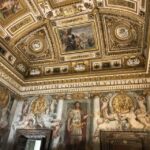
Between the big-name landmarks, you’ll spend time in Galleria Sciarra. This is where the tour earns its value. It’s not just famous by name, it’s fun by feel: an Art Nouveau setting with intricate fresco details that you can spot more clearly in evening light.
This kind of stop is what makes the route feel more “Rome” and less like a greatest-hits video. You get a change of scenery without losing the historical thread. It’s also a good moment to rest your legs a bit while still staying engaged with the architecture.
Vicus Caprarius: seeing the City of Water ruins
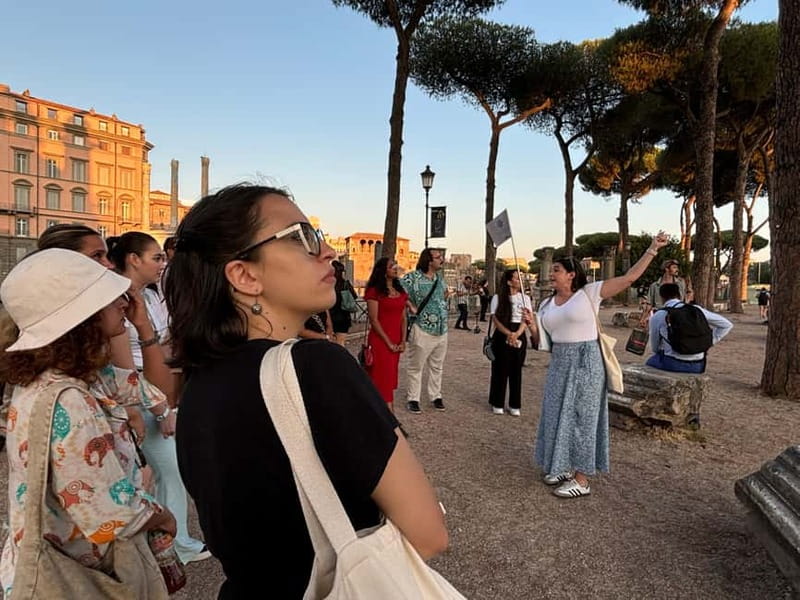
Next are the ancient ruins of Vicus Caprarius, sometimes described as the City of Water. Even if you don’t know the term ahead of time, the point is easy to grasp: you’re looking at remnants tied to how Romans lived and managed water in the city.
Ruins can be tricky on tours because guides often rush the explanation. Here, the aim is to connect what you’re seeing to daily life rather than treating it like “rocks and dust.” If you like ancient Rome beyond the Colosseum hype, this stop is a helpful bridge.
Trevi Fountain: toss the coin, then slow down for the atmosphere
Of course, you reach the Trevi Fountain, and the tour makes the classic moment part of the experience: you’ll toss a coin into the water to ensure your return to Rome. The real value here isn’t the ritual itself. It’s the atmosphere at night, when the square changes from daytime crush to evening glow.
If you love photos, this is one of the easiest places to get them because the monument itself provides a built-in lighting setup. Just remember the flash rule again. If you use a camera, set up quickly and shoot without flash so you’re not fighting restrictions mid-moment.
Heading toward Piazza Venezia and the Vittoriano views
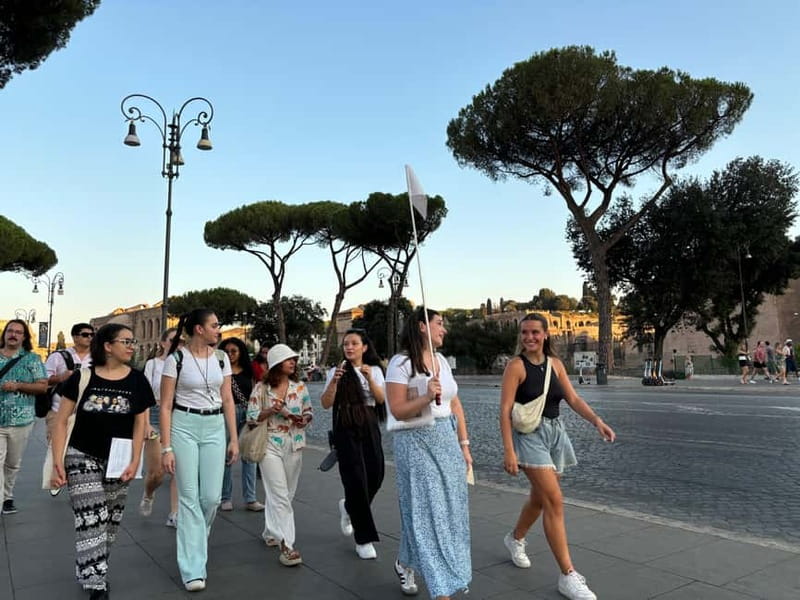
As you keep moving, you pass landmarks along the way and reach Piazza Venezia and the Vittoriano Monument. This section is about scale and sightlines. When monuments are lit up at night, they can look even more imposing, and the Vittoriano area gives you a strong sense of where everything sits in relation to the rest of Rome.
You’ll also see Palazzo Venezia and Palazzo delle Assicurazioni Generali. These stops help you understand the city as more than a museum. They’re tied to Rome’s central political and historic life, and the architecture shows you how power and stone have always been roommates here.
If you’re the type who likes a bit of context with your photos, this is the sweet spot. You’re getting visuals plus the why behind the forms.
Palazzo Bonaparte and the long walk along Via dei Fori Imperiali
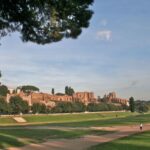
Near the end, you visit Palazzo Bonaparte, a Baroque residence with a history you can feel in the façade. Then you move onto Via dei Fori Imperiali, which is where the route turns dramatic. Walking along this stretch, you’re close to the remains of ancient Rome, and the night lighting makes the ruins feel more present than abstract.
This is also where your legs matter most. If you’re planning this tour, don’t schedule it right before a huge day-trip. Give yourself a little buffer so you can enjoy the final stretch instead of counting steps the whole time.
Colosseum at night: the finale that actually sticks
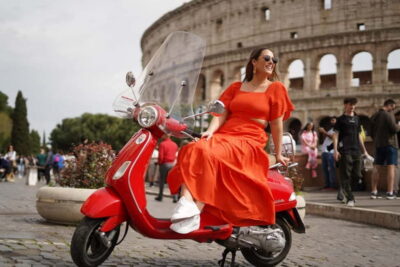
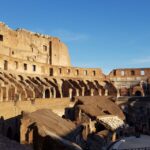
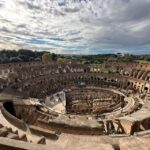
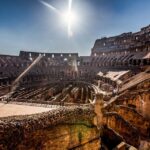
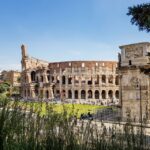
The tour ends at the Colosseum, and that’s a smart finish. At night, the Colosseum isn’t just a “famous photo.” It becomes a dark silhouette with light catching key edges, and the scale feels even more intense than it does in daylight.
If you love a clean ending, this one delivers. You arrive, the guide puts everything into place, and you leave with a mental image you’ll keep for a long time. One review-style detail that matches the vibe: in warm months, this is also a great way to see the city without baking all day, since you’re out in the cooler evening air.
Price and what $32 buys you in real terms
At about $32 per person, this tour is priced for people who want value without taking over the entire day. You’re paying for a guided walk that connects a lot of famous sites in a short window, plus a guide who keeps the stops moving with explanations that make the landmarks easier to understand.
That said, it’s not a “no extra costs” situation. Entrance fees aren’t included, and food and drinks are not included. If you plan to go inside any attraction that charges, you’ll need to budget separately. For some travelers, that’s fine because the exterior viewing and stop-at-the-right-time moments still work well.
So the math is pretty simple:
- If you want nighttime highlights with a guide for context, the price feels fair.
- If you want lots of timed entries inside multiple sites, you’ll need to add ticket costs and build in extra time.
Who should book Via Roma: A Journey Through Time
This tour is a strong fit if you:
- like seeing Rome’s major landmarks without spending all day in transit
- enjoy stories tied to what you’re actually looking at
- want a night outing that’s practical for warm weather
- travel solo and prefer a guided walking plan that keeps you from getting lost
It’s less ideal if you:
- need wheelchair access or mobility support (it’s not suitable for wheelchair users)
- hate walking long distances or uneven surfaces
- rely on flash photography for your photos (flash isn’t allowed in certain areas)
Tips to make the most of it (without ruining your photos)
Bring comfortable shoes. I’ll say it plainly: this tour earns its payback in the walking sections, so don’t show up in shoes that hurt after 30 minutes.
Bring water. The tour is short, but Rome evenings can still feel warm, and you’ll be moving constantly.
Plan your camera settings. Since flash isn’t allowed in certain areas, you’ll get better results by using steady posture, good lighting, and patience rather than trying to overpower restrictions.
Should you book this night tour?
I think you should book this if you want the fast, fun way to see Rome’s top landmarks at night with guidance that helps you understand what you’re looking at. The route hits big names like the Pantheon and Trevi Fountain, but it also adds stops like St. Ignazio di Loyola and Galleria Sciarra that make the evening feel more personal than a cookie-cutter circuit.
If you’re sensitive to walking or you need accessibility support, skip it and look for a more suitable format. And if you hate doing photos without flash, check your comfort level up front.
If you line up your expectations, this tour is a great way to experience Rome after dark.
FAQ
How long is the Via Roma evening tour?
The tour duration is listed as 2 hours. Starting times vary, so check availability for the exact slot you want.
What languages is the live guide available in?
The live tour guide speaks Spanish and English.
What main sights does the tour include?
The tour includes visits to major landmarks such as Piazza Venezia, Palazzo Venezia, Palazzo delle Assicurazioni Generali, Trajan’s Column and Market, St. Ignazio di Loyola Church, Pantheon, Trevi Fountain, and Piazza Navona.
Are entrance fees and food included?
Food and drinks are not included, and entrance fees to attractions are not included. You’ll need to plan for tickets if any sites require them.
Is flash photography allowed?
Flash photography is not allowed in certain areas.
Is this tour suitable for wheelchair users or limited mobility?
No. It is not suitable for people with mobility impairments and it is not suitable for wheelchair users.