REVIEW · FOOD
Rome: Lunch Food Tasting with Wine Pairing in Trastevere
Book on GetYourGuide →Operated by Tour in the City - Travel Agency Rome - · Bookable on GetYourGuide
Trastevere’s basement makes lunch feel like a secret. You’ll eat in the Catina Fabullus cellar, built from the careful recovery of a 1st-century AD cistern under an 18th-century building, so the setting does half the job of making this memorable. I especially like the food-and-wine pairing guidance and the way the staff walk you through what you’re tasting, not just what it costs. You also get a menu shaped around Slow Food presidium products and Italian protections like DOP/IGP—so the flavors come with real identity. One consideration: this isn’t a flexible menu experience for everyone, since it’s not suitable for vegans, people with diabetes, or guests with food allergies.
If you want a simple, pick-your-own-plates lunch, this may feel too structured. You’re in a small group (max 18), and the pacing runs with the tasting flow. The good news is that the format is built for tasting—so you’ll get explanations as you go, and you’ll finish with coffee and dessert.
In This Review
- Key highlights at a glance
- Trastevere’s Catina Fabullus cellar: the setting does matter
- How the pairing works in about an hour (and why it’s not just drinking)
- What you’ll eat: DOP/IGP classics plus a Roman-style finish
- Slow Food presidium and DOP/IGP: what it means for you at the table
- The value of $62: food, wine, and guidance all together
- What to do if you have dietary needs (and what the limits are)
- Practical tips: meeting point, timing, and how to make it easy
- Who this is perfect for (and who should skip)
- Should you book this Trastevere wine-and-lunch tasting?
- FAQ
- How long is the Rome lunch food tasting with wine pairing?
- What does the $62 price include?
- What kind of food is served?
- Do under-18s drink wine?
- What if a minor drinks wine?
- Where do I meet for the tasting?
- Are alternatives available for intolerances?
- Is this experience suitable for wheelchair users?
- What’s the language of the tour?
- Is it possible to cancel for a refund?
Key highlights at a glance
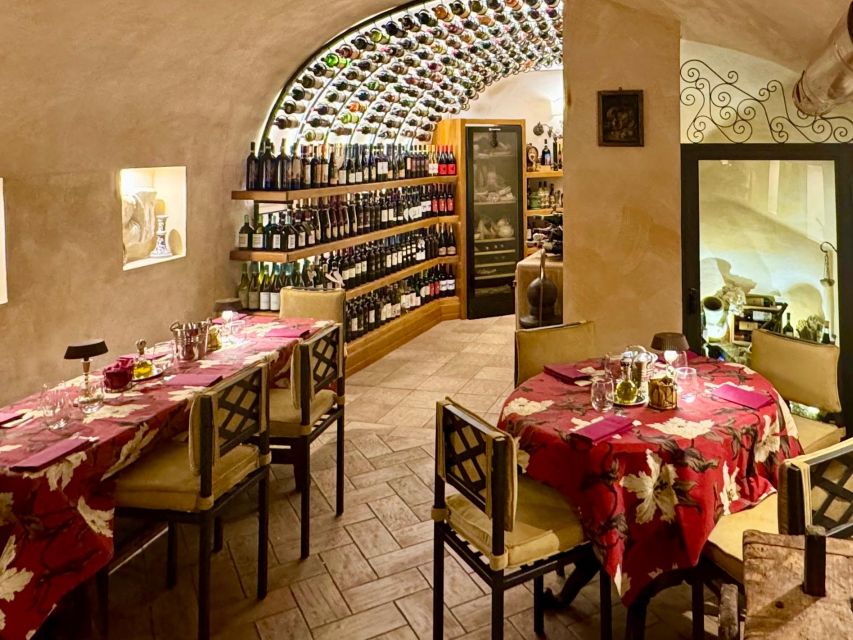
- A 2000-year-old cistern cellar under the historic center of Rome
- Wine tasting instruction plus pairing help from staff and expert sommeliers
- Slow Food presidium ingredients selected from small artisan producers
- Italy-wide lineup of DOP/IGP cheeses, cured meats, breads, and oils (not just Rome)
- Small group limit (18 guests) for a more personal pace
- End-of-lunch sweet finale with honey/jams, ice cream or traditional dessert, and coffee
Trastevere’s Catina Fabullus cellar: the setting does matter
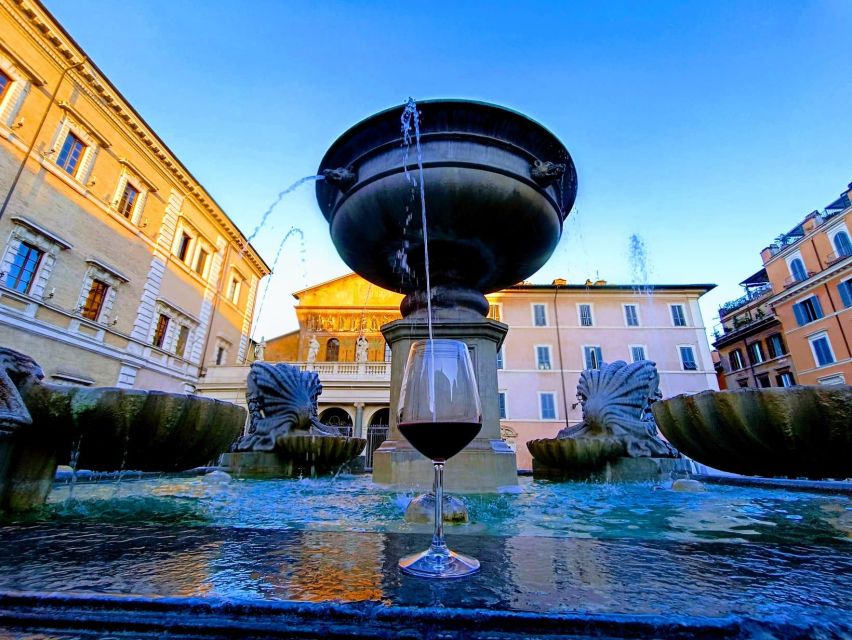
Trastevere is one of those Rome neighborhoods where it’s easy to wander into something atmospheric without trying too hard. This lunch takes that mood and moves it underground.
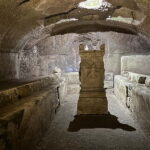
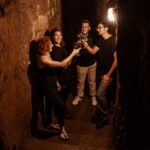
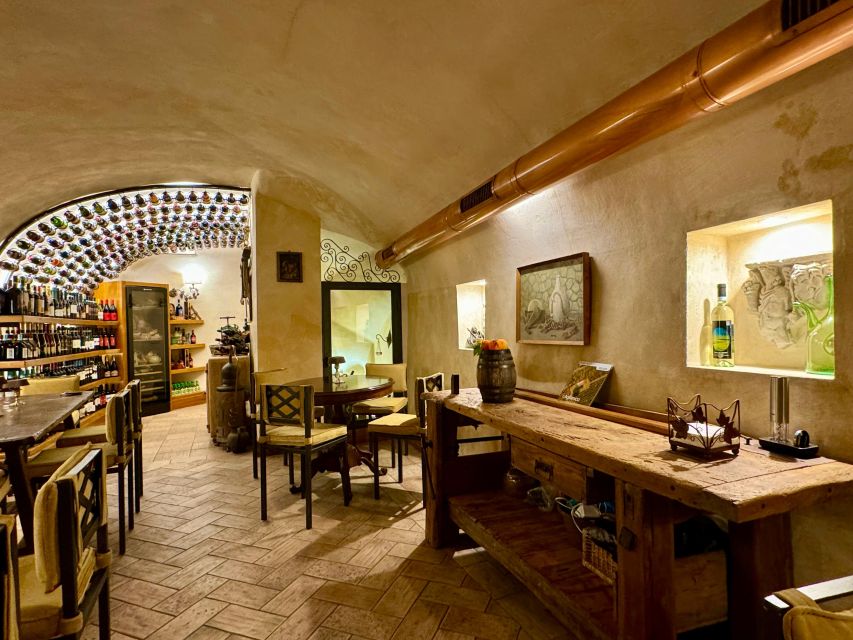
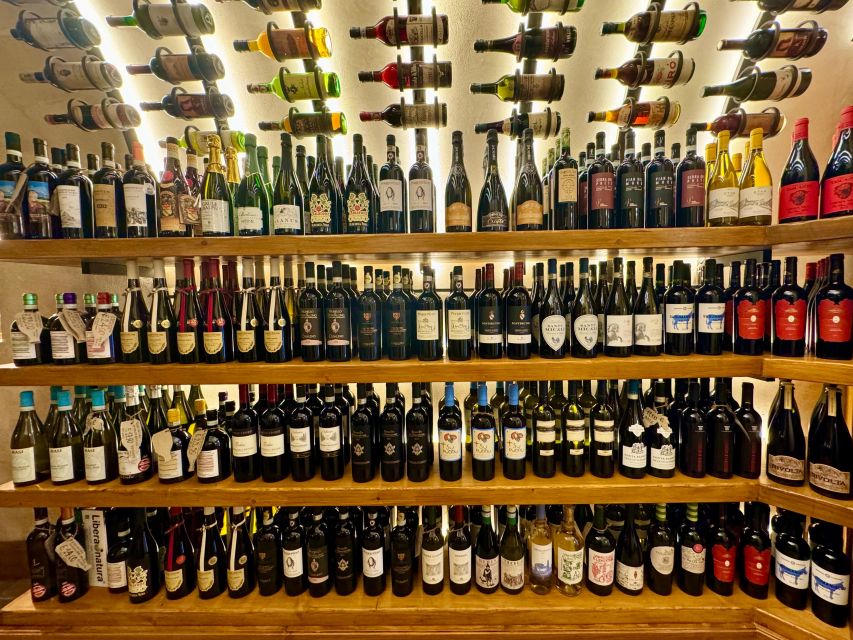
You’re served in the basement of the Catina Fabullus, inside an underground wine cellar connected to the recovery of a 1st-century AD cistern. The room uses antique furniture, so it doesn’t feel like a modern “activity space.” Instead, it feels like you’ve stepped into a working cellar—cooler, quieter, and built for conversation and slow tasting.
It’s also a nice change of pace from Rome’s usual “walk, look, repeat” rhythm. If you’ve been sightseeing all morning, this gives you a reason to sit still for a full hour.
You can also read our reviews of more food & drink experiences in Rome

How the pairing works in about an hour (and why it’s not just drinking)
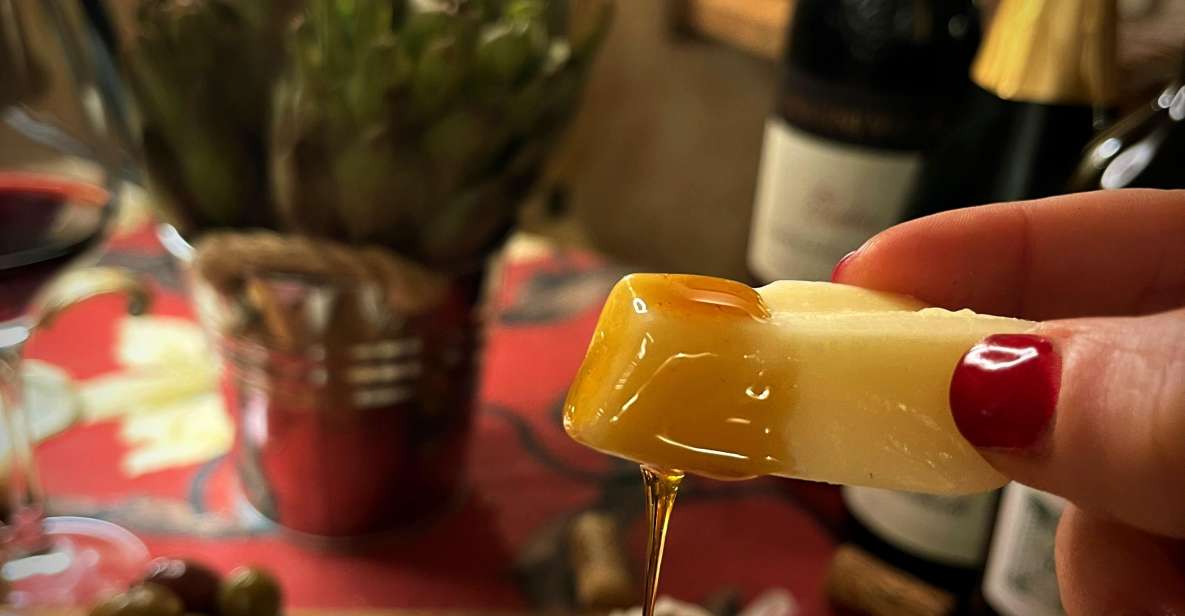
The tasting runs about 45/60 minutes, and the overall experience is scheduled to fit into a 1-hour block. That matters because the pacing is tight enough that you get progression—welcome drink, pairings, explanation, and a finish—without dragging.
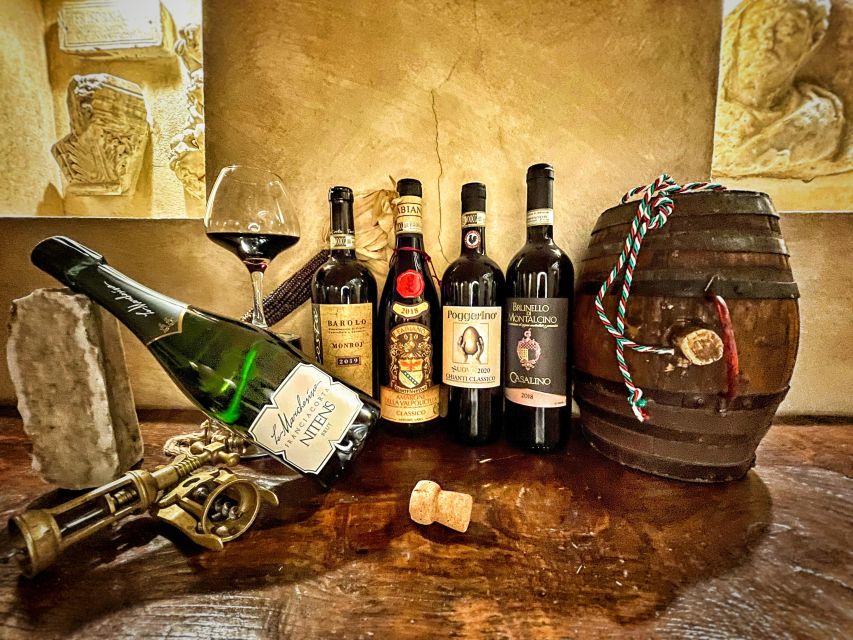
You’ll typically start with Prosecco (or Italian whites/reds, depending on the option), then move through a set of bites that pair with selected Italian wines. The point isn’t to overwhelm you with technical wine talk. It’s to help you notice what changes when you take a bite and then sip—or vice versa.
Staff explain origins and stories behind many of the foods, and there’s also instruction on how to taste wine correctly. This is valuable even if you’re not a wine person. You’ll pick up a practical rhythm: notice aroma, take a small sip, then compare the effect against the bite in front of you.
One more detail I like: you get unlimited water, which keeps the tasting comfortable. The format also caps at 18 guests, so explanations aren’t just read off a clipboard. You’re more likely to get your questions answered as you go.
What you’ll eat: DOP/IGP classics plus a Roman-style finish
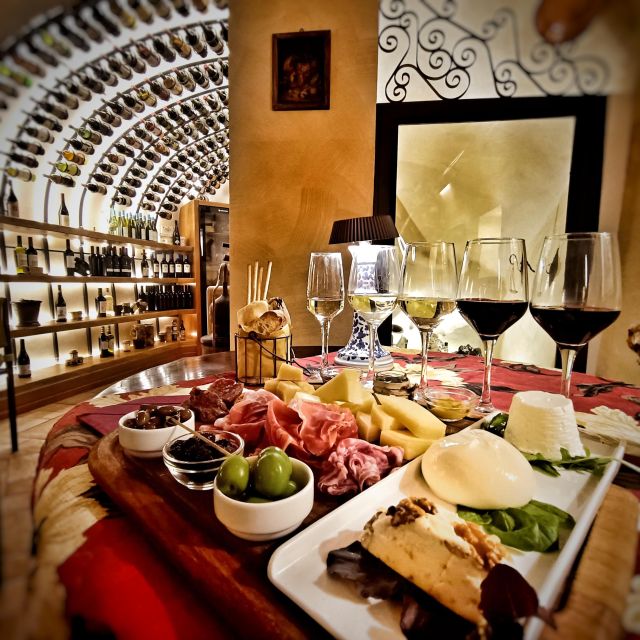
The menu is built around Italian standards—DOP, IGP, PDO, PGI—and it spans regions from north to south. That’s why it doesn’t feel like “just charcuterie and cheese.” You get a structured sequence of tastes meant to show how different areas of Italy do similar ingredients in different ways.
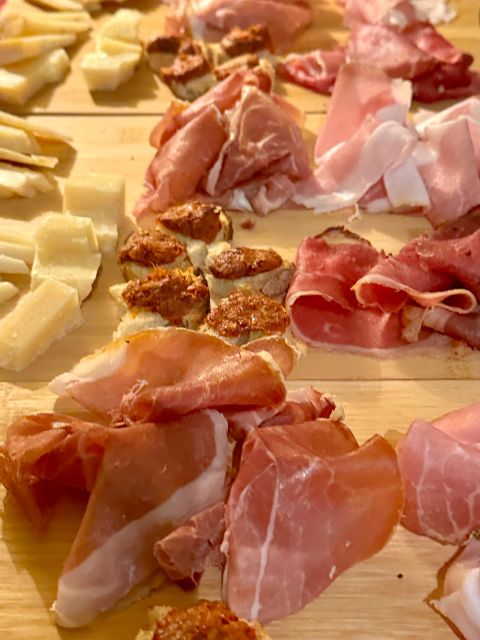
A typical selection can include:
- Cheeses (fresh and mature)
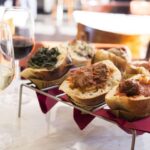
- Cured meats and hams, including options like Parma ham DOP, Mortadella Bolognese DOP, and Salame Marchiggiano
- Olives and olive products, including four types of olive and extra virgin olive oil
- Breads (they list three qualities of bread), plus items such as Tuscan bread Sciocco PDO
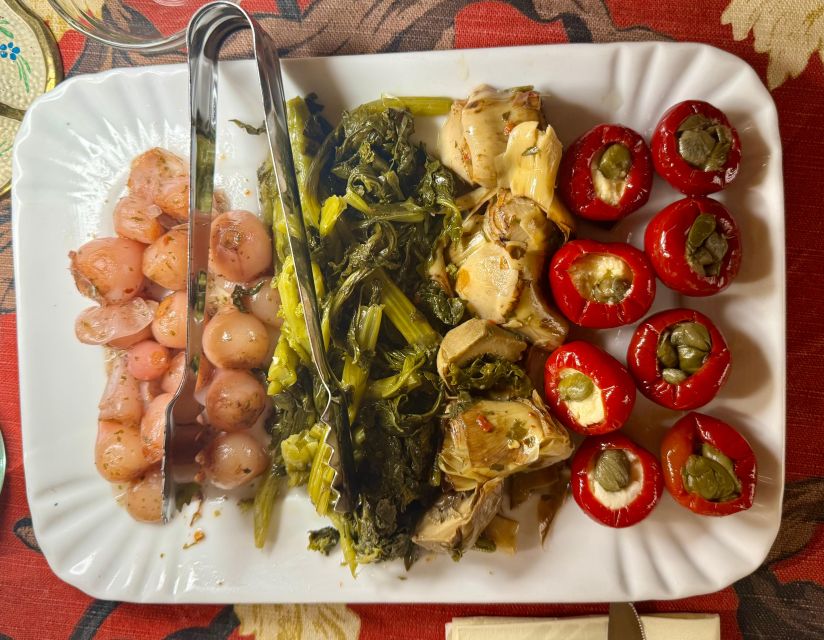
- Vegetables in oil or vinegar
- Buffalo mozzarella and ricotta, plus cheeses like Pecorino di Moliterno PGI and Provolone del Monaco PDO
- A Roman pizza as part of the tasting set
- Honey and jams designed to pair with cheeses
- Ice cream or a traditional Italian dessert, with coffee at the end
The list of specific items the cellar highlights can include names like Gorgonzola DOP, Taggiasca olives, Lardo di Colonna to DOP, Guanciale di Amatrice, Pane Veroli PGI, Focaccia Romana, Mozzarella Campana di Bufala, Bresaola di Vacca Podolica, and more.
Two important reality checks for your expectations:
- Seasonal variation is real. All dishes “may vary depending on the season and availability.” So don’t plan your day assuming you’ll see every item listed by name.
- This leans Italian-traditional, so it’s not vegetarian-friendly in the way many modern tours try to be. The experience is built around classic cured meats and cheeses.
In practice, what you’re buying is a guided pass through some of Italy’s recognizable flavors, with pairing logic attached.
Slow Food presidium and DOP/IGP: what it means for you at the table
This lunch isn’t only about taste. It’s also about provenance.
They select products recognized by Slow Food presidium—small artisan producers who preserve tradition while paying attention to environment and biodiversity. You don’t need a sociology degree to understand why this matters. When a cheese, cured meat, or bread is tied to protected identity (like DOP/IGP), you’re more likely to get consistent quality and a maker’s method instead of a generic product.
This kind of sourcing also makes the explanations feel meaningful. When the staff tell you the origin and how a product is made (or why it’s tied to a territory), you’re tasting the result, not just listening to a story.
And the “ambassadors” touch helps too: they describe Italy in multiple languages through flavors, which makes the experience feel less like a lecture and more like a cultural intro—especially if your Italian is basic.
The value of $62: food, wine, and guidance all together
Price is $62 per person, and that number can sound either high or fair depending on what you expect from lunch in Rome.
Here’s the value math that actually matters:
- You’re not just getting a meal. You’re getting a selected food tasting (options can include 1, 2, or 3 courses, depending on the chosen option).
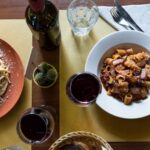
- Wine is built into the price: you can include Prosecco and then 2 or 4 glasses of superior/top-selected Italian wines, depending on your option.
- You’re getting unlimited water, plus coffee and ice cream or dessert.
- The setting adds cost: an underground cellar tied to ancient recovery work isn’t a standard restaurant lunch room.
- You’re paying for the instruction: staff teach you how to taste wine and guide pairings, which makes it a guided experience rather than self-guided grazing.
If you’ve ever paid for “a glass of something” at a touristic spot, this feels different. You’re doing a planned tasting sequence with intentional combinations, and the ingredients are chosen for identity (Slow Food presidium, DOP/IGP types).
You can also read our reviews of more tours and experiences in Rome

What to do if you have dietary needs (and what the limits are)
Alternatives are available upon request and can be adapted according to tastes or food intolerances. That said, the tour has clear constraints.
Based on the experience details:
- It’s not suitable for vegans.
- It’s not suitable for people with diabetes.
- It’s not suitable for people with food allergies.
- You must communicate allergies or intolerances when booking, because failure to do so does not guarantee the service.
- Staff and management won’t be responsible for reactions if information isn’t provided before the service.
So what should you do? If you have allergies or a strict diet, be very direct during booking. If you don’t see your needs supported in the stated restrictions, it’s smarter to look for a different food experience.
Also note the small-group tasting isn’t a place where you want to improvise your way through restrictions once you arrive.
Practical tips: meeting point, timing, and how to make it easy
Meeting point is at the Hotel Residenza San Calisto entrance, Via dell’Arco di San Calisto 19/20—look for the ted red canopy. When you arrive, ring the bell at the entrance.
A few practical notes to keep things smooth:
- You’ll be with staff who speak English, Italian, and Spanish, so you can ask pairing questions in your comfort language.
- The experience is scheduled by availability, so check the starting times when you book.
- Inside the cellar, you won’t be able to bring in food and drinks, and you should expect no smoking indoors.
- Baby strollers aren’t allowed, and large bags or luggage aren’t allowed either.
Also: the experience can refuse service if someone is intoxicated. It’s one of those “they’re protecting the group” rules that you’ll appreciate once you’re in a small tasting room.
Who this is perfect for (and who should skip)
This is a great fit if you:
- Want a guided wine-and-food experience rather than a random meal
- Like Italian products with a strong sense of place: cheeses, cured meats, breads, and olives
- Appreciate a calm, seated pace after hours of walking Rome streets
- Prefer small groups (max 18) where you can actually hear explanations
You might want to skip it if you:
- Need a wheelchair-accessible experience (wheelchair users aren’t suitable)
- Are vegan
- Have diabetes
- Have food allergies
- Are traveling with pets (pets aren’t allowed)
- Need to bring a stroller or large bags
For families: under 18s don’t include wine tasting, and if minors drink wine, they must be accompanied by their parents, with the adult menu price charged on-site. If you’re bringing kids, plan around that.
Should you book this Trastevere wine-and-lunch tasting?
I’d book it if you want a Roman lunch that feels genuinely different from sitting in a bright dining room. The value comes from the full package: Italian DOP/IGP food tasting, wine pairing, and the kind of staff guidance that teaches you how to taste rather than just what to taste.
Skip it if your needs don’t match their stated limits (vegans, wheelchair users, diabetes, food allergies). And if you’re expecting a free-for-all meal, this is structured on purpose.
If you’re choosing between “another Trastevere dinner” and this lunch cellar experience, pick the cellar. It’s one of those Rome moments where the setting, the sourcing, and the pairing all work together.
FAQ
How long is the Rome lunch food tasting with wine pairing?
The tasting lasts about 45 to 60 minutes, and the experience is scheduled for around 1 hour.
What does the $62 price include?
Depending on the option, it includes Prosecco and either 2 or 4 glasses of selected Italian wines, plus a food tasting. It also includes unlimited water, bread and olive elements, and at the end you get coffee and ice cream or a traditional dessert.
What kind of food is served?
You can expect a mix of Italian tasting bites such as fresh and mature cheeses, cured meats and ham, olives, vegetables in oil or vinegar, buffalo mozzarella and ricotta, Roman pizza, and honey or jams for pairing with cheeses. Menus may vary by season and availability.
Do under-18s drink wine?
No. The menu for under 18s does not include wine tasting.
What if a minor drinks wine?
If minors drink the wine, they must be accompanied by their parents. The adult menu price difference will be charged and paid on-site.
Where do I meet for the tasting?
Meet at the Hotel Residenza San Calisto entrance, Via dell’Arco di San Calisto 19/20, at the red canopy area. Ring the bell when you arrive.
Are alternatives available for intolerances?
Yes. Alternatives can be adapted upon request to suit tastes or food intolerances, but you must communicate allergies or intolerances when booking.
Is this experience suitable for wheelchair users?
No, wheelchair users are not suitable for this experience.
What’s the language of the tour?
The tasting is offered in English, Italian, and Spanish.
Is it possible to cancel for a refund?
Yes. Free cancellation is available up to 24 hours in advance for a full refund.