REVIEW · APPIAN WAY BIKE & E-BIKE TOURS
Night Tour of Rome with Top E-bike & optional Italian Dinner
Book on GetYourGuide →Operated by TopTours · Bookable on GetYourGuide
Rome on an e-bike at night is a cheat code. You’ll glide between major sights and calmer back streets, with a safety-focused guide and well-maintained bikes designed for real city riding. What I like most is the evening timing—that golden light makes the Colosseum and Pantheon look cinematic—and the guided route that keeps you moving without turning the night into a race.
The second big win for me is how smoothly the ride feels thanks to the anti-puncture tires, comfy seat, and helmet setup, plus a small group size that makes instructions easy to follow. One thing to keep in mind: if you’re picky about food, the trattoria dinner menu (pizza or pasta plus sides and drinks) may not hit every taste perfectly, even though it’s included for the longer tour.
If you want Rome highlights with less walking and more atmosphere, this is a smart way to do it—especially when the streets start cooling down and the monuments switch on their night faces.
In This Review
- Key things to know before you book
- Entering Rome by e-bike: why dusk changes everything
- Via Labicana start: where the ride begins and how it stays organized
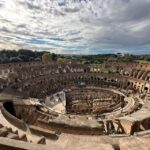
- Colosseum and Roman Forum: sunset drama, then a quieter look
- Theatre of Marcellus and the Jewish Ghetto: Rome’s street-level layers
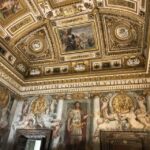
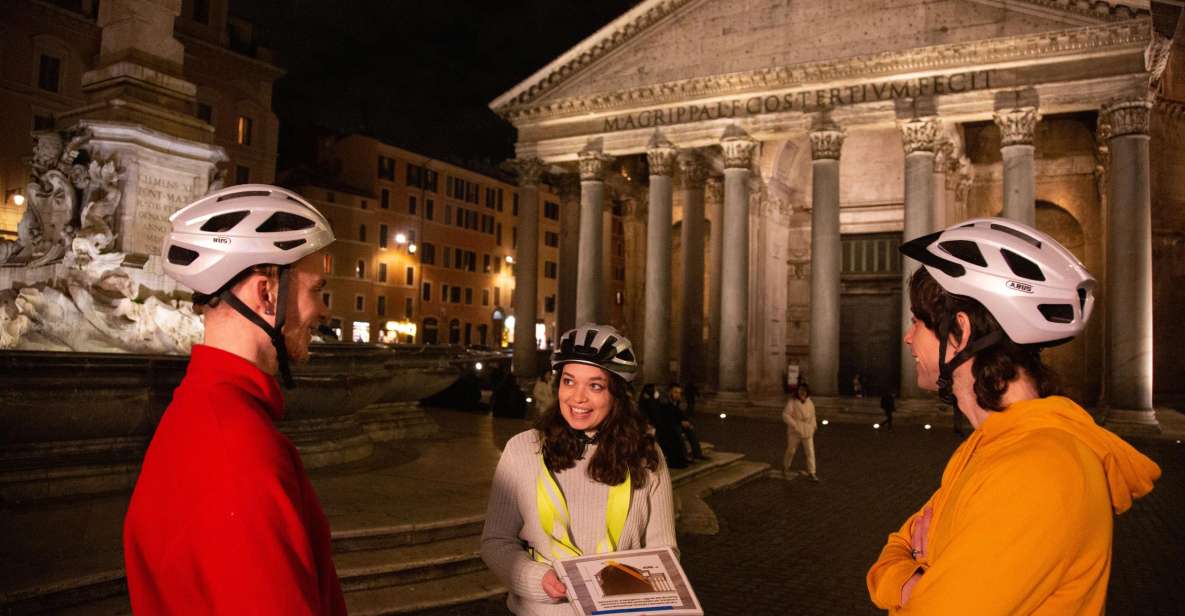
- Farnese Palace and Pantheon at dusk: big icons with a human pace
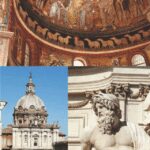
- Churches and Piazza di Pietra: Sant’Ignazio’s details and the stone turns
- Spanish Steps and Trevi Fountain: the famous pair, handled with strategy
- Piazza Venezia to Imperial Fora: the long view at the end of the night
- The 4-hour option: dinner in an Italian trattoria without derailing your night
- How hard is it really: distance, e-bike feel, and kids on board
- Price and value: what $85 buys you for Rome at night
- Who should book this night e-bike tour
- Should you book?
- FAQ
- Where is the meeting point?
- How long is the tour?
- How far do you ride?
- What is included with the e-bike experience?
- Is dinner included?
- What kind of e-bike do you ride?
- How big is the group?
- What languages are available for the guide?
- Can children join?
- What happens if there are official/public celebrations in the city?
- Is it cancelable or flexible to book?
Key things to know before you book
- Top E-bike comfort and reliability, with anti-puncture tires, a comfortable seat, and a handlebar bag
- A small group (up to 10), which helps the guide manage pace and safety through tight streets
- A classic night route plus quieter alleys, so you get famous stops without only seeing crowds
- Two tour lengths (2.5 or 4 hours), identical sights, with dinner only on the 4-hour option
- Helmets mandatory, and the bikes are checked after every use
- Dinner timing is built in for the longer tour, landing about 1 hour 15 minutes after departure
Entering Rome by e-bike: why dusk changes everything
Rome at night can feel like two cities at once: the famous monuments that draw everyone, and the side streets where the mood settles in. This tour is built around the hours when daylight fades but the city doesn’t go sleepy, which is exactly when stone landmarks look dramatic and crowds thin out a bit compared with mid-afternoon.
You’re not doing this on a wobbly rental bike. The experience is centered on a top-quality e-bike with an emphasis on comfort and safety—anti-puncture tires, a comfortable seat, and a helmet that’s mandatory. In plain terms: you can focus on what you’re seeing instead of fighting the bike.
You can also read our reviews of more cycling tours in Rome
Via Labicana start: where the ride begins and how it stays organized
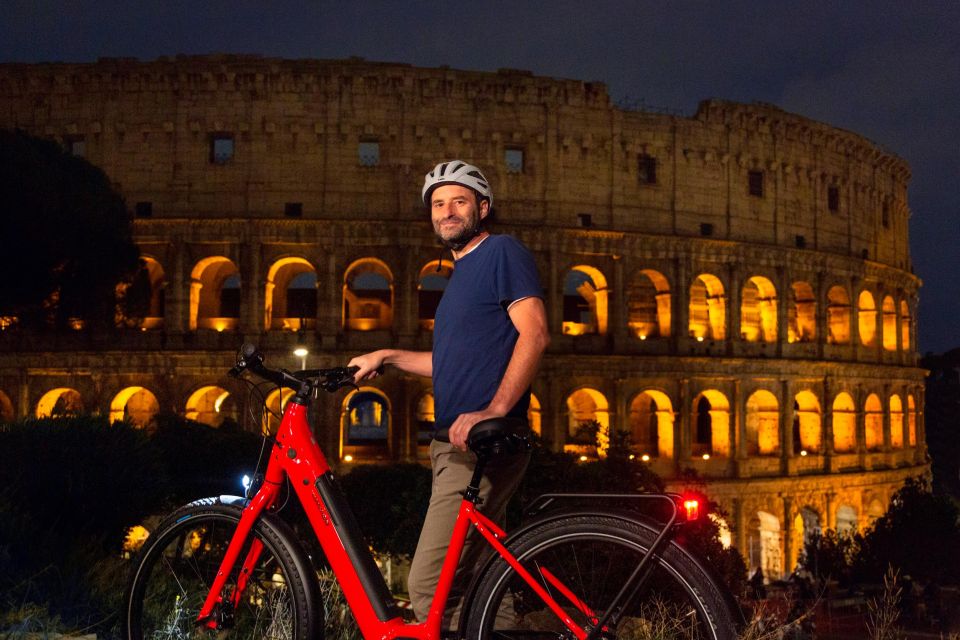
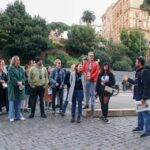
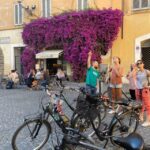
You meet at Via Labicana 49, about a 5-minute walk from the Colosseum. That location is handy because it puts you in the right neighborhood fast, and it keeps the route logical from the first stop onward.
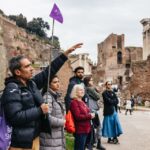
The tour runs with a professional, safety-conscious guide, and the group size is capped at 10 people. With a smaller group, you don’t get the accordion effect where everyone stretches and breaks apart at every corner. You also get clearer instruction on how to handle traffic flow and turns at night.
You’ll ride about 12 km (7.5 miles) total, which is very doable for most people when the bike does the work. The ride is described as leisure, with an intermediate note if you’re carrying a child seat or child extension mounted on your bicycle.
Colosseum and Roman Forum: sunset drama, then a quieter look
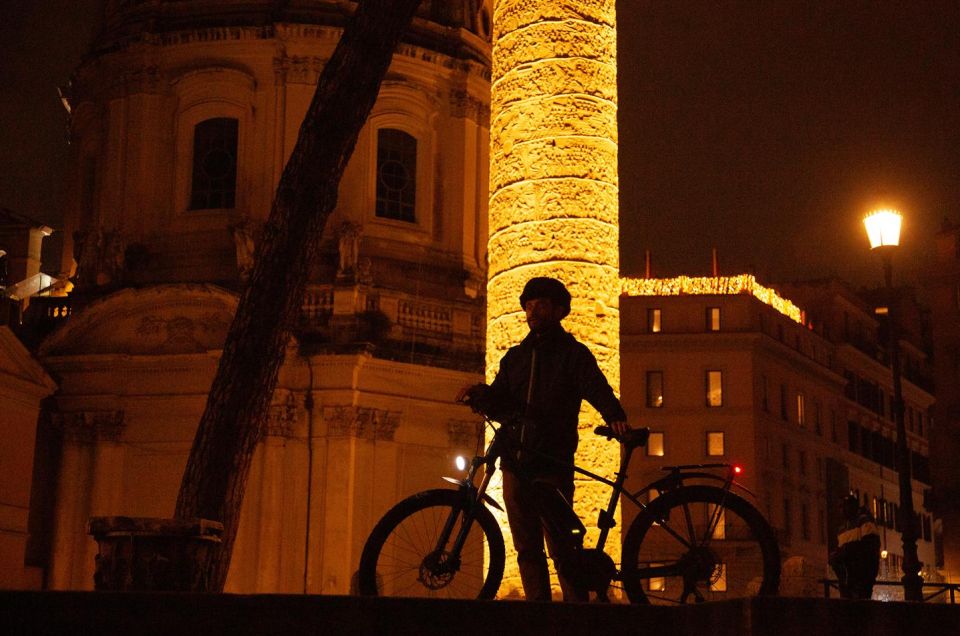
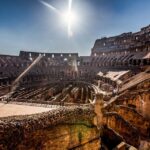
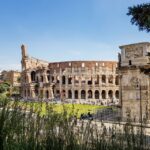
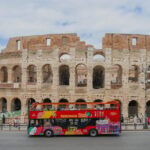
The first major stop is the Colosseum area, with a quick sightseeing moment around 5 minutes. That short pause matters. It keeps you from getting stuck while the guide sets your bearings and transitions the group into the ride rhythm.
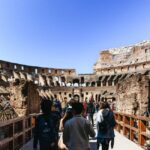
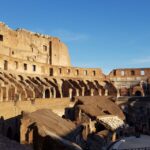
Right around dusk, the Colosseum looks tall and solid instead of just impressive from far away. You’ll also catch better contrast on stone and arches, and the guide’s commentary helps you read what you’re looking at while you’re still moving through the area.
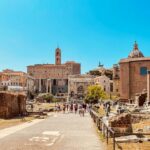
Then you head into the Roman Forum. This is where night riding pays off. On foot, you can spend more time waiting at bottlenecks than actually seeing the space. On the bike, you get a sense of scale—open areas, monument lines, and sightlines—without turning it into a long slog.
Theatre of Marcellus and the Jewish Ghetto: Rome’s street-level layers
Next comes the Theatre of Marcellus, followed by the Jewish Ghetto area. These stops feel different from the biggest-ticket landmarks because you’re moving through neighborhood fabric—smaller streets, tighter geometry, and a slower pace of life.
This is also where the route style shows: you’re not just circling the tourist core. You’re riding through charming alleys and back streets that help you feel like you’re inside the city, not parked beside it. People in past groups have highlighted the pleasure of that approach—avoiding the worst of the pedestrian chaos and getting a more adventurous night flow.
The draw here is not a checklist of trivia. It’s atmosphere. You’ll see how Roman spaces connect to daily neighborhoods, and you’ll get context for why these areas feel distinct even when the stones are close together.
Farnese Palace and Pantheon at dusk: big icons with a human pace
You’ll pass Farnese Palace before reaching the Pantheon. The Pantheon is the kind of place where lighting does half the work. In dusk, details on the façade and the setting around it look sharper, and the whole area feels more intimate than daytime crowds can make it.
The guide’s job is to help you notice what matters while you have movement and momentum. You won’t just stop, point, and leave—you’ll get a guided explanation that makes the buildings feel less like photos and more like places with a purpose.
One practical note: famous landmarks can still be busy at night. The advantage of this format is that you’re not forced to stand in one spot for ages. You’ll get a focused view, then keep rolling.
You can also read our reviews of more tours and experiences in Rome


Churches and Piazza di Pietra: Sant’Ignazio’s details and the stone turns
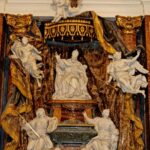
After the Pantheon zone, the route includes Church of Sant’Ignazio di Loyola and Piazza di Pietra. These are the kinds of stops that make a night tour worthwhile, because they’re memorable without demanding a full day of attention.
Night works in your favor here too. Churches can look overwhelming in daylight when you’re trying to take everything in at once. At dusk, the contrast helps you pick up shapes, façades, and urban layout. Piazza di Pietra is especially good for a breather—space, sightlines, and the sense that you’re moving through different Roman moods in a single ride.
Spanish Steps and Trevi Fountain: the famous pair, handled with strategy
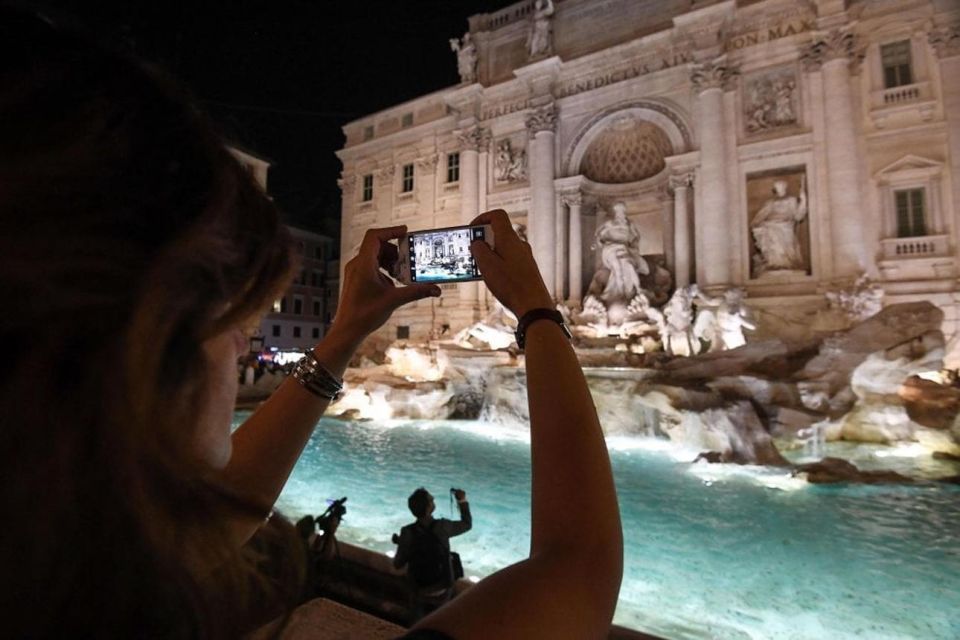
The route brings you to the Spanish Steps and then the Trevi Fountain. These are the stops most people come for, and they can be chaotic on your own. In a group ride format, you typically get a more controlled experience—short, guided moments where you can take in the scene without turning your night into an endless queue.
Even so, keep expectations realistic. Trevi Fountain is Trevi Fountain. It’s going to be crowded at some point because that’s its job. The practical win is that you’ll experience it as part of a route, not as a dead-end you have to mentally survive.
The Spanish Steps at night also feel different than you’d expect. You’re not just looking up at them; you’re approaching them with the city lights around you. It’s a great “Rome feels real” moment.
Piazza Venezia to Imperial Fora: the long view at the end of the night
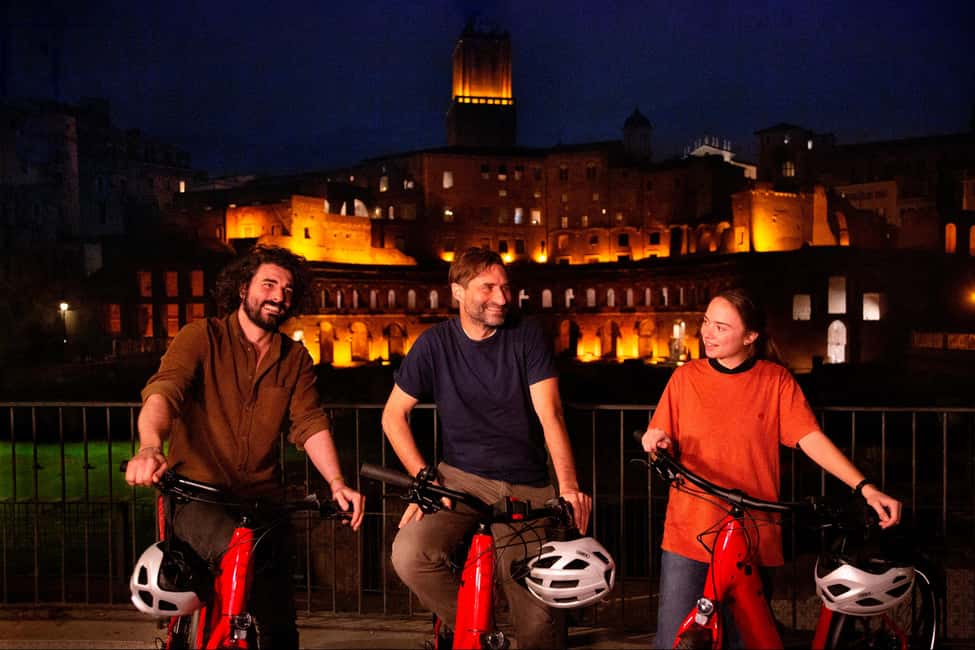
After Trevi, you’ll reach Piazza Venezia and then Imperial Fora before heading back. This section helps you connect the dots between what you see as isolated monuments and what they were meant to be: parts of a larger urban plan.
The Imperial Fora area especially benefits from evening conditions. You get a clearer sense of how the spaces open and line up, and you can appreciate how grand these settings are even when you’re not spending all evening photographing them.
When the ride ends back at Via Labicana 49, you’ll likely feel like you covered the big names and still got that off-the-main-road mood. That combo is the point.
The 4-hour option: dinner in an Italian trattoria without derailing your night
Choose the longer 4-hour version, and you’ll stop for dinner in a local Italian trattoria about 1 hour 15 minutes after the tour starts. This timing is smart: you’re not eating too early, and you’re not racing through dinner as the ride wraps up.
What’s included is a set meal:
- a mix of appetizers
- pizza or pasta
- soft drink or a glass of wine or beer
- water
- coffee
For value, I like that the dinner isn’t just a light add-on. It’s structured, it includes drinks, and it comes as part of the experience instead of being a separate hunt for food after a long day. If you’re flexible, it’s a convenient win.
One caveat from real-world feedback: the restaurant and menu weren’t a perfect match for every diner. So if you have strong preferences, go in with the mindset that this is a solid included meal, not fine-dining customization.
How hard is it really: distance, e-bike feel, and kids on board
The ride covers about 12 km / 7.5 miles total. The difficulty is listed as leisure, which is what you want to hear for a city-night cycling plan.
If you’re traveling with kids, the tour has specific guidance. Infants aged 1 to 4 (up to 22 kg / 49 lb) can ride on a child seat for free. Children aged 5 to 8 get a child extension. Kids 9+ (at least 140 cm / 55 in) can ride independently on an appropriately sized e-bike. Babies under 1 aren’t included.
There’s also a practical weight limit: the bike equipment has a maximum of 300 lbs / 136 kg. If you’re carrying a child seat setup, note that the tour can be marked intermediate for an adult carrying it, so you’ll want to judge your comfort level for a slightly more demanding assist.
Helmet is mandatory. That’s a good rule on any night ride, and the tour makes it part of the plan.
Price and value: what $85 buys you for Rome at night
At $85 per person, you’re paying for more than a bike. You’re paying for a guide-led route that packs major sights into a single evening, plus the basic safety and comfort package: helmet, e-bike, handlebar bag, and water.
If you book the 4-hour option, you’re also getting the included trattoria dinner with appetizers, a main (pizza or pasta), drinks, water, and coffee. In that version, the value gets stronger because your evening meal is handled for you inside the experience timeline.
It’s also a time-saver. Instead of piecing together transport, figuring out where to stop, and negotiating crowds one landmark at a time, you get a structured flow that keeps you moving through Rome’s highlights efficiently.
Who should book this night e-bike tour
This is a good fit if you want:
- Rome landmarks with less walking
- a safety-first guide and a small group pace
- a night route that includes both the famous stops and calmer areas
- an option to add dinner without planning a whole second outing
It’s not the best fit if you want long, slow, museum-level time at each site. The stops are designed for seeing and moving. Think of it as a smart evening survey with guided context, not a standalone deep study of every monument.
Should you book?
I’d book it if you’re excited by the idea of seeing Rome’s best-known sights and its quieter streets in the same evening, with an e-bike that actually feels reliable. The small group size, helmet-first safety approach, and comfort-focused bike setup make it feel low-stress.
Skip it if your dinner tastes are very specific, or if you’d rather spend your night doing one place thoroughly on foot. For most people, though, this hits the sweet spot: great timing, manageable effort, and a Rome night that feels like more than just postcard stops.
FAQ
Where is the meeting point?
You meet at the shop on Via Labicana 49. It’s described as a 5-minute walk from the Colosseum.
How long is the tour?
The tour runs for 2.5 to 4 hours, depending on the option you choose.
How far do you ride?
The route covers about 12 km / 7.5 miles.
What is included with the e-bike experience?
Included are the top-quality e-bike, a mandatory helmet, a professional guide, a handlebar bag, and a bottle of water.
Is dinner included?
Dinner is included only with the 4-hour option. It takes place about 1 hour 15 minutes after the tour starts and includes appetizers, pizza or pasta, a soft drink or glass of wine or beer, water, and coffee.
What kind of e-bike do you ride?
You’ll ride a top-quality e-bike with features like anti-puncture tires and a comfortable seat, and the bikes are checked after every use.
How big is the group?
The group is small, limited to 10 participants.
What languages are available for the guide?
Guides are available in German, Italian, Spanish, French, Dutch, and English.
Can children join?
Infants aged 1 to 4 (up to 22 kg) can join on a child seat for free. Children aged 5 to 8 can use a child extension. Children aged 9+ (at least 140 cm) can ride independently on an appropriately sized e-bike. Babies under 1 are not suitable.
What happens if there are official/public celebrations in the city?
If there are official or public celebrations, the provider may substitute one or more of the listed highlights.
Is it cancelable or flexible to book?
Yes. There is free cancellation up to 24 hours in advance for a full refund, and there’s an option to reserve now and pay later.