REVIEW · COLOSSEUM UNDERGROUND
Rome: Exclusive Colosseum Underground and Arena Guided Tour
Book on GetYourGuide →Operated by Crown Tours · Bookable on GetYourGuide
The Colosseum feels like a puzzle piece—put it in the right spot and it clicks. This 3-hour small-group tour gives you the rare arena floor + underground dungeons access, then continues with guided time on the Roman Forum and Palatine Hill. I love how the storytelling turns stone into a scene (with guides like Eva, Artur, Lumi, or Jessica often highlighted for sharp answers), and I love the extra viewpoints—from the Emperor’s perspective to the panoramic hill views. One heads-up: the underground portion is time-limited, so you’ll want to move smart and accept that it can feel rushed in that section.
You meet at Via della Polveriera 8 near the Colosseum, and you’ll spend the morning/afternoon flow working your way through layers of the site rather than just circling the same highlights. With a maximum of 7 people and English guiding, it’s set up for a more human pace—useful when you actually want to ask questions, not just collect photos.
In This Review
- Key moments that make this tour worth your attention
- Before you go: timing, meeting point, and what to expect
- Colosseum entry and the arena floor: where scale becomes real
- Underground dungeons: the darker side of the spectacle
- The Emperor’s perch and the gladiator story your brain can picture
- Up on the Colosseum attic levels (floors 3–5)
- Roman Forum: power, religion, and daily politics in one guided walk
- Palatine Hill panoramas: where views meet meaning
- Price and value: what you’re really paying for
- Who this tour fits best (and who should look elsewhere)
- FAQ
- FAQ
- How long is the Colosseum Underground and Arena guided tour?
- What’s the meeting point address?
- What time should I arrive at the meeting point?
- Does the tour include an English-speaking guide?
- How big is the group?
- What parts of the Colosseum are included?
- Are the Roman Forum and Palatine Hill included?
- Do I need to bring ID?
- Are food and drinks included?
- Is the tour refundable if I cancel?
- Should you book this Colosseum underground and arena tour?
Key moments that make this tour worth your attention
- Underground access + arena floor in one go so you see both the “before” and “during” of the spectacle
- Small group (up to 7), which means less waiting and better chances for your guide’s focus
- Stories anchored to physical spots—where gladiators stood, where animals were kept, where the Emperor would sit
- Forum and Palatine Hill included so you don’t leave Rome’s political/religious center to chance
- Attic floors (3–5) for higher views that make the Colosseum’s scale hit harder
Before you go: timing, meeting point, and what to expect
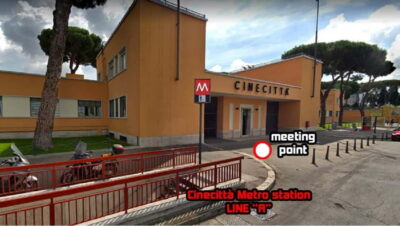
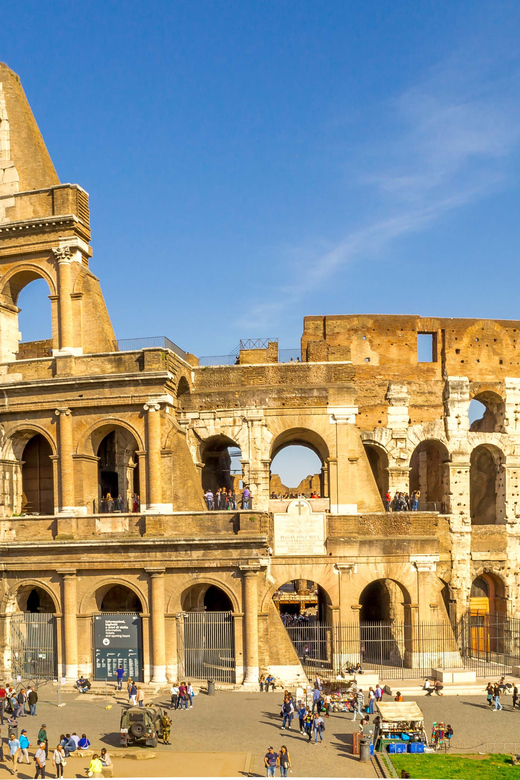
This is the kind of tour that rewards arriving on time—not just “not late,” but early enough to settle in before you’re ushered through security and into the flow of the day. The meeting point is Via della Polveriera 8, about 100 meters from the Colosseum. If you’re coming from the Metro Station area, get upstairs and follow the pedestrian bridge that crosses the road; the office is on the other side, up the street, with purple flags and the Crown Tours logo.
Plan to arrive at least 30 minutes before start. The reason is simple: late arrivals can’t be guaranteed entry. That’s also why this tour works best when you’re not juggling a bunch of other timed stops nearby.
Bring your passport or ID card. The Colosseum staff ask for ID for security, and you’ll want no surprises here. And don’t pack anything that could trigger restrictions—pets aren’t allowed, and weapons/sharp objects plus alcohol and drugs are not allowed.
Colosseum entry and the arena floor: where scale becomes real
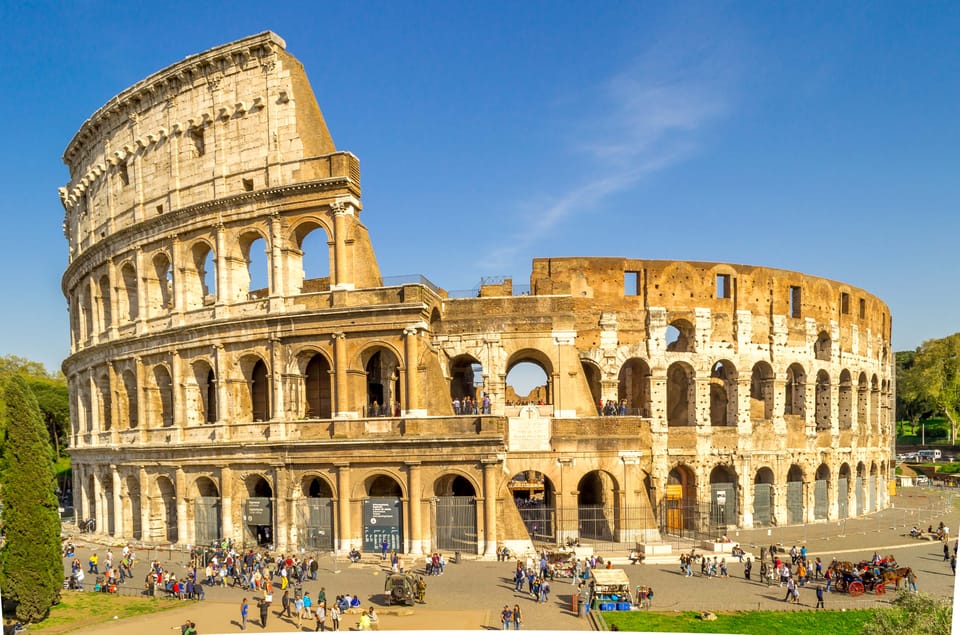
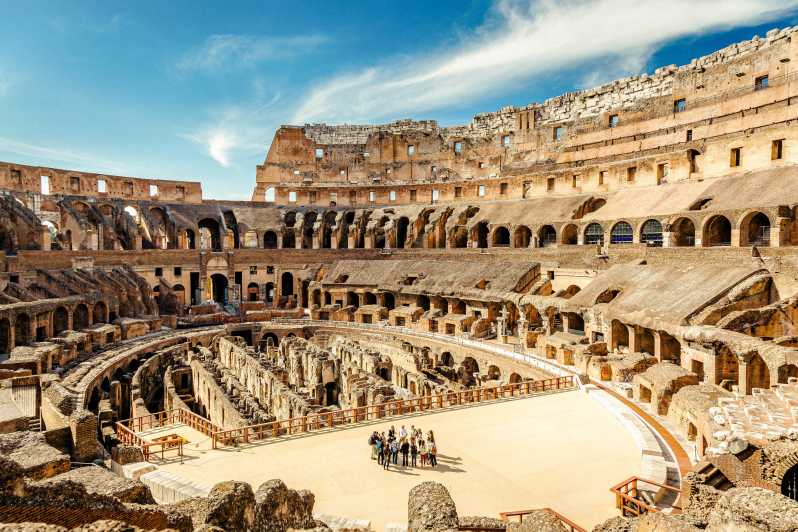
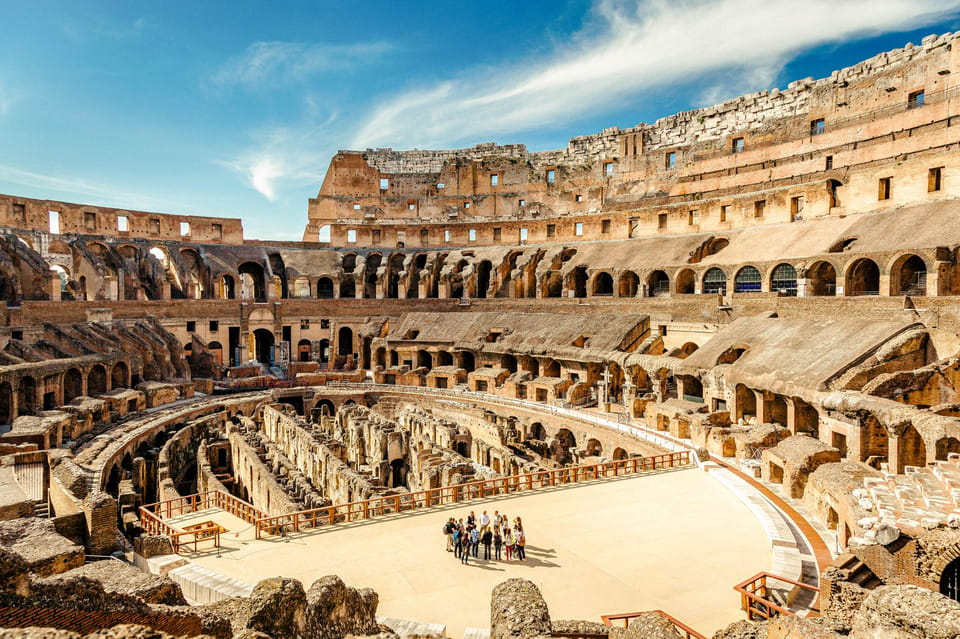
Once you’re inside, the tour keeps you moving through the Colosseum’s “story layers.” You start with the guided visit that brings you to the arena floor area—this is the moment that usually makes people go quiet, because your brain finally catches up with the numbers.
Standing where gladiators stood (and really feeling the openness around you) changes the whole experience. From the arena, you get a practical sense of how tight the space would have felt for those acts, and how large the crowd must have been. Your guide’s job here is not just to tell you dates—it’s to frame what you’re looking at: the Emperor’s raised position above the arena, the spectacle mechanics, and why the design mattered.
One thing I’d keep in mind: the crowd situation shifts depending on your exact entry time. Even with a small group, once you’re higher up later, you can hit busier sections. If you care about photos, go for composition first, then let the view soak in.
Underground dungeons: the darker side of the spectacle
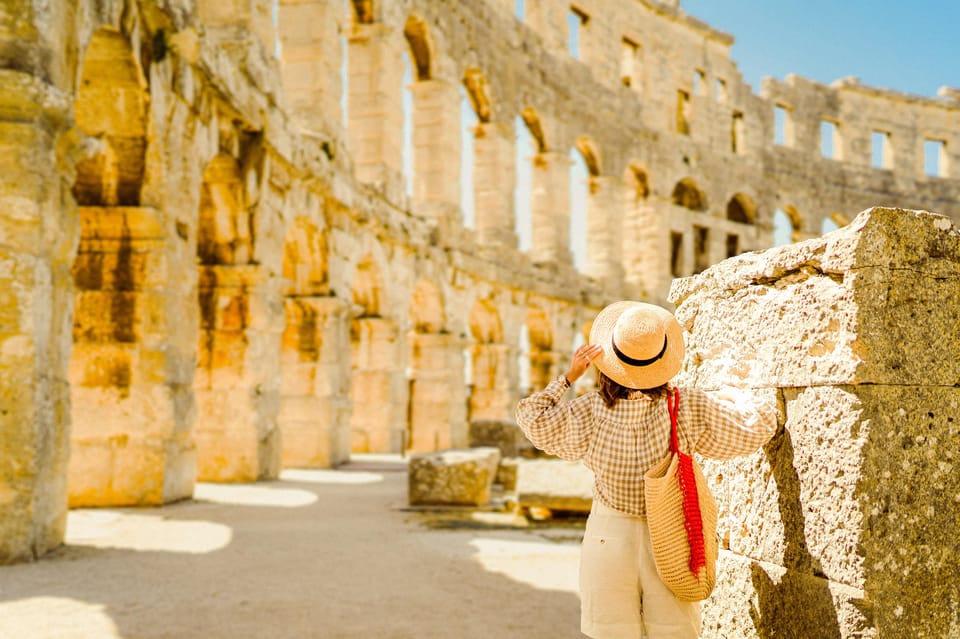
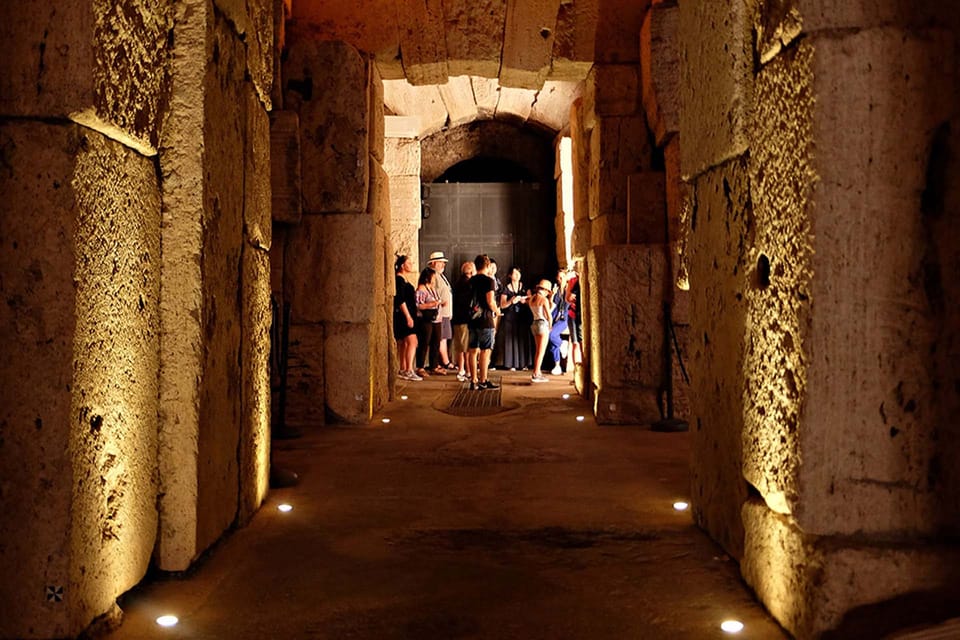
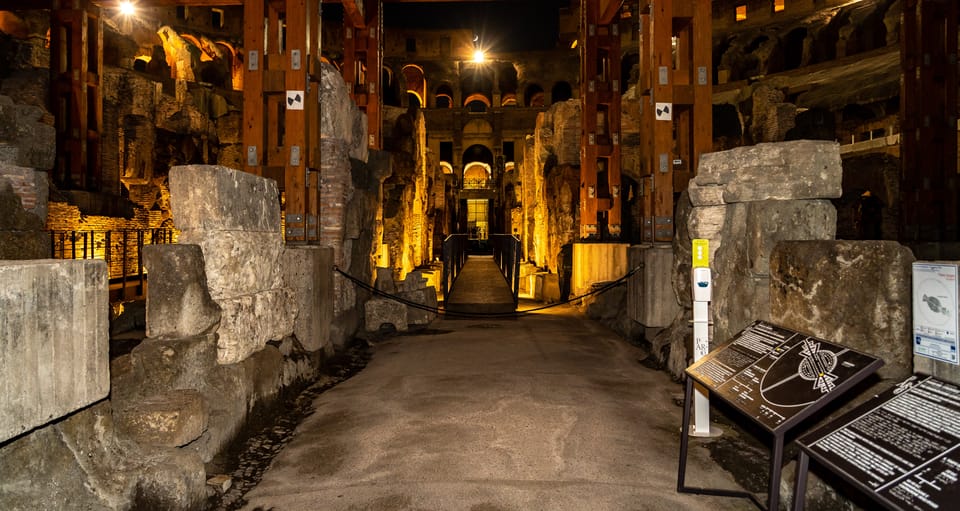
The restricted-area portion is the headline for a reason: you’re going below the public level. The Colosseum underground dungeons put you in corridors that feel like backstage rather than monument sightseeing.
Expect to hear the harsher stories—where gladiators were held, where wild animals were caged, and how this space supported the fights above. It’s not meant to be a gory horror show. The best guides pace it as context: power, fear, logistics, and the human cost of entertainment.
Here’s the practical reality check. One common constraint: even for tours with access, the guided time underground is limited—about 30 minutes is what people report experiencing. So yes, you may feel the underground segment is tight. Your best strategy is to treat it like a guided walk-through of “key stations,” not a slow museum stroll. Listen closely, glance around often, and don’t be afraid to ask a question early rather than saving it for later.
Also note: underground access can sometimes be changed by on-the-ground realities. If a slot can’t run the underground portion exactly as expected, you may still get the arena and above-ground experience, but it might be adjusted in size or flow. Keep that flexibility in mind if this is your one “must.”
The Emperor’s perch and the gladiator story your brain can picture
Back on the arena floor level and then in the sections above, the tour focuses on how the Colosseum worked as a machine for drama. You’ll hear about the Emperor’s position—high above the arena—because it helps you understand why sightlines mattered. It wasn’t just about fighting. It was about decisions, timing, and public theater.
I love how the guide’s storytelling is built around physical places you can point to as you move. That’s why stand where the gladiators stood feels more powerful than just viewing a diagram. Instead of “people fought here,” you’re picking up details like:
- how the arena would have directed attention,
- how the underground prep fed into what you see above,
- and how power was displayed in the architecture.
Some groups also get extra help that makes history easier to visualize—one guide’s display book showing how things looked can be a nice boost when your imagination needs a hand.
Up on the Colosseum attic levels (floors 3–5)
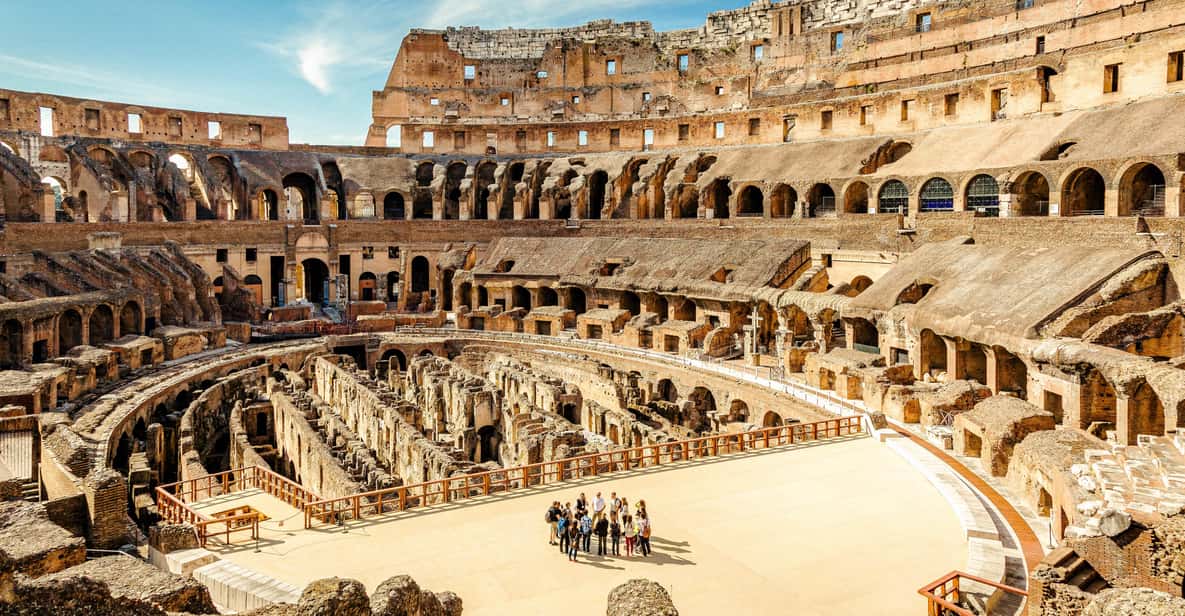
The route also includes the Colosseum Attic area (floors 3–5). This part often gets overlooked because people focus on the big two hits: underground and arena floor. But these higher levels help you understand the building as a full structure, not just a stage.
From above, your mental map sharpens fast. You see the geometry more clearly, and you get views that make the scale feel bigger than it does from the ground. It also helps with photos—especially if you want a wider shot that includes more of the arena bowl.
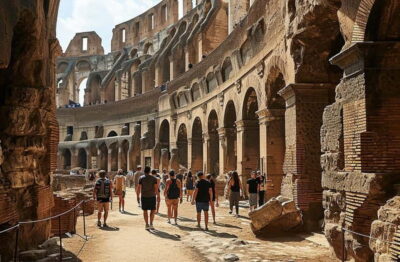
One caution: higher up can mean more people, especially if your slot overlaps with other groups. Use that to your advantage. Let the guide direct you toward the best spots first, then linger in the areas where you can get clear sightlines without getting stuck behind a wall of heads.
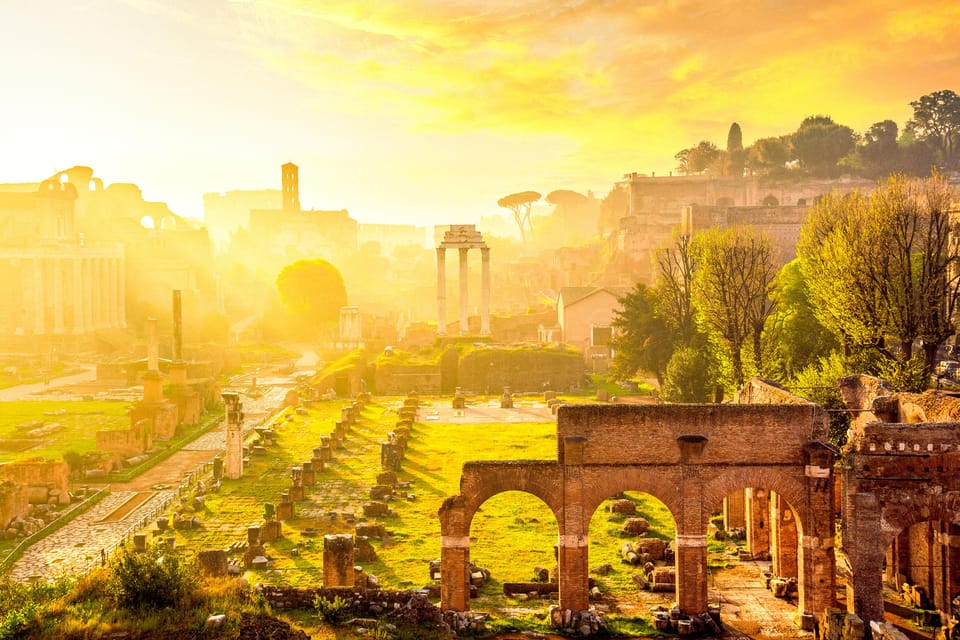
Roman Forum: power, religion, and daily politics in one guided walk
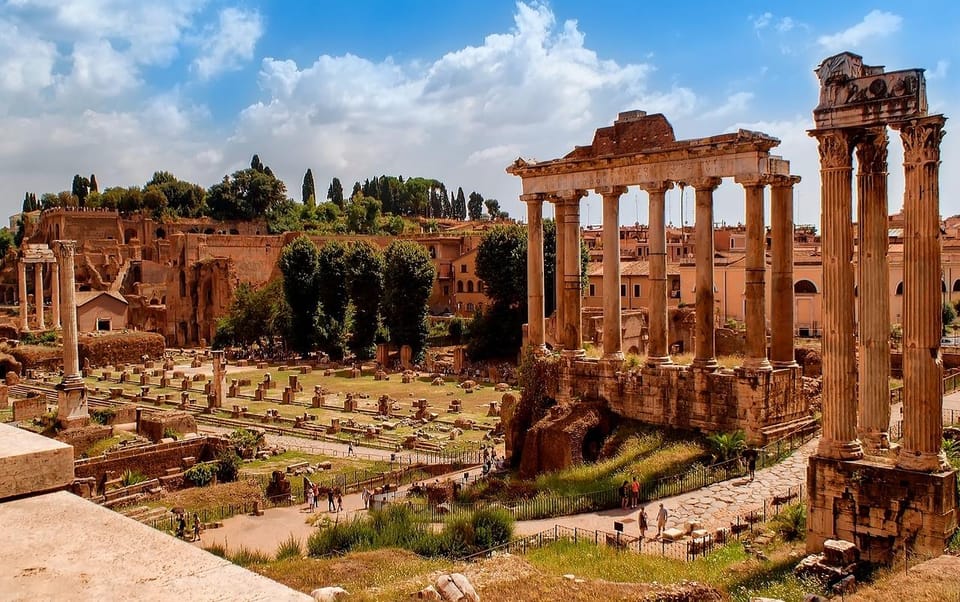
After the Colosseum, you move toward the Roman Forum. This is where the tour shifts tone—from spectacle to governance. The Forum was the social and political engine of Ancient Rome, and the guided walk helps you see beyond random ruins.
What makes this part work is how your guide ties places to functions: political decisions, religious spaces, and the everyday rhythm of a huge civic center. The ruins can feel chaotic if you go alone. With a guide, you start recognizing patterns—where authority would show up, where people gathered, and how the layout supports the story.
You’ll also get a strong sense of the Colosseum’s relationship to the rest of the city. Even without leaving the immediate area, the day becomes about systems: entertainment above, administration nearby, and the overlap of both in Roman life.
Palatine Hill panoramas: where views meet meaning
Palatine Hill is one of those places that can feel like it’s rewarding you twice. First, it rewards you with views—big ones. Second, it rewards you with context, because this is a landscape tied to origins, status, and elite presence.
As you walk the ruins, you get panoramic views of the Colosseum, which helps the whole day click into place. The Colosseum stops being an isolated stop and becomes part of Rome’s wider map of power.
If you like your Rome to connect physically—where rulers lived, where decisions got made, where the public came to be stunned—Palatine is the payoff. It’s also a good moment to slow down, take photos, and let the guide’s last stories land before you finish.
Price and value: what you’re really paying for
At $191.68 per person, this isn’t a budget ticket. You’re paying for access that most people never get: the arena floor and the underground dungeons, plus continued guided time through the Roman Forum and Palatine Hill.
That value math is easiest to see this way:
- Standard Colosseum visits usually give you public-level viewing and a general tour.
- Here, you’re paying extra for restricted areas and a guided explanation in those exact spaces.
- Then you’re not starting over with a separate guide for the Forum and Hill. You keep momentum for the same day.
For me, the “worth it” question comes down to one thing: do you want the Colosseum to feel like theater (arena + underground), or do you just want impressive ruins (public viewing)? If it’s the first one, the price starts to make sense quickly.
Who this tour fits best (and who should look elsewhere)
This tour is a strong fit if:
- you want small-group attention (up to 7 people),
- you care about storytelling tied to specific spots,
- and you’re the type who enjoys questions—your guide is built for interaction.
It’s also a good choice if you like efficient sightseeing with a single guide—Colosseum, Forum, and Palatine Hill in one continuous experience.
It may be less ideal if:
- you hate crowds and want only quiet spaces (higher levels can get busy),
- you expect unlimited time underground (it’s time-limited),
- or you’re sensitive to audio quality. One review mentioned headsets can be hard to hear, so if you struggle with sound, position yourself where you can hear clearly.
FAQ
FAQ
How long is the Colosseum Underground and Arena guided tour?
The tour lasts 3 hours.
What’s the meeting point address?
You meet at Via della Polveriera 8, about 100 meters from the Colosseum. It’s marked with purple flags with the Crown Tours logo.
What time should I arrive at the meeting point?
Arrive at least 30 minutes in advance. Late arrivals cannot be guaranteed entrance.
Does the tour include an English-speaking guide?
Yes. The live tour guide is in English.
How big is the group?
It’s a small group limited to 7 participants.
What parts of the Colosseum are included?
You get guided access to the Colosseum, including the underground dungeons, the arena floor, and the attic (floors 3–5).
Are the Roman Forum and Palatine Hill included?
Yes. After the Colosseum sections, the tour includes guided visits to both the Roman Forum and Palatine Hill.
Do I need to bring ID?
Yes. Bring a valid passport or ID card, since Colosseum staff request it for security.
Are food and drinks included?
No. Food and drinks are not included.
Is the tour refundable if I cancel?
No. This activity is non-refundable.
Should you book this Colosseum underground and arena tour?
If you’re choosing between a standard Colosseum visit and something more “inside the action,” I’d book this. The best part isn’t just that you get to see famous ruins—it’s that you walk through the Colosseum’s working spaces: arena floor, underground dungeons, then up to the attic viewpoints, and finally the Forum and Palatine Hill with the same guided flow.
Book it when you want your Roman day to feel connected, not chopped into unrelated stops. If your top priority is lowest cost or maximum leisurely time underground, you might prefer a different approach. But if you want the restricted-access experience and a guide who helps you picture what happened in those exact places, this one is hard to beat.