REVIEW · COOKING CLASSES
Rome: Enjoy Spritz and Pasta Making in Piazza Navona
Book on GetYourGuide →Operated by Eat and Walk Italy · Bookable on GetYourGuide
Fresh pasta and spritz, steps from Piazza Navona. I love the hands-on pace here, and I really like that the class happens right in the middle of the city, not in some far-off cooking studio. You’ll learn to craft a real Spritz and shape two pasta types from scratch, but keep in mind you will be standing and working at a kitchen table for much of the 2.5 hours.
What makes this class feel worth the time is the full loop: you start with a welcome drink and bruschetta, you practice the drink and dough skills with an English-speaking chef, then you sit down to eat what you made with classic sauces. In different sessions, chefs named Maria, Tiziana, and Jessica/Jess show up in the feedback for being energetic and helpful, and that matters because pasta dough is one of those things that feels harder until someone corrects your technique in the moment.
There’s also a real party-meets-cooking vibe, so I’d plan your day around it. If alcohol isn’t for you, you can still enjoy the meal, but alcoholic drinks are only for participants over 18, and the schedule is built around tastings and pairings.
In This Review
- Key things you’ll actually do (and why they matter)
- Where this happens: Restaurant Gusto, just off Piazza Navona
- The 2.5-hour flow: Spritz first, then fettuccine and maltagliati
- Making the Spritz: the balanced drink skill you’ll use again
- Pasta class reality check: fettuccine and maltagliati from real dough
- Fettuccine: learn the feel
- Maltagliati: the friendly cousin of perfection
- Sauces: sugo al pomodoro and basil pesto on your own pasta
- The meal you earn: wine/non-alcoholic option, limoncello or coffee, tiramisu
- Price and value: $88 for a full Rome food night
- Who this suits best (and who should think twice)
- Families
- Alcohol-focused vs alcohol-optional
- Tips so your pasta and Spritz actually work
- Should you book this Rome Spritz and Pasta class?
- FAQ
- What will I make during the class?
- What is included in the price?
- How long is the experience?
- Is the class taught in English?
- Is alcohol included, and who can have it?
- Is it wheelchair accessible?
- Where do I meet for the activity?
- Are children allowed?
Key things you’ll actually do (and why they matter)
- Build a Spritz from the ground up so you know what changes the flavor, not just how to drink it
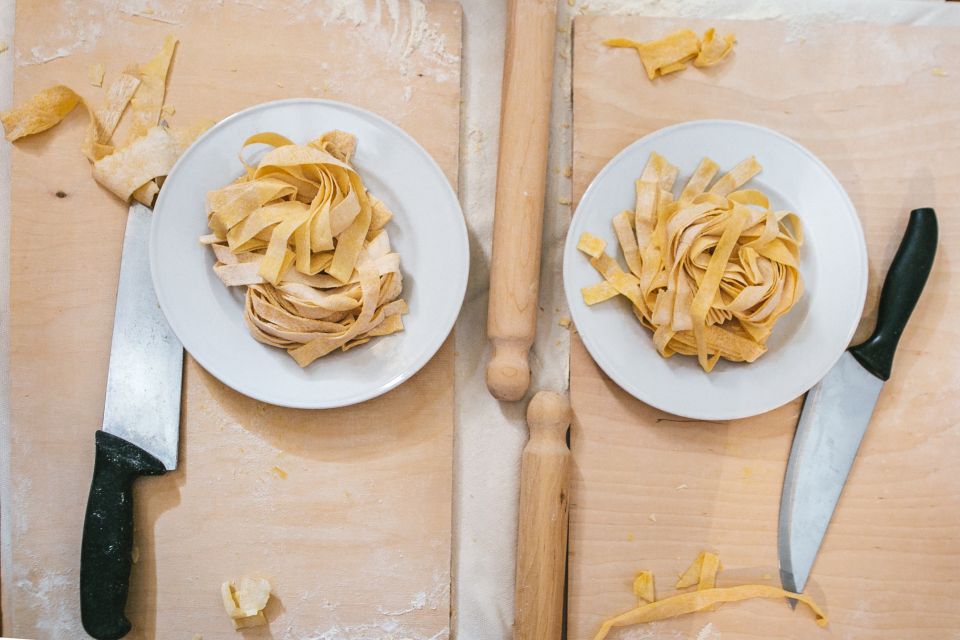
- Make fettuccine and maltagliati dough and cut it yourself, so fresh pasta isn’t a mystery later
- Pair your pasta with sugo al pomodoro and basil pesto for the classic Roman test
- Eat your results like a proper meal, including wine and dessert
- Finish with Limoncello or coffee, which turns the class into a full evening plan
Where this happens: Restaurant Gusto, just off Piazza Navona
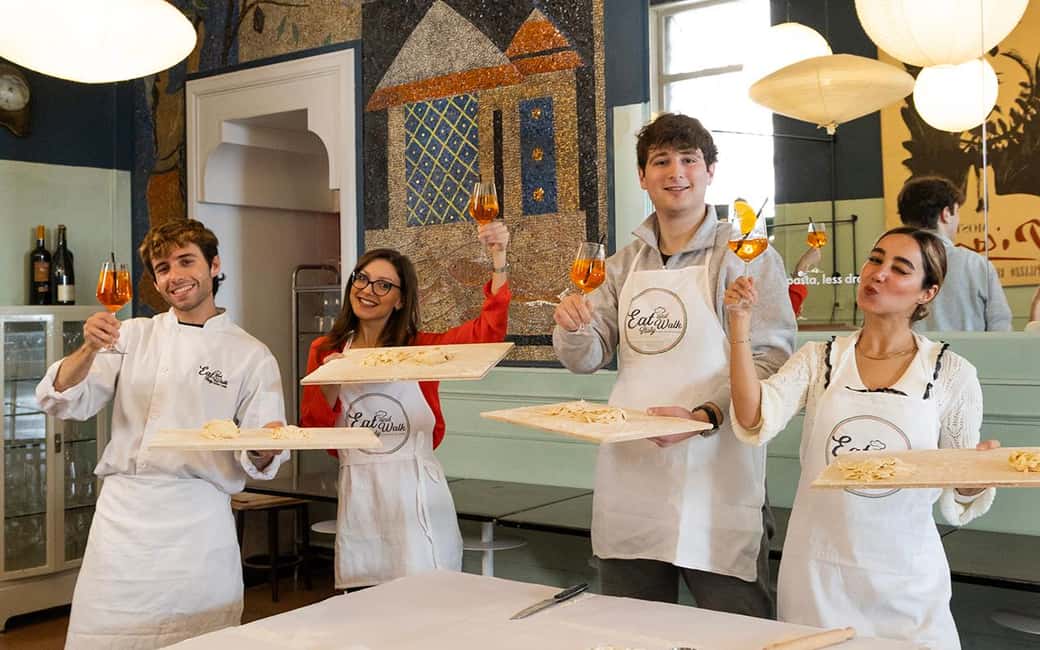
Your meeting point is Restaurant Gusto – Eat and Walk Italy, located just steps from Piazza Navona. That’s a big deal for two reasons.
First, you don’t lose half your day in transit. You can come from a morning of walking ruins and churches, then swap your “tour brain” for “cook brain.” Second, the area around Piazza Navona is lively, so you get a more local-feeling rhythm before and after the class.
One more practical note: this is a sit-and-cook format. You’ll be moving between stations (for the drink prep and the pasta work), then sitting down to eat. Comfortable shoes help, even though you’re not hiking anywhere.
You can also read our reviews of more cooking classes in Rome

The 2.5-hour flow: Spritz first, then fettuccine and maltagliati
This runs about 2.5 hours, and the order matters because it trains you to do things in the way Italians actually cook: start with what needs mixing, then move to what needs timing.
1) Welcome drink and bruschetta
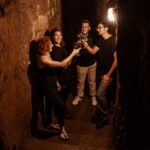
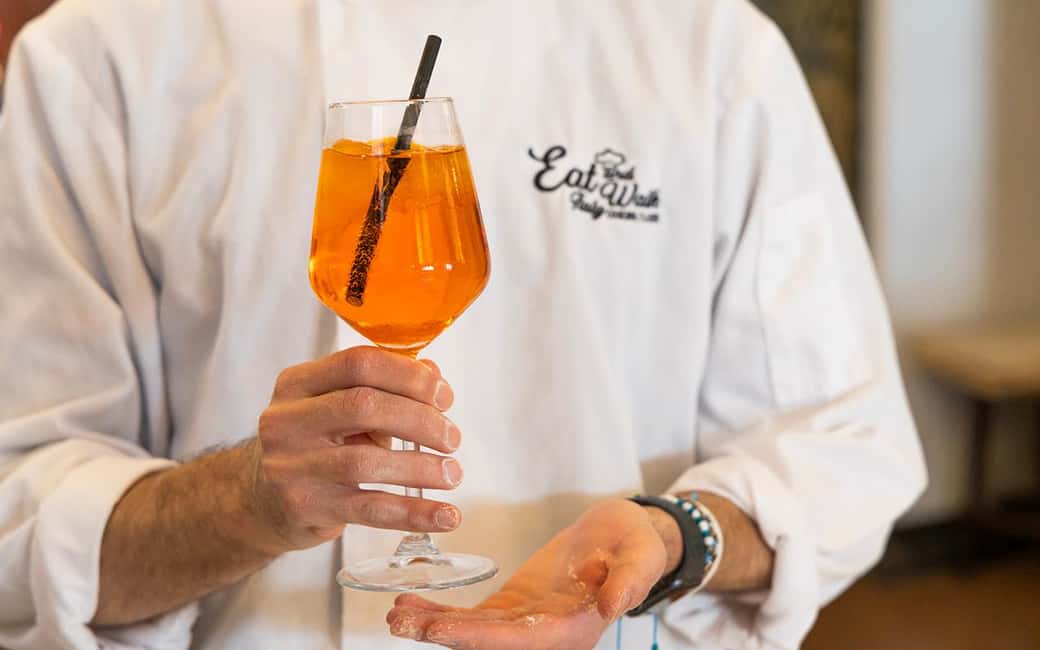
You start with your welcome Spritz plus bruschetta (toasted bread with tomatoes, basil, and oregano). It’s a smart opener. While you’re settling in, you’re also getting that “Rome pacing” of relaxed food and drink before the hands-on part.
2) Spritz-making session
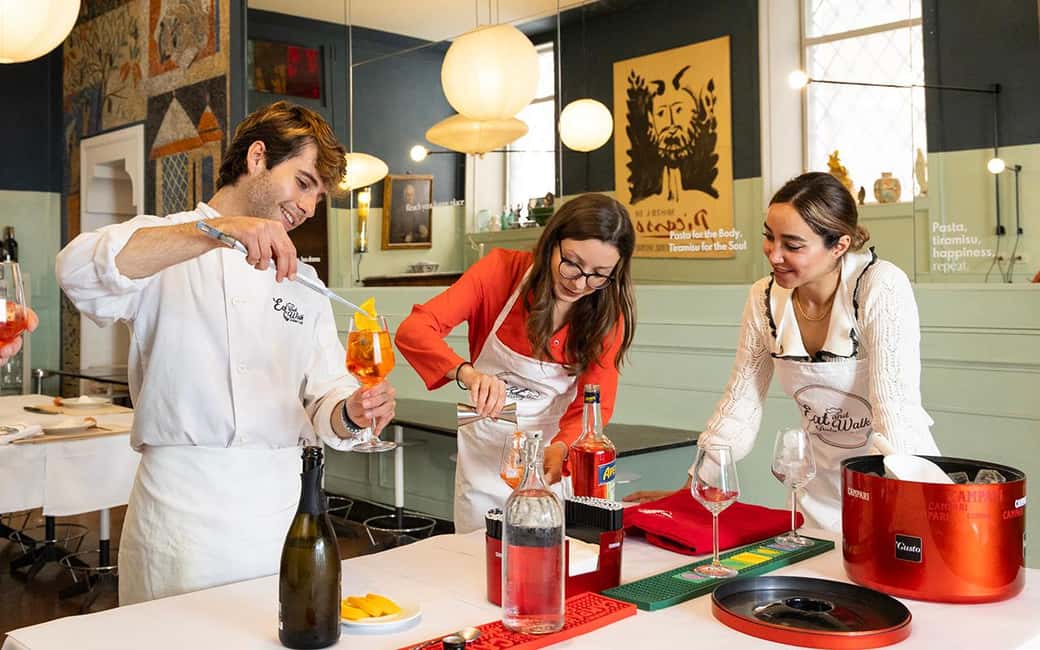
Then you focus on crafting the perfect Spritz. The goal isn’t just to pour. You learn the elements that make it taste right—so when you order one later, you’ll understand why some versions feel balanced and others feel clunky.
3) Fresh pasta from scratch
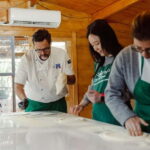
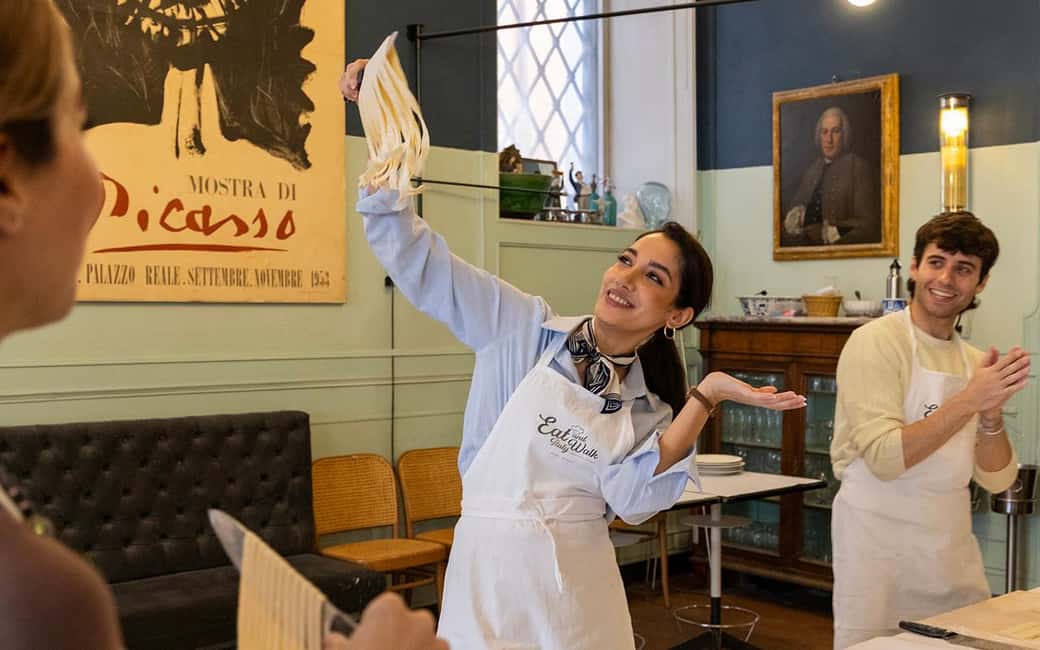
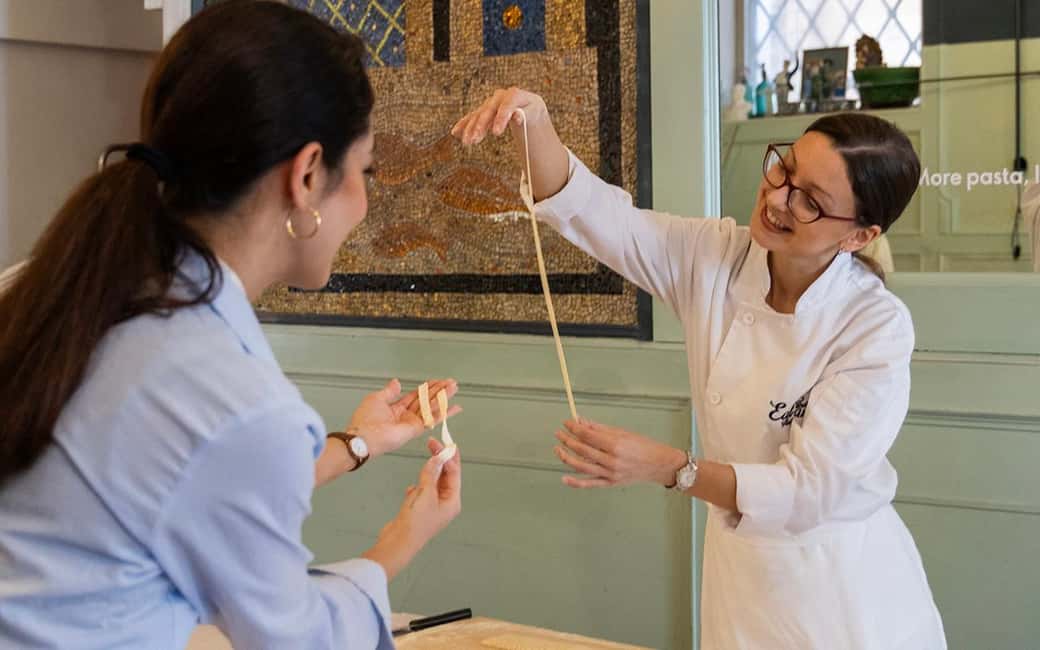
After the cocktail portion, you make fettuccine and maltagliati. These are both made from scratch, and you’ll go through the real steps of dough preparation and shaping.
4) Sauce pairing and tasting
You’ll taste what you made with two classic sauces: sugo al pomodoro and basil pesto.
5) Sit down meal and dessert finish
The included meal also features wine (or non-alcoholic beverage) and a tiramisu dessert. Then you finish with limoncello or coffee, depending on what you prefer.
If you like activities that end in a meal you helped create, this format is about as satisfying as it gets.
Making the Spritz: the balanced drink skill you’ll use again
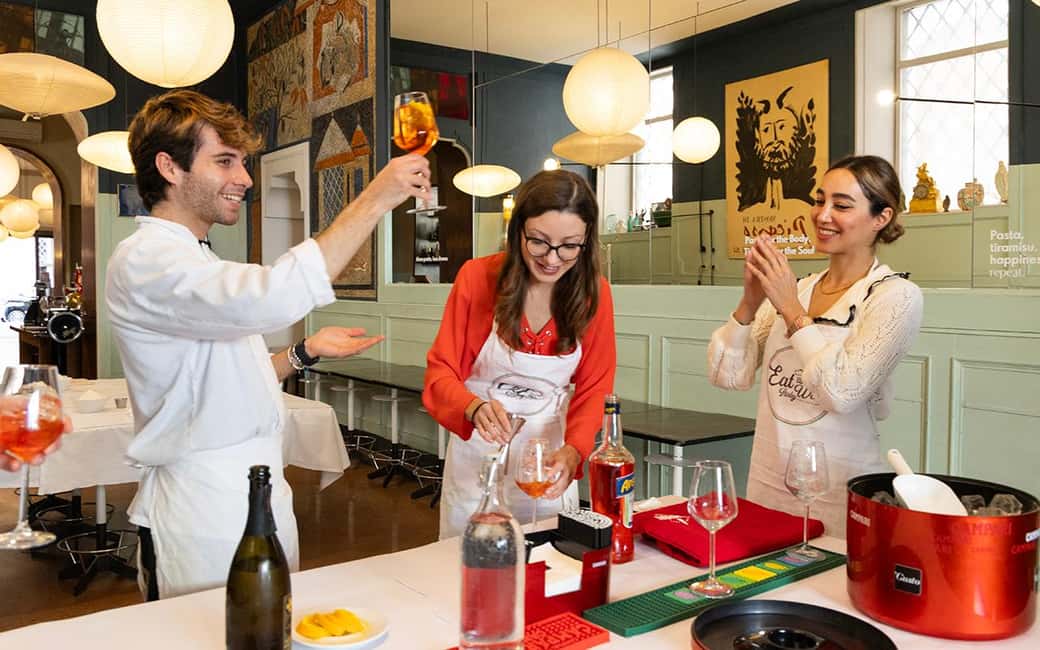
A lot of “cocktail classes” teach you how to stir and garnish. This one leans more toward understanding the Spritz formula and making it correctly with a professional chef.
You begin with a Spritz welcome drink, then you make your own. That’s a helpful structure: you taste first, then you learn the build.
Here’s what I like about learning Spritz in this setting: it’s not a complicated drink, but it’s easy to mess up if you treat it like a random mix. Once you learn the practical flow, you’ll be able to reproduce it at home with much less guesswork.
Also, because the class is tied to the pasta meal, the drink isn’t just an extra add-on. It’s part of the same food rhythm: bright, refreshing, and meant to cut through all that wheat and sauce.
Pasta class reality check: fettuccine and maltagliati from real dough
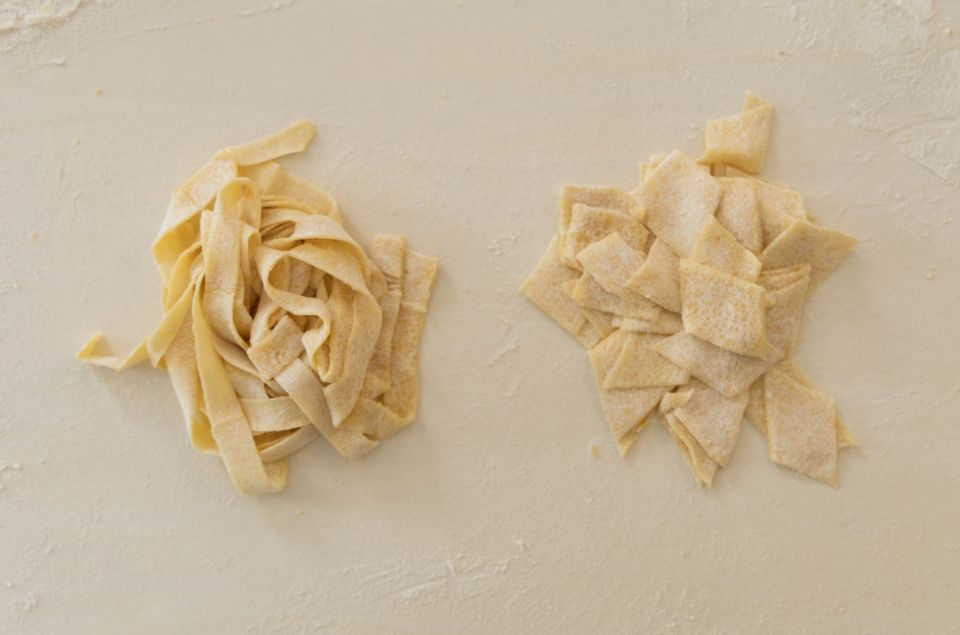
The pasta portion is the heart of the experience. You’ll prepare fettuccine and maltagliati, both from scratch. That means you’re not just “assisting” while someone else does the hard work.
Fettuccine: learn the feel
Fettuccine is the classic long pasta shape. The key skill is handling dough so it’s smooth enough to work, and not so dry that it cracks. When the chef watches your hands, small fixes make a big difference. That’s why the instructor role matters so much here.

Maltagliati: the friendly cousin of perfection
Maltagliati are intentionally imperfect-looking pasta pieces. That’s actually reassuring for beginners. If your cuts aren’t identical, you still get to participate and still end up with something delicious.
Many people in the feedback also point out that making pasta is learnable even if you’re not a natural. You do need to follow instructions closely, but the tone is supportive rather than intimidating.
Sauces: sugo al pomodoro and basil pesto on your own pasta
You don’t just make shapes and hope for the best. You taste your pasta with two classic sauces:
- Sugo al Pomodoro (tomato sauce)
- Basil pesto
This pairing is great value for two reasons. One, it gives you two very different flavor directions: tomato-forward comfort versus basil-garlic herby richness. Two, it lets you judge your pasta texture with more clarity. Pasta that’s too thick, too thin, or not cooked through changes how the sauce clings, and you’ll notice it right away.
It’s also a quiet way to learn cooking logic. Fresh pasta has a different behavior than dry pasta, so the sauce interaction becomes part of what you’re practicing.
The meal you earn: wine/non-alcoholic option, limoncello or coffee, tiramisu
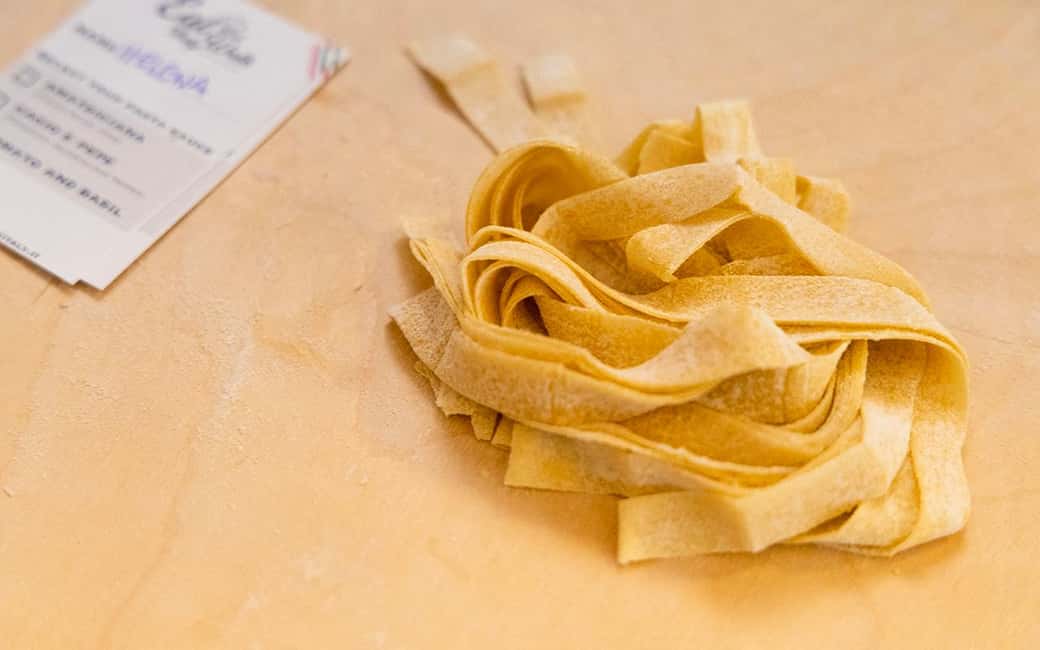
Once you’ve made the pasta, you sit down and eat. The included menu is very direct and satisfying:
- Maltagliati pasta with basil pesto
- Fettuccine pasta with sugo al pomodoro
- Tiramisu
- A glass of wine or a non-alcoholic beverage
- Finish with a glass of Limoncello or coffee
- Water
Here’s the practical angle: you’re not paying $88 just to chop or roll dough for fun. You get a full meal structure, including dessert and a post-meal finish.
And yes, the drinking is part of the experience. Just remember alcoholic beverages are only for participants 18 and older. If you’re under 18, you’ll still be able to take part and eat, but the alcohol piece will be handled according to the rules.
Price and value: $88 for a full Rome food night
At $88 per person for a 2.5-hour class, this sits in the mid-to-slightly-premium range compared to simple food tours. The value comes from what’s included.
You’re getting:
- A welcome Spritz
- Bruschetta
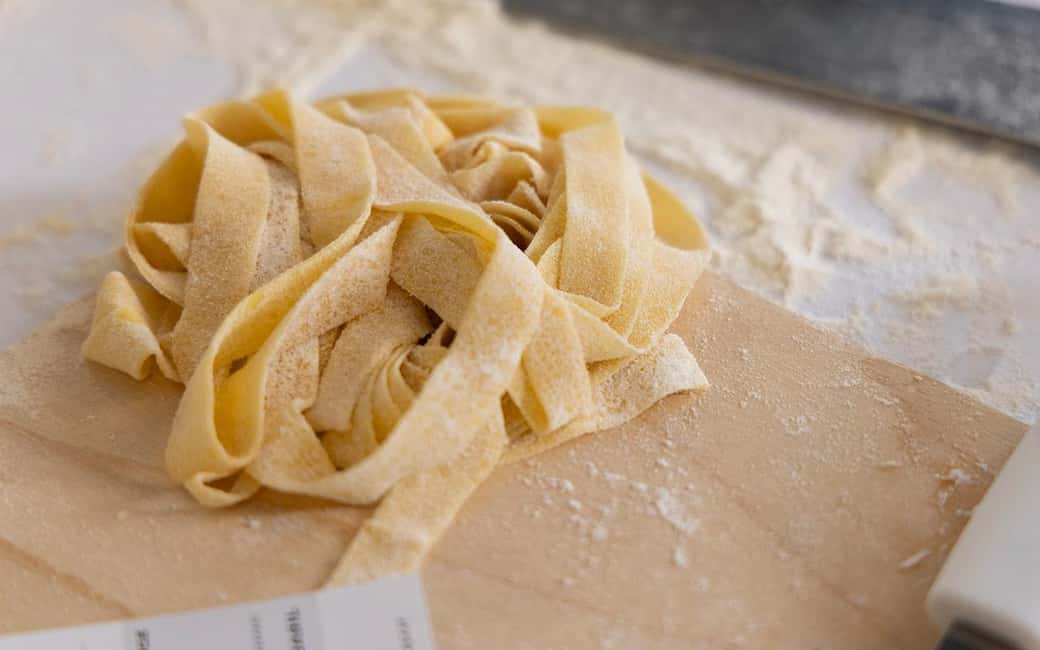
- Two pasta types made from scratch
- Two sauces for tasting
- Wine or a non-alcoholic drink
- Tiramisu
- Limoncello or coffee
- Water
When I look at classes like this, I ask one question: are you leaving with both skills and a meal? Here you do. If you care about food enough to want to recreate it later, that hands-on dough work justifies the price more than a tour where you mainly watch and snack.
Location near Piazza Navona also helps. You’re not spending extra time and money to get to the middle of nowhere for an activity.
Who this suits best (and who should think twice)
This is ideal if you like:
- Italian food and cocktails
- Learning by doing
- A lively, social class atmosphere with a clear ending meal
It’s also a good choice for couples, groups of friends, and solo travelers who want an easy way to meet people while eating well.
Families
The class is described as suitable for young travelers, and feedback includes families and even kids learning pasta shapes. But there are rules: it’s not suitable for children under 4 years. If you’re traveling with very young kids, you’ll want to consider whether they can sit through the full session.
Alcohol-focused vs alcohol-optional
Even if you skip alcohol, the structure still works because you’ll still eat your pasta and dessert. But if you want lots of alcohol time, plan around the 18+ limitation.
Tips so your pasta and Spritz actually work
A few things I’d do before you go:
- Wear comfortable shoes. You’ll be standing and moving at the counter while you work dough.
- Pay attention early. If the chef corrects your dough texture or your Spritz build at the beginning, your later result improves fast.
- Don’t overthink maltagliati. The charm is that it doesn’t need to look perfect to taste right.
- Save your appetite. The class ends with a real meal plus dessert plus limoncello/coffee. If you snack too much earlier, you’ll lose some of the joy.
If you’re the type who likes to plan ahead, you can also use the reservation flexibility (the offering includes free cancellation up to 24 hours in advance and pay later). That’s helpful if your Rome day could shift.
Also: pets are not allowed, and the activity is wheelchair accessible, which is good to know if mobility is part of your planning.
Should you book this Rome Spritz and Pasta class?
I’d book it if you want a Rome experience that’s part skill-building, part food celebration, and not stuck behind a museum wall. You’ll learn how to make a Spritz, you’ll shape fettuccine and maltagliati, and you’ll eat everything you make with classic sauces. The near-Piazza Navona location makes it easy to fit into a sightseeing day without turning it into a logistics project.
Skip it (or at least think twice) if you hate being hands-on in a kitchen environment, or if you need a fully quiet, seated-only activity. You’re participating. You’ll sweat a little from the effort of rolling and shaping dough.
If you want a practical souvenir you can take home, this class delivers. Not a magnet. A recipe, a new technique, and the confidence to make pasta and Spritz when you’re back in your own kitchen.
FAQ
What will I make during the class?
You’ll make a Spritz and prepare fettuccine and maltagliati pasta from scratch. You’ll also taste your pasta with sugo al pomodoro and basil pesto.
What is included in the price?
The class includes a welcome Spritz, bruschetta, your pasta courses with sauces, tiramisu, wine or a non-alcoholic beverage, limoncello or coffee, and water.
How long is the experience?
It lasts about 2.5 hours.
Is the class taught in English?
Yes. The instructor is listed as English.
Is alcohol included, and who can have it?
Alcoholic beverages are included for participants over 18. The package also includes a non-alcoholic option.
Is it wheelchair accessible?
Yes, it is listed as wheelchair accessible.
Where do I meet for the activity?
You meet at Restaurant Gusto – Eat and Walk Italy.
Are children allowed?
Children under 4 years are not suitable for this experience.