REVIEW · EVENING EXPERIENCES
Rome: Dark Legends and Ghost Stories Night Walking Tour
Book on GetYourGuide →Operated by Semih Topaloglu · Bookable on GetYourGuide
Rome’s ghosts walk beside you. This is a short, street-level night tour built around ghost stories and dark legends, moving you from grand churches to river bridges and fortress walls while the city looks totally different after sunset.
I especially like the way it blends architecture with storytelling. You’re not just hearing spooky lines; you’re seeing where the ideas attach to real streets and real stone, from the church façade at the start to the skyline silhouette near the end.
One real consideration: it’s a night walk with stairs and uneven sidewalks, and there’s also been occasional trouble with guides not showing. If you’re booking, plan to arrive early, wear good shoes, and be ready to handle the basics.
In This Review
- Key things to know before you go
- Sant’Andrea della Valle to Castel Sant’Angelo: a night route with a built-in payoff
- Starting at Basilica of Sant’Andrea della Valle: setting the mood with a real landmark
- Campo de’ Fiori after dark: from Field of Flowers to a square with sharp edges
- Ponte Sisto by the Tiber: a river pause that makes the story feel physical
- The witch’s house story: folklore you can tie to a specific façade
- Castel Sant’Angelo at the end: fortress views that feel otherworldly at night
- What you actually get for $17: value in storytelling + real landmarks
- The guide matters: Semih Topaloglu’s role and what to watch
- Weather, walking, and comfort: make the night easy on your feet
- Who this is best for (and who should rethink it)
- Should you book Rome’s Dark Legends and Ghost Stories Night Walking Tour?
- FAQ
- Where does the tour start?
- What is the duration of the tour?
- What stops are included during the walk?
- What languages is the live guide available in?
- How should I dress for the tour?
- Is the tour suitable for all ages and mobility needs?
Key things to know before you go
- Sant’Andrea della Valle first: a striking church start that sets the tone fast
- Campo de’ Fiori gets a darker spin: a lively square with a much more complicated past
- Ponte Sisto at night: a Tiber pause where the story ties to the river’s atmosphere
- A witch’s house stop: folklore told with enough detail to make you look twice at the buildings
- Castel Sant’Angelo as the finish: the fortress glow against the night sky is the payoff
- English and Turkish guide: you get live narration in either language (Semih Topaloglu is the provider name)
Sant’Andrea della Valle to Castel Sant’Angelo: a night route with a built-in payoff
This tour is short on purpose: you get a focused 1.5-hour walk that moves through some of Rome’s most recognizable scenes without dragging you across the whole city. The format is simple—meet at the Basilica of Sant’Andrea della Valle, then follow a guided path that ends at Castel Sant’Angelo, right when the fortress looks most dramatic.
I like that the start point is visually impressive right away. Sant’Andrea della Valle isn’t some generic meeting spot; it’s a proper landmark church, which means the tour begins with a sense of place. When you’re walking through Rome at night, that matters. You don’t want to spend your first ten minutes trying to figure out where you are or why you’re there.
The finish is equally smart. Castel Sant’Angelo is one of those sites that feels like a movie set even in daylight. At night, it shifts into something more unreal—brick and stone under low light, the river and bridges nearby, and a skyline that frames it instead of overpowering it. If you want a ghost tour that ends with a photo you can actually use, this route is built for that.
You can also read our reviews of more walking tours in Rome
Starting at Basilica of Sant’Andrea della Valle: setting the mood with a real landmark
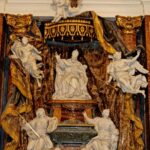
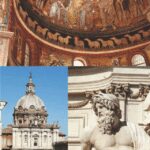
You begin at the Basilica of Sant’Andrea della Valle. Even if you know nothing about Roman churches, you’ll recognize that the tour picked a good anchor: this is the kind of place that instantly signals you’re stepping into something older than the street you’re standing on.
As a start, a church also gives you a natural transition. The guide can explain the folklore tone and then lead you outward into the messier streets of everyday Rome. That’s where ghost stories work best: not in a museum room, but in the places where people really pass every day.
Practical tip: dress warm. Night tours in Rome can feel colder than you expect, especially near the river. If you want photos, bring a camera you can hold steady in low light, and consider a light layer you can keep on the whole time.
Campo de’ Fiori after dark: from Field of Flowers to a square with sharp edges
Your next stop is Campo de’ Fiori, a square with a name that sounds gentle—Field of Flowers. At night, though, that contrast is part of the point. The guide uses the location as a staging ground for darker storytelling, and this is one of the most interesting moments of the tour because the square itself is so familiar.
This is also where the tour’s value shows: you’re seeing a famous spot in a way that’s meant to change your mental picture. By day, Campo de’ Fiori is all about energy and movement. By night, it becomes a place you can imagine holding tension, rumors, and consequences.
One practical consideration here: squares mean open space, but that also means cold wind. If you tend to get chilly, keep your outer layer on and don’t plan to take it off until you’re done. Also, because it’s a popular area, expect people milling around at street level while you’re listening.
Ponte Sisto by the Tiber: a river pause that makes the story feel physical
Next comes Ponte Sisto. You’ll pause to look toward the Tiber at night, and that pause is more than scenic. Rivers in cities like Rome are story engines: the water carries reflections, echoes, and an obvious sense of movement. The guide uses that setting to introduce a haunting mystery connected to the area.
This stop is a good example of why a guided night walk can beat a self-guided ghost hunt. You might notice the bridge and the view on your own, but the narration gives you a thread. It tells you what to watch for—angles, shadows, the way the street funnel leads your eye back to the water.
If you’re the type who likes photos, this is one of your best moments. The bridge gives structure to your image, and the river gives texture. Just remember: cameras and low light can slow things down. If your group is moving, keep your gear ready and listen while you frame.
The witch’s house story: folklore you can tie to a specific façade
At some point on the walk, you’ll stop at a witch’s house. The tour focuses on the story tied to that address and the chilling tales that grew around her life.
I like this kind of stop because it forces the folklore to become concrete. Instead of hearing spooky themes in the abstract, you’re looking at a building and getting reasons to think about why stories stick to certain places. Even if you’re skeptical, the experience is still fun because it teaches you to read the city like a text—windows, corners, and doorways become part of the narrative.
Drawback to know: you’ll likely be standing still while the guide talks. That’s normal, but it’s not ideal if you hate lingering in the cold or you don’t like crowds. If you’re sensitive to noise or want constant movement, you might find this portion a bit slower than other stops.
You can also read our reviews of more evening experiences in Rome
Castel Sant’Angelo at the end: fortress views that feel otherworldly at night
The tour finishes at Castel Sant’Angelo, and it’s easy to see why this works as a grand finale. By the time you reach it, you’ve already spent the evening learning how the city’s stories work—place by place, street by street. Then the fortress arrives like a final chapter.
At night, Castel Sant’Angelo has an almost cinematic glow. The building’s shape reads clearly even in low light, and the surrounding area gives you space to step back and take photos without feeling like you’re always in motion.
If you’re continuing your evening after the tour, this is a good anchor. You’re in the right kind of area to keep exploring on foot or to connect to other sights nearby. Just remember that you’ll likely be stepping into nighttime crowds afterward, so give yourself time to reorient.
What you actually get for $17: value in storytelling + real landmarks
$17 for a 90-minute guided night walk can be a good deal in Rome, especially when your route includes major landmarks and focused narration. You’re paying for three things: a live guide, a timed route that prevents you from wandering, and a story framework that makes famous places feel fresh.
If you’re the kind of traveler who likes cities with a “scene” (bridges, squares, fortress walls) and you’re okay with walking in the dark, this is a solid value. The small duration also helps. You’re not committing your whole evening, and if the weather changes your plans, you’re still only out a short window of time.
Where value can be less great: if you show up expecting a serious, museum-level deep dive into every legend. This is more about atmosphere and storytelling than academic detail. The payoff is in pacing and setting, not in long explanations.
The guide matters: Semih Topaloglu’s role and what to watch
The experience is led by the tour provider Semih Topaloglu, and the difference between a fun ghost walk and a frustrating one often comes down to the guide’s presence and delivery.
On the positive side, the guide experience tied to this tour has been described as energetic and genuinely attentive—especially with photo help. That matters because night photos are tricky. Having someone who pauses so you can get the shot without rushing you is a real quality-of-life win.
On the risk side, I’d be honest: there have been instances where people reported the guide didn’t show up and communication was slow. That’s not the same as the tour being fake, but it is a reminder that night tours rely on coordination. Your best defense is simple:
- arrive early at the meeting point
- double-check your confirmation details before you leave
- if something seems off, contact the help line or operator quickly rather than waiting
Weather, walking, and comfort: make the night easy on your feet
This tour runs in all weather, so the main planning job is clothing and footwear. Wear comfortable walking shoes that can handle uneven pavement. You’ll be outside on a night schedule, and you’ll want stable traction.
Also plan for cold. The tour involves a church start, open squares, and a river bridge stop. Those spots can feel colder than Rome’s daytime average, especially when wind hits along the Tiber.
A camera is recommended, but don’t let it take over your whole attention. Use it in key moments like Ponte Sisto and Castel Sant’Angelo, and then put it away so you can actually follow the stories your guide is telling.
Who this is best for (and who should rethink it)
This works best for:
- first-time Rome visitors who want a night-facing overview without a car
- people who enjoy narrative tours more than silent sightseeing
- travelers who like folklore tied to specific places
It may not be the best fit if:
- you need wheelchair access (this tour is not suitable for wheelchair users)
- you’re traveling with kids under 10 (not suitable)
- you’re uncomfortable standing and listening for parts of the route
Also, if you’re easily spooked and hate sudden changes in tone, keep in mind this is focused on ghost stories and darker themes. The point is playful unease, not gore, but it still leans into the creepy side.
Should you book Rome’s Dark Legends and Ghost Stories Night Walking Tour?
If you want a compact night experience that mixes stories with major sights, this is an attractive option. For $17, you get a guided walk that places you at Sant’Andrea della Valle, Campo de’ Fiori, Ponte Sisto, a witch’s house stop, and ends at Castel Sant’Angelo. That’s a strong lineup for a short time window.
My “yes, book it” advice comes with two conditions. First: go prepared for a real night walk—warm clothes, solid shoes, camera ready. Second: be organized about timing. Arrive early, and don’t assume the tour will start exactly like a daytime museum visit. If you want spooky stories with good value and a strong visual finale, this route delivers.
If the idea of a night walking tour makes you nervous, or you need guaranteed on-time service above all else, you may prefer a different kind of Rome experience that doesn’t depend as much on coordination in the dark.
FAQ
Where does the tour start?
The tour starts at the Basilica of Sant’Andrea della Valle.
What is the duration of the tour?
The tour lasts about 90 minutes (1.5 hours).
What stops are included during the walk?
You’ll visit Sant’Andrea della Valle, stop at Campo de’ Fiori, visit Ponte Sisto, hear the story of a witch’s house, and visit Castel Sant’Angelo as the finish.
What languages is the live guide available in?
The live tour guide is available in English and Turkish.
How should I dress for the tour?
Wear comfortable walking shoes, dress warmly for a night tour, and bring appropriate clothing since it operates in all weather conditions.
Is the tour suitable for all ages and mobility needs?
It is not suitable for children under 10, and it is not suitable for wheelchair users.