REVIEW · APPIAN WAY BIKE & E-BIKE TOURS
Appian Way & Catacombs: Private Rome Experience
Book on GetYourGuide →Operated by Eternal City private and guided Tours · Bookable on GetYourGuide
Rome’s ancient road feels different underground, and this private route strings together the Catacombs of San Callisto and the Appian Way without the stress of trains or buses. I especially like the hotel pickup convenience and the licensed guide inside the catacombs, which makes the underground part feel clear instead of confusing.
One thing to consider: this is not for tight-spaces stress. You should skip it if you have claustrophobia or you need wheelchair-friendly access, since the catacombs involve underground rooms and walking.
In This Review
- Key things I’d circle on your plan
- A Private Rome Combo That Saves You Time and Headaches
- Getting There Comfortably: Hotel Pickup and Smooth Out-of-City Driving
- Porta San Sebastiano Photo Stop: A Quick Reality Check Before Underground Rome
- Catacombs of San Callisto: Where a Licensed Guide Changes Everything
- The practical catch
- Emerging to Daylight: The Appian Way Walk on Original Cobblestones
- Domine Quo Vadis: A Small Stop With a Big Saint-Peter Story
- Villa di Massenzio and Aurelian Walls Views: Rome’s Edges in Motion
- Pyramid of Cestius and St. Paul Outside the Walls: Finishing With Iconic Names
- Why the $80 Price Can Feel Like Good Value
- The real value is the pace
- The Guides: Patient Explanations and On-Time Organization
- Who This Private Tour Is Best For
- When Not to Book: The Catacombs Are the Main Trade-Off
- Should You Book This Private Appian Way & Catacombs Tour?
- FAQ
- FAQ
- Where does pickup happen?
- How long is the tour?
- What catacombs are included?
- Do I get a guide inside the catacombs?
- Is this tour private?
- What transportation do you use?
- What stops are included besides the catacombs?
- Is food included?
- What should I bring?
- Is it suitable for claustrophobia or wheelchair users?
Key things I’d circle on your plan
- Private, air-conditioned transport with hotel pickup so you can start calm and end calm
- Licensed guide inside the catacombs for context, symbols, and how early Christians used these spaces
- Via Appia Antica walking after the underground visit for a strong before-and-after contrast
- Domine Quo Vadis stop tied to Saint Peter’s story for a spiritual, human-sized pause
- Strategic Rome photo stops like Porta San Sebastiano, the Aurelian Walls view, the Pyramid of Cestius, and St. Paul Outside the Walls
A Private Rome Combo That Saves You Time and Headaches
Rome has a way of doing “choose your own adventure” to visitors. With this tour, you get an ordered route that takes you beyond the busiest center. You’re out on the outskirts for part of the day, then you return with the feeling you saw a different Rome than the one people rush through.
The format is also a big deal for value. You’re not piecing together catacomb tickets, transport, and finding a guide. Instead, the tour handles the Catacombs of San Callisto (or San Sebastian) entry and pairs it with a guided visit underground. Then it layers in the Appian Way walk and a couple of meaningful stops on the Christian-history side.
You do have to be comfortable with a moderate amount of walking. And yes, the catacombs are underground, so you’ll want to be mentally ready before you go below street level.
You can also read our reviews of more private tours in Rome

Getting There Comfortably: Hotel Pickup and Smooth Out-of-City Driving
The day starts with private pickup from your Rome accommodation. That might sound routine, but it matters. Rome traffic and meeting points can drain your energy fast, especially if you’re trying to fit in catacombs before lunch.
From there, you ride in a private vehicle with air-conditioning. You’ll also have bottled water onboard, which helps on a warm day or after you’ve been standing around for photos.
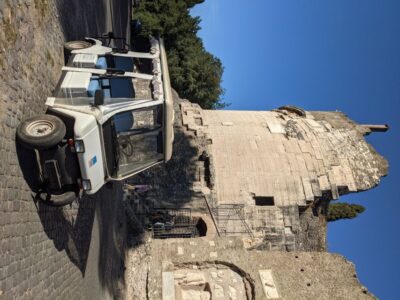
Early on, you’ll stop at Porta San Sebastiano for a quick photo moment and sightseeing. It’s a nice way to get your bearings before you go under Rome’s surface. Even if you’re not a history person, seeing the city’s scale at street level helps the rest of the tour land better.
Porta San Sebastiano Photo Stop: A Quick Reality Check Before Underground Rome
That short pause at Porta San Sebastiano is more useful than it looks. You’re seeing one of the city’s historic entry points before you step into a very different setting: early Christian burial space.
This part is also helpful for pacing. You’re not thrown straight into the underground without a warm-up. You get a few minutes to settle, look around, and take photos while your guide sets expectations for the catacombs visit.
If you’re the kind of traveler who likes to understand what you’re about to see, this stop gives you a visual anchor for the route.
Catacombs of San Callisto: Where a Licensed Guide Changes Everything
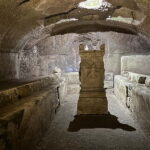
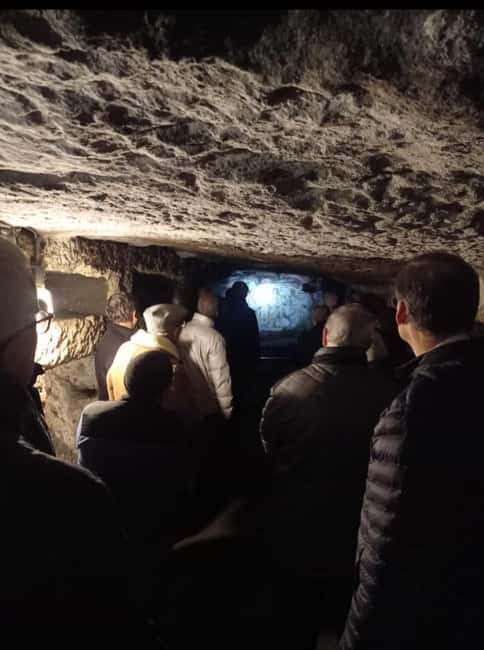
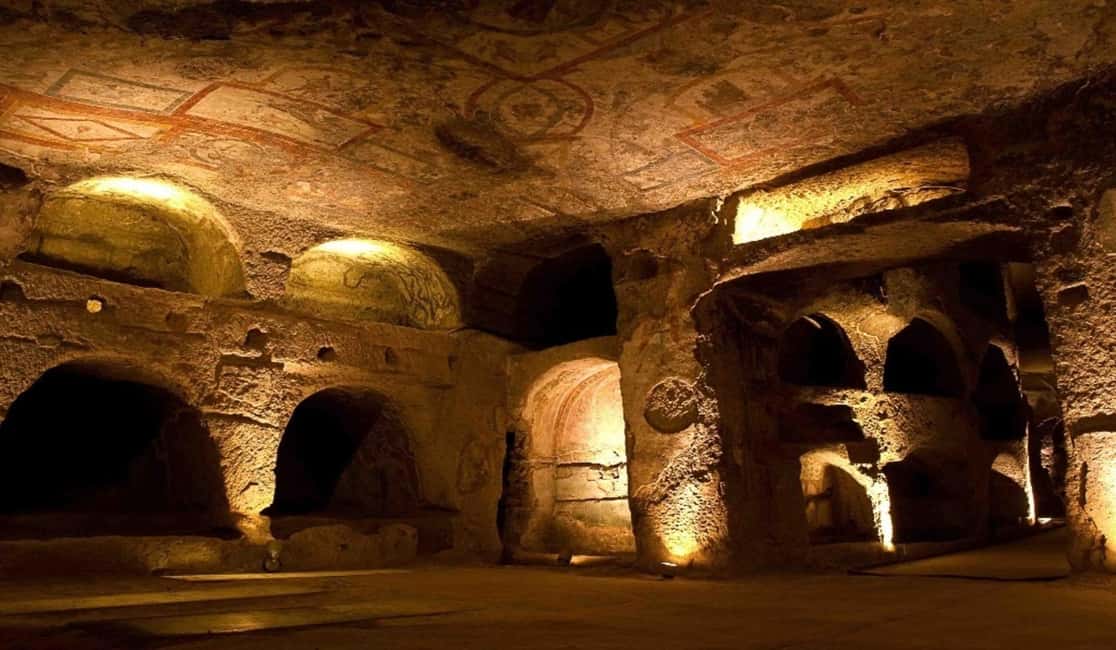
The main event is the catacombs visit. You’ll descend beneath Rome’s streets to explore Catacombs of San Callisto, one of the most important and extensive early Christian underground cemeteries.
What I like here is the structure: you’re not wandering in silence trying to interpret tombs and symbols on your own. The tour includes an official licensed guide inside the catacombs, and that guided group visit is what turns the space into a story instead of a maze.
Inside, you can expect to see:
- ancient tomb areas and burial chambers
- symbolic frescoes and early Christian burial imagery
- the sense of how communities honored their dead and practiced faith with secrecy
That word secrecy is important. The catacombs aren’t just “old rooms underground.” They connect to how early Christians lived with restrictions, formed community, and used these sites for remembrance and meaning.
The practical catch
This is also the part of the day where you need to read the fine print about yourself, not the booking. The tour is not recommended for people with claustrophobia, and you should plan on walking on uneven underground paths. If you’re sensitive to confined spaces, it’s better to sit this one out than push through.

Emerging to Daylight: The Appian Way Walk on Original Cobblestones
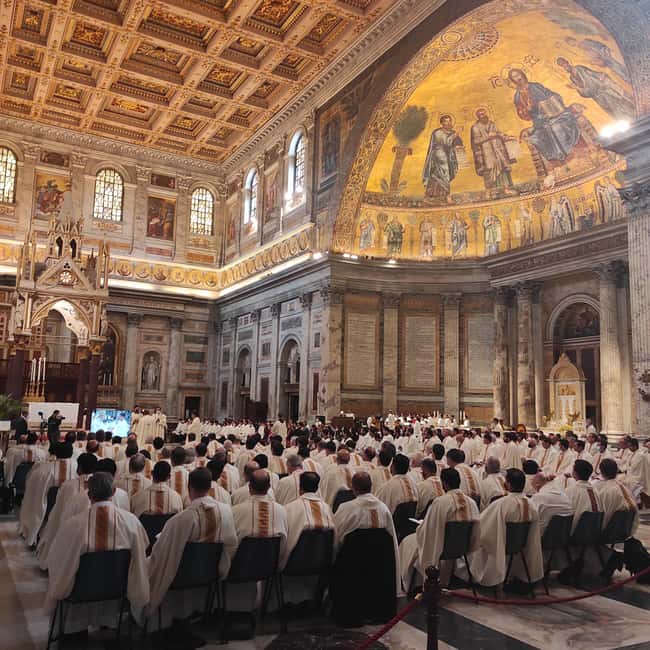
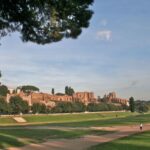
After the catacombs, you’ll come back into daylight and continue to Via Appia Antica, often described as the Queen of Roads. This is one of those Rome experiences where the timing matters. You’ve just spent time underground, and now you’re on the ancient road—open sky, strong light, and long views.
You’ll walk along its original cobblestones, passing:
- ancient tombs
- ruins
- towering aqueduct structures that still dominate the countryside
The Appian Way stop is also relatively short, which works in your favor if you want to stay within a 3-hour total timeframe. You get the “feel” of the road without turning the tour into a long hike.
Still, even with the short duration, it’s not a sit-and-watch stop. You’ll be outside and moving, so comfortable shoes matter.
Domine Quo Vadis: A Small Stop With a Big Saint-Peter Story
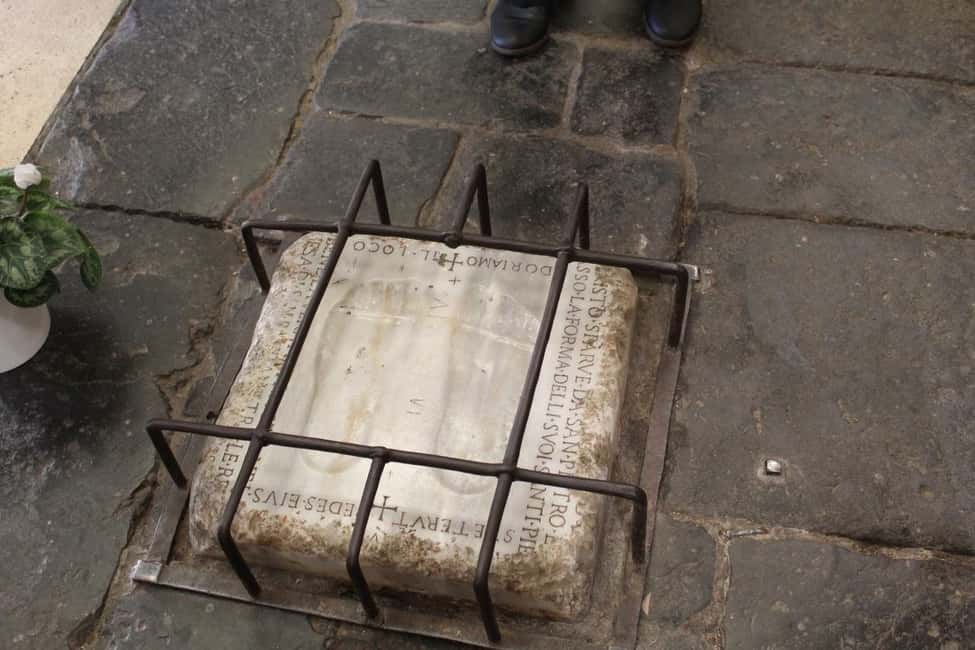
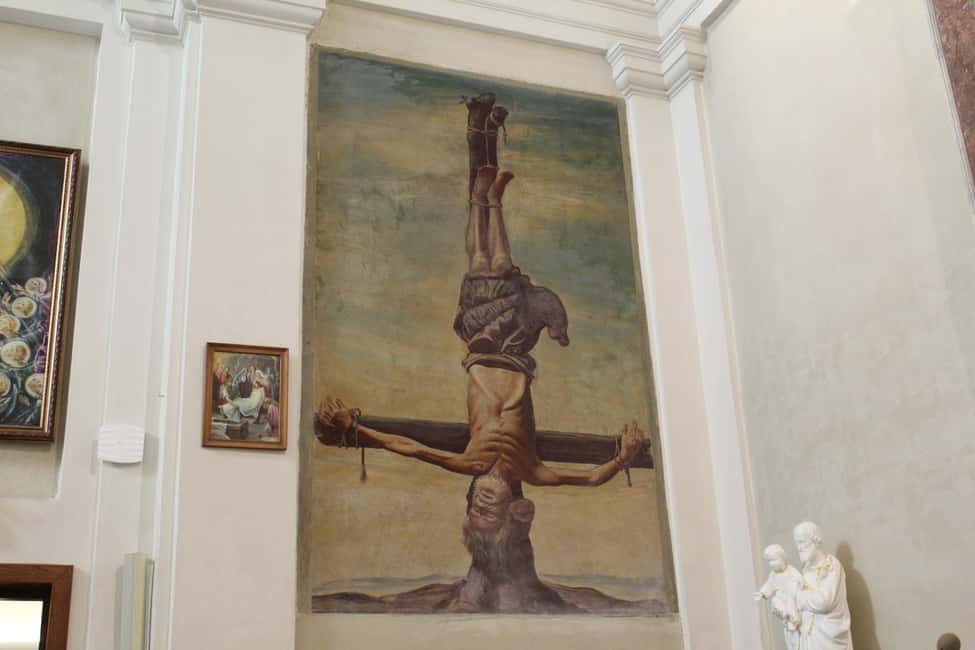
Next comes a visit to the Church of Domine Quo Vadis, a compact but meaningful site connected to Saint Peter’s encounter with Christ while fleeing Rome.
The tradition tied to this stop is the heart of the visit: Peter’s experience inspired him to return and face martyrdom. Whether you’re religious or just interested in how stories shape places, this stop lands because the site is small and human-scale compared to Rome’s bigger churches.
It also gives the tour emotional variety. The catacombs are about death and remembrance. The Appian Way is about ancient movement and empire. Domine Quo Vadis brings a different tone: turning points, choices, and faith under pressure.
Villa di Massenzio and Aurelian Walls Views: Rome’s Edges in Motion
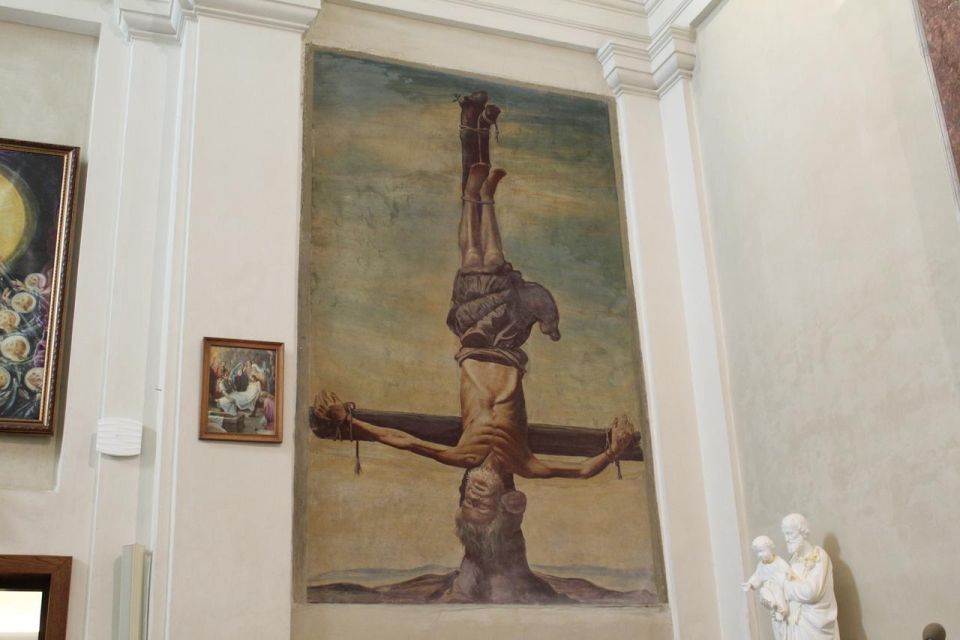
After Domine Quo Vadis, you’ll head to Villa di Massenzio for a photo stop and sightseeing. This is one of those “quick look” moments. You’re not spending hours here, but the stop breaks up the route so it doesn’t feel like nonstop driving.
Then you’ll enjoy a panoramic drive along the Aurelian Walls. A scenic drive sounds optional, but it helps you understand Rome as a city with boundaries, not just a list of monuments.
If you like photography, these are the stops that give you background context. If you’re not into photos, that’s fine too. Panoramic moments tend to make everything else feel more real.
Pyramid of Cestius and St. Paul Outside the Walls: Finishing With Iconic Names
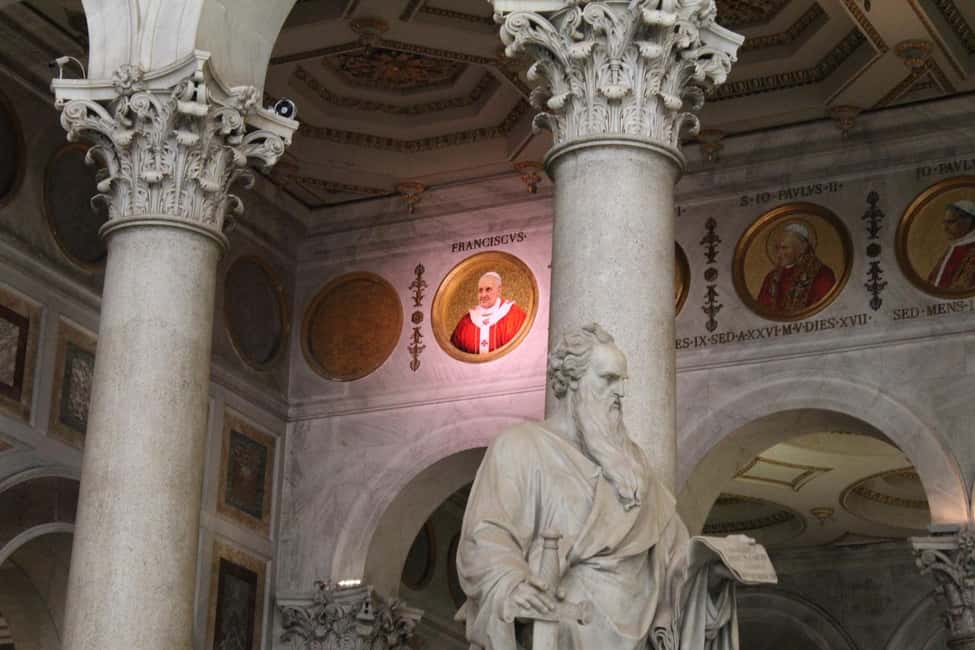
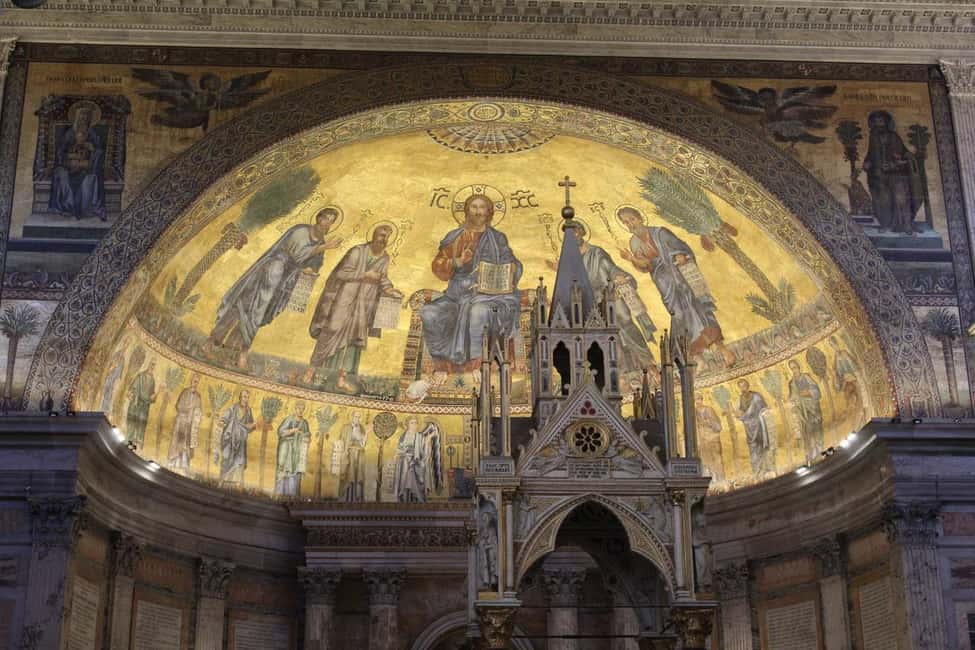
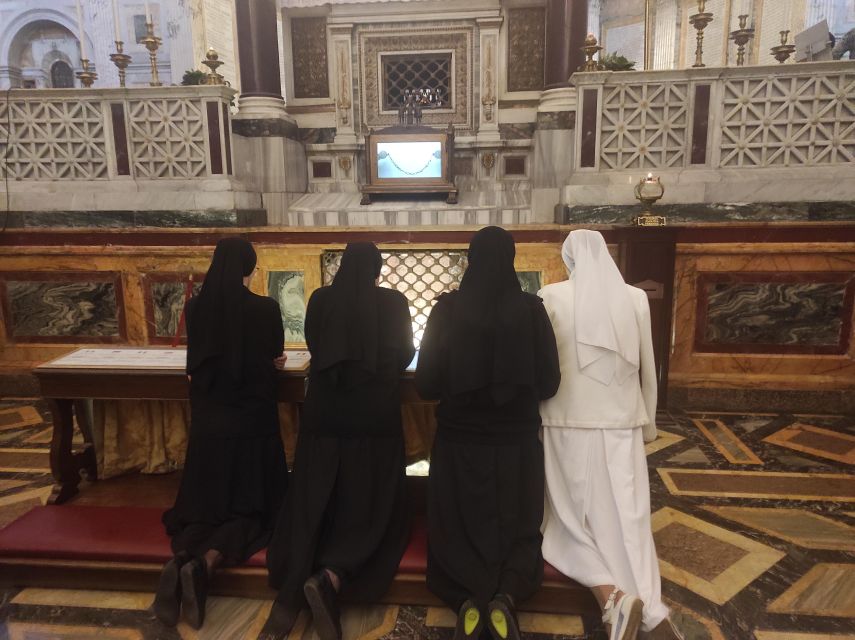
You’ll also stop for photos at the Pyramid of Cestius and later visit St. Paul Outside the Walls. St. Paul Outside the Walls includes a photo stop and time for sightseeing and walking.
These final stops are a good reminder that this tour isn’t only about the underground. You’re connecting ancient infrastructure (road, tombs, aqueducts) with major Christian landmarks. That’s the point: you see how Rome’s layers overlap—Roman practicality on the surface and early Christian meaning in the underworld.
The stops are short enough that you won’t feel rushed. But they also won’t replace a full independent visit if a particular site is your must-see. Think of them as a strong sampler that fits inside a tight, private 3-hour window.
Why the $80 Price Can Feel Like Good Value
At around $80 per person for a 3-hour private experience, the headline cost is easy to compare. But the real question is what you’re getting.
This includes:
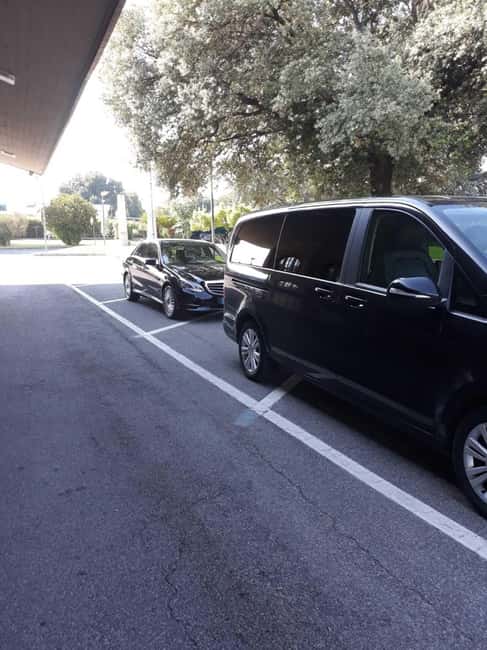
- private luxury transportation
- hotel pickup and drop-off
- a professional English-speaking driver
- entrance tickets to the Catacombs (San Callisto or San Sebastian)
- an official guided group tour inside the catacombs
- stops along the Appian Way area, plus Domine Quo Vadis
- bottled water onboard and local taxes
If you’ve ever tried to put together catacombs + transport + a competent guide on your own, you’ll understand why a bundled price can make sense. Here, you’re paying for time saved, smoother routing, and the guided underground piece that you can’t easily DIY.
The real value is the pace
Three hours is not long enough to do everything in Rome. But it’s long enough to do the parts that usually get messy: scheduling, getting there, and making sense of what you’re seeing.
That’s why this format works well for couples, history-minded travelers, and anyone with limited time who still wants something more than a quick stop.
The Guides: Patient Explanations and On-Time Organization
One of the strongest signals from the experience is the quality of the guiding and how the day runs.
Names you may encounter include Parisa, described as wonderful, knowledgeable, and patient, and Patrick, described as excellent and very personable. The overall rhythm of the day is also highlighted as well orchestrated and on time, which matters when your catacomb visit has a specific entry moment and you’re trying to keep a relaxed pace.
You’ll get explanations for both the ancient road and the early Christian sites, not just basic facts. In a place like the catacombs, that guidance turns symbolic frescoes and burial chambers into something you can actually picture and remember.
Who This Private Tour Is Best For
I think this tour fits best if you want a calmer, more organized Rome day with a focus on two specific themes: early Christianity and Roman infrastructure.
You’ll likely enjoy it if you:
- want private pickup and drop-off without juggling public transit
- care about understanding what you see underground
- enjoy the Appian Way for its open-air atmosphere and scale
- like a route that mixes history with a spiritual stop
It’s less ideal if you:
- have claustrophobia
- need wheelchair access
- want a food-included day (there are no meals or drinks included)
When Not to Book: The Catacombs Are the Main Trade-Off
The trade-off is simple. You’re paying for convenience and a guided experience, but the catacombs are not a casual attraction.
If confined spaces are a problem for you, the tour warns against it. And if walking inside and around multiple stops is tough, you’ll feel it here because the schedule includes underground time and walking on cobblestones and in church areas.
In other words: book it if you’re comfortable with the underground setting. Don’t book it if you’re not.
Should You Book This Private Appian Way & Catacombs Tour?
I’d book this if you’re the type who wants a meaningful Roman day without the admin headache. The combination of private transport, the licensed guide in the catacombs, and a guided-but-manageable outdoor stretch along the Appian Way is a smart use of only 3 hours.
I’d also book it if you like getting context instead of collecting photos. Catacombs are easy to misunderstand, and this tour gives you the interpretation that makes those symbols matter.
Skip it if you’re claustrophobic or need wheelchair-friendly access. And if you’re hungry, plan snacks or a meal before or after, since food and drinks aren’t included.
FAQ
FAQ
Where does pickup happen?
Your tour includes hotel pickup in Rome. The experience also lists Rome as both pickup and drop-off areas.
How long is the tour?
The duration is 3 hours.
What catacombs are included?
Entrance tickets are included for the Catacombs of San Callisto or San Sebastian.
Do I get a guide inside the catacombs?
Yes. The tour includes a licensed guide inside the catacombs with an official guided group tour.
Is this tour private?
Yes, it’s a private group experience.
What transportation do you use?
You ride in a private air-conditioned vehicle with a professional English-speaking driver.
What stops are included besides the catacombs?
You’ll also visit the Appian Way (Via Appia Antica), stop at the Church of Domine Quo Vadis, and make several scenic/photo stops including Porta San Sebastiano, Villa di Massenzio, the Aurelian Walls drive, the Pyramid of Cestius, and St. Paul Outside the Walls.
Is food included?
No. Food and drinks are not included.
What should I bring?
Bring comfortable walking shoes and a camera.
Is it suitable for claustrophobia or wheelchair users?
It’s not recommended for people with claustrophobia due to the catacombs. Wheelchair users are not suitable for this tour.