REVIEW · CITY MUSEUMS & MONUMENTS TICKETS
Rome: Colonna Palace Entry Ticket
Book on GetYourGuide →Operated by GetYourGuide Tours & Tickets GmbH · Bookable on GetYourGuide
Art-hunters, Rome hides a palace treat. This is a ticket into Palazzo Colonna, with Galleria Colonna and gardens on the Quirinal Hill, where you can study a real family collection in grand rooms. I love how the place feels private and composed, not like a mega-museum. You’ll also get those classic Rome-photo moments over the city from the grounds.
My biggest caution is that the visit takes some walking and stair-step movement, especially if you choose the full experience including the apartments. If you’re dealing with mobility limits, plan a slower pace or consider whether you really want to tackle everything.
In This Review
- Key Things I Think You’ll Notice
- Palazzo Colonna in Rome: A Private Palace With Real Atmosphere
- Choosing Your Ticket: Gallery and Gardens vs Adding the Apartments
- Galleria Colonna: Roman Baroque That Feels Close-Up
- The Artists You’ll Want to Seek Out
- Palazzo Colonna’s Interiors: Painted Ceilings, Mirrors, and Finishing Touches
- Gardens at the Quirinal Hill: Sculpture Walks and City Views
- The Apartments and Princess Isabelle Rooms: Where the Visit Turns Personal
- Timing, Meeting Up, and How to Pace a 1-Day Visit
- Price and Value: Is $23 Worth It?
- Who Should Book Palazzo Colonna
- Should You Book Palazzo Colonna?
- FAQ
- How much is the Rome Colonna Palace entry ticket?
- How long is the experience?
- What does the ticket include?
- Is a guided tour included?
- Where are the gardens located?
- What kinds of art can I expect to see?
- Can I get a refund if my plans change?
- How do I use my entry?
Key Things I Think You’ll Notice
- Entry feels smooth: using your ticket in advance helps you get in without the same kind of waiting you see at larger sites
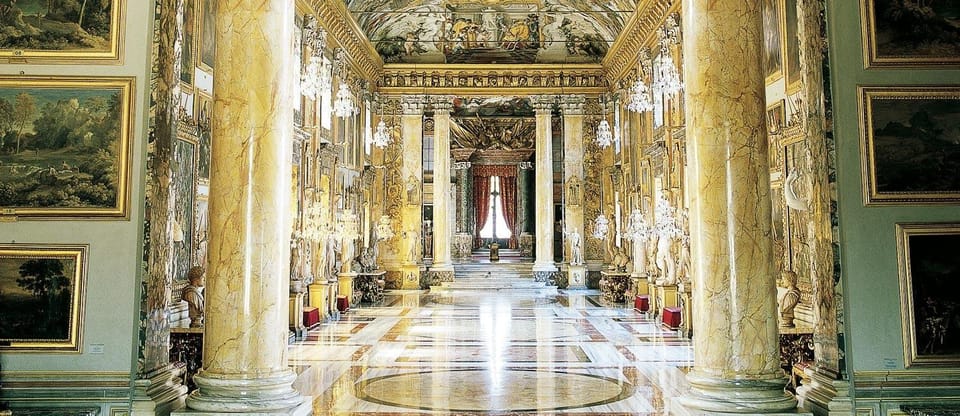
- Roman Baroque gallery, not a showpiece museum: the Galleria Colonna atmosphere is intimate and detailed
- Big-name artists in living rooms: you’ll find paintings by Bronzino, Francesco Salviati, Guido Reni, and others
- Gardens with sculpture and sky views: expect outdoor walking plus elevated sightlines toward major landmarks
- Princess Isabelle apartments are the upgrade that changes the story: add them if you want the most “this is how they lived” rooms
- Staff support the visit: clear help on-site makes a difference when you’re moving through a palace with lots of doors
Palazzo Colonna in Rome: A Private Palace With Real Atmosphere
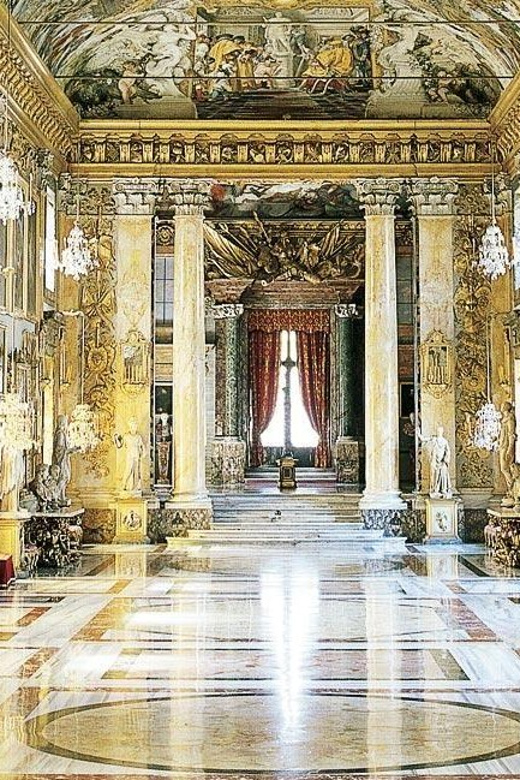
Palazzo Colonna is one of those Rome stops that doesn’t try to compete for attention with the Colosseum or the Vatican. It’s a 14th-century private palace complex connected to the Colonna family, and that matters because the rooms don’t feel staged for crowds. Instead, you move through a residence that still carries an everyday sense of ownership.
What hooked me is the balance between scale and quiet. You get grandeur—painted ceilings, sculpture, and historic furnishings—without the constant pressure to keep up with a tour herd. This is also why the visit works well on a “art-focused” day, when you want something calmer but still visually huge.
The other thing I appreciate is that this experience is designed around the art collection and architecture, not around shopping or constant re-routing. You can slow down, stand back, and look at details without feeling like you’re wasting time.
You can also read our reviews of more tours and experiences in Rome


Choosing Your Ticket: Gallery and Gardens vs Adding the Apartments
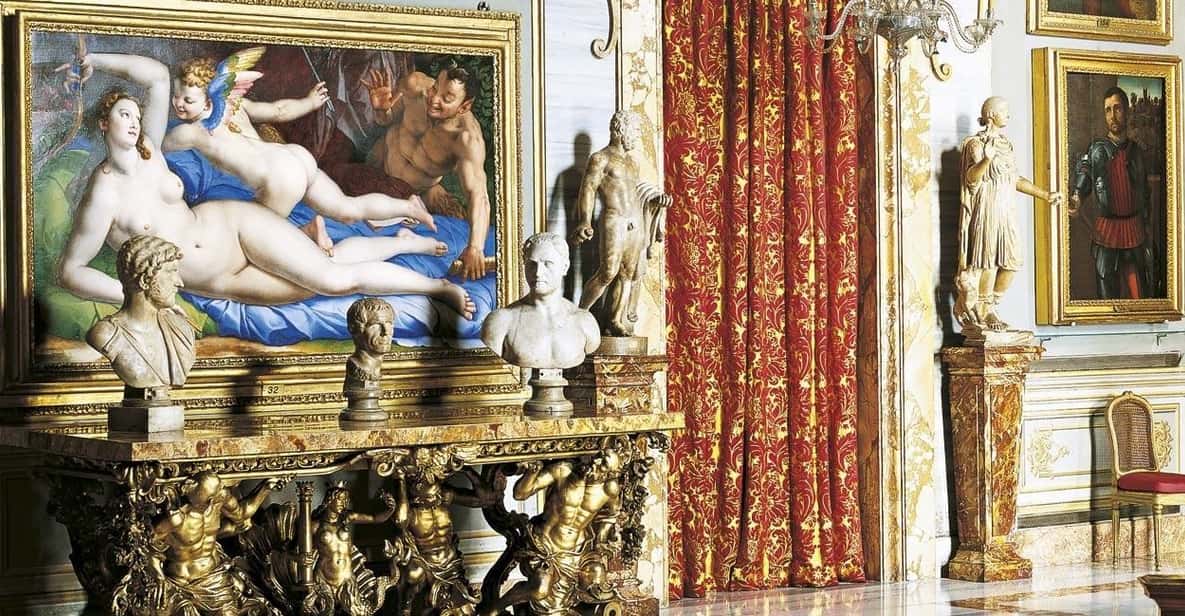
This ticket comes in two basic options. The standard entry covers the Colonna Gallery and Gardens, and there’s an upgrade option that adds access to the apartments.
If you only have time for one version, I’d use this rule of thumb:
- If you care most about artwork and the Galleria Colonna interiors, the gallery-and-gardens ticket is enough.
- If you want the most personal, “how they lived” side of the palace, pay for the apartments.
That apartments choice is more than extra rooms. It changes the mood from gallery viewing to residence viewing, including areas connected with Princess Isabelle. In one helpful detail, I’ve seen mention of staff offering water when going down to those apartment spaces, which can make the longer walk feel easier.
One practical consideration: because this is non-refundable, you should book only when you’re confident your day in Rome is locked in. That doesn’t make it risky—just treat it like a real plan, not a maybe.
Galleria Colonna: Roman Baroque That Feels Close-Up
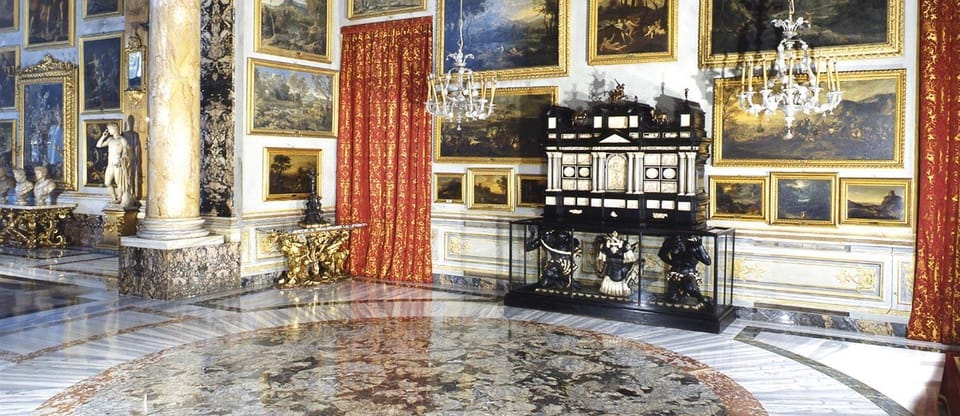
The heart of the visit is the Galleria Colonna, and it’s impressive in a specific way. This isn’t just “nice rooms with paintings.” It’s a Baroque-designed experience where ceiling paintings, wall displays, and decorative elements guide your eye through a unified visual world.
The gallery was commissioned in the mid-1600s by Cardinal Girolamo I Colonna and his nephew Lorenzo Onofrio Colonna. Knowing that helps you read the rooms like a planned statement, rather than a pile of masterpieces. You’ll move through spaces shaped around the family’s taste and status, with the art arranged to create rhythm—figure after figure, color after color, ornament after ornament.
A standout part of this kind of gallery is how the artwork doesn’t feel separated from its architecture. In many museums, you look at objects. Here, you look at rooms that frame objects, and the framing is part of the show.
You’ll get the best results if you slow down for a few minutes at a time in the same spot. Look first at composition and color, then at how the decoration repeats nearby. That’s when the Baroque feeling clicks.
The Artists You’ll Want to Seek Out
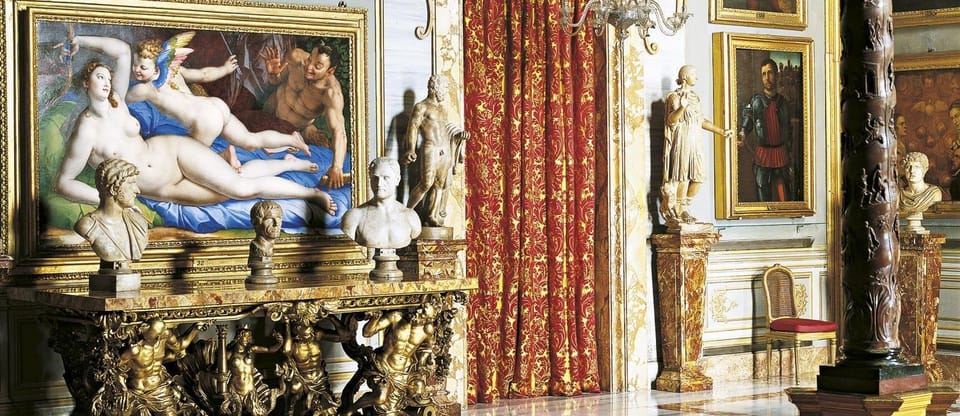
One reason people remember Palazzo Colonna is that the art names aren’t vague. You can look for specific artists and styles as you go, which makes the visit feel more satisfying than a random walk-through.
Plan to keep your eyes open for works by major painters tied to the Renaissance and Baroque eras, including Bronzino, Guercino, Salvator Rosa, Jacopo Tintoretto, Francesco Salviati, and Guido Reni. You may also spot additional artists mentioned for the collection, including Giovanni Lanfranco and others.
Here’s how I’d approach it so you don’t just skim frames:
- Pick two artists you love and find where they show up.
- Then switch to a second goal: find one piece that looks more dramatic and one piece that looks more elegant.
That way, you leave knowing you actually did something during your ticket time, not just passed through rooms.
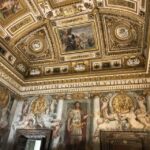
Palazzo Colonna’s Interiors: Painted Ceilings, Mirrors, and Finishing Touches
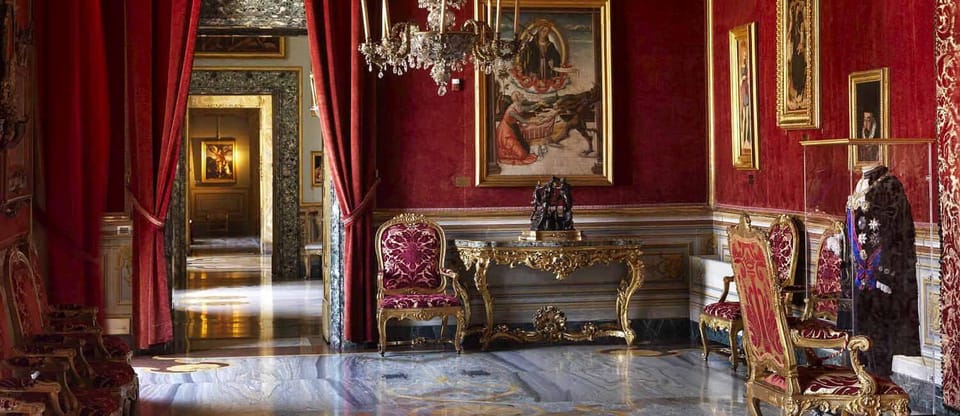
The interiors are where Palazzo Colonna delivers its “wait, what am I looking at?” effect. Beyond paintings, the palace shows off decorative detail that can be easy to miss if you rush.
As you move through rooms, you’ll see ornate decorations, splendid mirrors, and fine historic furnishings that help you understand wealth as a design language. Even the decorative textiles and sculpture feel chosen for atmosphere, not just display.
The best strategy here is to split your attention. For each room, give yourself two rounds:
1) the big visual (ceiling, main wall art, dominant color)
2) the smaller visual (mirrors, decorative edges, sculptural corners, and how the pieces relate)
That’s how you catch the craftsmanship quickly without needing a guide.
Also, don’t ignore the “in-between” spaces. Doorways, hallways, and transitional rooms can be just as beautiful as the main gallery, and they help you rest while still soaking in palace details.

Gardens at the Quirinal Hill: Sculpture Walks and City Views
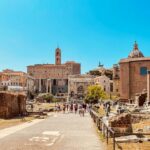
When you step into the garden area, the palace turns into a breather. These gardens sit at the base of the Quirinal Hill, so you’re still in central Rome while walking in a quieter zone.
What to expect: outdoor paths, sculpture-style decoration, and a sense of open air that makes the art-heavy indoor time feel balanced. The gardens also serve as a viewpoint. From the grounds, you can enjoy views over parts of the city, including the Vittorio Emanuele II Monument and the dome of St Peter’s Basilica.
If you’re photographing, this is your moment. Indoors you can get reflections and harsh light. Outdoors you can step back and capture the palace feel alongside the skyline.
If you’ve been doing Rome’s big-ticket sites back-to-back, the gardens can reset your brain. You’re not just switching location—you’re switching tempo.
The Apartments and Princess Isabelle Rooms: Where the Visit Turns Personal
The apartment option is where Palazzo Colonna becomes less about art viewing and more about lived-in luxury, even though it’s a historic residence.
These rooms connect to Princess Isabelle, and the add-on is often described as the most memorable part for people who want the palace beyond its galleries. If you choose the upgrade, you’ll likely spend extra time moving through spaces that feel more domestic than museum-like.
A couple of helpful details make this area easier to handle. One is practical: water can be offered during the visit as you go down to the apartment spaces. Another is curiosity fuel: there’s mention of a secret passage in this area, and the best way to find it is to ask staff.
I don’t recommend treating that like a guaranteed checklist item. Instead, treat it like a bonus if it’s available during your time slot.
Also, keep pace realistic. The apartments add both distance and more time spent looking. That’s great if you love details, but it can be too much if you’re trying to cover too many attractions in one day.
Timing, Meeting Up, and How to Pace a 1-Day Visit
This experience is valid for one day, with starting times you can choose based on availability. That means you’ll get the most out of it if you pick a time when your energy level is high. Morning often works best in Rome because the city is still waking up and you can enjoy indoor galleries without heat pressure.
Arriving a little early is smart. One theme from real on-site experiences is that being on time matters once you’re at the entrance area.
Also, know that meeting points can be confusing in Rome. If there’s a designated meeting spot shown to you, confirm it against what’s printed on your ticket and consider doing a quick check on arrival. A small mismatch can waste time, and time is the one thing you can’t buy back.
Pacing matters most because the visit can involve stairs and walking. If you choose only the gallery and gardens, you can keep a comfortable pace. If you add the apartments, treat the visit like a proper half-day plus rather than a quick stop.
Price and Value: Is $23 Worth It?
At about $23 per person, this ticket feels like a strong deal for what you get. The reason isn’t just the price. It’s the combination of private palace scale, high-quality artworks, and outdoor space, all in one ticketed visit.
Compared with many of Rome’s larger museums, Palazzo Colonna tends to feel calmer. That calmer feel helps the art stick in your memory. You’re not racing through rooms. You’re studying decoration and paintings in a setting that doesn’t demand constant movement.
You’ll get the best value if you do two things:
1) commit to at least the Galleria Colonna
2) decide honestly whether the apartments upgrade matches your interests
If you love interior detail and want the “how it was lived” side, the apartments option is often the deciding factor. If you’re purely chasing major art names and gallery interiors, the basic ticket can be the efficient choice.
Either way, I like that you’re paying for access to an actual private residence with a curated family collection. That’s a different kind of value than generic museum entry.
Who Should Book Palazzo Colonna
I think this palace works best for people who:
- want major Renaissance and Baroque art in a setting that feels intimate
- prefer smaller, quieter experiences over the biggest name crowds
- love architecture and decorative interiors as much as painting
- have at least half a day to spend thoughtfully indoors and outdoors
If you’re someone who needs constant action or huge open-air monument access, this might feel slower than the main sights. But if your idea of a great Rome day is art rooms, sculpture in the garden, and city views from a palace terrace zone, you’ll likely feel satisfied.
And if you’re traveling with someone who likes photography, this is a place where you’ll get both indoor details and outdoor skyline angles.
Should You Book Palazzo Colonna?
Book it if you want an art-first Rome experience that feels like stepping into a real private world. The Galleria Colonna interiors and the garden views make it feel complete, and the apartments upgrade gives you an extra layer of palace intimacy.
I’d skip or simplify your plan if walking is an issue for you. The visit can require physical effort, and the full route is more demanding. If that’s you, consider choosing the version that fits your pace.
If you’re trying to build a balanced Rome itinerary, Palazzo Colonna is an excellent counterweight to the big monuments. It’s art and atmosphere, with practical access through advance tickets that help you start your visit faster.
FAQ
How much is the Rome Colonna Palace entry ticket?
The price is $23 per person.
How long is the experience?
It’s valid for 1 day, with starting times available based on availability.
What does the ticket include?
The ticket includes entry to the Colonna Gallery and Gardens. If you choose the upgrade, it also includes entry to the apartments.
Is a guided tour included?
No. A guided tour is not included with this ticket.
Where are the gardens located?
The gardens are at the base of the Quirinal Hill.
What kinds of art can I expect to see?
You can expect artworks by artists such as Bronzino, Guercino, Salvator Rosa, Jacopo Tintoretto, Francesco Salviati, Guido Reni, and others.
Can I get a refund if my plans change?
No. The activity is non-refundable.
How do I use my entry?
You use your ticket at Colonna Palace for admission at your selected time.