REVIEW · CITY TOURS
Rome: Guided Group Colosseum & Ancient City Tour
Book on GetYourGuide →Operated by Carpe Diem Tours · Bookable on GetYourGuide
Three hours can change how you see Rome. This tour gets you into key Ancient Rome sites with a licensed English guide, plus a chance to spot views from above the arena you’d otherwise miss.
I love the speedier entry to the Colosseum, Palatine Hill, and Roman Forum—it helps you spend your time looking, not waiting. The other big win is how the stories land in the actual places, from gladiators and emperors to Roman engineering you can point at. One thing to consider: on the first Sunday of the month, the Colosseum is free and you may face longer lines despite the tour.
In This Review
- Key Points I’d Focus On
- Why This Colosseum–Forum Tour Works So Well
- Priority Entry and the Real Value of a $93 Ticket
- Where You Meet and How the Tour Timing Usually Feels
- Inside the Colosseum: Gladiators, Engineering, and Views From Above
- Palatine Hill: Where Rome’s Story Became Power
- Via Sacra and the Roman Forum: The Heart That Still Beats
- Optional Arena Floor Access: Is It Worth the Add-On?
- Pacing, Crowds, and What “Small Group” Means in Practice
- Guides Who Make the Stones Feel Like a Place
- When This Tour Is a Great Fit (and When It Isn’t)
- Should You Book This Guided Group Tour?
- FAQ
- What does the tour cover?
- Where do I meet the guide?
- Is arena floor access included?
- Do we always start at the Colosseum?
- How long is the tour?
- What language is the tour guide?
- What should I bring?
- What happens with cancellations or if I arrive late?
Key Points I’d Focus On
- Priority entry to three top sights, built for real sightseeing time
- Panoramic arena-area views that most self-guided visitors skip
- A licensed guide in English who turns stones into a timeline you can follow
- A balanced route: Colosseum → Palatine Hill → Roman Forum, with a relaxed pace
- Optional arena floor access if you want the extra step
Why This Colosseum–Forum Tour Works So Well
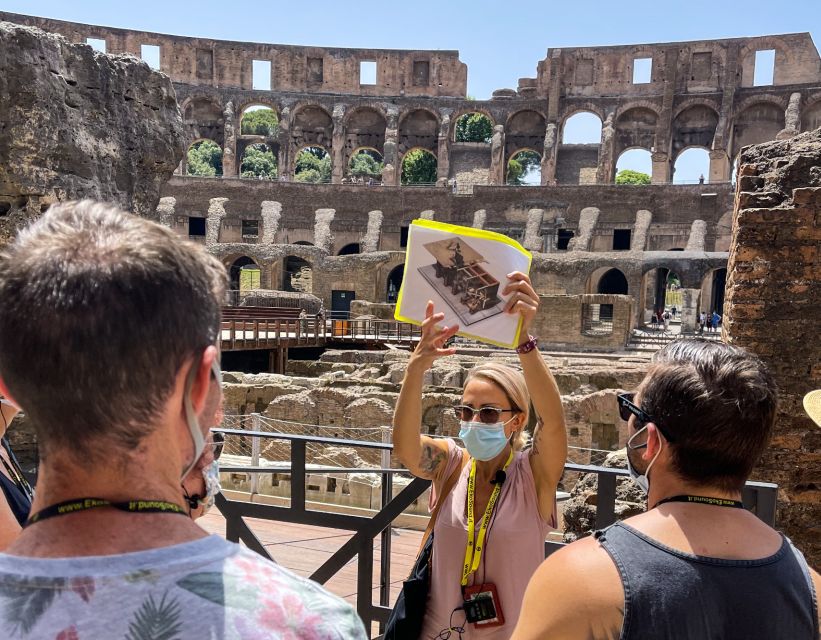
Rome can feel like a blur of ruins if you go in cold. This kind of guided loop is the opposite. You get a clear path through the Colosseum, Palatine Hill, and the Roman Forum—then you know what you’re looking at as you look at it.
What I like most is the translation. A strong guide doesn’t just explain what happened; they help you connect the architecture and layouts to the stories. That’s where tours with famous site names often fall short. Here, the context actually sticks.
Also, this tour is built for time efficiency. You’re not spending your entire “Colosseum day” chasing ticket lines and trying to map the Forum on the fly.
You can also read our reviews of more guided tours in Rome

Priority Entry and the Real Value of a $93 Ticket
At $93 per person for a 3-hour guided group tour, this isn’t a bargain because it’s cheap. It’s good value because it’s practical.
Here’s the math in plain terms: the Colosseum entrance ticket alone has a listed value (and it’s higher if you choose arena floor access). On top of that, you’re buying speedier, priority entry into multiple sites—meaning less dead time at entrances and more time inside where the learning happens.
And yes, the guide fee matters. When you’re standing in front of the Colosseum’s structure, Palatine Hill’s overlooks, or the Forum’s ruins, having someone who can interpret what you’re seeing can be worth as much as the ticket itself. I’m not talking about “fun facts.” I mean being able to visualize how these places worked.
One caution: the priority advantage depends on ticket timing. On the first Sunday of the month, Colosseum admission is free, and tours may not skip the line—so your time savings could shrink.
Where You Meet and How the Tour Timing Usually Feels
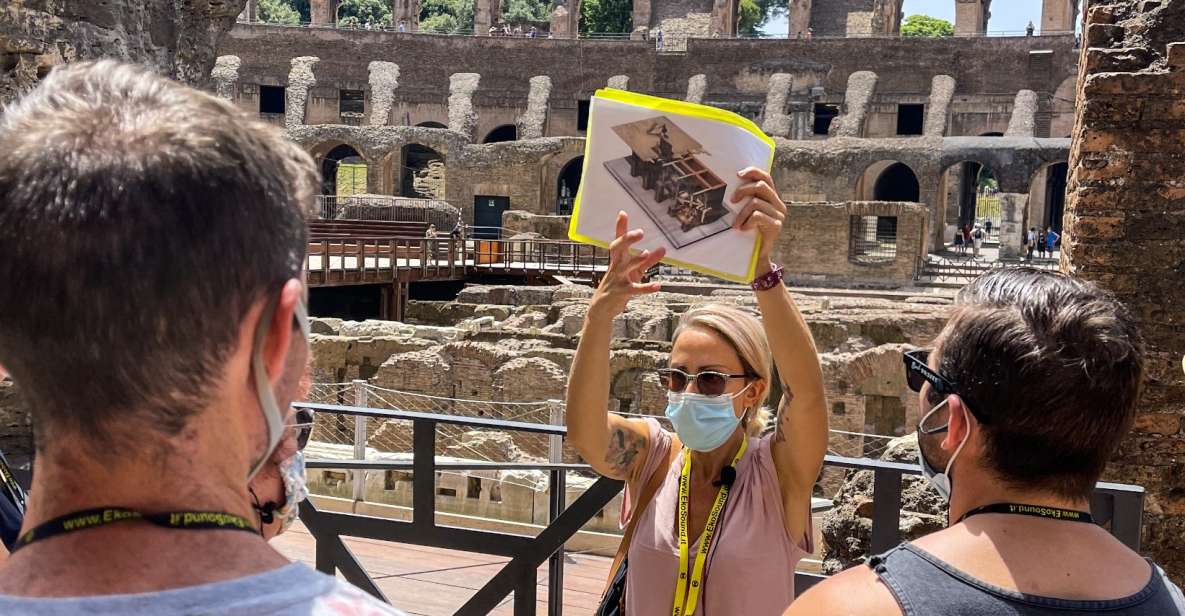
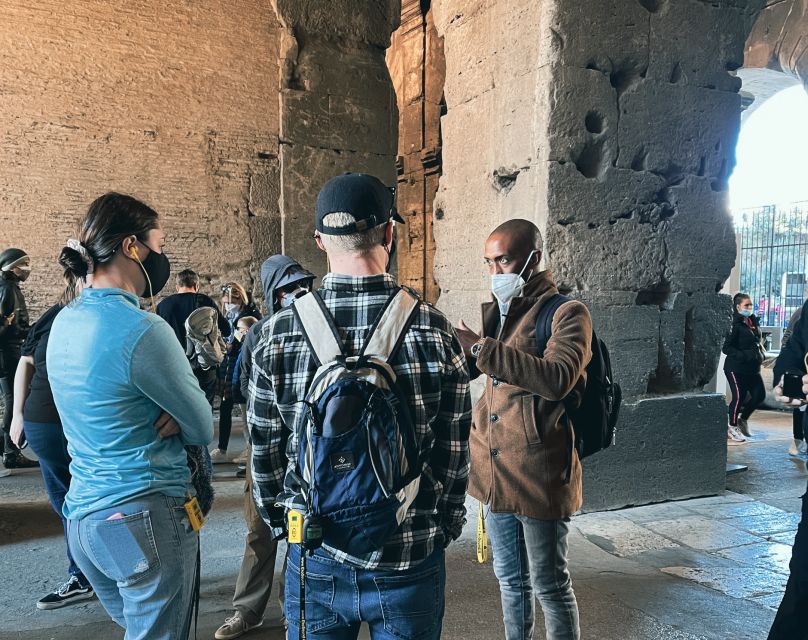
You’ll meet your guide in front of the Arch of Constantine with a Yellow Carpe Diem Tours flag. That’s a simple setup and it matters because the Colosseum area is easy to lose if you’re late or arriving from the wrong side.
Here’s another detail that can affect your first impressions: the tour can start either at the Colosseum or at the Roman Forum/Palatine Hill, depending on the tickets your guide can purchase. So don’t assume you’ll always do the Colosseum first. If you’re the type who hates schedule uncertainty, check your start time before you head out.
In the first moments, you’ll get pulled into the rhythm—where to stand, what to look for, and how to move through crowd bottlenecks without feeling rushed. That planning is part of what you’re paying for.
Inside the Colosseum: Gladiators, Engineering, and Views From Above
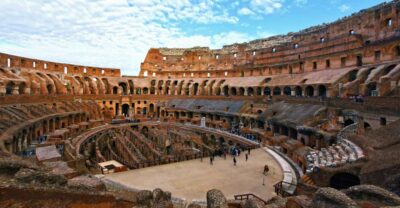
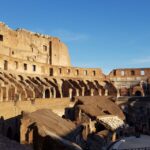
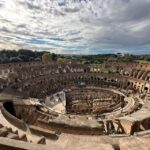
The Colosseum portion is about an hour of guided time. You start inside, which is smart. If you only see the outside, you miss how massive the space feels once you’re in it.
Expect the guide to connect the drama with the design. You’ll hear about gladiators and emperors, but the best moments usually come when the guide points out Roman engineering—how the building was made to function as a massive public machine for spectacle.
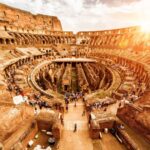
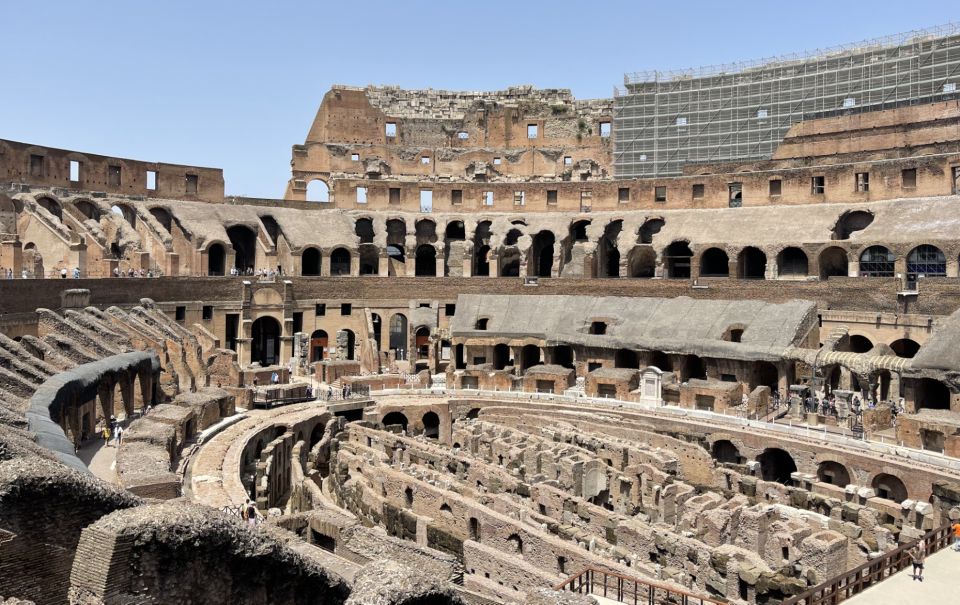
One of the tour highlights is special: you get unique panoramic views from above the arena that many visitors don’t realize are part of the experience. That’s the kind of detail that can change your entire mental picture. The Colosseum isn’t just a big oval; it’s a layered space with sightlines and levels.
If you’re choosing options, note this: arena floor access is not automatically included unless you selected that add-on. If you did, you’ll step into a different viewpoint of the space, closer to where the crowd drama would have felt most immediate. If you didn’t, you’ll still see the arena area from vantage points the guide directs.
Palatine Hill: Where Rome’s Story Became Power
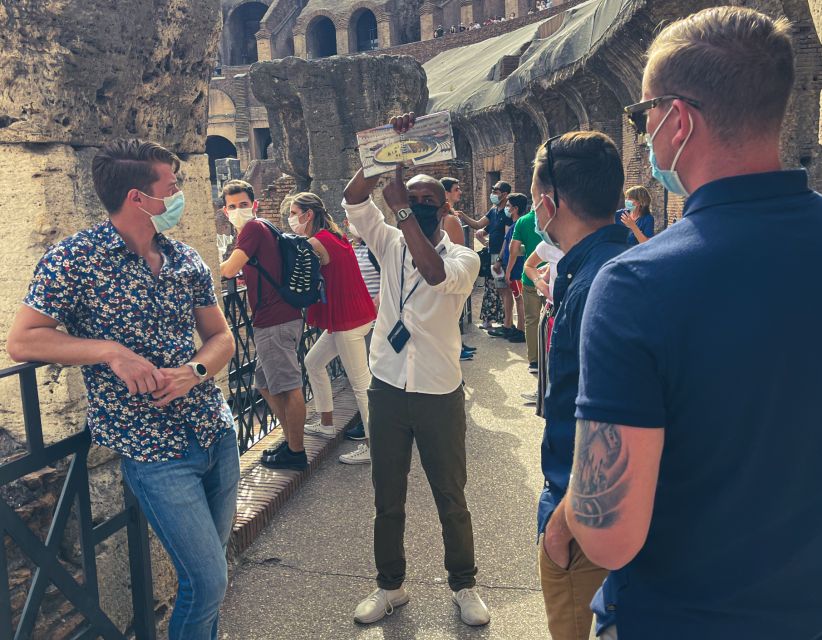
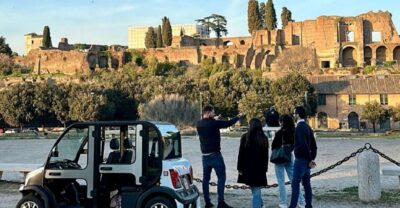
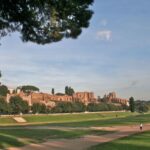
Next comes Palatine Hill, also about an hour. Palatine is one of those places where ruins can look vague until someone gives you the correct “lens.”
This is Rome’s legendary birthplace area, and it also became the setting for lavish imperial palaces. That combination matters: it’s not just old myth and legend. It’s power and status written into the landscape.
A good guide helps you read the hill the way Romans would have understood it: elevation as advantage, views as authority, buildings as political messaging. If you’ve ever visited a palace and thought, okay, cool architecture… then you left without a clue why it mattered, you’ll probably like what the guide does here.
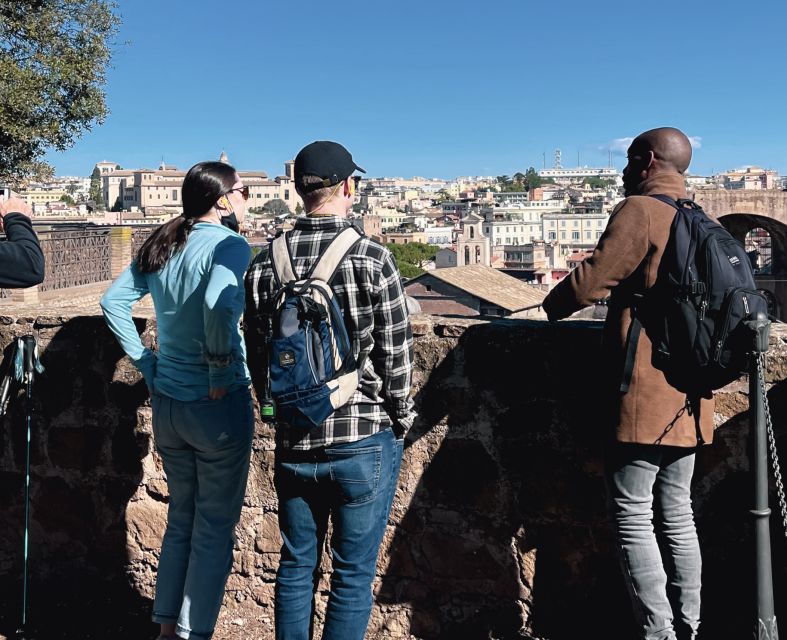
One thing I appreciate is that Palatine Hill can be easier to enjoy than the Forum if you’re tired of dense crowds. You still get history, but the perspective shifts. You’re up on a viewpoint, not stuck in a narrow ruin maze.
You can also read our reviews of more city tours in Rome



Via Sacra and the Roman Forum: The Heart That Still Beats
After Palatine Hill, you’ll move into the Roman Forum zone, including a pass by Via Sacra. This is where the tour earns its “best value” reputation.
The Forum can be frustrating on your own because it’s not one building. It’s an arrangement of fragments spread across space that once held the daily rhythm of public life. A guide helps you understand what sections were for politics, what was for ceremony, and why that mattered in a city that ran on reputation and debate.
You’ll get about an hour of guided time in the Forum, plus the route structure keeps you from wandering aimlessly. The guide’s job isn’t just to explain. It’s to keep the story moving so you don’t lose your place among columns and foundations.
A strong guide also makes it easier to ask questions. The best tours I’ve taken here are the ones where the guide is happy to answer specifics—architecture details, symbolism, why a feature survived in the way it did, and how the parts connect.
Optional Arena Floor Access: Is It Worth the Add-On?
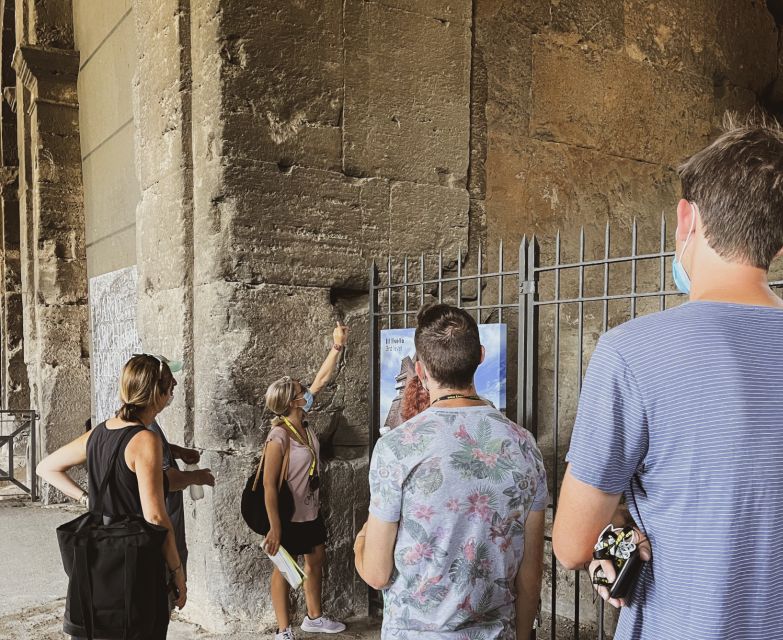
If you’re deciding whether to pay more for arena floor access, think about your “Rome style.”
If you love the idea of standing where the spectacle would’ve felt closest—closer to the original action—then arena floor access can add a lot. It also changes photos. You get a different scale and angle.
If your priority is maximizing time and context across Colosseum + Palatine Hill + Forum, you can often do just fine without stepping onto the arena floor. You’ll still get Colosseum entry, guided storytelling, and those helpful elevated views.
Either way, make your choice before you go in. You don’t want to stand there thinking, I should have upgraded, when the add-on was available.
Pacing, Crowds, and What “Small Group” Means in Practice
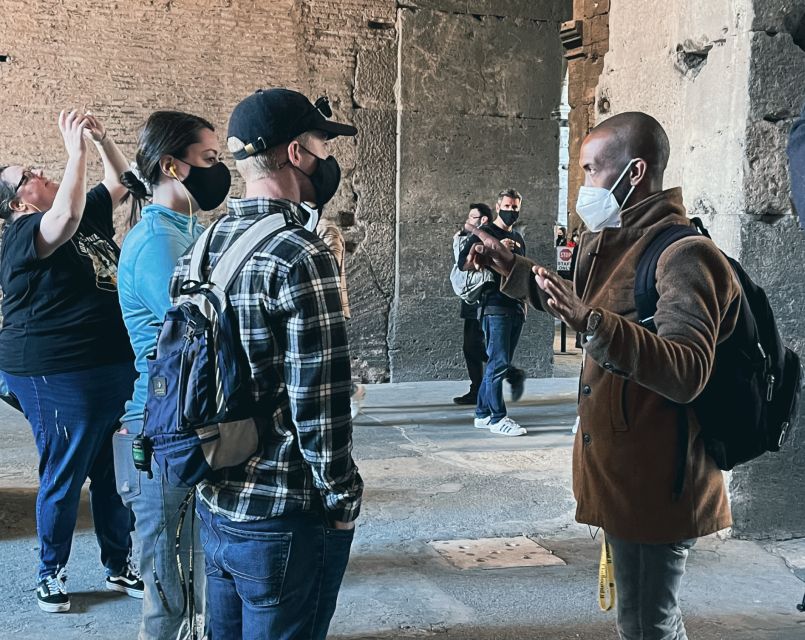
This tour runs about 3 hours. That’s a good length for people who want real coverage but don’t want their whole day eaten by Rome logistics.
Group size isn’t stated as a fixed number in the tour details you provided, but the experience is designed for a comfortable group setting. One real example from a small group was 13 people, which is the kind of size that keeps you together without turning it into a human wave.
Crowds are real at both the Colosseum and Forum areas. A skilled guide helps you avoid getting stretched out. Several guides in this program are praised for doing exactly that—keeping groups together while still making time for questions.
One practical note: weather and daylight matter. You’ll spend time outdoors between stops, and you’ll be walking. Wear shoes that handle stone and uneven pavement. If you’re going in hotter months, plan to carry water and take breaks when your guide offers them.
Guides Who Make the Stones Feel Like a Place
This is one of those tours where the guide is the product. And the guide talent shows up repeatedly in the feedback: names like Giorgio, Fi, Selena, Barbara, Paolo Sanna, Maria, and Andres come up with praise for teaching style.
Here’s what that usually means for you on the ground:
- You’ll hear stories that explain why things were built, not just what they were called.
- You’re more likely to understand the Forum layouts instead of seeing random piles of stone.
- Humor and engagement can help kids (and adults) stay interested when the site looks like ruins at first glance.
Some guides also bring a more analytical angle to it. One guide highlighted for an anthropology background likely leans into interpretation—why these sites felt the way they did, not just what officials ordered built.
The common thread: you should feel like the guide is actively working to keep the group focused while making the subject understandable.
When This Tour Is a Great Fit (and When It Isn’t)
I’d recommend this tour if you want a fast, structured way to see Rome’s big three: Colosseum, Palatine Hill, and the Roman Forum. It’s especially good if:
- you want context without doing heavy research before you arrive,
- you’re short on time and want a route that makes sense,
- you enjoy guided storytelling more than wandering with an app.
It may be less ideal if you hate lines. On the first Sunday of the month, the Colosseum is free and you might queue despite the tour’s speedier entry concept.
It’s also not designed around arena-floor access unless you chose that option. If stepping into the arena is your top priority, check that you selected the right add-on.
Should You Book This Guided Group Tour?
If you want your Colosseum day to feel organized, teachable, and worth the effort, I’d book it. The price makes sense when you factor in priority entry, the Colosseum ticket value, and the time you gain from having a route and interpretation built in.
I’d especially book if you like guides who turn sites into stories you can visualize—because that’s what this tour is set up to do. You’ll leave with a clearer sense of how Rome’s power shifted across the Colosseum, the palaces of Palatine Hill, and the public life of the Forum.
Hold off (or at least adjust expectations) if you’re traveling on the first Sunday of the month and you’re line-averse. In that case, you might spend more time waiting than the priority setup promises.
FAQ
What does the tour cover?
You’ll see the Colosseum, Palatine Hill, and the Roman Forum, with a pass by Via Sacra during the route.
Where do I meet the guide?
Meet in front of the Arch of Constantine. The guide will be holding a Yellow Carpe Diem Tours flag.
Is arena floor access included?
Arena floor access is included only if you selected the option. Otherwise, you’ll tour the Colosseum without that extra arena-floor access.
Do we always start at the Colosseum?
Not always. The tour may start at the Colosseum or at the Roman Forum/Palatine Hill depending on the time of tickets the guide can purchase.
How long is the tour?
The tour duration is 3 hours.
What language is the tour guide?
The tour guide speaks English.
What should I bring?
Bring a passport or ID card.
What happens with cancellations or if I arrive late?
Cancellation is free up to 3 days in advance for a full refund. Late arrivals will not be eligible for refunds.