REVIEW · ROME
Popes and Artists: sex, lies and betrayals in the 1600s
Book on GetYourGuide →Operated by Roman Art and History · Bookable on GetYourGuide
Popes were never far from art in 1600s Rome. This is a lively, story-led walk that connects the big names—Bernini, Borromini, and Caravaggio—to the streets, churches, and rivalries behind their masterpieces. I love how you walk through the city like a time machine, including the secret streets and buildings that most people skip, and I love the guide’s fast, human way of telling the scandal: fights, betrayals, competition, revenge, and courtesans. One possible drawback: it’s not a museum-style stroll, so if you want quiet art appreciation with minimal gossip, you may find the subject matter a bit intense.
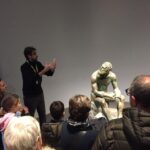
In a small group (limited to 10), the pacing feels comfortable for a 2.5-hour route, and you get context where it matters: why popes backed certain artists, and why other relationships went sour. The tour is led in English and Italian by a live guide—often Luisa, who readers describe as open, entertaining, and unusually well prepared. Bring comfortable shoes, and note the basic dress rule: sleeveless shirts aren’t allowed.
In This Review
- Key things I’d plan around
- Baroque Rome as a real-life soap opera
- Starting at Via della Stamperia: what to expect from the walk
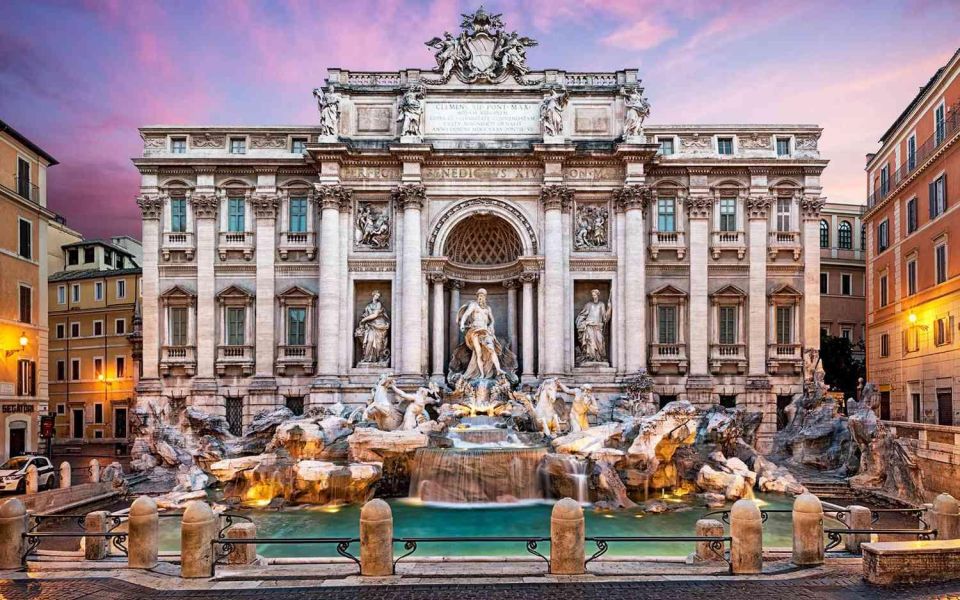
- Trevi Fountain: the story starter, not the postcard stop
- Piazza di Pietra: where the streets tighten and the Baroque mood grows
- Church of Sant’Ignazio di Loyola: Jesuit precision and artistic ambitions
- The Pantheon: Raphael’s tomb and the feeling of art in authority
- St. Louis of the French: Caravaggio’s paintings and their unbelievable backstory
- Piazza Navona: sculptors in competition, and a square built for drama
- Ending at Piazza Fiammetta: love stories, duels, and a woman tied to 1500s legends
- Guide quality is the whole game: what Luisa-style storytelling feels like
- Price and value: is $59 worth it for 2.5 hours?
- Who should book this, and who might skip it
- Should you book Popes and Artists: sex, lies and betrayals in the 1600s?
- FAQ
- What is the duration of the tour?
- How large is the group?
- Where do we meet?
- Where does the tour end?
- What stops are included on the route?
- What’s included in the ticket price?
- What languages is the tour offered in?
- What should I wear or bring?
- Is this tour suitable for people with mobility impairments?
- Is free cancellation available?
Key things I’d plan around
- Small-group vibe (max 10): you’ll hear the stories clearly without constant crowd pressure.
- Baroque scandals, not just famous sites: the art is explained through real personality clashes and power plays.
- Church stops included: you don’t just look outside; you get access and painting explanation inside.
- Route design from Trevi to Piazza Navona: you cover a smart slice of central Rome in one afternoon.
- Caravaggio focus with a story: the Church of St. Louis is a highlight tied to an unusually dramatic background.
- End at Piazza Fiammetta: you finish with love, rivalry, and a 1500s figure tied to duel stories.
Baroque Rome as a real-life soap opera
This tour treats Baroque art like something made by people, not marble and myths. In the 1600s, painters and sculptors didn’t work in a calm bubble. They depended on patronage, politics, and relationships with cardinals and popes—sometimes inspiring support, sometimes creating a mess.
I like that the theme isn’t only genius and beauty. You also get the human side: competition, revenge, and the kind of tangled loyalty that makes modern office drama look mild. You’ll hear about the stormy lives of artists whose talent could enchant powerful men, while their personal lives could also blow up in public.
If you’re the type who enjoys a good story while you walk, this hits the sweet spot. Just be ready for adult themes such as courtesans and papal scandals, because the tour is built around the “sex, lies and betrayals” idea in its own historically themed way.
You can also read our reviews of more tours and experiences in Rome.
Starting at Via della Stamperia: what to expect from the walk
You meet at Via della Stamperia, 72, in front of the Accademia S. Luca Academy of Painting. That matters because the group forms quickly and you’re already near the older lanes where the guide can point out details without spending your first minutes stuck in traffic.
The tour lasts about 2.5 hours, which is a sweet spot for central Rome: enough time to see meaningful stops, but not so long you feel cooked by the heat or fatigue. You’ll be on foot the whole time, including steps and uneven paving typical of Rome’s historic center.
The pace is guided and conversational. You don’t just get a lecture in motion; you get guided stops with visit time at each location. The structure helps: each church or square has a “why you’re here” moment, tied to an artist or a scandal.
Practical notes you should actually care about:
- Wear comfortable shoes. Rome is Rome.
- Avoid sleeveless shirts. It’s a simple rule, and churches can be strict.
- It’s not suitable for people with mobility impairments, mainly because of the walking route and the nature of access.
Trevi Fountain: the story starter, not the postcard stop
You begin at the Trevi Fountain and spend around 15 minutes there. This is a smart move, because Trevi is instantly recognizable, so you can relax into the tour before it becomes more detailed.
From there, the guide links the fountain’s broader Roman energy to the Baroque mindset: power, spectacle, and public image. In a century when popes and cardinals commissioned art to shape reputation, places like Trevi weren’t neutral—they were stages.
A small drawback: Trevi is a major tourist magnet. Even on a “story walk,” you may spend part of those 15 minutes working around crowds. If you’re sensitive to busyness, you’ll appreciate that the guide keeps it moving toward quieter streets shortly after.
Piazza di Pietra: where the streets tighten and the Baroque mood grows
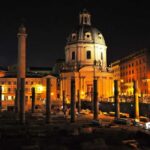
Next you head to Piazza di Pietra for about 15 minutes, with a guided tour. This stretch is where the experience shifts from major landmark viewing to walking like you actually live in the city.
What makes this stop valuable is the way it sets expectations for the rest of the day. Baroque Rome isn’t only domes and fountains. It’s also the angles, the street rhythm, and those in-between corners where you learn that artists were embedded in real neighborhoods, not just grand squares.
If you like “how to look at a place” tips—where to stand, what to notice, why a building matters—this is one of the moments you’ll feel it. The tour uses these transitions to keep you from feeling like you’re just hopping from spot to spot.
Church of Sant’Ignazio di Loyola: Jesuit precision and artistic ambitions
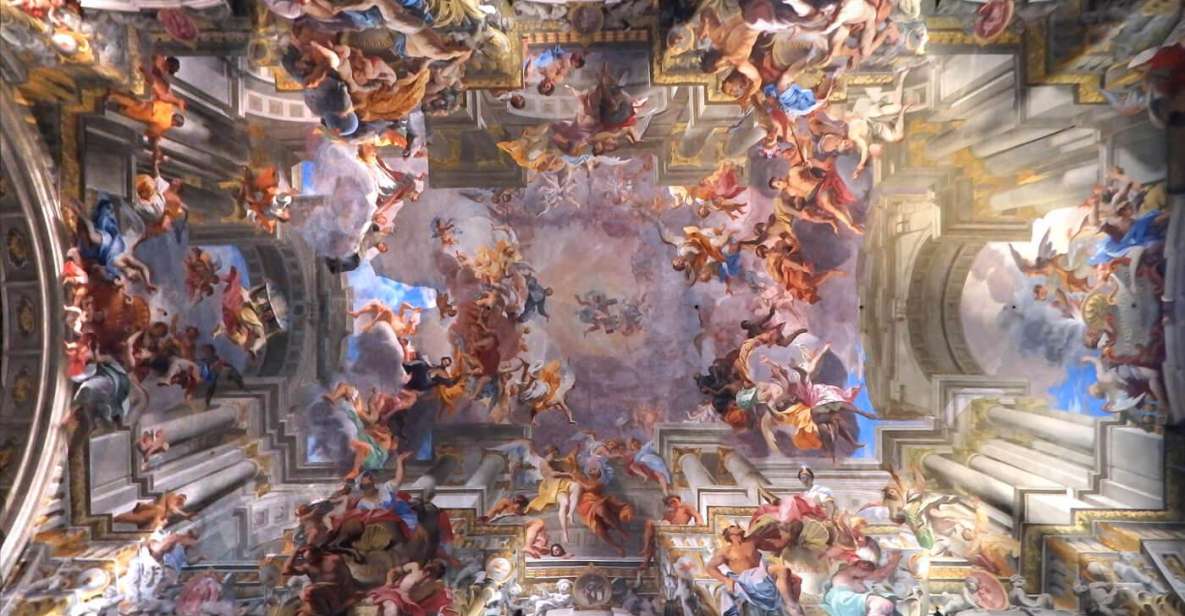
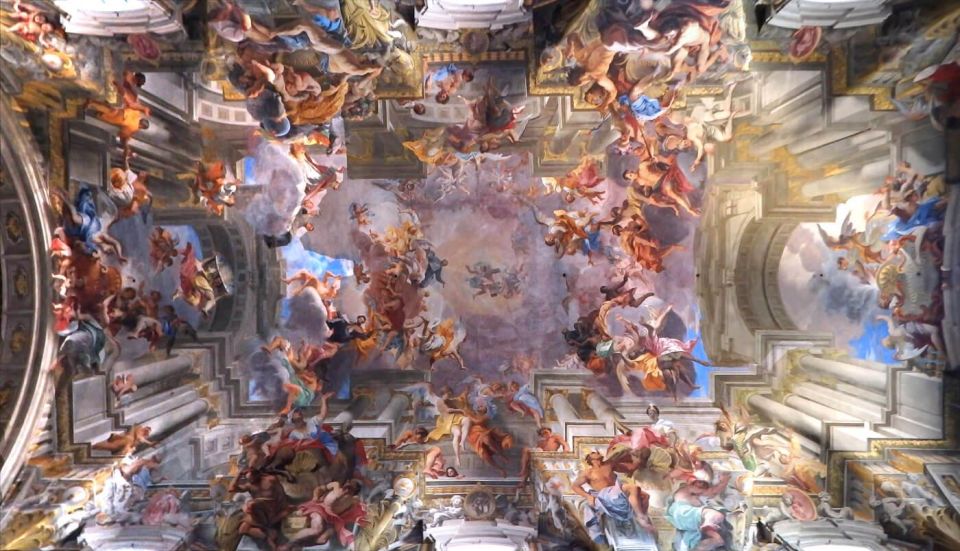
You’ll then visit the Church of Sant’Ignazio di Loyola for around 20 minutes. This church stop helps connect art patronage to religious power. Even if you’re not chasing architecture details, it’s the kind of setting that makes Baroque stories click: drama, symbolism, and the push to impress.
The guide’s role is important here. You’re not just walking into a church and hoping you’ll “get it.” You’ll receive context and explanation, which is especially helpful for visitors who don’t read art history books on their vacation.
One note: the experience is meant to be active. If you’d rather sit and quietly contemplate, you may find the guided pace slightly more structured than expected—but that structure is part of what keeps the 2.5 hours efficient.

The Pantheon: Raphael’s tomb and the feeling of art in authority
After Sant’Ignazio, you reach the Pantheon, with about 10 minutes for a guided visit. You’ll see the tomb of Raphael here. Even with limited time, this stop lands because Raphael represents something different from the “scandal” energy of the rest of the tour.
This is a good balance point. You go from Baroque competition and rivalry into a place that signals canon-level respect. It helps you understand why artists wanted influence. In Rome, art wasn’t only aesthetic; it was credibility.
The main consideration is timing. Ten minutes is enough to focus on the key connection—Raphael’s tomb and how it fits into the story—but you won’t have hours here for wandering. If you want extra personal time, you’ll need to come back later on your own.
St. Louis of the French: Caravaggio’s paintings and their unbelievable backstory
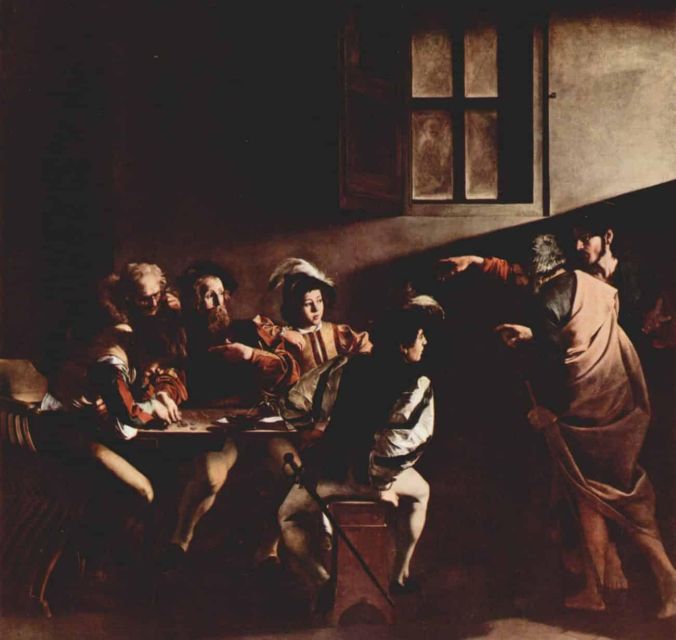
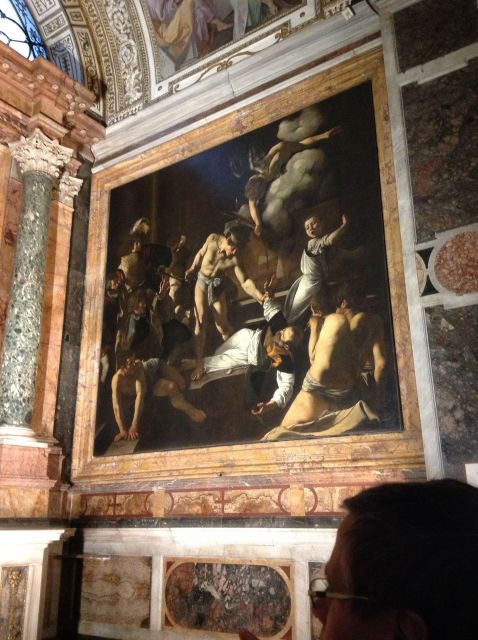
One of the biggest reasons to book is the stop at the Church of St. Louis of the French, where you’ll spend around 15 minutes. This is where you’ll admire Caravaggio’s trilogy of paintings, and you’ll hear that these works come with a story that’s described as very unbelievable.
I like this kind of tour choice because it makes Caravaggio feel less like a name on a textbook page. The guide ties the paintings to the surrounding events and human drama, which is exactly how the Baroque period should be understood: art, patronage, and consequences are tangled.
Drawback? Churches can be busy, and you’ll be moving inside a public, active space. If you need lots of quiet time to look closely at every detail, you may find the format better suited to hearing context than to deep solo observation.
Still, if you enjoy the combination of visual art plus narrative, this is a clear high point.
Piazza Navona: sculptors in competition, and a square built for drama
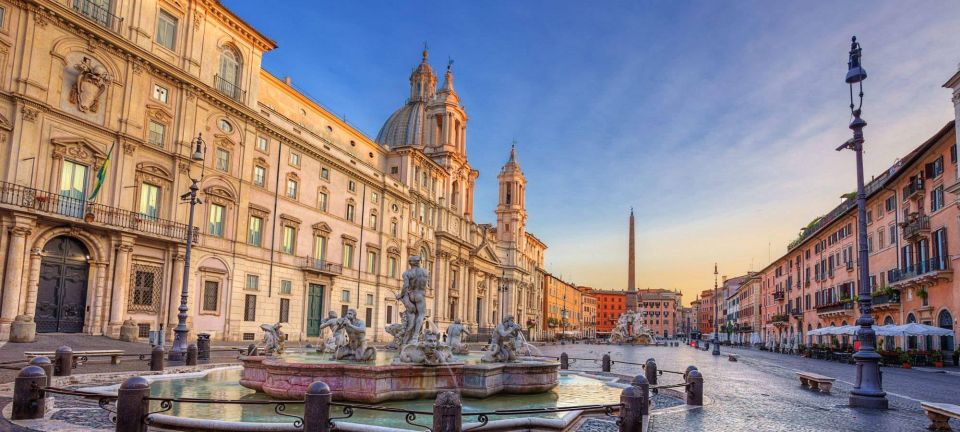
From there you’ll reach Piazza Navona, with about 20 minutes for a guided visit. This square is famous for its theatrical feel, and the tour uses that atmosphere to talk about the competition between two famous sculptors.
What makes Piazza Navona work in this itinerary is that it’s an outdoor stage. In 1600s Rome, public artistic rivalry didn’t stay private. Rivalries were about prestige, contracts, and influence—and a grand square is where that plays out.
This is a good moment to tune your attention. Instead of only photographing the obvious, listen for the “why” behind the rivalry and what it says about the Baroque century. You’ll walk away understanding that the art you see wasn’t just made; it was fought for.
If you’re the sort of traveler who likes a mix of story and place, you’ll probably find the Navona segment one of the most fun parts of the whole route.
Ending at Piazza Fiammetta: love stories, duels, and a woman tied to 1500s legends
You finish at Piazza Fiammetta, which is the end point tied to the House of Fiammetta. The tour brings you here to learn about a beautiful woman of the 1500s, and also to connect the story to duels for her love.
This ending matters because it rounds the day out. Up to this point, you’ve heard plenty about art and papal power, but love and reputation were also currency. In Rome, a personal story could become public business fast.
The tour ends in a place that feels like it has its own legend in the stones and street corners. You get a final storyline that’s easy to remember, even if you forget half the dates. That’s one reason narrative walking tours work: the facts stick because they ride along on a story you actually care about.
Guide quality is the whole game: what Luisa-style storytelling feels like
A big reason this experience scores well is the way the guide tells the story. Many visitors highlight the guide as exceptionally prepared, and they mention being shown places they didn’t know—along with “juicy” but historically correct details that you won’t find in a basic guidebook.
One review even points out the guide’s teaching-style background, calling her a university professor type of storyteller. That kind of approach usually means you’ll get both enthusiasm and clarity, not just random anecdotes.
In practical terms, you’ll benefit most if you like asking mental questions like:
- Why did this artist get the commission?
- What was at stake for the pope or cardinal?
- How did rivalry shape what we can see today?
If you want a tour that feels like a real conversation with a smart friend, this is the style you’ll get.
Price and value: is $59 worth it for 2.5 hours?
At $59 per person for about 2.5 hours, you’re paying for more than sightseeing. You’re paying for access to churches, guided explanations, and a guide who links paintings and artists to the messy political and personal side of the Baroque age.
Value depends on your travel style. If you’re the type who can’t leave a painting without knowing what it’s about, the included painting explanation and church entrances make the price feel reasonable. If you mostly want architecture snapshots and don’t care about the “why,” you might feel like you’re paying for talk rather than objects.
For me, the best value signals are these:
- Small group (up to 10). You get room to hear the guide.
- Church stops with explanation, not just outdoor wandering.
- Caravaggio and Raphael-focused context, which can cost time and effort to research on your own.
Also, with a flexible booking approach and free cancellation up to 24 hours in advance, you can plan confidently without feeling trapped.
Who should book this, and who might skip it
You’ll be a great fit if you:
- like art history when it has drama attached
- enjoy walking and learning street-level context
- want to see key Baroque artists connected to specific Roman locations
- prefer small-group tours over huge crowds
You might want to skip (or adjust expectations) if you:
- need a slow, purely contemplative experience
- struggle with walking or uneven historic streets
- prefer “only the masterpiece” tours without scandal and personal rivalry themes
Should you book Popes and Artists: sex, lies and betrayals in the 1600s?
If your idea of a great Rome day is pairing famous places with the human stories that explain them, I think you should book it. The combination of Trevi to the Pantheon, church access, and story-driven art context makes it feel like more than a checklist tour.
For the best results, come with comfortable shoes and a mindset that Rome is a place where politics, art, and personal lives were tangled together. If that kind of historical cause-and-effect appeals to you, you’ll leave with streets you recognize and artists you understand in a way a standard itinerary usually won’t deliver.
FAQ
What is the duration of the tour?
The tour lasts about 2.5 hours.
How large is the group?
It’s limited to a small group of 10 participants.
Where do we meet?
You meet at Via della Stamperia, 72, in front of the Accademia S. Luca Academy of Painting.
Where does the tour end?
The tour ends in Piazza Fiammetta.
What stops are included on the route?
The route includes Trevi Fountain, Piazza di Pietra, Church of Sant’Ignazio di Loyola, the Pantheon (with Raphael’s tomb), Church of St. Louis of the French, and Piazza Navona.
What’s included in the ticket price?
Entrance to churches and painting explanation are included.
What languages is the tour offered in?
The live tour guide offers English and Italian.
What should I wear or bring?
Bring comfortable shoes. Sleeveless shirts are not allowed.
Is this tour suitable for people with mobility impairments?
No, it’s not suitable for people with mobility impairments.
Is free cancellation available?
Yes, you can cancel up to 24 hours in advance for a full refund.