REVIEW · COOKING CLASSES
Rome: Cooking class with wine pairing at Come Na Vorta
Book on GetYourGuide →Operated by COME NA VORTA · Bookable on GetYourGuide
Fresh pasta in Rome beats a museum. At Come ’Na Vorta in Trastevere, you learn the moves behind Roman pasta and tiramisù from a family kitchen.
I love that the class is genuinely hands-on, from shaping fettuccine to rolling gnocchi, and you pick your Roman sauces. I also like the flow: Prosecco and bruschette show up between the cooking steps, then you sit down to eat what you made with wine.
One thing to plan for: there’s no pickup or drop-off, so you’ll need to reach the restaurant in Trastevere and budget for the full 3 hours.
In This Review
- Key highlights you should care about
- Where this class fits in Rome (and why Trastevere matters)
- The 3-hour schedule: Prosecco first, then pasta skills
- Meeting point inside Come ’Na Vorta
- Hands-on pasta making: fettuccine and gnocchi from scratch
- Sauce choices: how Roman cooking becomes personal
- The tiramisù lesson: variations, not just one recipe
- Wine pairing options: Bronze, Silver, Gold (and what you’ll get)
- What’s included (and why it’s good value for Rome)
- The people and atmosphere: family kitchen energy, not tourist theater
- Who should book this class (and who might not love it)
- Practical tips so you enjoy it more
- Should you book Come ’Na Vorta pasta-and-wine?
- FAQ
- How long is the cooking class at Come ’Na Vorta?
- Where do I meet for the class?
- What’s included in the experience?
- What wine options are available?
- What languages is the class taught in?
- Is it wheelchair accessible, and is pickup included?
Key highlights you should care about
- Three-generation pasta know-how in a family-owned spot with an older-school approach to cooking
- Two pasta dishes plus dessert, so you eat well instead of just snacking
- Prosecco and bruschette during the class, not only at the end
- Wine pairing choices (Bronze, Silver, Gold) with example wines listed by tier
- Printed recipes and a participation certificate to help you recreate the meal back home
Where this class fits in Rome (and why Trastevere matters)
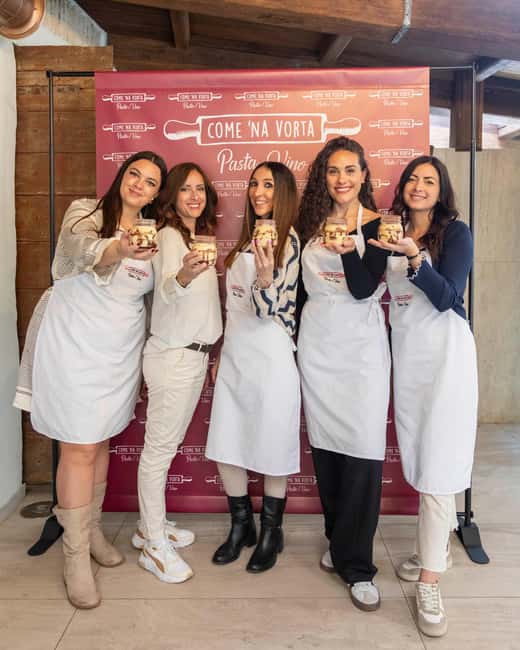
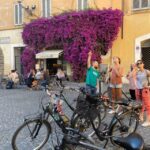
If your Rome plan is all big sights, this is the smart food detour. Come ’Na Vorta puts you in the Trastevere neighborhood rhythm: small streets, local energy, and an honest, meal-first vibe. The experience is built around fresh pasta and Roman cooking methods passed down through a family business.
This is the kind of class that’s less about performing and more about learning the everyday logic of Italian cooking. You’re not just watching someone else work. You’re making dough, shaping pasta, choosing sauces, and finishing with tiramisù—then eating it as a proper sit-down meal.
It’s also a good way to get your bearings fast. After a couple hours of hands-on food, Rome feels less like a checklist and more like places and people.
You can also read our reviews of more cooking classes in Rome

The 3-hour schedule: Prosecco first, then pasta skills
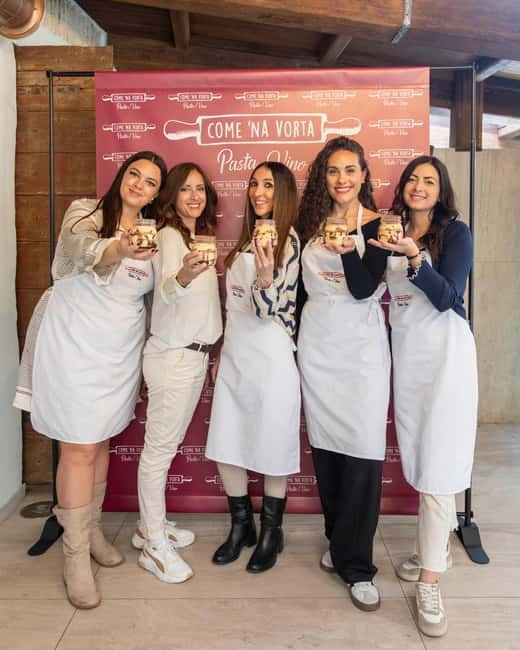
Plan on about 3 hours total. The class pacing typically works like this: you arrive at the restaurant, get welcomed into the cooking area, start with drinks and bites, then move into pasta prep and shaping, and finish with cooking and eating together.
They also build in a social break during the work. Crunchy bruschette with extra virgin olive oil show up while you’re mid-class, so you’re not standing at the counter, hungry and focused, for the full two-plus hours of active time.
Timing detail that matters: the class says roughly 2 hours for prep and cooking, with the remainder for the feast. That matters because you’ll want to schedule this earlier in the day or at a time when you can enjoy a slower, food-heavy block—not a rushed evening sprint.
Meeting point inside Come ’Na Vorta
Your start is inside the restaurant called Come ’Na Vorta – Pasta e Vino. Go in, ask the staff about the cooking class, and they’ll bring you to your guide. End time loops right back to the same place.
No pickup means you’ll want to plan your walk or transit in advance. Trastevere is manageable, but it’s not the kind of neighborhood where you want to show up late and hope for the best.
Hands-on pasta making: fettuccine and gnocchi from scratch
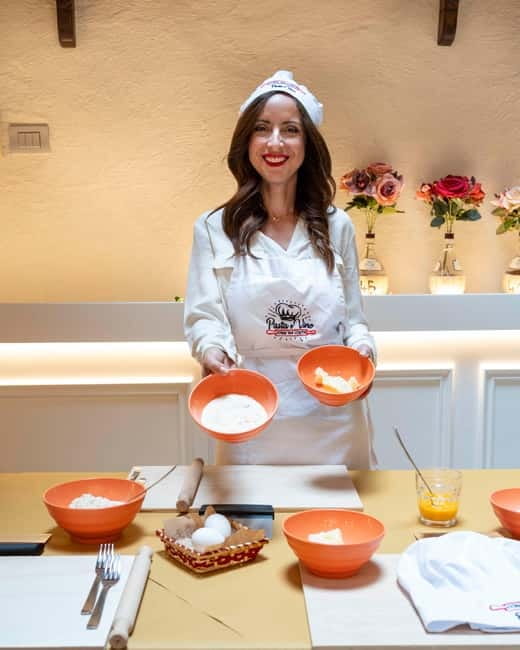
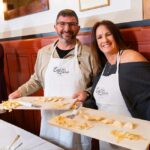
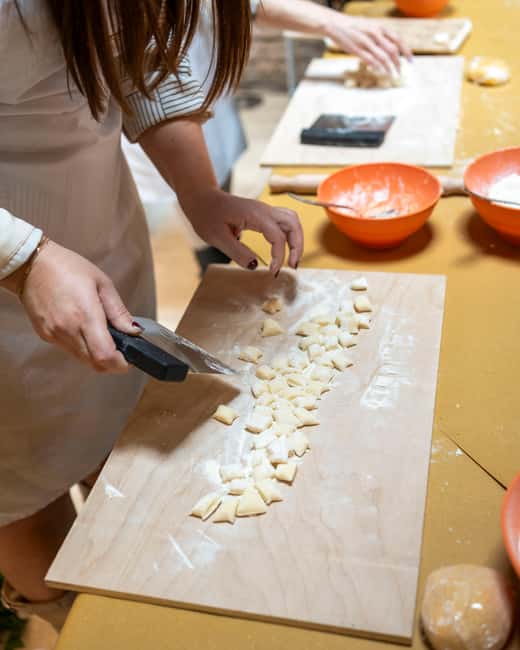
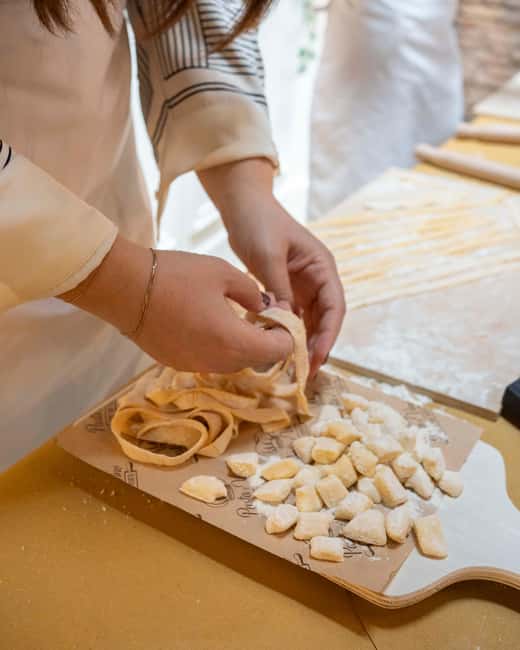
The core of the class is learning how to make fresh pasta dough and shape it into fettuccine and gnocchi. The instructor guides you through kneading and shaping steps so you can recognize the right texture and feel as you go.
They also teach you to think like a Roman home cook: not just what to do, but what good ingredients look like and why quality matters. That ingredient awareness is one of the most practical takeaways. Pasta is only as good as the dough and the sauce balance, and this class tries to make that connection for you.
Two pasta dishes are included, and you’ll cook them with traditional Roman sauces of your choice. That’s where it turns from a cooking demo into a meal you actually get to customize.
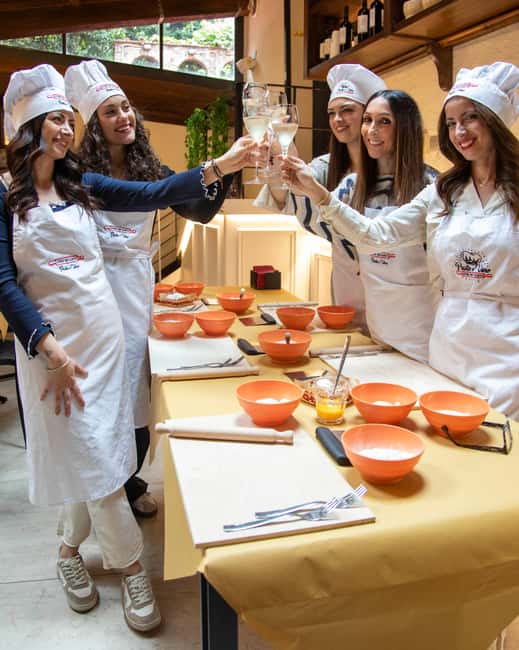
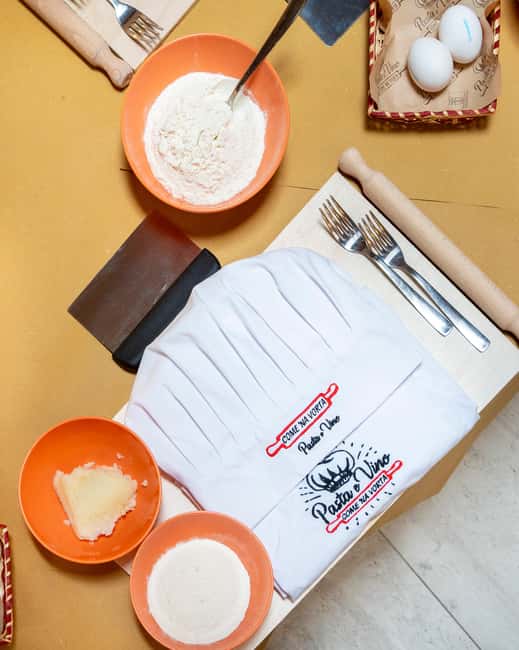
And yes—you should expect a bit of fun and a bit of coaching. Aprons and pasta-maker hats are provided for the class, which sounds silly until you realize they’re part of the setup that keeps things comfortable and orderly while everyone works at their station.
Sauce choices: how Roman cooking becomes personal
You’ll choose sauces to go with your pasta. The class keeps it Roman and home-style rather than international and complicated.
A key point: sauce choice affects everything about your final plate. If you like bold, punchy flavors, you’ll gravitate toward heavier Roman styles. If you want something more herby and fresh, you’ll likely enjoy pesto-style options. One example from the experience descriptions: pesto and amatriciana show up as popular picks.
You’re not expected to be a sauce expert when you arrive. The point is to taste the logic: pairing the sauce you like with the texture of pasta you just shaped.
You can also read our reviews of more wine tours in Rome




The tiramisù lesson: variations, not just one recipe
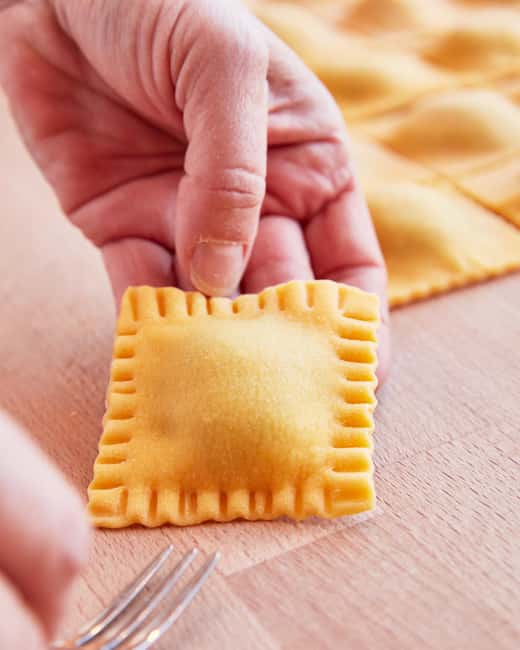
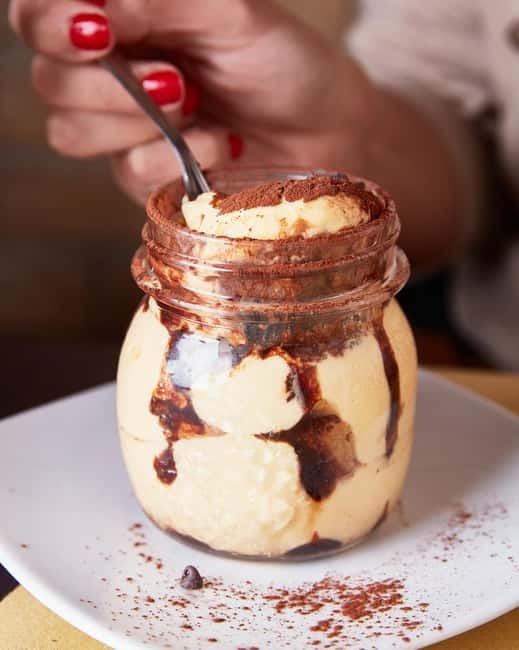
Tiramisù is the sweet finish, and the class treats it like a real skill. You’ll make tiramisù from scratch and they’ll show variations—styles that their guests typically love.
This matters because tiramisù is one of those desserts people think they already know. But the experience is designed to help you understand what changes the final result: how the layers come together, and how to make the dessert feel right rather than just sweet.
You’ll get one tiramisù per guest, plus you’ll take home printed recipes. That’s huge. A class gives you muscle memory, but the recipe card helps you reproduce the flavor when you’re back in your own kitchen with different ingredients and different timing.
Wine pairing options: Bronze, Silver, Gold (and what you’ll get)
Wine is built into the experience, and you choose your tier when you book.
Here’s the straightforward breakdown:
- Bronze: one glass of locally produced, popular wine
- Silver: two glasses of traditional Italian wines such as Chianti and Chardonnay
- Gold: two glasses of prestigious Italian wines such as Brunello di Montalcino and Amarone della Valpolicella
On top of that, the class highlights free-flowing Prosecco and bruschette during the cooking. So you’re not waiting until the end to start sipping.
Practical tip: if you’re sensitive to alcohol or just want to keep things light while cooking, go with Bronze. With Silver or Gold, you’ll get more wine glasses, and that can change how steady your energy feels during the hands-on parts.
What’s included (and why it’s good value for Rome)
At $68.10 per person, you’re paying for a full meal experience plus active instruction. This isn’t just a ticket to taste food—it’s structured like a real workshop.
Included items cover the essentials:
- Aprons and pasta maker hats
- Prosecco and bruschette with extra virgin olive oil during the class
- Water
- Wine, based on your booking tier
- Two pasta dishes per guest with sauces of your choice
- One tiramisu per guest
- Printed recipes to take home
- A participation certificate
That list is why the price feels fair. In Rome, a decent meal and a couple drinks can already eat up a big chunk of your budget. Here, you’re getting instruction and recipes on top of the meal, plus the meal is built from the work you did.
Another value point: the class offers hosts and instruction in English and Italian. That reduces the stress factor if your Italian is still in progress.
The people and atmosphere: family kitchen energy, not tourist theater
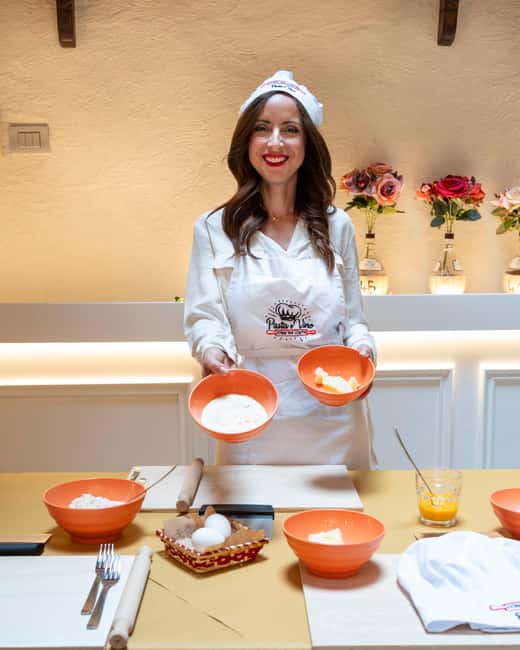
Come ’Na Vorta leans into a family-story approach: you’re learning techniques tied to grandmothers and passed-down traditions, including references to three generations. That doesn’t mean it’s stiff. The atmosphere is meant to feel friendly and welcoming while you work.
I also appreciate how they guide you through the process and leave room for questions. If you’ve ever been frustrated by language barriers in cooking classes, this one is built for clear instruction in English and Italian.
There’s also a strong family-friendly setup. One experience description notes a space with two areas: cooking stations for participants and a separate setup for the tasting meal afterward. That kind of layout usually helps everyone stay oriented, including kids and multi-generation groups.
And in one Spanish-language version, the organization was handled by Alina, while Alice led the cooking as the chef instructor. Even if you’re not booking in Spanish, it’s a useful sign that the team is used to different groups and needs.
Who should book this class (and who might not love it)
This is a great fit for:
- Couples looking for a fun, interactive date night
- Families who want an activity that ends with a real meal
- Solo travelers who want conversation and structure
- Anyone who wants Roman flavors without guessing what to order
You might think twice if:
- You hate hands-on activities (this one is very much about doing)
- You’re trying to pack too much into the day. The full 3 hours deserves its own slot.
- You need a service that picks you up. There’s no pickup or drop-off, so you’ll navigate to Trastevere on your own.
Practical tips so you enjoy it more
A cooking class is easy to underestimate until you’re in it. Here’s how to keep it smooth:
- Wear something you don’t mind getting flour-adjacent. Aprons help, but dough is messy by nature.
- Come a little hungry. You’ll have bites and Prosecco during class, but the real payoff is the pasta and tiramisù meal.
- If you plan to drink wine, hydrate with the included water and pace yourself. Cooking takes concentration.
- If you’re traveling on foot, allow extra time to find the restaurant. You’ll meet staff inside and get walked to the guide area.
Should you book Come ’Na Vorta pasta-and-wine?
If your ideal Rome experience includes real cooking instruction plus a sit-down meal, yes—this is a solid booking. The combo of fettuccine, gnocchi, and tiramisù is a complete Roman-flavored arc, and the wine pairing options let you choose how serious you want to go.
I’d especially recommend it if you want value that goes beyond eating: the printed recipes and the skills you practice make it easier to bring Rome home, not just the photos.
If you want to sip wine but also keep your schedule tight, choose the right tier, show up on time, and plan the rest of your evening gently. Then you’ll leave happy, fed, and with a new ability that’s more useful than another souvenir.
FAQ
How long is the cooking class at Come ’Na Vorta?
It lasts around 3 hours, with roughly 2 hours spent on preparation and time to enjoy the meal.
Where do I meet for the class?
The activity takes place inside the restaurant called Come ’Na Vorta – Pasta e Vino. Go inside and ask the staff about the cooking class.
What’s included in the experience?
You’ll get an expert host, aprons and pasta maker hats, Prosecco and bruschette plus water, wine (based on your chosen option), two pasta dishes with sauces you choose, tiramisù, printed recipes to take home, and a participation certificate.
What wine options are available?
You can choose between Bronze, Silver, and Gold booking options. Bronze includes one glass of locally produced wine, Silver includes two glasses of traditional Italian wines, and Gold includes two glasses of prestigious Italian wines.
What languages is the class taught in?
The instructor is listed as speaking English and Italian.
Is it wheelchair accessible, and is pickup included?
The experience is wheelchair accessible, and pickup or drop-off is not included.