REVIEW · CASTEL SANT'ANGELO TOURS & TICKETS
Rome: Castel Sant’Angelo Reserved Entry
Book on GetYourGuide →Operated by Flavio's Journeys · Bookable on GetYourGuide
Rome’s fortress has a dark side. It’s a fast way to see Hadrian’s tomb roots, then the Papal makeover into a defense site. I like that it’s self-guided, so you can slow down for frescoes and views without herding. The other big win is the skip-the-line feel from the reserved entry. One drawback to consider: the experience is simple but highly dependent on the meeting handoff working smoothly, so keep your phone ready.
You’re walking into a place that’s been repurposed again and again—starting under Emperor Hadrian (135–139 AD) and later shaped by the Papal State into something more like a stronghold. I also like that you’re not just looking at stone; you’re tracing how weapons, papal spaces, and even prisoner stories all fit into the same building. And yes, you’ll end with a standout terrace moment over Rome.
Because this is a self-paced visit with an assigned meeting point, you’ll want to arrive on time and plan for restricted items. If you’re hoping for a full-on narrative guided tour, this isn’t it.
In This Review
- Key Things to Know Before You Go
- Castel Sant’Angelo in One Visit: Mausoleum to Fortress
- Skip the Main Queue: Reserved Entry That Actually Helps
- Meeting Point at Lungotevere Castello: The RVG Handoff
- Five Floors of Stories: What You’ll See Inside
- Papal Baths and Frescoes: The Oddly Human Side
- Terrace Views Over Rome’s Tiber: Your Rome Moment
- Prisoners, Defenses, and Why the Building Stayed Useful
- Timing and Pace: How Long You Need and How to Plan
- Price and Value: Is Reserved Entry at $38 Worth It?
- Who This Suits Best (and Who Should Skip It)
- Should You Book This Reserved Entry?
- FAQ
- Where is the meeting point for this ticket?
- Is this a guided tour?
- How do you enter fast with this reserved entry?
- What time should I arrive?
- How long can I spend inside?
- Is Castel Sant’Angelo suitable for wheelchair users or people with mobility impairments?
Key Things to Know Before You Go
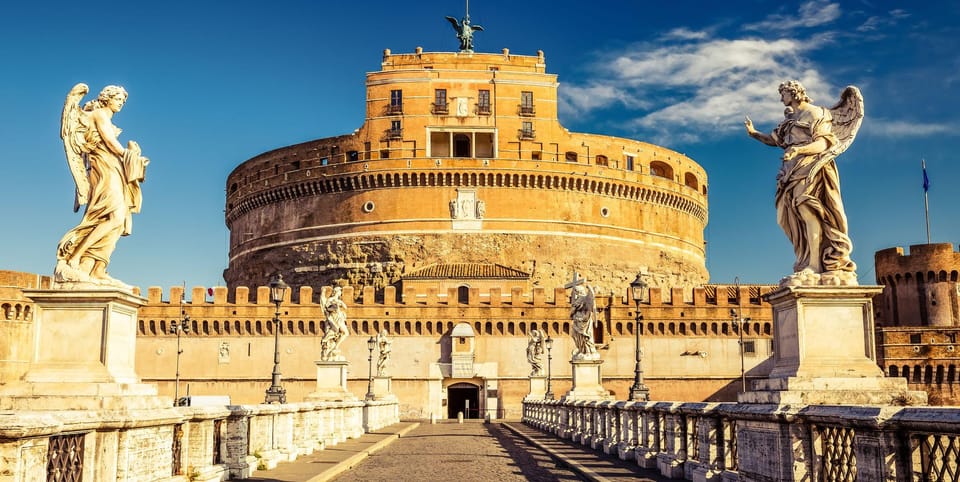
- Reserved entry via a separate entrance helps you save time instead of losing it to slow-moving lines.
- Five floors of changing themes lets you shift from imperial origins to Papal defenses without leaving the site.
- Papal Baths of Leo X and Clement VII are a specific highlight, not a vague “pretty rooms” stop.
- Terrace views over Rome are a major payoff at the end of your walk through the castle.
- Meeting at Lungotevere Castello with an RVG sign keeps the handoff clear when everything runs smoothly.
Castel Sant’Angelo in One Visit: Mausoleum to Fortress
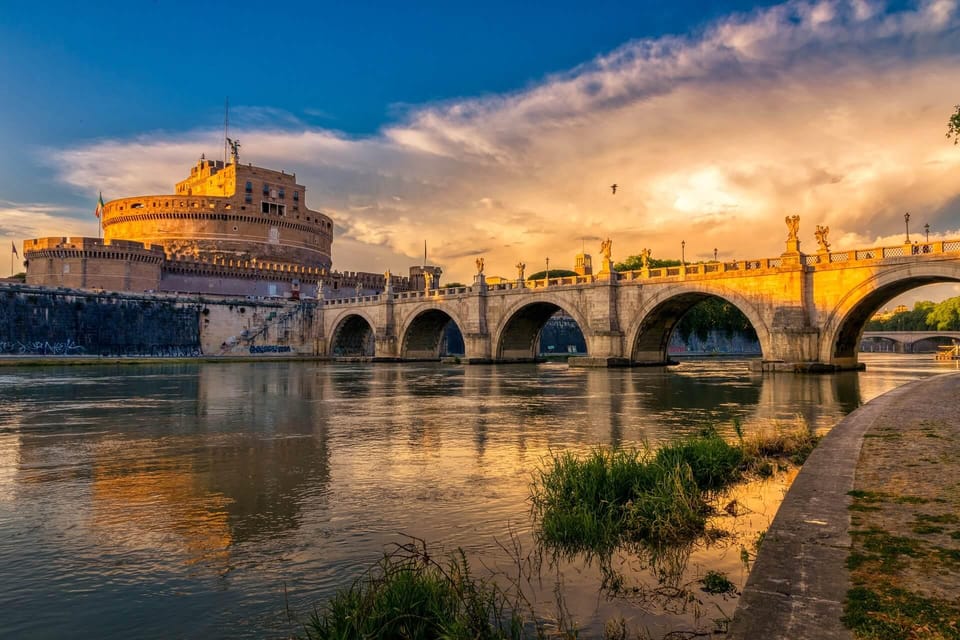
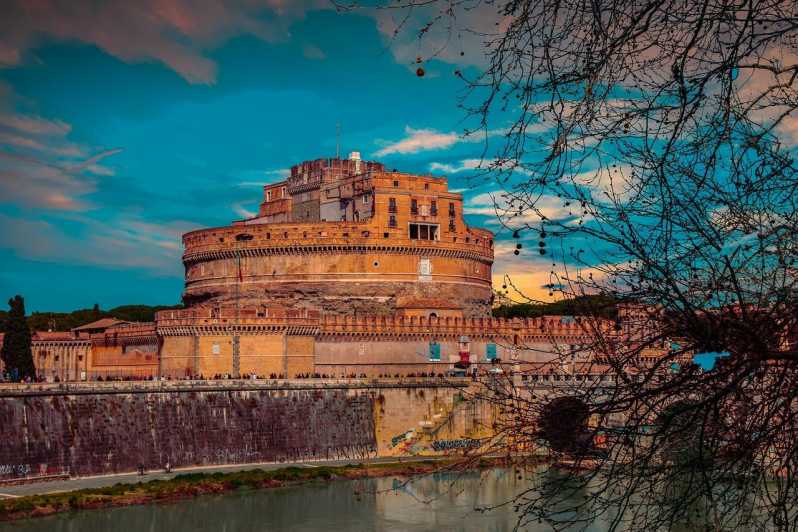
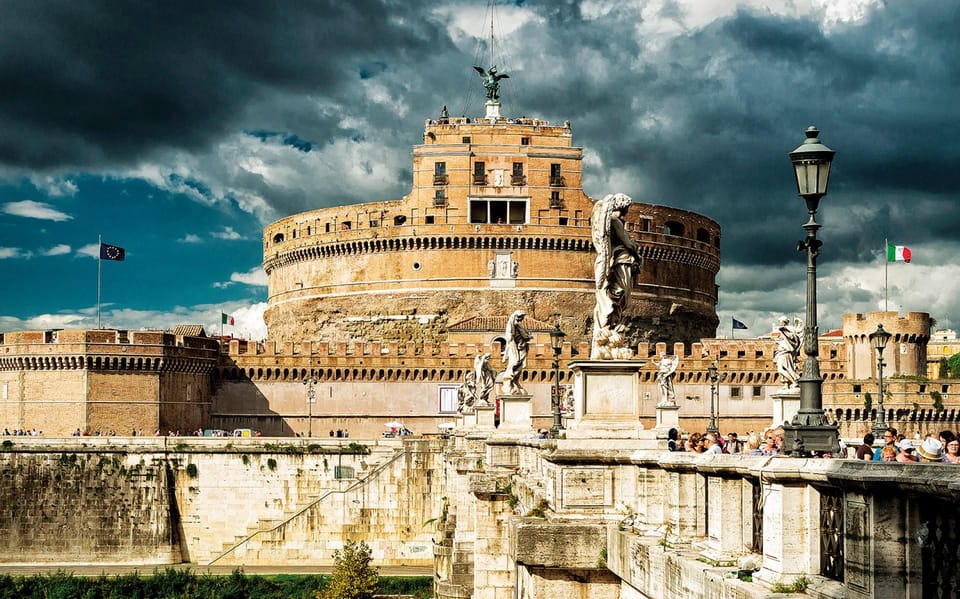
Castel Sant’Angelo—often called the Mausoleum of Hadrian—starts with big imperial ambition. Under Emperor Hadrian, construction ran in the late 2nd century (135–139 AD), and the building was designed as a monumental final home. Then time does what it always does in Rome: it changes the purpose.
Later, when the Papal State took hold, the site shifted from mausoleum to defense structure. From the 14th century onward, it also became a sanctuary for popes. That transformation isn’t a dry museum note here. It shows up in the building’s layout and the way the rooms and spaces feel like they were meant for different jobs—status and ceremony at one end, protection and control at the other.
If you like seeing history as a series of practical upgrades, this place will click. It’s one of those rare Rome stops where the “why” behind the architecture is part of the fun: people didn’t just decorate. They changed the building to fit their needs.
You can also read our reviews of more tours and experiences in Rome.
Skip the Main Queue: Reserved Entry That Actually Helps
This is a one-day, self-guided ticket built around a simple promise: fast-track entry through a separate entrance. For Castel Sant’Angelo, that matters because lines can eat up the start of your visit. When you start with priority entry, you can spend your time inside rather than stuck watching other people shuffle forward.
The price is listed at $38 per person, which is not the budget option. But reserved entry often makes the math work better if you’re visiting during busy hours, you want to get in quickly, or you don’t want to gamble with timing. Think of it as buying back your time and keeping the day moving.
Also, the ticket comes with reservation and administrative charges included. So you’re paying for the right to show up and go—rather than doing extra steps on your own once you arrive.
Meeting Point at Lungotevere Castello: The RVG Handoff
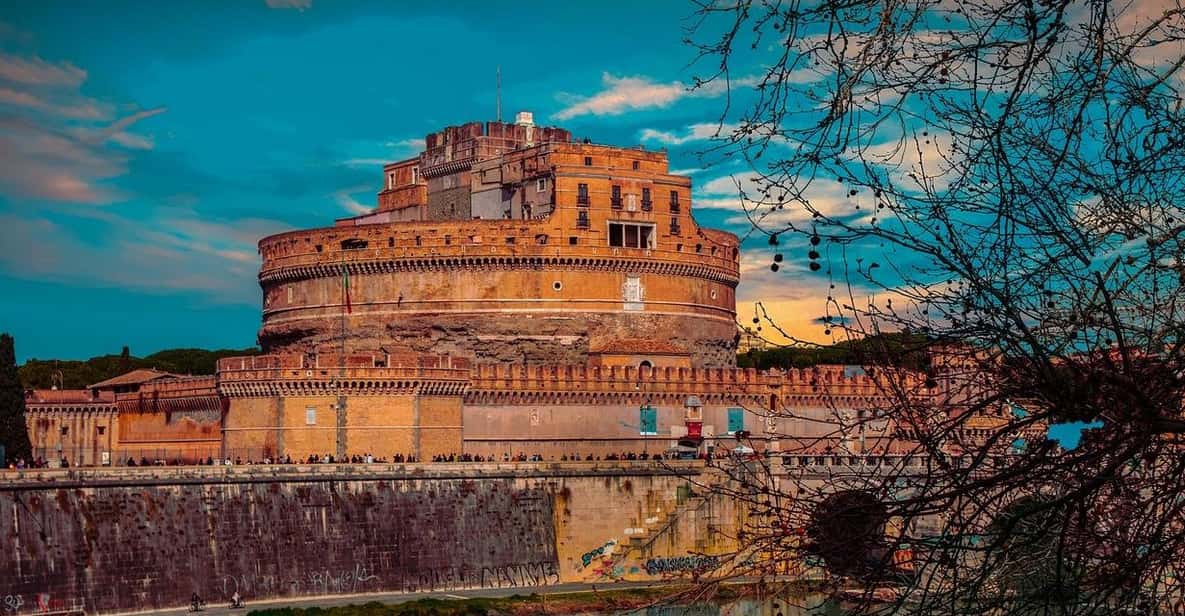
Here’s how the experience begins in real life: you meet your host outside the main entrance of the Lungotevere Castello area. You should arrive 15 minutes early, and the host will be holding an “RVG” flag/sign.
This kind of handoff is usually quick. In the better-running scenarios, it’s basically: meet host, get your entry sorted, then go straight to the reserved entrance. Some past bookings also reported receiving tickets via WhatsApp from the organization and that the process was friendly and efficient.
The only real caution I’d give you is straightforward: if you arrive late or you don’t see the sign, don’t wait too long. A couple of bookings described situations where the meeting person didn’t show up as expected and required contacting the organizer to retrieve tickets. That’s not the ideal scenario, but it’s enough of a pattern that you should keep your contact info ready and your phone charged.
Five Floors of Stories: What You’ll See Inside
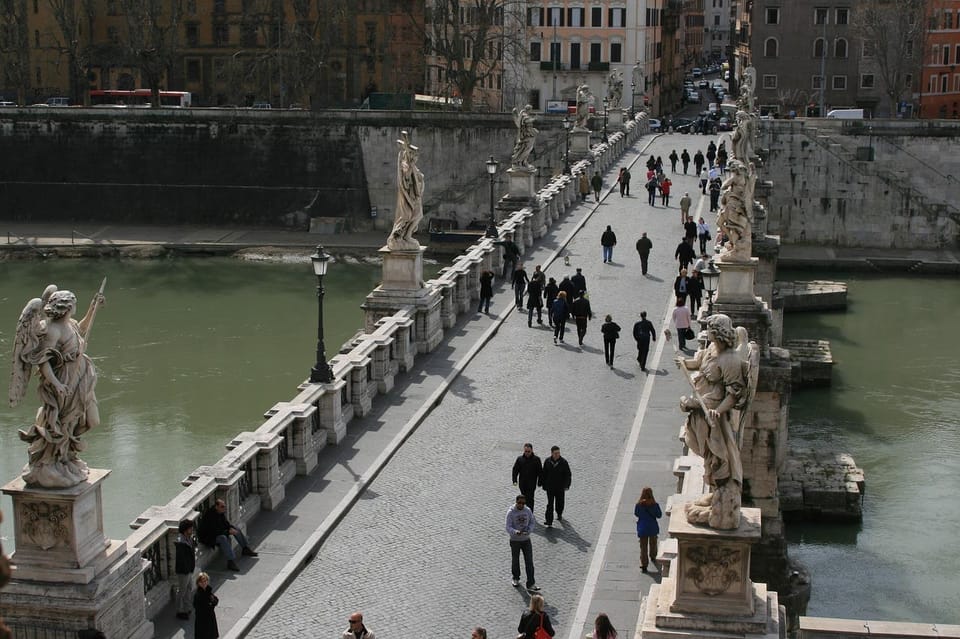
Once you’re inside, you’re free to explore at your own pace. Castel Sant’Angelo is spread across five floors, and what I like about that structure is that it reduces decision fatigue. You’re not bouncing between far-apart sites. You’re moving through the same building and letting the themes come to you.
Here’s the kind of experience the floors deliver:
- Origins and imperial mood: You’ll see the starting point of the complex as Hadrian’s mausoleum. Expect the building’s identity to feel monumental from the start.
- Military shift: As the Papal State transformed it, it became defensive. The building includes displays of weapons, which helps you understand the fortress logic.
- Renaissance art and Papal spaces: You’ll also encounter Renaissance frescoes and decorated rooms that show how the fortress wasn’t only about defense. It also functioned as a place of power and ritual.
- Papal bath highlights: Two specific stops matter here: the painted papal baths of Leo X and Clement VII. This is the kind of detail that turns a “castle visit” into a “wait, I didn’t expect this” memory.
- View payoff near the end: The terrace is where you’ll feel the building’s geographic advantage.
Because you’re self-guided, you should plan to spend time with the big transitions between themes. Quick visits can flatten the story. If you give yourself enough time to look at weapons displays and then reset your eyes on frescoes and baths, the whole building starts to read like a timeline.
Papal Baths and Frescoes: The Oddly Human Side
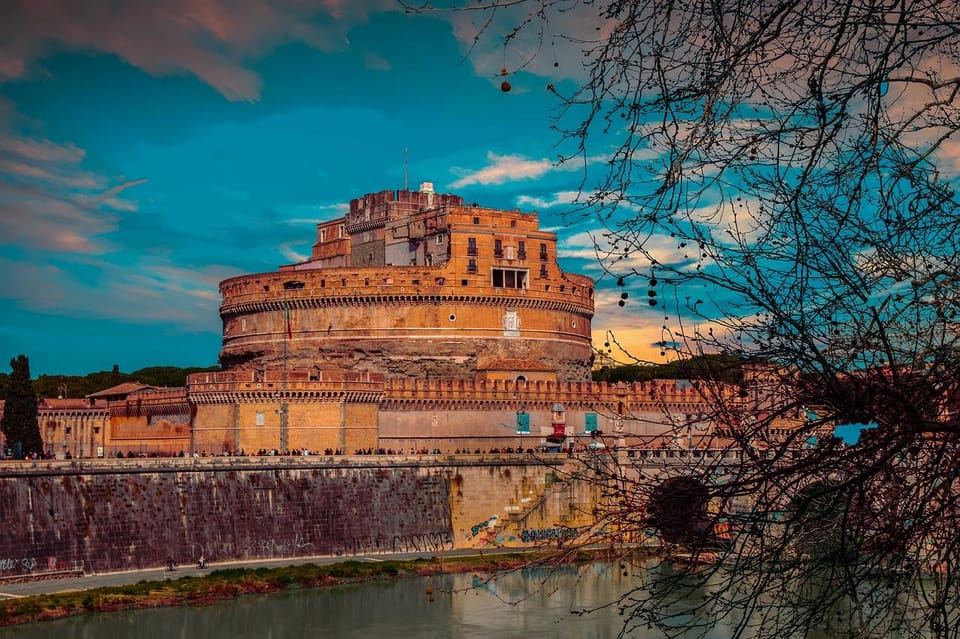
A fortress sounds like stone and swords. Castel Sant’Angelo still has plenty of that, but it also surprises you with the softer, more human details that belonged to powerful people.
The painted papal baths of Leo X and Clement VII are a standout because they show comfort and status inside a building that later served as a refuge and defensive structure. These rooms (and their art) help you remember a key point: history in Rome wasn’t only about big battles. It was also about daily life—powerful daily life, but daily life nonetheless.
The Renaissance frescoes also add texture to your visit. Even if you’re not an art expert, frescoes tend to reward patience. Take a few minutes per room rather than sprinting. You’ll get more out of the colors and compositions when you’re not treating it like a checklist.

Terrace Views Over Rome’s Tiber: Your Rome Moment
The terrace at Castel Sant’Angelo is a major reason people plan time for this stop. You’re getting a panoramic view over Rome, and the setting makes it feel earned after you’ve worked through the building’s floors and stories.
If you’re thinking strategically, this is where you should slow down. Don’t rush through the rooms right before you reach the top because you’ll want a minute to orient yourself: rooftops, streets, and that sense of Rome stretching beyond your feet.
If you’re taking photos, you’ll also appreciate that the terrace gives you space to step back and frame shots. It’s a good end point because it changes your focus from interior details to the city itself.
Prisoners, Defenses, and Why the Building Stayed Useful
Castel Sant’Angelo isn’t just a gorgeous structure. It has a darker résumé too. The experience includes stories about prisoners and their tragic fates within its walls. You don’t need to go looking for despair, but the information is part of the overall architecture-to-history connection.
When you see it paired with weapons and defensive transformation under the Papal State, it becomes easier to understand why the building kept getting reused. A mausoleum is already a heavy, secure structure. Once the Papal State needed a sanctuary and a stronghold, the design could support that new job.
The result is a visit with emotional range: imperial beginnings, Papal power, defense practicality, and the human cost threaded through the building’s later use. If you like historical context that doesn’t hide the hard parts, you’ll probably find it memorable.
Timing and Pace: How Long You Need and How to Plan
This ticket is listed as duration 1 day, but the real experience is “enter and take your time.” Because you’re self-guided, your pace matters more than a rigid schedule.
Here’s what I’d recommend based on how the building is set up:
- Plan enough time to move through multiple floors without rushing.
- Leave time to sit with the terrace views at the end.
- Don’t treat it like a quick stop on the way to something else. The building’s themes change as you go up and down.
Also, there are practical constraints. Pets aren’t allowed. Luggage or large bags aren’t allowed. Mobility scooters and electric wheelchairs are not allowed, and it’s not suitable for people with mobility impairments or wheelchair users. If you carry a backpack, keep it manageable; if you’re traveling with extra luggage, rethink how you’re moving around Rome for the day.
Price and Value: Is Reserved Entry at $38 Worth It?
For $38 per person, you’re buying three things: priority entry, a smoother start, and less time wasted at the entrance. That can be a great deal if you hate queues or if your schedule is tight.
But value depends on your day.
- If you’re arriving during busy periods or you want to protect your morning, fast-track entry usually pays off.
- If you’re flexible and you’re okay potentially waiting longer, paying less on the spot might feel tempting.
- If your plan depends on a specific handoff working smoothly, you should weigh that too.
A couple of negative experiences mentioned that a meeting guide didn’t show up as expected and that the overall service didn’t feel worth the extra cost compared to what they believed they could pay directly. That’s the risk side of reserved-entry value: when the handoff is smooth, the premium makes sense; when it isn’t, it feels like you paid extra for something you then had to fix yourself.
My practical take: this ticket is best when you treat it like a timed advantage. If you show up early, follow the meeting instructions, and keep contact info handy, it tends to feel like good value.
Who This Suits Best (and Who Should Skip It)
This works best for you if:
- You want a self-guided visit where you can control your pace.
- You care about the building’s layered story: Hadrian’s origins, Papal defense transformation, and prisoner-era context.
- You want terrace views without battling for entry.
You might want a different setup if:
- You’re expecting a guided narrative tour with a live guide leading you through the rooms. This option does not include a guided tour.
- You need accessibility support for mobility impairments or wheelchair use. It’s not suitable for those cases.
- You’re traveling with large bags or you rely on mobility scooters/electric wheelchairs.
If you’re the type who enjoys walking from room to room, reading what you want, and saving your energy for photos and views, this is a solid match.
Should You Book This Reserved Entry?
If you want a smoother arrival and you like exploring on your own, I’d say yes—with the one caveat that you should arrive on time and be ready for quick communication if the meeting handoff goes sideways.
Book this if:
- Your schedule is tight.
- You prefer self-paced touring.
- You want to prioritize terrace time and interior highlights like the papal baths of Leo X and Clement VII.
Skip it or consider alternatives if:
- You need a fully guided experience.
- You’re not comfortable with the meeting instructions and timing.
- Accessibility needs or baggage restrictions are a problem for your situation.
Done right, Castel Sant’Angelo with reserved entry is one of Rome’s best “efficient but meaningful” stops: you’ll get the architectural story, the art moments, and that Rome panorama without turning your morning into a waiting game.
FAQ
Where is the meeting point for this ticket?
Meet outside the main entrance on Lungotevere Castello. Your host will be holding an RVG sign, and you should arrive 15 minutes early.
Is this a guided tour?
No. This is self-guided. You get priority entry, but there’s no guided tour included.
How do you enter fast with this reserved entry?
You use the separate entrance for fast-track entry. The ticket includes reservation and administrative charges.
What time should I arrive?
Plan to arrive about 15 minutes before the activity start time. Late arrivals or no-shows won’t be accommodated.
How long can I spend inside?
It’s listed as a 1-day experience, and you can explore at your own pace once you enter.
Is Castel Sant’Angelo suitable for wheelchair users or people with mobility impairments?
No. It isn’t suitable for wheelchair users or people with mobility impairments, and mobility scooters and electric wheelchairs are not allowed.