REVIEW · LUNCH EXPERIENCES
Mazzano Romano: Cooking Lesson and Lunch in the Countryside
Book on GetYourGuide →Operated by Gray Line I Love Rome · Bookable on GetYourGuide
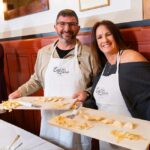
Learning pasta by hand beats another museum day. One hour from Rome, this cooking lesson and lunch sends you to the medieval village of Mazzano Romano for a practical, feel-like-a-local day in Lazio. I love the hands-on teaching style, and I also like that the group stays small (max 8), so you actually cook, ask questions, and share your table.
You start with a guided food hunt, then move straight into cooking your own appetizer, pasta/fir st course, main/second course, and dessert. One consideration: this is an active kitchen day, and it’s not suitable for everyone (for example, it’s listed as not suitable for pregnant women), so wear comfortable shoes and plan for lots of time standing.
In This Review
- Key Things to Know Before You Go
- Rome to the Countryside: Why This Day Trip Feels Different
- Mazzano Romano Village and the Welcome You Get on Arrival
- Market or Farm Pick-Up: Getting Serious About Ingredients
- Cooking a Full Italian Lunch: Appetizer, First Course, Second Course, Dessert
- What you’ll likely notice while you cook
- Eating Together in the Country: The Part That Makes It Stick
- Small Group Size and Transfers: Comfort Without Overplanning
- Price and Value: What You’re Really Paying For
- Who This Is Best For (and Who Should Skip It)
- Practical Tips That Make the Day Easier
- Should You Book This Cooking Lesson and Lunch?
- FAQ
- How long is the cooking lesson and lunch?
- How many people are in the group?
- Where do we meet in Rome?
- What’s included in the price?
- What languages are offered?
- What should I bring, and is it suitable for everyone?
Key Things to Know Before You Go
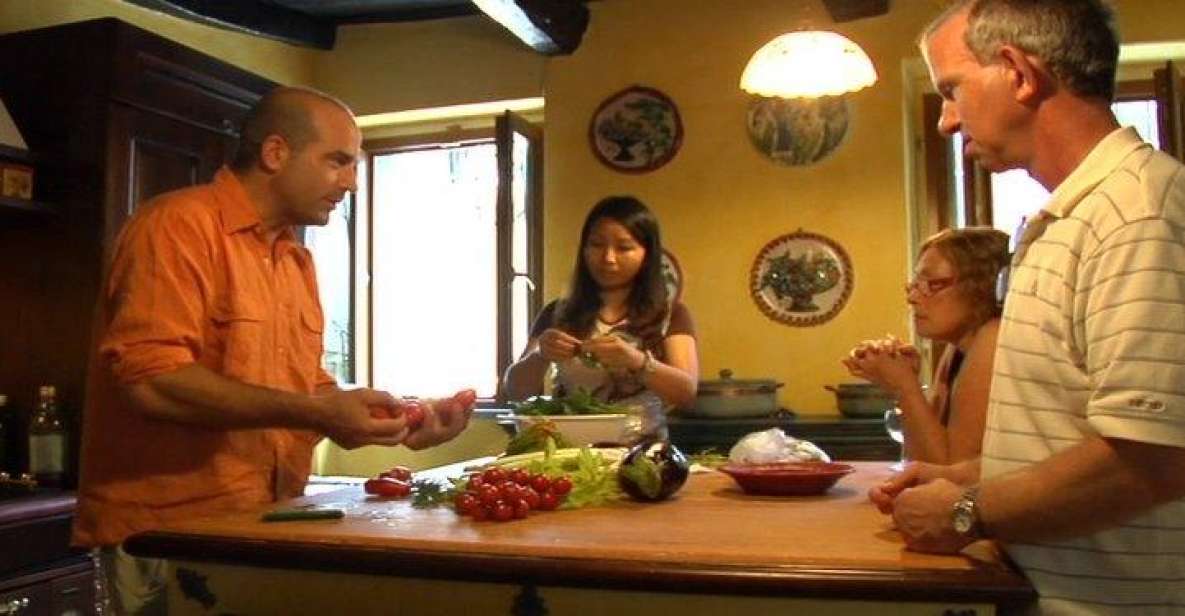
- Pick herbs and vegetables on the farm or shop together at a market before you cook
- Cook all 3 courses plus dessert, not just one dish
- Small group size (up to 8) makes the lesson personal and social
- You eat your meal at the end with beverages, in a countryside setting
- Hands-on teaching from real chefs, including names like Roberto, Roy, and assistants such as Tamara in past sessions
Rome to the Countryside: Why This Day Trip Feels Different
Rome is great, but there’s a point where your brain wants a break from stone, lines, and constantly looking up. This experience swaps that for a direct change of pace: you leave the city, you land in the village area of Mazzano Romano, and you spend the day focused on food. It’s the kind of outing that refreshes you fast because the activities are simple and purposeful.
The day runs for about 6 hours, with easy transfers to and from central Rome. You’ll meet at Via Ludovisi 60, near the entrance to the Ludovisi parking, and the activity ends back there. That matters because the “where do we go next?” stress stays low.
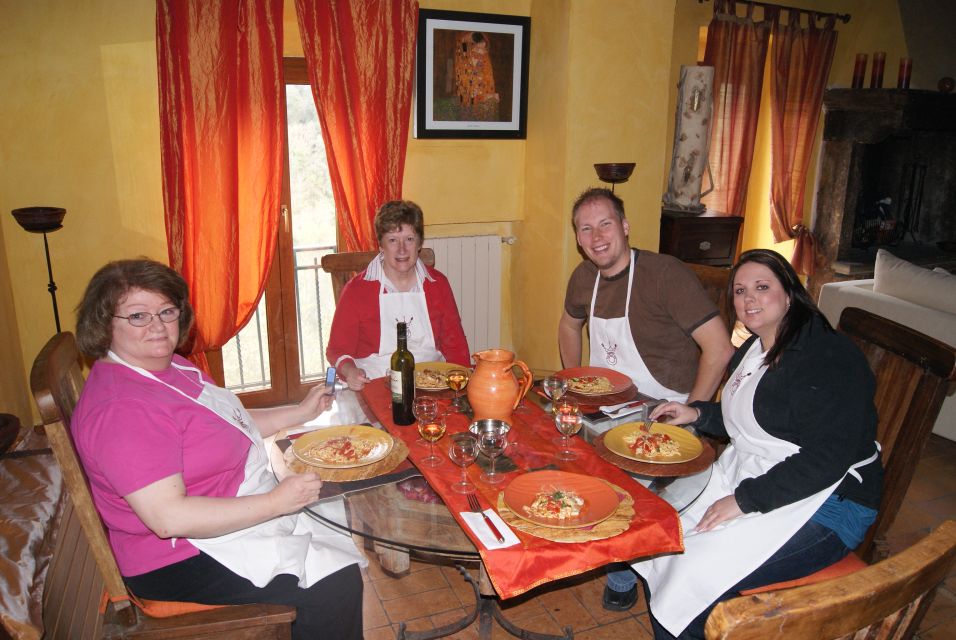
I also like that the experience is built for fun, not just technique. You’re learning Italian cooking in a real setting—then you sit down and eat what you made. That loop is satisfying in a way that feels different from watching a show.
You can also read our reviews of more tours and experiences in Rome

Mazzano Romano Village and the Welcome You Get on Arrival
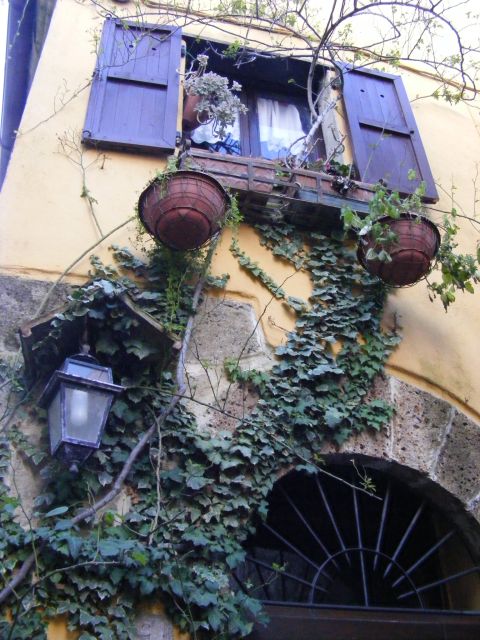
The tour begins with pickup from central Rome (your meeting point is Via Ludovisi 60). From there, you drive out toward the outskirts of Rome to Mazzano Romano, where you’ll meet your chef and tutor. This is the moment when the day shifts from travel mode to kitchen mode.
You’ll also feel how the group dynamic works right away. Since the class is limited to 8 people, it doesn’t turn into a crowded demo. You get chances to step in, repeat steps, and get feedback. It’s easier to remember instructions when you’re using them in real time.
One more practical note: this is countryside travel. You’ll want comfortable shoes, since the day includes time outside for the farm/market part, and then you’ll be moving around during cooking.
Market or Farm Pick-Up: Getting Serious About Ingredients
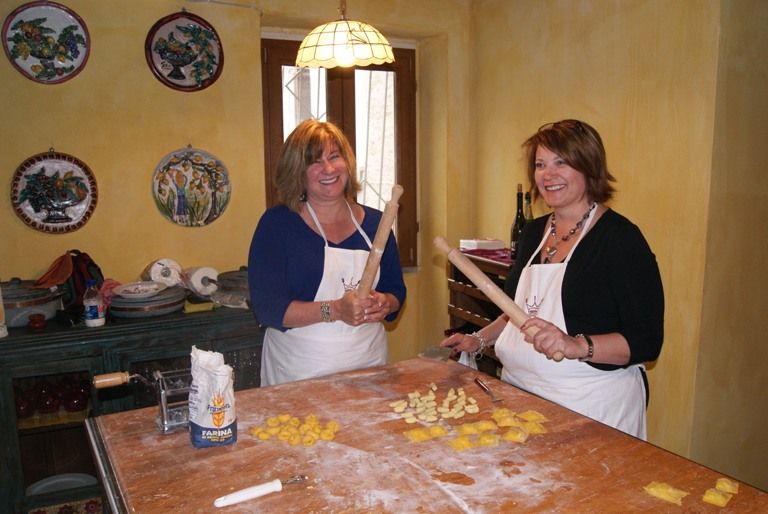
Before the stove gets hot, you’ll go after ingredients. Depending on the session, you’ll either visit a market or pick fresh vegetables and herbs at the farm. Either way, the point is the same: you’re not starting with random pantry items. You start with what’s fresh and available locally.
This is one of my favorite parts because it teaches you what Italians mean when they talk about ingredients. The lesson isn’t only about recipes. It’s about the flavors you build: herbs with perfume, produce with real character, and the way cheese and meats fit into the meal structure.
Market time tends to feel like a scavenger hunt with a goal. Farm time tends to feel more hands-on, like you’re gathering your own “ingredients story” for lunch. Since the tour includes this ingredient step as part of the experience, you’re not left to guess what to buy later—you see it first.
If you’re the type who likes to cook after a trip, this part pays off. You’ll know what to look for when you recreate the menu at home.
Cooking a Full Italian Lunch: Appetizer, First Course, Second Course, Dessert
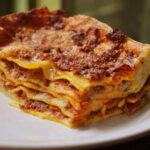
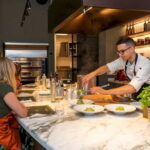
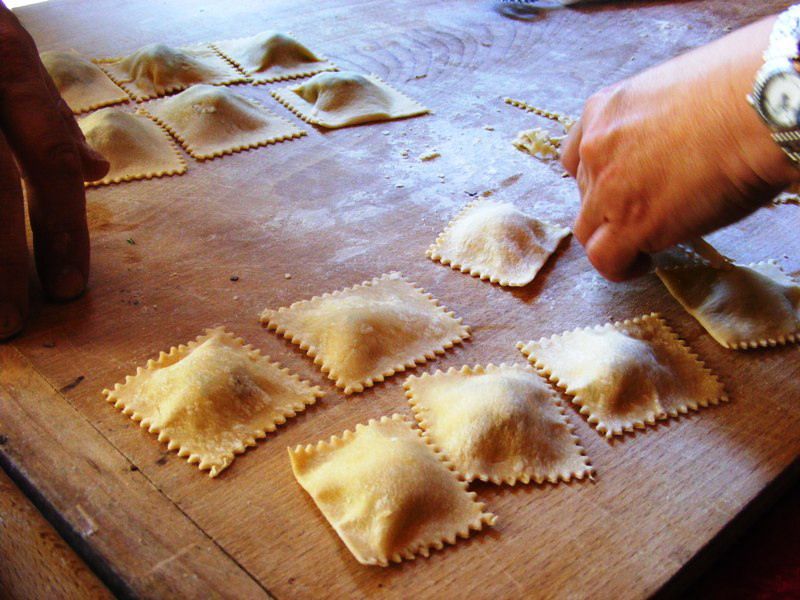
The core of the day is the 3-course Italian lunch plus dessert—and you cook through it. You’ll prepare appetizers, then move into the first course (often pasta-focused), then the second course, and finally finish with dessert.
What I like about this structure is that you learn how a full Italian meal is assembled. It’s not just one recipe with a garnish. You learn the rhythm: start with a lighter opener, build a satisfying main sequence, and close with something sweet that feels like it belongs at the table.
Also, you get instruction from chefs with real experience. In past sessions, names like Roberto, Roy, and assistants such as Tamara show up in feedback. That’s a clue that you’re likely to get teaching that balances technique with warmth—clear steps, but also a relaxed vibe so you don’t feel rushed.
What you’ll likely notice while you cook
- You’ll learn how to treat ingredients with respect: timing, freshness, and simple flavor builds
- You’ll get guided steps for multiple dishes, so your cooking skills grow during the day
- You’ll see how one kitchen approach carries through the menu (so you don’t feel like you’re learning five unrelated things)
One small “heads up” type consideration: because you’re making multiple dishes in one sitting, you should expect a full schedule. It’s not slow travel. You’ll be busy in the best way.
You can also read our reviews of more tours and experiences in Rome

Eating Together in the Country: The Part That Makes It Stick
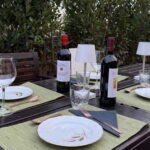
Then comes the best reward: you sit down to eat the meal you made. The description includes beverages, and wine is specifically mentioned when you raise a glass of Salute. This isn’t a separate restaurant meal where you just watch your food arrive. Your dishes land on the table at the end of the work.
I find meals like this stick in your memory longer because your hands are part of the story. When you taste what you just cooked, you understand the goal of each step. That’s why you can repeat the food later instead of just remembering a “nice experience.”
It also helps that the group stays small. Conversation is natural when everyone has something to share—ingredients you grabbed, steps you struggled with, or the moment your sauce finally came together.
Small Group Size and Transfers: Comfort Without Overplanning
The class caps at 8 participants, which is the sweet spot. You get enough social energy without losing the chance to ask for help. In a bigger group, some people hover and some people get pushed to the side. Here, the format is built for participation.
The transfers also reduce friction. You’re not dealing with trains, rental cars, or figuring out where to park. You meet in Rome, drive out, and return to the meeting point. That “door-to-door-ish” flow is a quiet value, especially if you’ve already spent a day walking around Rome.
One more practical reality: the format is active and food-focused, so it’s a great option if you want a break from sightseeing intensity. You’re still in Lazio, still doing something distinctly Italian. You’re just doing it with your hands and at a table.
Price and Value: What You’re Really Paying For
At about $245.83 per person (and 6 hours long), this isn’t a cheap activity. But it doesn’t feel overpriced when you break down what’s included.
You get:
- Cooking lesson for multiple dishes
- Lunch (you eat what you made)
- Beverages with the meal
- A market or farm visit before cooking
- Transfers to and from central Rome
So you’re paying for more than a recipe sheet. You’re paying for guided instruction, time with fresh ingredients, and a full, satisfying meal in a countryside setting. And the small group size adds value because teaching time and attention aren’t spread thin.
If you like hands-on experiences, this price is easier to swallow. If you want a quick photo stop and a casual stroll, you may feel like it’s too structured. But for cooks-in-training or people who want a true day in Italian food culture, it’s strong value.
Who This Is Best For (and Who Should Skip It)
This fits best when you:
- Like cooking and want to learn by doing
- Want a break from Rome’s pace while staying close enough for a one-day outing
- Enjoy small-group settings where you can talk and learn without feeling lost
- Want to bring home practical skills, not just photos
It may not be the right fit if you:
- Don’t want to stand and move around for several hours
- Need accessibility or flexibility that isn’t mentioned in the provided info
- Are in the category listed as not suitable (pregnancy is specifically noted)
If you travel with kids, note that past sessions have included families cooking together, with chefs and assistants handling the classroom energy. Still, because the course structure is active, it’s smart to judge it based on your child’s ability to participate comfortably.
Practical Tips That Make the Day Easier
A few small choices can make the difference between a smooth class and a stressful one.
- Wear comfortable shoes. The day includes time outside and lots of movement inside a kitchen space.
- Keep luggage minimal. Oversize luggage and large bags aren’t allowed.
- Leave pets at home. Pets are not allowed.
- Plan for a food-heavy day. You’ll likely eat more than you expect at the end, so come with an appetite.
- If you care about recreating the menu later, ask about getting recipes in whatever form the host provides. In past feedback, recipes have been shared by email, and one note suggested getting them sent promptly.
Also, since the host or greeter is listed as Spanish and English, you’ll get support in those languages. If you want extra clarity, ask questions early—especially during the ingredient and technique steps.
Should You Book This Cooking Lesson and Lunch?
I think this is a great booking if you want one day that feels genuinely Italian and practical. The recipe work is built around a complete lunch experience—three courses plus dessert—and you also get the ingredient step, either market shopping or farm picking. Add small-group teaching and easy transfers, and you’ve got a day that’s memorable without needing hours of planning.
Book it if:
- You want hands-on learning
- You like eating what you make
- You’d rather be cooking in Lazio than just sightseeing in Rome again
Skip it if:
- You prefer passive activities over active cooking
- You’re not able to participate in an active class format
- You’re trying to minimize time on your feet and in a kitchen setting
If you do book it, go in with a simple mindset: pay attention while you cook, taste everything, and ask one question you genuinely want answered. That’s how you turn a fun lunch into a skill you can use back home.
FAQ
How long is the cooking lesson and lunch?
The experience runs for about 6 hours.
How many people are in the group?
It’s a small group limited to 8 participants.
Where do we meet in Rome?
The meeting point is Via Ludovisi 60, next to the entrance to Ludovisi’s parking, and the activity ends back at the meeting point.
What’s included in the price?
You get the cooking lesson, lunch, beverages, and either a market visit or a farm visit for ingredients.
What languages are offered?
The host or greeter is listed as Spanish and English.
What should I bring, and is it suitable for everyone?
Bring comfortable shoes. Pets and oversize luggage are not allowed, and the activity is listed as not suitable for pregnant women.