REVIEW · COLOSSEUM, FORUM & PALATINE TOURS
Rome: Colosseum with Access to Arena Floor and Ancient Rome
Book on GetYourGuide →Operated by C.I.S. Tours. · Bookable on GetYourGuide
You don’t just look at the Colosseum. You walk in through the gladiator-style access and feel how it must have looked from the arena level. I love that the entry gives you that rare below-stand perspective, plus the site-hopping plan that strings together the Colosseum, Via Sacra, the Forum, and Palatine Hill in one visit. The other big win for me is the way you get to move at your own pace with an app audio guide.
Note-worthy: Karen Ibrahim was mentioned by one visitor as a patient, passionate guide at the start, which matches the overall vibe here: help getting you oriented, then self-paced listening.
My one caution is simple: this is still a timed, security-heavy big monument. If you’re hoping for a long, slow linger on the arena floor or you hate tech-based audio maps, plan for some friction at peak hours and make sure your phone setup is ready.
In This Review
- Key highlights you’ll feel fast
- Gladiator Entry: What makes this Colosseum experience different
- Meeting point at the Colosseo metro: how to find the right kiosk
- Security and timing: what can slow you down
- Walking in on the arena floor: your best photo spot is also your reality check
- First level inside the Colosseum: the seating layout clue
- The app audio guide: how to use it without getting frustrated
- Headphones matter here
- Via Sacra: turning ruins into a street you can walk
- Roman Forum and the Temple of Julius Caesar ruins: government made visible
- Palatine Hill: emperor homes and the sense of where Rome began
- How long is three hours, really? A smart time plan
- Price and value: why $28 can be a good deal here
- Who this tour suits best
- Should you book this Colosseum + Arena Floor + Forum + Palatine ticket?
- FAQ
- Where is the meeting point for this tour?
- How long is the experience?
- Is a guided tour included?
- What’s included in the ticket price?
- Do I need to bring headphones?
- Do I need to pass security at the Colosseum?
- What are the Roman Forum and Palatine opening hours?
- Who can participate, and what’s not allowed?
Key highlights you’ll feel fast
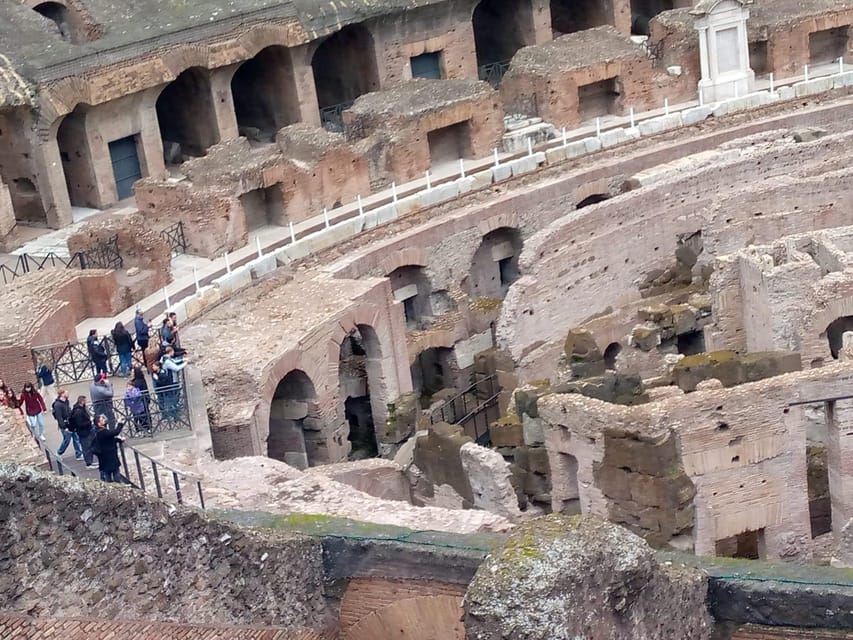
- Gladiator-style arena access that puts you on the Colosseum floor, not just in the stands
- First-level viewing that helps you understand the rigid seating layout Romans used
- Via Sacra stop where you can connect the street-level “where Romans lived their lives” feeling
- Roman Forum focus including the Temple of Julius Caesar ruins area
- Palatine Hill included for the emperor-home zone of Rome’s Seven Hills
- Small-group greeter support at the start so you’re not lost with tickets in hand
Gladiator Entry: What makes this Colosseum experience different
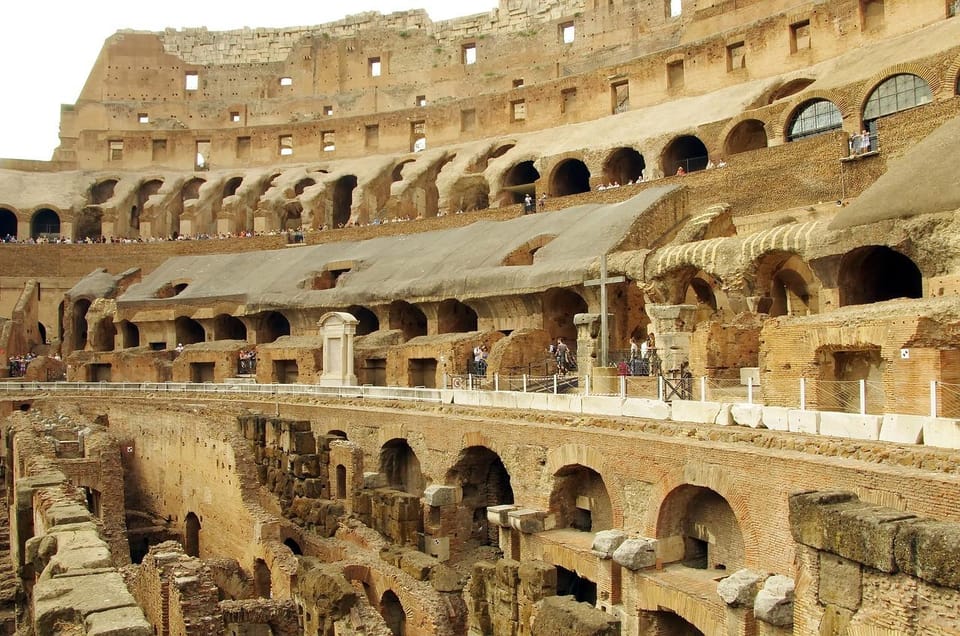
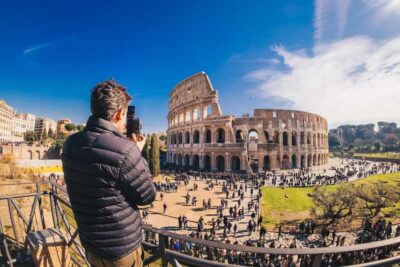
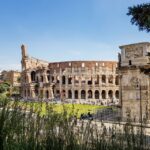
The Colosseum is famous enough that it can start to feel like a postcard. What changes everything here is the access. Instead of entering like most visitors, you enter in a way that mirrors the gladiators’ route, then you actually get to be in the arena space where the action happened.
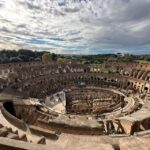
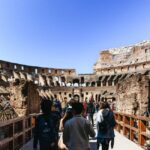
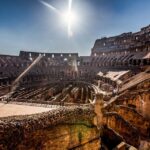
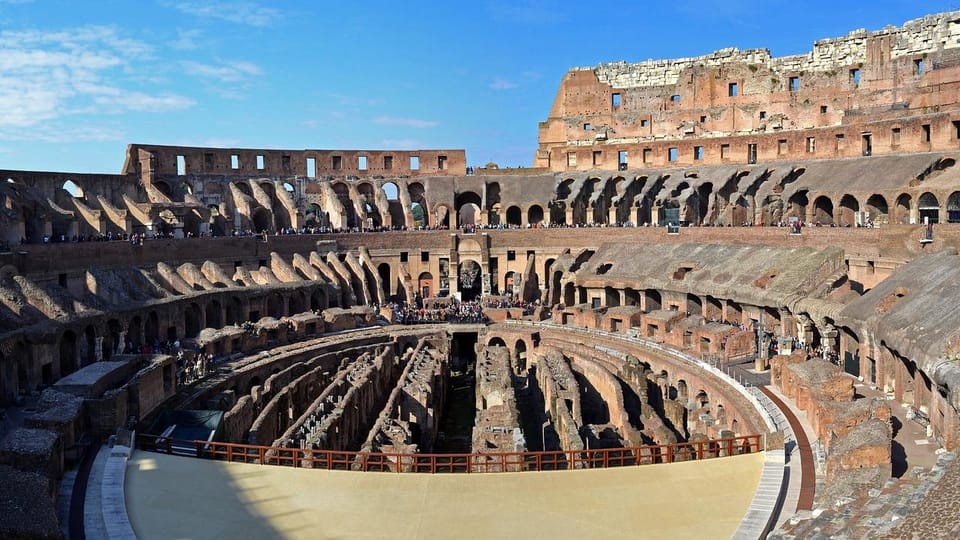
The first time you stand down in the Colosseum’s bowl, you see the structure as a machine. You can look up at the seating tiers and realize how controlled the sightlines are. That matters, because it’s one thing to read about Rome’s power, and another to stand where spectacle and hierarchy met.
I also like that you get a strong “from below” viewpoint before moving to the main interior levels. That sequencing helps you understand scale. You’ll see the stands around you and then move up to the first level, where the famous battles took place, and where the seating arrangement gives you a sense of how strict the society was.
You can also read our reviews of more tours and experiences in Rome.

Meeting point at the Colosseo metro: how to find the right kiosk
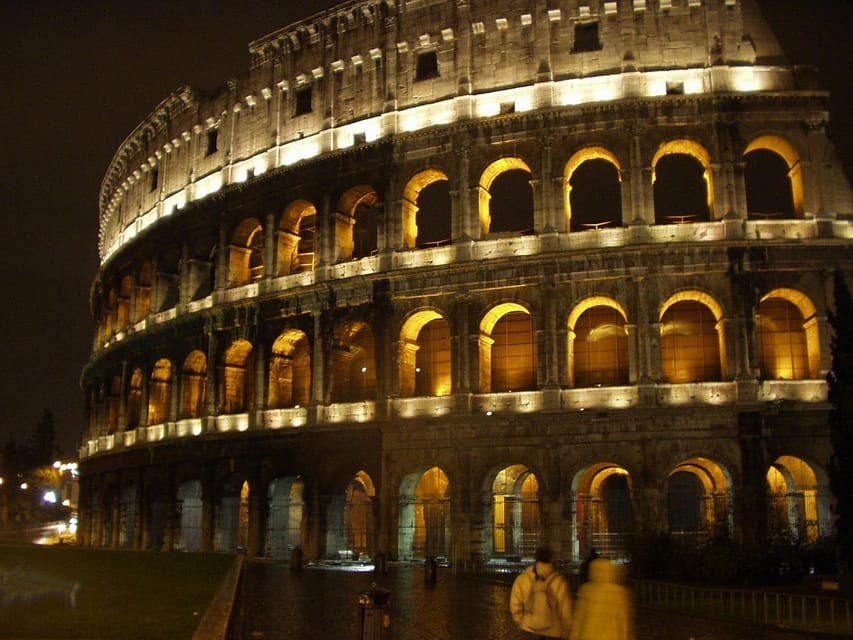
Your day starts at street level, in front of the Colosseo metro station. You meet on the lower floor of the station/ground floor area at street level, near a green kiosk. Look for staff holding the c.i.s tours sign.
This is one of those places where being 50 meters off can waste time you don’t really have. If it helps, I’d take a quick look at the station area before your time slot and aim to arrive a few minutes early, not late.
Once you meet the greeter, expect ticket help and directions on where to enter for the parts that are included. Even if you’re mostly doing the rest via audio, this first handoff is what sets the tone. Some visitors also reported free Wi‑Fi being used to send or upload their tickets and get the audio guide going.
Security and timing: what can slow you down
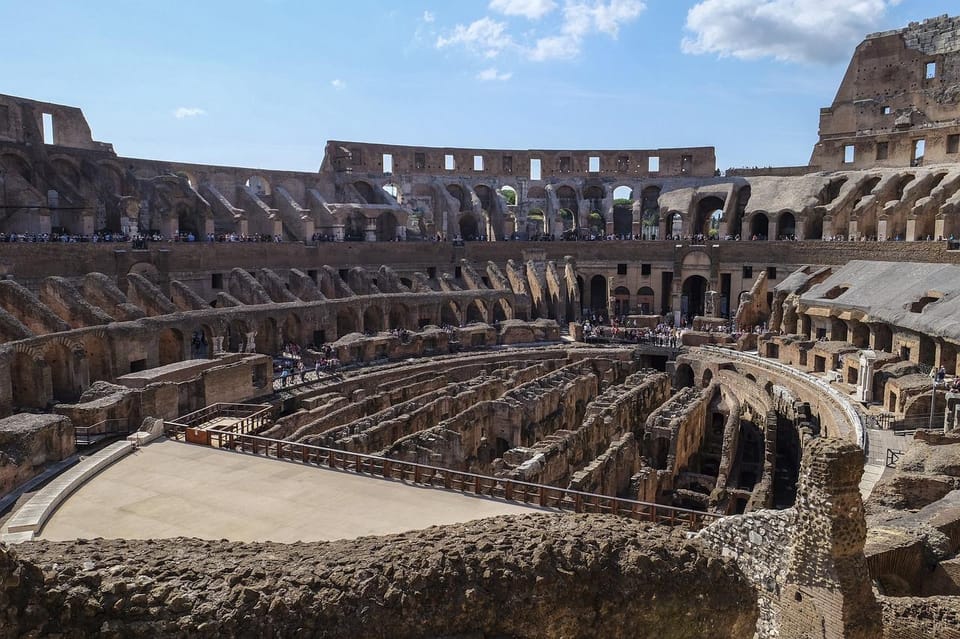
Plan for a metal detector security check at the Colosseum. When the venue is busy, there may be a waiting period as you go through security. This is normal, but it can feel extra stressful if you only have three hours and you really want the arena floor.
A practical strategy: decide early what matters most to you. If arena access is the priority, make that your first mission. If you linger too long at the edges of the site, you can end up racing later through the Forum or Palatine Hill.
Also, the monument operates with visiting-hour windows. The Roman Forum and Palatine Hill have seasonal opening times, so your day can shift depending on your calendar date. I’d check the specific window before you go so you don’t lose your last chunk of time.
Walking in on the arena floor: your best photo spot is also your reality check
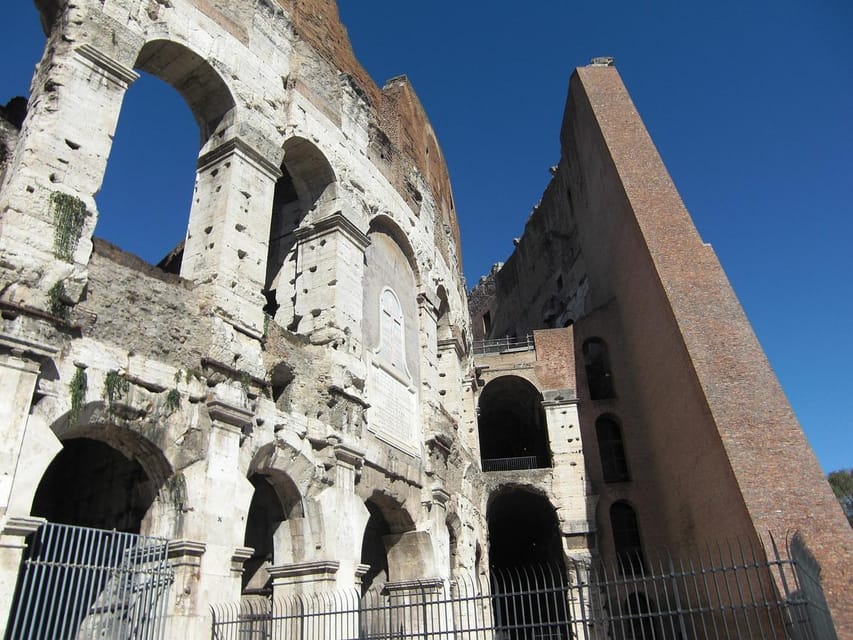
This is the highlight for a reason. With the included arena floor access, you go inside the Colosseum and experience the space at floor level. It can feel surreal at first because you’re standing where performances weren’t just staged, they were engineered for impact.
From the arena, you can grasp the relationship between the players and the tiers. The size isn’t just big in a vague way. It’s big in a very specific way: you can see how the audience wraps around, and you can imagine how the crowd pressure would have worked in real time.
Some visitors said the arena access was the best part, and I get it. If you’ve only ever seen the Colosseum from the rim, your brain fills in the rest. Here, you don’t have to guess.
First level inside the Colosseum: the seating layout clue
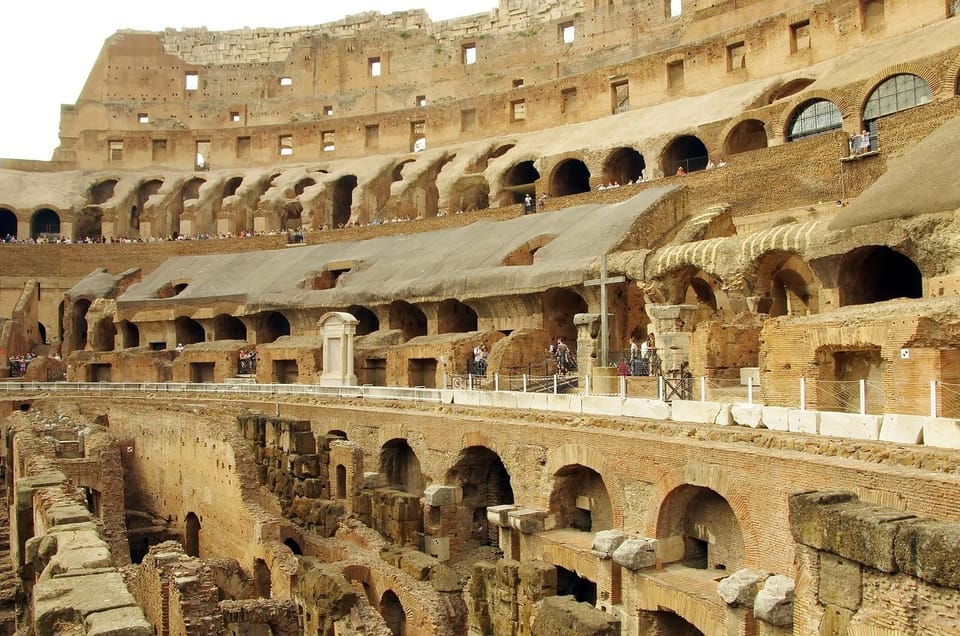
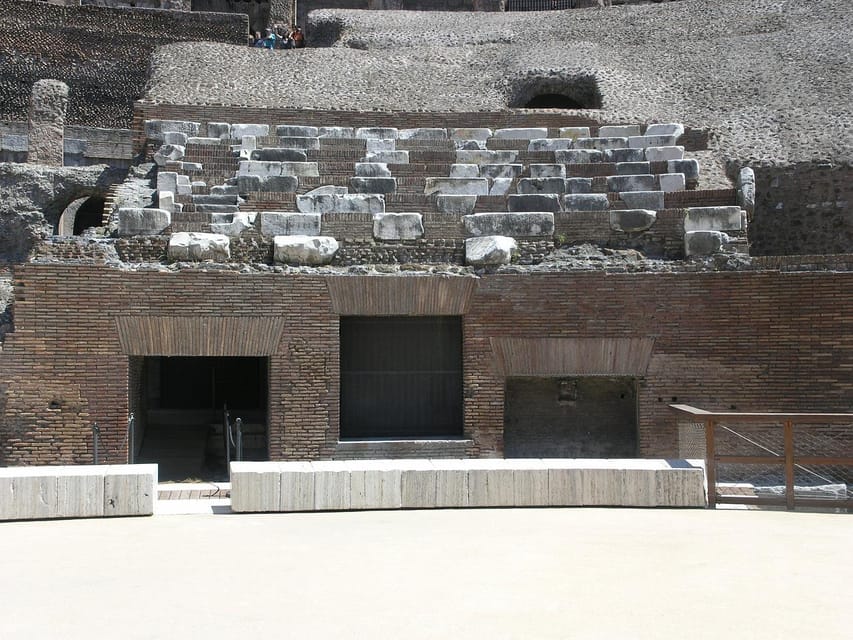
After the arena area, you move to the first level inside the Colosseum. This is where the experience starts to teach you. You’ll see the severe seating arrangement and get a better sense of how rigid the ancient Roman world was.
The key value here is comprehension. The Colosseum isn’t only architecture. It’s governance-by-design—who sat where, and what that ordering meant. Standing where spectators would have been helps you connect the physical layout to the social structure.
You’ll also have another great viewpoint of the structure itself. If you’re the type who likes to understand the “why” behind the “wow,” this level is a good place to pause and look slowly for a few minutes.

The app audio guide: how to use it without getting frustrated
The experience includes an app audio guide. What you’re hearing depends on your phone and your setup, so treat this like a mini tech project.
A few practical notes based on real-world feedback:
- You may need Wi‑Fi inside the Colosseum and Roman Forum for the map to work properly.
- The app can be confusing if the numbering and naming don’t match what you expect in the venue.
- Some people downloaded a free alternative app when they ran into trouble, and kept moving confidently.
To keep it smooth, get your phone ready before you enter. Download what you can ahead of time, bring your charging cable if you have one, and make sure your volume works.
Headphones matter here
Headphones are not included. You also must bring headphones for your telephone (your phone uses audio). This is the part people forget until they’re already standing at the site. Bring wired earbuds or a simple pair of headphones that works with your device.
If your phone audio is your only guide, then bad headphones are a bad day.
Via Sacra: turning ruins into a street you can walk
After the Colosseum, you’ll enter the Roman Forum area and stop on Via Sacra. This is a key moment because it changes the vibe from monument-viewing to city-strolling.
Via Sacra is where you can feel how people moved and where stories connect. You’ll learn how ancient citizens once lived, and you get the sense that Rome wasn’t just temples and arenas. It was streets, routines, and power walking right next to commerce.
If you like history that feels practical instead of abstract, this is where it lands. You can look down the route and imagine the daily rhythm and ceremonies that made the road matter.
Roman Forum and the Temple of Julius Caesar ruins: government made visible
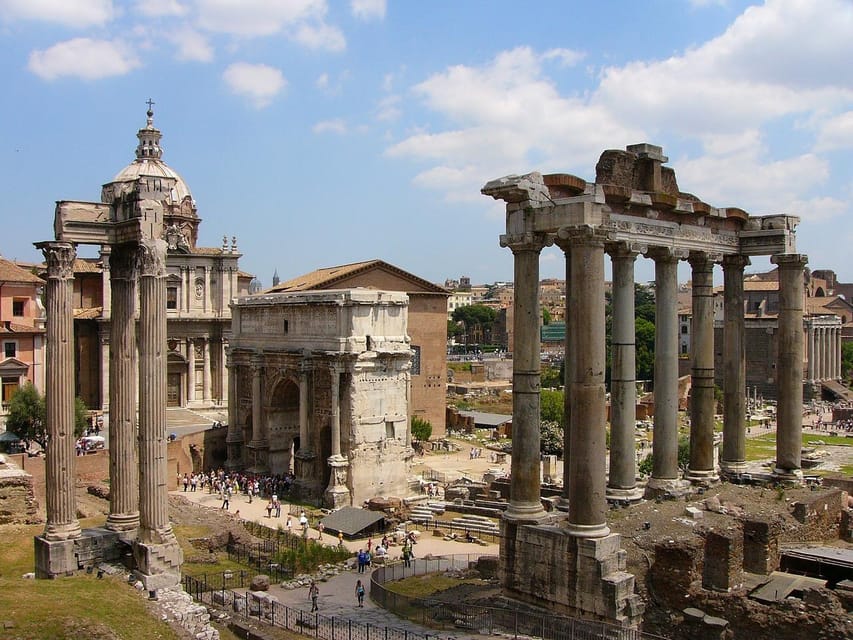
Next comes the Roman Forum, described as the center of Roman government and public life. This area can feel overwhelming at first because there’s a lot of stone and not always obvious “where to stand.”
That’s where the audio guide helps you keep your bearings. The stop at the Temple of Julius Caesar ruins area is a big anchor point. Standing near those remains gives you a clearer sense of what political influence looked like when it was physically built into the city.
One practical note: this part of Rome can be crowded, and the site is complex. If you want slow comprehension, give yourself extra time at the Forum zone. If you’re on a tight schedule, prioritize the places you most want to understand and keep an eye on your pace so Palatine Hill doesn’t get rushed.
Palatine Hill: emperor homes and the sense of where Rome began
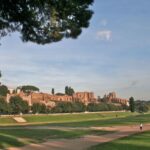
Palatine Hill is included, and it’s a major part of the Rome story. You’re visiting the most central of the Seven Hills—the area tied to where Rome was founded and home to important emperor residences.
This stop rewards curiosity. Even if you don’t know all the names, you can still sense the shift from “public spectacle” to “power and privacy.” You’re moving from arenas and civic spaces into the geography of rulers.
If you’re using audio, Palatine Hill can be a good place to listen while you walk. If signage is confusing in the moment, don’t freeze. Move with confidence, use the app map, and look for the most obvious paths within the hill area.
How long is three hours, really? A smart time plan
Three hours sounds tight when the sites are huge—and this experience includes more than just the Colosseum. Here’s how to make the timing work for you:
- If arena access is your top priority, focus on the Colosseum first, then shift to the Forum and Via Sacra.
- Don’t plan to fully “do everything” at the same intensity. You’re choosing moments.
- If your main goal is deep exploration, consider using this as your guided-start ticket and then returning later for a longer Forum or Palatine wander.
Some people planned to see Roman Forum and Palatine before their set start, which makes sense. With the included access, you have flexibility, but you still want to avoid stacking too much into one day.
If crowds spike, your best adjustment is pace, not panic. Keep moving to your next anchor point, then stop and listen when the location makes sense.
Price and value: why $28 can be a good deal here
At $28 per person with arena access, this is strong value compared with many options that either focus only on the Colosseum or charge extra for extended access.
What you’re paying for isn’t just entry. You’re getting:
- Colosseum access plus arena floor access
- Roman Forum access and Palatine Hill access
- An audio guide via app
- Taxes and fees included
The value gets even better if you’re the type who actually uses the audio guide and likes independent exploring. If you’re hoping for a full-on live guided tour through every site, this setup may feel more self-directed than you want. Some people expected more “guided” presence once inside, so if you crave constant human commentary, treat this as an access + audio experience, with a greeter helping at the start.
Who this tour suits best
This experience fits you if:
- You want the Colosseum experience to include the arena floor, not just the upper viewing levels
- You like wandering the Forum and Via Sacra on your own rhythm with audio support
- You prefer a small-group start, then a more independent pace
- You’re comfortable using a phone app and aren’t afraid of a few minutes of tech setup
It’s probably not a fit if:
- You need wheelchair access (this option is not suitable for wheelchair users)
- You strongly dislike using an audio app and don’t want your day tied to phone Wi‑Fi or maps
Should you book this Colosseum + Arena Floor + Forum + Palatine ticket?
Yes—if your heart is set on the Colosseum arena floor and you’re okay doing the rest with an app-based audio experience. The value is hard to ignore, especially with arena access plus Forum and Palatine included.
Before you buy, do two simple checks:
1) Make sure you can bring headphones and you have a working phone with audio.
2) Decide your priorities so three hours doesn’t turn into stress. Start with the arena, then enjoy the Forum and Palatine at a pace that feels right.
If you want the Colosseum to feel like a real place, not a photo stop, this is a smart way to make it happen.
FAQ
Where is the meeting point for this tour?
Meet in front of the Colosseo metro station at street level, near the green kiosk (lower floor of the station). Look for staff with the c.i.s tours sign.
How long is the experience?
The duration is 3 hours, with starting times based on availability.
Is a guided tour included?
No. What’s included is an app audio guide and site access, plus an English host/greeter at the start.
What’s included in the ticket price?
Included: Colosseum access, arena access, Roman Forum access, Palatine Hill access, and the app audio guide. Taxes and fees are included.
Do I need to bring headphones?
Yes. Headphones are not included, and you must bring headphones for your telephone.
Do I need to pass security at the Colosseum?
Yes. You must pass a metal detector security check, and if the venue is busy there may be a waiting period.
What are the Roman Forum and Palatine opening hours?
They vary by date:
- 1 Jan to 29 Feb: 09:00–16:30
- 1 Mar to 30 Mar: 09:00–17:30
- 31 Mar to 30 Sep: 09:00–19:15
- 1 Oct to 26 Oct: 09:00–18:30
- 27 Oct to 31 Dec: 09:00–16:30
Who can participate, and what’s not allowed?
You’ll need a passport or ID card. Pets are not allowed, and large bags/luggage and weapons/sharp objects are not allowed. Alcohol and drugs, sprays/aerosols, glass objects, and unaccompanied minors are also not allowed. Under 18s must be accompanied by a parent or accompanying adult.