REVIEW · COLOSSEUM, FORUM & PALATINE TOURS
Guided Tour of the Colosseum Palatine Hill and Roman Forum
Book on GetYourGuide →Operated by MDA Tours · Bookable on GetYourGuide
Rome is loud, even in ruins. This tour turns the Colosseum, Roman Forum, and Palatine Hill into a readable story. I like that you get guided time in all three major sites without wasting the day hopping around, and I really like the headset radios that keep the narration clear. One thing to keep in mind: the Colosseum and Forum both require security checks, so on busy days you may still wait a bit before you’re inside, even with the skip-the-line ticket process.
The big payoff is how the stops connect. You start with the spectacle of the Colosseum, then pivot to the politics of the Roman Forum, and finish at Palatine Hill for sweeping views tied to imperial life. And if you care about walking closer to gladiator drama, you can add Arena access or switch to a small-group format.
In This Review
- Key Points at a Glance
- Colosseum First: Walking the Arena Like You Mean It
- Roman Forum: The Politics of Everyday Life
- Palatine Hill: Views and the Imperial Power Upstairs
- Skip-the-Line Entry: Security Still Counts
- What You Pay (About $51): Value for Three Major Sites
- Tour Pace, Headsets, and How the Guide Impacts Everything
- Options That Add Extra Wow: Small Group and Arena Access
- Small group
- Arena access
- Where the Meeting Point Fits In (And Why It Can Vary)
- Who Should Book This Tour (and Who Might Skip It)
- Quick Prep Checklist Before You Go
- Should You Book This Colosseum, Forum, and Palatine Hill Tour?
- FAQ
- How long is the guided tour?
- What sites are included in the tour?
- Does the tour skip the ticket line?
- Is Arena access available?
- What is included in the price?
- What languages are available for the live guide?
- Where does the tour start and end?
- What should I bring for entry?
- Is the tour suitable for wheelchairs or mobility impairments?
Key Points at a Glance
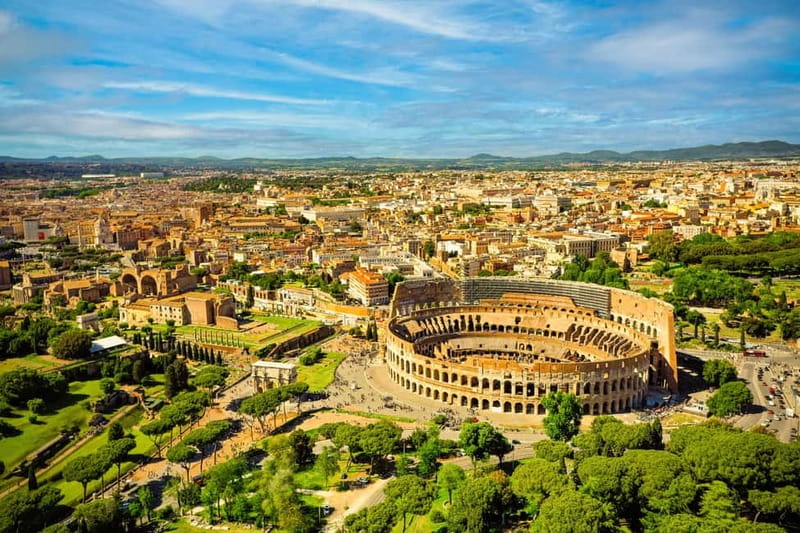
- Three icons, one tight route: Colosseum, Palatine Hill, and Roman Forum in about 2.5–3 hours
- Clear audio with radios: headset and radios help you hear the guide throughout
- Guide storytelling matters: named guides like Maximillio and Elena show up in the experience, with at least one archaeologist background mentioned
- Skip the ticket line: you avoid the worst of entry lines, but security can still slow things down
- Real options for a VIP feel: small-group and Arena access upgrades are available
- Rain or shine: the tour runs in all weather, with timing adjusted on hot summer days
Colosseum First: Walking the Arena Like You Mean It
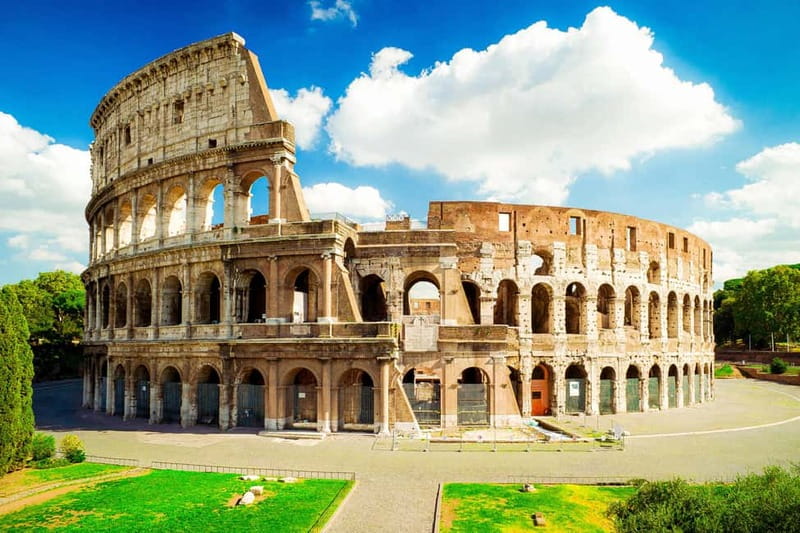
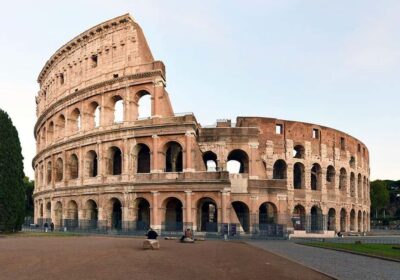
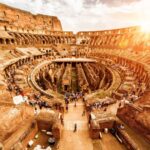
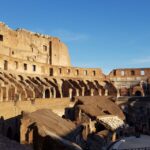
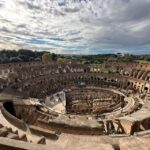
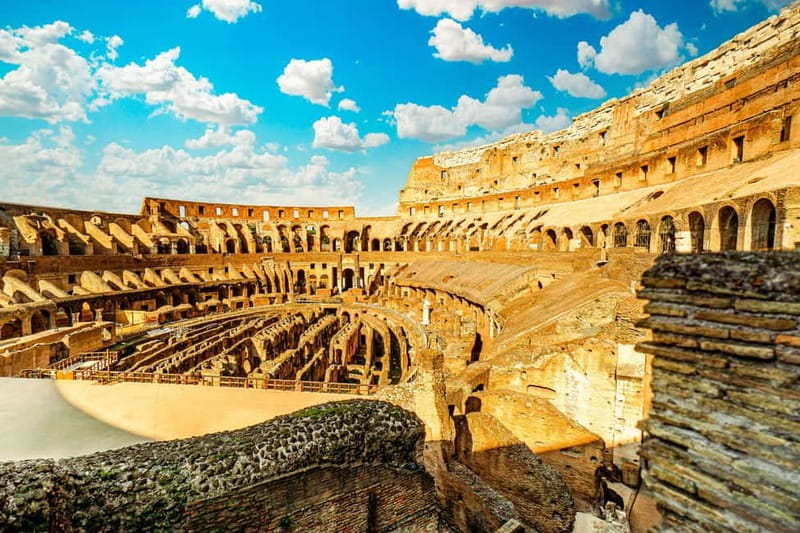
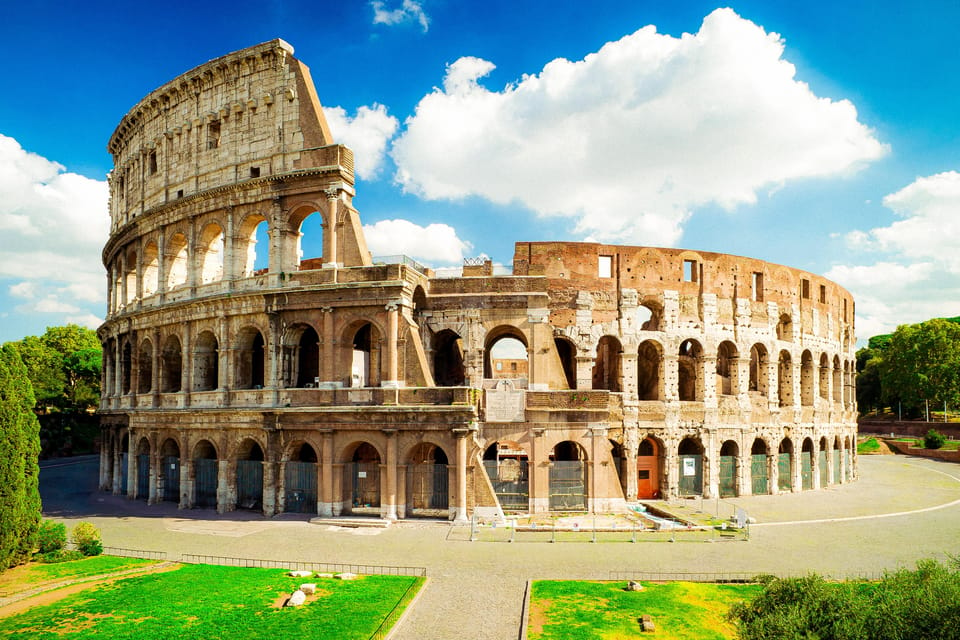
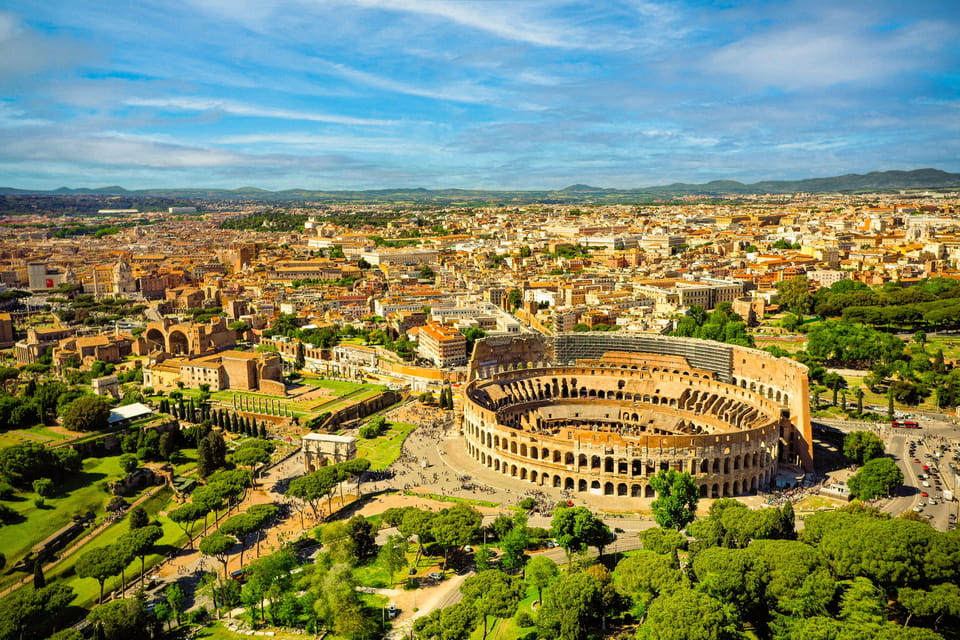
The tour starts at the Colosseum, the world’s largest ancient amphitheatre. This is where you’ll feel the scale fast. Even before you’re fully inside the Arena area, you’re surrounded by the bones of the building’s original power.
The guided portion is about an hour, and the focus is on what happened there: gladiators battling for glory, emperors showing off authority, and crowds turning everything into public theatre. That storytelling is the whole point. Without a guide, you can still admire the architecture, but you may not understand what you’re looking at or why certain parts matter.
If you choose the Arena access option, you add the chance to walk in the spot where gladiators fought for their lives. The difference is not subtle. The Colosseum stops being a photo stop and starts feeling like a place people stood, waited, and feared.
Practical note: the order of the visits can vary due to internal arrangements at the Colosseum. That’s normal at a site with heavy traffic and controlled entry.
You can also read our reviews of more guided tours in Rome

Roman Forum: The Politics of Everyday Life
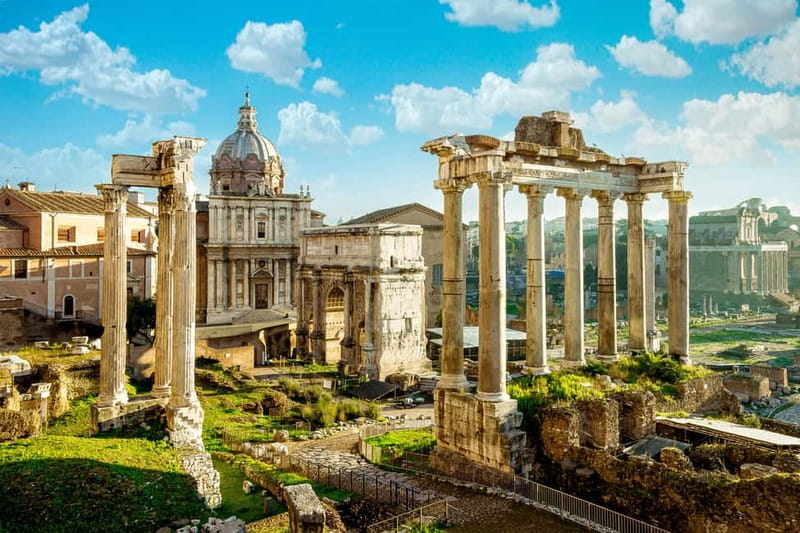
Next comes the Roman Forum, where ancient Rome’s politics, commerce, and daily routines collided in one crowded zone. The tour time here is about 45 minutes, which is short, but long enough to get the big picture if the guide is good at steering you.
This stop works best when you treat it like a timeline. The guide helps you connect the dots: speeches, decisions, and the public face of power that shaped the empire. If you’ve ever wondered how a “government center” looks in the real world, the Forum is the answer, in stone.
One possible drawback: 45 minutes goes quickly across a large, uneven area of ruins. If you’re the type who likes to linger and sketch every detail, you may want a slower follow-up visit later on your own.
Palatine Hill: Views and the Imperial Power Upstairs
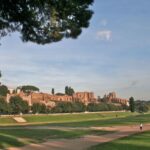
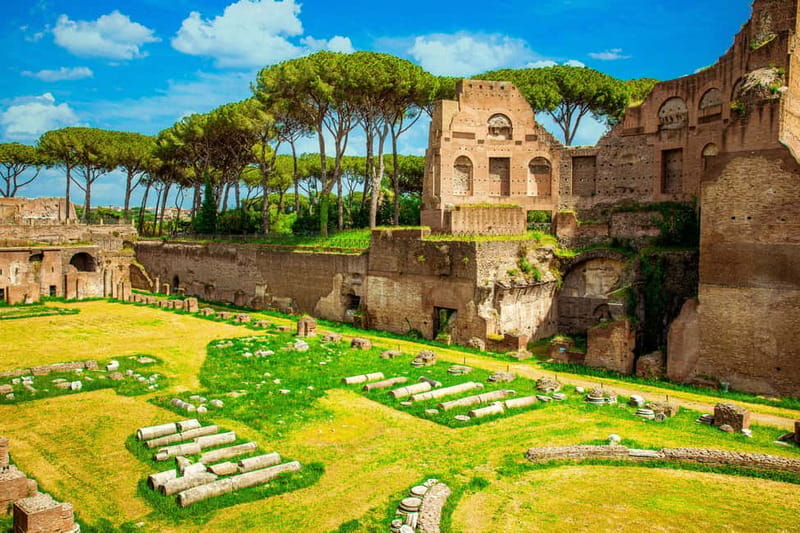
Palatine Hill is the birthplace of Rome and also the place where emperors and elite Romans built luxurious lives. The tour includes about 45 minutes here, and the main mood shifts from civic action to status and view-lines.
You’ll get panoramic views of Rome from the hill, which is exactly what you want after the dense ruins of the Forum. This area helps you “see” what the ancient city looked like in layers. You understand why controlling heights mattered, and why people built where they could watch the city.
The guide’s job here is to connect the scenery to the story. The talk moves from what happened in the public spaces to why the powerful cared about privilege, proximity, and visibility.
Skip-the-Line Entry: Security Still Counts
This tour includes skip-the ticket line access, plus entry and guided visits at the Colosseum (and Arena if you pick that option), Roman Forum, and Palatine Hill. You also get headset and radios, which help you keep up even if the group gets delayed.
Here’s the real-world factor: all guests go through security checks before entering the Colosseum and Roman Forum. During high season, waiting times for security can be longer than usual. So plan your day with a little breathing room, especially if you have dinner reservations or a tight transfer.
Weather is handled with a simple rule: the tour runs rain or shine. That means good shoes matter even if the forecast looks friendly.
What You Pay (About $51): Value for Three Major Sites
The price is listed at $51.24 per person, for a guided circuit that covers three of Rome’s biggest draws. On paper, that may look almost too neat for the amount of ground you cover.
What you’re really paying for is time and interpretation:
- Guided entry and guided time at the Colosseum, Palatine Hill, and Roman Forum
- Skip-the-line ticket processing
- Headsets and radios so you don’t lose the narration
- The guide’s ability to turn stone ruins into clear cause-and-effect stories
You’re also buying convenience. The Colosseum alone can chew up a morning. Adding the Forum and Palatine Hill with a single plan saves you from stitching together your own route while also figuring out which parts to care about first.
Food and drinks are not included, so budget for a quick break after the tour. Comfortable shoes are a must, because you’re walking on uneven surfaces across multiple sites.

Tour Pace, Headsets, and How the Guide Impacts Everything
This tour is built around a tight rhythm: about 2.5–3 hours total. In July and August, the duration is slightly shorter, lasting 2 hours, to make it more comfortable in peak heat.
The headset and radios are a real quality-of-life upgrade. Rome sites can be noisy, windy, and crowded, and that means you don’t just want a guide, you want a guide you can actually hear. The experience feedback specifically highlights clear microphones and guides who keep things audible and organized.
You’ll also notice a pattern in the best guided moments: guides who slow down where the eye needs time, and who guide you to better photo spots rather than just rushing forward. Named guides like Maximillio and Elena are mentioned in the experience details, and one guide with an archaeologist background (including on-site digs) is referenced as adding extra depth. That kind of background matters, because it tends to show up as context you can use on your own later.
Options That Add Extra Wow: Small Group and Arena Access
You have two upgrade paths, and they change the feel of the day.
Small group
The small-group option is ideal if you hate feeling herded. You’ll likely get easier pacing, more room to ask questions, and fewer bottlenecks around the guide.
Arena access
The Arena access option is for people who want the Colosseum to feel physical. If you’re going because of gladiators and the raw theatre of combat, walking in the Arena area is the moment.
If you’re unsure which upgrade to choose, match it to your motivation. If you want a more relaxed conversation with the guide, pick small-group. If you want the most dramatic change of scenery, pick Arena access.
Where the Meeting Point Fits In (And Why It Can Vary)
The starting location can vary depending on the option booked. One of the listed meeting points is Largo Gaetana Agnesi, Via della Polveriera, 8. The tour ends back at the meeting point.
Because it’s a controlled-entry site, you should arrive a few minutes early. Not because you’re likely to miss the start, but because you’ll want a quick moment to get oriented before security lines and group clustering.
Who Should Book This Tour (and Who Might Skip It)
This tour suits you if you want a structured way to see three major landmarks and you care about understanding what you’re looking at. It’s also a solid choice for first-time Rome visitors who want the “big hits” covered efficiently.
It’s not suitable for people with mobility impairments, and it’s not suitable for wheelchair users. The sites involve uneven terrain and stairs, and the provided restrictions list rules out electric wheelchairs.
It also has a clear policy style: no pets, no weapons or sharp objects, no oversize luggage, and no alcohol and drugs. You also can’t bring sprays or aerosols, glass objects, or luggage or large bags. Unaccompanied minors aren’t allowed. If that’s you, plan accordingly so you don’t get turned away at security.
Quick Prep Checklist Before You Go
You’ll need passport or ID card, and the Colosseum booking requires the names used at checkout. Double-check spelling before you finalize. Bring a valid photo ID because entry isn’t something they’ll guess about.
For comfort: wear shoes that can handle rocky, uneven ground. Bring something light for water, and plan to use the site’s shade when you find it, especially in summer.
Should You Book This Colosseum, Forum, and Palatine Hill Tour?
Yes, if you want the highest value way to cover three top Roman sites in a single guided plan. The combo of skip-the-line ticket access, headset radios, and an expert narrative focus is exactly what makes the difference between seeing ruins and understanding Rome.
Pick the Arena access upgrade if gladiators are your theme. Pick small-group if you want a calmer pace and more interaction. Skip this tour only if mobility limits make the terrain a problem, or if you strongly prefer going at your own pace with no structured timing.
If you’re balancing cost, remember what you’re getting: multiple site entries, guided time at each, and clear audio throughout. For many people, that’s the most practical way to turn a crowded historic area into a day that actually feels manageable.
FAQ
How long is the guided tour?
The tour lasts about 2.5 to 3 hours. In July and August, it’s slightly shorter at 2 hours for comfort in hotter weather.
What sites are included in the tour?
You visit the Colosseum, Palatine Hill, and the Roman Forum, with guided time at each.
Does the tour skip the ticket line?
Yes, it includes skip-the-ticket-line access. You will still go through security checks at the sites.
Is Arena access available?
Yes. You can select an option that includes Colosseum Arena entry.
What is included in the price?
The tour includes entry and guided tour of the Colosseum, entry to the Arena if you choose that option, entry and guided tour of Palatine Hill and the Roman Forum, and headset/radio equipment.
What languages are available for the live guide?
Live guides are available in Italian, English, German, Spanish, and French.
Where does the tour start and end?
The starting meeting point may vary depending on the option booked. One listed meeting area is Largo Gaetana Agnesi, Via della Polveriera, 8, and the tour ends back at the meeting point.
What should I bring for entry?
Bring a passport or ID card. Names are required for Colosseum bookings, so check the spelling you enter at checkout.
Is the tour suitable for wheelchairs or mobility impairments?
No. It is not suitable for people with mobility impairments and it is not suitable for wheelchair users.