REVIEW · CITY TOURS
Rome: Discover the Eternal City Center Walking Tour
Book on GetYourGuide →Operated by Roman Vacations · Bookable on GetYourGuide
Five stops, then Rome hits you. This Rome city-center walking tour is built for seeing the big classics up close, moving street by street on cobblestones with an English-speaking guide who keeps the story clear. I especially like two things: the Trevi Fountain coin toss built right into the route, and the way the guide (like James on one departure) answers questions and shares practical tips as you go. One consideration: the walking is real, and the tour isn’t suitable for wheelchair users.
You’ll start in the heart of the action and glide through a mix of monuments and ancient stops, from the Vittoriano’s massive presence to the Pantheon area and the Spanish Steps. A small treat is included too: authentic Italian gelato or coffee, which helps break up the sightseeing rhythm without slowing the tour down. At $53 for about 2.5 hours, it’s a good value if you want an efficient first look at Rome’s center with someone who knows how to connect the dots.
In This Review
- Key highlights worth planning for
- Foro Traiano meeting point and the first walk into the center
- Piazza Venezia and the Vittoriano: the Unification Monument you can see from miles away
- Largo di Torre Argentina: standing near the Julius Caesar assassination site
- Piazza Navona and Bernini’s Fountain of the Four Rivers
- Pantheon-area stop: ancient temples and Rome’s layered religious life
- Trevi Fountain: the coin toss moment with guided timing
- Piazza di Spagna and the Spanish Steps: from Keats and Shelley to fashion
- How the route feels in real life (2.5 hours, tight pacing)
- Price and value: what $53 really buys you
- Who should book, and who should skip
- Should you book Rome: Discover the Eternal City Center Walking Tour?
- FAQ
- What is the duration of the Rome city center walking tour?
- How much does the tour cost?
- Where do I meet the guide?
- What language is the tour in?
- What’s included in the price?
- What should I bring or wear for the walk?
- Is the tour wheelchair accessible?
Key highlights worth planning for
- Trevi Fountain coin toss on a guided timeline so you don’t just show up and wander
- Vittoriano to Largo di Torre Argentina: big national monument, then an assassination site
- Piazza Navona with Bernini’s Fountain of the Four Rivers in the same walkable loop
- Pantheon stop with context for what you’re actually standing in front of
- Spanish Steps explained beyond the photos (writers like Keats and Shelley to fashion shopping)
- Gelato or coffee included to keep energy up during the cobblestone grind
Foro Traiano meeting point and the first walk into the center

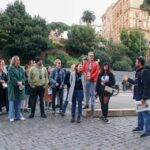
The tour starts at Foro Traiano, 84, and that matters because you’ll begin in the center of Rome rather than being dropped at some far-off edge. Check in about 10 minutes early and look for an orange Roman Vacations sign with a lion. Your greeter will be standing by the fence on the north side of the column, in front of the cafe.
This is the kind of start that helps you get oriented fast. Instead of spending your first hour figuring out where you are, you move right into the sights and let the guide set the pace. Do bring your “walking Rome” kit: comfortable shoes, water, sunscreen, and a hat (plus an umbrella if the forecast looks uncertain), because the route is outdoors and covers a lot of ground.
You can also read our reviews of more walking tours in Rome


Piazza Venezia and the Vittoriano: the Unification Monument you can see from miles away
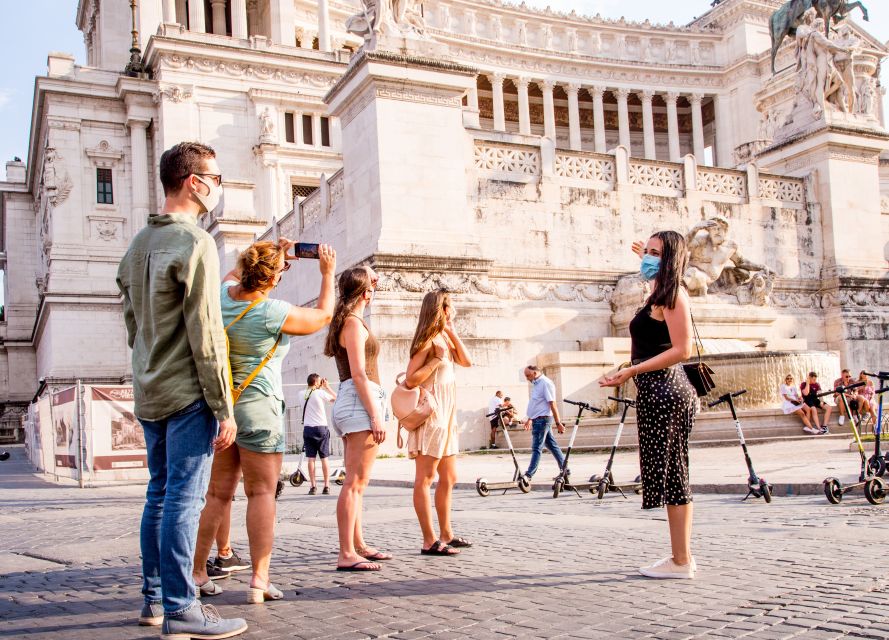
After meeting up, the tour heads to Piazza Venezia, where the Vittorio Emmanuel II Monument becomes your early centerpiece. You’ll get a guided stop here for around 20 minutes, which is enough time to actually absorb the scale instead of just snapping a photo and moving on.
What I like about starting with this monument is that it gives you a modern anchor before the ancient stops begin. The Vittoriano memorializes the Unification of Italy, so the guide can frame what you’re seeing in terms of national identity, not just stone and angles. It also helps you calibrate your sense of distance—later, when you’re in narrower streets and smaller squares, you’ll feel how Rome changes as you move.
Largo di Torre Argentina: standing near the Julius Caesar assassination site
Next up is Largo di Torre Argentina, another 20-minute guided stop. This is where history becomes very specific: the area is known for the assassination of Julius Caesar. In a walking tour, that kind of pinpoint story matters because it makes the landscape feel purposeful instead of generic.
You’ll likely notice how the city feels different here, too. The guide’s job is to connect what you can see around you to what happened at this site, and that’s the difference between reading about Rome and experiencing Rome in motion. If you like big turning points in history—political shocks, not just buildings—this stop is one of the strongest moments on the route.
Piazza Navona and Bernini’s Fountain of the Four Rivers
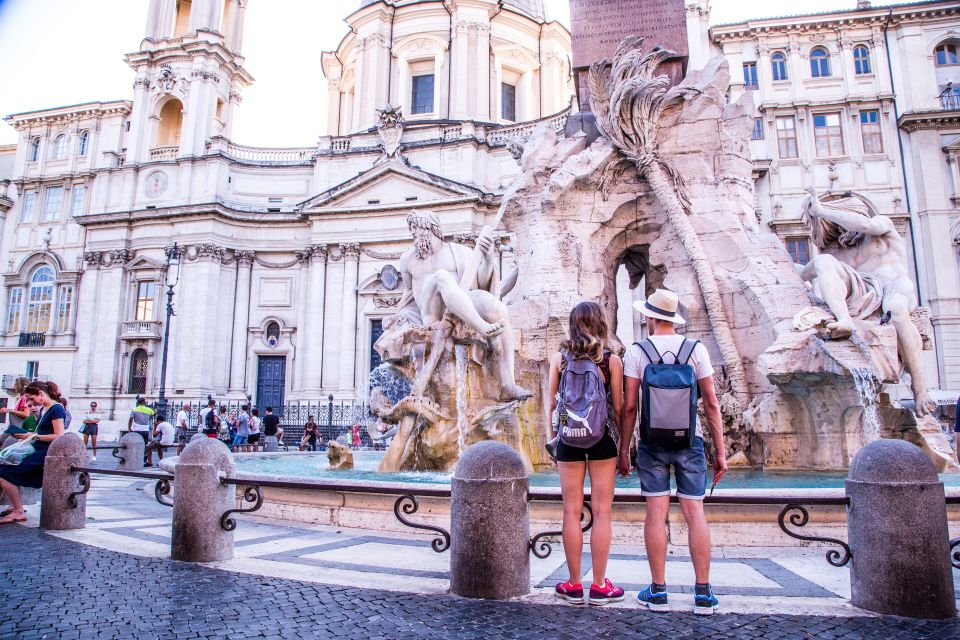
From Largo di Torre Argentina, you move onward toward Piazza Navona, which the tour describes as part stadium legacy, part living public square. Your guided time there is about 20 minutes, and it’s worth paying attention to how the space functions: people stroll, street artists work, and the sights aren’t arranged like a museum.
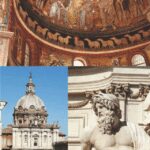
Your guide also brings you to the Fountain of the Four Rivers and gives it the attention it deserves. This is Bernini’s famous fountain, and it’s a great stop for a reason beyond photos. You can actually watch the square happen around it—locals passing through, tourists pausing, and performers drawing you in—so you get both architecture and street-level Rome in the same breath.
The tour also cues you to look for key landmarks around Piazza Navona, including a Papal Palace and a stunning church. That helps you read the square as a whole, not just as a single attraction. If you want a Rome highlight that feels lively without requiring tickets or complicated logistics, this part of the walk does that well.
Pantheon-area stop: ancient temples and Rome’s layered religious life
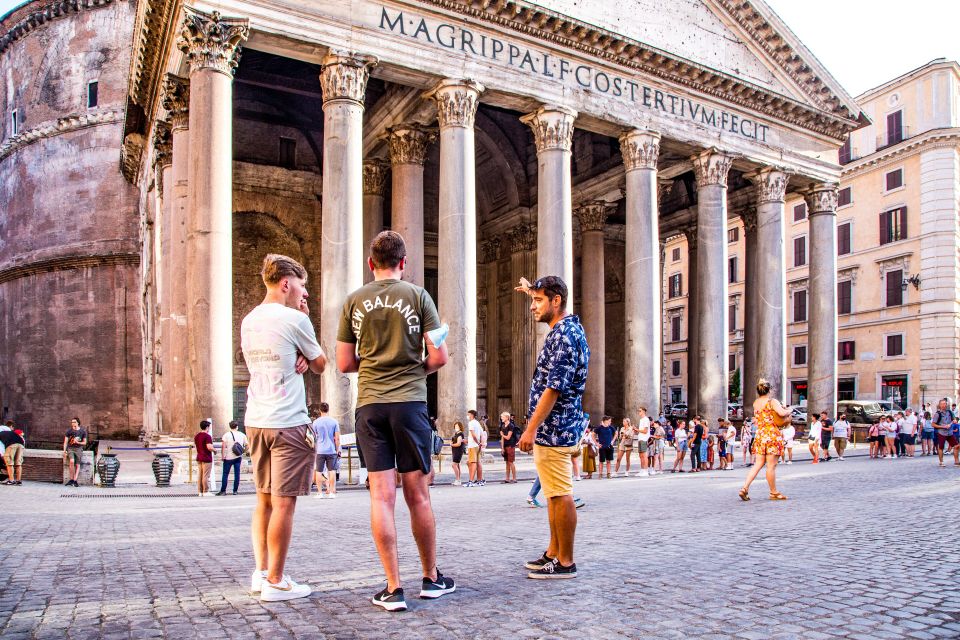
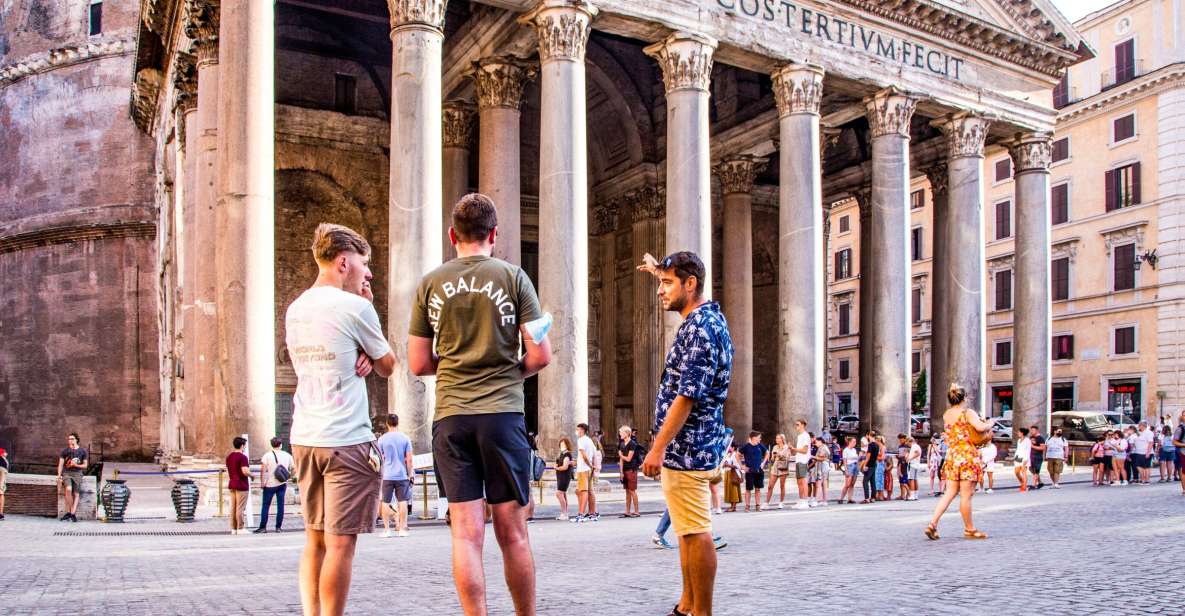
One of the most famous names in the center is the Pantheon, and your tour includes a guided visit here for about 20 minutes. The tour frames it as one of the original temples to ancient Romans’ many gods, which is a useful way to interpret what you’re seeing. Even if you already know the name, that reminder helps you look with the right historical lens.
From the Pantheon, you’ll continue through narrow cobblestone streets and pass by another ancient temple before reaching the next big photo stop. The guide’s explanations are what turn this stretch from “pretty streets” into “Rome in layers.” You’re not just walking past old walls—you’re moving along a timeline.
One practical note: this segment can feel tight and busy. Take your time when the group stops to listen, and keep an eye on where you place your feet on the uneven stones. Good shoes don’t make the cobbles disappear, but they do make the walking part enjoyable instead of exhausting.
You can also read our reviews of more city tours in Rome






Trevi Fountain: the coin toss moment with guided timing
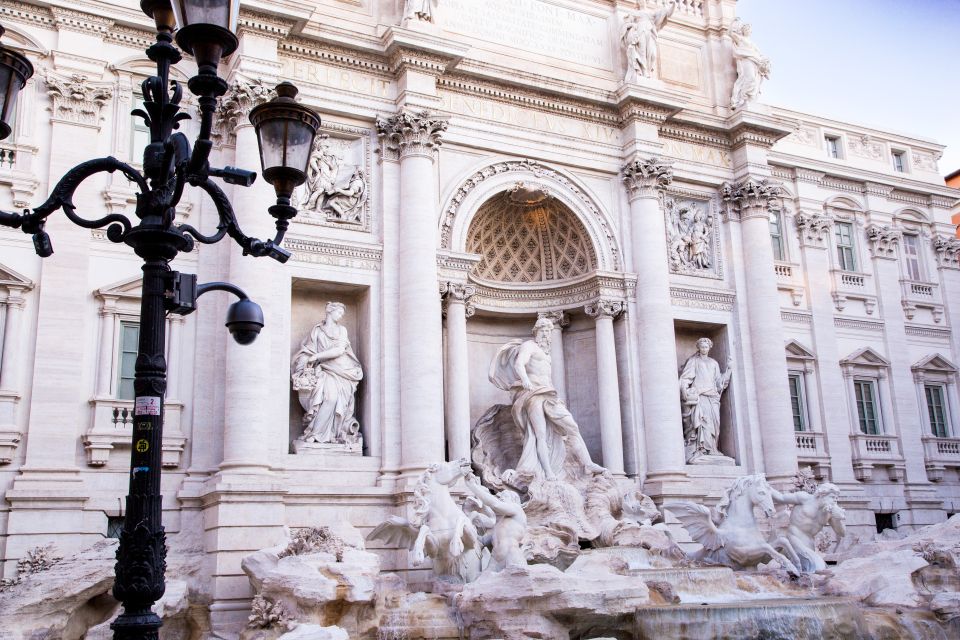
Then comes Trevi Fountain, the stop almost everyone wants to see. Your guided time here is about 15 minutes, which works well because it’s long enough to absorb the scene and do the classic ritual. You’ll toss a coin as part of the experience, guided in a way that keeps you moving instead of circling endlessly.
I like this format: the tour doesn’t treat Trevi as a stand-alone stop. By the time you arrive, you’ve already visited the Pantheon and an ancient temple nearby, so the fountain lands in context. It feels like part of the same city story—monumental, ornate, and central to how Rome presents itself.
If you’re the type who gets overwhelmed by crowds, shorter guided time can be a blessing. It keeps you focused on what you came to see and lets the guide handle the group rhythm while you enjoy the moment.
Piazza di Spagna and the Spanish Steps: from Keats and Shelley to fashion
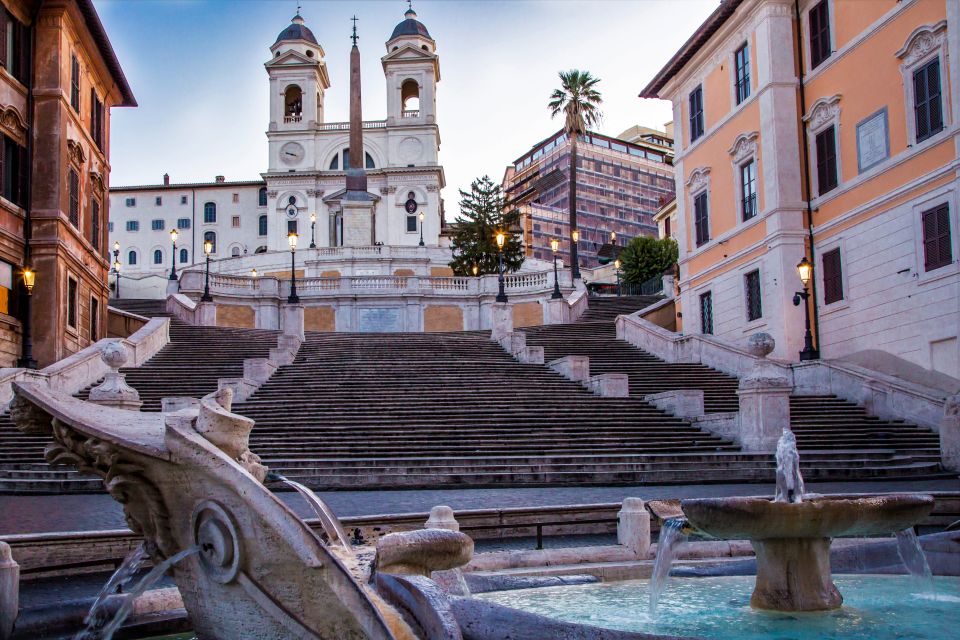
To close out the historic center loop, the tour reaches Piazza di Spagna for about 20 minutes, including time for the Spanish Steps. The guide explains how this area shifted over time—from being associated with famous British writers like Keats and Shelley to its current reputation as a high-end fashion shopping district.
That kind of cultural timeline is exactly why I enjoy walking tours in Rome. You’re not just looking at a landmark; you’re hearing how the neighborhood changed and what kinds of people it attracted. It also helps you understand why the Spanish Steps still feel like a meeting point, not just a backdrop.
By the time you reach the steps, you’ve walked through monuments, ancient sites, and major fountains. Ending here feels logical because it’s visually distinct and easy to read from multiple angles. You’ll likely spend a few minutes looking around and noticing how the neighborhood’s energy differs from the earlier squares.
How the route feels in real life (2.5 hours, tight pacing)
This is a 2.5-hour walking tour, and it’s paced like a city-center sampler. That means you won’t get stuck in any single location for too long, but you also won’t feel rushed through everything. Each stop gets guided time—typically around 20 minutes at the larger anchors and less at places like Trevi—so you get a balance of story and sightseeing.
You should plan for real walking on uneven, old streets. Bring water, and use the guide’s breaks to reset. Also, dress with church stops in mind: if you’re visiting in warmer months, a cover is recommended for bare shoulders inside churches. In colder months, wear layers and dress warmly, since you’ll be outside for the full tour.
Weather isn’t a deal-breaker here either. The tour proceeds in all weather conditions, so your best move is to be prepared, not surprised.
Price and value: what $53 really buys you
At $53 per person, the big value point is that you’re paying for a focused guided route through central Rome, not just time near famous landmarks. You get an expert local guide, plus an included treat: authentic Italian gelato or coffee. In practice, that can offset the minor food costs that add up quickly when you’re sightseeing.
What’s not included matters too. Transportation to and from the meeting point is on you, and you’ll need to budget for additional food and drink beyond the gelato or coffee. If you’re already planning to navigate Rome by foot or transit, the tour price can feel fair because the guidance saves time and helps you see more of the center efficiently.
Think of it as buying clarity. For first-time Rome visits, an organized walking loop like this often beats trying to “wing it” across multiple famous spots. You get a logical path and explanations that help the city make sense sooner.
Who should book, and who should skip
This tour is a strong fit if you want a practical introduction to Rome’s center. It’s especially good for people who like iconic sights tied to stories—things like the Caesar assassination site, the unification monument, and the Pantheon area—rather than random photo stops.
It also works well if you appreciate local guidance that includes small, helpful extras. The tour includes gelato or coffee, and guides (including one named James on a past departure) can be quick to answer questions and provide tips while you walk.
Skip it if you need wheelchair access. It’s specifically listed as not suitable for wheelchair users, and the cobblestone walking is part of what makes the route feel authentic.
Should you book Rome: Discover the Eternal City Center Walking Tour?
Yes, I’d book it if you want an efficient, guided look at the Roman center without spending your time planning the route. The stop selection is smart—Vittoriano, Largo di Torre Argentina, Piazza Navona with Bernini’s Fountain of the Four Rivers, the Pantheon area, Trevi, and finally Piazza di Spagna. That combination hits the major “wow” moments and also connects them with clear explanations.
Book it especially if you care about how the places fit together. This isn’t just a checklist; it’s a guided walk that helps you read the city: monumental Rome, ancient Rome, and everyday street life all in one loop. If you’re someone who can handle 2.5 hours of walking and you’re ready for cobblestones, it’s a solid value at $53.
FAQ
What is the duration of the Rome city center walking tour?
The tour runs for about 2.5 hours.
How much does the tour cost?
The price is $53 per person.
Where do I meet the guide?
Meet at Foro Traiano, 84. Look for the orange Roman Vacations sign with a lion, near the fence on the north side of the column in front of the cafe.
What language is the tour in?
The tour is conducted in English.
What’s included in the price?
Included are an expert local guide and authentic Italian gelato or coffee.
What should I bring or wear for the walk?
Wear comfortable walking shoes. The tour recommends bottled water, sunscreen, a hat, and an umbrella. If visiting in warmer months, bring a cover for bare shoulders inside churches.
Is the tour wheelchair accessible?
No. The tour is listed as not suitable for wheelchair users.