REVIEW · COOKING CLASSES
Rome: Cooking Class with a Master Neapolitan Pizzaiolo
Book on GetYourGuide →Operated by ELISA'S TOUR · Bookable on GetYourGuide
Fresh dough, wood-fire heat, and real technique. This Rome cooking class is a hands-on way to learn Neapolitan pizza basics in a cozy pizzeria right in the city center. I like that the instruction is practical and friendly, and you’re not stuck watching from the sidelines.
What I really enjoy is getting to knead and stretch dough yourself, then bake your pizza in a traditional wood-fired oven. You also get to sit down with your work and enjoy it with a glass of local wine or craft beer.
One consideration: the session is only 1 hour, so it’s not the place to linger or try to make multiple pizzas. Plan to eat well after, since additional food and drinks are not included.
In This Review
- Key highlights worth your attention
- Where the Experience Starts: Meeting Point and Fast Entry
- Your Neapolitan Chef and the Teaching Style That Clicks
- Kneading and Stretching Dough: The Skill Part You’ll Actually Remember
- Building Your Pizza: Fresh Ingredients and Ingredient-First Thinking
- Wood-Fired Oven Baking: Where It Smells Like Real Pizza
- The History and Traditions Piece (and Why It’s Not Just Background)
- Social Time in a Cozy Central Pizzeria
- Price and Value: Is $52 Worth It for One Hour?
- Who This Class Fits Best in Your Rome Plan
- A Few Practical Tips Before You Go
- Should You Book This Rome Pizza Class?
- FAQ
- How long is the pizza cooking class?
- Where do I meet for the experience?
- Is there a way to skip the line?
- What languages is the instruction available in?
- Is the experience wheelchair accessible?
- Is vegetarian pizza available?
- What should I wear?
- What’s included with the pizza?
Key highlights worth your attention
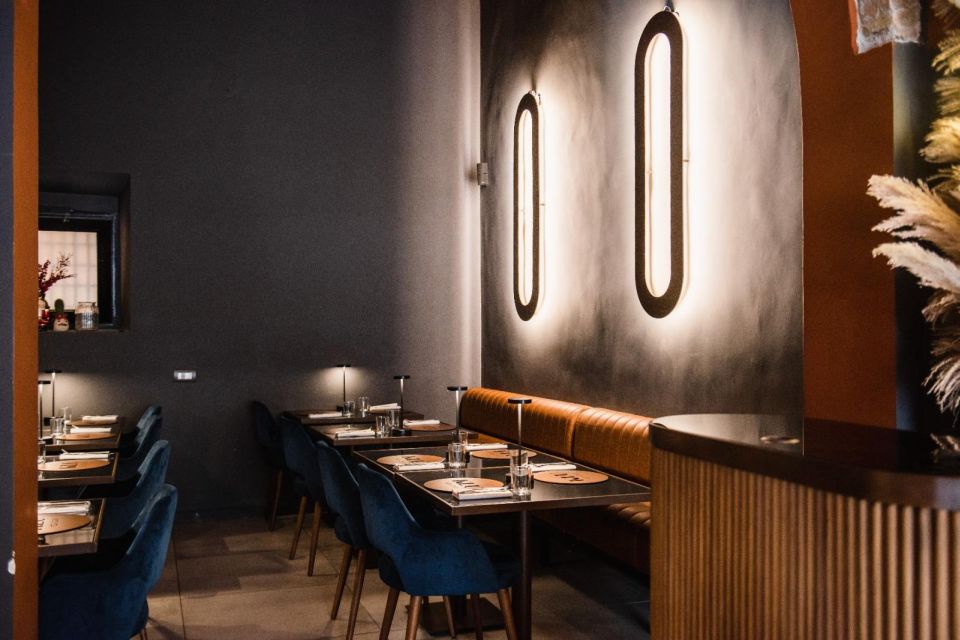
- Hands-on kneading and dough stretching with professional equipment
- Wood-fired oven baking for that classic finish
- Fresh ingredient choices guided by an English- and Italian-speaking instructor
- History and traditions of Italian pizza woven into the lesson
- One included drink: local wine or a craft beer
- A cozy, central Rome pizzeria vibe that makes it easy to chat with others
Where the Experience Starts: Meeting Point and Fast Entry
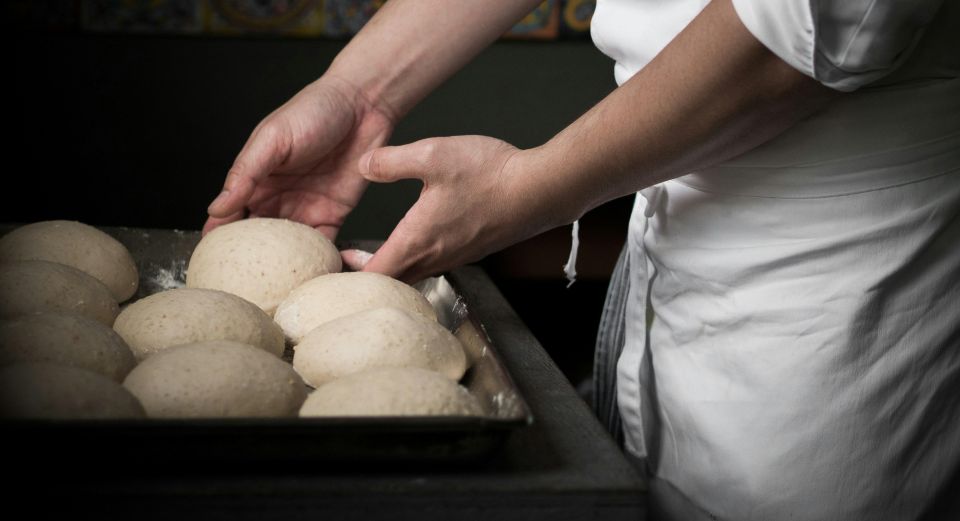
This class begins in front of the pizzeria. You’ll be welcomed by the Neapolitan chef there, which helps set the tone immediately—casual, busy, and very food-focused.
You should arrive about 15 minutes early so you can settle in without rushing. It also helps you get oriented before the group gets started.
A smart perk: you can skip the line using a separate entrance. That’s genuinely helpful in Rome, where you can lose time just getting through doors, especially when a space is small or popular.
You can also read our reviews of more cooking classes in Rome

Your Neapolitan Chef and the Teaching Style That Clicks
The instructor speaks English and Italian, so you won’t feel stuck even if your Italian is basic. The format is designed for doing, not just listening—kneading, stretching, building, and then baking.
From what comes through in feedback, the staff are friendly and well instructed. You’ll also notice a “calm, easy-going” vibe, which matters when you’re learning something that looks simple but has a few tricky steps (especially stretching dough without tearing it).
If you’re bringing kids or you want the class to feel relaxed rather than intense, this kind of instruction style is a big part of why people recommend it.
Kneading and Stretching Dough: The Skill Part You’ll Actually Remember
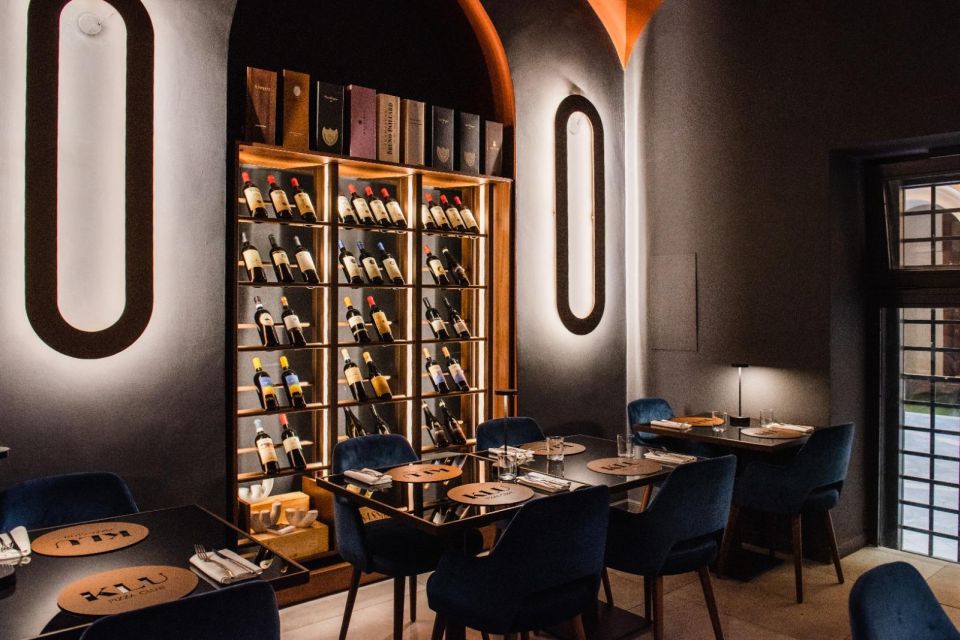
This is the core of the experience: you’ll make pizza dough work under your hands. Expect to knead the soft, fragrant dough, then move on to stretching it with precision.
Why this part matters: most pizza in restaurants feels effortless. Here, you learn what “effortless” is built on—gentle handling, correct dough texture, and the rhythm of working it without overthinking.
You’ll also be supported with guidance on ingredient use. The class includes a selection of fresh, high-quality ingredients, and you’ll use them to build your own pizza. That means you’re not just tasting—you’re making choices that affect the final result.
Vegetarian options are available, and you should notify the provider in advance if that’s what you want. This is worth doing early so the kitchen can plan properly.
Building Your Pizza: Fresh Ingredients and Ingredient-First Thinking
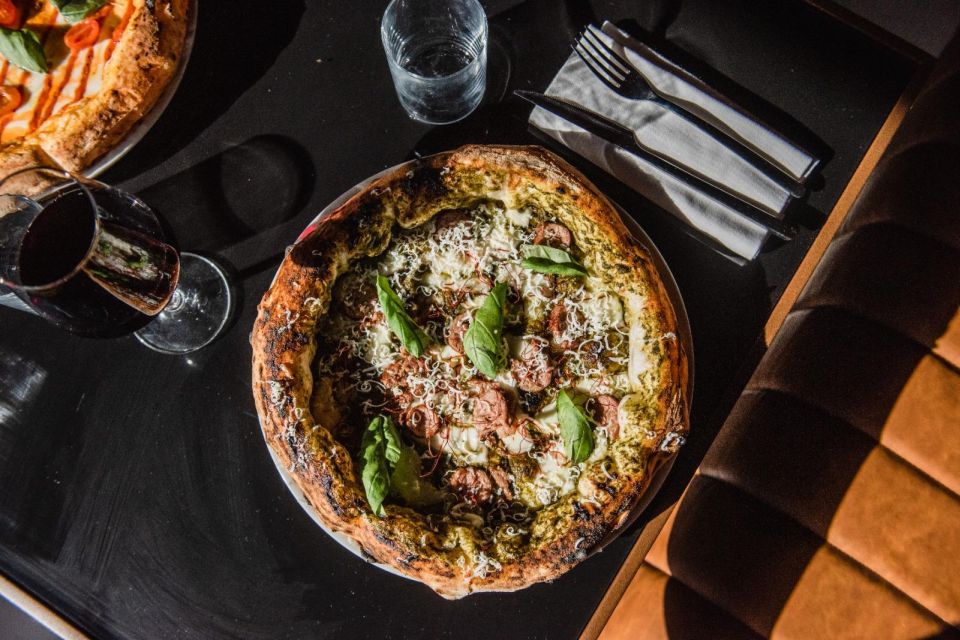
After dough prep, you shift to assembly. You’ll use fresh ingredients (provided as part of the class), guided by the instructor. The point isn’t to freestyle wildly—it’s to understand how quality ingredients and proper handling work together.
Even if you’ve made pizza before at home, you’ll likely pick up something useful. Pizza-making in Italy tends to be more about technique and ingredients than fancy equipment or complicated steps.
The class also builds in the “why” behind the method. You’ll get history and traditions of Italian pizza as part of what you’re doing—so it doesn’t feel like a science lecture, but more like context you can taste.
Wood-Fired Oven Baking: Where It Smells Like Real Pizza
Once your pizza is ready, it goes into a traditional wood-fired oven. The oven is the moment everything changes—dough, heat, aroma, and timing all come together fast.
This is the payoff: you’ll taste the pizza you bake, freshly prepared. And because it’s baked right after you work on it, the experience has a tight connection between your actions and the final bite.
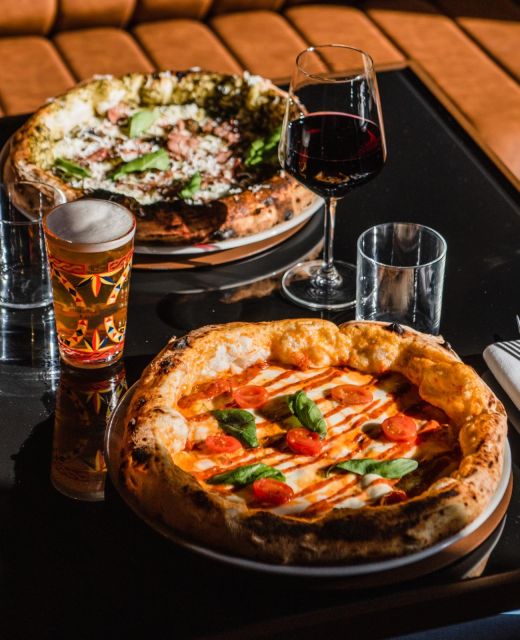
You also get an included drink while you enjoy it: one glass of local wine or a craft beer. If you’re driving or prefer not to drink, you might want to ask ahead of time what options exist, since the included items are clearly stated but alternatives aren’t listed.
You can also read our reviews of more tours and experiences in Rome


The History and Traditions Piece (and Why It’s Not Just Background)
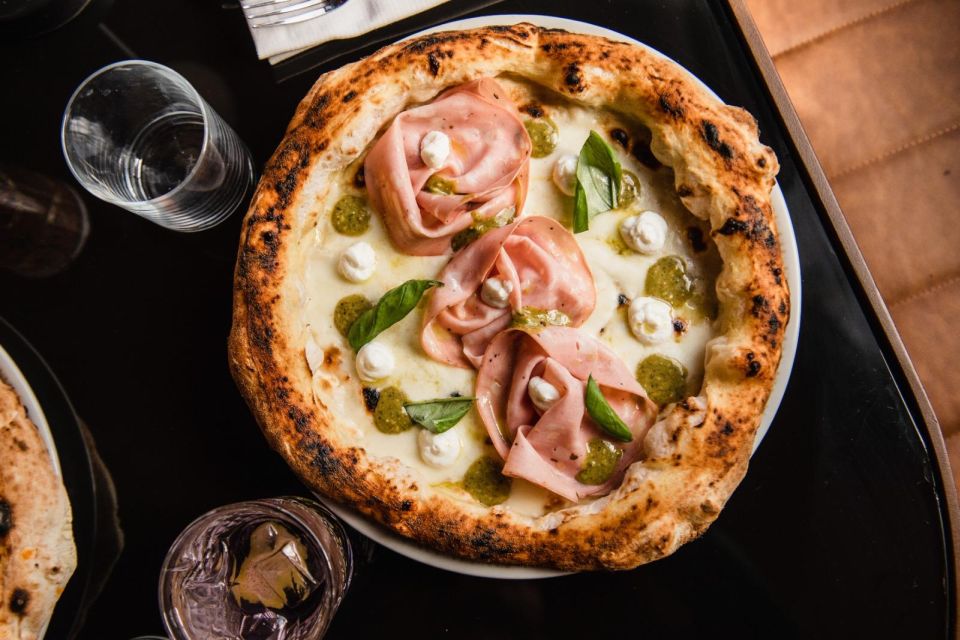
Pizza has a story, and this class treats it as part of the craft. You’ll get expert guidance on the history and traditions surrounding Italian pizza, with explanations tied to the method you’re practicing.
This matters because it changes how you think about the meal. Instead of only focusing on results—more toppings, more cheese—you start noticing process and care: fresh ingredients, dough handling, and the role of that wood-fired baking style.
It’s a short class, so you’re not getting a lecture that runs long. The history part feels like it supports what you’re doing, not something bolted on afterward.
Social Time in a Cozy Central Pizzeria
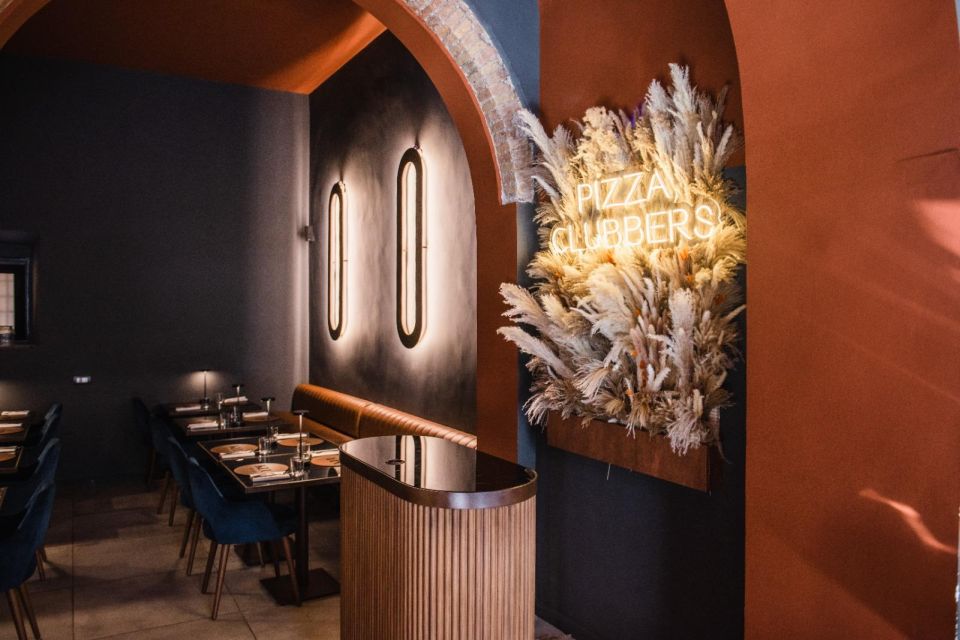
This is set up for you to enjoy the experience with others. The atmosphere is described as cozy and lively, and you’ll have chances to socialize with other participants.
That’s a real plus in Rome. Cooking classes can feel either formal or chaotic. Here, the setting seems designed to keep things friendly—easy to ask questions, easy to learn, and easy to share laughs when dough gets a little misshapen.
If you’re traveling solo, it’s also a straightforward way to meet people without forcing conversations. If you’re traveling as a couple or with friends, it’s fun because you’re both involved in the same hands-on moment.
Price and Value: Is $52 Worth It for One Hour?
At $52 per person for a 1-hour experience, the value depends on what you care about.
Here’s what you get for that time:
- A practical lesson with Neapolitan pizza makers
- Kneading and stretching dough
- Fresh ingredients and guidance using them
- Baking in a traditional wood-fired oven
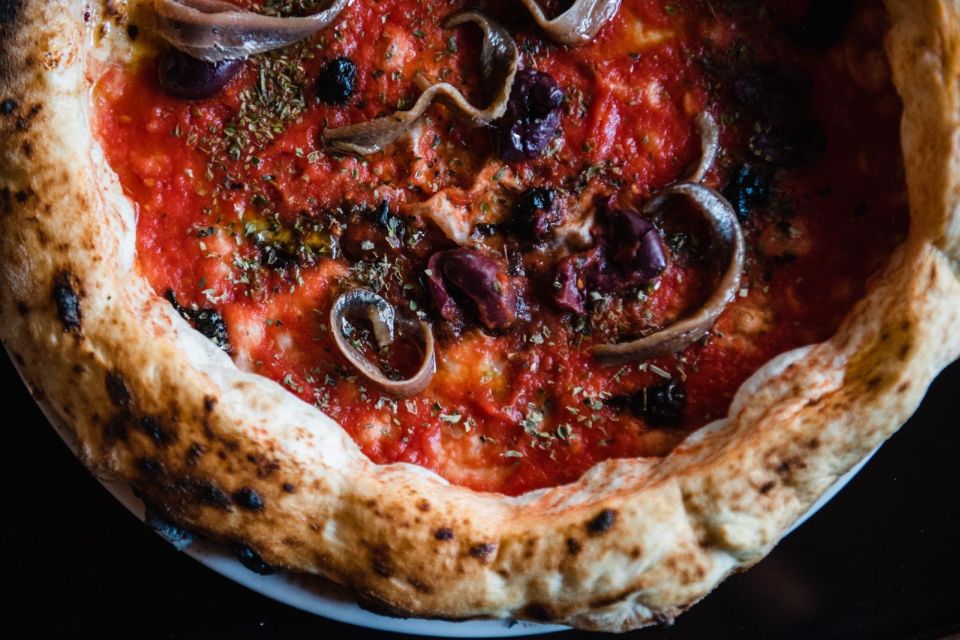
- Your own handmade pizza to taste
- One included drink (local wine or craft beer)
- A cozy pizzeria setting in central Rome, plus staff support in English or Italian
For me, the best value angle is that this isn’t a “taste and watch” class. You make the pizza. That alone is why it feels more like a meal experience plus a skill lesson, rather than just an activity.
The main trade-offs are practical: transportation is not included, and the session is short, so you’ll likely want dinner plans afterward.
Who This Class Fits Best in Your Rome Plan
This experience is a good match if you want a hands-on Rome moment that doesn’t take half a day. It’s especially appealing for:
- Food lovers who want to learn technique, not just order pizza
- Families and kids (feedback specifically mentions it working well with children)
- Couples and small groups who enjoy shared, interactive activities
- Travelers with limited time who still want something memorable and authentic
If your ideal day is museums from morning to night, this class can still work as a late-afternoon reset. If your day is already packed with walking, keep the class early enough that you can cool down and eat comfortably afterward.
A Few Practical Tips Before You Go
Wear clothes that you don’t mind getting a bit dirty. Pizza dough has a way of doing what it wants, and you’ll be touching dough as part of the lesson.
Also, build in a little buffer to arrive 15 minutes early. Getting checked in and settled matters when the session starts promptly and the oven time is part of the flow.
If you need a vegetarian option, communicate it ahead of time. The class notes that vegetarian choices are available, but the kitchen needs notice to make that easy.
Should You Book This Rome Pizza Class?
Yes—if you want a hands-on Rome cooking class where you learn technique, bake in a wood-fired oven, and eat what you make without turning it into a complicated production.
I’d skip it only if you’re looking for a long, multi-hour meal experience or you expect transportation to be handled for you. With a 1-hour format, it’s best seen as focused and fun, not slow and leisurely.
If you like friendly instruction and you care about getting the process right, this is one of the more satisfying ways to spend an hour in the city.
FAQ
How long is the pizza cooking class?
The class lasts 1 hour.
Where do I meet for the experience?
You meet in front of the pizzeria. The activity ends back at the meeting point.
Is there a way to skip the line?
Yes, there is a separate entrance so you can skip the line.
What languages is the instruction available in?
The instructor teaches in English and Italian.
Is the experience wheelchair accessible?
Yes, it is wheelchair accessible.
Is vegetarian pizza available?
Vegetarian options are available. You should notify the provider in advance if you need it.
What should I wear?
Wear comfortable clothes you don’t mind getting a bit dirty.
What’s included with the pizza?
You’ll bake and taste freshly prepared pizza, and you’ll get one included drink: a glass of local wine or a craft beer. Additional food and drinks are not included.