REVIEW · GUIDED
Rome: Squares and Fountains Walking Guided Tour
Book on GetYourGuide →Operated by Tour in the City - Travel Agency Rome - · Bookable on GetYourGuide
Rome’s fountains tell better stories on foot. This guided loop through Baroque and Renaissance squares turns iconic landmarks into something you can actually connect to art and archaeology. You start with a panoramic look over the city, then follow the guide through the historic center at a friendly walking pace.
What I like most is how the guide shapes what you notice. On tours led by Sabrina (and also Martin, when he’s on the schedule), the explanations come with energy, clear context, and even photo help at key stops. I also love that it’s not just big-name sights: you get brief looks and turns that make the city feel lived-in, including the climb up to viewpoints and the short detours into calmer side streets.
One thing to plan around: this is a moderate walking tour and it’s not wheelchair accessible. If you have back problems or trouble walking for stretches, this route may be tough, even though the time is only about 2.5 hours.
In This Review
- Key highlights I’d circle before you go
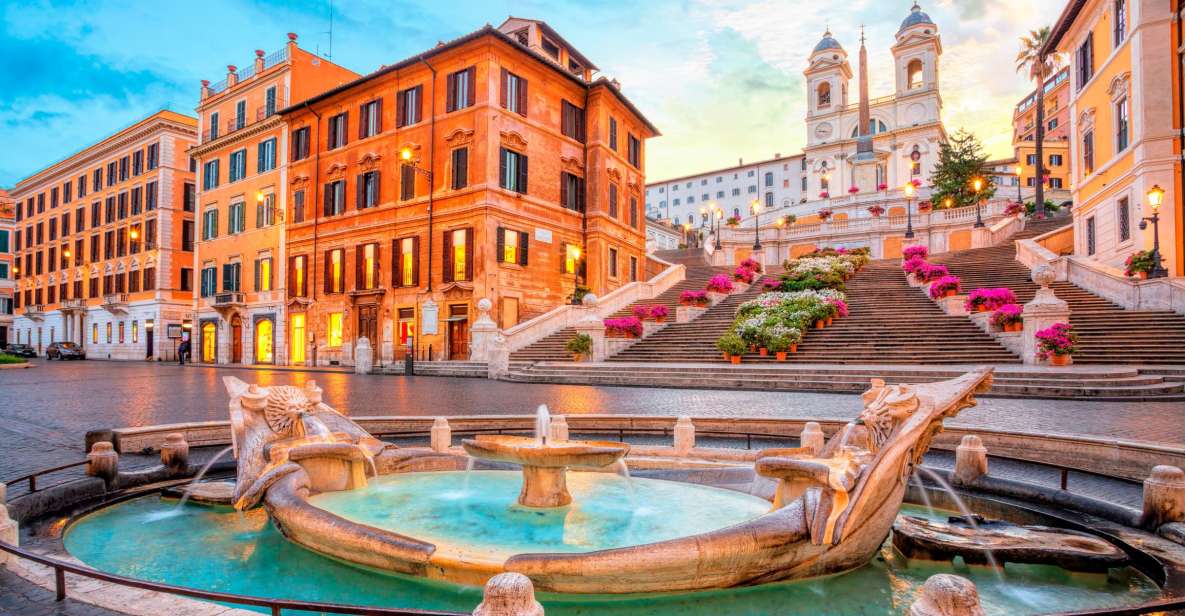
- Meeting at Trinità dei Monti: the view sets the tone
- Spanish Steps to Trevi Fountain: myths you’ll actually remember
- Pantheon: seeing an ancient dome with modern eyes
- Piazza Navona: where Baroque drama becomes street-level art
- Fountain of the Four Rivers to Santa Agnese in Agone: Bernini and Borromini side by side
- Ponte Sant’Angelo and Castello Sant’Angelo: from Hadrian to the popes
- Price and pacing: is $85 for 2.5 hours a smart trade?
- What small-group, expert-guided really changes
- Walking practicalities: how to set yourself up for an easy win
- Who this tour suits best
- Should you book the Rome Squares and Fountains walking tour?
- FAQ
- Where does the tour meet?
- How long is the guided walking tour?
- What are the main stops on the walk?
- Are headsets provided?
- Which languages are offered?
- Is the tour wheelchair accessible?
- What should I wear or bring?
Key highlights I’d circle before you go
- Trinità dei Monti panoramic opener sets your bearings fast before you hit the crowd-level sites
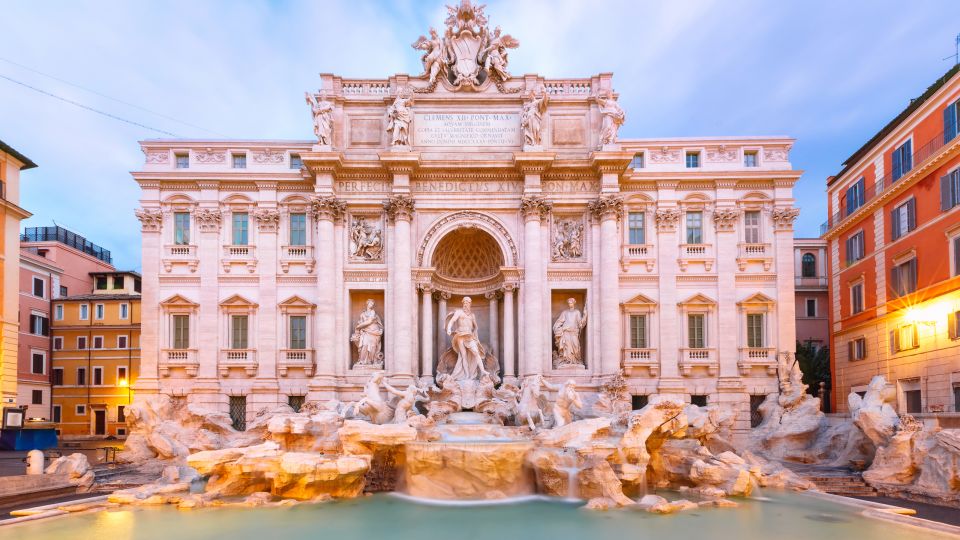
- Trevi Fountain with legends so you understand what people are doing there and why
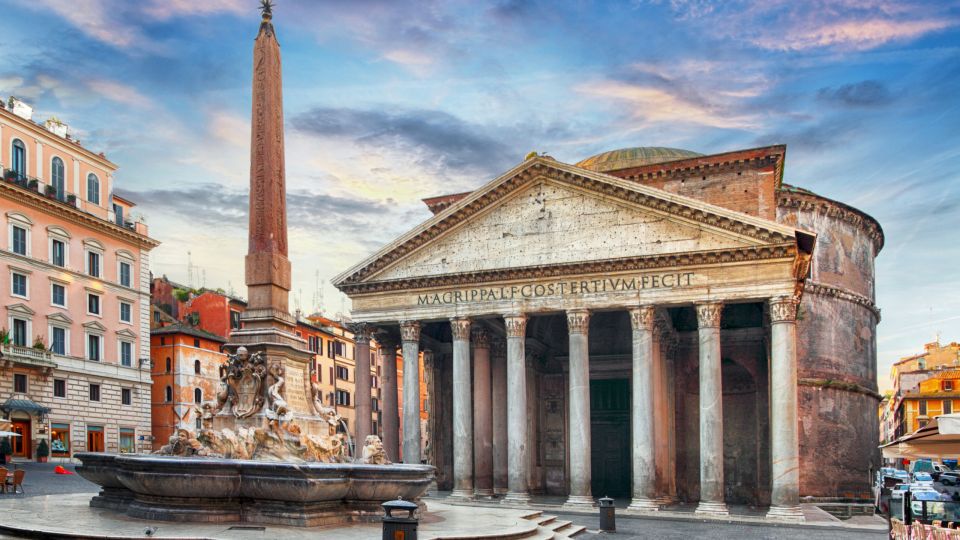
- Pantheon dome context connects the ancient building to why it still matters
- Piazza Navona through Bernini and Borromini makes the Baroque style feel specific, not vague
- Ponte Sant’Angelo and Castello Sant’Angelo show how Hadrian’s era turned into a pope-era fortress
- Small-group feel with headsets (if needed) keeps the guide’s commentary easy to hear
Meeting at Trinità dei Monti: the view sets the tone
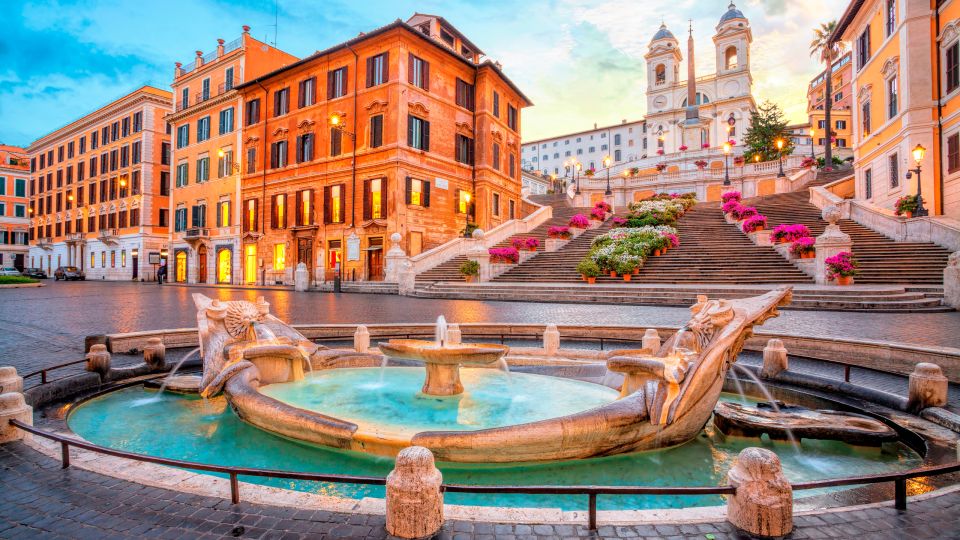
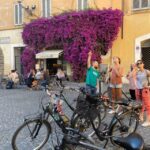
The tour starts at Trinità dei Monti, up above the Spanish Steps. That first moment matters because it gives you a map in your head—roads, domes, and major landmarks laid out before you’re walking among them.
You’ll get a short photo stop and an initial guided walk along the way. The guide keeps things practical: where to look, what lines and shapes to pay attention to, and how the buildings you’re seeing relate to the rest of Rome’s center.
If you’re the type who likes to arrive and immediately understand the geography, you’ll appreciate this start. Even if you’ve seen Rome photos before, the angle here helps you stop thinking in “postcards” and start thinking in “streets.”
You can also read our reviews of more walking tours in Rome
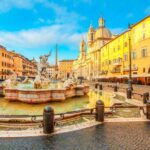
Spanish Steps to Trevi Fountain: myths you’ll actually remember
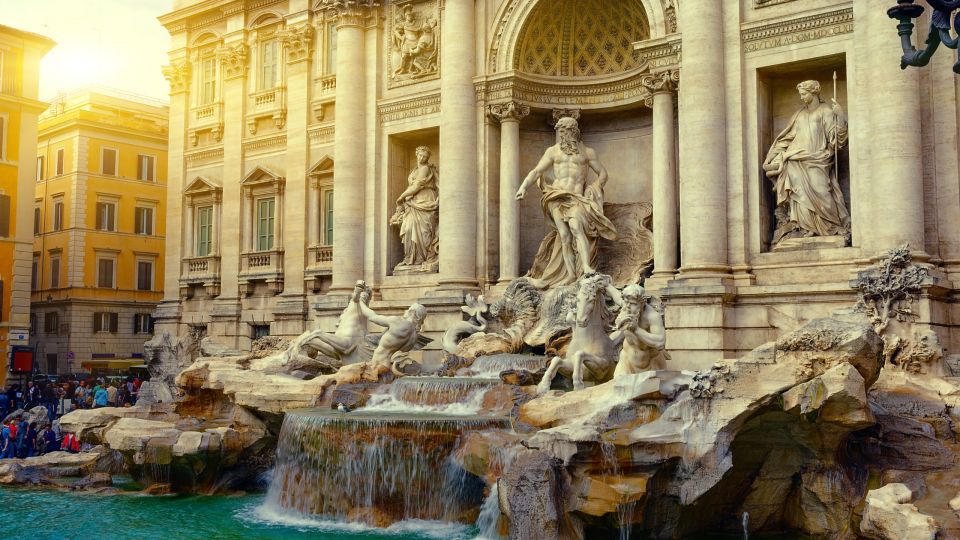
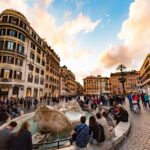
Next comes the Spanish Steps area for another quick stop and photo moment. It’s one of those places where people can feel like they’re just standing around, but your guide’s job is to give the scene meaning—so the space becomes more than a crowd.
Then you head toward the Trevi Fountain, and this is where the tour’s storytelling pays off. Instead of treating Trevi as a single photo target, you get the myths and legends tied to it, which makes the fountain’s symbolism click. You’ll also take a short break here, which is good because Trevi can be mentally overwhelming: lots of people, lots of motion, lots of small details.
A quick note on practical timing: Trevi is busy, so expect some slow movement even if your tour group keeps moving. Your guide will help you find the moments where you can see the fountain’s details without fighting the entire city at once.
Pantheon: seeing an ancient dome with modern eyes
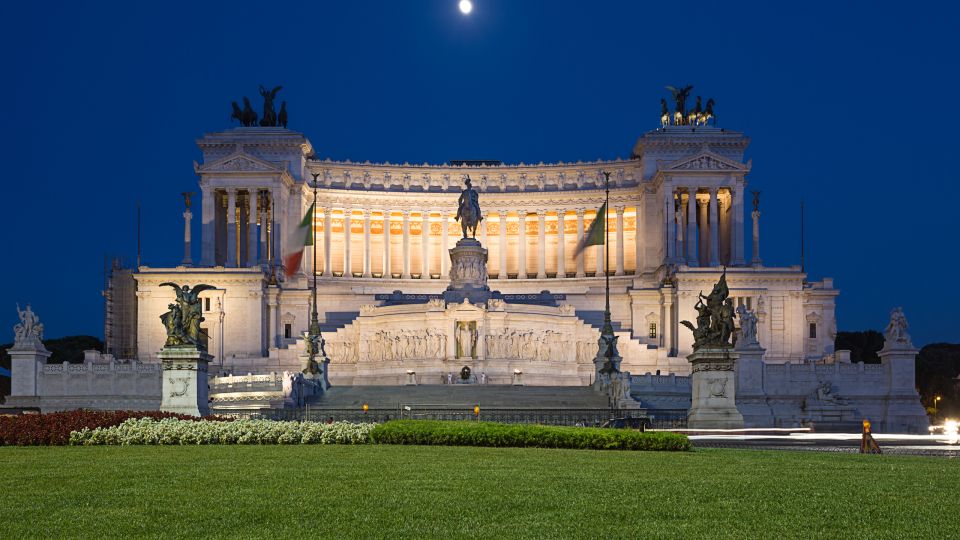
From Trevi you continue on toward the Pantheon for a photo stop and guided time inside the sightline zone. You’ll hear the big context: this was built as a temple for the Olympian gods, and its dome was the largest in the world in ancient times.
Why that matters on the ground is simple. When you understand what you’re looking at—scale, engineering ambition, and how monumental Rome could be—the Pantheon stops being a “sight” and becomes a landmark in a real timeline.
Also, your route keeps the momentum. You’re not doing a long wait or stretching the day out. It’s still a walking tour, so you’re meant to absorb in short bursts and keep learning as you move.
Piazza Navona: where Baroque drama becomes street-level art
Then you reach Piazza Navona, which the guide frames as a major Baroque showcase. This is a vast square that has hosted festivals and theatrical events over time, so it has that built-in sense of performance even when it’s quiet.
Here’s where the style becomes more than “ornate.” You’ll spend time around sculptural and architectural masterpieces, including Bernini’s Fountain of the Four Rivers. The guide helps you connect the figures and design choices to the Baroque habit of using drama, movement, and symbolism to grab your attention.
You’ll also get a short stop that includes time for an ice cream. Since the tour doesn’t list meals as included, treat this as a chance to buy and taste something while you pause, not a guaranteed sit-down break.
A practical tip: Piazza Navona is open space, so sun and glare can be real. Bring sunglasses if you can, because you’ll likely be looking up and around more than you expect.
Fountain of the Four Rivers to Santa Agnese in Agone: Bernini and Borromini side by side
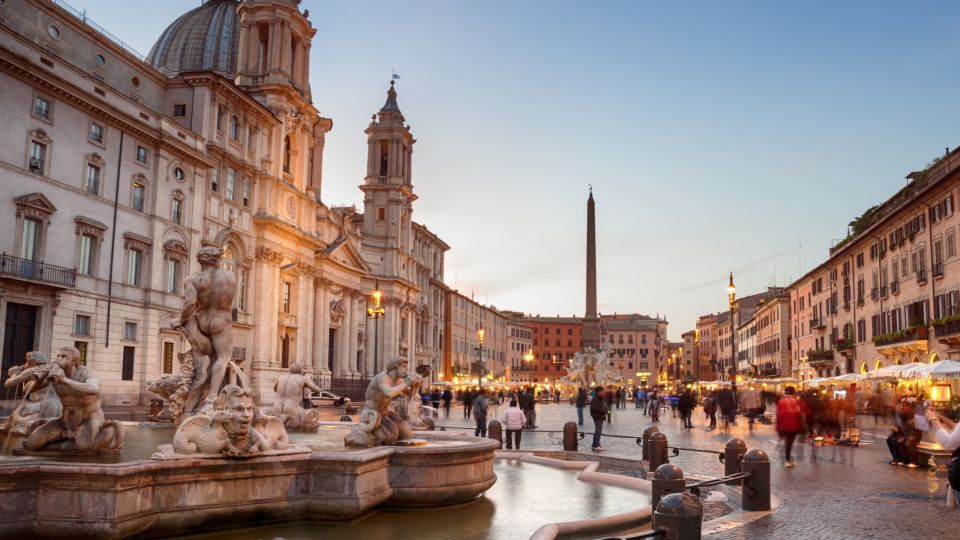
After the main square, you’ll focus on the Fountain of the Four Rivers with more time for photos and guided explanation. This extra attention is valuable because it encourages you to slow down. Baroque details can look like decoration at first glance, but when you get the story behind the design, you start seeing the logic.
You’ll also pass by Sant’Agnese in Agone, with a short stop and sightseeing time. The guide specifically points out the church Santa Agnese in Agone by Borromini, which helps you notice how Baroque architects approached shapes differently than sculptors.
This is one of the best parts of the tour if you like art that has rules. Your guide’s explanations keep you from getting lost in visual noise. You leave with a clearer idea of what “Baroque” looks like in different mediums.
You can also read our reviews of more guided tours in Rome
Ponte Sant’Angelo and Castello Sant’Angelo: from Hadrian to the popes
Now the route shifts mood. You’ll reach Ponte Sant’Angelo, with guided time for views along the way. The bridge itself dates to the second century AD, so you’re stepping into a part of Rome that’s closer to its imperial roots than the later square scenes.
From there, you get views of Castel Sant’Angelo, one of the most iconic monuments in Rome. The guide explains it as a transformation story: it began as Hadrian’s tomb, later became a fortress for the popes, and still stands as a recognizable silhouette on the river.
Even if you don’t go inside, the outside context is worth it. You can read the structure like a timeline—imperial purpose turning into defense and power—without having to plan extra entrances.
The tour finishes with the atmosphere around the bridge in front of Castel Sant’Angelo. This matters because the last stretch is your reward: a calmer feeling than the earlier central crowds, with the river and monument framing your final photos.
Price and pacing: is $85 for 2.5 hours a smart trade?
At $85 per person for about 2.5 hours, you’re paying for three things: a guide with art-history and archaeology focus, structured stops in a tight geographic loop, and the small-group experience.
Is it “cheap”? No. But it’s also not trying to sell you a long day of rushing. You’re buying time where someone else is doing the heavy lifting: pointing out what to notice, explaining why the fountains and squares look the way they do, and keeping the flow moving so you spend more time learning than wandering.
This is especially good value if you’re the kind of visitor who wants Rome’s masterpieces to make sense fast. The guide work is the core product here, and the best sign you’ll get good value is simple: the tour is guided by experts, and the narration is the thing that makes big sites feel less like random architecture.
If you’re traveling solo, with a couple friends, or with family members who like stories, you’ll probably feel the value quickly. If you only want scenery and don’t care about context, you may feel you could do it cheaper on your own.
What small-group, expert-guided really changes
In Rome, you can end up doing the same walk as everyone else, taking similar photos, and leaving with the same vague sense of wow. What changes on this tour is that you’re given handles—specific reasons to look, and specific stories tied to each stop.
Guides like Sabrina stand out in the way she brings energy and keeps people engaged, even with teenagers. She’s also known for being easy to find at the meeting point (your name on the group setup helps), and for taking pictures for the group at different stops. That last part sounds minor until you’re the person always stuck holding the camera.
When the weather turns, the tour doesn’t fall apart either. The feedback around Sabrina includes staying upbeat and captivating even when it rained, which is exactly what you want from a guided outdoor experience.
And if your tour happens to be led by Martin, the emphasis leans into connecting monuments to Italian history with eloquence. Either way, you get expert framing rather than generic commentary.
Walking practicalities: how to set yourself up for an easy win
This is a walking tour with a moderate amount of time on your feet. You’ll be out for roughly 2.5 hours and you’ll hit several iconic points without extended stops.
It starts with an uphill meeting-area setup above the Spanish Steps, which is why comfortable shoes matter. Even if you’re a confident walker, plan on steady movement and frequent short pauses.
You’ll also want a small sun setup: sunglasses and a sun hat are listed as recommended. In open squares and bridge areas, that protection makes the tour more enjoyable because your attention stays on the details instead of fighting the glare.
Not wheelchair accessible, and it’s not recommended for people with back problems or difficulty walking. If any of that describes you, it’s better to choose a gentler format.
Who this tour suits best
This works best for people who want a structured “greatest hits” walk that still feels personal. You’ll get the most out of it if you like:
- art history and architecture explained in plain language
- seeing connections between ancient, Renaissance, and Baroque Rome
- a guide who keeps the group moving while still slowing down at important details
It’s also a smart end-of-trip option. You start from the high viewpoints, then build down into the center and end at the river, so the whole route helps you understand how the city pieces fit.
Families can do well here too, especially if the kids like stories. The tour’s feedback includes keeping teenagers engaged, which is rare for a walking art tour.
Should you book the Rome Squares and Fountains walking tour?
If you want Rome’s fountains and squares with a guide who connects stories, art, and archaeology in a tight 2.5-hour walk, this is a strong pick. It’s priced like an experience, not like a free stroll—so book it when you want context, not just photos.
I’d skip it if you have mobility limitations or back issues, since the route involves walking and it’s not wheelchair accessible. And if you’re only after scenery with zero interest in what you’re seeing, you can likely build a cheaper self-guided route.
The best reason to book is the guide effect. When the tour leader is Sabrina or Martin, the experience is less about “seeing Rome” and more about understanding why Rome looks the way it does.
FAQ
Where does the tour meet?
Meet your guide at Trinità dei Monti, above the Spanish Steps.
How long is the guided walking tour?
The tour lasts 2.5 hours.
What are the main stops on the walk?
You’ll see and stop for guided sightseeing at Trevi Fountain, Pantheon, Piazza Navona (including Fountain of the Four Rivers), Sant’Agnese in Agone, Ponte Sant’Angelo, and you’ll also have views of Castel Sant’Angelo and St. Peter’s Basilica from the walking route.
Are headsets provided?
Headsets are included for groups of more than 8 people.
Which languages are offered?
The live tour guide speaks English and Italian.
Is the tour wheelchair accessible?
No, it is not wheelchair accessible.
What should I wear or bring?
Wear comfortable shoes and consider sunglasses and a sun hat, since there’s walking and time in open squares.
If you tell me your travel dates and whether you’re booking for adults only or a family, I can help you decide the best time of day to do this route.