REVIEW · COOKING CLASSES
Rome: Pasta and Tiramisu Shared Cooking Class with Wine
Book on GetYourGuide →Operated by VizEat Ltd · Bookable on GetYourGuide
Rome tastes better from a home kitchen. In an apartment on Gianicolo Hill, hosts Debora and Fiamma guide you through making tiramisu and fresh pasta from scratch, then you sit down to eat your creations with wine. I love how practical it feels, and how you get both the cooking steps and the why behind Italian comfort food. One catch: there’s no hotel pickup, so you’ll need to get yourself to the meeting point in that hilltop neighborhood.
What makes this class extra appealing is the pace. You start with a welcome aperitif and bruschetta, work hands-on through dessert and pasta, then finish with a real dinner experience at a local’s table. You also get a recipe handoff by email, which helps your memory stick after you’re back walking Rome. If you’re very time-crunched, the 4.5 hours can feel like a commitment, especially since you’ll meet and end in the same place.
In short, this is not a showroom meal. It’s an evening where you learn, snack, drink, cook, and eat. And because it’s in a home, the vibe is relaxed in a way big tours rarely manage.
In This Review
- Key takeaways before you book
- Meet Debora and Fiamma at Gianicolo Hill
- Bruschetta aperitif: the warm-up that sets the mood
- Tiramisu from scratch: the first big win
- Fresh pasta lesson 1: fettuccine all’Amatriciana
- Fresh pasta lesson 2: ravioli with ricotta and spinach
- Polenta with four-cheese sauce for a softer finish
- Sit down and taste what you made
- What you take home: technique, not just recipes
- Price and value for a 4.5-hour Rome home cooking class
- Who this class suits (and who might want a different plan)
- Quick practical tips before you go
- Final verdict: should you book this pasta and tiramisu class?
- FAQ
- What will I make in the class?
- How long is the cooking class?
- Is wine included?
- Where do I meet the hosts?
- Do I need to arrange my own transportation?
- What languages are available?
- What if I have food restrictions or allergies?
- What’s included in the price?
- What’s the food menu during the meal?
- Will I get the recipes after the class?
- Is there a refund if I cancel?
Key takeaways before you book
- Cook with local hosts Debora and Fiamma in their home on Gianicolo Hill.
- Hands-on tiramisu first, then pasta like fettuccine and ravioli from scratch.
- Dinner includes wine plus sparkling wine and soft drinks during the class.
- Eat everything you make, not just a small tasting.
- Recipes shared by email, so you can repeat what you learned later.
Meet Debora and Fiamma at Gianicolo Hill
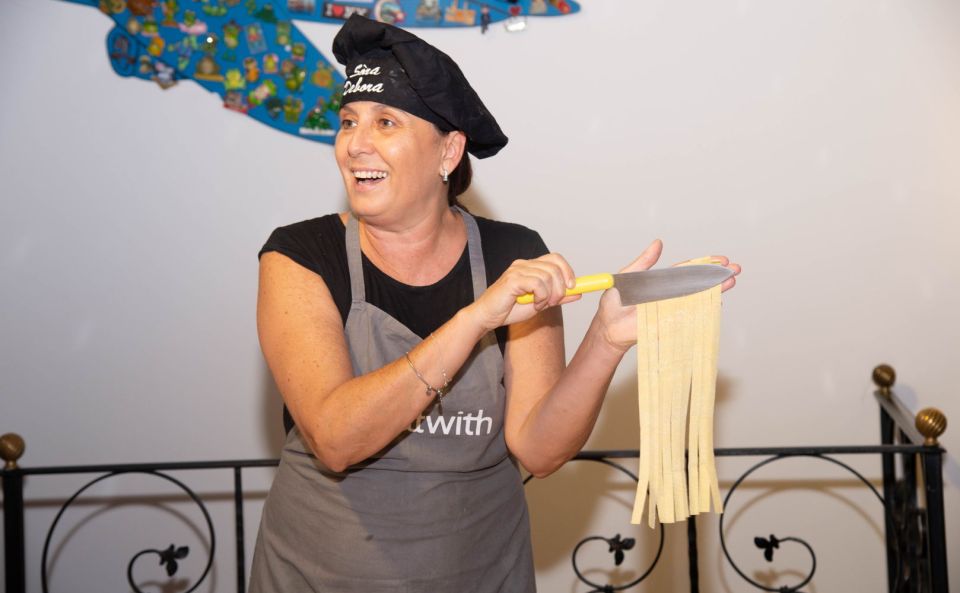
This evening starts at an apartment near the top of Gianicolo Hill. The meeting point is between Bar Gianicolo and the restaurant Antico Arco, and there’s no name on the bell, so you simply ring as instructed.
I like this kind of setup because it immediately signals what you’re getting: a lived-in home setting, not a staged cooking theater. You’ll also feel the hilltop location in your legs. Plan on a bit of walking and going at a calm pace once you arrive.
The class is listed with English and Italian support from your hosts. That matters if you want to understand techniques and not just mimic steps. Expect a friendly, two-way rhythm as you learn.
You can also read our reviews of more cooking classes in Rome

Bruschetta aperitif: the warm-up that sets the mood
Before the serious mixing starts, you settle in with an aperitif and nibbles. The welcome is bruschetta, including options like truffles, artichokes, and peperoni. That’s a great way to taste Italian flavors without it turning into a full meal too early.
While you snack, you sip complementary drinks. You’ll have wine, sparkling wine, and soft drinks as you work through the recipes.
I’d call this a smart start for two reasons. First, it gets you comfortable in the kitchen before the first big task. Second, it tunes your palate toward the dishes you’ll be making—tomato, cheese, porky richness, and that classic coffee-and-cocoa tiramisu flavor profile.
Tiramisu from scratch: the first big win
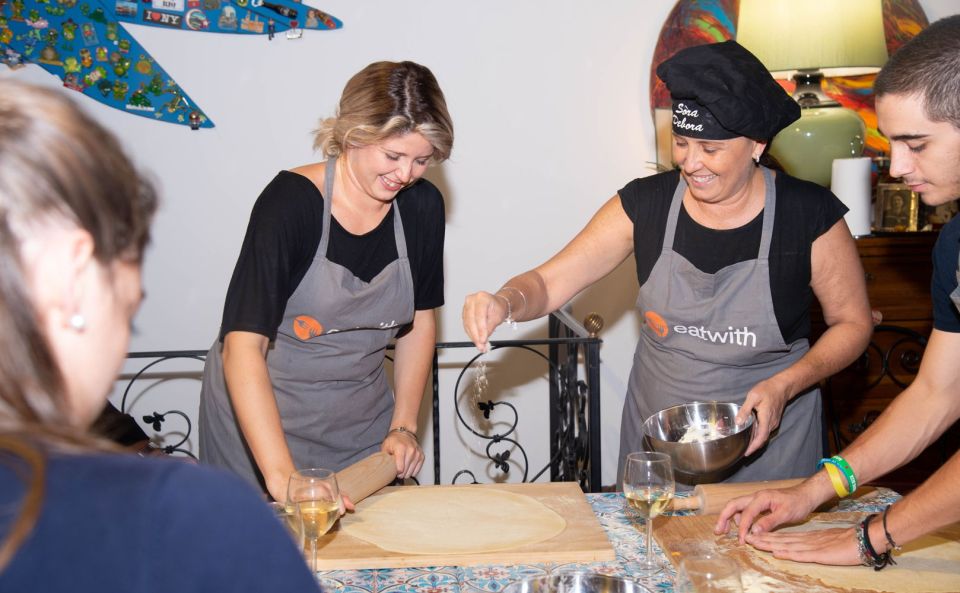
Your cooking starts with tiramisù, taught first, before you move on to the pasta portion. This is one of the best sequences for the evening. Tiramisu has time-based structure, so beginning early lets you build momentum and avoid feeling rushed.
You’ll learn how to put the dessert together as part of the class, then enjoy it as part of the final meal. If you’ve ever tried to make tiramisù at home, you know the real challenge is getting the texture and assembly right. A class like this is useful because you’re not guessing. You can ask questions while you’re actively working.
From a practical standpoint, cooking dessert early also means you get a clear first milestone. Once that’s done, you’re in full rhythm for the savory dishes.
Fresh pasta lesson 1: fettuccine all’Amatriciana
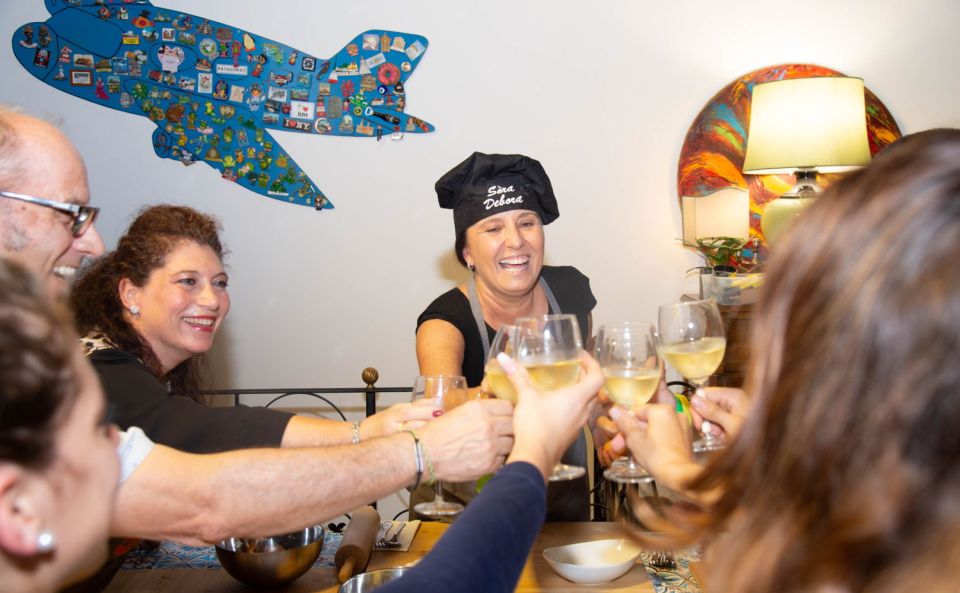
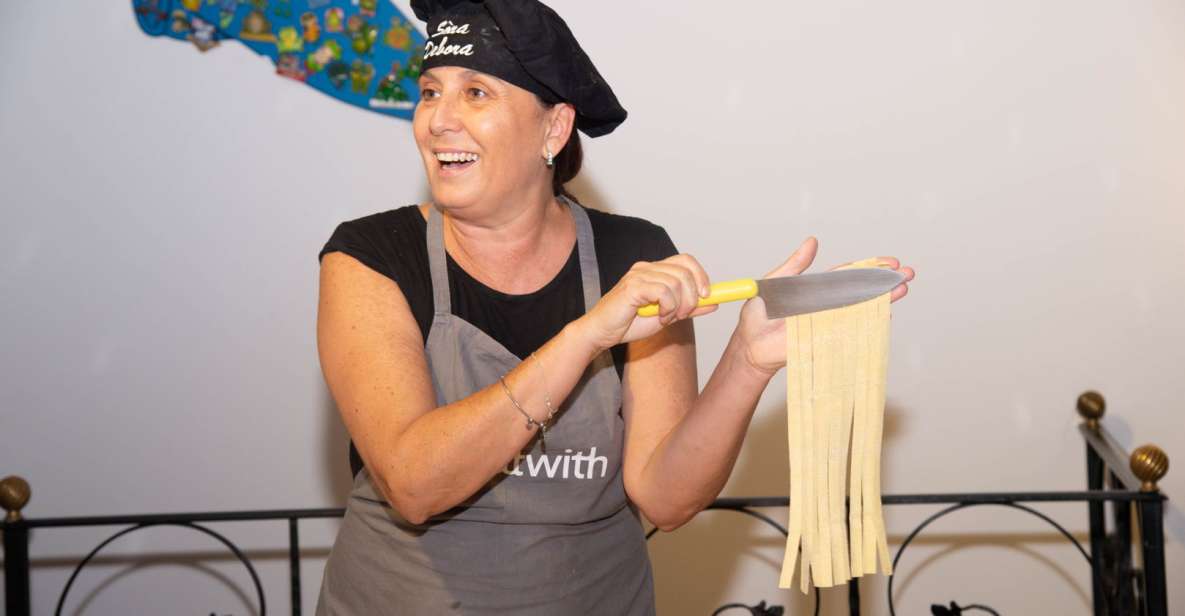
Next comes pasta, starting with fettuccine all’Amatriciana. The class includes making fresh handmade pasta and then seasoning it with a sauce that uses crunchy pork cheek and tomato sauce.
This is the part I find most valuable. It’s one thing to boil dried pasta. It’s another to roll and shape fresh pasta, then pair it with a sauce that tastes like it has a story behind it.
Why the pork cheek detail matters: pork cheek brings a deeper, richer flavor than a generic pork product. It also makes the sauce feel hearty and complete, the kind of Roman-style comfort you can’t fully replicate with shortcuts.
If you’re a beginner, don’t worry. The point is learning technique—how dough feels, how sauce comes together, and what “done” looks like in the moment.
Fresh pasta lesson 2: ravioli with ricotta and spinach
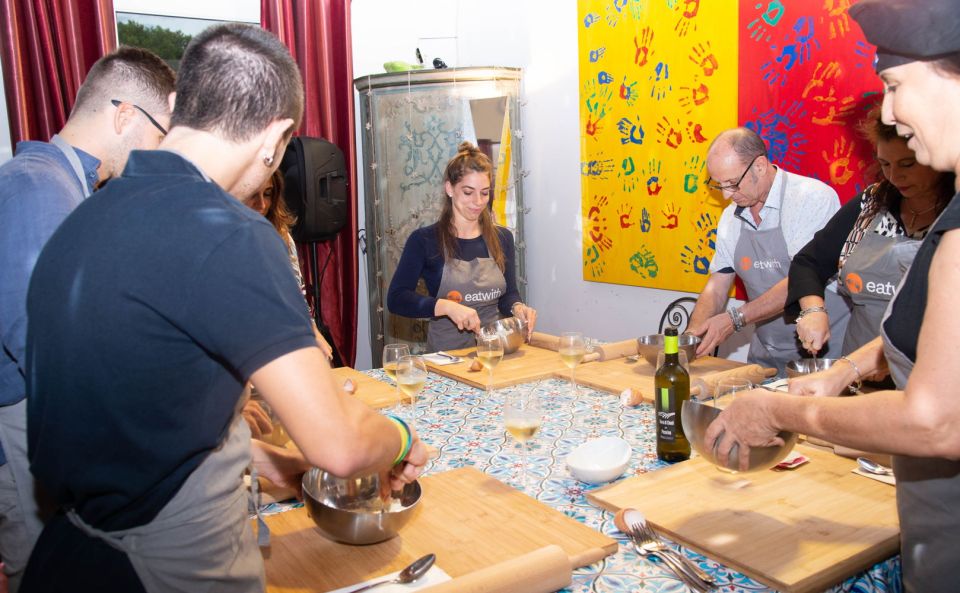
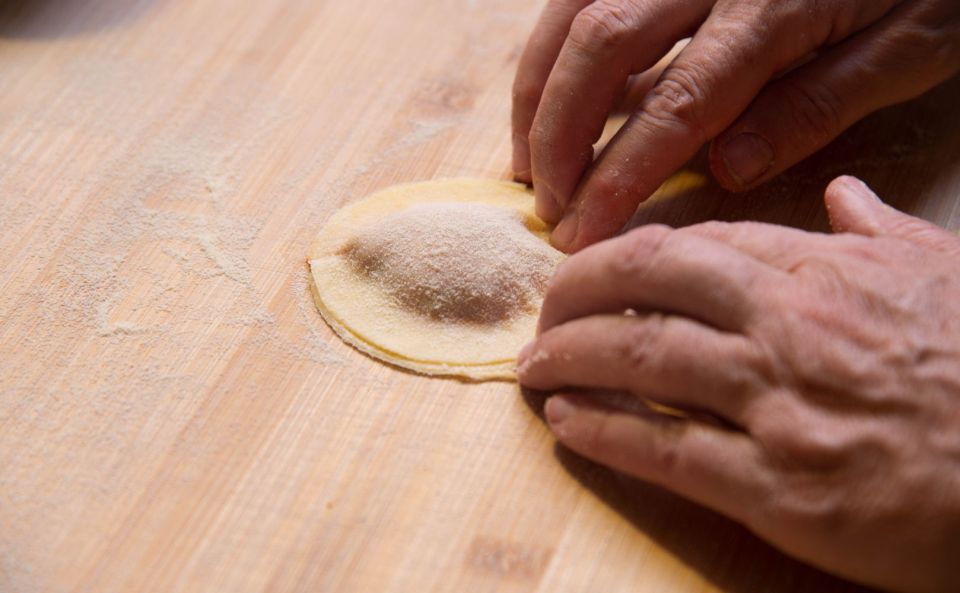
After fettuccine, you move to ravioli. These are stuffed pasta, and you’ll make them with ricotta cheese and spinach.
Stuffed pasta is where many home cooks get nervous, because sealing matters. Here, you can work step by step while your hosts guide you. You learn how to portion, how to handle the dough, and how to keep the filling from turning the pasta into a mess.
I also like that the menu rotates flavors. Ricotta and spinach give you a lighter, creamier contrast to the heavier all’Amatriciana sauce. It’s good planning for the full dinner too. You end up with variety on your plate instead of one repeated flavor wave.
You can also read our reviews of more wine tours in Rome




Polenta with four-cheese sauce for a softer finish
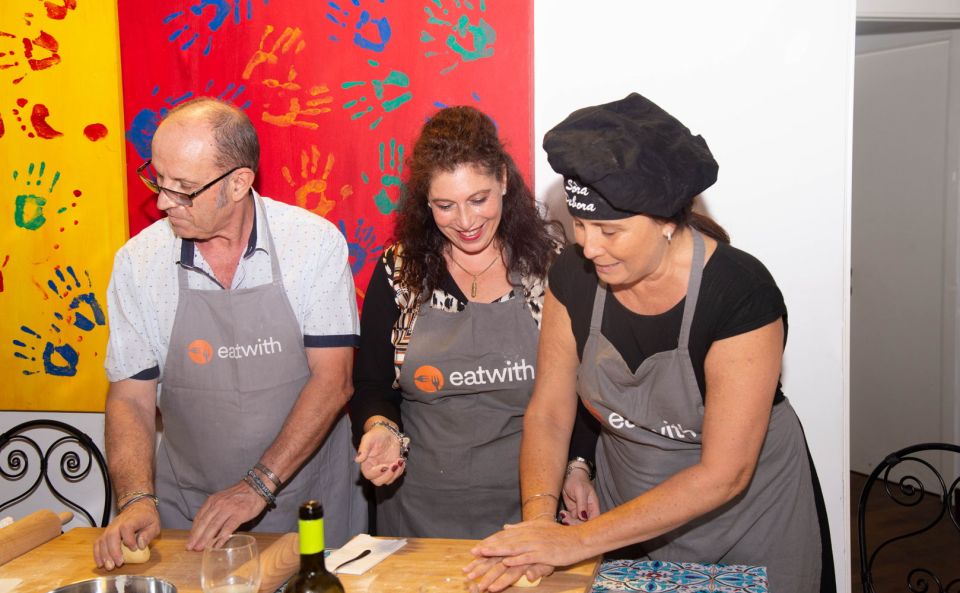
The meal rounds out with polenta and a 4-cheese sauce. Polenta is a different texture than pasta, which helps your dinner feel balanced, especially after working your hands all evening.
The polenta is boiled cornmeal, then served with the cheese sauce. You’re basically getting a cozy, spoonable counterpoint to the fresh pasta you made earlier.
This dish also makes the class more forgiving. If your pasta timing isn’t perfect, polenta still tastes comforting. It’s the kind of dinner course that helps you relax and enjoy rather than obsess.
Sit down and taste what you made
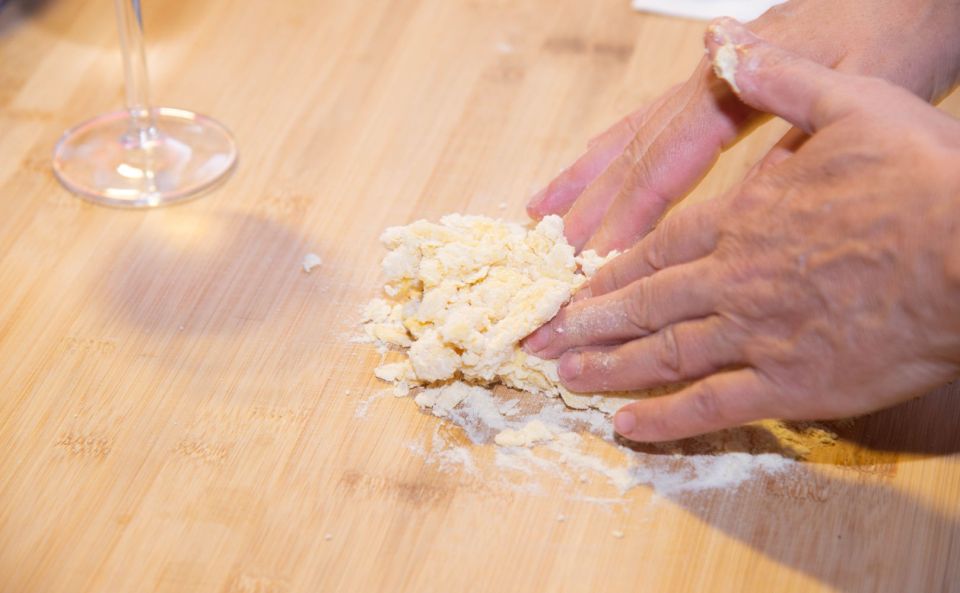
Once the cooking is done, you eat the meal you created. The class includes dinner, and you’ll also continue sipping wine, sparkling wine, and soft drinks while you work.
One review highlight really stood out: people mention having plenty of wine during the class. That tells me this isn’t a timid pour. If you enjoy wine with food, this part can feel like the evening’s reward.
The best part of this setup is the feedback loop. You create the dishes, then you taste them immediately in the environment where they were made. You can remember what you did right, and you can spot what you’d adjust next time.
Even if you’re not a cooking superfan, this is satisfying. The meal has a full arc: starter bites, savory mains, and dessert.
What you take home: technique, not just recipes
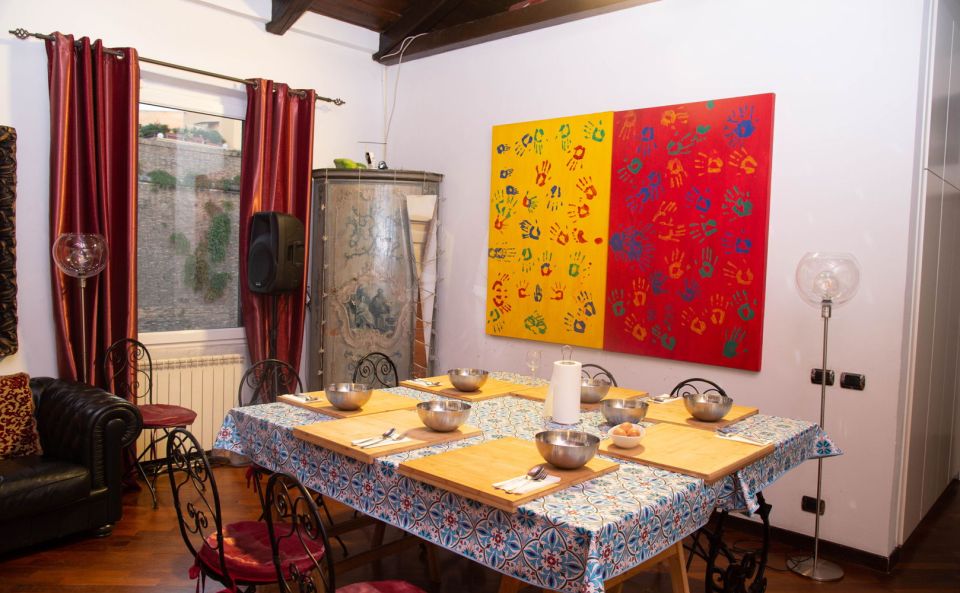
A cooking class is only worth it if it teaches you something usable. Here, you get more than a photo-worthy plate.
You learn cooking skills from local Italian cooks in a real home kitchen. That tends to mean small practical habits—how to judge consistency, how to manage timing, and how to handle ingredients that matter in Italian home cooking.
You also get recipes shared by email. That’s a small detail, but it helps a lot. It gives you a way to repeat what you made without trying to remember every step from memory weeks later.
If you like cooking at home, I’d treat this as a skills investment. Not just a one-night meal.
Price and value for a 4.5-hour Rome home cooking class
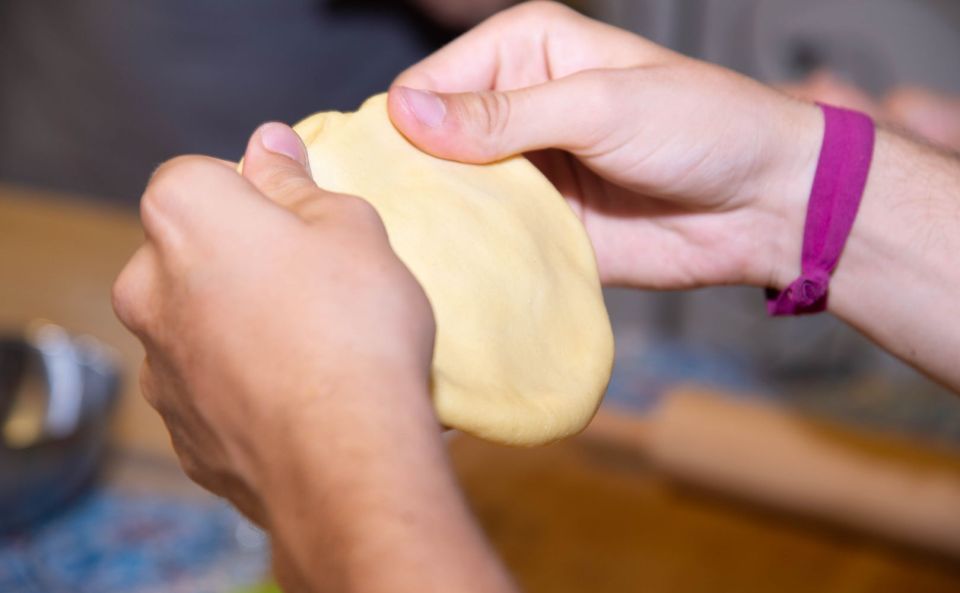
The price is $82.63 per person for about 4.5 hours. That can sound high until you look at what’s included: wine, sparkling wine, soft drinks, dinner, and local hosts guiding the cooking.
In other words, you’re paying for the full evening package. You’re not just buying ingredients. You’re getting instruction, a social setting, and the convenience of having everything provided—plus dessert, pasta, and the meal at the end.
You should also factor in what’s not included. There’s no hotel pickup and drop-off. So you need to plan your own way there and back. If you’re already spending time exploring on foot, that’s manageable. If you’re relying heavily on taxis, budget that into your total cost.
For me, the value hinges on your interest in cooking and eating. If you want something purely passive, this isn’t that. If you want a real hands-on evening and then a full dinner, it’s strong value for Rome.
Who this class suits (and who might want a different plan)
This works best if you:
- Want hands-on cooking in a local home.
- Enjoy Italian comfort food and want to make it yourself.
- Like meals that include both wine and a full sit-down dinner.
- Would rather learn from Debora and Fiamma than follow a lecture.
It might be less ideal if you:
- Hate cooking tasks or don’t want to get your hands involved.
- Need strict accommodations and haven’t planned to share food restrictions in advance.
- Want a super quick activity that fits between other major sights.
Also, because the kitchen is on the hill, it’s wise to dress for a bit of uphill walking and stay comfortable on your feet. The experience itself sounds relaxed, but Rome streets still ask something of you.
Quick practical tips before you go
Here are a few things that will make your evening smoother:
- Let your hosts know ahead of time if you have allergies or special diet needs. This is explicitly encouraged.
- Eat lightly before you arrive. There’s bruschetta and drinks before the main work, but you’ll still have a full meal later.
- Wear clothing you’re comfortable getting a little messy in. You’ll be making fresh pasta and assembling tiramisù.
And when in doubt, ask questions early. Your hosts are teaching you while you cook, so it’s the best time to clarify technique.
Final verdict: should you book this pasta and tiramisu class?
If you want an authentic-feeling Rome night where you actually learn, this is an easy yes. The structure is solid: bruschetta aperitif, tiramisu first, then fresh pasta like fettuccine all’Amatriciana and ravioli, plus polenta with four-cheese sauce, and then you eat everything you made.
I think it’s especially good for couples and small friend groups who want a memorable evening that’s more than a dinner. You’ll come away with skills, recipes by email, and a full plate of food created together in someone’s home kitchen.
Book it if you’re comfortable with self-arranging your way to the meeting point. Skip it if you’re looking for a casual, no-effort activity. In this one, effort is the point—and it pays off.
FAQ
What will I make in the class?
You’ll make traditional tiramisù first, then fresh handmade pasta including fettuccine and ravioli. The menu also includes polenta with 4-cheese sauce, and you’ll dine on what you make.
How long is the cooking class?
The duration is listed as 4.5 hours. Starting times vary, so you’ll want to check availability for the slot you want.
Is wine included?
Yes. Wine, sparkling wine, and soft drinks are included as you work and during the class.
Where do I meet the hosts?
The meeting point is an apartment between Bar Gianicolo and Antico Arco. There is no name on the bell, so you should ring as instructed.
Do I need to arrange my own transportation?
Yes. Hotel pickup and drop-off are not included, and the activity ends back at the meeting point.
What languages are available?
The hosts provide English and Italian.
What if I have food restrictions or allergies?
You should let your host know ahead of time about any food restrictions, allergies, or special diets.
What’s included in the price?
Included items are wine, sparkling wine, soft drinks, dinner, and local hosts.
What’s the food menu during the meal?
The menu includes welcome bruschetta, fettuccine all’Amatriciana, ravioli (ricotta and spinach), polenta with 4-cheese sauce, and tiramisù.
Will I get the recipes after the class?
Yes. Recipes are shared with you through email.
Is there a refund if I cancel?
Free cancellation is offered up to 24 hours in advance for a full refund.