REVIEW · MOTORBIKE & SCOOTER RENTALS
Vespa Sidecar Tour: Highlights of Rome
Book on GetYourGuide →Operated by Luxurbe · Bookable on GetYourGuide
Rome moves faster when you glide.
This Vespa-Sidecar tour is a fun way to hit Rome’s top landmarks without burning hours in lines, plus you get guided stories while you roll through historic streets and wide piazzas. I especially like the combination of earphones (so you actually hear your driver/guide) and the plan’s built-in photo stops at major icons like Trevi Fountain and the Colosseum. One thing to watch: with only 3 hours and a lot of crowd-heavy stops, the timing can feel tight, and it helps a lot to find the meet-up point quickly at Largo Goldoni.
The route also involves busy traffic and frequent corner turns, so you’ll want to be comfortable with riding in an open-air setup (wind is part of the deal). If you’re prone to stress about logistics, show up a few minutes early and keep your phone handy in case the group has to regroup. In one past ride, a traveler had trouble meeting up during the start, which is exactly the kind of preventable snag that can cost you the first minutes of the tour.
In This Review
- Key things to know before you go
- Why a Vespa Sidecar beats Rome’s usual shuffle
- Starting at Largo Goldoni: what to do first
- From Piazza del Popolo to Trevi Fountain, fast and iconic
- Pantheon and Piazza Navona: ancient Rome meets the arts crowd
- Piazza Venezia to the Vatican: the big scale of Rome
- Gianicolo Hill panoramas (and the 12:00 cannon moment)
- The Jewish Ghetto, Trastevere, and the road to the Colosseum
- What’s included, and why it matters
- Price and value: does $113.27 make sense?
- Who should book this Vespa Sidecar tour, and who should skip it
- Should you book this Vespa Sidecar tour of Rome?
- FAQ
- How long is the Vespa Sidecar tour of Rome?
- Where does the tour start and end?
- Is hotel pickup available?
- What landmarks will we see during the ride?
- Are helmets and safety gear included?
- Do we get help hearing the guide?
- What languages are offered?
- Is there an age limit?
Key things to know before you go

- Small group vibe (up to 10 people): more personal guiding than big-bus tours.
- Largo Goldoni meet-up is key: the tour centers on finding your driver outside this meeting point.
- Earphones included: you’ll hear the guide clearly as you move between landmarks.
- Icon hits with minimal hassle: Trevi, Pantheon area, Piazza Navona, Vatican spots, and the Colosseum.
- Panorama payoff at Janiculum Hill: great views over rooftops, and a review even mentioned the famous 12:00 cannon timing if you’re there around then.
Why a Vespa Sidecar beats Rome’s usual shuffle
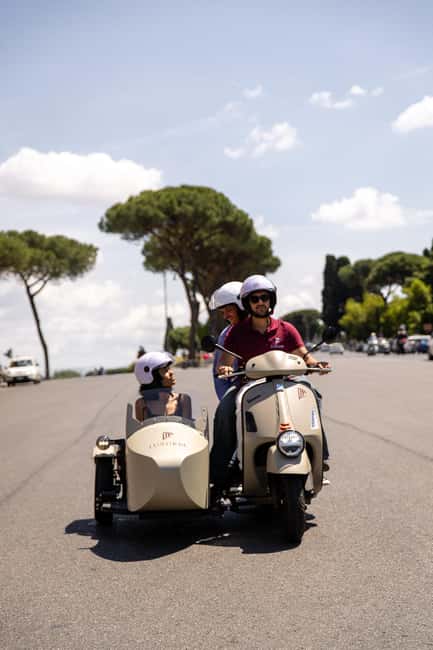
If you’ve ever tried to see Rome by foot, you already know the problem: you’re either queuing, crossing busy streets, or spending half your day “just getting from one place to the next.” This tour cuts that down by using the Vespa-Sidecar to move you through the city while you’re still getting guided time at each highlight.
You’re not doing a museum marathon. You’re doing the classic Rome picture-and-story run: big piazzas, iconic facades, and view points that make the city feel instantly recognizable. The sidecar setup keeps the experience intimate, and you’re not stuck in a bus seat watching other people walk off toward landmarks.
Best of all, the tour is designed around moments: a guided stop at Trevi, a guided pause at Piazza Navona, a story-led approach to major monuments, and then a final finish near the Colosseum.
You can also read our reviews of more tours and experiences in Rome

Starting at Largo Goldoni: what to do first
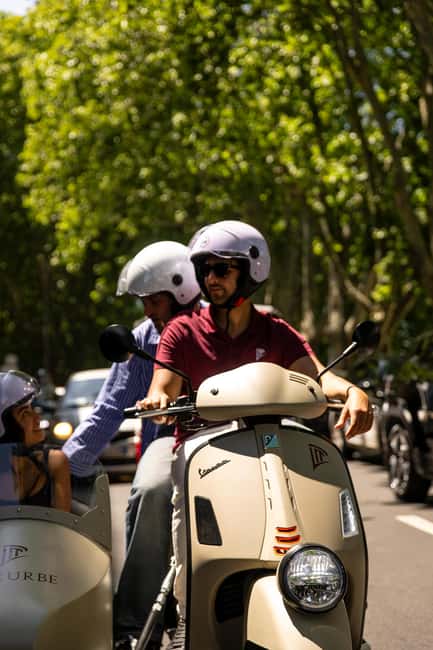
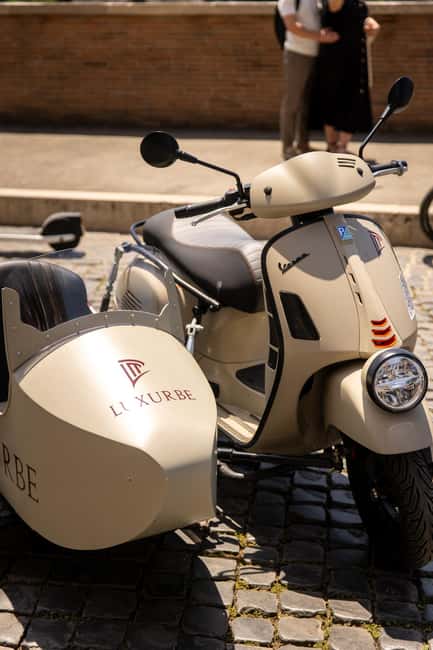
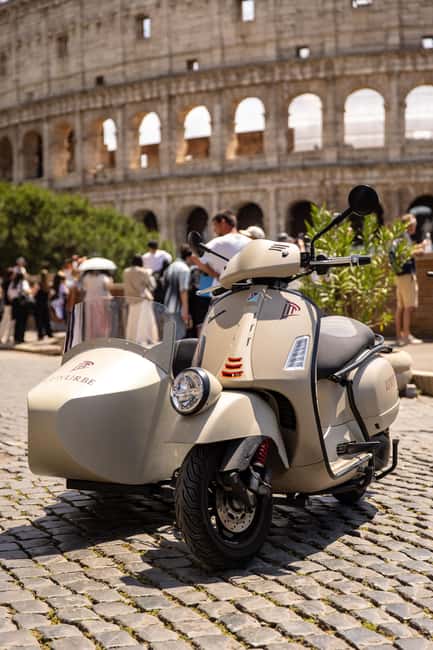
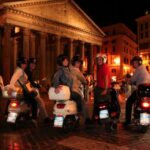
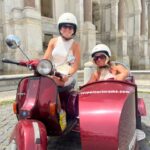
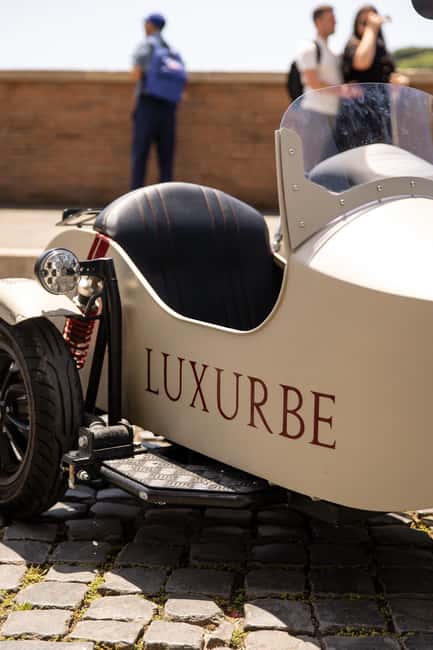
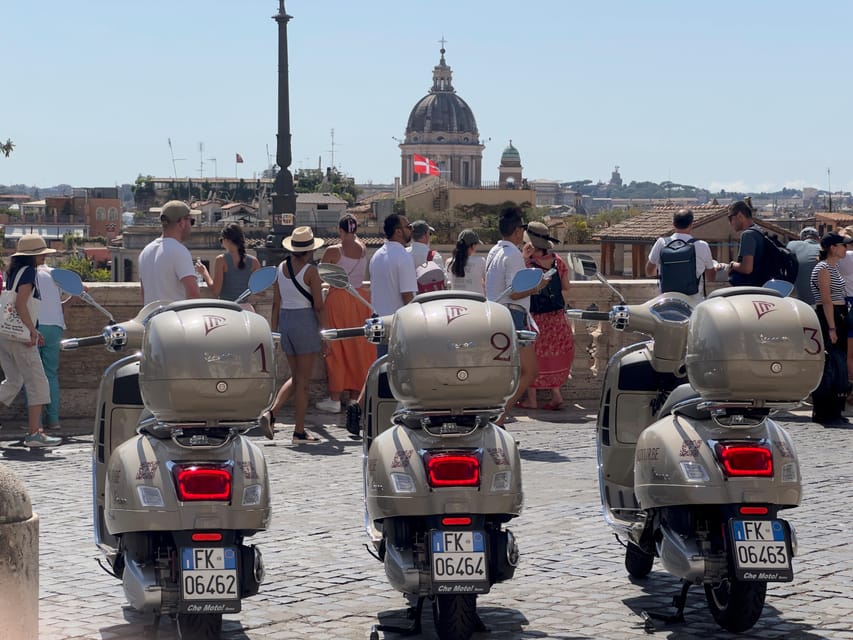
Most people meet at Largo Goldoni, where the driver waits outside with the signature LUXURBE Vespa-Sidecar. If you choose optional pickup, the driver can wait outside your hotel—though Rome traffic can create up to 20 minutes of waiting. I’d treat that as normal, not a failure.
Here’s how to make the start smooth:
- Arrive a little early and scan the area. The group needs to connect fast so you don’t lose the first part of the ride.
- Bring a dead-simple plan for communication with your party (one person’s phone ready, one person knows the tour name).
- Wear a helmet-approved mindset: certified helmets are included, and they’re there for a reason.
One practical bonus: passenger insurance is included. And you’ll have earphones, which matter a lot in Rome. Without them, the traffic noise makes “guide talk” hard to catch. With them, you can actually follow the stories as you ride.
From Piazza del Popolo to Trevi Fountain, fast and iconic
Your tour route starts by rolling out from Largo Goldoni and heading toward Piazza del Popolo, Rome’s grand entrance-feeling space. You’ll mostly pass by (about 10 minutes), which is exactly the right tempo for this stop: it’s the kind of landmark you want to see, orient yourself with, and then keep moving.
Then comes Trevi Fountain, one of those places where everyone wants the coin shot and a quick photo. Here, you get a 10-minute guided stop, including the age-old tradition of tossing a coin and making a wish. That brief guidance helps because the fountain is more than a postcard. Your guide can point out details you might miss if you were just rushing to take pictures.
A small timing reality: Trevi is popular and photos take time, so the earphones and guide leadership help you stay on track. You’ll likely have enough time for your moment, but you won’t have an hour to wander down every side street around it.
Pantheon and Piazza Navona: ancient Rome meets the arts crowd
From Trevi, you’ll head toward the Pantheon. This one is a pass-by stop (about 15 minutes), which sounds short until you remember the goal: you’re seeing it in motion and getting orientation. The Pantheon is one of those structures that instantly anchors Rome’s “this is still here after all these centuries” feeling.
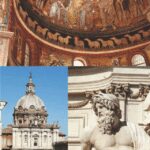
Next is Piazza Navona, with a 15-minute guided visit. This is where the tour leans into atmosphere. Piazza Navona is famous for its lively square vibe, and your guide’s time here focuses on Bernini’s Fountain of the Four Rivers. Even if you’ve never studied Baroque art, seeing the fountain with someone explaining the symbolism makes it easier to remember.
Why I like this pairing: the Pantheon gives you a clean ancient anchor, and Piazza Navona gives you a “Rome today lives inside the old stones” feeling. You get variety without having to decide which attraction to prioritize.
Piazza Venezia to the Vatican: the big scale of Rome
As you cross the historic center, you’ll pass Piazza Venezia, with its imposing Altar of the Fatherland nearby. This is a short guided stop (about 10 minutes). The value here isn’t lingering. It’s understanding what you’re looking at while you’re close enough to notice the scale.
Then the tour moves toward the Vatican area, including St. Peter’s Square (around 15 minutes guided). The guide helps you read the space instead of treating it like a “look, it’s huge” photo moment. Even if you’ve seen pictures before, being there in person gives you a different sense of how mass and design work together.
What to keep in mind: this part can feel crowded, and the tour is moving efficiently. If you’re hoping to do a long, quiet linger, this isn’t designed for that. It’s built for seeing, learning the main story points, and rolling on.
You can also read our reviews of more tours and experiences in Rome

Gianicolo Hill panoramas (and the 12:00 cannon moment)
After the Vatican stop, you’ll head toward Gianicolo Hill, where you get a panoramic terrace view over Rome’s rooftops. This is a 10-minute guided stop, and that matters: in a good short time window, you can take in the full sweep and still move.
One review called out a special bonus—if you’re there at the right time, you might catch the 12:00 cannon moment. If your schedule lines up, that adds a memorable, very Rome flavor to an already impressive viewpoint.
Even without the cannon, this is a smart stop. Rome’s streets can confuse you early on. Gianicolo helps your brain map the city fast.
The Jewish Ghetto, Trastevere, and the road to the Colosseum
Your tour includes time through the Jewish Ghetto, with a 15-minute guided stop. This section is valuable because it keeps the ride from feeling like only famous landmarks and big monuments. The guide’s stories add context to an area that’s part of Rome’s living texture.
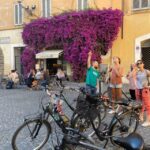
Then you move toward Trastevere for a 10-minute guided stop. Again, it’s short, but it’s enough for a quick taste: you’ll get a sense of the neighborhood’s character without turning the tour into a long neighborhood walk.
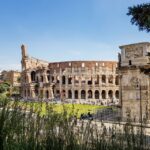
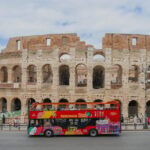
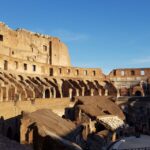
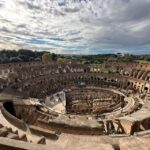
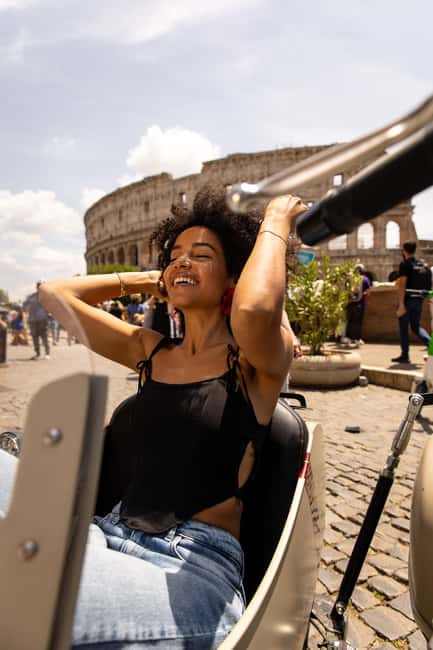
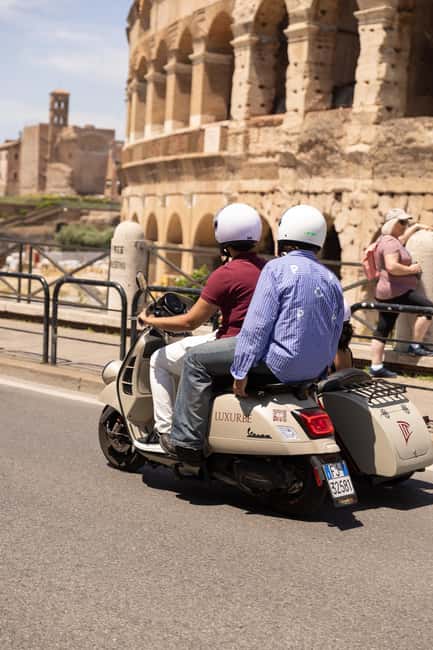
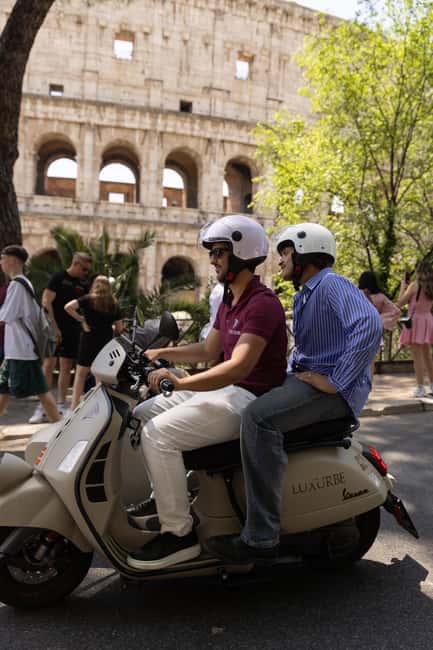
Finally, the tour ties it together at the Colosseum, with a guided stop around 15 minutes. This is the end-of-ride payoff: Rome’s most iconic monument, tied to legendary spectacles and the Imperial era. Even in a short visit, having a guide here helps you connect what you’re seeing to the bigger story—so it doesn’t become only a photo prop.
One more timing note: the exact sequence can shift due to traffic, weather, or special events. The landmarks are consistent, but your order may be adjusted to keep the ride flowing.
What’s included, and why it matters
This isn’t just transport with a loose route. The included pieces are what make the tour work well in real life:
- Vespa Sidecar with an expert driver: you’re handling the streets via locals, not trying to navigate Rome yourself.
- Local guide stories and curiosities: you’re not only seeing sights; you’re getting meaning.
- Earphones: crucial for hearing the guide clearly while riding.
- Certified helmets: included for safety.
- Photo stops at iconic landmarks: you’re not left scrambling for where to pull over.
- Passenger insurance included: added reassurance.
You’ll also want to know what’s not included: food and beverages. Plan to eat before or after, not during the ride.
Price and value: does $113.27 make sense?
At $113.27 per person for about 3 hours, the value is mostly in three things: time saved, guided orientation, and getting between distant sights without walking a ton.
You’re paying for:
- A driver who can move you through Rome quickly
- A guide who strings together multiple major locations
- The convenience of having photo moments planned into the route
- The small-group format (limited to 10 participants), which can make the experience feel less rushed than larger tours
Where it might feel expensive is if you’re the type who only cares about one or two attractions. This tour is built for a highlight reel. If you want museum-depth or long time on one site, you’ll likely want something else for the rest of your trip.
Where it feels like a solid deal is when you’re short on time and want Rome to feel real fast—Colosseum, Trevi, Piazza Navona, Vatican area, plus viewpoints.
Who should book this Vespa Sidecar tour, and who should skip it
This is a great fit if:
- You’re visiting Rome for the first time and want the main sights without turning your vacation into a hike.
- You enjoy guided stories but don’t want to sit on a bus all day.
- You want a small group experience (up to 10) with an intimate pace.
- You like the novelty of riding through historic streets with wind in your hair and quick photo stops.
It’s not a fit if:
- You have kids under 2 years.
- You’re over 95 years.
- You need lots of slow downtime. This tour is paced and designed to keep you moving between stops.
And if you’re choosing hotel pickup, remember the traffic reality: a wait of up to 20 minutes can happen.
Should you book this Vespa Sidecar tour of Rome?
Book it if you want a fast, guided, highly “Rome” introduction that covers major icons and a panorama without making you sprint across the city. I especially think it’s worth it for couples and small groups who want to see Trevi, Piazza Navona, the Vatican area, and the Colosseum in one efficient morning or afternoon block.
Skip it if your main goal is slow wandering, museum time, or you know you’ll stress about meeting up. If you choose to go, do one thing that makes the whole tour easier: show up early at Largo Goldoni and make sure your group is ready to connect right away.
In the end, the tour’s strength is simple: it turns Rome’s distance into motion, and it turns famous landmarks into stories you can actually remember.
FAQ
How long is the Vespa Sidecar tour of Rome?
The tour duration is listed as 3 hours.
Where does the tour start and end?
The tour starts at Largo Goldoni, where you meet the driver. It ends back at the meeting point.
Is hotel pickup available?
Hotel pickup is optional. If selected, the driver will wait outside your hotel, but Rome traffic may cause a waiting time of up to 20 minutes.
What landmarks will we see during the ride?
The tour includes stops and guided time at places such as Trevi Fountain, Pantheon area, Piazza Navona, Piazza Venezia, St. Peter’s Square (Vatican City), Gianicolo Hill, the Jewish Ghetto, Trastevere, and ends at the Colosseum.
Are helmets and safety gear included?
Yes. Certified helmets are included, and passenger insurance is also included.
Do we get help hearing the guide?
Yes. Earphones are provided so you can clearly hear the driver/guide during the tour.
What languages are offered?
The live guide is available in Italian, English, and Spanish.
Is there an age limit?
Yes. The activity is not suitable for children under 2 years old, and it is not suitable for people over 95 years old.