REVIEW · CATACOMBS & CRYPTS TOURS
Rome: Capuchin Crypt experience with Panoramic transfer
Book on GetYourGuide →Operated by TICKETSTATION SRL · Bookable on GetYourGuide
Capuchin secrets ride in with your panoramic bus. You’ll get bus transfer help to reach the Capuchin Crypt area via Barberini, and you’ll spend time inside the 8-room museum before the visit closes at the crypt-cemetery.
I like how this is more than a quick look around: you get the story of the Capuchin friars in Lazio and then you finish in the crypt-cemetery, a place that sticks with you even if you’re short on time. The one real caution is that the museum and crypt are sacred spaces and the visit isn’t recommended for anyone who feels uneasy about human remains or tight spaces.
In This Review
- Key things I’d plan around
- Getting oriented at Touristation Aracoeli and boarding the Panoramico bus
- Arriving near Barberini and finding Santa Maria della Concezione
- Inside the Capuchin Crypt Museum: the 8-room path you should follow in order
- Room 1: The convent built for the Barberini family (completed in 1631)
- Rooms 2–3: Order, spirituality, and saints through images and stories
- Room 4: Vestments and everyday artifacts that make it feel real
- Room 5: Saint Francis in meditation, possibly connected to Caravaggio
- Rooms 6–7: 20th-century spiritual, cultural, missionary, and artistic activity
- Room 8: The crypt-cemetery finale that closes the museum visit
- The crypt-cemetery experience: why the ending hits hard
- Audio guide and the Rome points app: making a short tour feel useful
- Practicalities that affect comfort: shoes, photos, sacred attire, and space
- Price and value: what $43.27 buys you in Rome
- Who this experience fits best (and who should skip it)
- Should you book the Rome Capuchin Crypt with Panoramic transfer?
- FAQ
- Where do I redeem my voucher for the Capuchin Crypt experience?
- How do I get to the Capuchin Crypt from the meeting point?
- How long is the experience?
- What is included with the ticket price?
- Is hotel pickup included?
- Is there an audio guide during the trip and inside the crypt?
- Can I take photos during the visit?
- What should I wear or bring?
- Is this visit suitable for people who are claustrophobic or sensitive to human remains?
- Is it accessible for wheelchair users?
- Is free cancellation available?
- Can I reserve now and pay later?
Key things I’d plan around
- Piazza Ara Coeli 16 start: you redeem your voucher at TOURISTATION ARACOELI near the fountain under restoration and orange flags
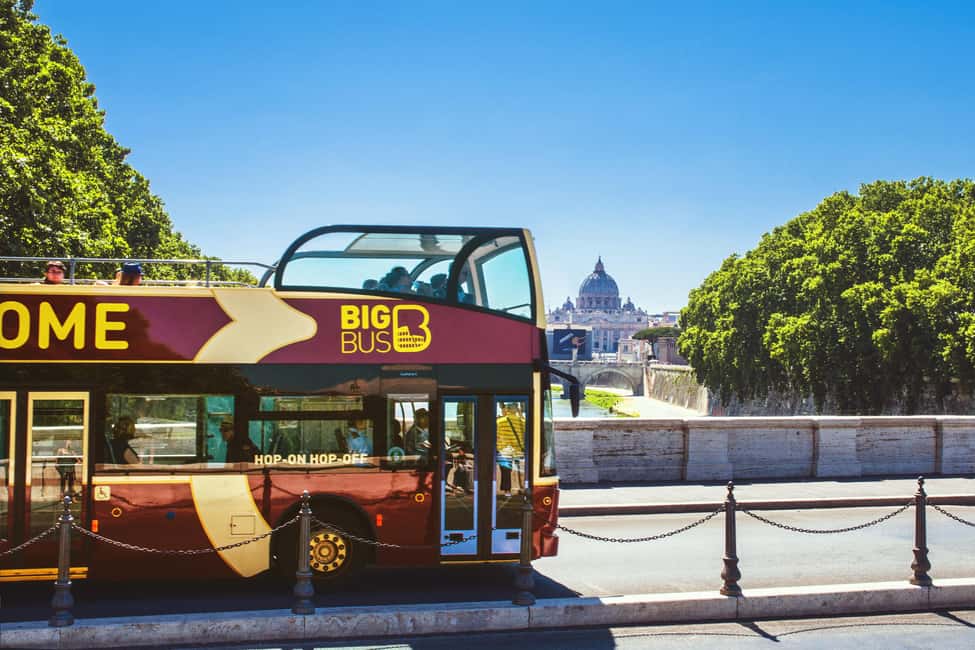
- One-run Panoramico bus to Barberini: you board right in front of your meeting spot and head toward the stop near the crypt
- 8 museum rooms, arranged by theme: from Barberini-era convent history to daily objects and religious art
- Saint Francis in meditation: a painting in the collection, possibly by Caravaggio
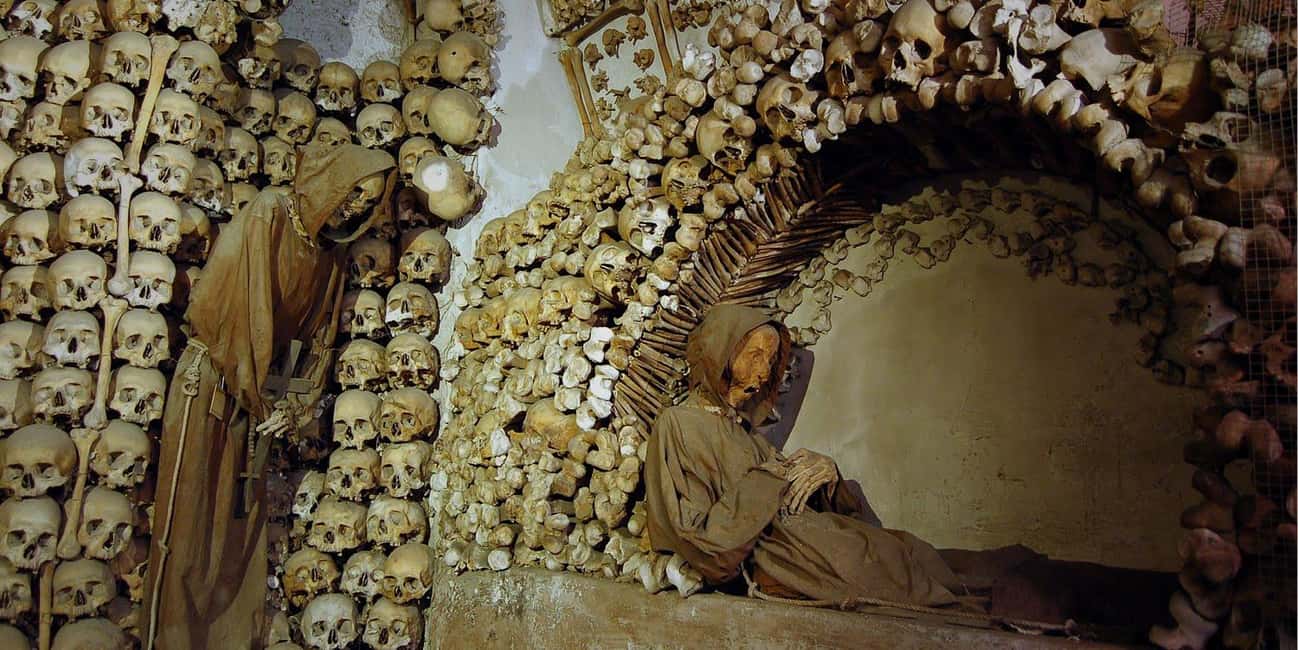
- Crypt-cemetery as the grand finale: the most evocative part comes at the end of the museum route
- Audio on the move: you get an audio guide during the ride plus audioguiding inside the crypt area
Getting oriented at Touristation Aracoeli and boarding the Panoramico bus
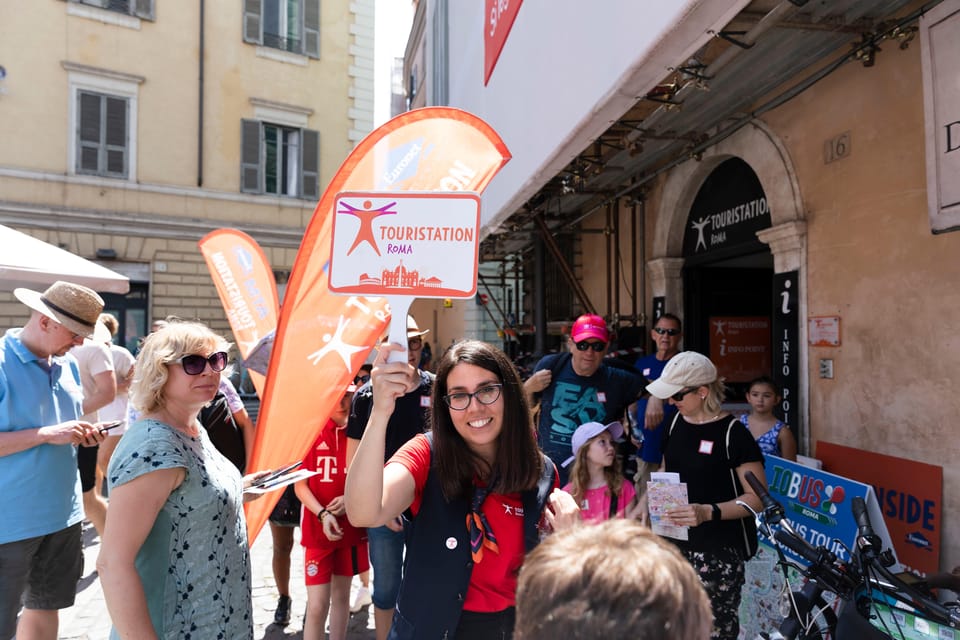
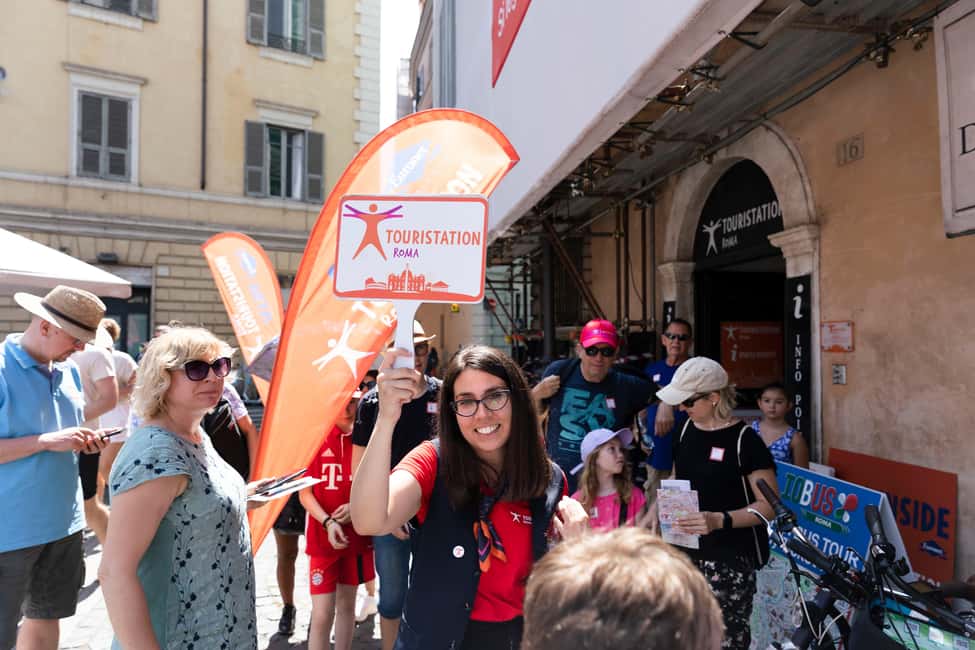
This experience is set up to reduce friction right away. You start by redeeming your voucher at TOURISTATION ARACOELI, Piazza d’Aracoeli 16. When you get there, look for a fountain under restoration and orange flags outside the office. It’s a small detail, but it matters: if you show up to the right spot early, you avoid the classic Rome scramble.
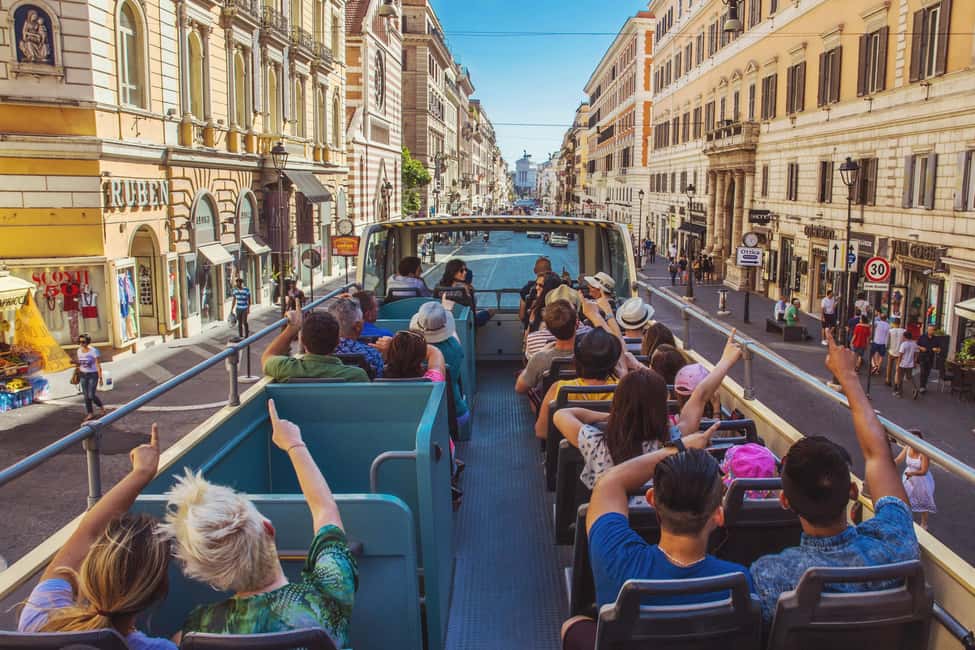
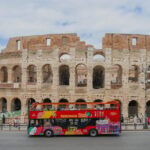
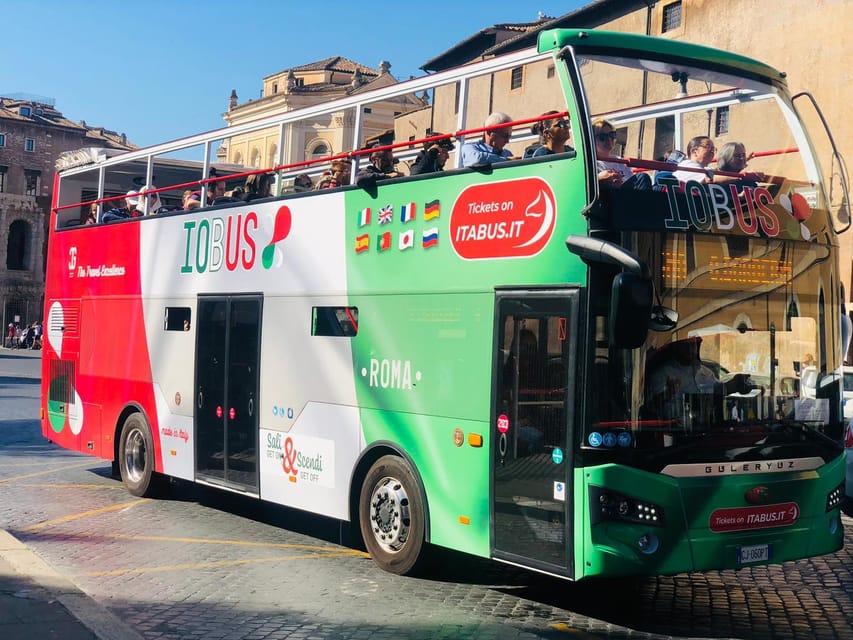
From there, you’re given a one-run panoramic bus ticket directly at the office. The bus is waiting right in front of the meeting point, so you’re not spending your time figuring out routes or reading timetables. You’ll use the ticket to reach the Barberini stop, which is the jump-off point for the Capuchin Crypt area.
One extra perk here is the audio guide during the bus journey. You get main information about Rome while you’re moving, which is a smart way to turn transit into useful context. In a city like Rome, that can make the short tours feel longer in the best way.
You can also read our reviews of more tours and experiences in Rome


Arriving near Barberini and finding Santa Maria della Concezione
Once you reach the Barberini stop, you’ll head to the Capuchin Crypt Museum, which sits on Via Veneto a few steps from Piazza Barberini. The museum is attached to the baroque church of Santa Maria della Concezione. That attachment is more than architectural trivia; it helps explain why this is presented as a sacred experience and not just a museum display.
You also get priority entry connected with your ticket pickup. That’s helpful in a small, tightly-run site where you don’t want to burn time waiting at the entrance.
Before you go in, keep in mind the practical rules: comfortable shoes are worth it, and you’ll want to follow the site’s guidance on appropriate attire. Also, this is not a place where you should plan on heavy photography.
Inside the Capuchin Crypt Museum: the 8-room path you should follow in order
The visit is designed like a story told in steps. You’ll walk through the museum route with the provided audioguide, and the layout is broken into eight rooms. Each section adds a different layer to the Capuchin friars’ influence in Lazio—religious life, missionary activity, and even the ordinary objects connected to the order.
Here’s the sequence you can expect, with what it means for your visit:
Room 1: The convent built for the Barberini family (completed in 1631)
The first section is about the convent commissioning by the Barberini family, completed in 1631. You’ll learn it was finished according to the design of the Capuchin architect Fra Michele da Bergamo.
Why this matters: it frames the whole order in a real historical world—patronage, building projects, and religious communities shaped by major families and local influence. It’s not only about artifacts; it’s about how the friars became part of Rome’s fabric.
Rooms 2–3: Order, spirituality, and saints through images and stories
The next two sections focus on the Capuchin order and spirituality using images and stories of saints. This is where you start understanding the friars’ spiritual tone: closeness to the poor, the idea of brotherhood, and a disciplined simplicity.
If you want a museum that gives you meaning quickly, this is the part that helps. You’ll understand what you’re looking at before you see the objects and art.

Room 4: Vestments and everyday artifacts that make it feel real
Section four displays:
- vestments
- liturgical use objects
- artifacts of everyday use
This room is where the experience stops feeling abstract. You’re not just reading about a spiritual movement—you’re seeing items connected to daily rhythm and ritual life.
Practical takeaway: if you’re usually tempted to speed through museums, don’t. Spend a little extra time here, because this is where you can connect the order’s message to actual objects.
Room 5: Saint Francis in meditation, possibly connected to Caravaggio
The fifth section centers on a painting depicting Saint Francis in meditation. It’s noted as possibly made by Caravaggio specifically for the Capuchin convent. Even with the cautious wording, that’s exactly the kind of detail that makes a visit feel different from standard museum stops.
What you’ll get from this: art history flavor, yes—but also a devotional mood. You’ll likely find yourself slowing down simply because the subject and setting encourage a quiet tone.
Rooms 6–7: 20th-century spiritual, cultural, missionary, and artistic activity
The sixth and seventh sections shift forward in time and broaden the story. You’ll see how the order’s influence continued through spiritual, cultural, missionary, and artistic activity in the 20th century and around the world.
This is valuable if you’re worried the museum will be only about one place and one era. Instead, it expands beyond the crypt walls.
Room 8: The crypt-cemetery finale that closes the museum visit
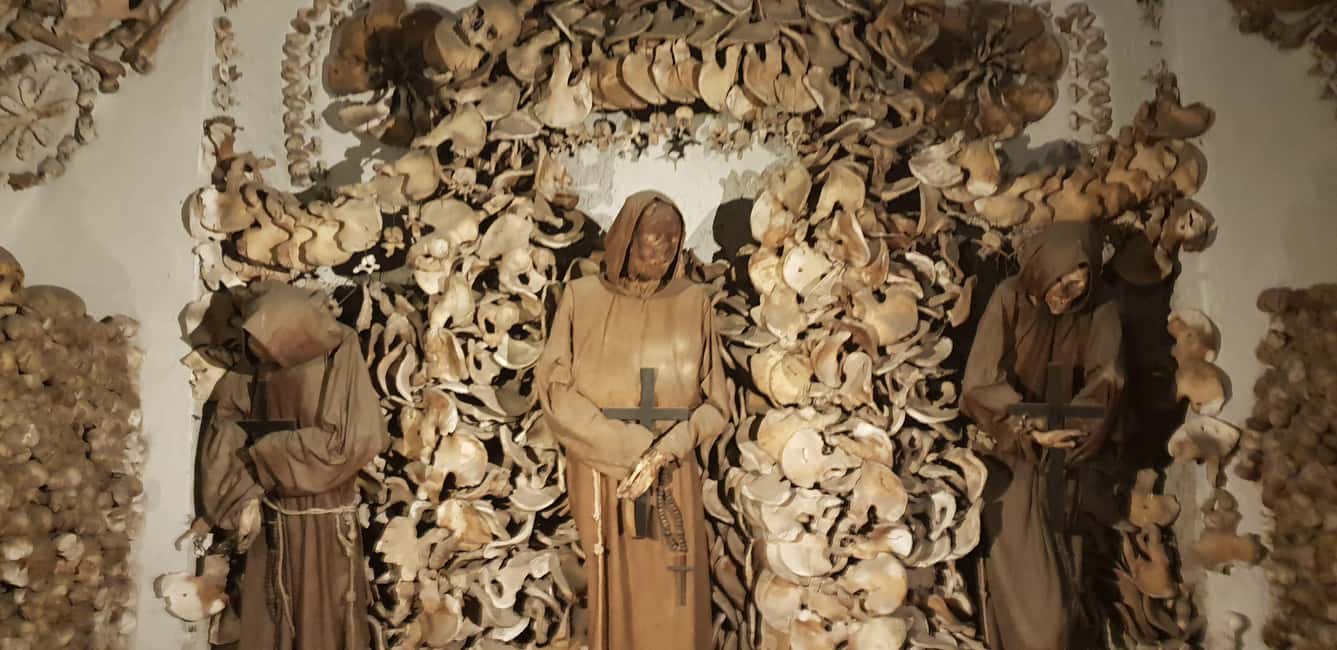
The eighth section is the handoff to the most evocative part: the crypt-cemetery, which closes the museum experience. This is where the atmosphere changes. It’s intended as the emotional ending of the route, not just another room.
If you’re planning your visit carefully, think of this as your payoff and don’t burn all your time earlier.
The crypt-cemetery experience: why the ending hits hard
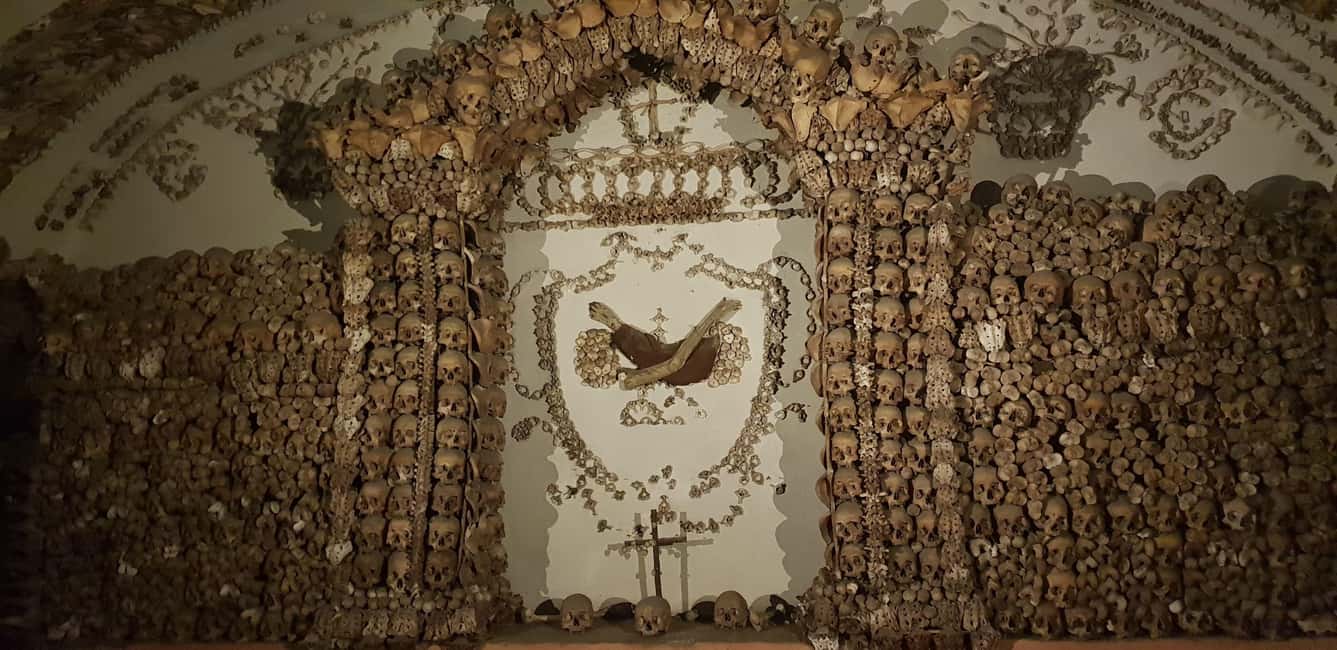
The museum route leads you to the crypt-cemetery, and that sequencing is intentional. You don’t jump straight into the crypt visuals. Instead, you build context first—who the Capuchins were, why their spirituality mattered, and how their daily life and artistry fit together.
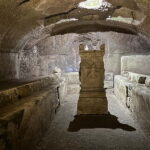
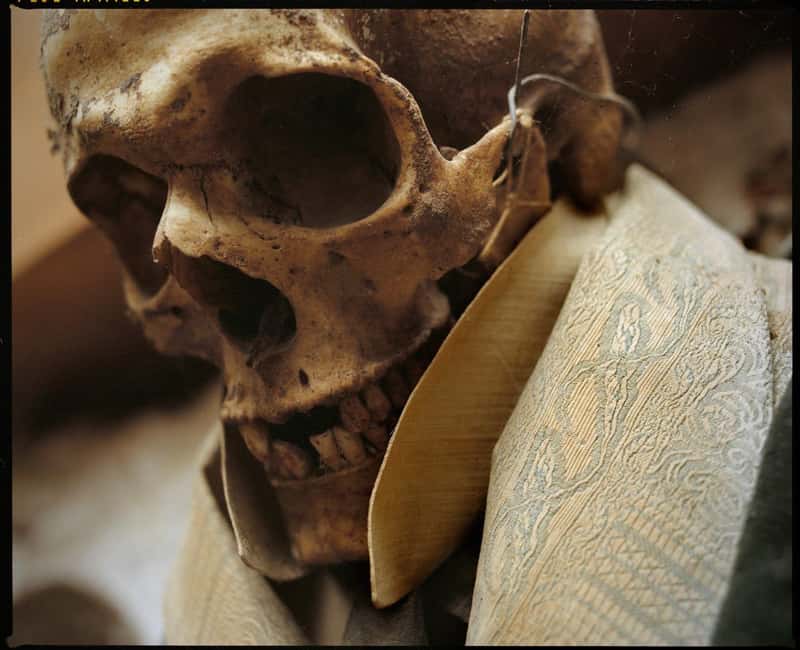
Then you reach the crypt-cemetery, which is described as highly evocative. That word matters. This is not the kind of stop where you look, take a photo, and move on. It’s the place where you notice your own reaction. If you’re sensitive to human remains or prefer airy spaces, this isn’t for you.
Also, photography rules tighten here. Flash photography is not allowed, and photography inside is not permitted. So plan on experiencing it with your eyes first. If you want a memory, rely on your audioguide and your own notes rather than your camera.
Audio guide and the Rome points app: making a short tour feel useful
The structure here is pretty smart for Rome. You don’t just get a ticket and a route. You get layered audio:
- an audioguide for the Capuchin Crypt during the visit
- an audio guide app for Rome with more than 170 points of interest
- an audio guide during the bus journey with main information about Rome
So, even though the duration is about 2 hours, you’re not limited to only one site. The Rome app can help you connect what you see today with what you might walk to later. It’s a practical way to turn one “special” ticket into broader city navigation and context.
If you’re the kind of visitor who likes to wander but gets overwhelmed by choices, this kind of audio support can act like a compass—without forcing you into a long guided day.
Practicalities that affect comfort: shoes, photos, sacred attire, and space
This visit comes with rules that matter for how enjoyable it feels:
- Comfortable shoes: you’ll be walking around the museum and inside a site that’s not about quick pit stops.
- No flash photography and no photography inside: plan for a lower-photo experience, especially in the crypt/cemetery portion.
- Appropriate attire is required: the museum and crypt are considered sacred places, so dress with care.
- Not recommended for claustrophobia or sensitivity to human remains: if that describes you, take this warning seriously.
- Not suitable for wheelchair users: it’s explicitly stated as not recommended for wheelchairs.
There’s also a quiet-but-important tip: keep your expectations realistic. This isn’t built for people trying to squeeze in lots of stops while sprinting. It’s short, yes, but it’s meant to be taken in.
Price and value: what $43.27 buys you in Rome
At $43.27 per person, this is not a “budget” museum ticket. But when I look at what you actually receive, the value makes more sense.
You’re paying for:
- entrance to the Capuchin Crypt
- audioguide for the Capuchin Crypt
- a one-run panoramic bus ticket tied to your transfer (Panoramico bus)
- skip-the-ticket-line style access, plus priority entry
- an audio guide app for Rome with 170+ points of interest
So you’re buying both access and help: help getting there (bus), help understanding what you’re seeing (audio), and help saving time (skip-the-line/priority entry). In Rome, time is money, and the Capuchin site is the kind of stop where waiting can quietly ruin your rhythm.
If you’re the type who loves history but also appreciates practical support, this price can feel fair. If you’re already great at navigating on your own and don’t like audio, it might feel like less value—but the built-in transfer convenience is a major piece of the bargain.
Who this experience fits best (and who should skip it)
I think this tour works best for you if:
- you want a structured visit to a small but meaningful site
- you like art and religious history, including the possibility of a Caravaggio-related painting
- you want the route to make sense: museum context first, crypt ending last
- you like audio guides and would use the Rome app afterward
I’d skip it if:
- you’re claustrophobic or very sensitive to human remains
- you rely on wheelchair access
- you want lots of photography (since photography inside and flash are not allowed)
Also, if you’re visiting Rome with limited time, this is a solid use of a short window. Two hours is enough to get context and land the emotional finale without feeling like you’re there all day.
Should you book the Rome Capuchin Crypt with Panoramic transfer?
Yes, if you want a short, well-supported trip that combines access, context, and a strong emotional payoff. The panoramic bus transfer from Piazza Ara Coeli reduces hassle, and the audio guide layers help you understand what you’re seeing instead of just moving through rooms.
Book it especially if:
- you appreciate guided structure without a long day
- you’d use the provided audio resources during and after your visit
Don’t book it if you know you’re uncomfortable with human remains or tight spaces. In that case, no amount of audio or bus convenience will fix the core mismatch.
FAQ
Where do I redeem my voucher for the Capuchin Crypt experience?
You redeem your voucher at TOURISTATION ARACOELI, Piazza d’Aracoeli 16. Look for a fountain under restoration and orange flags outside the office.
How do I get to the Capuchin Crypt from the meeting point?
You use a one-run Panoramico bus ticket that is delivered at the Touristation office. The bus departs directly in front of your meeting point and takes you to the Barberini stop near the crypt.
How long is the experience?
The duration is listed as 2 hours. Starting times vary, so check availability.
What is included with the ticket price?
Included are entrance to the Capuchin Crypt, an audioguide for the Capuchin Crypt, a one-run ticket to the Panoramico bus, and a Rome audio guide app with more than 170 points of interest.
Is hotel pickup included?
No, hotel pickup and drop-off are not included.
Is there an audio guide during the trip and inside the crypt?
Yes. There is an audioguide during the journey with main information about Rome, plus an audioguide for the Capuchin Crypt.
Can I take photos during the visit?
Flash photography is not allowed, and photography is not permitted inside.
What should I wear or bring?
Bring comfortable shoes and a camera. Appropriate attire is required since the museum and crypt are sacred places.
Is this visit suitable for people who are claustrophobic or sensitive to human remains?
No, it is not recommended for those who are claustrophobic or sensitive to human remains.
Is it accessible for wheelchair users?
No, the experience is not suitable for wheelchair users.
Is free cancellation available?
Free cancellation is offered up to 24 hours in advance for a full refund.
Can I reserve now and pay later?
Yes, you can reserve now & pay later with flexible plans.