REVIEW · 2-HOUR EXPERIENCES
Palazzo Barberini: 2-Hour Private Tour
Book on GetYourGuide →Operated by Rome Guides · Bookable on GetYourGuide
Art history, made human. A private Palazzo Barberini tour turns big-name Italian art into an easy story you can follow, from the Middle Ages to Baroque Rome.
I like the guided focus on Raphael’s La Fornarina and how the guide connects the art to the era that shaped it. I also love the way Caravaggio is framed, including why he’s nicknamed the Cursed Painter and what that reputation is tied to.
One consideration: this is a 2-hour run, and it’s not set up for wheelchair users or people with mobility impairments.
In This Review
- Quick hits before you go
- Palazzo Barberini: why this tour works in just 2 hours
- The private tour format: what you get for your money
- Middle Ages to Baroque: the story the guide builds for you
- Raphael’s La Fornarina: the centerpiece moment
- Caravaggio, the Cursed Painter: why the reputation matters
- Titian, El Greco, and Guido Reni: seeing the in-between masters
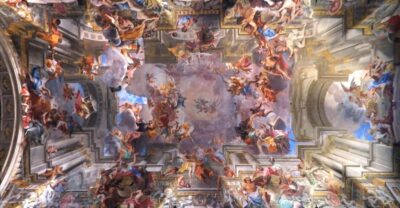
- Pietro da Cortona’s ceiling: where Baroque hits you in the neck
- Ending in Piazza Navona: the Baroque style in real life
- Price and timing: is $135.94 per person worth it?
- What to do (and not do) on the day
- Who this Palazzo Barberini tour is best for
- Quick FAQ style reality checks
- Should you book this tour?
- FAQ
- Where does the tour start and where does it end?
- How early should we arrive?
- What’s included in the price?
- What’s not included?
- How long is the tour?
- What languages are offered?
- Is it canceled for bad weather?
- Are there luggage or bag restrictions?
Quick hits before you go
- Middle Ages to Baroque, explained in plain language so you know what changed and why
- Raphael’s La Fornarina as a centerpiece moment you’ll remember
- Caravaggio as the Cursed Painter with story context, not just a label
- Pietro da Cortona’s ceiling that gives you the Baroque feel fast
- Finish in Piazza Navona where Baroque style becomes street-level reality
Palazzo Barberini: why this tour works in just 2 hours
Palazzo Barberini is one of those Rome stops where you can lose time fast on your own. You’ll stand in front of paintings and ceiling art and think, That’s impressive… but what am I actually looking at?
This private format fixes that problem. In two hours, you get an art-history line you can hold in your head, starting with the Middle Ages, then moving into the Baroque style, while the guide ties each style to the religious and political shifts of the time.
It’s also a practical way to do Rome art without treating it like homework. You’ll still walk through real masterpieces, but you’re not left guessing what matters.
You can also read our reviews of more private tours in Rome

The private tour format: what you get for your money
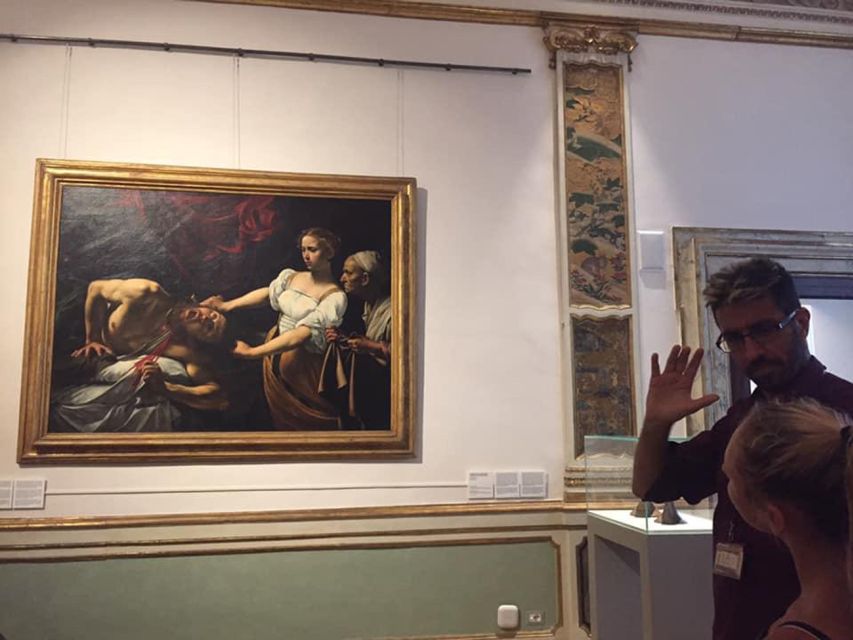
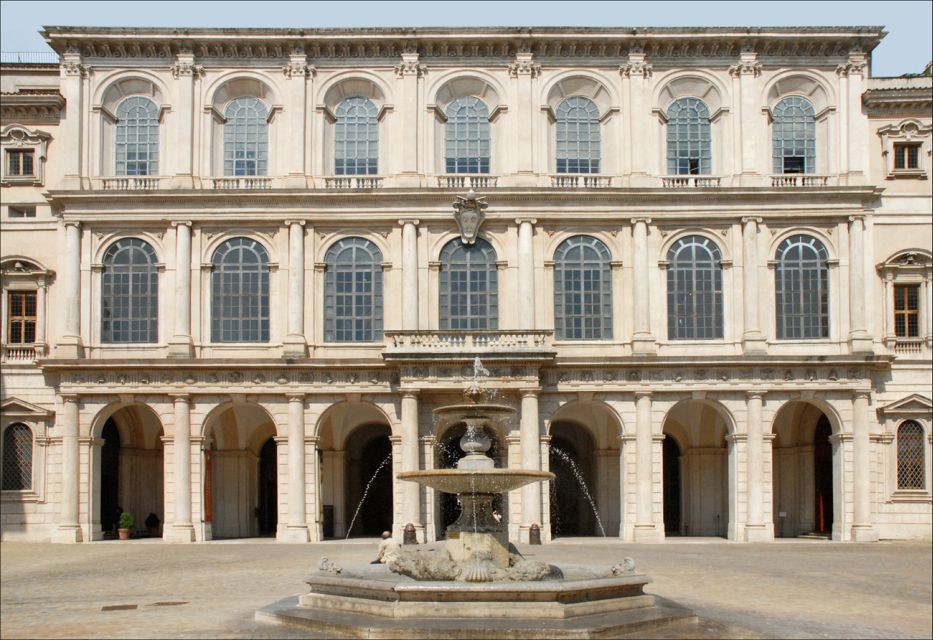
This is a private group, with an expert guide and entry tickets included. The guide meets you at the museum entrance area in the courtyard, holding a sign with the tour name, and you’ll want to arrive about 15 minutes early to get sorted.
For the price—$135.94 per person for a 2-hour private tour—your value is in speed and clarity. Instead of wandering and hoping you’ll hit the right rooms at the right moment, you’re led through a focused route built around key artists.
A small but important detail: it’s rain or shine. If you’re planning Rome in a shoulder season, this kind of “no excuses” tour is a nice hedge.
Middle Ages to Baroque: the story the guide builds for you
The core promise is a journey through Italian art history. You start with the Middle Ages, then move forward to the Baroque style of Rome, with the guide explaining how religious and political change influenced what artists painted and how they painted it.
That matters because style is never just style. When the guide frames what you’re seeing against the era behind it, the art stops feeling random and starts feeling inevitable—like, of course it looks like this, given what was happening.
You’ll also pick up the “why” behind the transitions you’d otherwise miss. Baroque isn’t only about drama; it’s also about belief, power, and persuasion.
Raphael’s La Fornarina: the centerpiece moment
Raphael’s La Fornarina is one of the highlights on this tour, and for good reason. Raphael’s work tends to reward slow looking, but most people don’t have time to do that on a quick museum visit.
On this tour, you don’t just stand there. The guide uses the painting as a turning point in the art story, helping you notice what makes Raphael different and why it landed the way it did in its time.
If you’re the kind of traveler who likes art but gets lost in dates, this is your lane. The guide gives you enough context to see the painting as a document of its moment.
Caravaggio, the Cursed Painter: why the reputation matters
Caravaggio can sound like a trivia theme—until someone explains how reputation forms. This tour leans into that by taking you through Caravaggio and the nickname Cursed Painter, with the stories that shaped how people talked about him.
The value here is not just knowing he was famous or controversial. It’s understanding how religious and political shifts influenced the kinds of subjects artists pursued, and how those choices could land badly—or create myth.
Caravaggio also helps you understand the emotional temperature of Baroque art. His work often feels like it’s reaching toward you, not just sitting quietly on a wall, and that’s one of the big reasons his story sticks.
You can also read our reviews of more tours and experiences in Rome




Titian, El Greco, and Guido Reni: seeing the in-between masters
This isn’t a Raphael-and-Caravaggio only tour. You’ll also encounter other masters such as Titian, El Greco, and Guido Reni.
What I like about adding these names is that they show art history as a network, not a relay race. You start to see how different artists respond to the same larger forces—religion, politics, patronage, and cultural taste—without all of them painting the same way.
Even if you’re only moderately into art, these extra stops keep you from feeling like you’re hearing a one-note story. You’ll come away with a sense of “who influenced whom,” even if the guide focuses on the artwork first.
Pietro da Cortona’s ceiling: where Baroque hits you in the neck
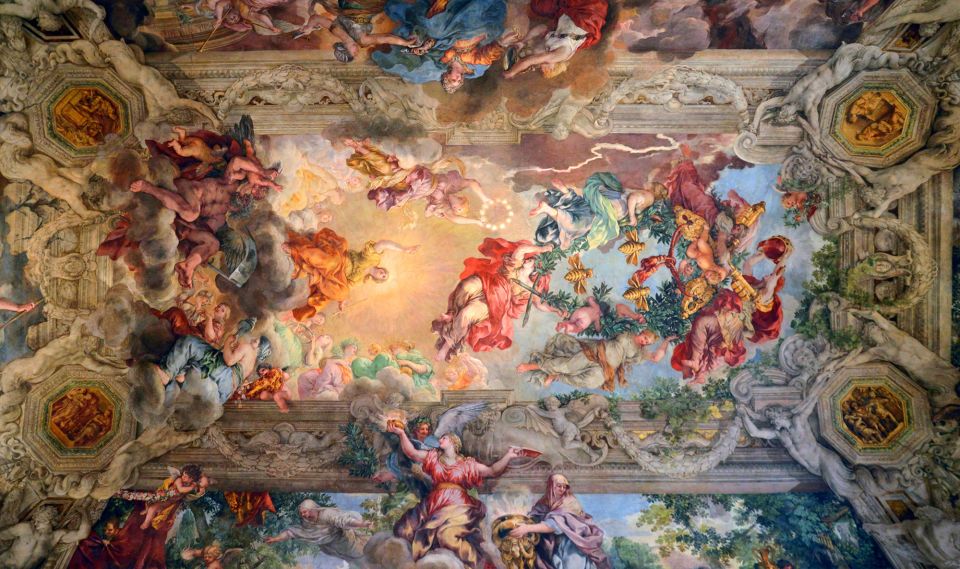
Baroque art is often described as dramatic, but that word can feel vague. Pietro da Cortona’s ceiling is the antidote.
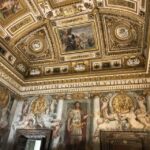
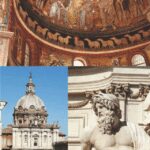
This tour includes admiration of the magnificent ceiling by Pietro da Cortona, a major example of the Baroque style. In practice, you’ll feel the effect immediately: Baroque ceilings are built for your body as much as your eyes, pulling you upward and turning space into performance.
This is where a guided explanation really helps. You can look at a ceiling for a long time and still wonder what makes it Baroque beyond the obvious visual style. The guide’s context helps you see the intention behind the spectacle.
Ending in Piazza Navona: the Baroque style in real life
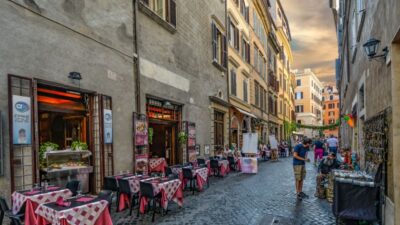
The tour doesn’t stop at the palace. You end in Piazza Navona, which is treated here as a symbol of Baroque Rome.
That’s a smart move. Back-to-back art inside and then art-inspired Rome outside helps you connect the dots between what you saw and what you’re walking through.
Piazza Navona is the kind of place where Baroque design becomes street-level drama. You’re not just hearing about style—you’re seeing how it shaped public space.
Price and timing: is $135.94 per person worth it?
For many people, the biggest question is whether a private 2-hour art tour is “worth” the price. Here’s how I’d judge it.
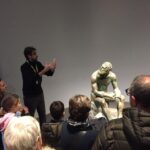
If you’re visiting with someone who also likes art—or you want your own pace without sharing space with strangers—private value can be real. You get a guide who can keep you on track, explain what you’re looking at, and adjust your attention to what you find interesting.
If you’re traveling solo and price-sensitive, you may feel the cost more than you do the art value. In that case, weigh your alternatives: a self-guided museum visit might stretch longer, but you lose the tight story line that’s the heart of this experience.
The big win is that you’re buying a guided art-history narrative in a compact time window. For a short visit to Rome, that can be a smart use of limited hours.
What to do (and not do) on the day
A few practical notes make the experience smoother.
- Arrive 15 minutes early so you can meet the guide in the courtyard area with the sign and get your tickets distributed at the start.
- Wear comfortable shoes. You’ll be walking through an indoor museum route plus the walk ending in Piazza Navona.
- Plan for weather. It runs rain or shine.
- Don’t bring luggage or large bags. That’s not allowed, so travel light.
- Bring passport or ID card for children.
Also, check what language you want. The guide works in English and Italian, so you can choose what best fits your group.
Who this Palazzo Barberini tour is best for
This is a good match if you want:
- A guided art-history route from the Middle Ages to Baroque
- Clear context for major names like Raphael, Titian, and Caravaggio
- A quick, high-impact museum visit that still ends with a Roman landmark moment
It’s less ideal if:
- You use a wheelchair or need accommodations for mobility impairments
- You want a long, slow, unstructured museum wandering session
If your Rome trip is packed, this tour can act like a strong foundation. You’ll understand what you’re seeing in other churches, palaces, and galleries because you’ve trained your eye on the timeline.
Quick FAQ style reality checks
- It’s private. That’s a big quality lever for attention.
- It includes entry tickets. So you’re not scrambling at the last moment.
- It ends where you start—back at the meeting point—so you don’t have to redesign your plan afterward.
Should you book this tour?
Yes, if you want a guided art-history story in real time—especially if Raphael and Caravaggio are on your must-see list. The ceiling by Pietro da Cortona and the stop in Piazza Navona make it feel like more than a “look at paintings” visit.
Consider skipping (or choosing a different format) if you need wheelchair access or if you dislike tight schedules. This tour is built for focus, not for lingering for hours.
If you can handle stairs and travel light, I’d treat this as one of the smarter ways to spend 2 hours in Rome when you want meaning, not just sightseeing.
FAQ
Where does the tour start and where does it end?
The tour starts at the museum meeting point in the courtyard, where your guide waits in front of the entrance holding a sign with the tour name. It ends back at the meeting point.
How early should we arrive?
Arrive about 15 minutes before the activity starts so you can meet the guide and get the entry tickets distributed at the start.
What’s included in the price?
Entry tickets and a guide are included, and it’s a private tour.
What’s not included?
Hotel pickup and drop off are not included.
How long is the tour?
The tour duration is 2 hours.
What languages are offered?
The live tour guide is available in English and Italian.
Is it canceled for bad weather?
The tour takes place rain or shine.
Are there luggage or bag restrictions?
Yes. Luggage or large bags are not allowed.