REVIEW · APPIAN WAY BIKE & E-BIKE TOURS
Rome: E-Bike Tour of the Seven Hills
Book on GetYourGuide →Operated by Golf Cart and E-Bike Tour in Rome · Bookable on GetYourGuide
Seven hills can sound brutal. This one feels built for fun. You’ll roll past Rome’s biggest sights and climb for big views, with electric help doing the heavy lifting.
I like the payoff-to-effort ratio here: a guided route built around photo stops and viewpoint moments, so you see more than you could on foot in 3 hours. Guides such as Sven and Andre are praised for pacing and clear storytelling, which matters because Rome’s history isn’t just dates—it’s visible in the street plan.
One thing to keep in mind: it’s not always a quiet cycling experience. Expect some busy-road navigation around famous spots, and the total ride is about 15 km with uphill climbs—so you’ll want a basic level of bike comfort.
In This Review
- Key Highlights You’ll Care About
- Why Rome’s Seven Hills Feel Easier Than You Expect
- The E-Bike Setup: Fat Electric Bikes, Helmets, and a Real 3-Hour Plan
- From Via dell’Orso to Piazza del Quirinale: The First View of the Day
- Trevi Fountain and the Baroque Squares You’ll Actually Stop For
- Spanish Steps to Pincio Terrace: Rome at Viewpoint Speed
- Navona, the Pantheon Area, and Old Rome in the Middle of Traffic
- Campidoglio to Circus Maximus: A Shift from Temples to City Life
- Aventine Hill, Tiber Island, and Trastevere: The River Runs Through It
- Castel Sant’Angelo at Photo-Stop Moments
- How the Seven Hills Story Lands While You Ride
- Pace, Fitness, and Safety on Hills and Busy Roads
- Value at $81: What You Pay For (and What You Skip)
- Who This Tour Fits Best
- Should You Book This Seven Hills E-Bike Tour?
- FAQ
- How long is the Rome E-Bike Tour of the Seven Hills?
- What’s included in the price?
- What’s not included?
- How far do you ride and is it hilly?
- What should I bring?
- What languages are the guides available in?
- Who isn’t allowed to join?
Key Highlights You’ll Care About
- Fat electric bikes make the climbs far more manageable than a standard bike tour
- Small groups (up to 8) keep the ride personal and flexible for stops
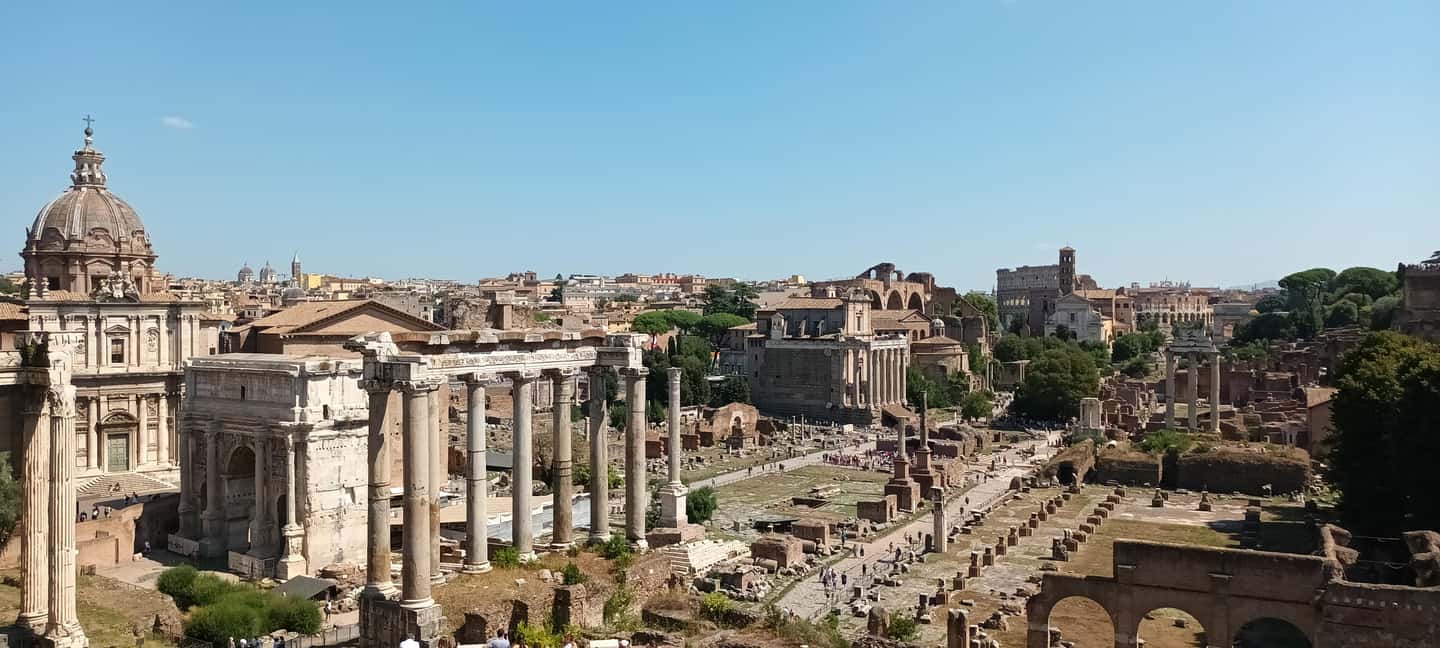
- Seven hills viewpoints give you Rome’s domes, rooftops, and cityscape from above
- Stops with a mix of photo breaks and short visits let you actually enjoy key monuments
- Guides like Sven and Andre are known for taking time to explain what you’re seeing
Why Rome’s Seven Hills Feel Easier Than You Expect
Rome’s hills are the whole point. They’re also the part that can slow you down—especially if you’re trying to see lots of monuments in one day. With an e-bike, the climbs turn into a challenge you can handle, not a punishment.
This tour is also designed around viewpoints. You’re not just biking from A to B. You’ll stop at places where domes and rooftops show up in the frame, and the guide helps you connect the scenery to what came before.
You can also read our reviews of more cycling tours in Rome

The E-Bike Setup: Fat Electric Bikes, Helmets, and a Real 3-Hour Plan
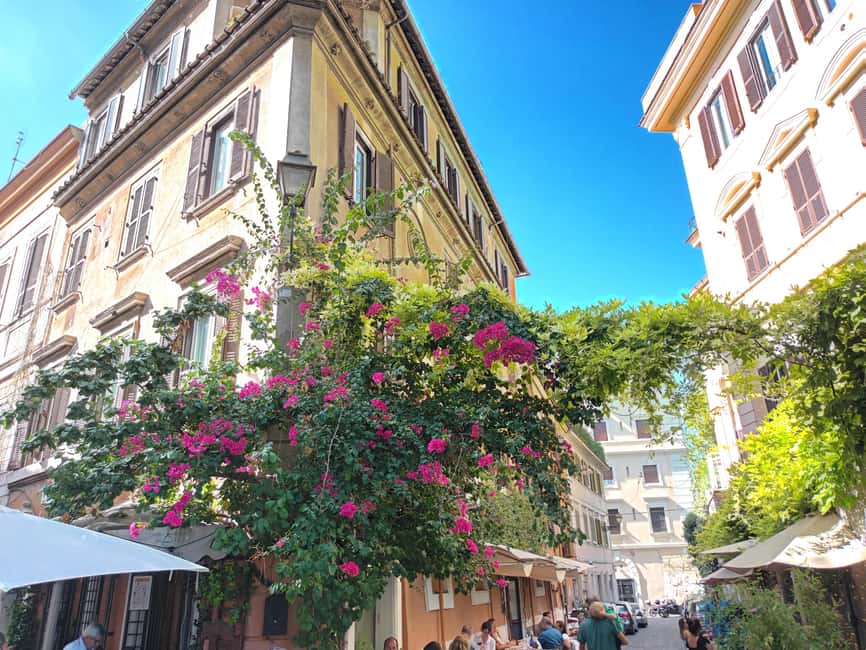
You meet at Via dell’Orso, 21. After you arrive, you’ll get set up with the bike and helmet, then start rolling with your live guide. The ride is planned for about 3 hours, which is long enough to feel like a real tour but short enough to still keep your day open.
Some e-bikes used on this tour are electric fat bikes, which tend to feel stable and easy to control—especially if you’re new to e-bikes. Insurance is included, and that’s worth noting when you’re mixing city streets with hills.
Practical tip: wear comfortable shoes and bring water. You’ll work a little, even with the motor.
From Via dell’Orso to Piazza del Quirinale: The First View of the Day
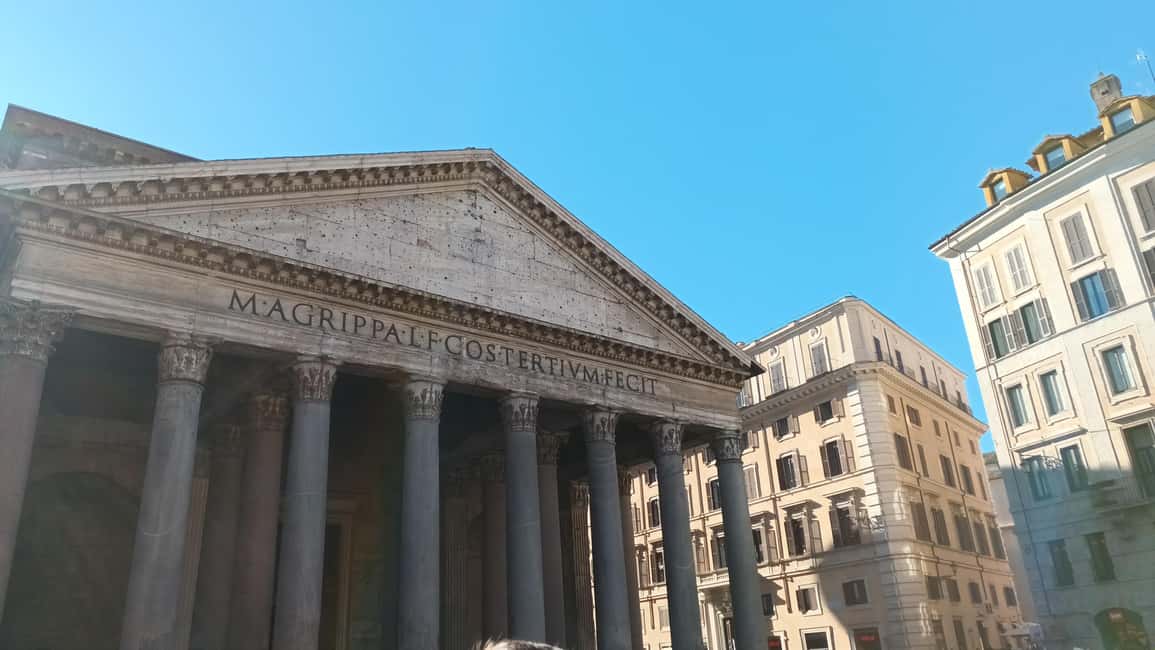
You’ll start near Via dell’Orso, 21, then head toward Piazza del Quirinale. This is a photo stop and a scenic pause, with electric assistance helping you get into position without burning your legs too early.
From here, you’ll also start learning how the route is shaped: you’ll move through the historic center, but the pacing keeps bringing you back to the idea of viewpoints and city panoramas. It’s a smart way to stop you from feeling lost in Rome.
Trevi Fountain and the Baroque Squares You’ll Actually Stop For
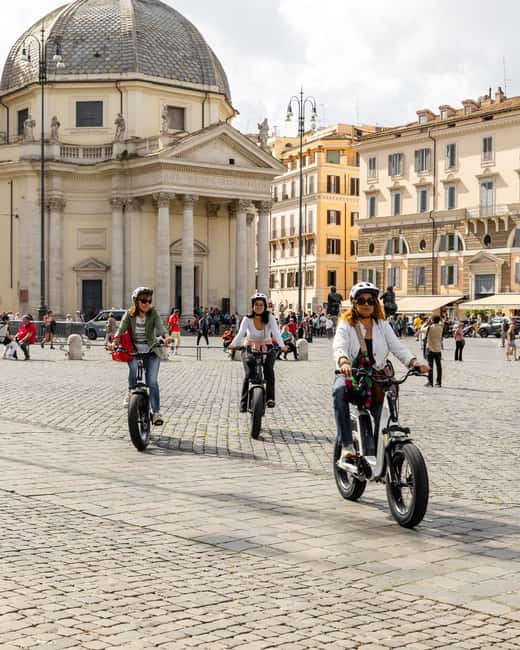
Next up is Trevi Fountain. This one is more than a drive-by: you’ll get a photo stop and time to visit. It’s a classic choice for a bike tour because you can see how the city massing changes around major landmarks.
After Trevi, you’ll ride toward Santissima Trinità dei Monti for another photo stop with scenic riding time between viewpoints. The route starts to feel like a string of “look here, then ride,” which is exactly what you want when you’re trying to cover a lot quickly.
Then you reach Terrazza del Pincio. This stop is all about the view—domes, rooftops, and the spread of Rome beyond. If you only take one moment to just look, make it one of these hilltop viewpoint pauses.
Spanish Steps to Pincio Terrace: Rome at Viewpoint Speed
After the Terrazza del Pincio stop, you’ll pass through Piazza del Popolo. It’s marked as a pass-by rather than a longer visit, which helps keep the tour moving while still giving you the big landmarks in the mix.
Then you roll into Piazza Navona—a photo stop and a visit. Navona is a place where the architecture and the energy make sense even if you’re cycling. You’ll have time to stop and see it up close rather than treating it like a quick checkmark.
Next is Piazza della Rotonda, Rome. You’ll have a photo stop here, and this is one of those stops that works well on a bike tour: you can frame the area, then shift focus back to the guide’s story.
You can also read our reviews of more tours and experiences in Rome



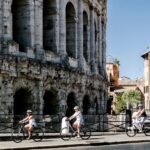
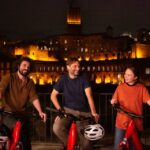
Navona, the Pantheon Area, and Old Rome in the Middle of Traffic
Here’s where Rome reality kicks in. You’ll also pass by Largo di Torre Argentina and stop for Portico d’Ottavia—with both photo time and a visit.
Portico d’Ottavia is a nice counterpoint to the baroque squares. It’s the kind of place where you feel the “layering” effect—old structures sitting inside a living city. The guide’s historical context helps you understand why this area looks the way it does.
Then you move to Piazza del Campidoglio, Rome, with a photo stop and scenic views on the ride. Campidoglio is one of those spots where the layout matters, and the elevated angle helps you understand the city in sections rather than a single flat picture.
Campidoglio to Circus Maximus: A Shift from Temples to City Life
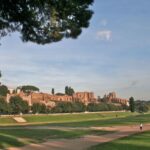
From Campidoglio you pass by Circus Maximus. This is another pass-by stop, but it’s an important one because the scale is the story—Rome’s “big ideas” for public life are still visible in how space works here.
At this stage, the ride starts to feel like a guided walk through Rome’s eras without you ever losing momentum. You don’t just see famous names—you see how the city’s design changes as time moves forward.
Aventine Hill, Tiber Island, and Trastevere: The River Runs Through It
Next comes Aventine Hill, marked as a photo stop with scenic views. The Aventine setting is a great moment for the “Seven Hills” concept because you’re riding among the places that define Rome’s geography and identity.
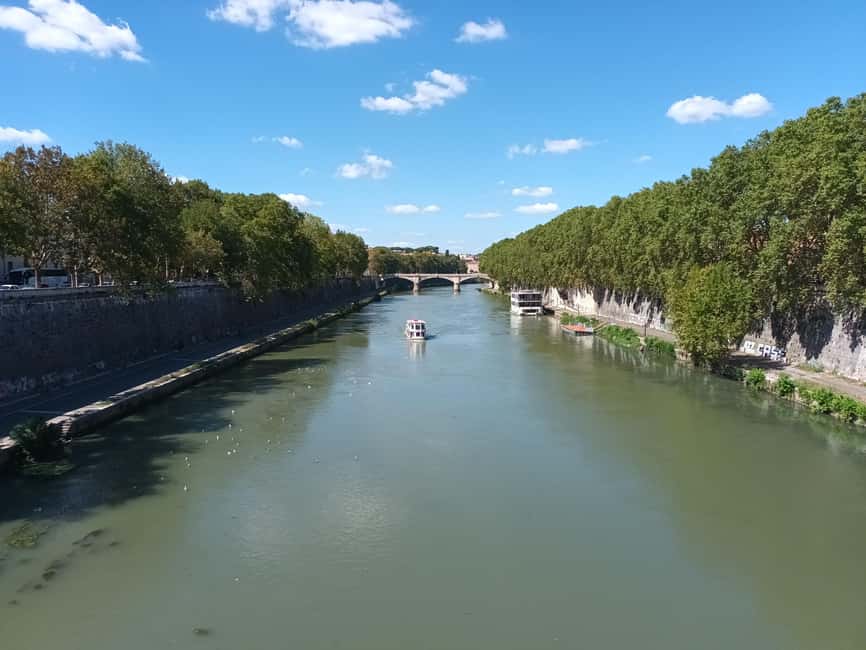
Then you stop at Tiber Island for a photo stop and electric bike ride in the area. The river adds a different rhythm to the city. Even from a bike, you can feel how the water shapes movement and sightlines.
You’ll pass by Trastevere next. It’s listed as a pass-by, which makes sense if you’re trying to cover multiple hills and big landmarks without turning the tour into a full-day cycle.
Castel Sant’Angelo at Photo-Stop Moments
You finish with Castel Sant’Angelo, a photo stop with scenic views on the way. This is a strong closing choice because it gives you a landmark that feels connected to the river and the wider city picture.
After the last scenic moments, you ride back to Via dell’Orso, 21 to wrap up the tour.
A small note: entrance fees aren’t included. If a stop is something you want to go inside, plan to pay separately.
How the Seven Hills Story Lands While You Ride
The tour’s “why” is its seven-hill framing. Rome isn’t only Roman Empire ruins or Renaissance art. It’s Christianity, medieval life, Baroque flourishes, and modern streets all stacked into one place.
As you move through the historic center and climb between viewpoints, the guide connects each era to what you’re seeing. That’s the real value of having a live guide on an e-bike tour: you can glance at a building and still understand what changed and why.
The effect is simple: after the ride, you’ll be able to look at Rome with more meaning than a photo album.
Pace, Fitness, and Safety on Hills and Busy Roads
This is where I’d set expectations clearly. The tour covers about 15 km and includes uphill climbs. E-bikes make it far easier than pedaling the whole way, but you still need basic fitness and comfort riding a bike.
The tour operates in all weather conditions, so dress for rain, heat, or wind. You’ll also want sunscreen and water because you’re moving and climbing for several hours.
Now the other consideration: the route goes through some of Rome’s most touristic areas, and that can mean busy street navigation. One rider expected a more relaxed, hilltop-focused cycle and found the traffic around famous spots slowed the “vibe.” That doesn’t mean the guide isn’t doing a good job—it’s just a real Rome variable to factor in.
Value at $81: What You Pay For (and What You Skip)
At $81 per person for about 3 hours, you’re paying for more than transportation. Your included items cover the essentials: e-bike rental, helmet, live guide, and insurance. That’s a solid base when you consider how hard it is to replicate a guided route with historic context and viewpoint planning on your own.
What you don’t pay for (and should plan for) is entrance fees to monuments, plus food and drinks. If you want to pop inside major sites, bring extra cash or cards for tickets and consider adding snacks to keep your energy steady—especially after uphill sections.
Who This Tour Fits Best
This tour is a good match if you:
- Want a structured way to see major sights in a half-day
- Like panoramic views and don’t want to earn them the hard way
- Prefer a guide who explains how Rome’s eras connect to what you see
It may not be the right fit if you:
- Can’t ride a bike
- Want something designed for mobility limitations (this tour isn’t suitable for people with mobility impairments)
- Are traveling with children under 12 (not allowed)
- Are pregnant (not suitable)
Should You Book This Seven Hills E-Bike Tour?
I’d book it if your top priority is maximum Rome in a short window—especially with the seven-hills viewpoint angle and a small group size that keeps the experience from feeling crowded. The included guide time and the bike setup make it a good value for first-timers, and the e-bike helps you focus on looking and learning rather than suffering.
I’d think twice if you’re the type who needs a calm, car-free cycle. Rome streets can be busy around the big attractions, and some parts of the ride reflect that.
If you’re comfortable riding a bike and you want a high-reward route with memorable views, this is one of the smarter ways to tackle Rome’s hills.
FAQ
How long is the Rome E-Bike Tour of the Seven Hills?
The tour lasts about 3 hours.
What’s included in the price?
The package includes an e-bike rental, a helmet, a live tour guide, and insurance.
What’s not included?
Entrance fees to monuments, plus food and drinks, are not included.
How far do you ride and is it hilly?
The tour covers approximately 15 km and includes uphill climbs.
What should I bring?
Bring comfortable shoes, a camera, sunscreen, and water.
What languages are the guides available in?
Live tour guide languages listed are English, French, Italian, and Norwegian.
Who isn’t allowed to join?
Children under 12 aren’t allowed. It’s also not suitable for pregnant women, people with mobility impairments, and anyone who can’t ride a bike.