REVIEW · GLADIATOR SCHOOL EXPERIENCES
Rome: 2-Hour Gladiator School
Book on GetYourGuide →Operated by Gruppo Storico Romano · Bookable on GetYourGuide
Roman history gets physical on the Via Appia Antica. This 2-hour Rome experience pairs a quick museum look with real, guided sword-fighting practice and a safe final bout.
I love that it stays active the whole time, so it does not feel like a long lecture in costume. I also love the energy of the instructors I’ve seen highlighted by name, like Cena, Mirko, Marko, Olympus, and Patriccio. One possible consideration: if you’re sensitive to heat or bug bites, plan for outdoor conditions (mosquitoes and hot afternoons show up in people’s feedback).
In This Review
- Key takeaways before you train
- Rome gladiator school: what this 2-hour experience feels like
- Where you meet on the Appian Way (and how to keep your timing easy)
- The museum visit: where “Roman weapons” becomes real
- Sword fighting training: tunics, techniques, and safety that still feels fun
- Life as a gladiator: why the stories make the lessons stick
- The final foam-battle in the arena, plus your certificate
- What’s included for the $135.94 price (and why it can be worth it)
- Mosquitoes and heat: the real-world considerations that matter
- Who this gladiator school is best for
- Should you book this Rome gladiator school?
- FAQ
- How long is the Gladiator School in Rome?
- Where do I meet the instructor?
- What languages are the instructors?
- What’s included in the ticket price?
- Is it suitable for kids and adults?
- Do parents who don’t attend the course need a ticket?
- Is the activity wheelchair accessible?
Key takeaways before you train
- Via Appia Antica setting: the lesson happens on Rome’s storied Appian Way, not in a back room.
- Museum first, practice second: you see weapons and gear before you pick up the training kit.
- Real coaching for swordplay: you learn basic techniques and then put them to use safely.
- Constant momentum: the best sessions keep everyone moving and engaged, including spectators.
- Final foam-battle + certificate: you leave with a payoff moment and a keepsake.
Rome gladiator school: what this 2-hour experience feels like
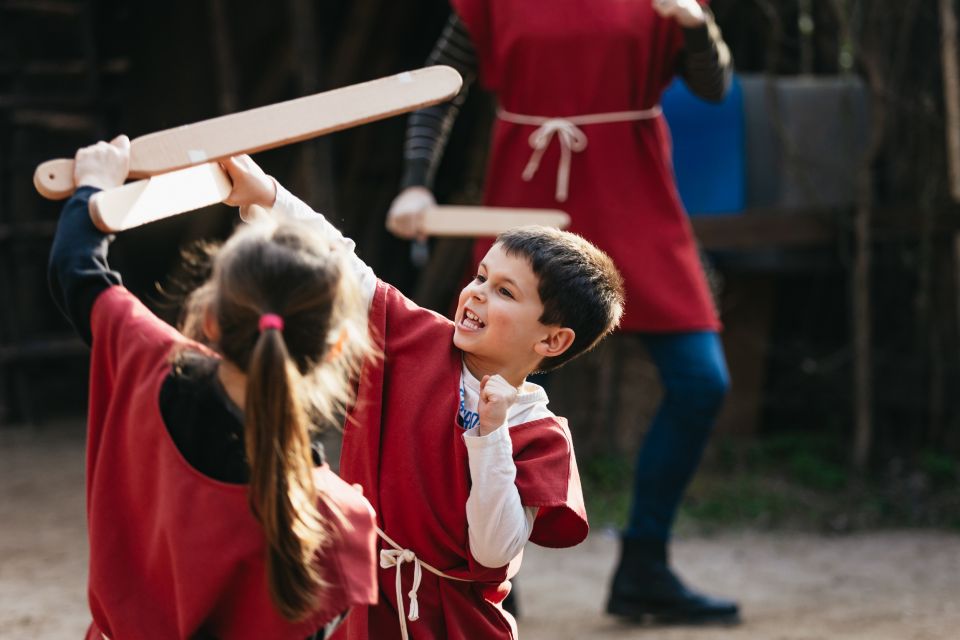
This is not the “watch from a distance” kind of Rome activity. It’s structured like a short training session: you arrive, get oriented, learn the basics of how gladiators fought, and then you actually practice and spar as a group. Even if you’re there mainly to take pictures, the pacing helps. You’re not stuck sitting while someone talks for ages.
The location matters. Learning Roman fighting skills on the Appian Way ties the lesson to a real place you can feel in your legs. You’re also surrounded by the kind of Roman imagery that makes the history “click” faster than museum-only stops.
It’s also built for a mixed crowd: adults, kids, and multi-generational groups can be in the same session. In other words, you don’t need to worry that this will be either too serious or too childish.
You can also read our reviews of more tours and experiences in Rome



Where you meet on the Appian Way (and how to keep your timing easy)
You meet your instructor at the Gladiator School of Rome on the Appian Way. The closest bus stop is Appia Antica-Travicella, served by lines 118 or 218.
Because the whole experience is only 2 hours, I suggest arriving a bit early. Not because things run late, but because you’ll likely want a calm moment to settle in, find the group, and take in the surroundings before training begins.
Two small practical tips that help:
- Wear shoes you’re comfortable walking in, since the lesson takes place outside.
- If you’re coming from Rome’s center, plan your route so you’re not rushing right up to start time.
The museum visit: where “Roman weapons” becomes real
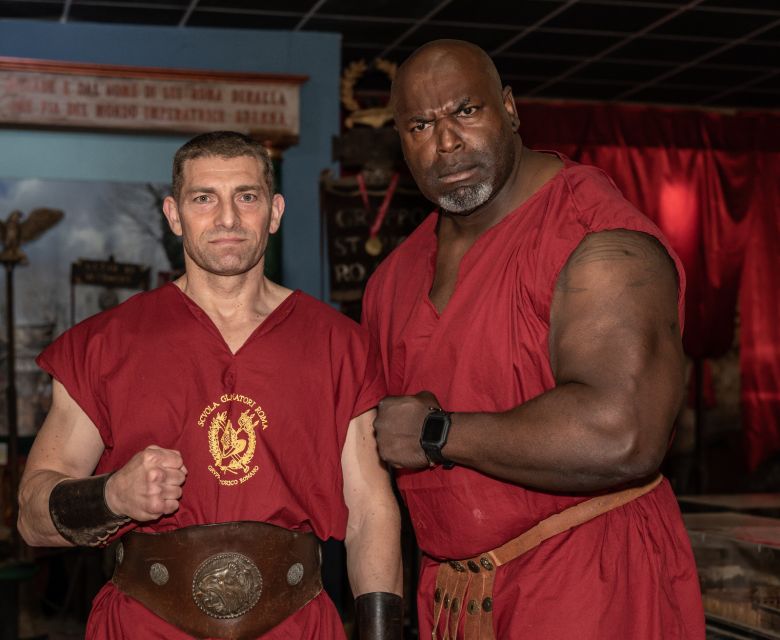
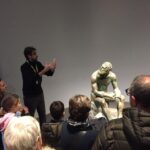
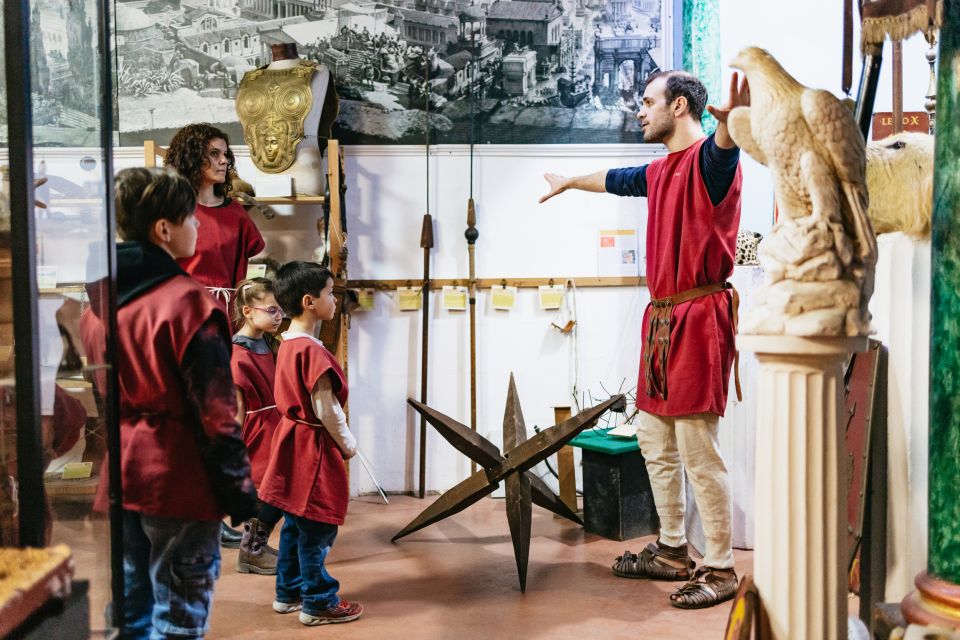
The class includes a museum visit, which is a big part of why this feels more than a gimmick. Instead of only learning moves, you get context: you see Roman weapons and equipment up close, and that visual grounding makes the training make sense.
A lot of Rome experiences are either purely historical (glass cases) or purely theatrical (staged fighting). This one tries to connect both sides. You get the “what is this?” before the “try this.”
Some participants also mention that the museum is small but focused, and that the items feel more authentic than the Hollywood version. If you care about how gear and fighting styles actually worked, this stop is where your interest usually spikes.
What to watch for during this part:
- Listen for the weapon names and what they were used for in context.
- Pay attention to safety instructions here too, since you’ll handle training equipment right after.
Sword fighting training: tunics, techniques, and safety that still feels fun
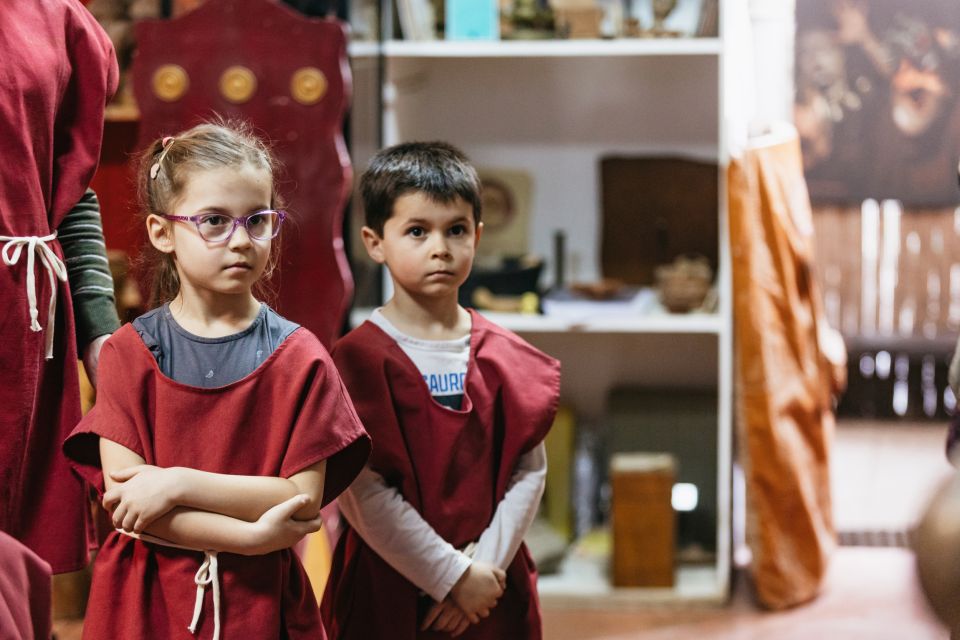
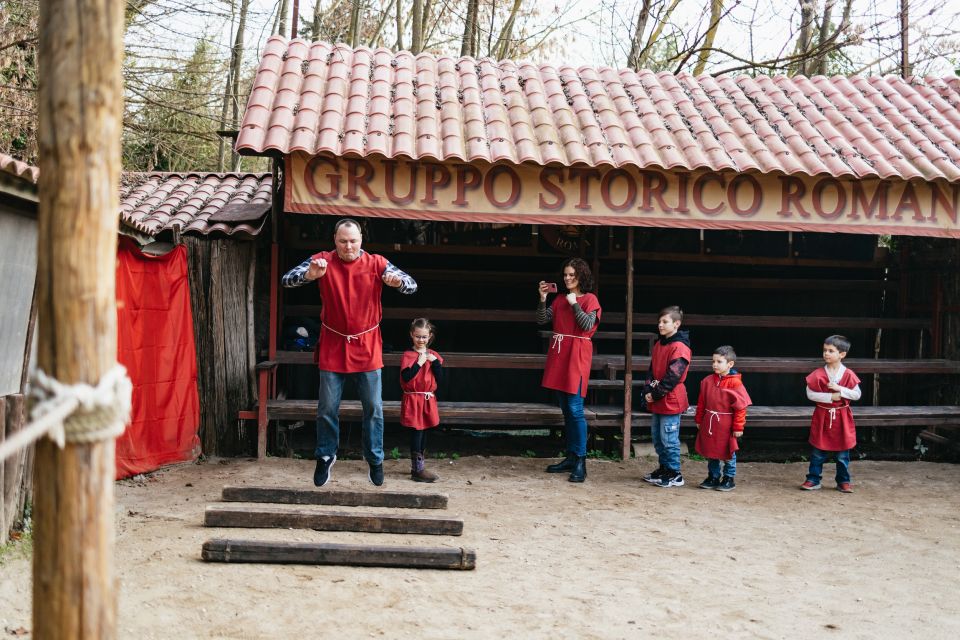
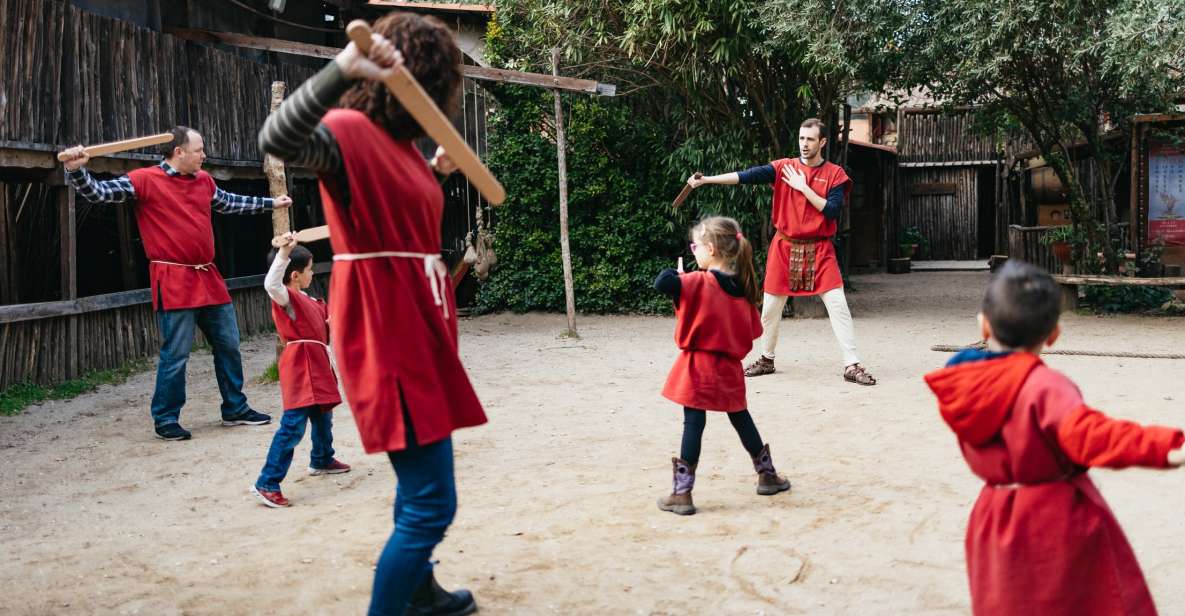
After the introduction, you get into the hands-on portion. You’ll wear the gladiator tunic and learn basic techniques of sword fighting, safely of course. The “safely” part matters, but it does not mean it’s timid.
From the feedback, what really stands out is that it’s not 75% talk and 25% action. The better sessions keep everyone participating. Even parents who attend as spectators often say they found it entertaining rather than awkward to watch.
Here’s what you can expect from the training style:
- Step-by-step basics first, so kids (and adults with no combat background) can follow.
- Technique coaching that is energetic and encouraging, not stiff.
- A real sense of discipline and control around movement, distance, and timing.
A common plus in the reviews: the instructors keep moving, engaging the group, and working hard to maintain energy. You might work with a guide like Cena, Mirko, Marko, or Olympus depending on the day, and the common thread is the same: they’re enthusiastic and focused on getting you through the steps.
Life as a gladiator: why the stories make the lessons stick

The training doesn’t just teach sword mechanics. It also layers in what life looked like for gladiators in Ancient Rome—how they lived, what the role meant, and what audiences expected.
This is the part that turns “cool moves” into actual understanding. When someone explains the social side—status, discipline, the culture around contests—you start recognizing why certain techniques and behaviors mattered.
In practical terms, this helps you remember what you learned. You’re not just repeating arm motions. You’re building a small mental picture of the world the fighters came from.
Also, the best instructors seem to make the history feel conversational. The guides mentioned by name (including Patriccio and Sina) are described as friendly, funny at the right moments, and patient with kids who want to do things full speed.



The final foam-battle in the arena, plus your certificate
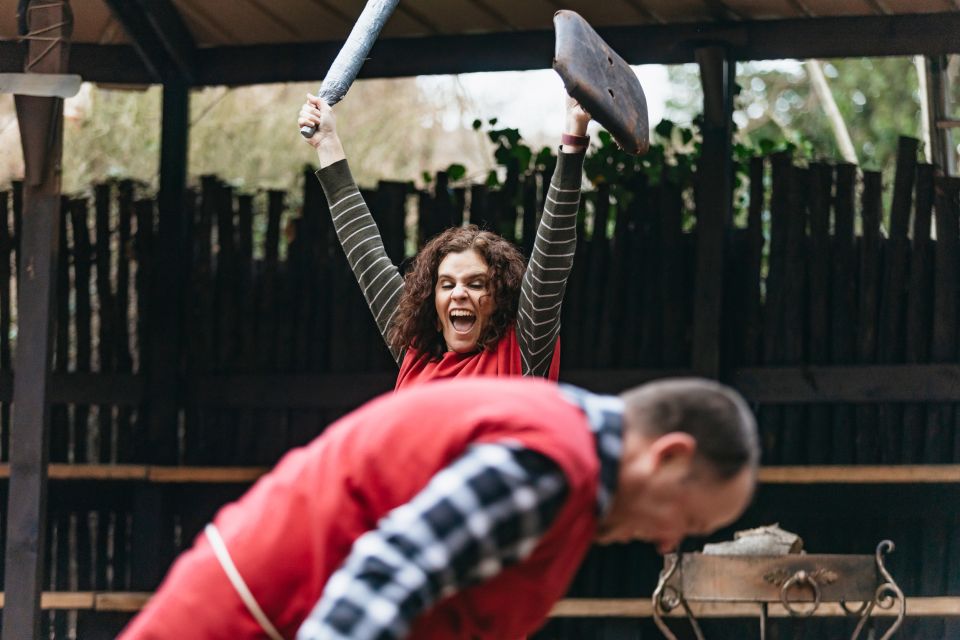
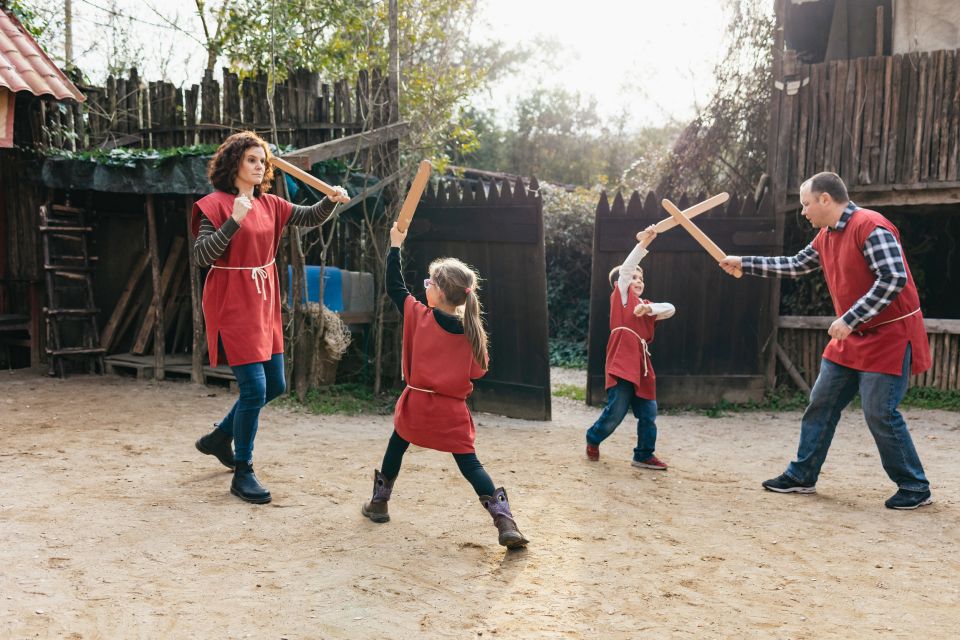
The payoff usually comes at the end: a final battle in a staged arena setting, using foam swords for safety. This is where the whole class clicks into a “we did it” memory.
Expect it to be interactive and staged like a contest. People mention it feels like you’re fighting in front of big moments, with a dramatic flair to the environment. And because it’s foam and coached, it stays in the safe lane while still looking like real action in photos.
Then you wrap up with a certificate presentation. It’s a small thing, but it helps kids (and adults who enjoy trophies) feel like the session had a real finish line.
One extra practical note: if you want great photos, position yourself early. By the final bout, everyone is in motion, and it’s easy to end up with a crowded view.
What’s included for the $135.94 price (and why it can be worth it)
The price is $135.94 per person for a 2-hour session. At first glance, it can feel steep if you’re comparing it to a museum ticket.
Here’s how I think about the value instead:
- You’re paying for instruction plus coaching, not just access.
- The experience includes a museum visit, training, and an end-of-class certificate.
- You also get drinks included.
That combination matters. Many “Rome activities” cost about the same but deliver only one component: either watching a show, or doing a short craft, or grabbing a selfie with a guide. This includes multiple layers—education, practice, and a finish moment.
It also helps that the reviews are very consistent: families call it the highlight of their trip, and adults who attend as spectators still find it genuinely enjoyable. That tends to happen when the pacing works and the coaching is solid.
Still, one consideration: if you’re only looking for passive sightseeing, this may not be the right fit. It’s a workout-style activity. You’ll be participating.
Mosquitoes and heat: the real-world considerations that matter

This is where planning pays off. People specifically warn about mosquitoes, and they recommend insect repellent.
Hot weather also shows up in feedback. On very warm days, it helps that the facility offers shade spots and cold water is available. But I still recommend you bring:
- Repellent
- A light layer you’re okay getting sweaty in
- Water from outside if you prefer it (even if drinks are included)
If you’re visiting in summer or shoulder season with warm afternoons, think of this as a short outdoor workout. The “Roman gladiator” vibe is fun, but your comfort still matters.
Who this gladiator school is best for
This class is a strong match if you want a hands-on Rome stop that feels different from the big monuments.
Great for:
- Families with kids who do better with movement than sitting still
- Adults who want something more active than another guided walk
- Anyone visiting after iconic sights like the Colosseum and wants a day that feels like a bridge between history and real experience
Not ideal for:
- If you dislike active classes or want a totally passive experience
- If you have concerns about being outdoors in warmer weather or dealing with insects (plan for it)
The mixed-age nature is a plus. Kids from early school ages through teenagers can handle it with coaching, and adults can join too without needing special skills.
Should you book this Rome gladiator school?
Yes, you should book it if you want an interactive, coached experience that turns Roman fighting history into something you do, not just something you watch. The strongest argument is the combination: museum context + real swordplay basics + a final foam-battle + a certificate, all in two hours.
Book with an open mind if you’re worried it might feel cheesy. Based on the instructors’ style (people cite names like Cena, Mirko, Marko, Olympus, Patriccio, and Sina) and the way sessions stay active, this seems to land well with both kids and adults.
If you’re sensitive to bugs or heat, treat that as a planning item, not a reason to skip. Bring repellent, stay hydrated, and plan to enjoy the fact that this is training, not theatre.
FAQ
How long is the Gladiator School in Rome?
The course is 2 hours. Start times vary, so check availability for the schedule.
Where do I meet the instructor?
Meet your instructor at the Gladiator School of Rome, located on the Appian Way. The nearest bus station is Appia Antica-Travicella (lines 118 or 218).
What languages are the instructors?
The instructor speaks English and Italian.
What’s included in the ticket price?
It includes a museum visit, gladiator training, a certificate, and drinks.
Is it suitable for kids and adults?
Yes. The experience is described as suitable for children and adults, and it’s designed so you can participate in the course.
Do parents who don’t attend the course need a ticket?
No. Parents and/or companions do not have to pay for a ticket if they do not attend the course.
Is the activity wheelchair accessible?
Yes, the activity is listed as wheelchair accessible.