REVIEW · MOTORBIKE & SCOOTER RENTALS
Rome by Night Vespa Tour With Driver/Private Guide
Book on GetYourGuide →Operated by Dearoma Tours & Travel srl · Bookable on GetYourGuide
Night Rome hits different from a scooter seat. This private 3-hour Vespa tour turns Rome’s monuments into a low-crowd, after-dark show, with stops that feel both iconic and well-paced. Two things I really like: the tailor-made route (so you can emphasize what you care about) and the included food moments, from strong Italian coffee to gelato and an aperitif break in Testaccio. One consideration: you don’t drive—you ride pillion while a professional handles the Vespa, which is great for safety, but not what some people expect.
I also love the way the evening format changes your perspective. You’ll pass places like the Colosseum, Vatican City-area highlights, and the Aventine Keyhole without the daytime crush, and the guide ties it together with quick, clear storytelling as the city lights come on. If you’re a first-timer or you want your bearings fast, this is an efficient way to see a lot without rushing through everything like a checklist.
In This Review
- Key highlights to look for
- Why Rome by Night feels more romantic on two wheels
- How the private setup works: hotel pickup, helmets, and pillion seating
- The evening route: Imperial Fora and the Colosseum at night
- Palatine Hill, Baths of Caracalla, and Porta San Sebastiano: the Rome beyond the crowds
- Aurelian Walls, Pyramid of Cestius, and Aventine Keyhole
- Testaccio after dark: coffee, aperitif, and local market flavors
- Circus Maximus: a final scenic sweep before you’re back in Rome
- What to wear, what to expect, and how to stay comfortable
- Price and value: is $203.91 per person a good deal?
- Should you book the Rome by Night Vespa Tour?
- FAQ
- How long is the Rome by Night Vespa Tour?
- Do I drive the Vespa on this tour?
- Where does pickup happen?
- What’s included with the tour?
- Is dinner included?
- What is the tour like in terms of stops?
- Are there restrictions on luggage or intoxication?
Key highlights to look for
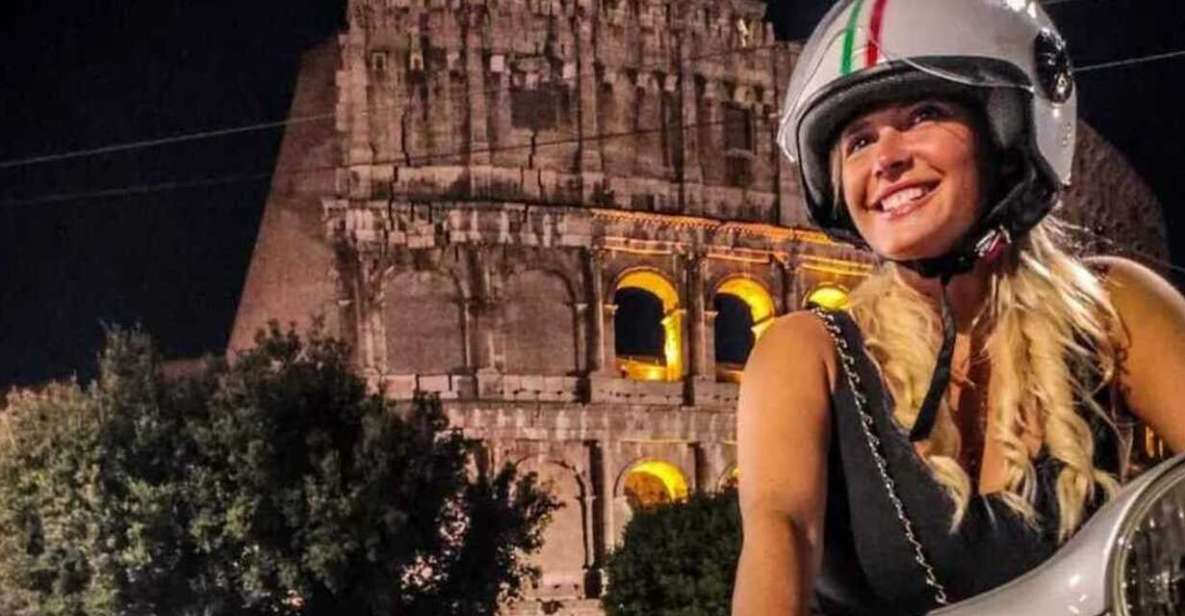
- Vintage Vespa + professional driver: you sit back while the team handles traffic and timing
- Nighttime pacing at major ruins: photo stops plus short guided segments at big hitters
- Tailor-made route: you can steer the itinerary toward the Colosseum, Trevi Fountain, Spanish Steps, or Vatican City
- Food-and-drink breaks included: coffee/gelato/drink and an aperitif + local snacks stop in Testaccio
- A “Rome after dark” sense of mood: fountains, illuminated stone, and viewpoints when the streets calm down
Why Rome by Night feels more romantic on two wheels
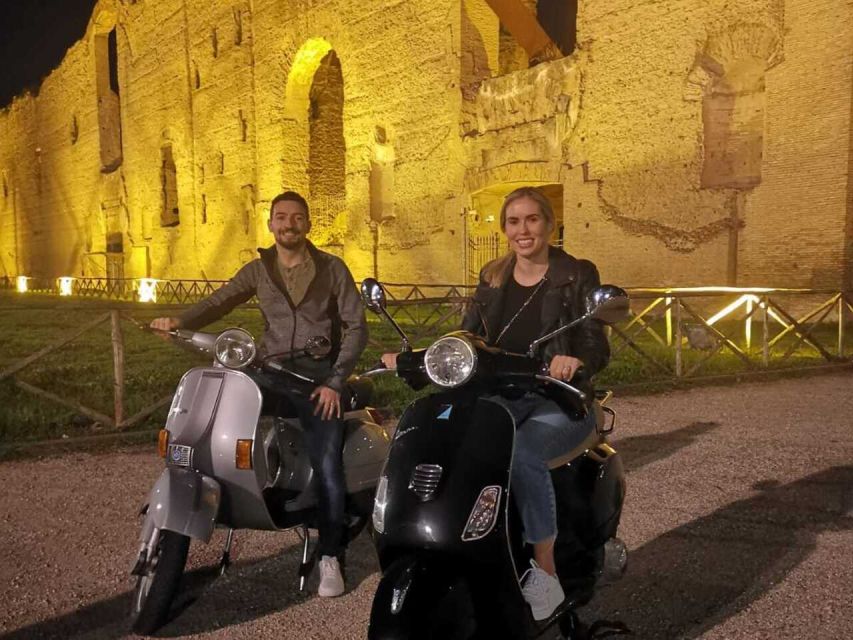
There’s a reason a night tour works in Rome. Daytime tends to feel like a stampede—sun, crowds, and everyone taking the same angles. At night, the city shifts into a different rhythm: stone turns luminous, streets feel more intimate, and you get to “read” the city without shoulder-to-shoulder pressure.
On this tour, the Vespa isn’t just a cute ride. It’s a practical way to move between sights while the light changes. You see major monuments under their evening illuminations, and you also get the in-between moments—turns down historic streets, brief scenic rides, and stop-to-stop explanations that help those monuments make sense.
If you like history but you don’t want it packaged like a museum lecture, this format is easier to enjoy. You get short guided time at stops, then back on the road for the next view. It feels like Rome is unfolding in chapters, not in one long, tiring march.
You can also read our reviews of more guided tours in Rome
How the private setup works: hotel pickup, helmets, and pillion seating
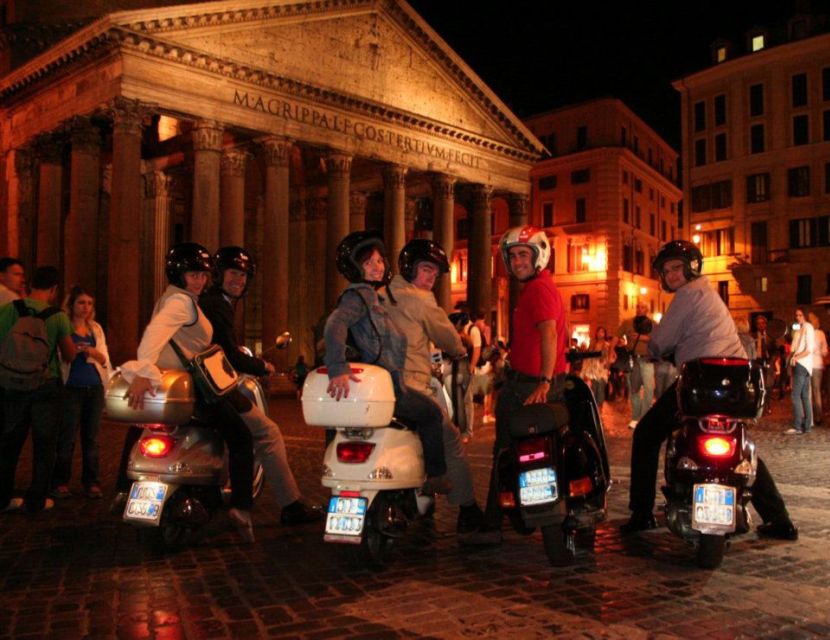
This is a private experience, and that matters. You’re not squeezed into a big group schedule, and you have more flexibility to shape the route. Hotel pickup and drop-off is included, so you can start the evening without worrying about finding a meeting point or navigating transit with dark streets and bags.
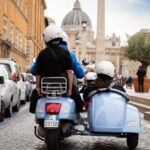
Safety is handled in a very specific way. Guests do not drive. Every Vespa is driven by a professional, and you ride on the back seat. Helmets are provided, and there’s a short safety briefing before you head out. A raincoat is also included, which is worth noting in Rome—weather can flip fast, especially in the evening.
The “pro driver” setup is ideal if you’re curious about Vespas but nervous about traffic. It’s also ideal if you want the ride and the story without the distraction of concentrating on the road. The trade-off is simple: if you were hoping to handle the scooter yourself, this isn’t that kind of tour.
The evening route: Imperial Fora and the Colosseum at night
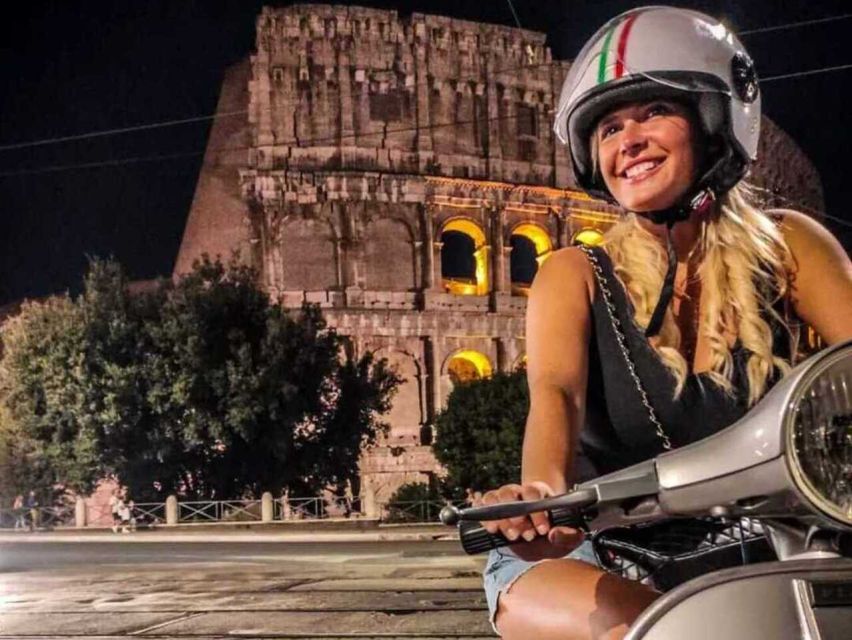
The tour kicks off with pickup in Rome, then a quick safety briefing. After that, you’ll hop on and settle into the rhythm of a night Vespa ride—short scoots between stops, then time to look, photograph, and listen.
One early scenic segment heads toward the Imperial Fora area. Even if you don’t stop there long, the drive is useful because it frames what’s ahead: these ruins aren’t isolated—they’re part of an urban system that once powered the city. From the road, you get a sense of scale before you ever step into the main photo-and-guided stops.
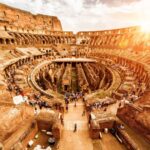
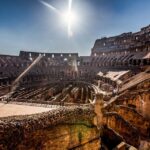
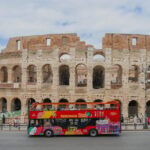
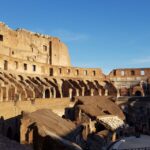
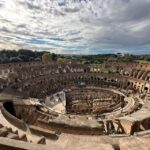
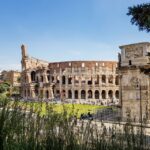
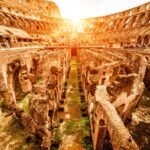
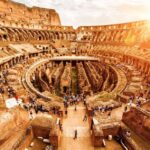
Then comes the big one: the Colosseum. Your stop includes a photo moment plus a guided segment, and you’ll also pass scenic viewpoints on the way. The Colosseum at night hits differently. In daylight, it can feel like a photo backdrop. At night, it looks more like a monument than a set piece—lit stone, softer shadows, and a calmer atmosphere for actually noticing details.
You also get back on the Vespa fairly quickly, which helps keep the tour feeling lively. This matters if you don’t want one long stop where everyone crowds around the same spot.
Palatine Hill, Baths of Caracalla, and Porta San Sebastiano: the Rome beyond the crowds
After the Colosseum stop, the tour keeps moving through historic zones rather than sticking only to the most famous postcard corners.
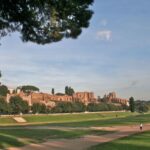
You’ll do a scenic drive past Palatine Hill. That’s a smart pacing choice because Palatine is central to Rome’s story, but you don’t necessarily need to lose time inside at night to appreciate the significance. From the road, you get the context and the atmosphere.
Next is the Baths of Caracalla. Your time here includes a photo stop plus a guided segment, with scenic views while you travel in and out. Nights are when ruins start to look almost theatrical, and Caracalla benefits from that mood. Even if you know the basics, a good guide helps you connect what you’re seeing to why these bath complexes mattered—how people lived, gathered, and organized daily life.
Then the tour swings toward Porta San Sebastiano for photos and guided explanation, again with scenic viewpoints on the approach. This stop is a reminder that Rome’s history doesn’t only live at grand squares. City gates like this show you the defensive, lived-in side of the ancient metropolis.
If you care about feeling like you’re seeing real Rome (not just famous names), this section is where the tour starts to feel special. It’s not only “look at the Colosseum” energy. It’s “notice the city’s layers” energy.
Aurelian Walls, Pyramid of Cestius, and Aventine Keyhole
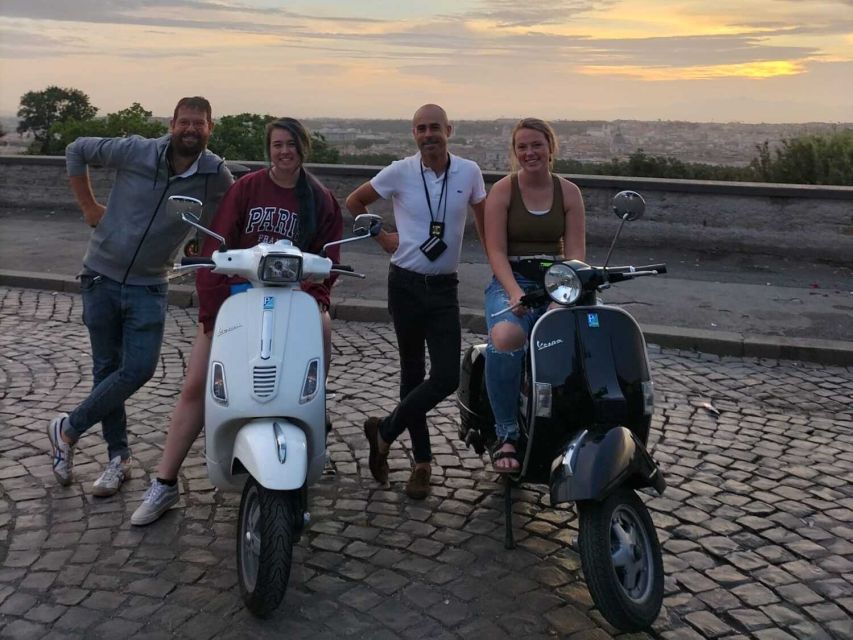
Rome is full of symbolism, and the route uses that. You’ll pass Aurelian Walls via a scenic drive, then head toward the Pyramid of Cestius for guided time and photos.
The Pyramid of Cestius can be easy to miss in a normal day plan because it’s not always the first stop on standard sightseeing routes. On this tour, it gets real attention. You’re there long enough to register what it is and why it matters, without turning it into a long detour.
Then you’ll visit the Aventine Keyhole for a photo stop and guided explanation. This is one of those Rome moments that’s fun because it’s specific. It’s not just a view—it’s a quirky tradition linked to how people look out over the city. Whether you’re into small details or just love a good night photo, this stop tends to land well because it breaks up the big-monument rhythm.
The overall trick here is balance: you’re seeing major landmarks, but you’re also getting variety. Walls, gates, a distinct pyramid, and then that keyhole viewpoint. It keeps the night from feeling like a single long “greatest hits” montage.
You can also read our reviews of more private tours in Rome
Testaccio after dark: coffee, aperitif, and local market flavors
One of the best practical parts of this tour is the break built into the itinerary. You’ll head to the archaeological area/new market in Testaccio for a longer pause—about 20 minutes.
This is where you’ll get a taste experience: aperitif, beer and wine options, local snacks, and a food tasting. The point isn’t to make dinner happen for you. It’s to give your night plan a local anchor, so the tour doesn’t feel like you’re only hopping from viewpoint to viewpoint.
You’ll also have included moments earlier in the evening for strong Italian coffee and gelato, plus a drink. This matters because the tour is fast-moving. Without built-in stops for taste and rest, you’d lose energy. With them, you can keep the pace without feeling drained.
I like tours that treat food as part of the story rather than a side quest. This one does that, especially because Testaccio is the kind of place that gives Rome personality. Even if you only spend a short time there, it’s enough to shift the night from tourist viewing into something more lived-in.
Circus Maximus: a final scenic sweep before you’re back in Rome
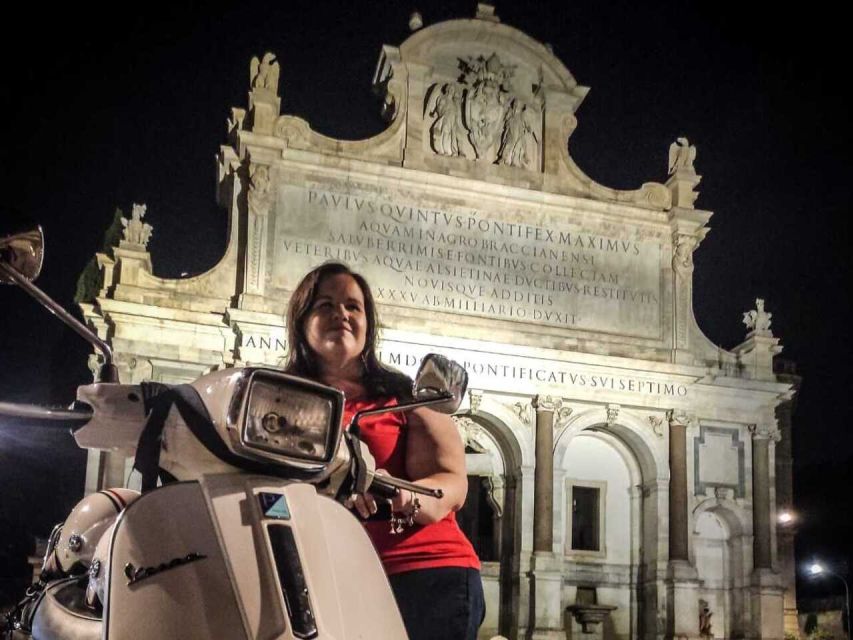
The tour ends with another scenic drive through Circus Maximus. Even if you don’t get a big guided stop here, the timing works. It’s near the finish, when you’re starting to feel that “wow, we covered a lot” mood, but you’re not exhausted yet.
Circus Maximus at night is a good capstone because it broadens the view beyond temples and arches. It highlights how Rome entertained people on a grand scale. And because you’re riding the Vespa between spots, you’re still in motion at the end, so the tour doesn’t drag.
Then it’s back to your starting area in Rome.
What to wear, what to expect, and how to stay comfortable
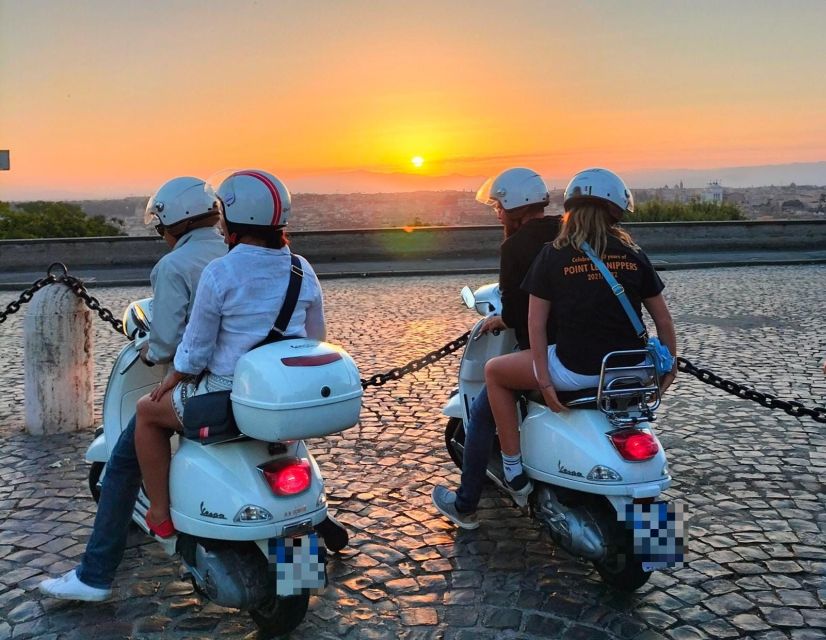
A few practical notes can make your ride more enjoyable.
You’ll want to plan for cool evening air. An outdoor jacket is recommended, and a raincoat is included if weather turns. Since you’re sitting pillion, warmth matters more than you might think. You also have a helmet, so bulky gear isn’t the point—simple and comfortable is the goal.
You also should travel light. Luggage or large bags aren’t allowed, so this is best for carry-on essentials and a phone/camera setup. If you’re traveling as a family with extra bags, I’d rethink which items you bring on this night.
Finally, the tour has rules for good reason: no intoxication. The ride is designed to feel safe and exciting, not chaotic. Also, it’s not suitable for pregnant women and for people with back problems. It’s not suitable for children below 3 ft 9 in (120 cm). If any of those apply, skip this one and choose a different style of tour.
Price and value: is $203.91 per person a good deal?
At $203.91 per person, this isn’t a bargain. But it can be good value depending on what you’re comparing it to.
Here’s what you’re actually paying for:
- A private guide (not just an audio route)
- Hotel pickup and drop-off
- A vintage Vespa rental with a professional driver (you ride, they handle the bike)
- Helmets and an included raincoat
- Insurance
- Included coffee/gelato/drink
- A timed tasting break in Testaccio with aperitif/beer-wine and local snacks/food tasting
- A tailor-made route so you’re not locked into a single rigid line
If you think about the cost of a normal guided tour plus transport plus “iconic sights at night” access, the math gets easier. This package also saves time. You’re covering a lot in three hours without needing to switch vehicles or fight traffic yourself.
Where the price can feel less worth it is if you’re not excited by the Vespa concept or if you mainly want one or two stops. But if you want a night overview plus a handful of meaningful ruins and viewpoints, the included tasting breaks and private pacing make the spend more defensible.
Should you book the Rome by Night Vespa Tour?
Book it if you:
- Want Rome at night with less crowd pressure than daytime sightseeing
- Love photo opportunities at big sights like the Colosseum
- Prefer a guided route with short, focused stop time rather than long museum-style pacing
- Like your tour to include coffee, gelato, and an aperitif tasting moment in Testaccio
- Want a night plan you can tailor to your interests
Skip it (or choose a different format) if you:
- Were hoping to drive the Vespa yourself (you ride pillion with a pro driver)
- Have issues like back problems, or if it’s relevant for you that the tour isn’t suitable for pregnancy or for people under 120 cm
- Need to bring large bags/luggage (not allowed)
If you’re planning your first days in Rome, I’d put this near the beginning. It helps you understand what you’re seeing later, and it gives you that night-time mood you can carry into the rest of your trip.
FAQ
How long is the Rome by Night Vespa Tour?
It lasts 3 hours total. Starting times vary, so you’ll want to check availability for the time that fits your schedule.
Do I drive the Vespa on this tour?
No. Guests do not drive. Each Vespa is driven by a professional driver while you ride on the back seat.
Where does pickup happen?
Pickup and drop-off are included at your hotel (also listed as pick-up from Rome hotels, B&Bs, and apartments).
What’s included with the tour?
Included items are a private guide, vintage Vespa rental with drivers, helmets, hotel pickup/drop-off, a tailor-made route, coffee/gelato/drink, a raincoat, and insurance.
Is dinner included?
No. Dinner is not included.
What is the tour like in terms of stops?
You’ll make a mix of scenic drives and photo/guided moments at major sites. The plan includes areas such as the Imperial Fora, the Colosseum, Palatine Hill, Baths of Caracalla, Porta San Sebastiano, Aurelian Walls, the Pyramid of Cestius, Aventine Keyhole, and Circus Maximus, plus a break in Testaccio.
Are there restrictions on luggage or intoxication?
Yes. Luggage or large bags are not allowed, and intoxication is not allowed.
If you tell me your travel dates and whether you want more Vatican-side sights or more ancient-ruins focus, I can suggest how to frame the tailor-made route so you get the most out of the three hours.